

Fossil
Fossil Women's Watch, Raquel Quartz Stainless Steel Watch for Women
★★★★☆4.7
$136.50
$250.00
-45 %
*
A moonphase watch shows the lunar cycle on the dial, a feature rooted in traditional watchmaking that also appears in modern mechanical, quartz and smart devices. This page outlines the range of products on the market, from classic gear-driven modules to electronic implementations, and situates the complication within technical and commercial contexts. The focus is on real-world uses, differences in mechanism and the compromises linked to price tier and finishing.
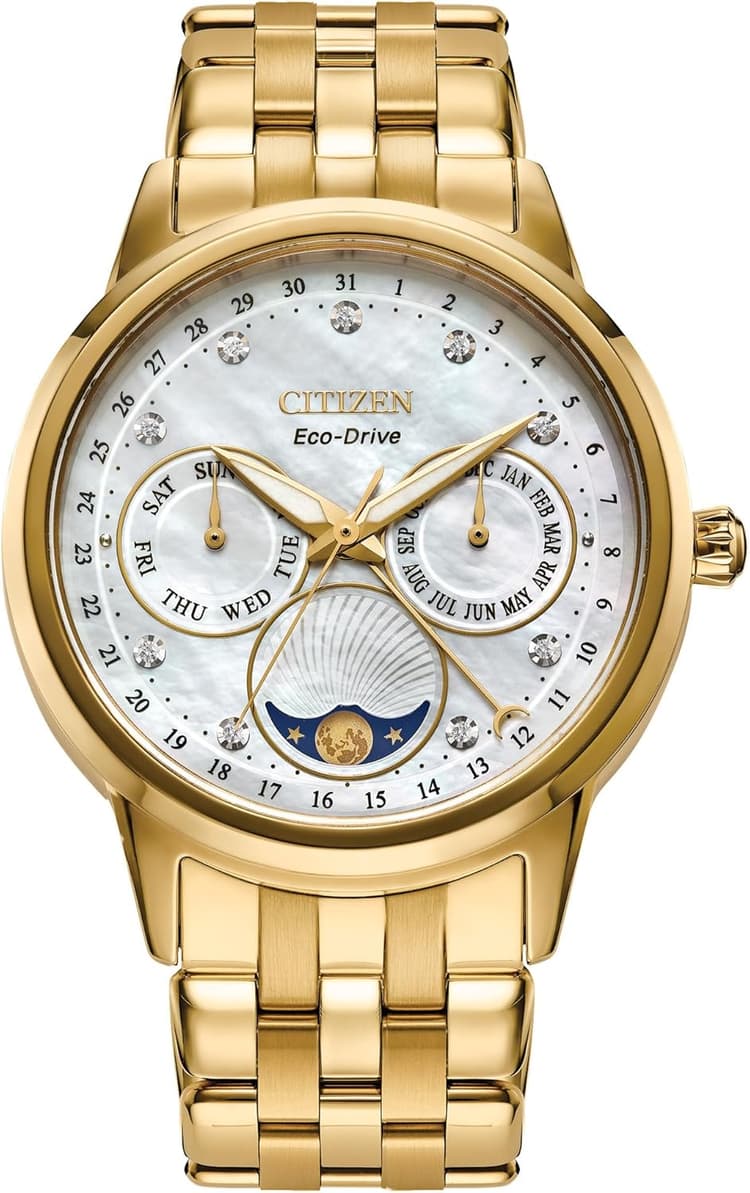
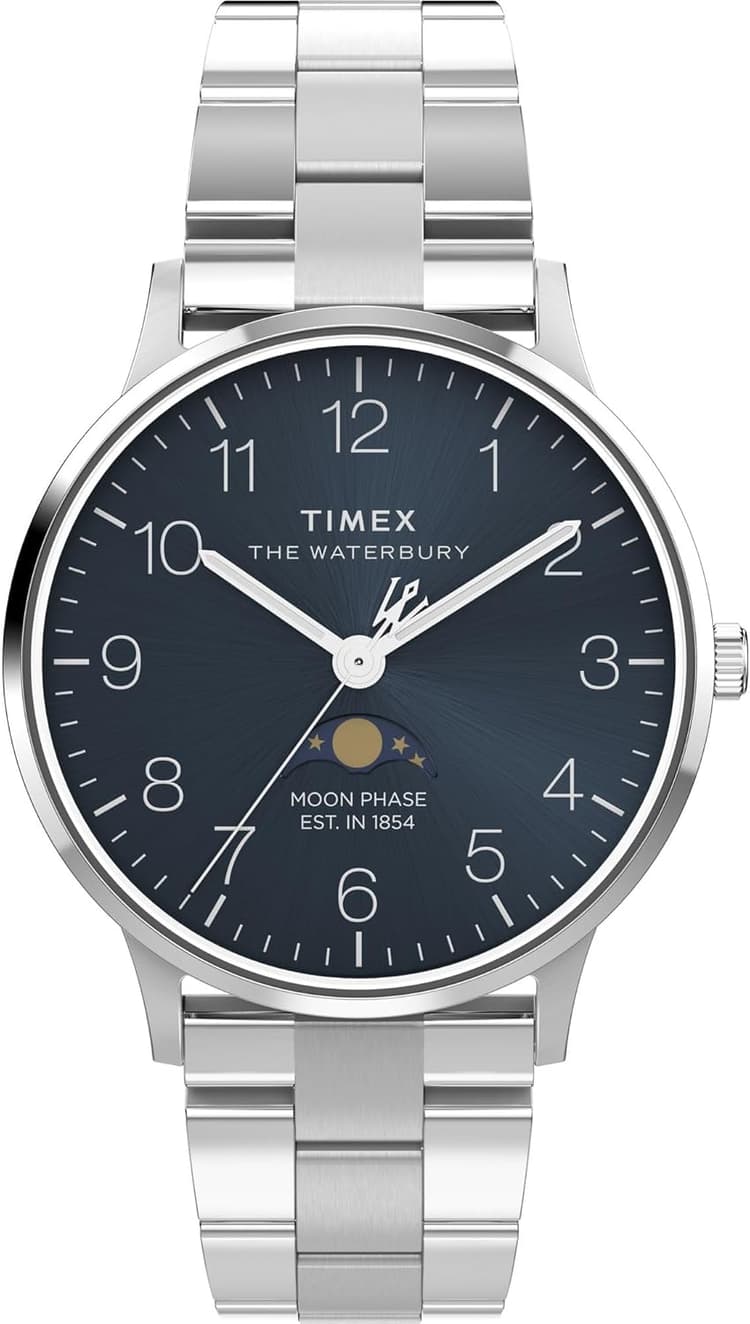
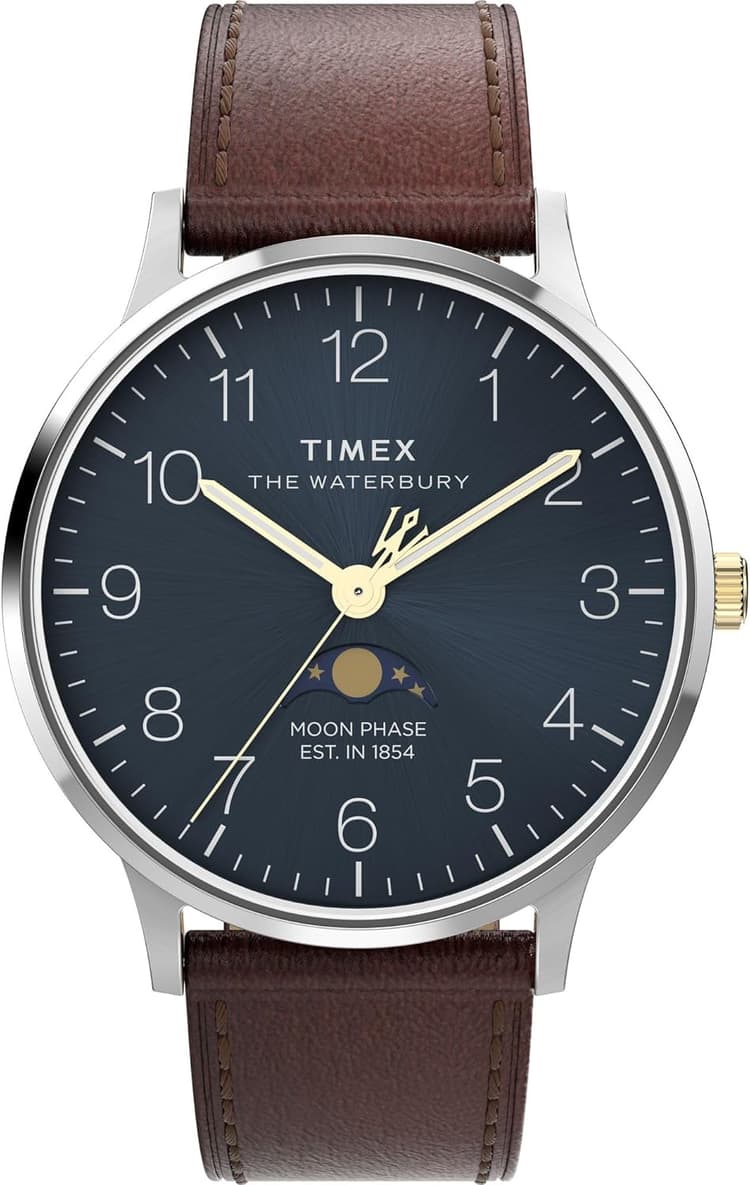
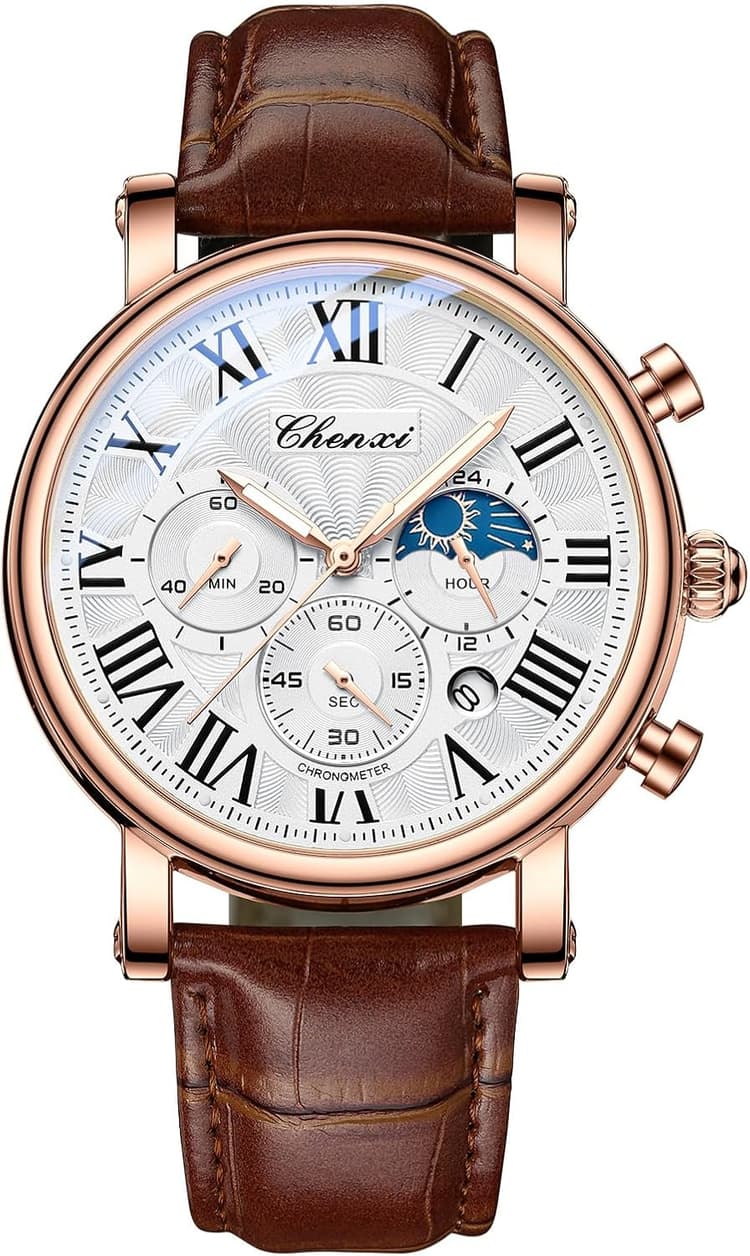
Begin by clarifying intended use. Collectors who value mechanical craftsmanship should look for a mechanical movement with an integrated moonphase module and visible finishing, since movement architecture and dial quality affect both appearance and longevity. For daily wear where timekeeping precision and low maintenance matter, quartz models provide consistent lunar indication. Smartwatches suit users seeking customizable displays and extra data (calendars, activity tracking), though they lack the mechanical heritage of traditional watches. Additional decision factors include the display style (small aperture versus full-disc representation), whether the moonphase is part of a fuller calendar complication, case dimensions and thickness, water resistance, and access to servicing or spare parts. Also evaluate how often the moonphase needs manual correction; implementations vary in long-term accuracy.
Fossil
$136.50
$250.00
-45 %
*
CITIZEN
$367.50
$525.00
-30 %
*
Casio
$34.49
$45.95
-25 %
*
Timex
$163.18
$179.00
-9 %
*
Timex
$156.00
FANMIS
$27.99
![[オリエント] 腕時計 Bambino バンビーノ Sun&Moon サンアンドムーン 自動巻き腕時計 機械式 オートマティック](/_next/image?url=https%3A%2F%2Fm.media-amazon.com%2Fimages%2FI%2F7107AUCZeBL._AC_SL1500_.jpg&w=750&q=75)
$392.12
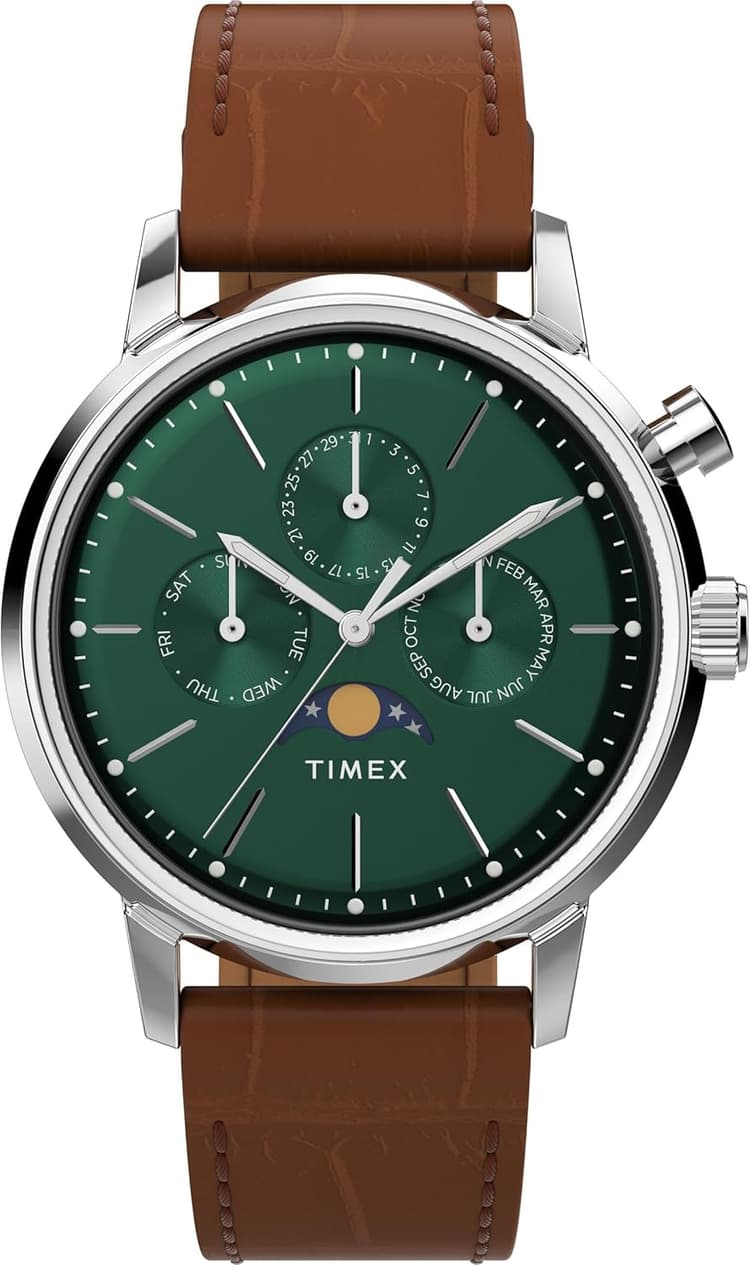
Timex
$199.00
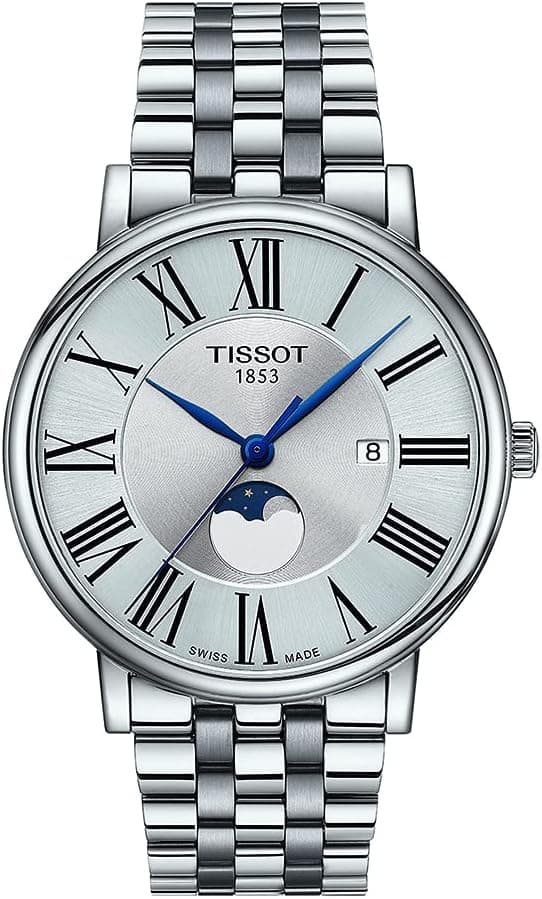
Tissot
$495.00
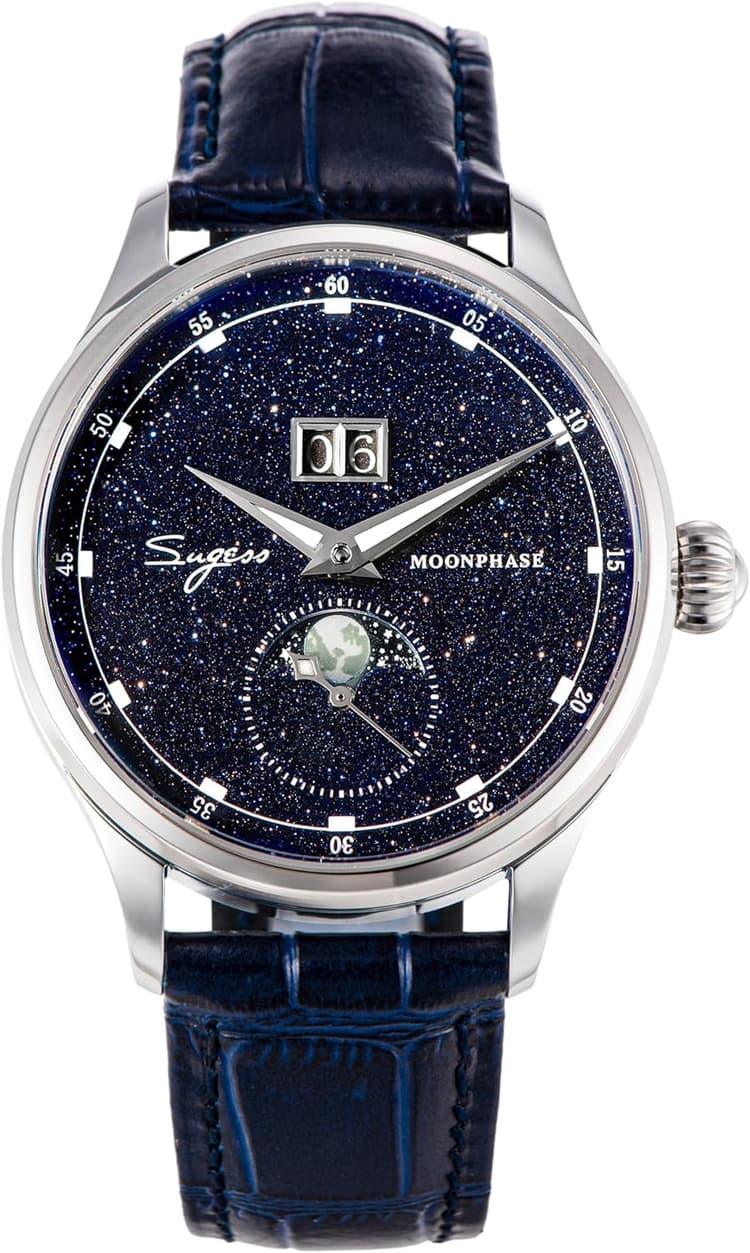
Sugess
$189.99
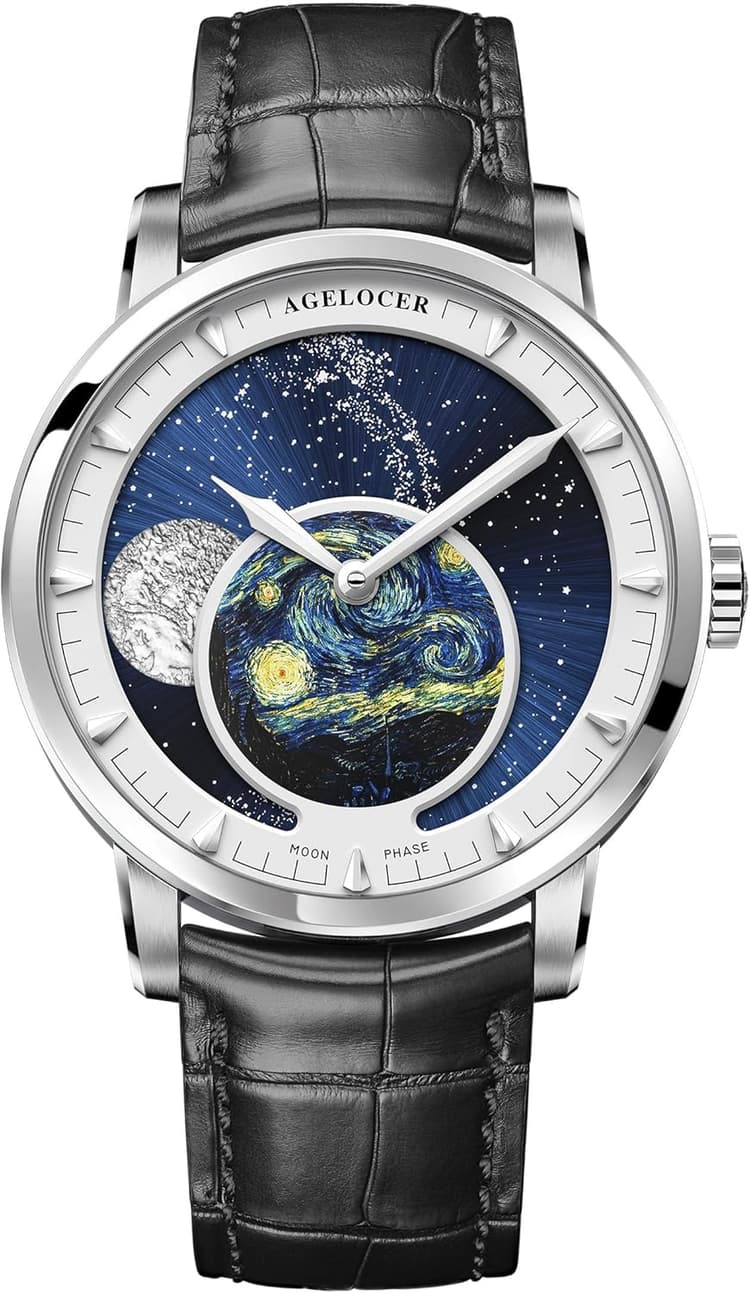
AGELOCER
$299.99

BERNY
$59.99
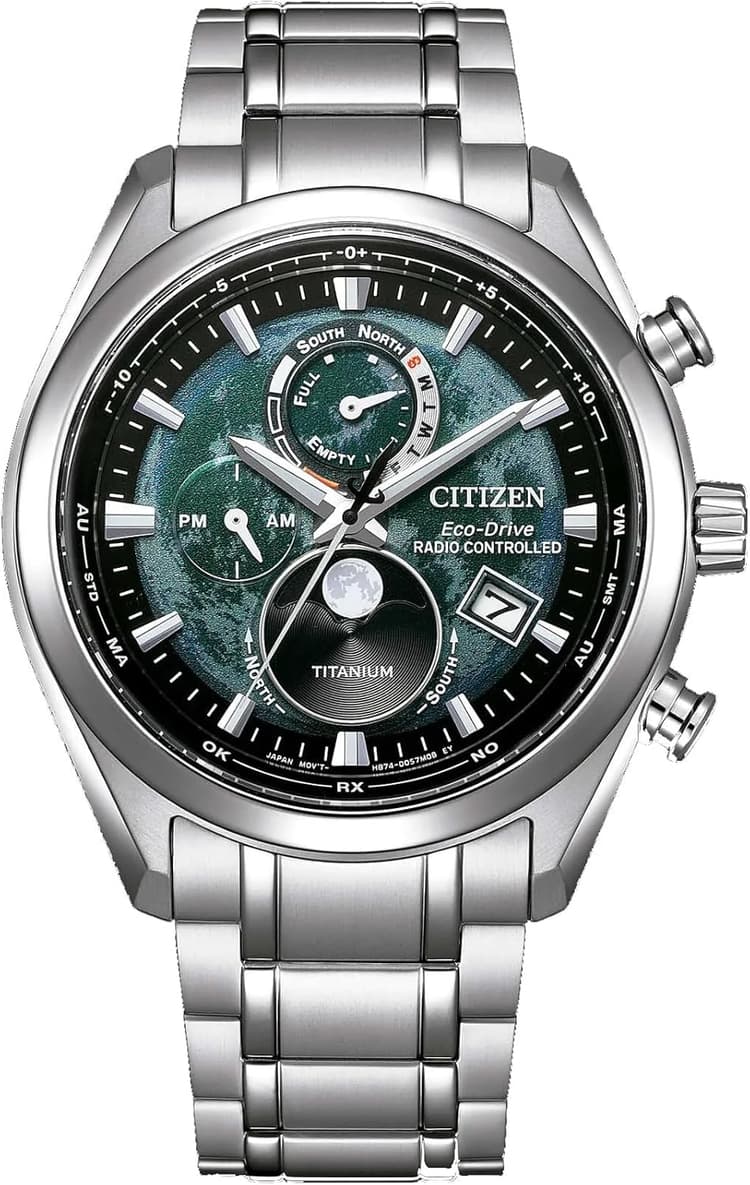
CITIZEN
$700.00
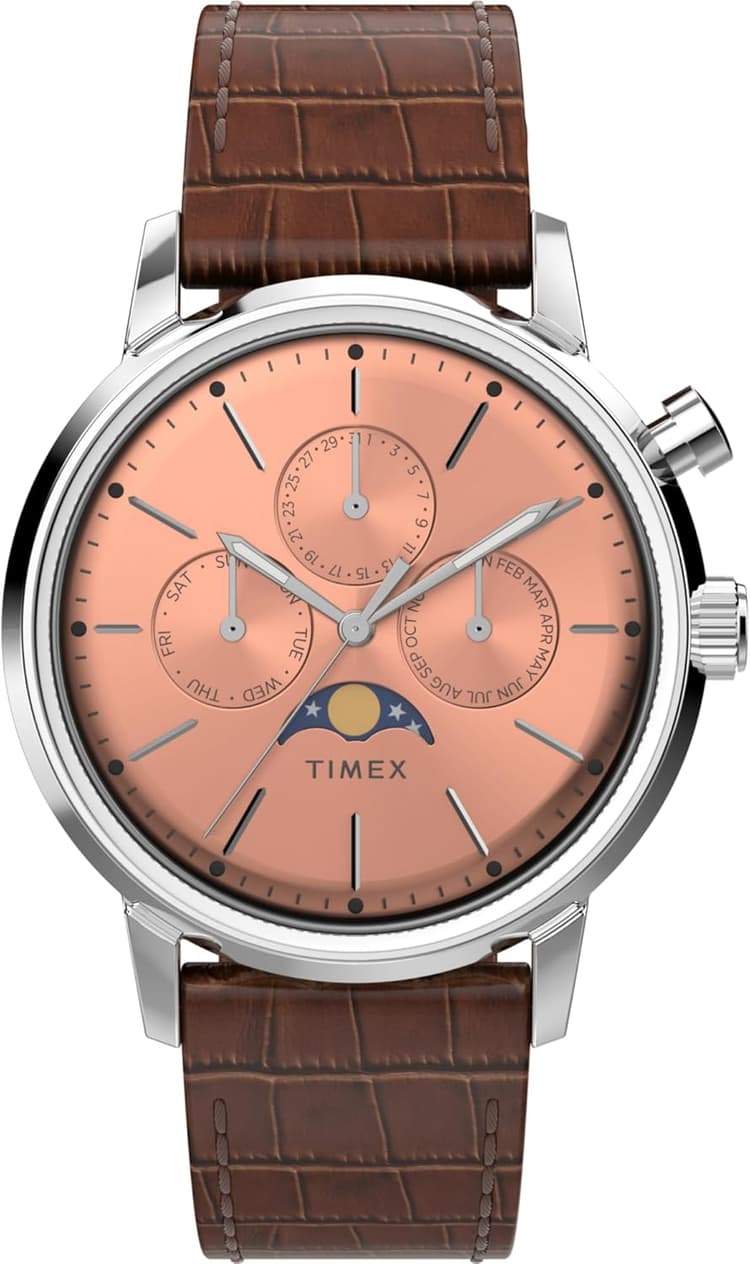
Timex
$159.99
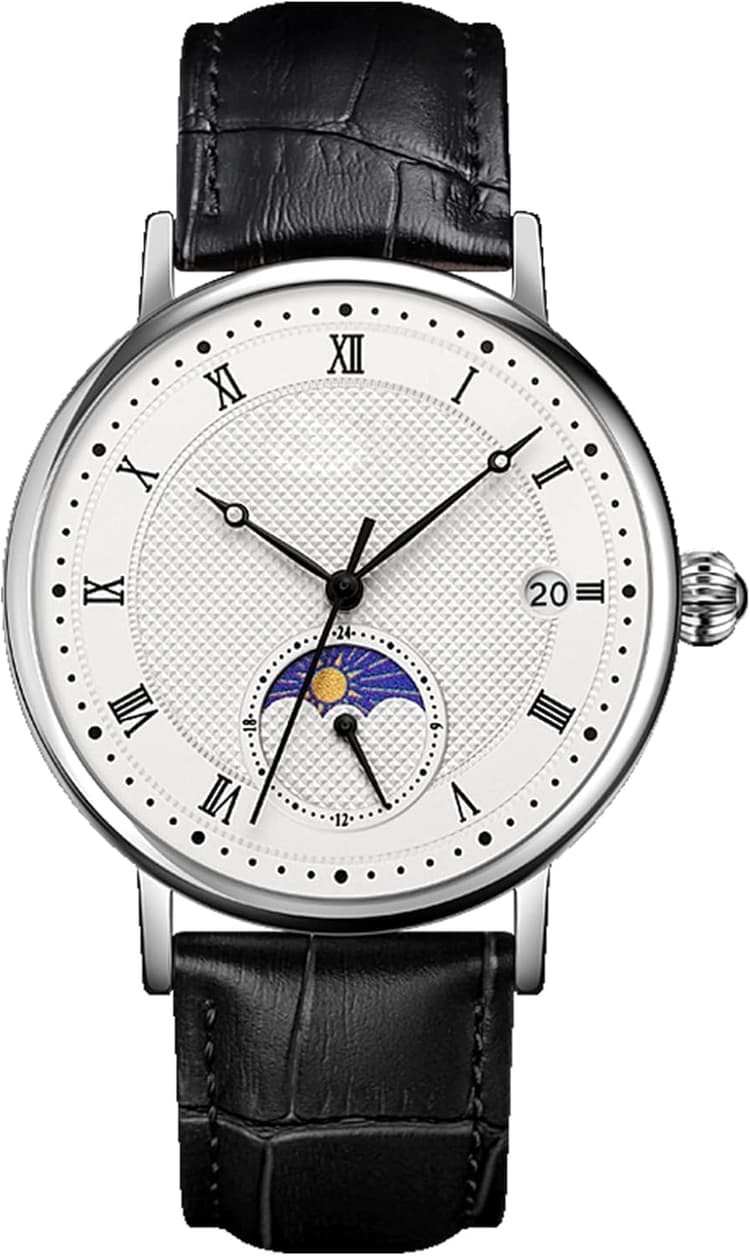
FANMIS
$26.70
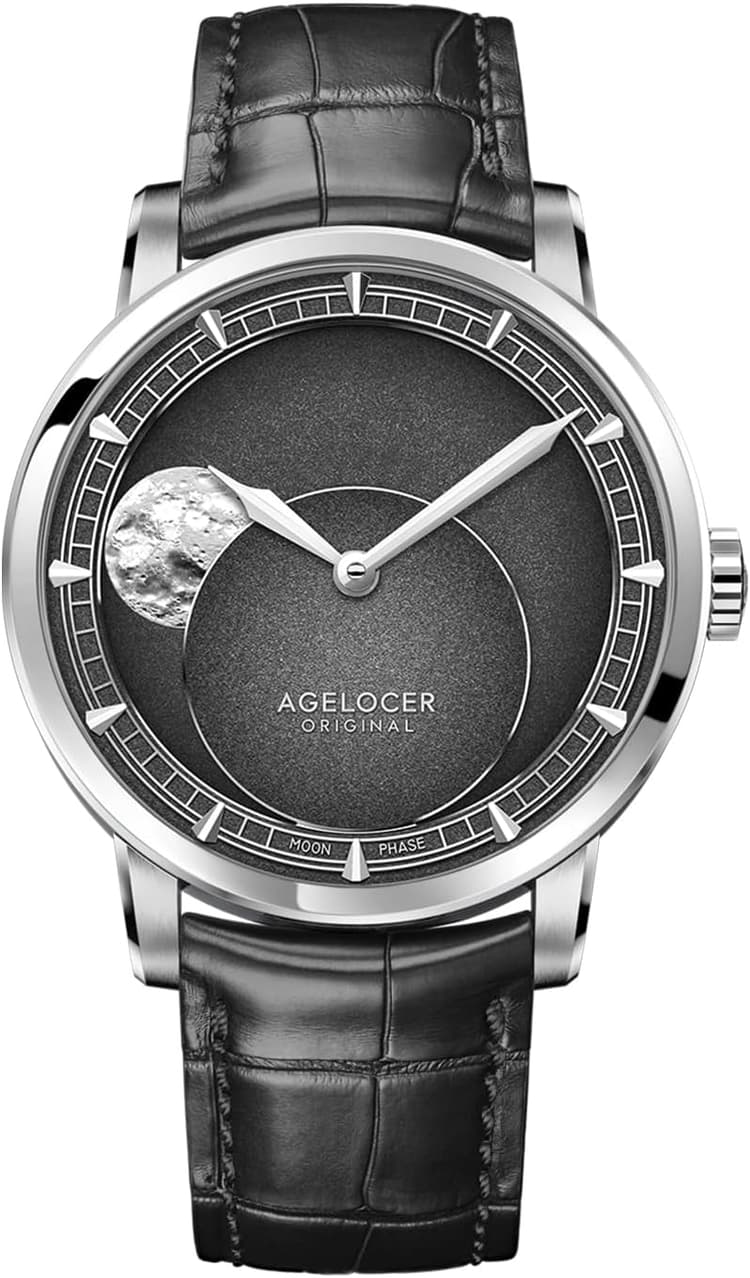
AGELOCER
$599.99
Advantages: the moonphase adds a visual and storytelling element to the dial, enriches time display without overcomplicating it, and often signals watchmaking expertise when implemented mechanically. It can also enhance aesthetics through a painted disc or stylized moon motif. Limitations: for many users the feature remains largely decorative and may require periodic adjustment depending on module accuracy. Mechanical moonphase watches typically carry a price premium versus similar non-complicated models and demand more frequent servicing. In smartwatches, lunar displays lack mechanical character and rely on software and updates, which affects the long-term ownership experience.
This page aims to explain and contextualize the moonphase complication within the watch market. Examples and categories are illustrative and do not constitute endorsements of specific brands or models. Our editorial process uses technical and aesthetic criteria to classify watch types and relies on public and specialist sources for analysis. Some related pages may include affiliate links; where present, these help fund the site and do not influence our editorial methodology.
Tests and articles by watch experts, based on technical criteria and side‑by‑side comparisons.
We compare models and features to inform your choice, free from commercial influence.
Guides are regularly updated to reflect new releases and market developments.
We may earn a commission from links to partner retailers; this does not affect our independent analyses.