
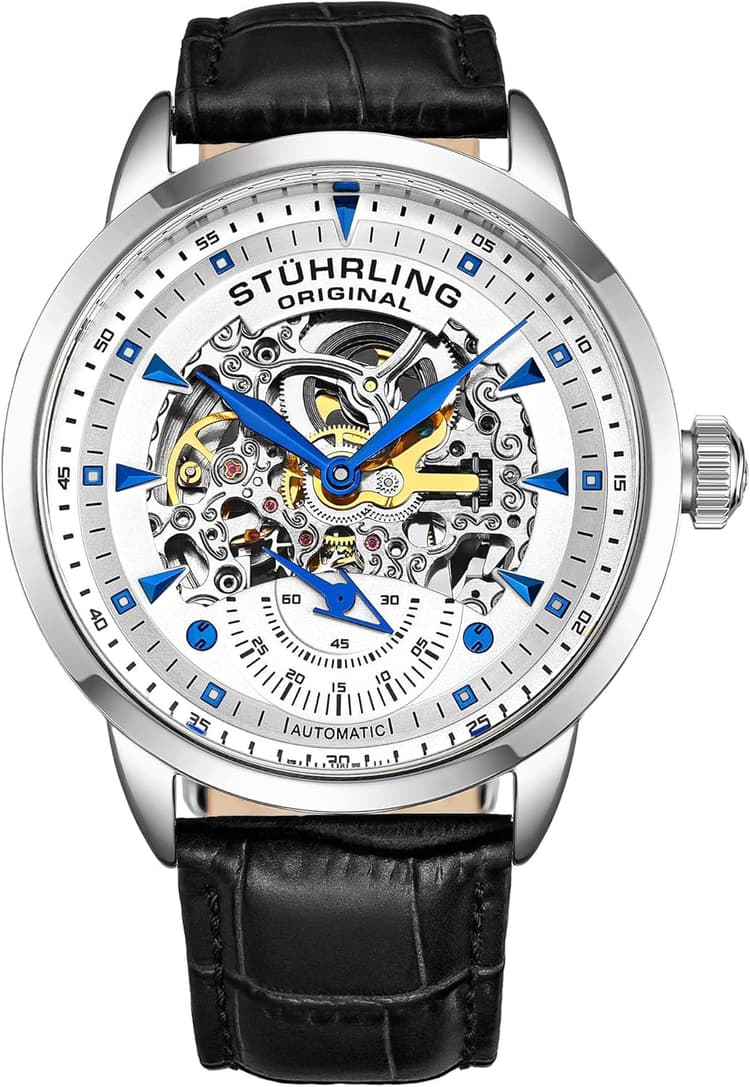
Stuhrling Original
Stuhrling Original Mens Skeleton Automatic Dress Watch with Alligator Embossed Leather Strap Skeleton Dial
★★★★☆4.3
$109.99
$825.00
-87 %
*
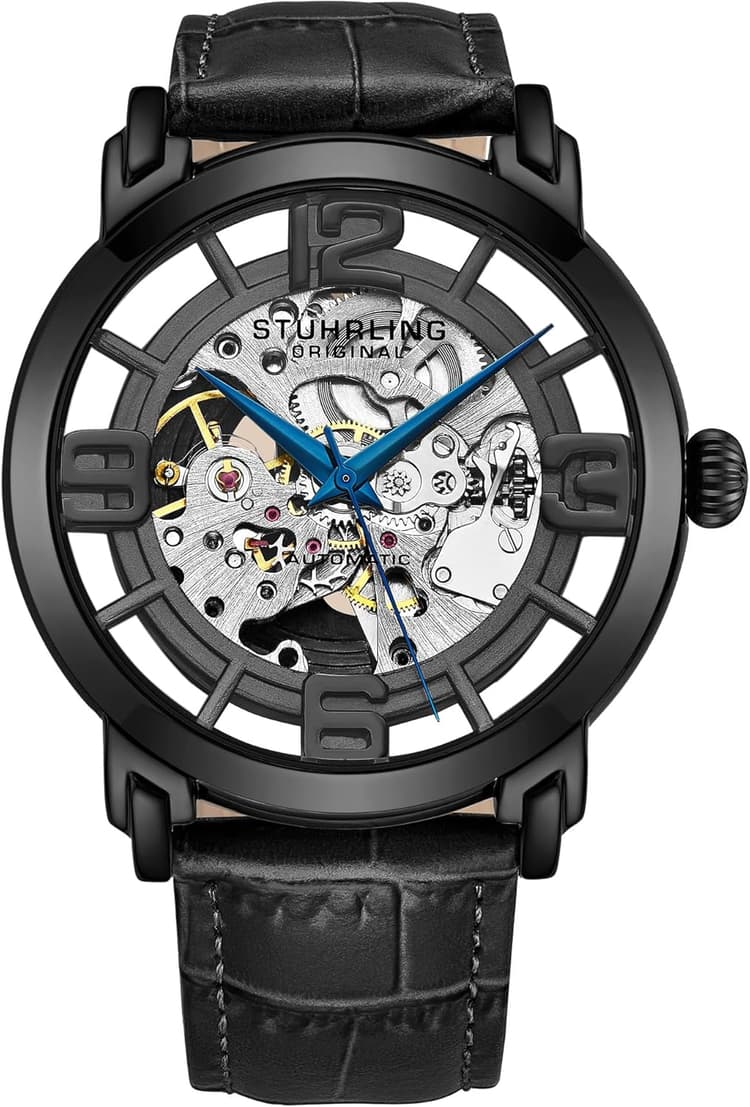
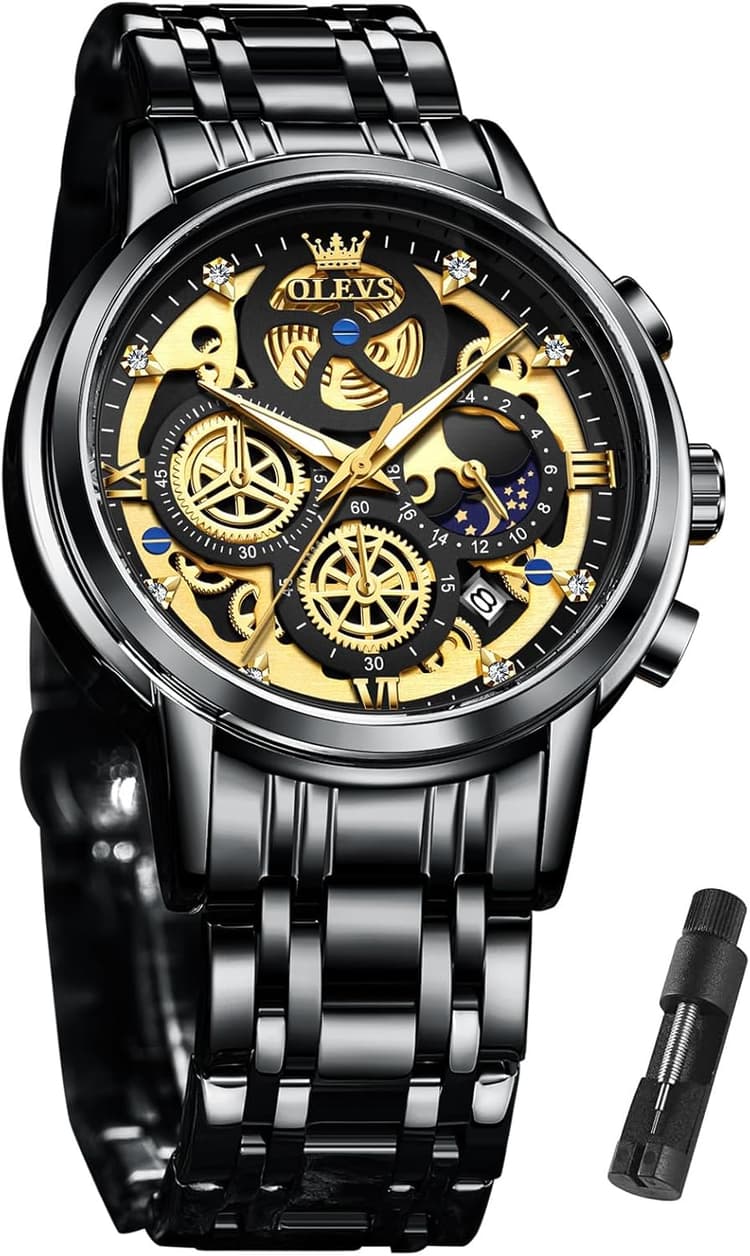
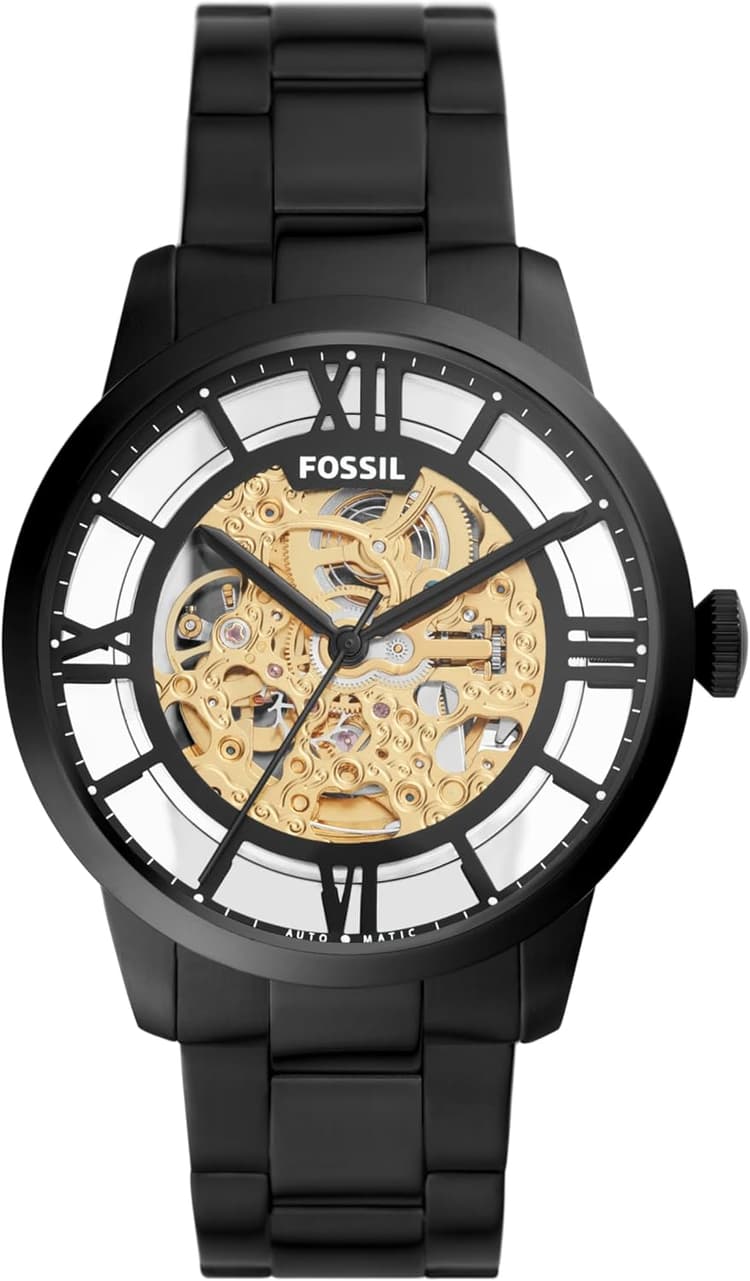
Skeleton watches expose the movement as a design element: open dials, cut bridges and visible components turn mechanics into the focal point. The category covers timepieces with varying levels of transparency - from minimal cutouts to fully open-worked movements - and finishes ranging from plain industrial to highly decorated. This page describes typical product types, the editorial selection approach, and the technical and practical criteria to consider depending on how you plan to wear and maintain the watch.
Stuhrling Original
$109.99
$825.00
-87 %
*
Stuhrling Original
$129.99
$795.00
-84 %
*
OLEVS
$43.77
$147.00
-70 %
*
Fossil
$219.00
$270.00
-19 %
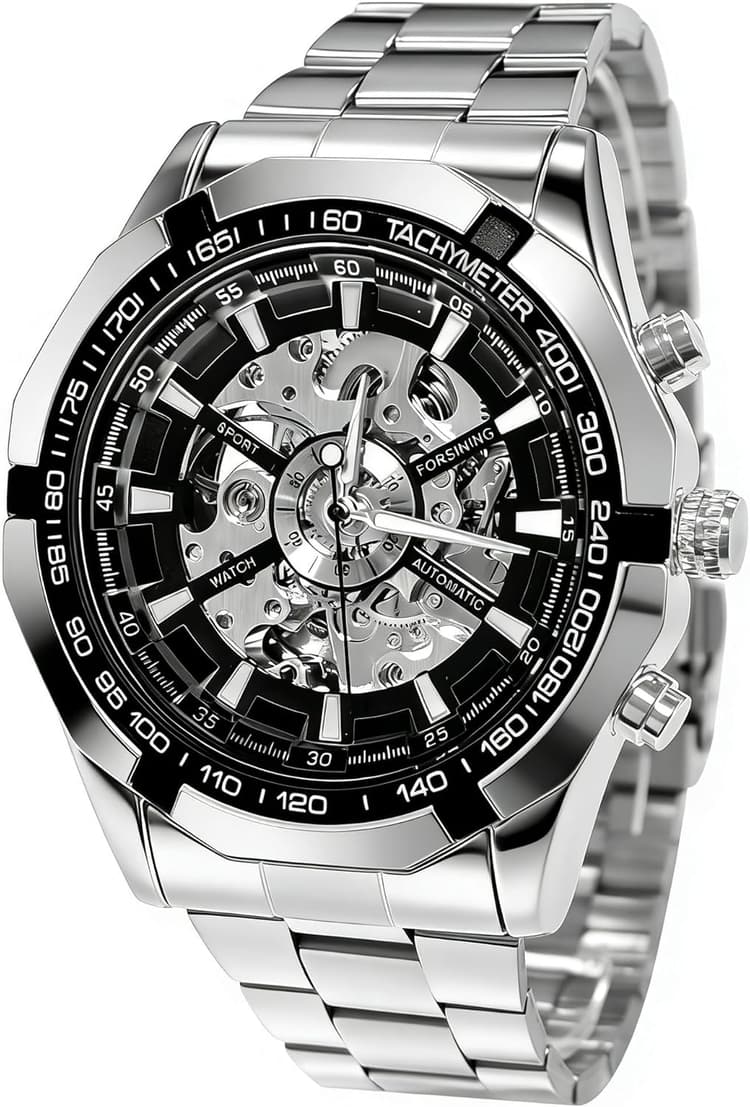
*
Gute
$26.59
$29.99
-11 %
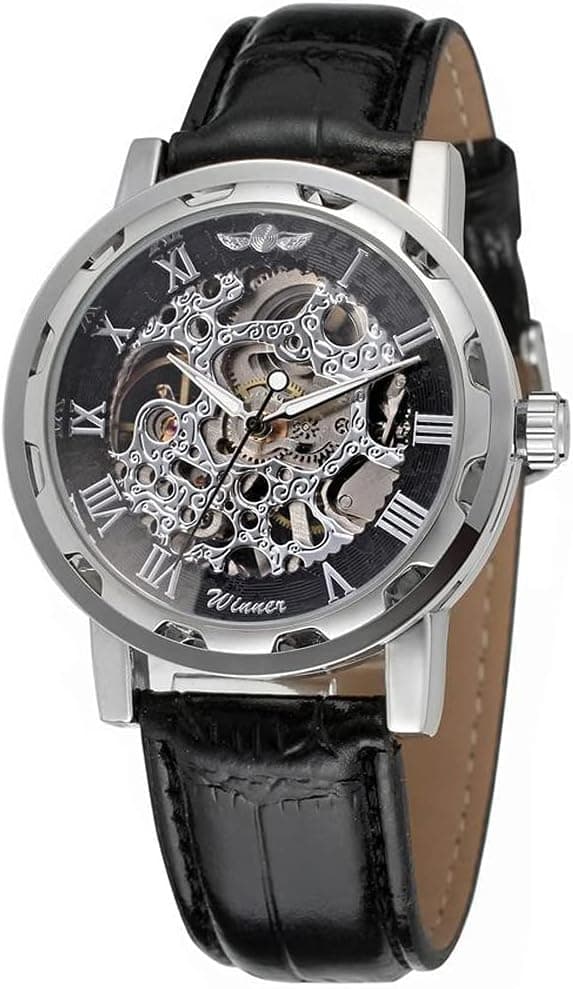
*
Weicam
$17.99
$18.99
-5 %
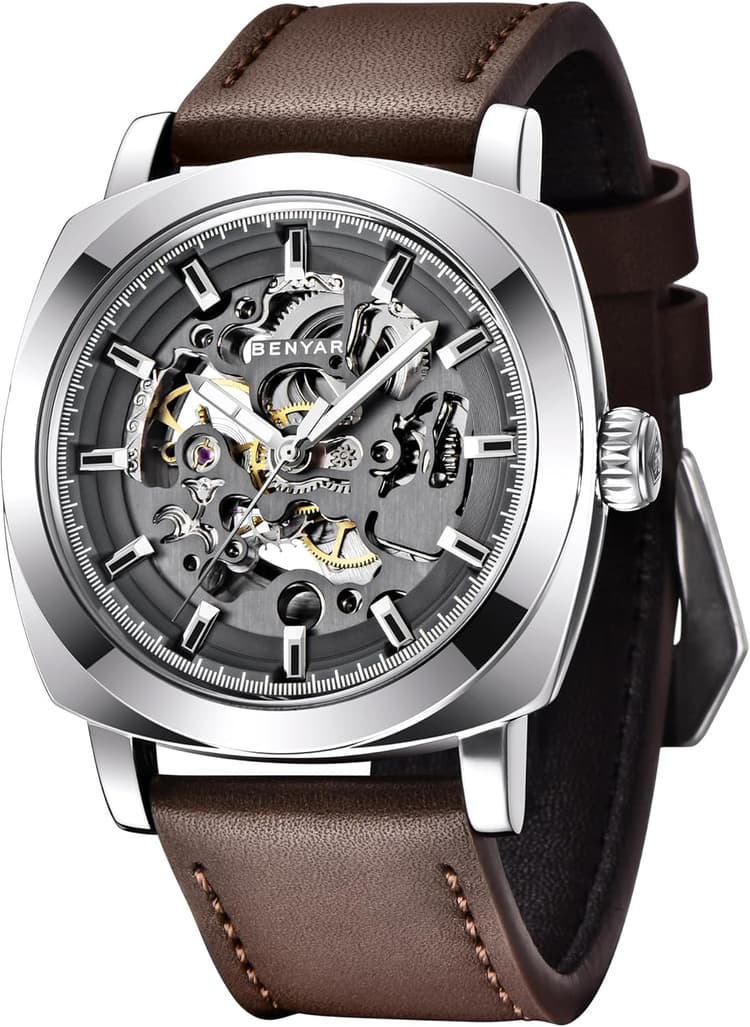
*
BENYAR
$79.99
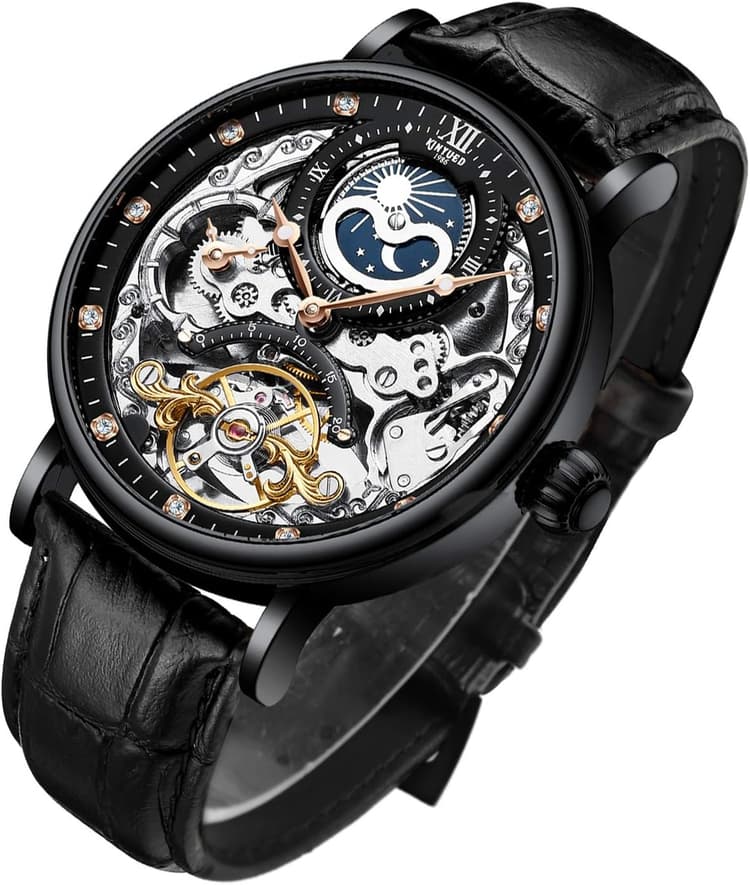
IK COLOURING
$59.90
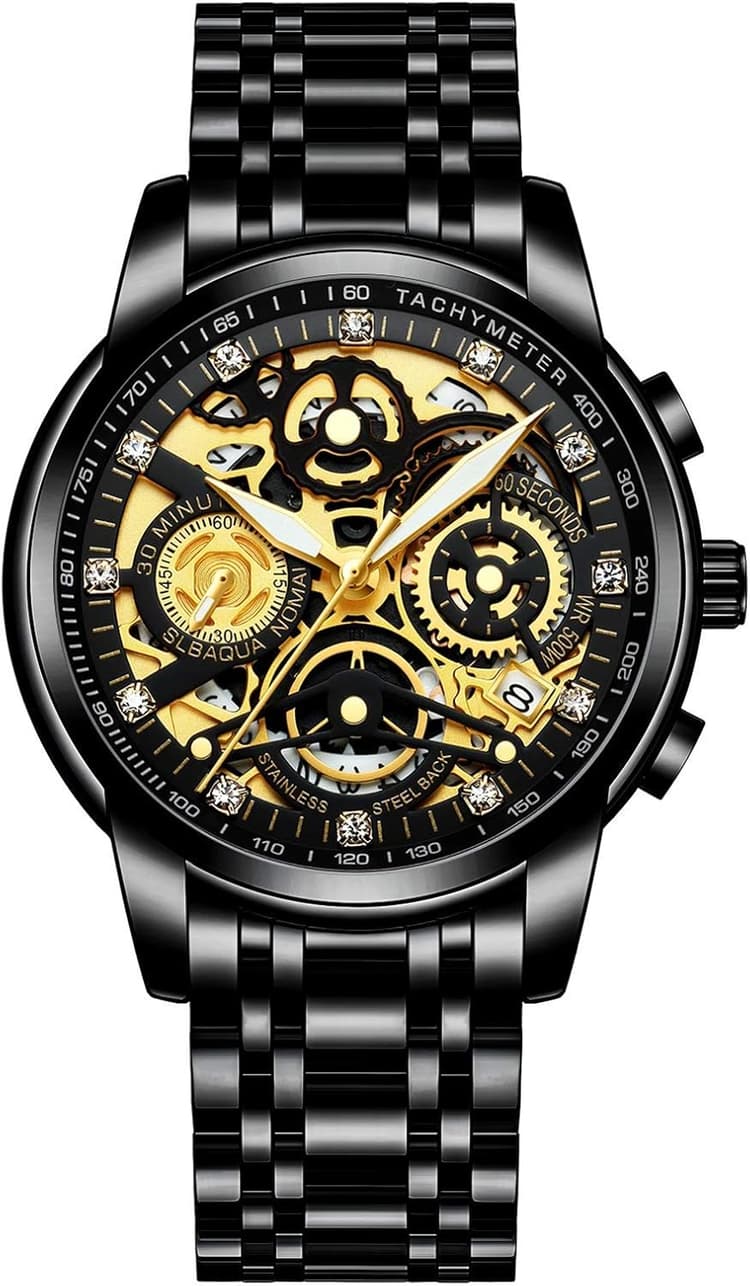
NEKTOM
$19.99
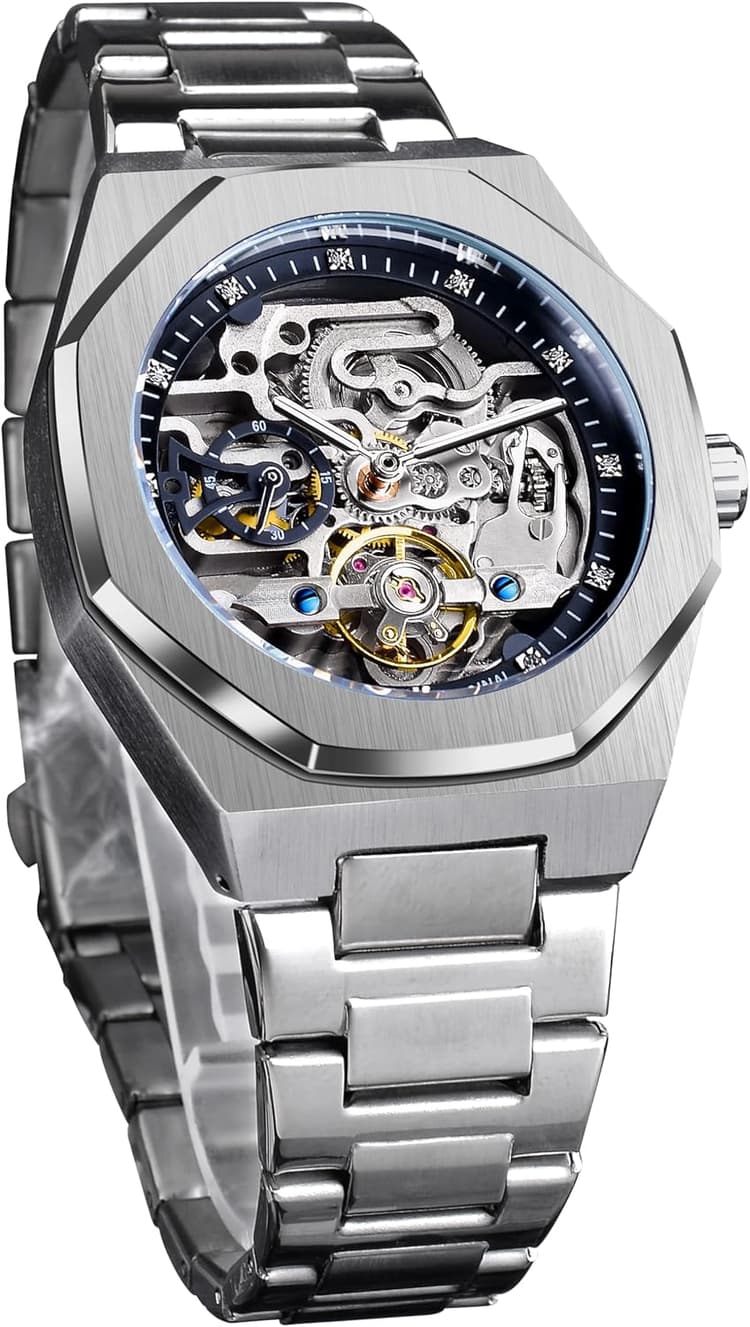
FORSINING
$39.99
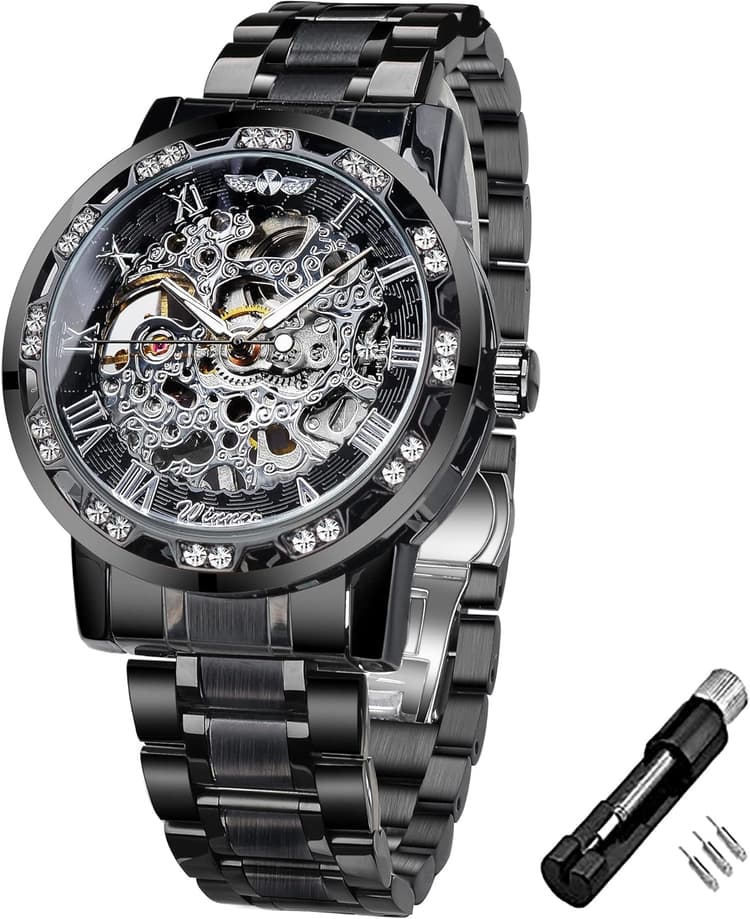
FORSINING
$33.99
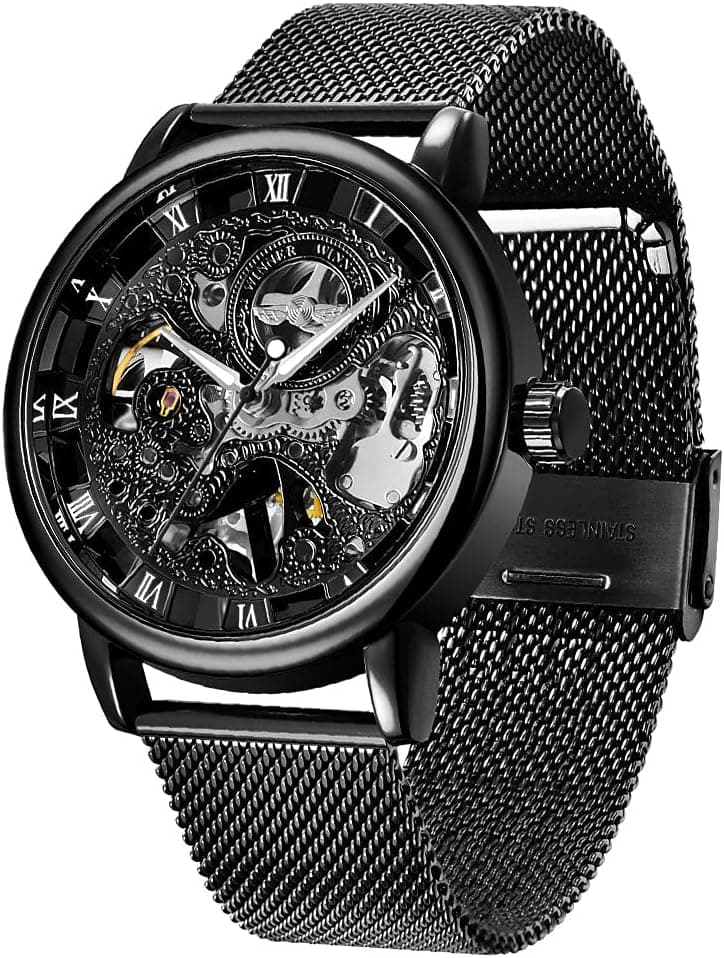
Whodoit
$26.99
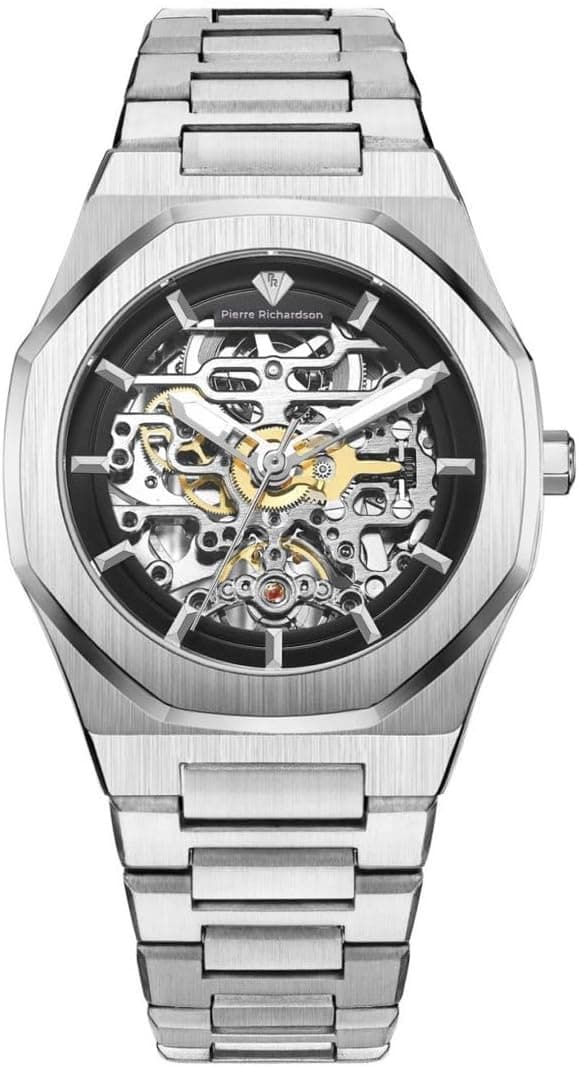
PIERRE RICHARDSON
$249.99
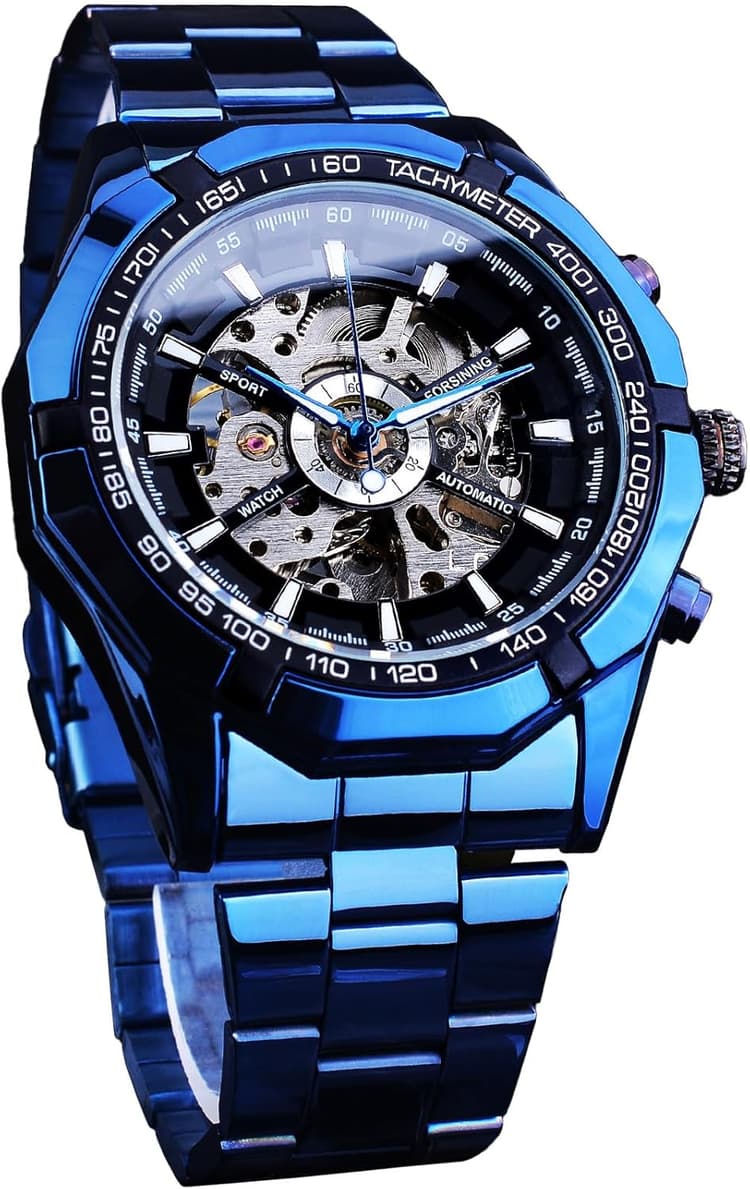
FORSINING
$29.98
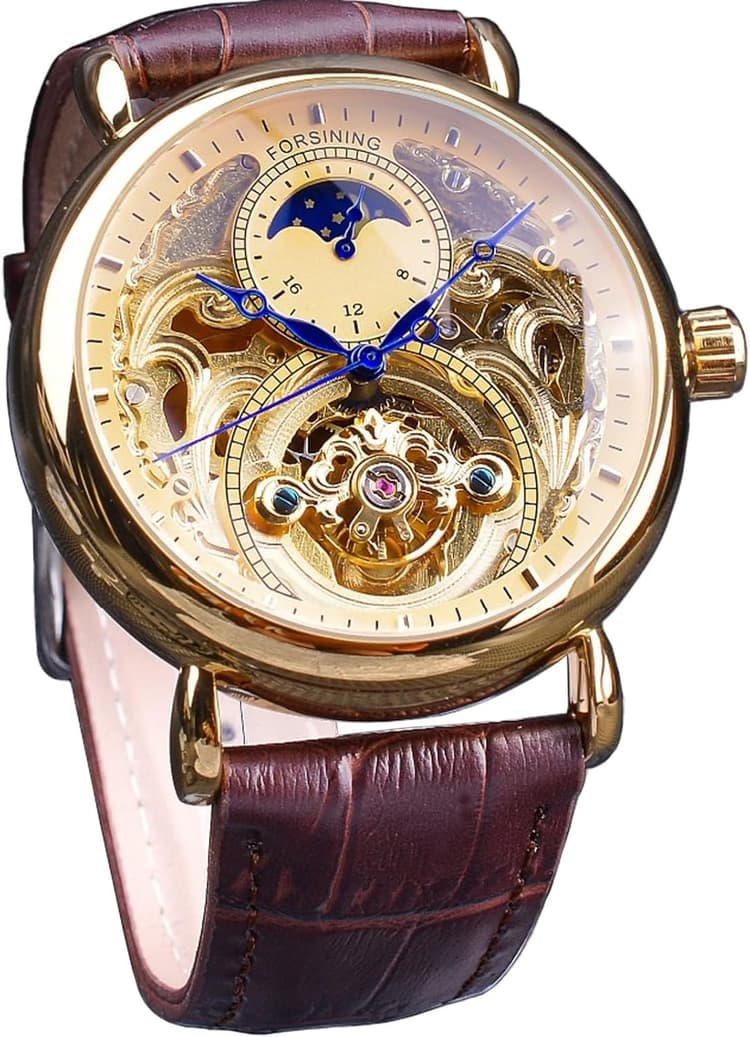
FORSINING
$38.98
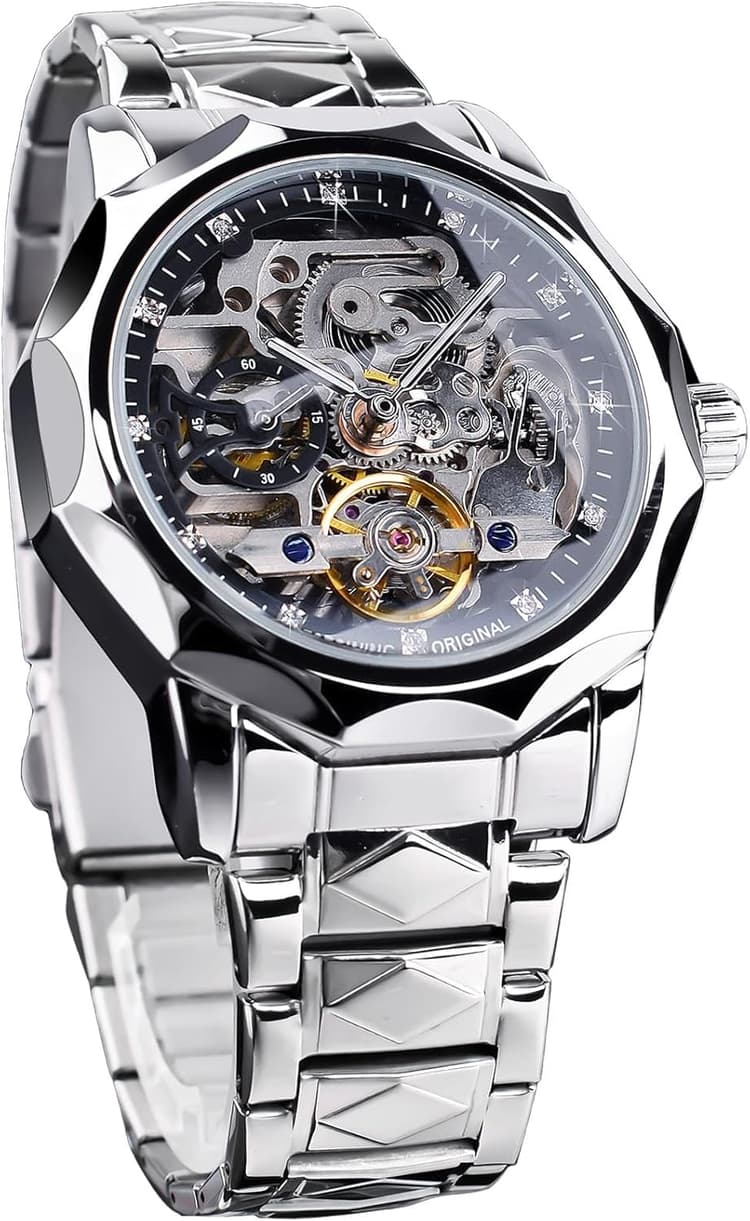
FORSINING
$38.98
Skeleton watches are appropriate for several user types:
Less suitable for:
A practical suggestion: if you plan to wear the watch often in normal urban settings, a partially skeletonized model with solid water resistance and a durable movement offers a pragmatic balance between visual interest and reliability.
Selecting a skeleton watch requires balancing looks with functional needs. First, determine movement preference: a manual-wind movement provides tactile interaction, while an automatic is convenient for daily wear. Decide on the level of skeletonization: partial openings showcase the balance without compromising legibility, full skeletons prioritize visual effect but can be harder to read. Inspect finishing closely: chamfering and surface treatments indicate care, particularly where components are exposed. Factor case diameter and thickness for comfort and shirt-cuff compatibility. Check water resistance and serviceability: open dials can be more susceptible to dust and may require more frequent servicing. Base your budget on movement reliability and finishing rather than just design.
This page provides a category-level overview and explains technical and practical considerations. Editorial decisions are based on measurable criteria like movement visibility, finishing quality, legibility and maintainability. Some product pages may include affiliate links that help support the site; these links do not affect our selection methodology. We do not accept payments to place a watch in a given category or to favor one product over another.
Tests and articles by watch experts, based on technical criteria and side‑by‑side comparisons.
We compare models and features to inform your choice, free from commercial influence.
Guides are regularly updated to reflect new releases and market developments.
We may earn a commission from links to partner retailers; this does not affect our independent analyses.

