
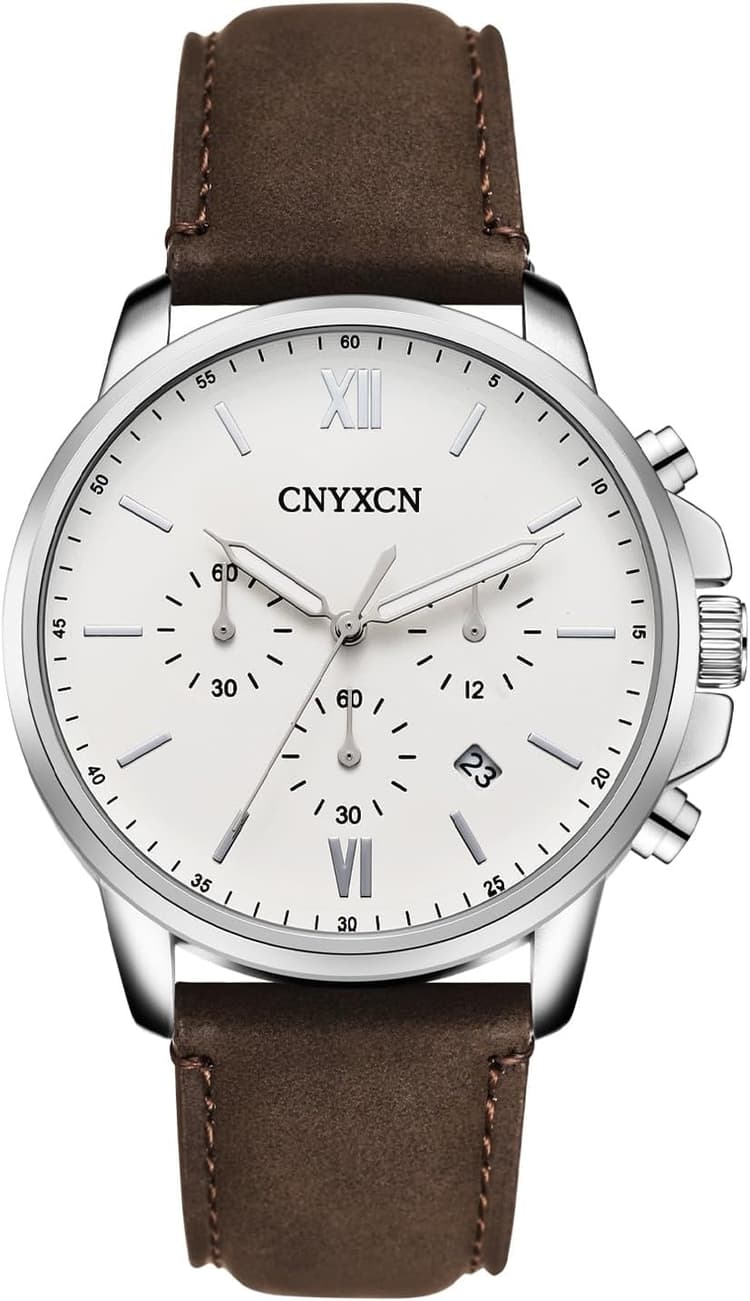
CNYXCN
CNYXCN Watches for Men Classic 6 Hand Chronograph Quartz Watch with Leather Strap,Auto Date,Waterproof
★★★★☆4.6
$4.99
$19.99
-75 %
*
A chronograph adds a stopwatch capability to standard time display, appearing in everything from simple two-register watches to tricompax layouts and advanced mechanisms like split-seconds or flyback. This category situates chronographs within the Features & Complications ecosystem: it clarifies what types of models are presented, how editorial selection is made, and which technical or practical trade-offs tend to matter most for buyers and owners.
CNYXCN
$4.99
$19.99
-75 %
*
Bulova
$240.00
$525.00
-54 %
*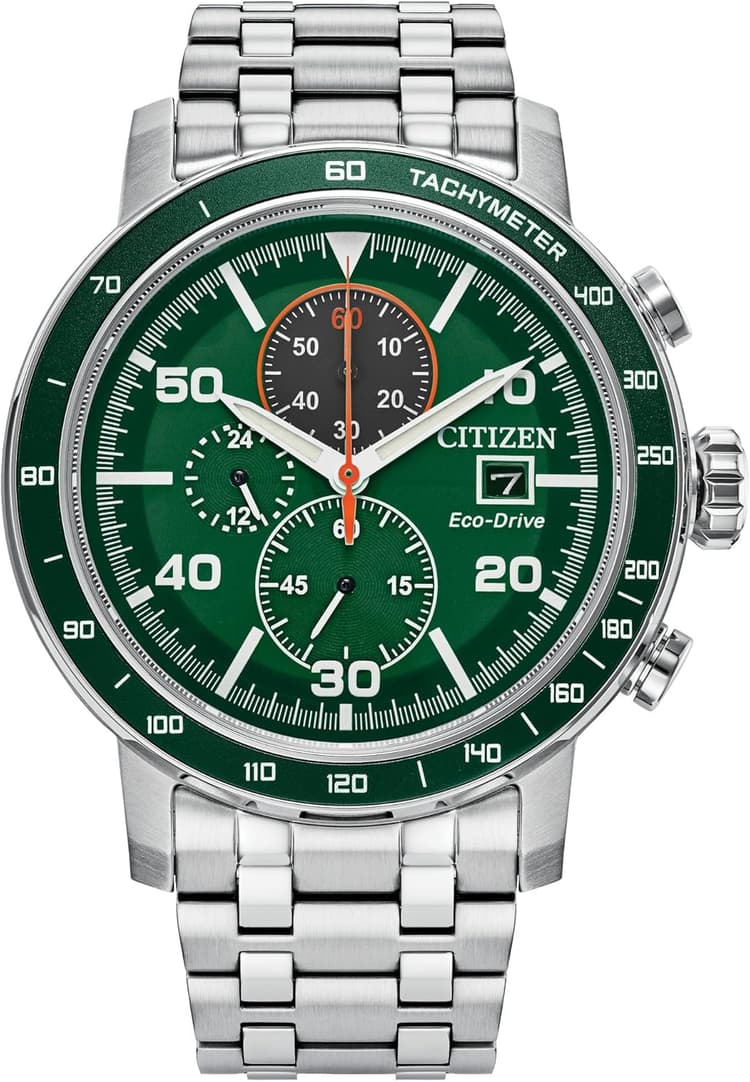
CITIZEN
$208.66
$450.00
-54 %
*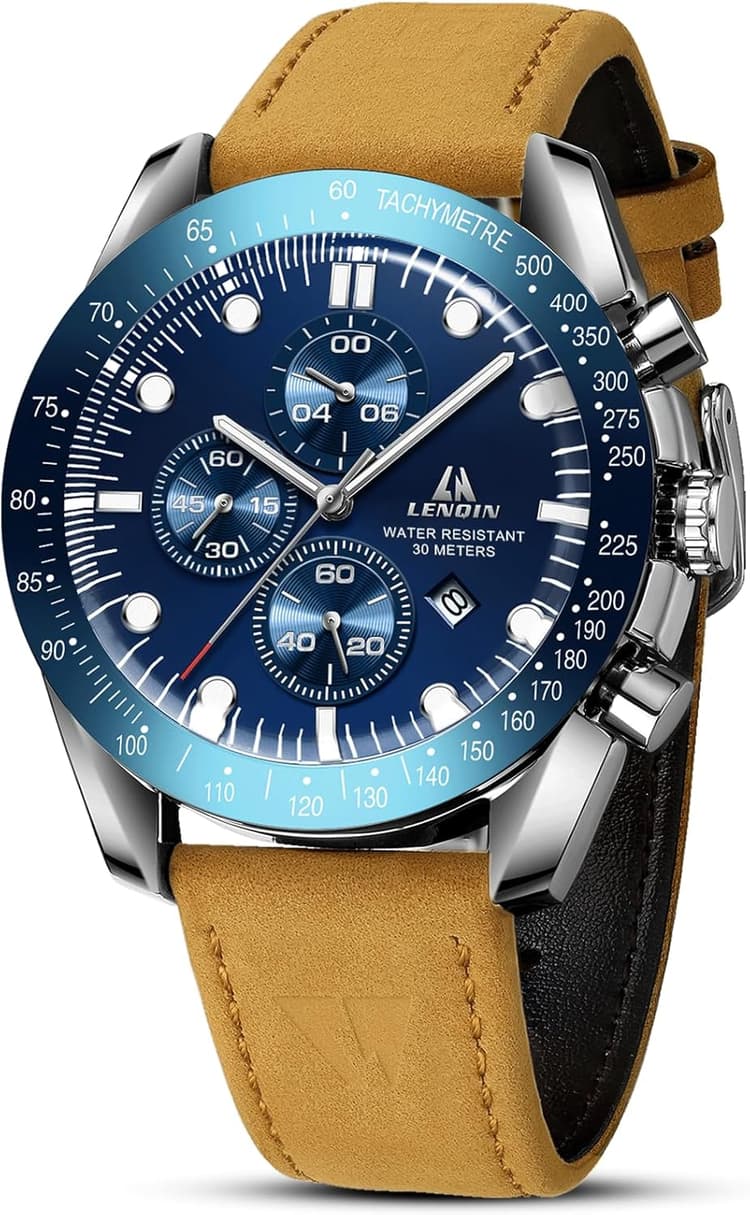
LN LENQIN
$9.99
$15.99
-38 %
*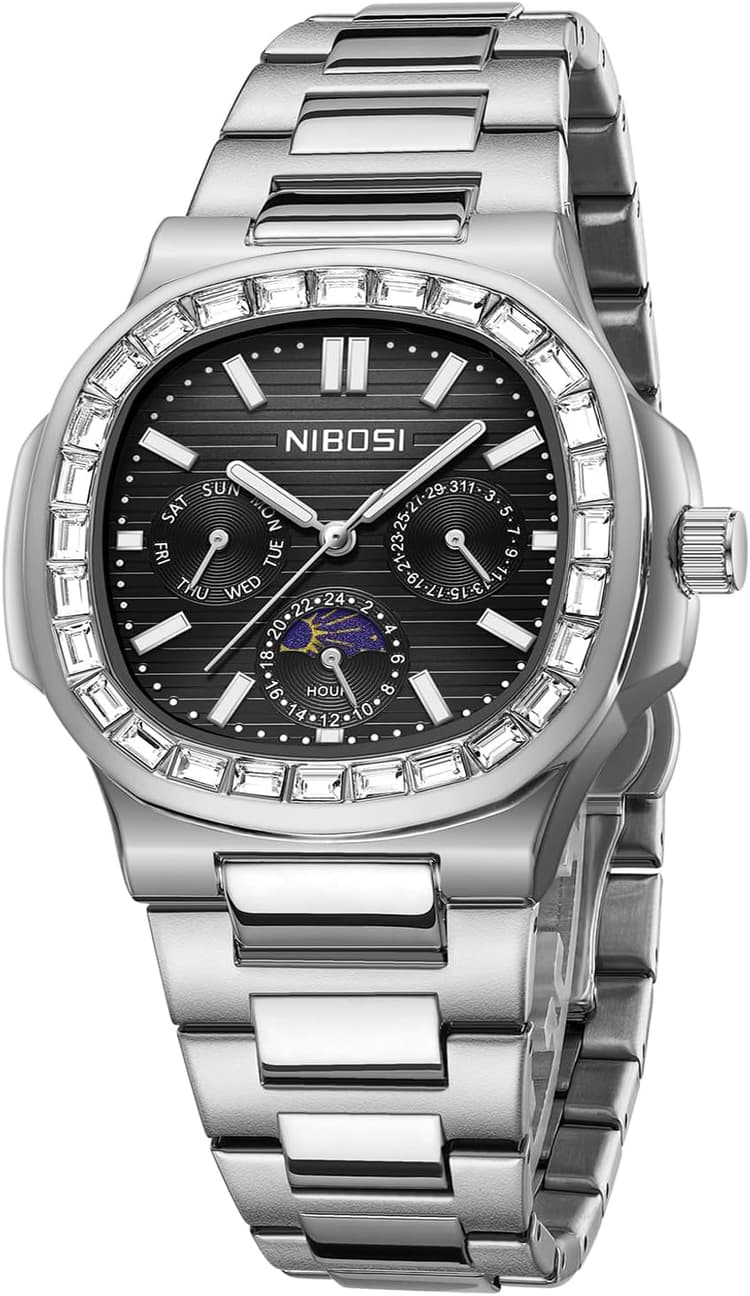
NIBOSI
$9.99
$15.99
-38 %
*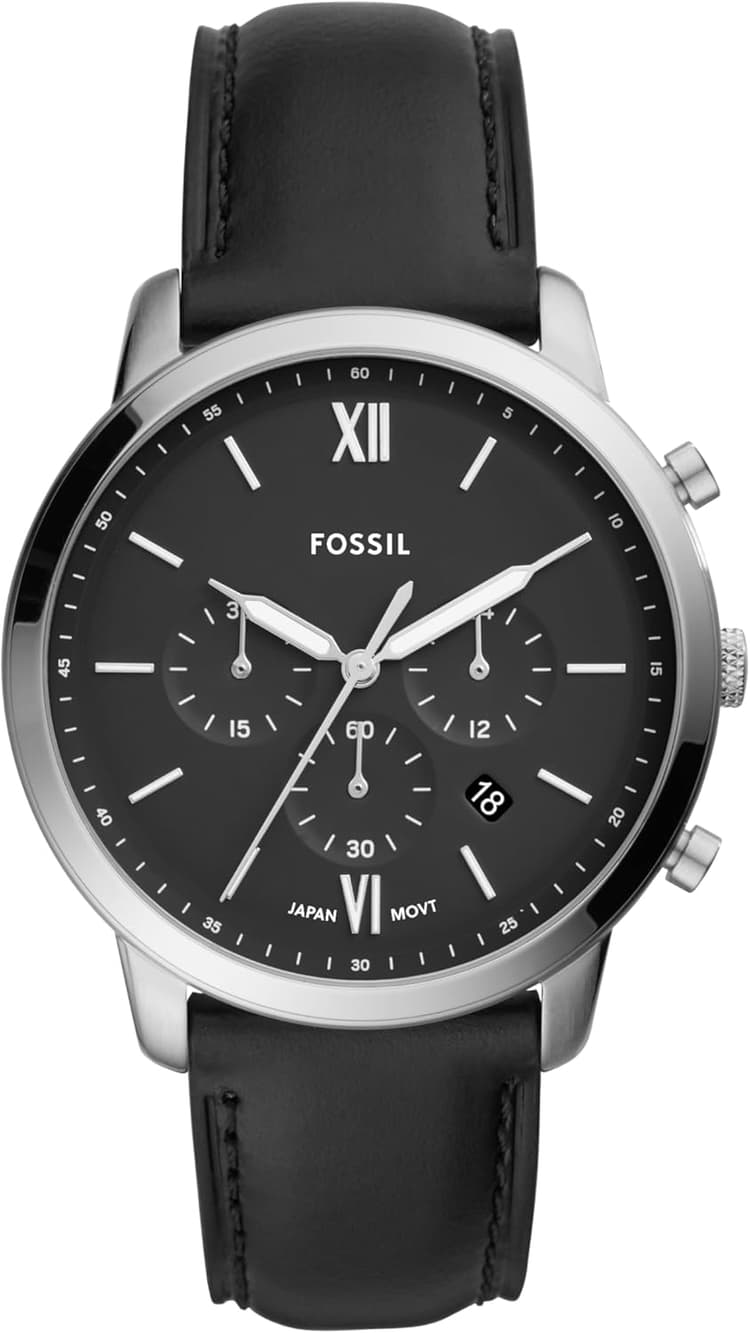
Fossil
$105.95
$160.00
-34 %
*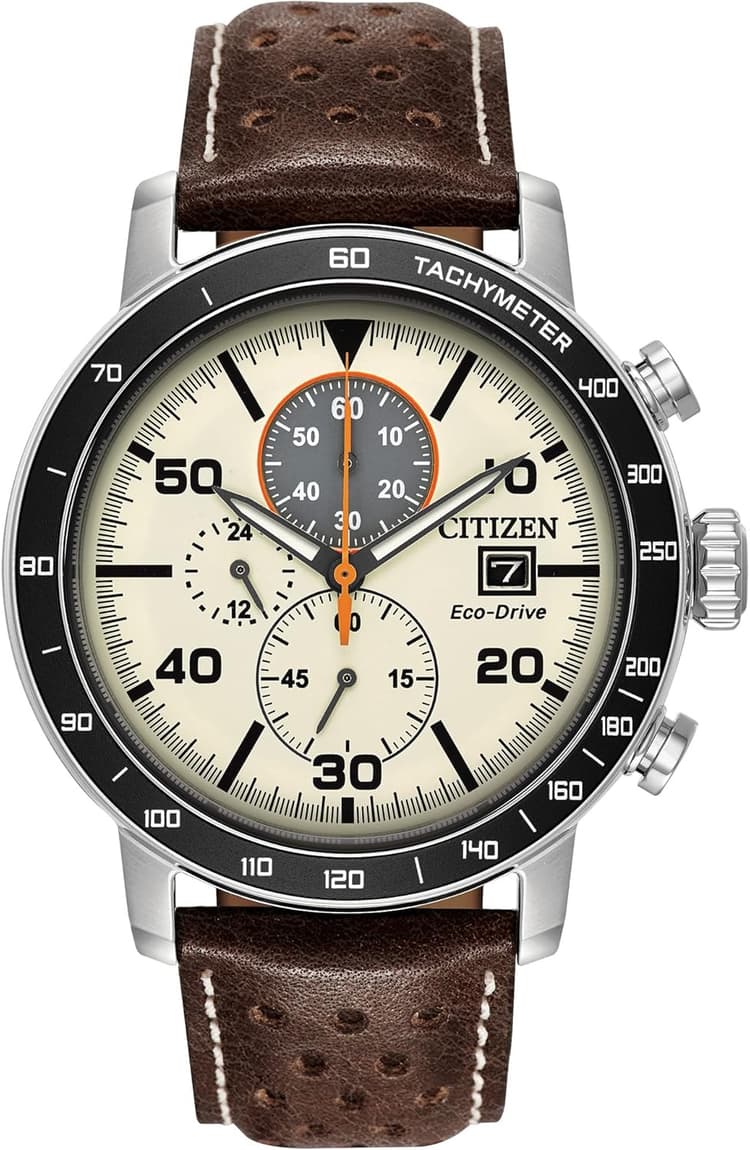
$297.50
$425.00
-30 %
*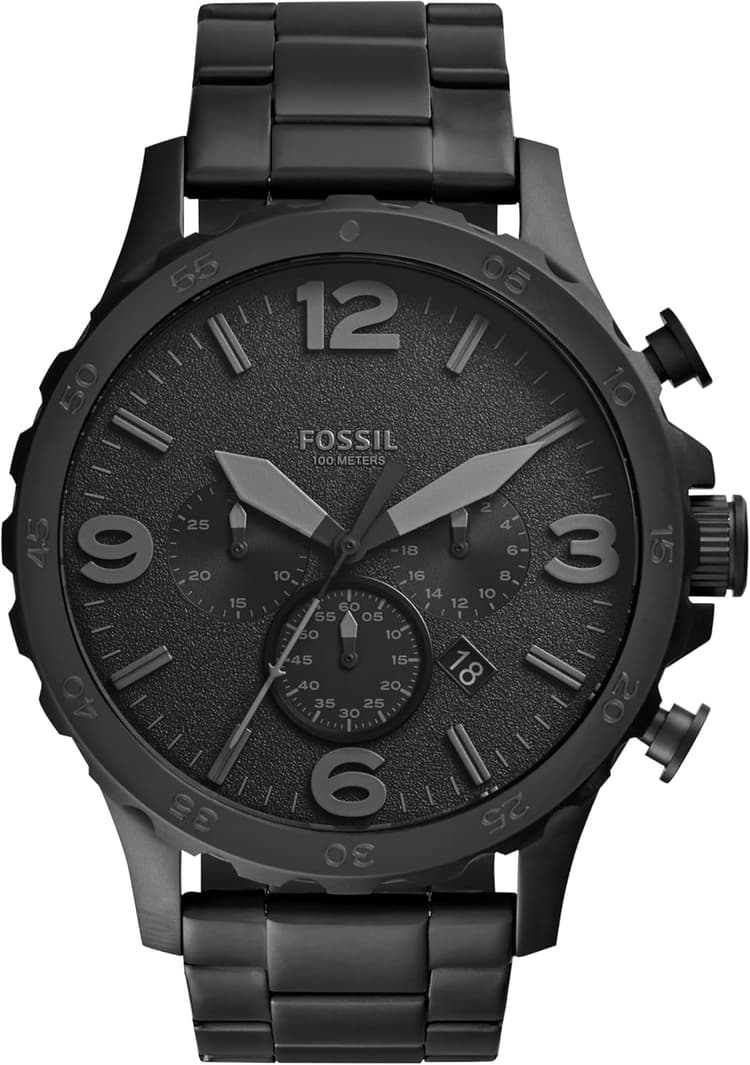
Fossil
$132.00
$180.00
-27 %
*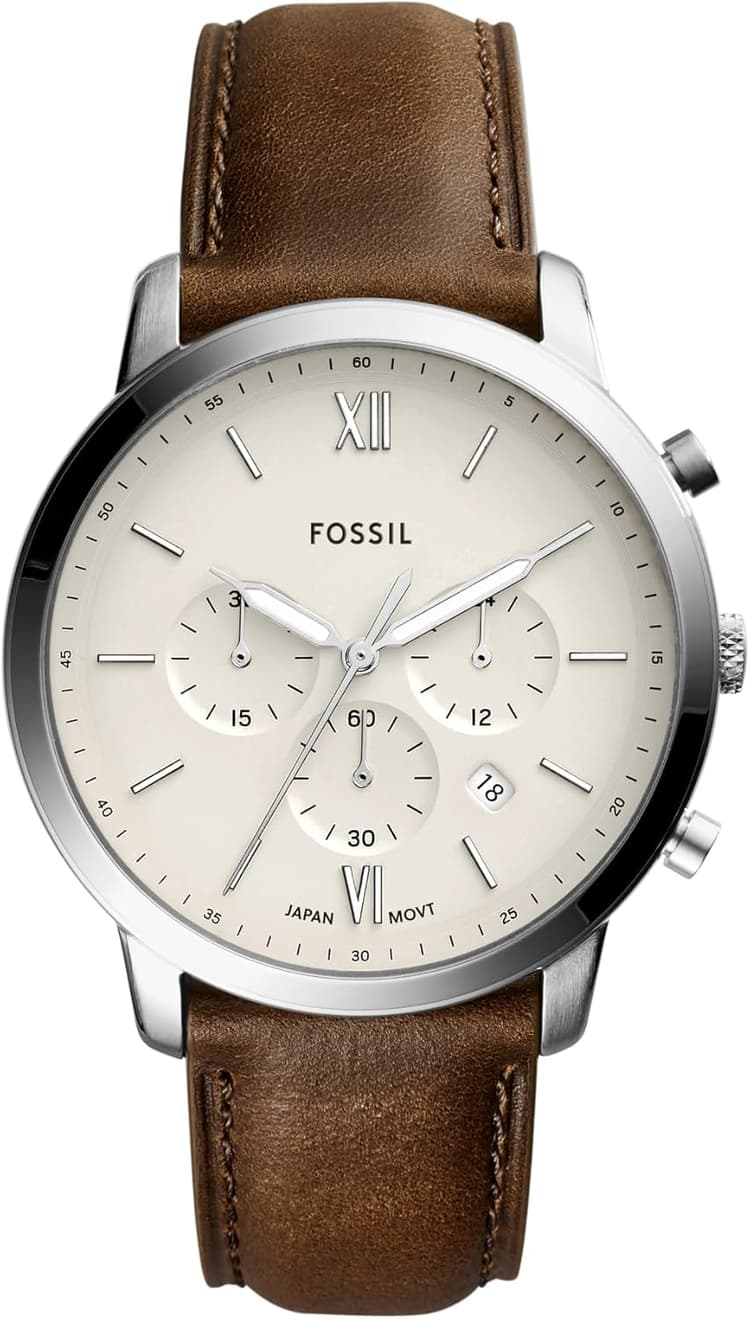
Fossil
$117.69
$160.00
-26 %
*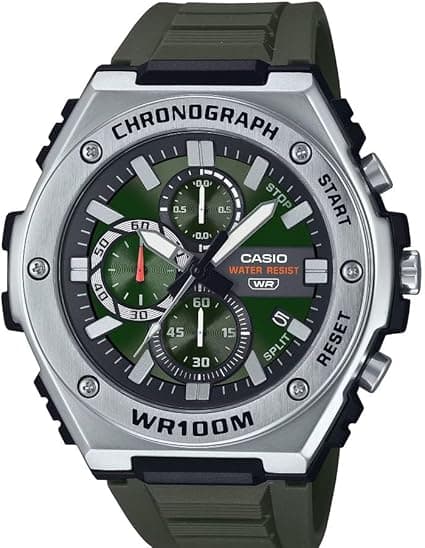
Casio
$61.54
$79.95
-23 %
*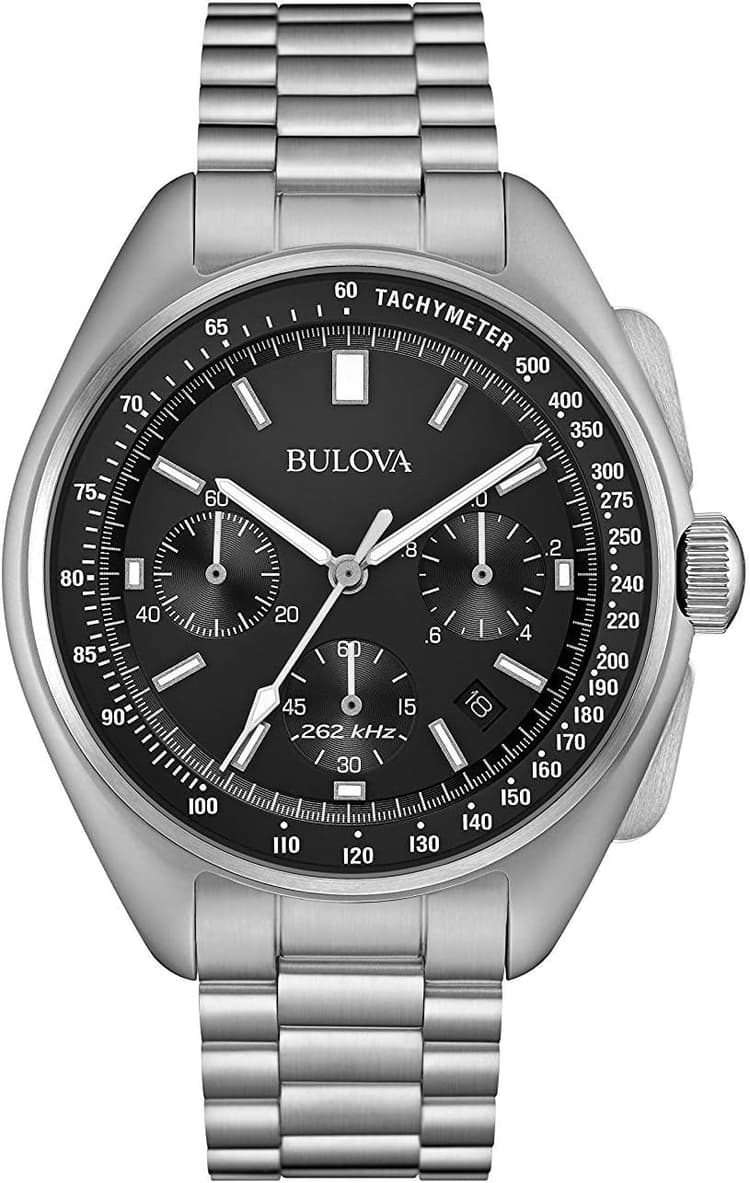
Bulova
$701.25
$825.00
-15 %
*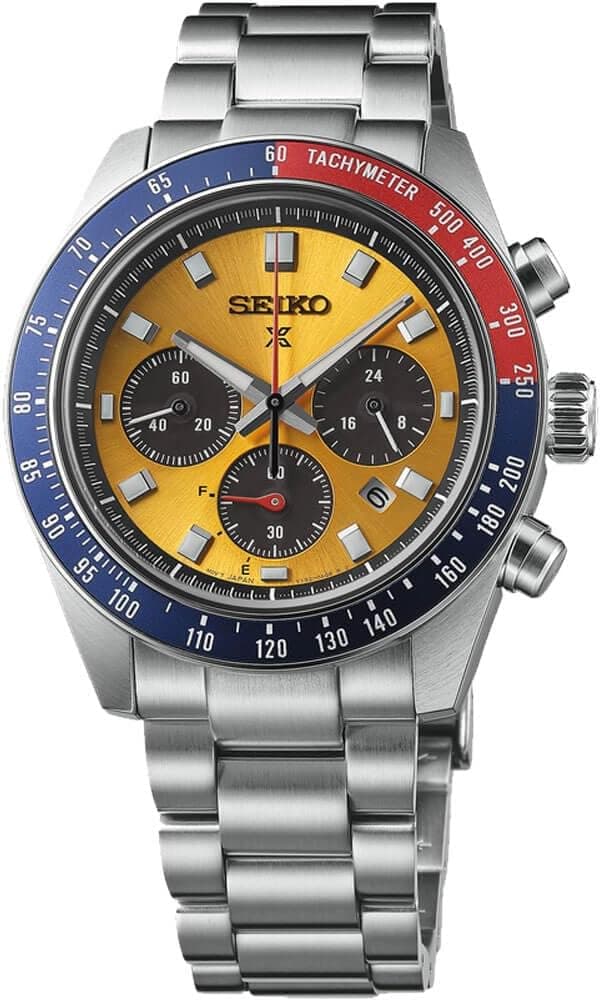
SEIKO
$595.00
$700.00
-15 %
*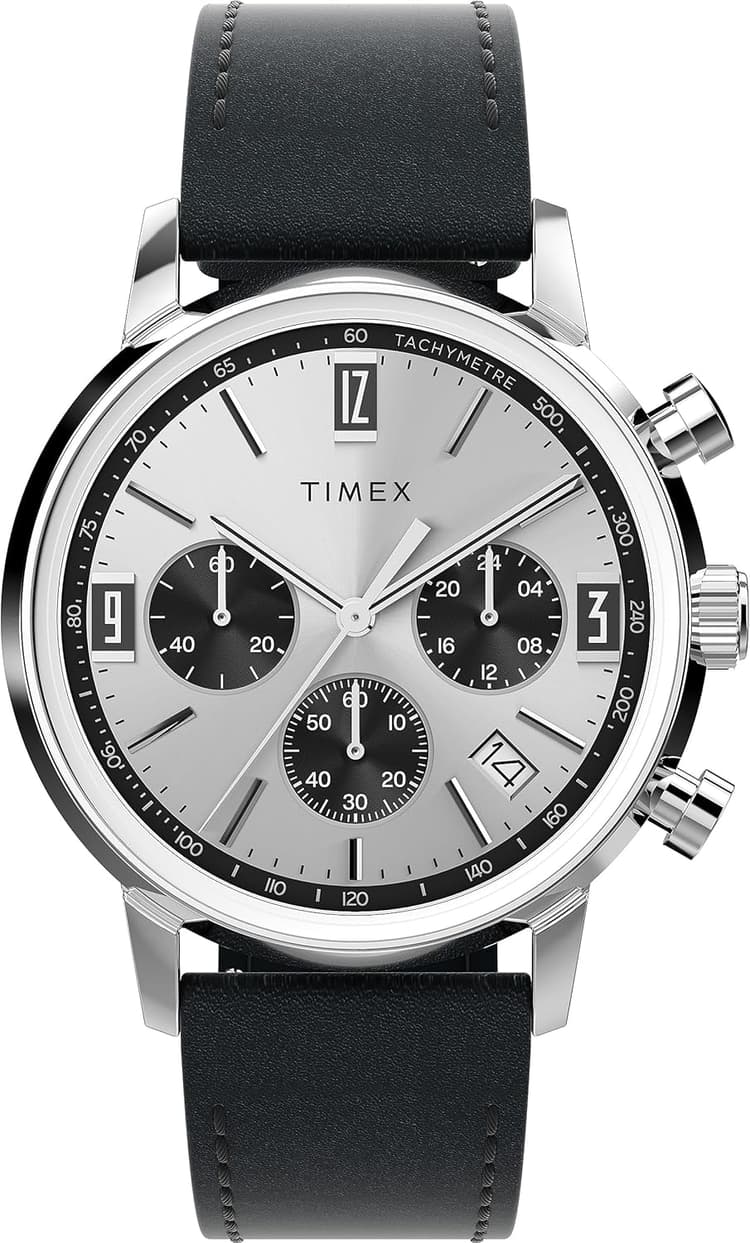
Timex
$186.66
$209.00
-11 %
*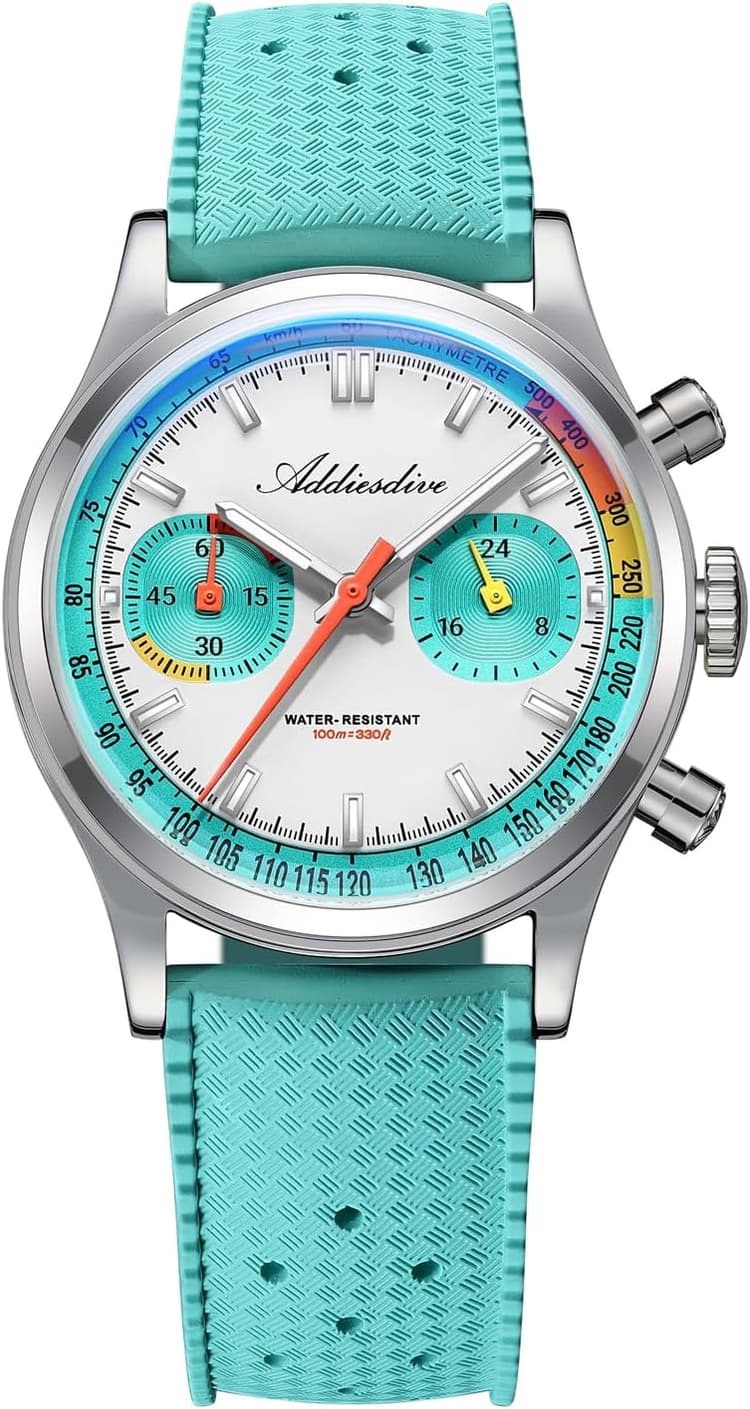
ADDIESDIVE
$107.99
$119.99
-10 %
*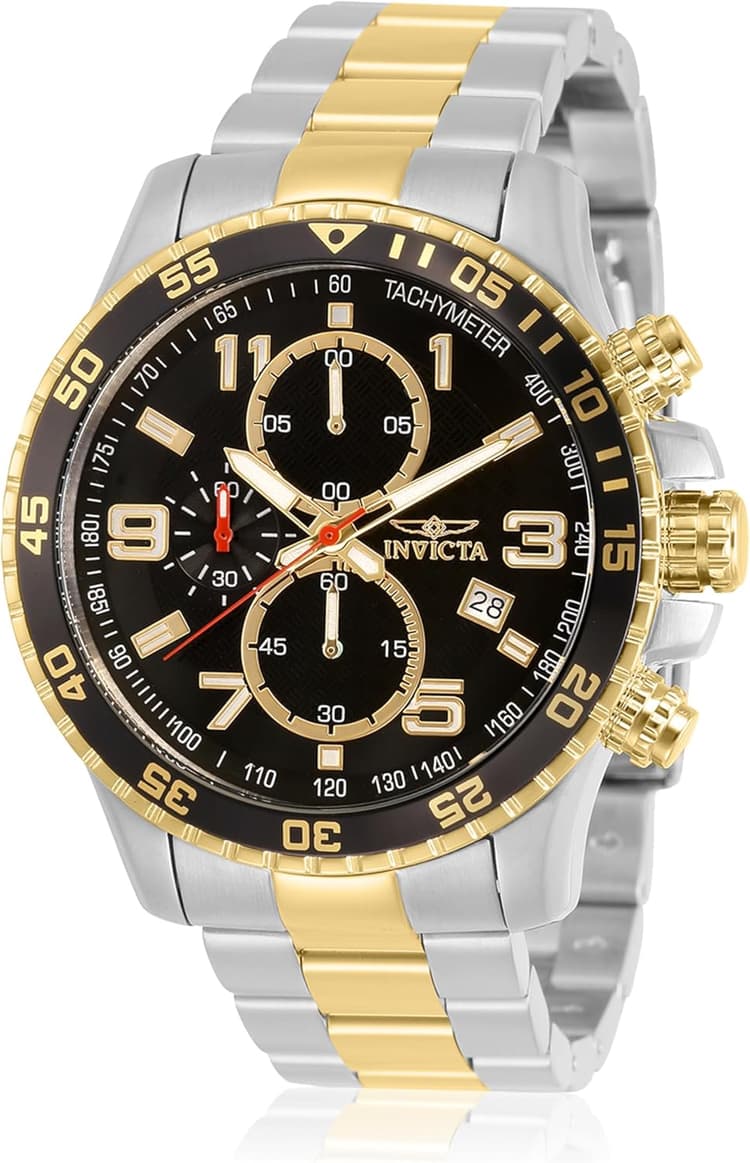
Invicta
$68.83
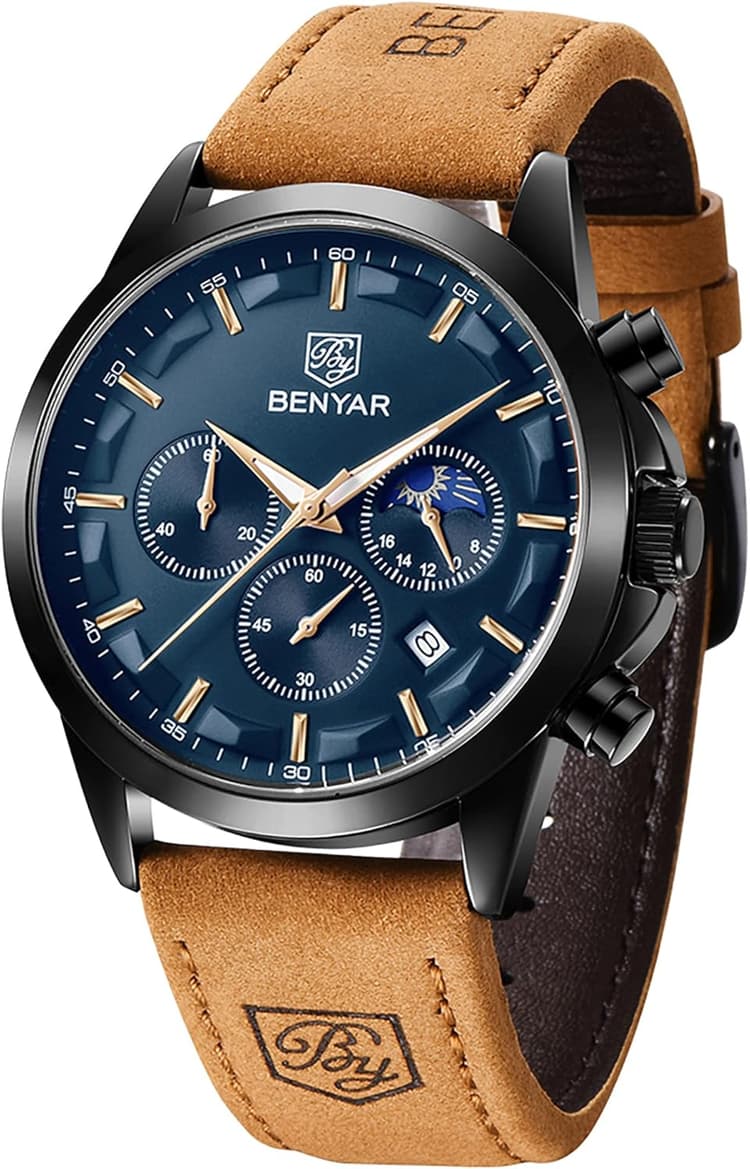
BENYAR
$43.98
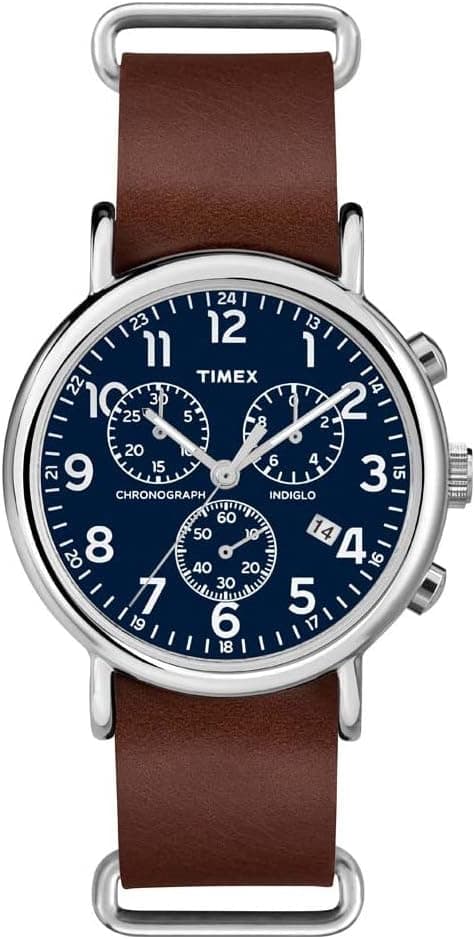
Timex
$76.03
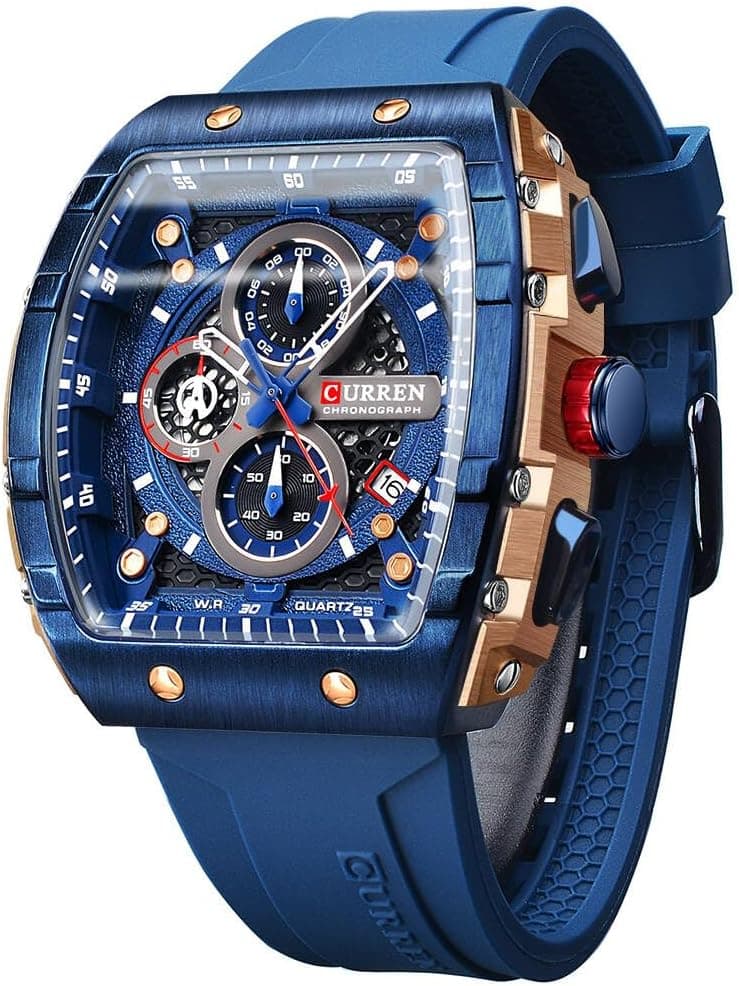
FORSINING
$35.99
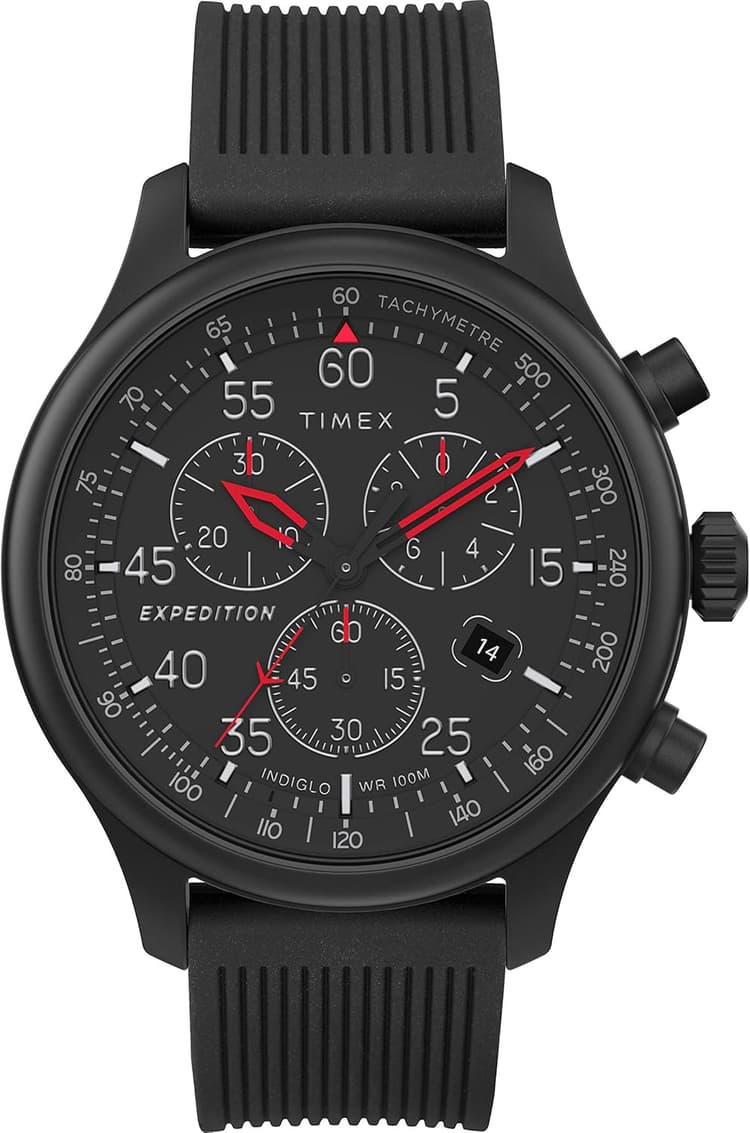
Timex
$70.73
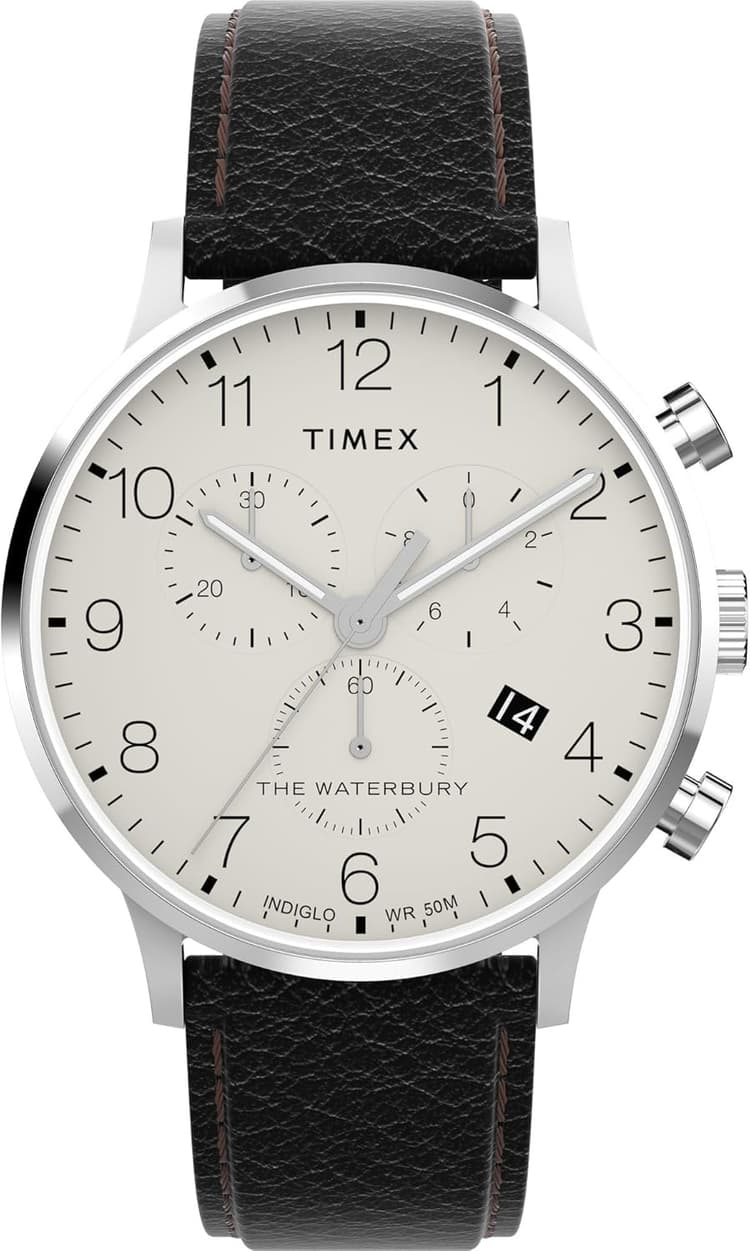
Timex
$81.35
Chronographs appeal to distinct groups: watch enthusiasts who value mechanical complexity and functional displays; professionals who require on-board interval timing for sport, navigation, or technical tasks; and wearers who favor a sporty, instrument-like aesthetic. Collectors may prioritize mechanical chronographs with additional complications for historical and technical interest. Conversely, those seeking lightness, minimal upkeep, or pure timekeeping may prefer a simple three-hand watch or a quartz without chronograph. People who frequently engage in water activities should verify actual pushers' water resistance and case design before selecting a chronograph.
Choosing a chronograph requires balancing functional needs, maintenance expectations, and appearance. First, determine primary use: occasional timing, professional measuring, or a stylistic complication. Then compare movement types: quartz gives high accuracy and low upkeep, while mechanical movements offer tactile operation and historical interest but require periodic servicing. Examine the chronograph mechanism itself: a split-seconds enables timing two events, a flyback allows instant reset for sequential timing; both add complexity and servicing cost. Consider dial legibility and the usefulness of scales such as a tachymeter for speed calculations, case diameter relative to wrist size, and required water resistance for practical use. Finally, check spare-part availability and service networks—complications with limited support can be expensive to maintain over time.
This page explains the chronograph category and the criteria used to present models. Items are selected based on published specifications, market availability, and functional relevance. We may earn commissions when links lead to retailers, but such revenue does not influence the technical selection criteria described here. Where information comes from manufacturers, independent reviews, or technical documentation, we indicate the source. We do not claim to have physically tested every reference; when possible we synthesize analyses and verifiable sources.
Tests and articles by watch experts, based on technical criteria and side‑by‑side comparisons.
We compare models and features to inform your choice, free from commercial influence.
Guides are regularly updated to reflect new releases and market developments.
We may earn a commission from links to partner retailers; this does not affect our independent analyses.

