
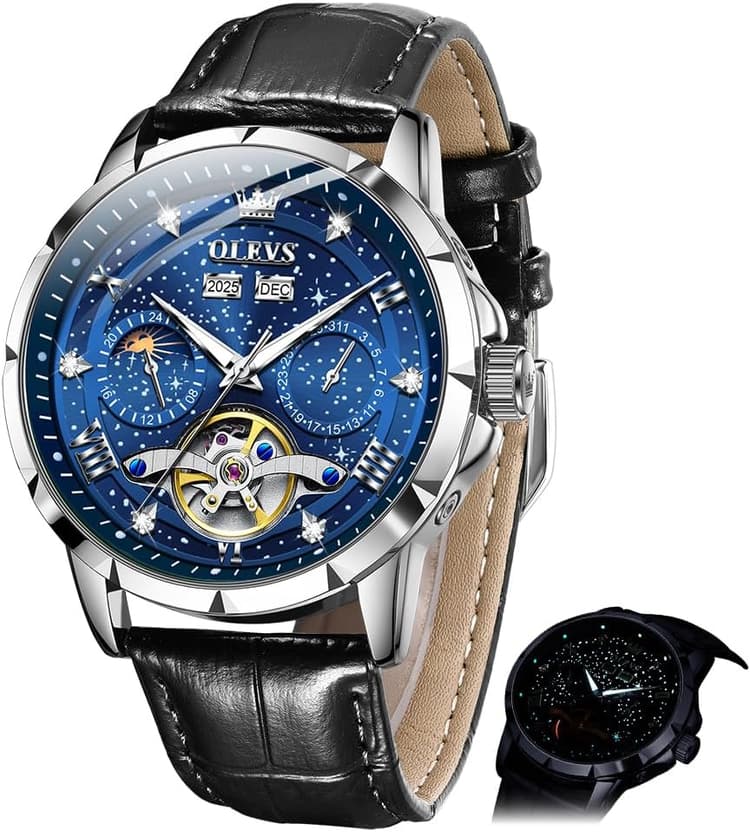
OLEVS
OLEVS Mens Automatic Watches Self-Winding Starry Sky Diamond Skeleton Luxury Wrist Watch Waterproof Luminous
★★★★☆4.4
$137.00
$844.00
-84 %
*
Manual-wind watches are mechanical timepieces powered by a mainspring wound by hand via the crown. Lacking an automatic rotor, they rely solely on stored torque to drive the gear train and balance assembly. Within the movements universe this page discusses common variations in size, beat rate, power reserve and finishing. You will find an overview of the manual calibres available, the editorial criteria used to include them, and a balanced look at how their characteristics map to different use cases and user expectations.
Manual-wind movements provide a tactile ritual and mechanical simplicity prized by enthusiasts, yet they also carry practical trade-offs. Advantages: they can be slimmer than automatic counterparts, making them suitable for dress watches; the absence of a rotor simplifies movement layout and can make servicing more straightforward; the visible mechanics offer educational value to those who enjoy horology. Limitations: the need for regular winding is inconvenient for some wearers; ultra-thin calibres often have reduced power reserves and lower shock tolerance; sourcing parts for uncommon or vintage movements may be time-consuming. Ultimately, the right choice reflects how much the wearer values ritual and slimness versus convenience and serviceability.
OLEVS
$137.00
$844.00
-84 %
*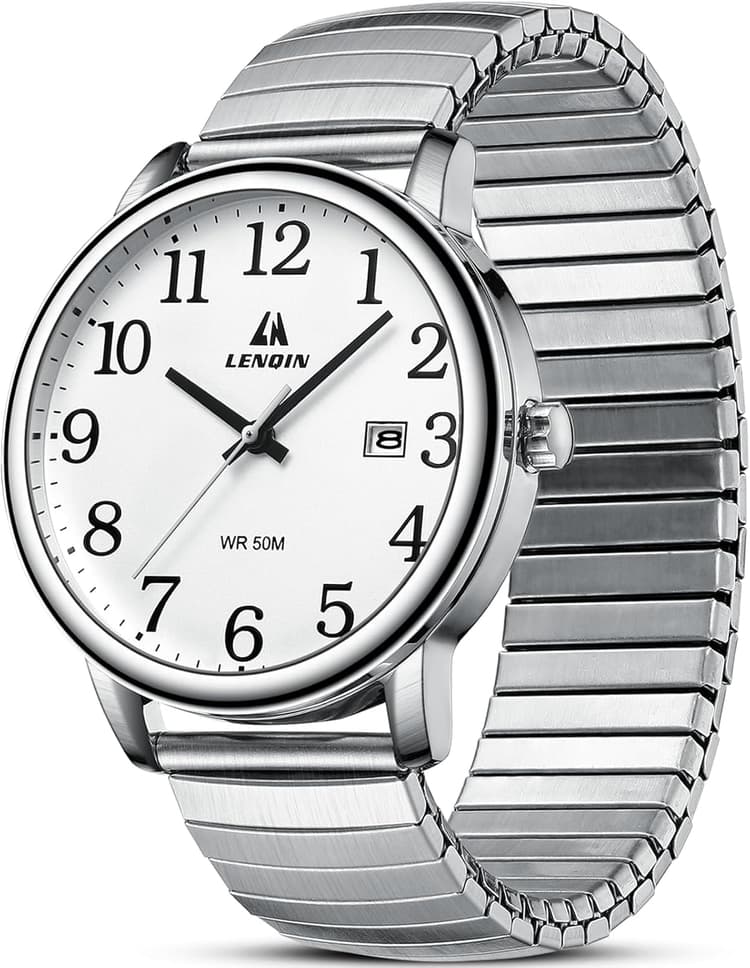
LN LENQIN
$9.90
$23.99
-59 %
*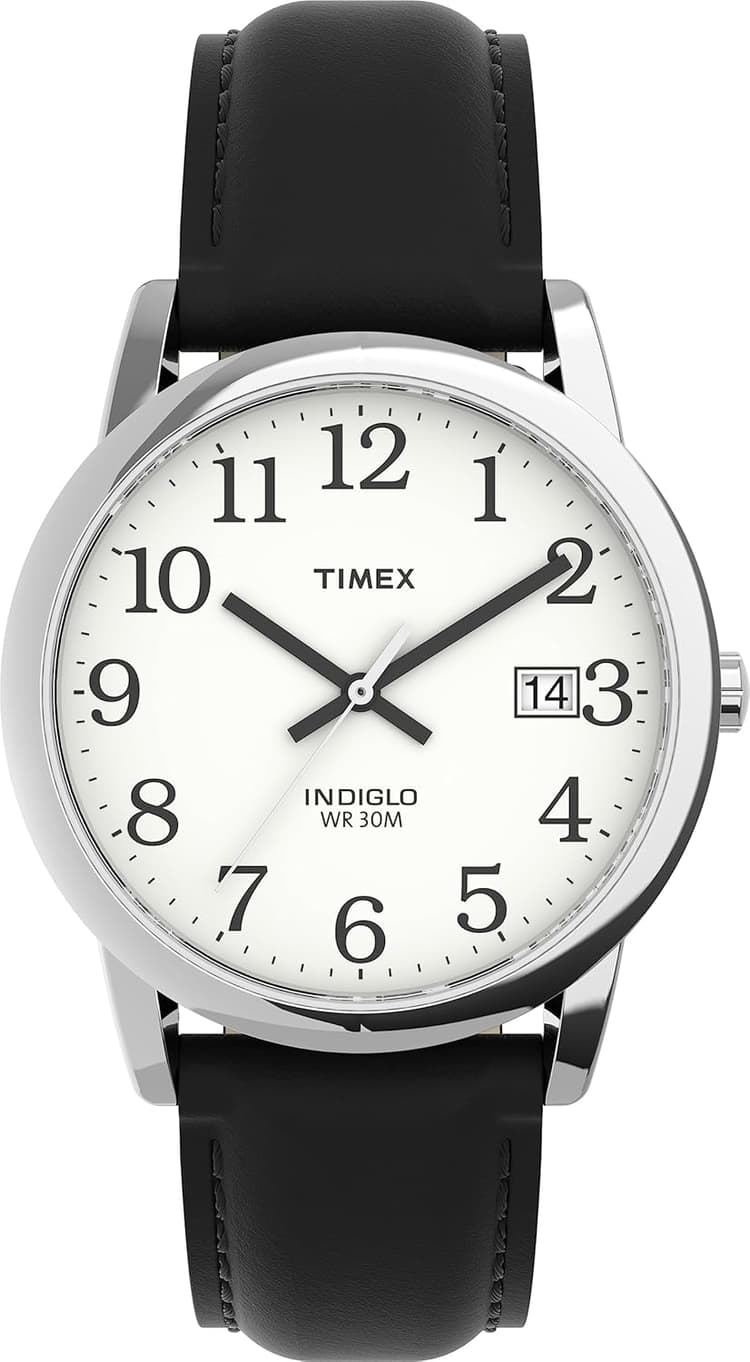
Timex
$37.30
$59.00
-37 %
*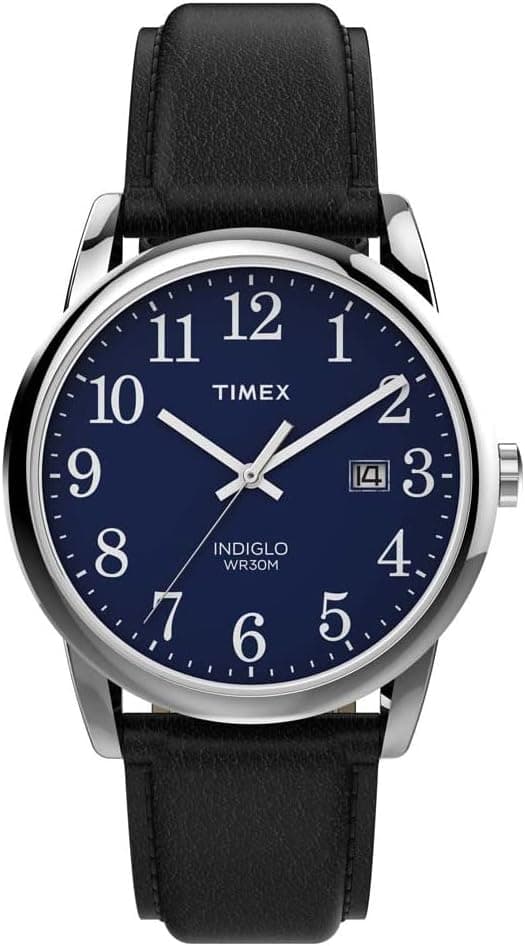
Timex
$44.92
$62.00
-28 %
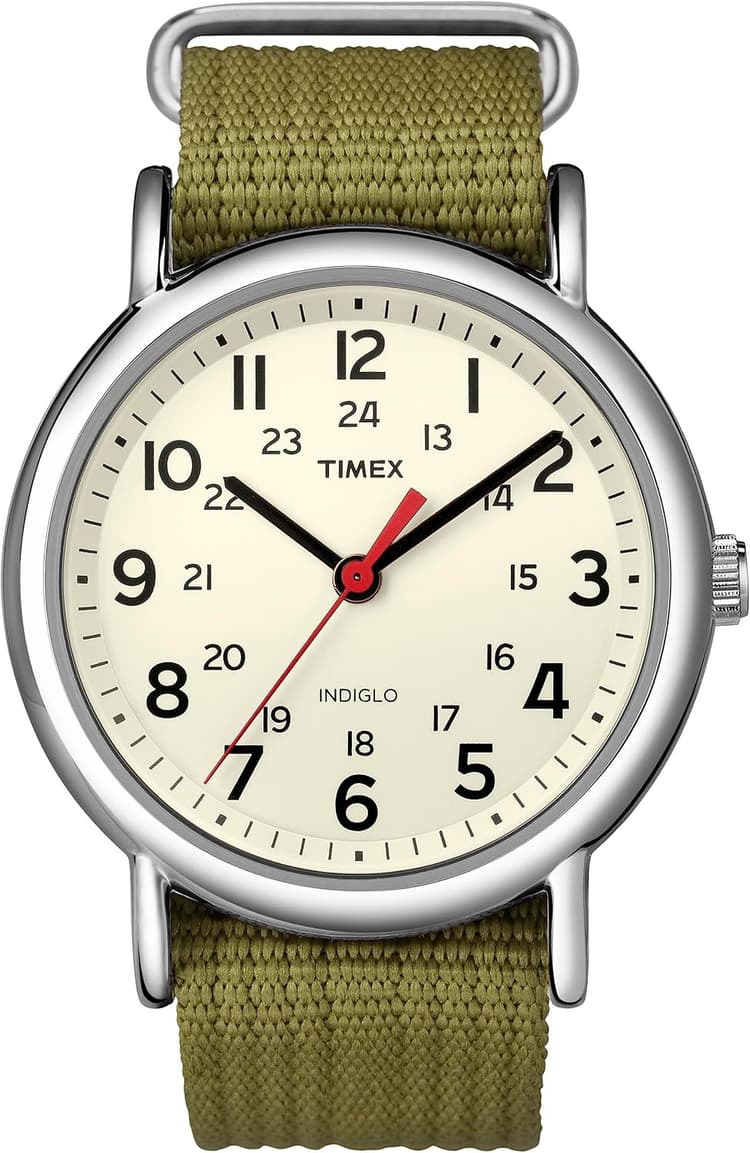
*
Timex
$45.25
$63.00
-28 %
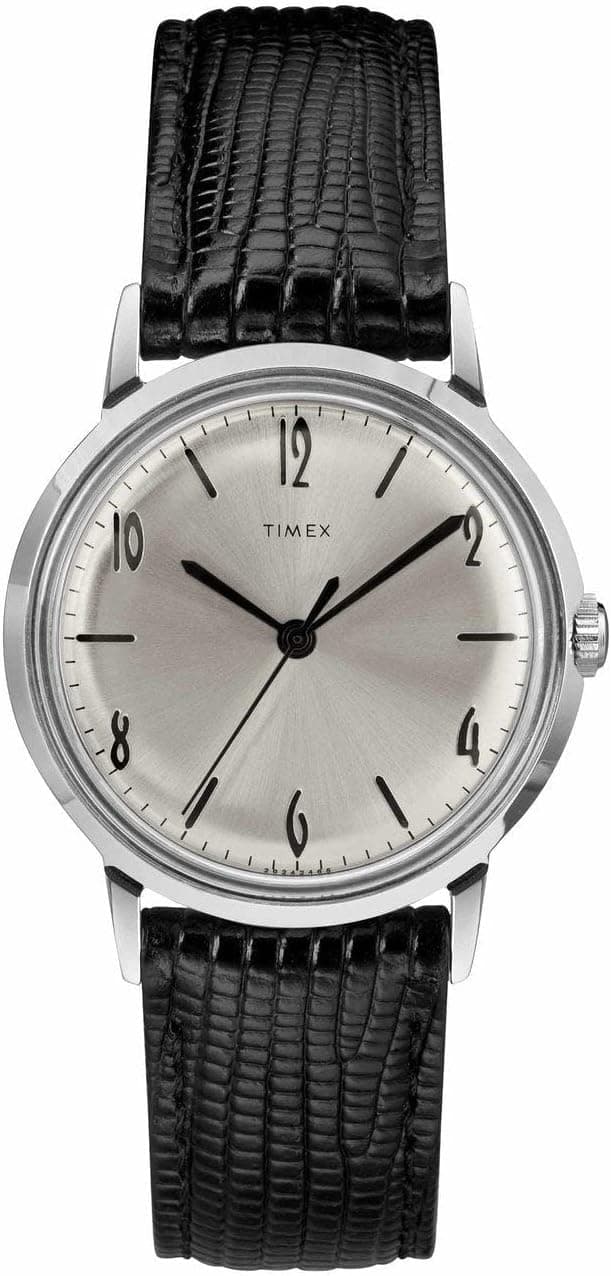
*
Timex
$209.00
$249.00
-16 %
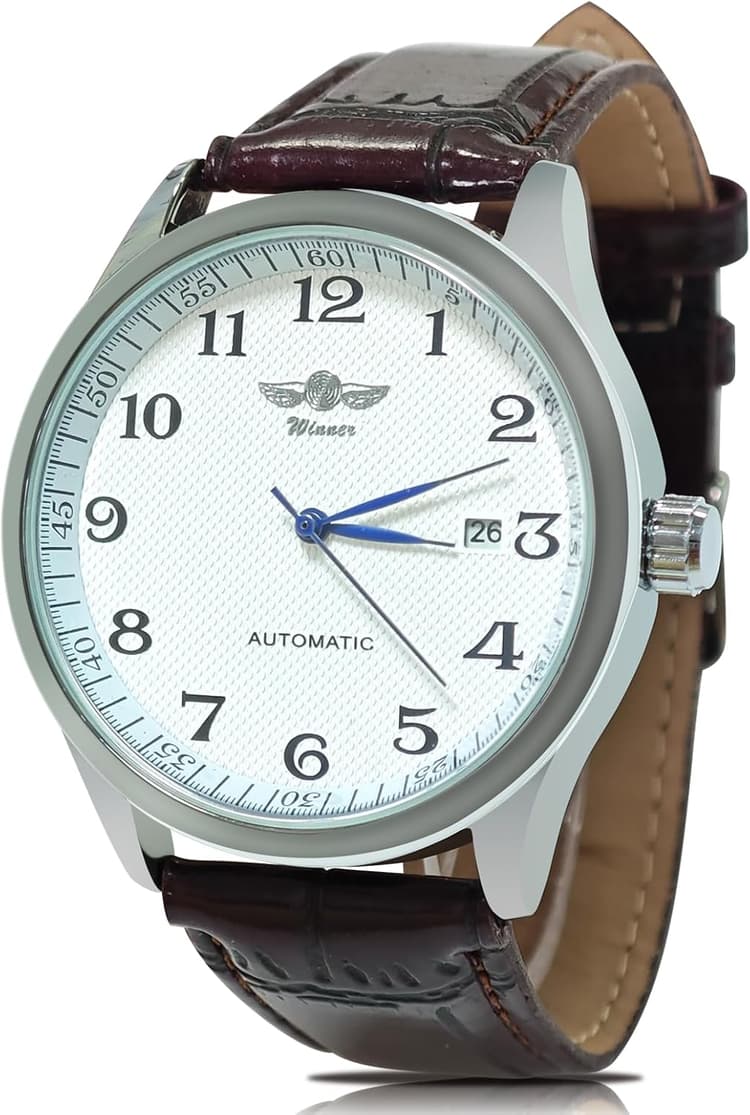
*
Gute
$25.64
$26.99
-5 %
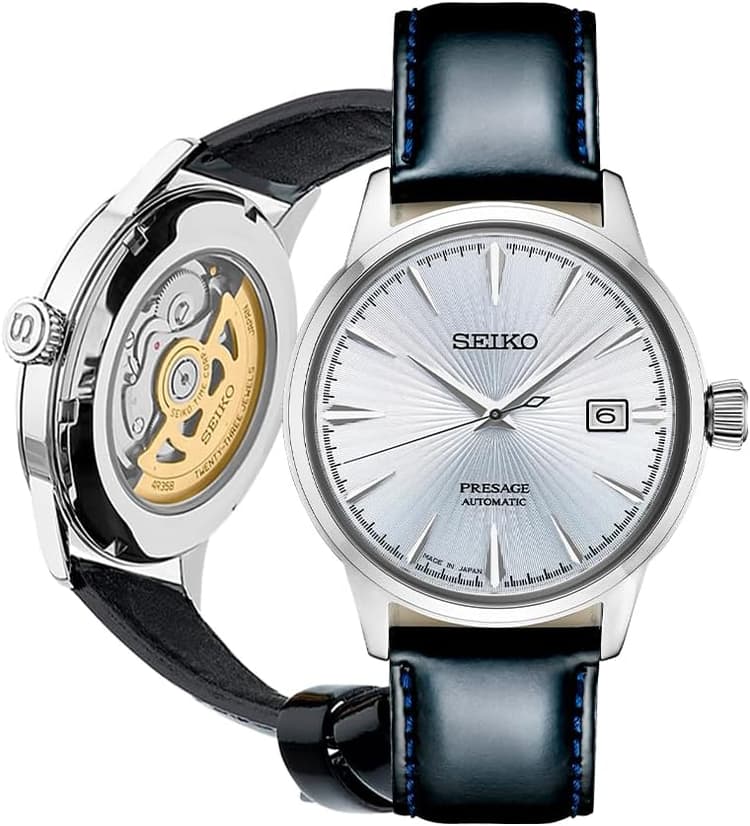
*
SEIKO
$345.00
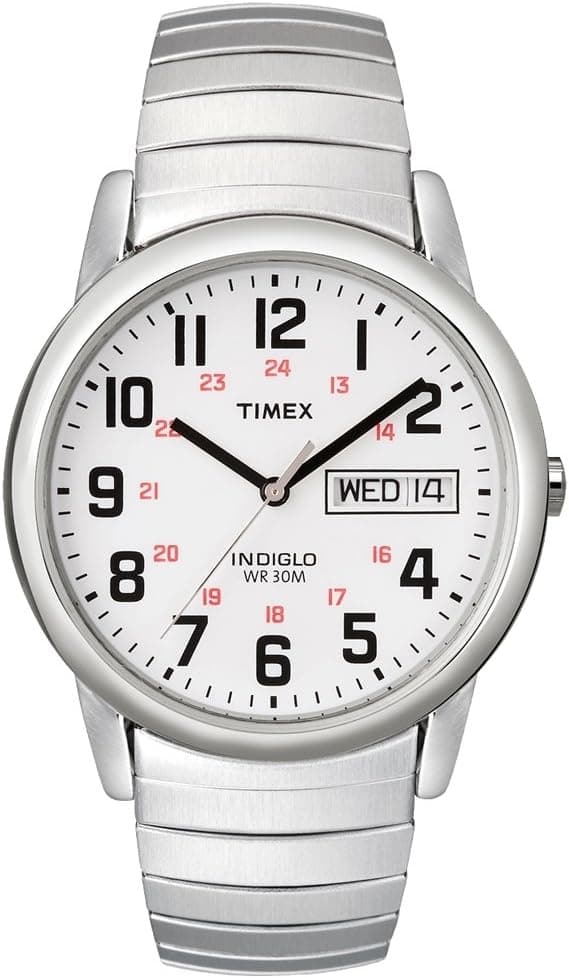
Timex
$51.92
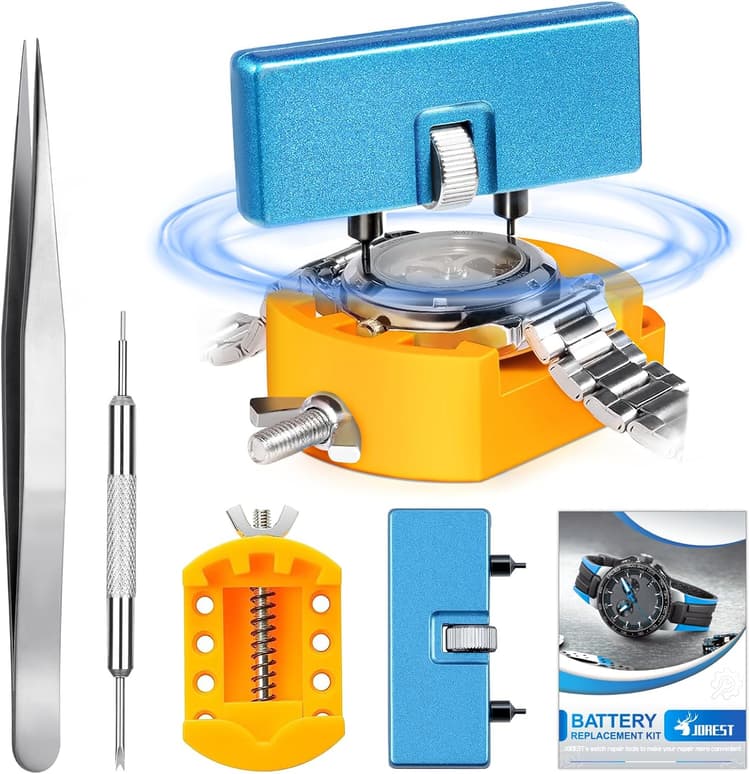
Jorest
$7.99
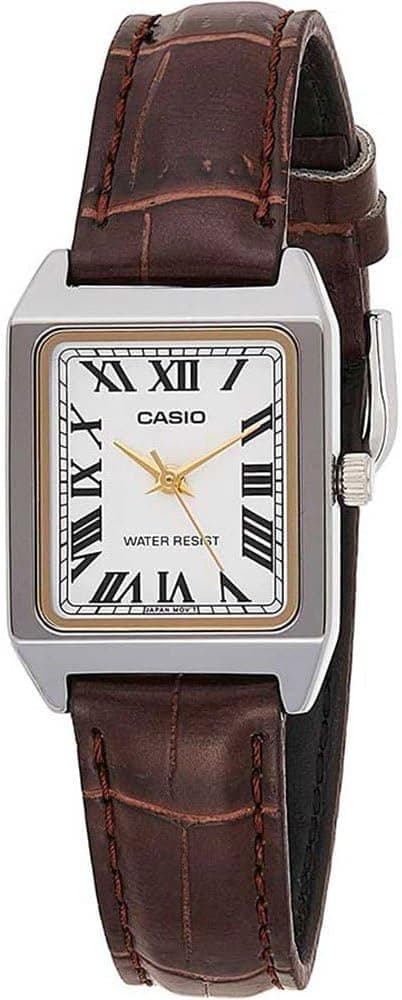
Casio
$27.89
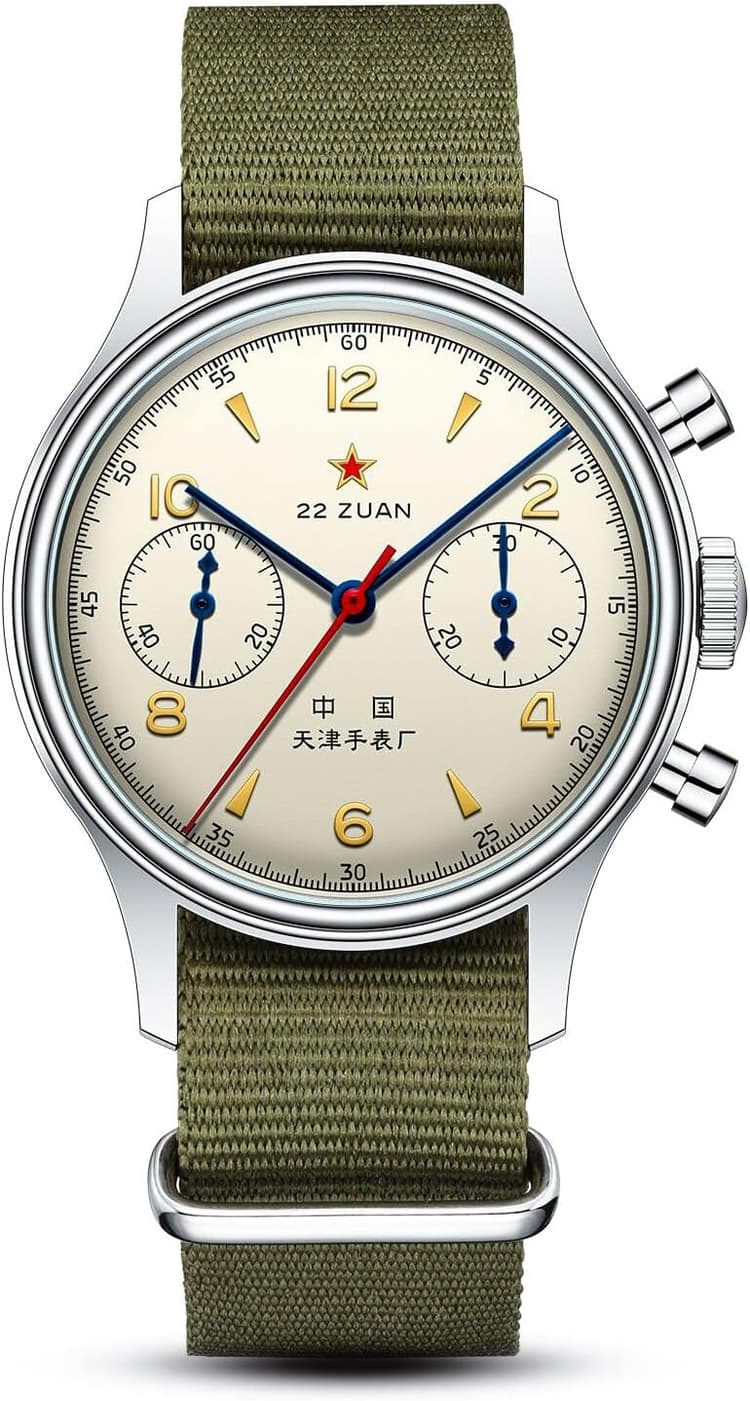
SEA-GULL
$235.00
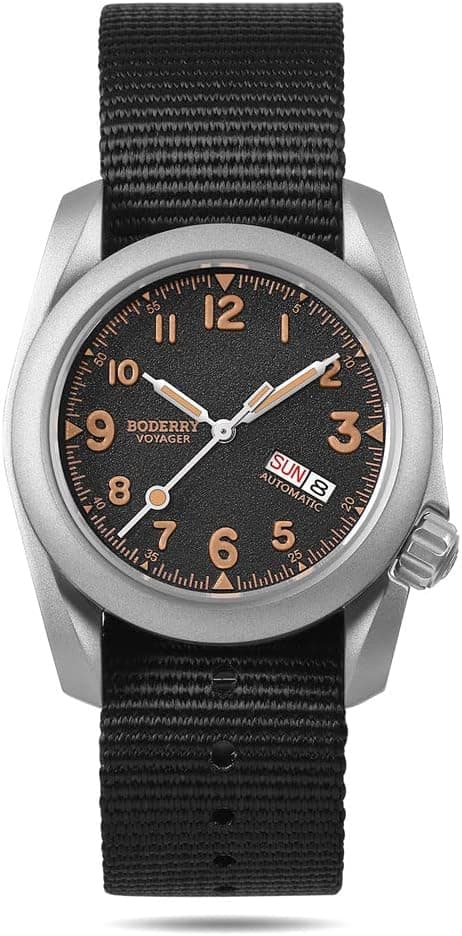
BODERRY
$129.00
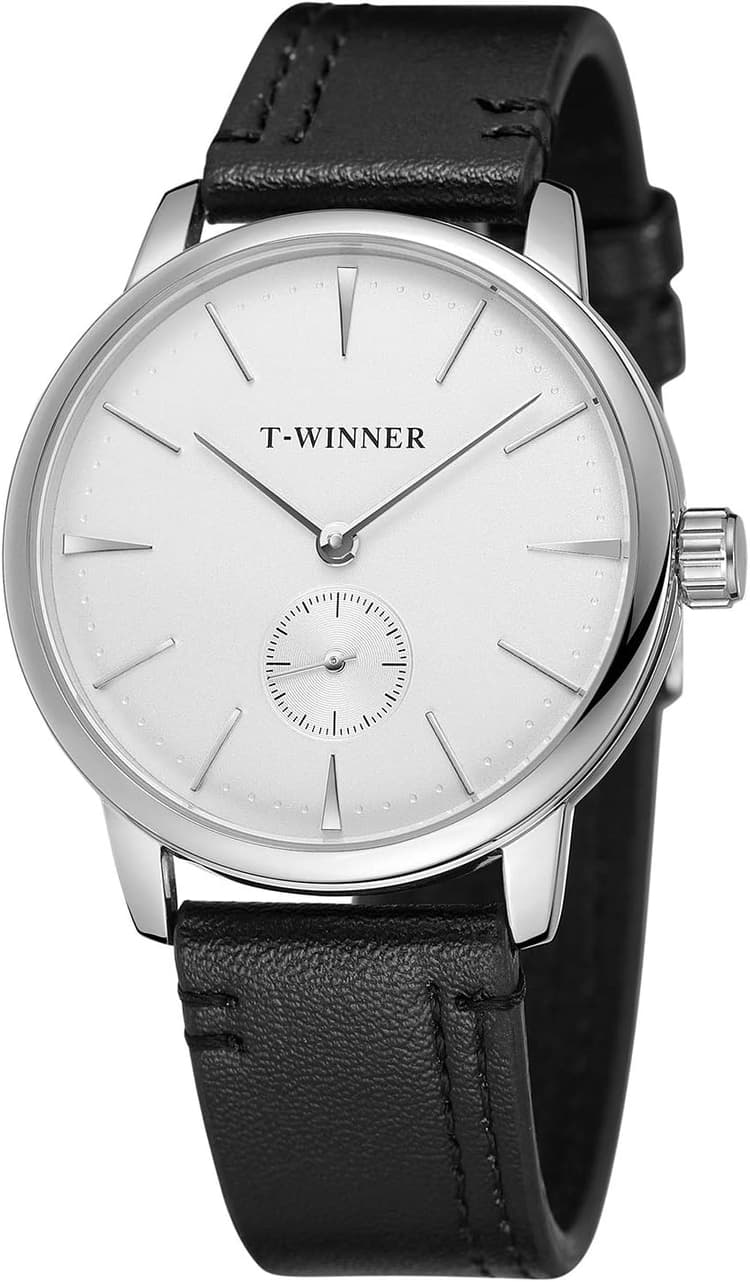
FORSINING
$28.99
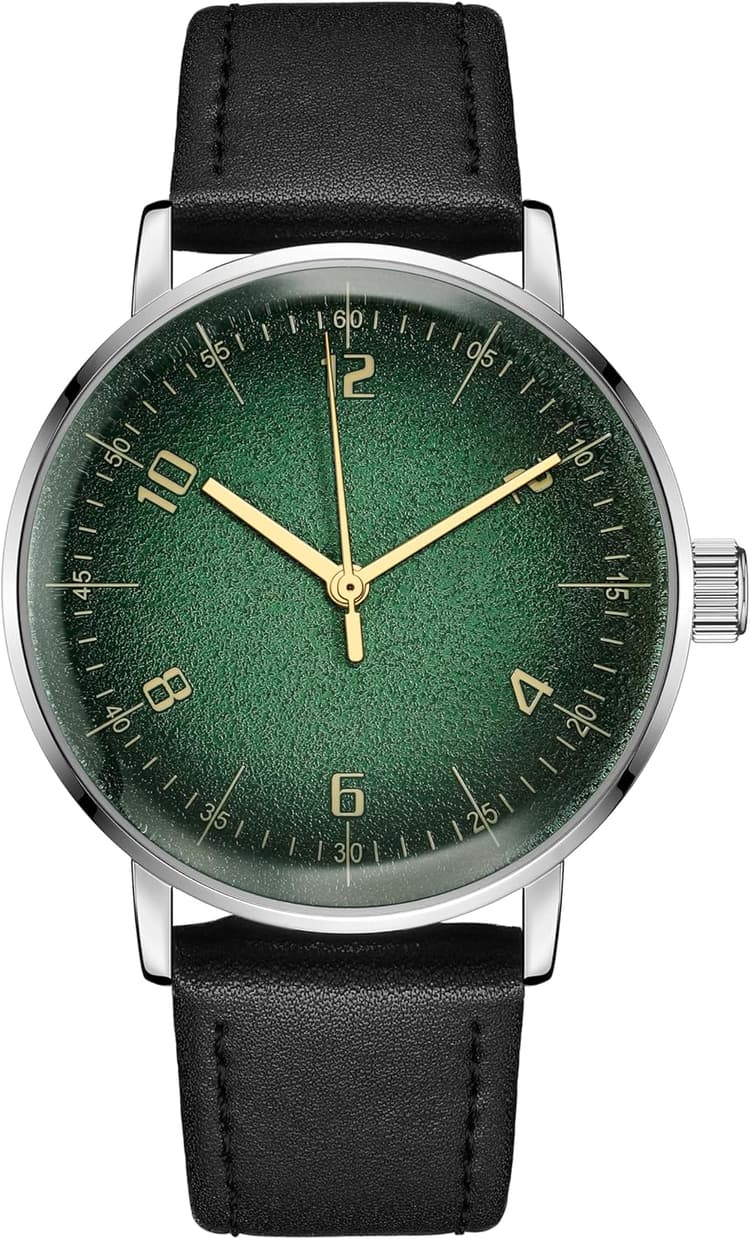
Boyarca
$36.99
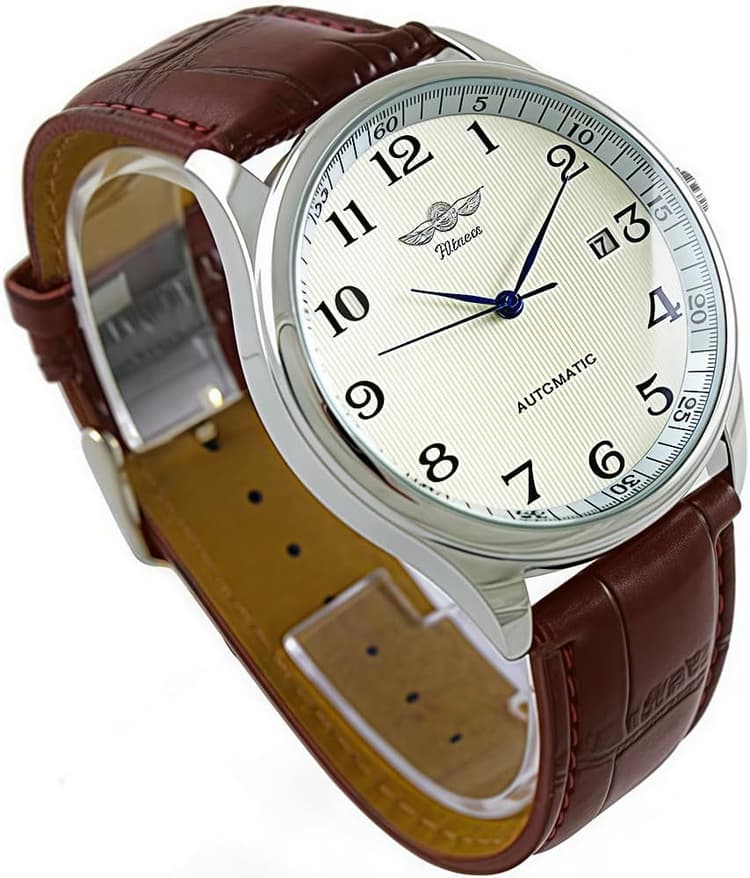
MASTOP
$27.99
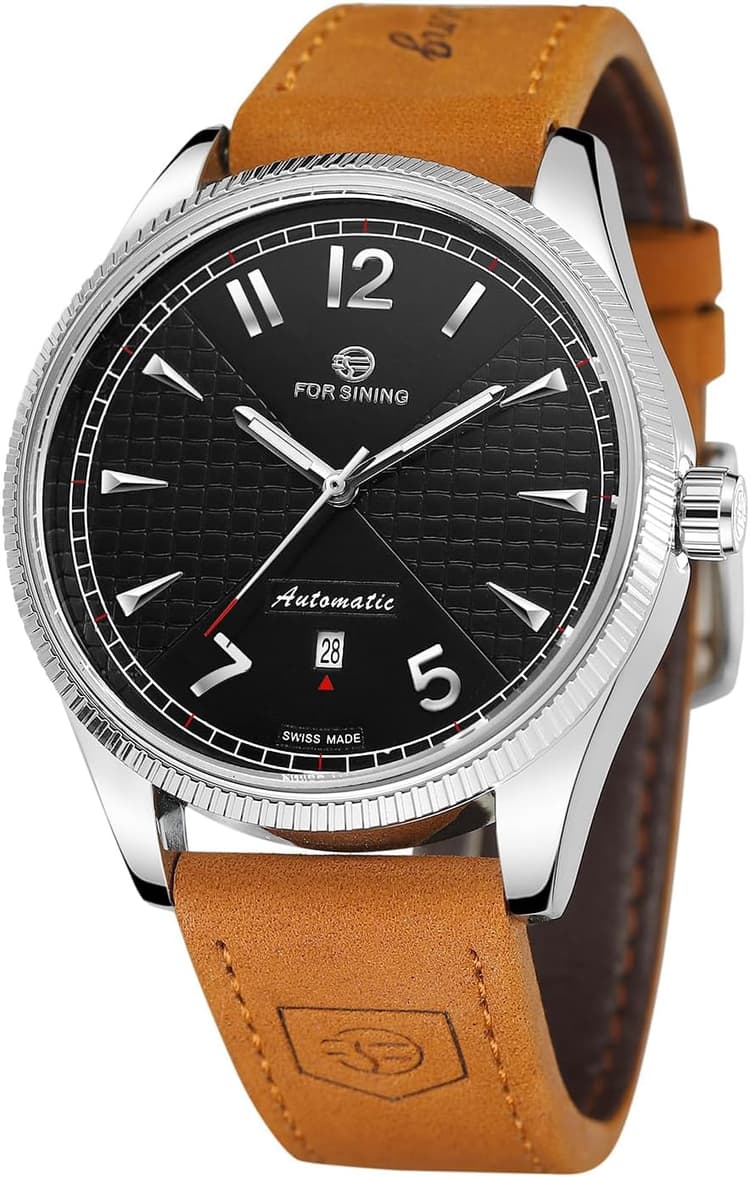
FORSINING
$34.99
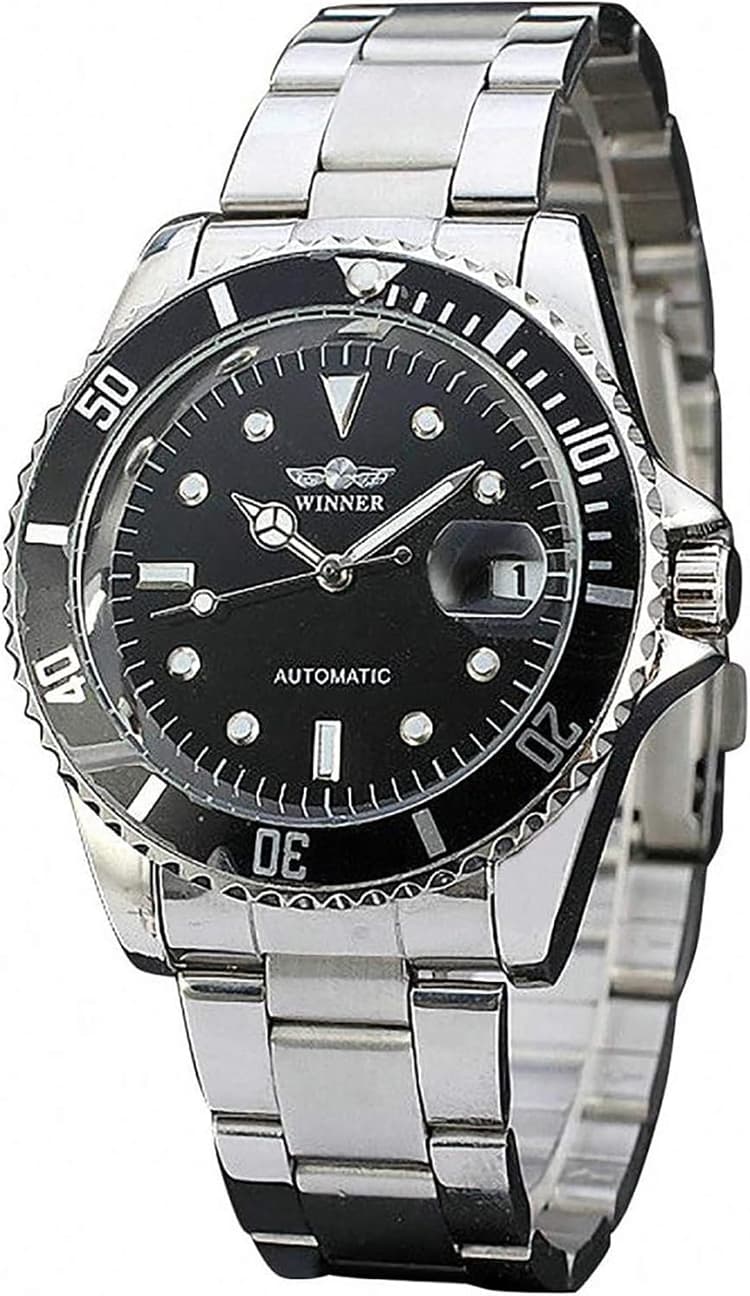
MASTOP
$28.99
Hand-wound calibres are well suited to collectors, mechanically minded enthusiasts and wearers of dress watches. Collectors value the historical variety and the ability to study a movement without a rotor; minimalists often prefer the slim profiles achievable with manual movements. Conversely, those who prioritize hands-off convenience—people wanting daily wear without winding—may prefer automatics or quartz watches. Professionals exposed to frequent shocks, or users reluctant to perform regular winding and maintenance, should assess durability and service options carefully before opting for a manual-wind calibre.
This page presents how manual-wind watches function and the editorial criteria used to contextualize the calibres featured. Selection is based on documented technical factors: movement architecture, service history, parts availability and suitability for intended use. The goal is informational rather than promotional. Some links on the site may be affiliate links; this supports editorial work and does not affect the selection criteria.
Tests and articles by watch experts, based on technical criteria and side‑by‑side comparisons.
We compare models and features to inform your choice, free from commercial influence.
Guides are regularly updated to reflect new releases and market developments.
We may earn a commission from links to partner retailers; this does not affect our independent analyses.


