
Garmin
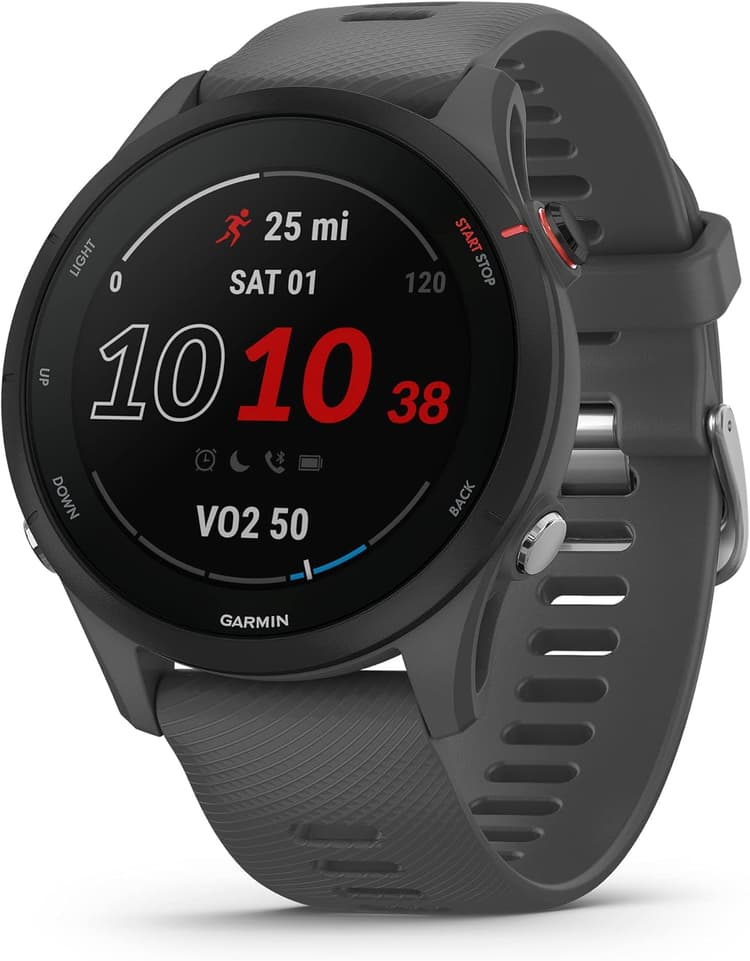
Garmin Forerunner® 255, GPS Running Smartwatch, Advanced Insights, Long-Lasting Battery, Slate Gray
★★★★☆4.7
$237.07
$349.99
-32 %
*
Running GPS watches pair satellite positioning with sensors and analysis tools to record distance, pace and training load. Options range from basic distance trackers to multiparameter devices estimating VO2 max or recovery status. This category page explains the features that differentiate models, how the displayed products are chosen, and which use cases each class addresses. The presentation is analytical: it aims to place products within the running ecosystem rather than promote specific items.
Garmin
$237.07
$349.99
-32 %
*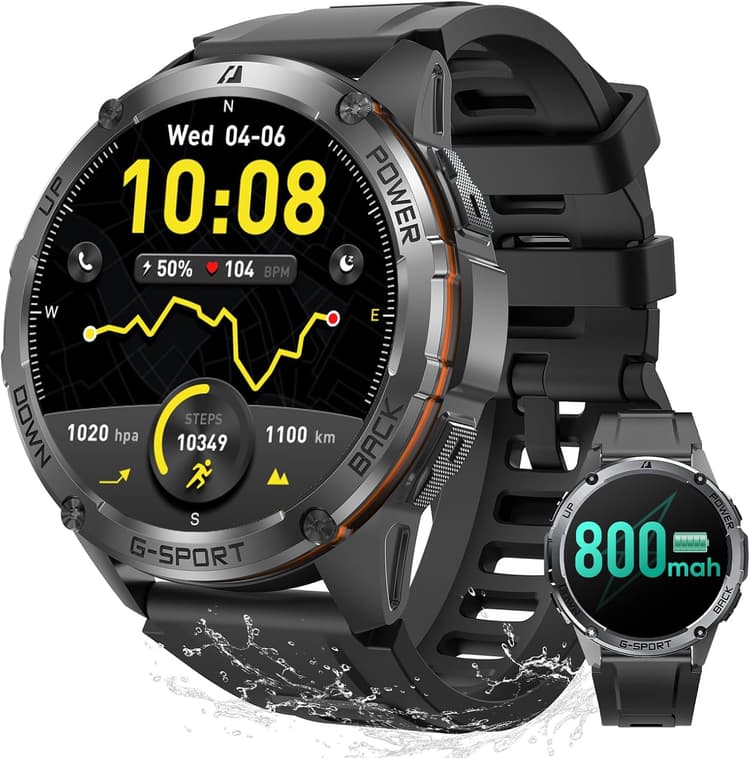
INKRAIMIN
$93.99
$129.99
-28 %
*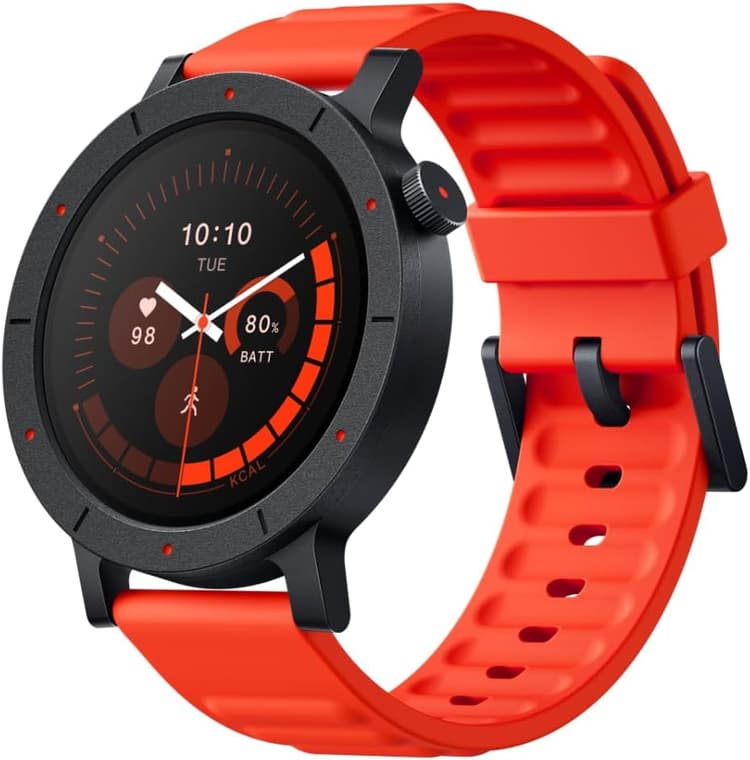
CMF BY NOTHING
$72.49
$99.00
-27 %
*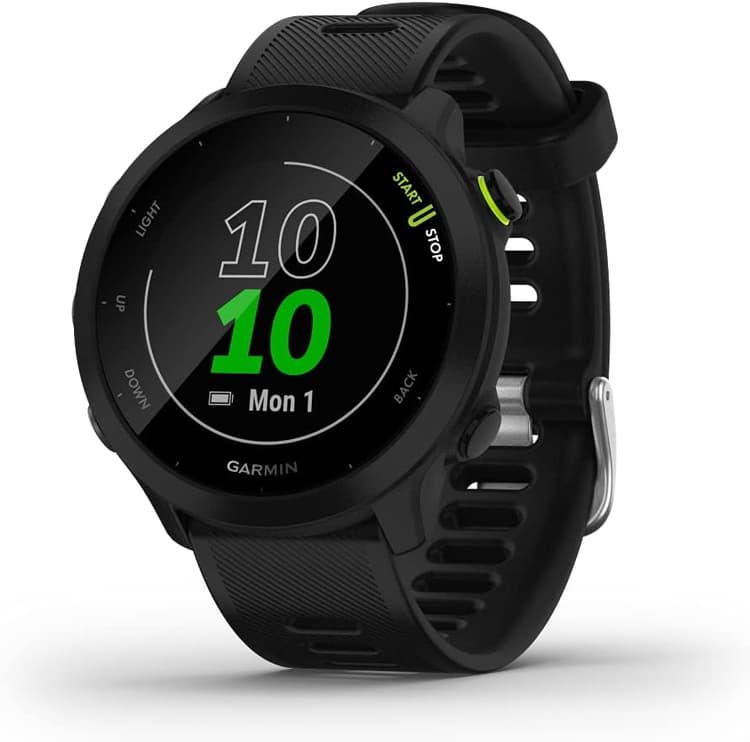
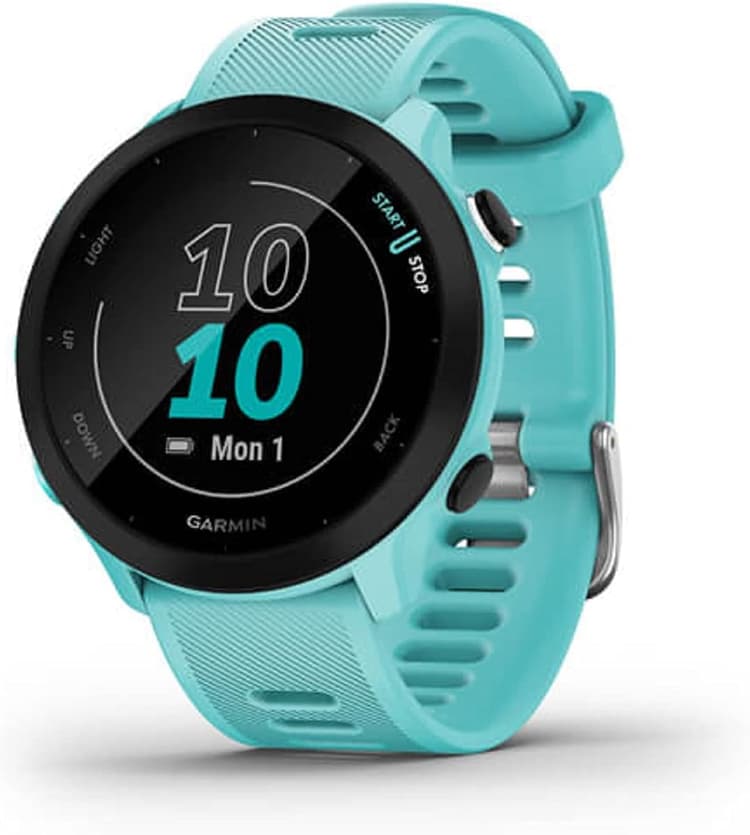
Garmin
$165.00
$199.99
-17 %
*
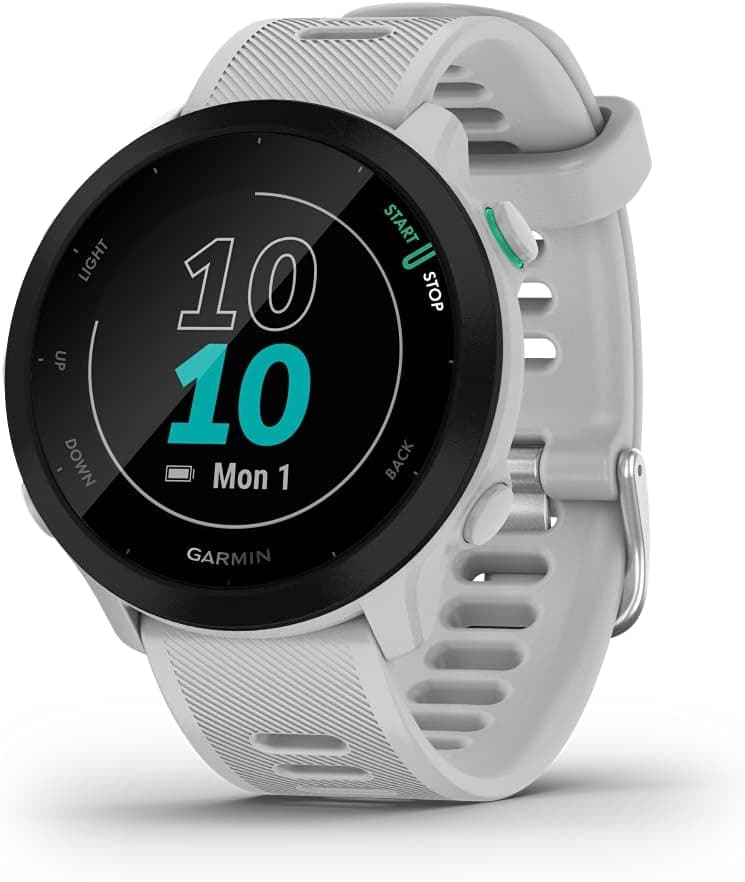
Garmin
$169.00
$199.99
-15 %
*
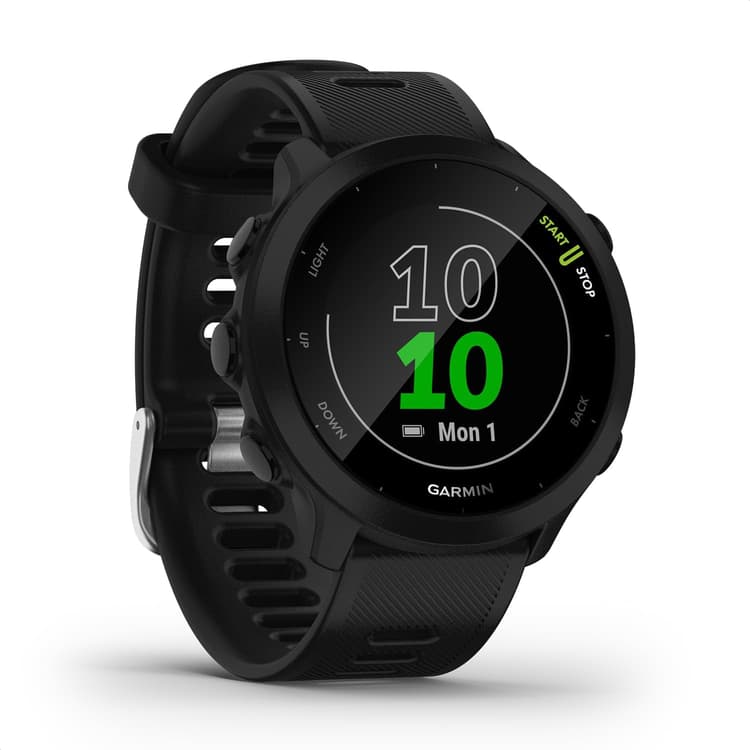
Garmin
$169.00
$199.99
-15 %
*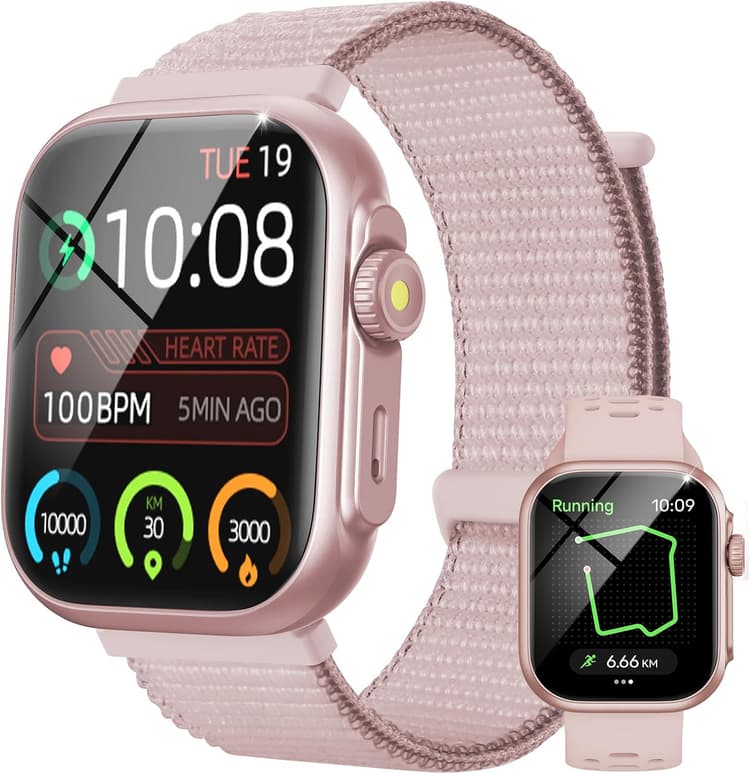
Parsonver
$35.98
$39.98
-10 %
*
$161.94
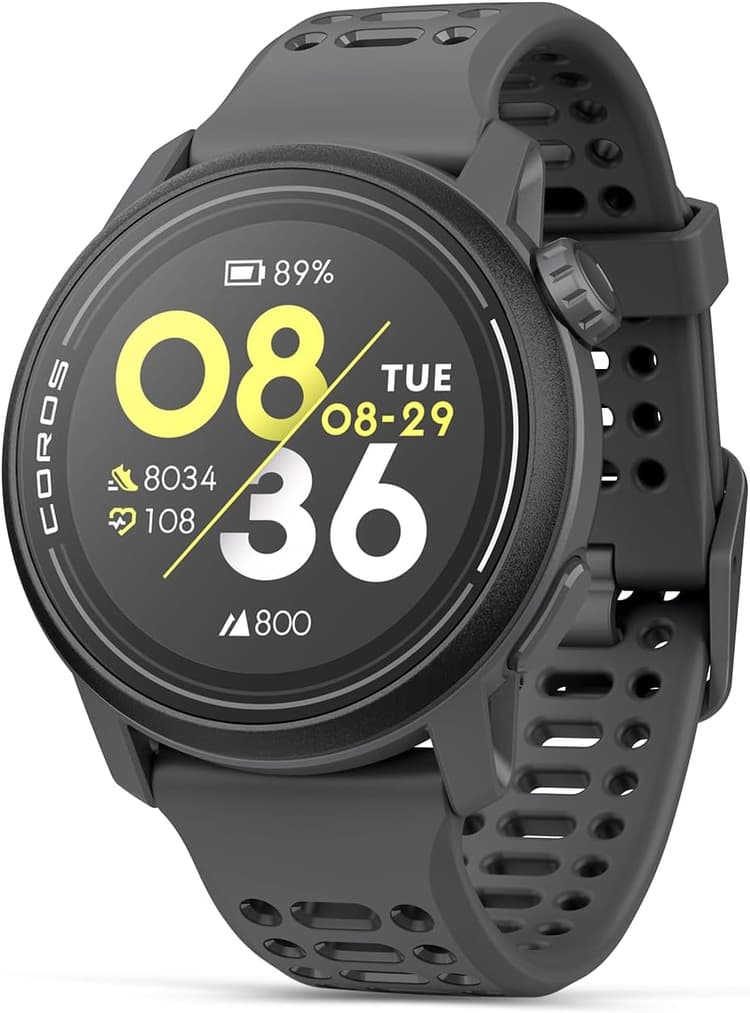
COROS
$199.00
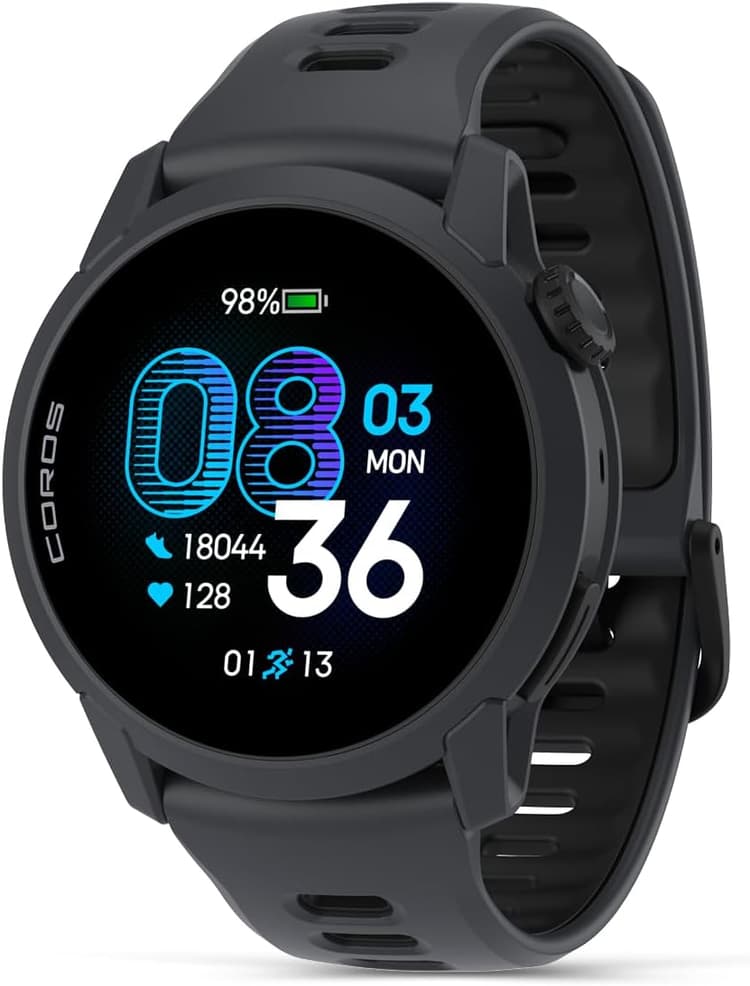
COROS
$249.00
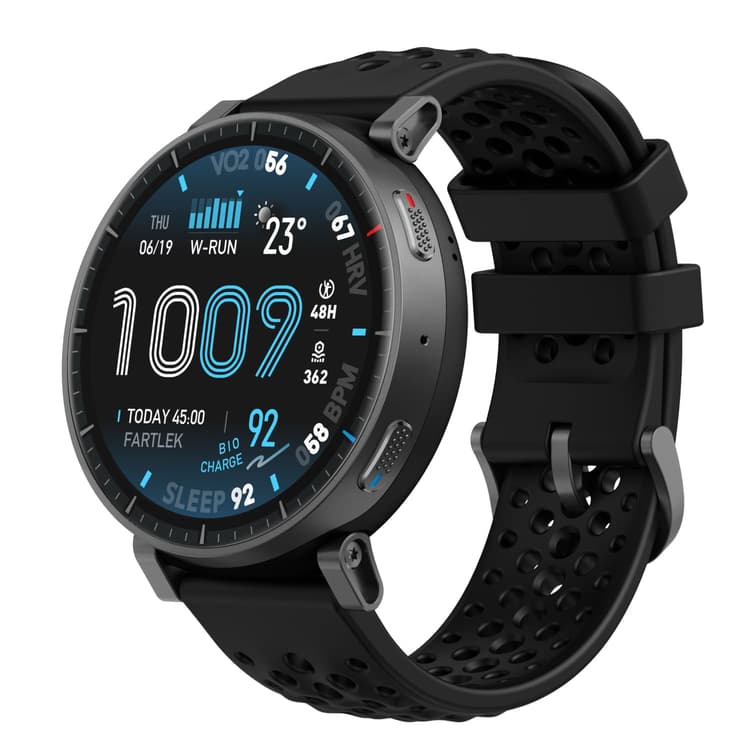
Amazfit
$169.99
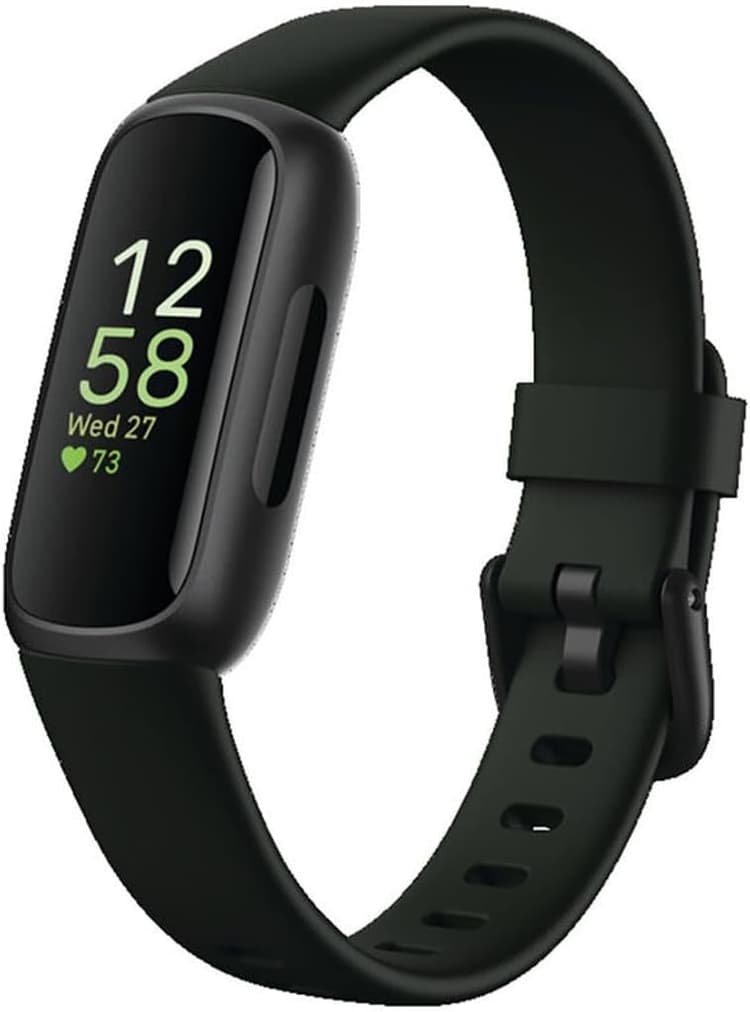
Fitbit
$96.00
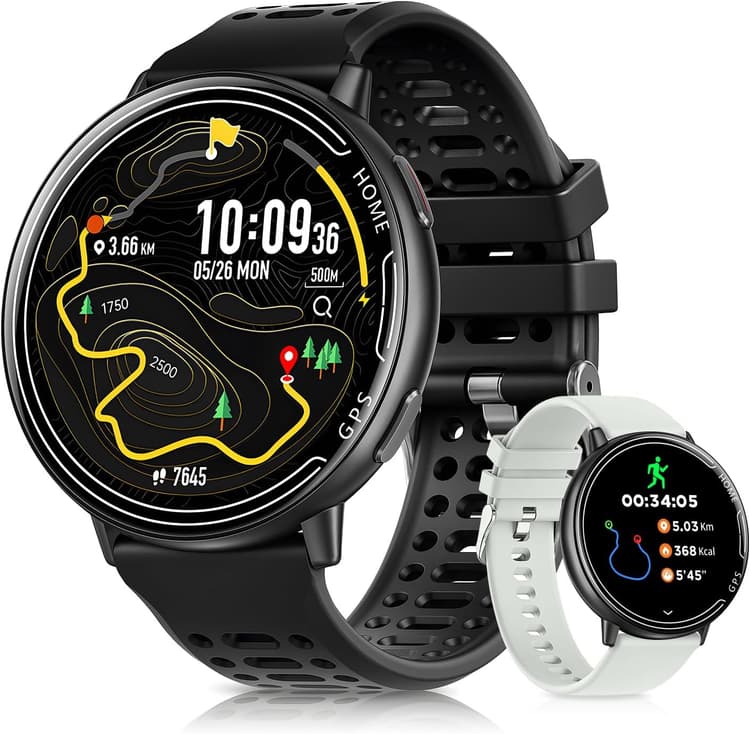
Rmana
$69.99
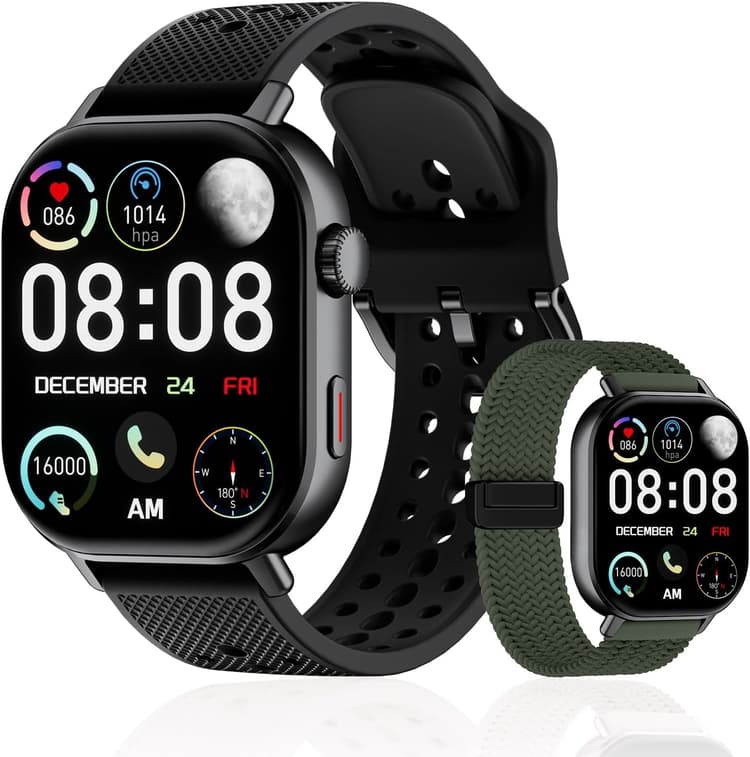
moutarlier
$46.49
Casual runners seeking straightforward distance and pace tracking will be satisfied with entry-level watches that prioritize clear displays and basic GPS. Regular runners following structured plans gain from mid-range devices offering training load metrics, guided workouts and app synchronization. Competitive athletes and trail runners, especially those tackling long events, benefit from high-end watches with extended battery life, mapping and advanced physiological measurements. Users requiring clinical-grade heart rate data should pair a watch with dedicated external sensors to improve accuracy.
Selecting a running GPS watch starts with use-case clarity: do you need basic distance tracking or advanced metrics for structured training? Battery life matters for long runs and multi-day events; check declared GPS runtime and low-power modes. GNSS accuracy depends on antenna, chipset and whether the watch supports multiple satellite constellations; map navigation is useful for off-route running. Additional sensors—wrist heart rate, barometer, accelerometer—provide richer data but can reduce battery life. Also evaluate the software ecosystem: mobile apps, workout analysis, third-party platform compatibility and sync reliability. Practical factors like weight, screen readability and water resistance influence daily comfort and durability.
This page provides categorization and general explanations about running GPS watches. Product inclusion is based on verifiable technical criteria and aggregated user feedback. Affiliate commissions may be earned from purchases made through links on the site, but such revenues do not affect the selection methodology. The editorial approach remains factual and focused on clarifying functional and use-case differences among watch categories.
Tests and articles by watch experts, based on technical criteria and side‑by‑side comparisons.
We compare models and features to inform your choice, free from commercial influence.
Guides are regularly updated to reflect new releases and market developments.
We may earn a commission from links to partner retailers; this does not affect our independent analyses.

