
CITIZEN
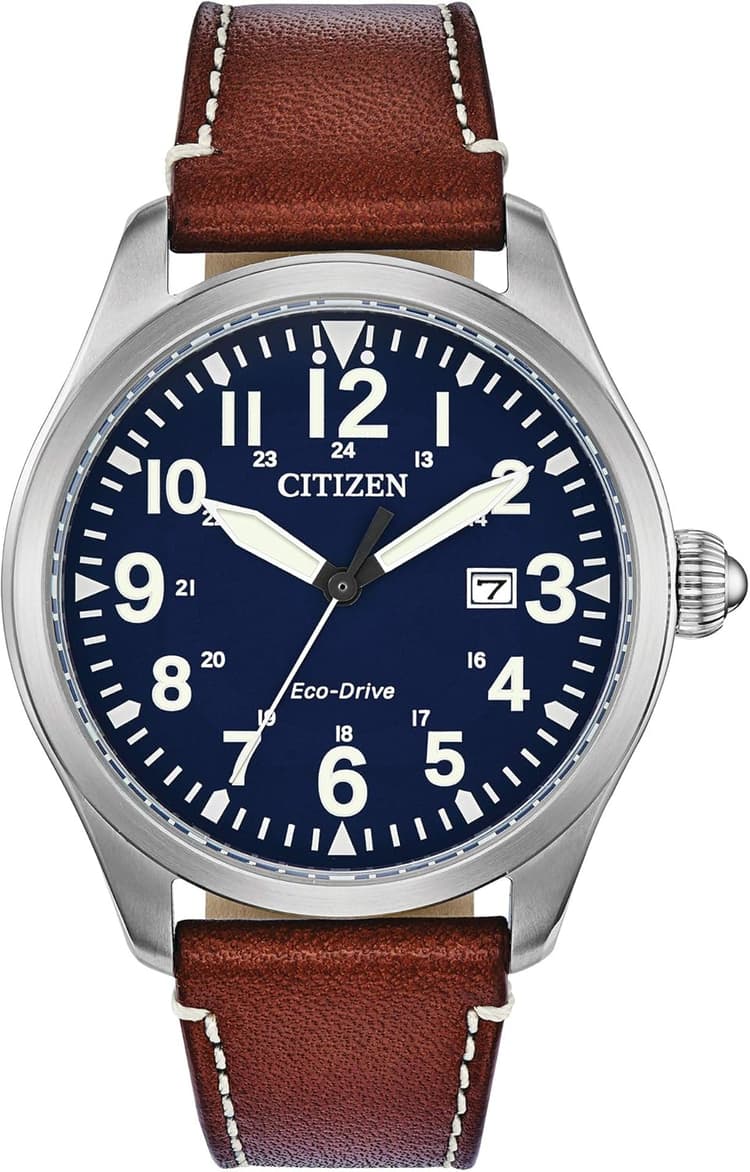
Citizen Men's Sport Casual Garrison 3-Hand Date Eco-Drive Leather Strap Watch, Arabic Markers, Stainless Steel, Field Watch
★★★★☆4.5
$135.00
$325.00
-58 %
*
Solar watches convert ambient light into electrical energy to keep their movements running, spanning styles from dress watches to rugged sport models. Their main advantage is reduced dependence on periodic battery replacement while retaining quartz accuracy or hybrid electronics. This category page outlines the types of solar-powered watches on the market, the technical trade-offs to evaluate, and typical use cases where a light-powered movement offers an advantage or introduces constraints.
When choosing a solar watch, prioritize features according to how you will use it. First, check the stated power reserve: some movements claim months of reserve, others require regular light exposure. Look for sensitivity specs or a mention of charging under artificial light if you spend most time indoors. Case water resistance and build quality matter for outdoor use; 100 m resistance covers casual swimming but not professional diving. Assess dial contrast and lume performance for low-light readability, and confirm the expected maintenance for electronic modules. Consider additional functions such as chronograph, power-reserve indicator, radio-sync or low-power connectivity, since extra features typically increase consumption and affect real-world autonomy.
CITIZEN
$135.00
$325.00
-58 %
*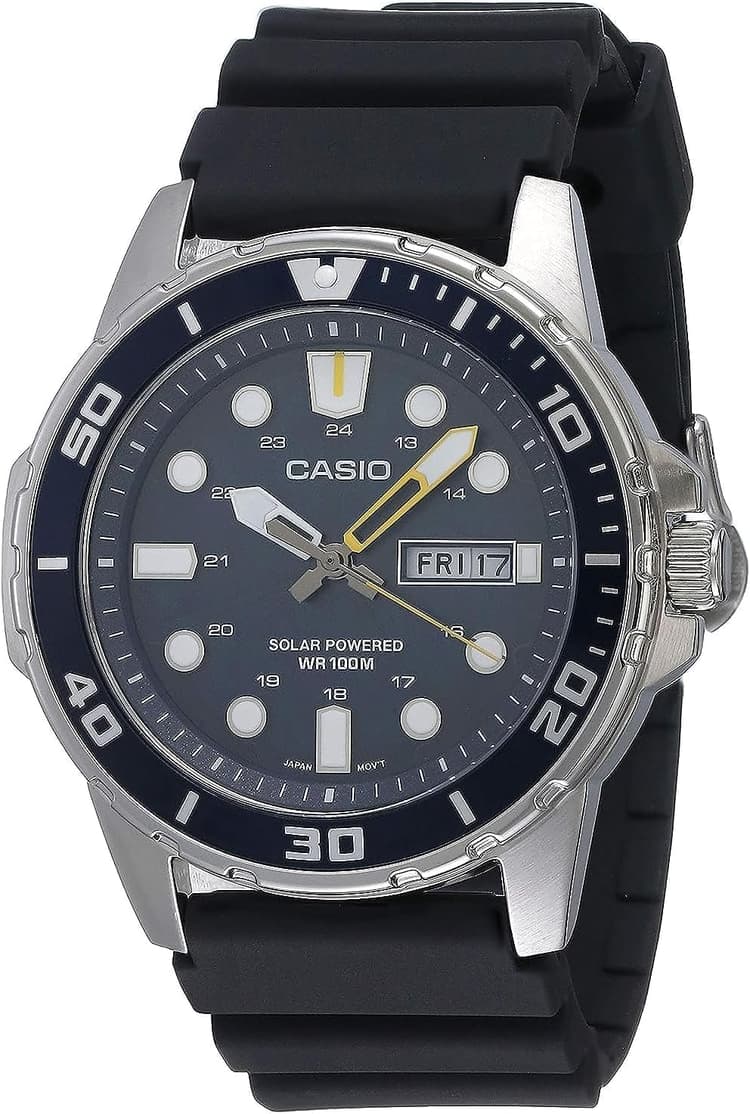
Casio
$107.26
$160.00
-33 %
*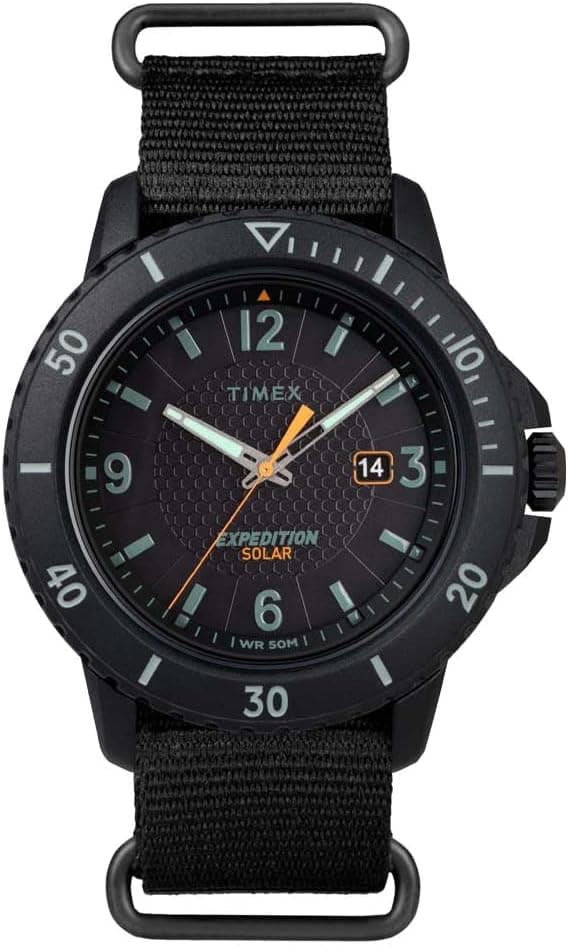
Timex
$38.60
$57.01
-32 %
*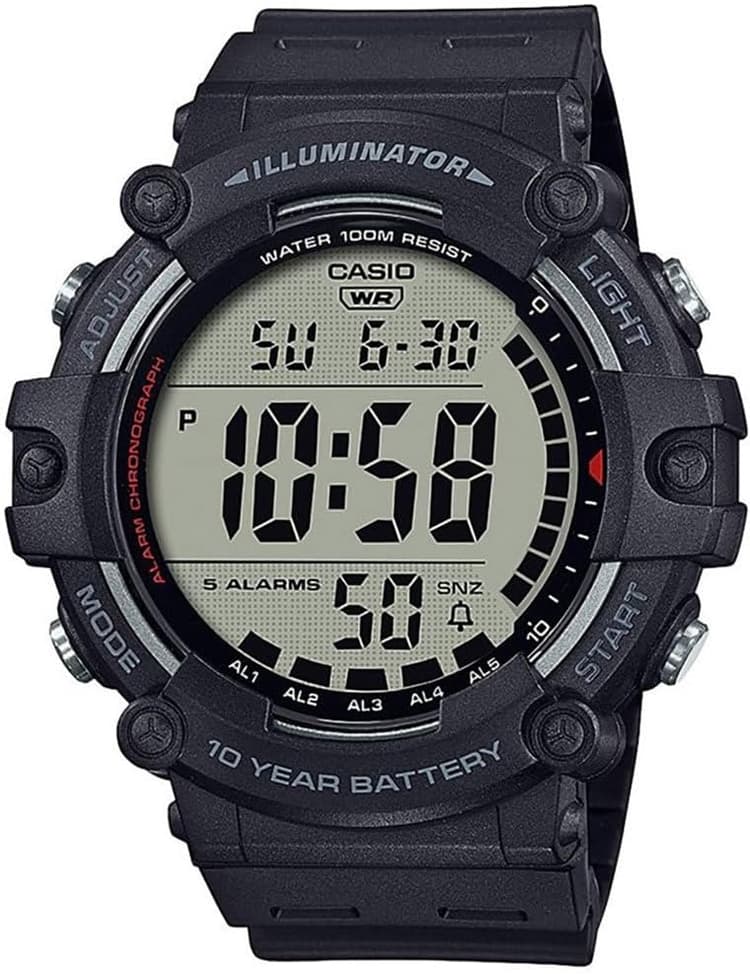
Casio
$27.59
$39.95
-31 %
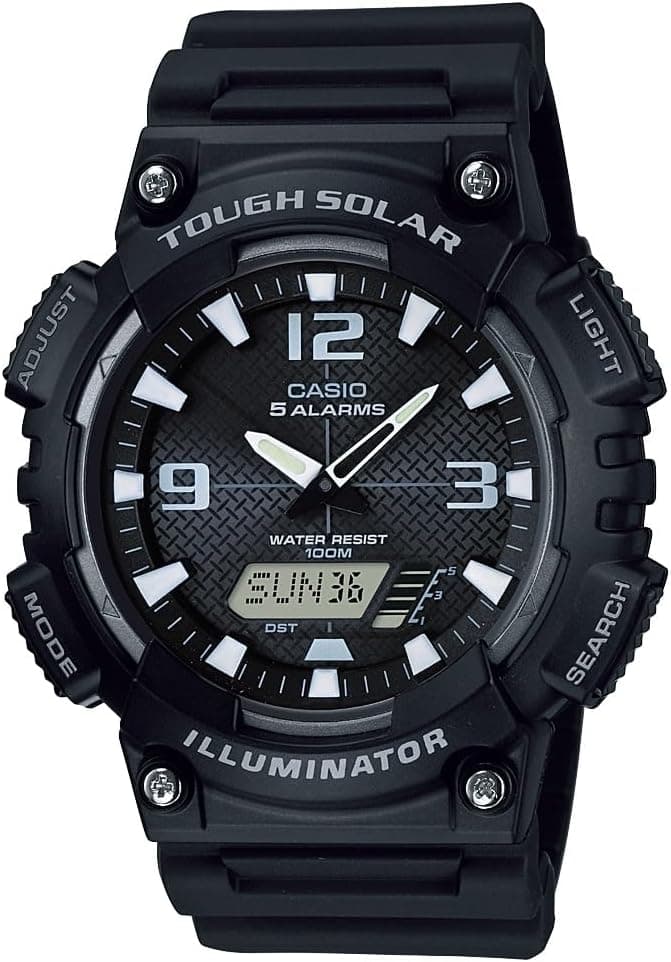
*
Casio
$51.96
$64.95
-20 %
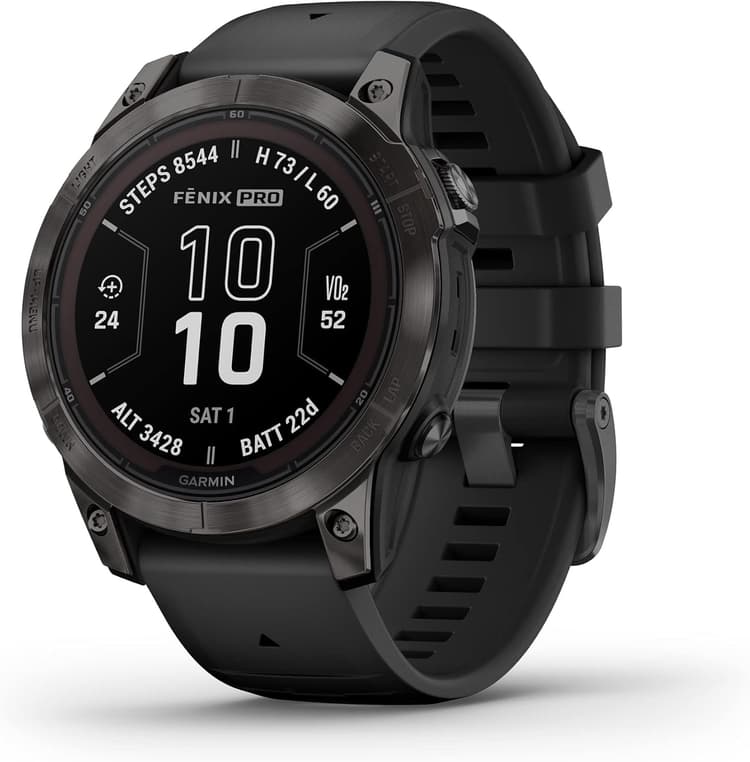
*
Garmin
$729.00
$899.99
-19 %
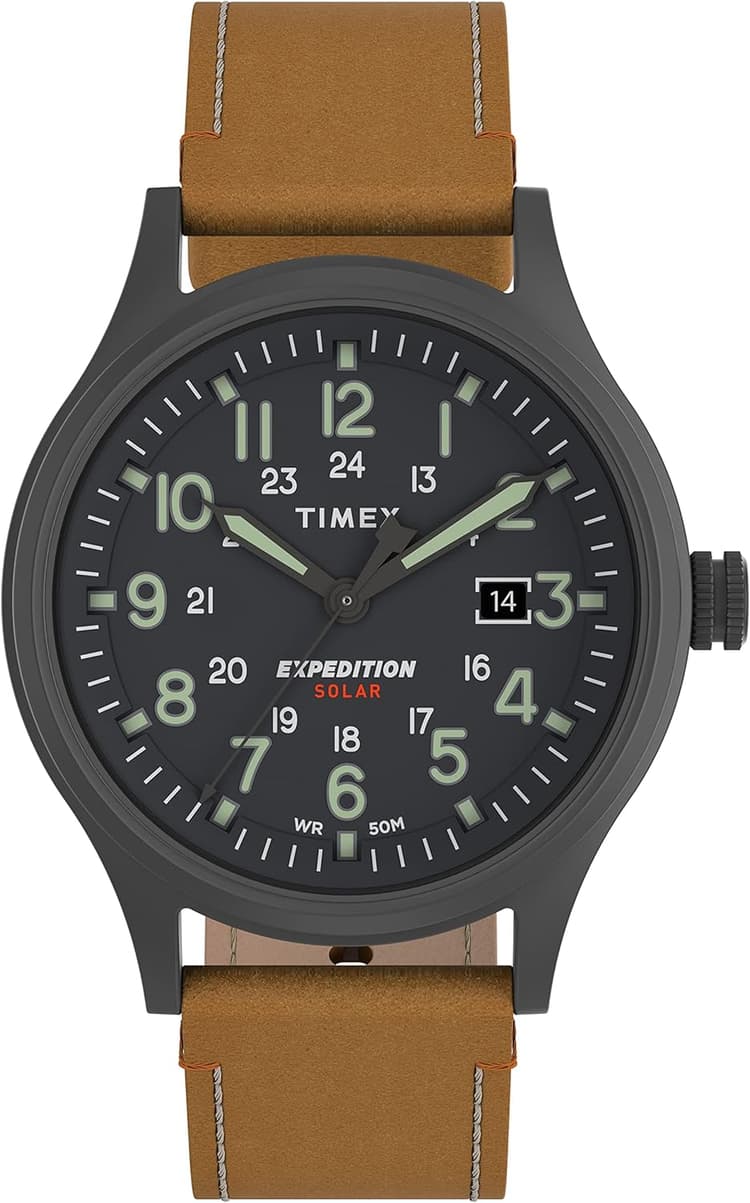
*
Timex
$49.70
$54.92
-10 %
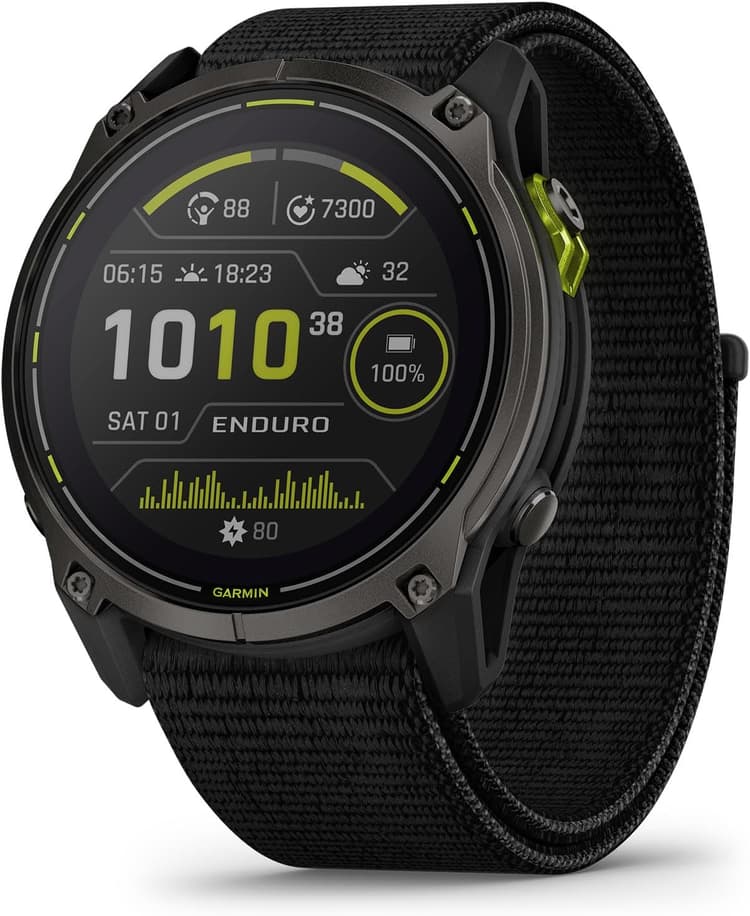
*
Garmin
$899.99
Solar watches bring clear advantages: fewer battery replacements, extended operation under adequate light, and typically lower user maintenance compared with conventional battery-powered quartz. They often combine quartz accuracy with practical longevity. Their drawbacks include dependence on light exposure, variability in charging efficiency due to dial color or thickness, and the potential for higher energy draw from additional features. Over long timeframes, replacing photovoltaic modules or repair of the electronic assembly can be more complex than swapping a standard battery. Also, for purists who prefer mechanical winding movements, solar power does not replace the aesthetic or mechanical appeal of traditional horology.
This category overview is based on critical review of manufacturer specifications, independent tests where available, and aggregated user feedback. We disclose the selection criteria used and specify intended use-cases to contextualize models. We do not present proprietary performance measurements without stating methods. Any external product references are informational; editorial decisions prioritize clear explanation over subjective ranking.
Tests and articles by watch experts, based on technical criteria and side‑by‑side comparisons.
We compare models and features to inform your choice, free from commercial influence.
Guides are regularly updated to reflect new releases and market developments.
We may earn a commission from links to partner retailers; this does not affect our independent analyses.