
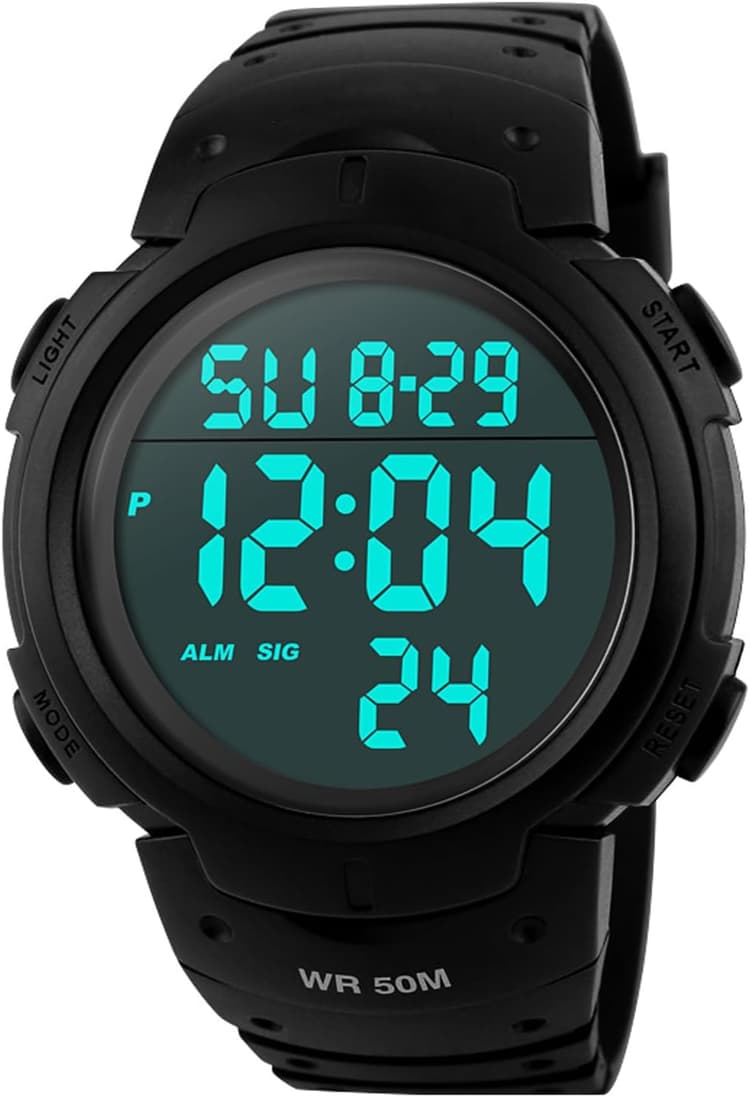
PASOY
PASOY Mens Women Digital Watch Big Dial Light LED Swim Waterproof Rubber Band Alarm Black LED Watches 50MM
★★★★☆4.4
$9.91
$15.99
-38 %
*
Deals editor focused on watch bargains, market analysis, and approachable buying advice.

Why this guide was refreshed for 2026
This guide focuses on pragmatic decision‑making for mid‑range watches—defined here as well‑spec’d, value‑oriented pieces that cost more than entry level but stop short of luxury pricing. Since watch trends and retail options evolved through early 2026 (rising availability of high‑value mid‑range automatics, more reliable sapphire options and broader microbrand offerings), the emphasis is on real‑world fit, durability and aftercare rather than model hype.
How to use the guide — a short workflow:
Quick checklist (table):
| Item | Why it matters |
|---|---|
| Primary use | Determines features (water resistance, lume, strap) |
| Dimensions | Drives comfort and visual balance |
| Crystal type | Affects scratch resistance and legibility |
| Movement type | Impacts maintenance and long‑term cost |
Practical notes (2026):
When you see models, compare them against your sheet. If you want examples or curated options, check our Mid‑range watches picks and practical guidance for a curated starting point. Use this guide as a decision framework: it should shorten time to purchase and reduce returns by prioritising fit and everyday performance over marketing noise.
PASOY
$9.91
$15.99
-38 %
*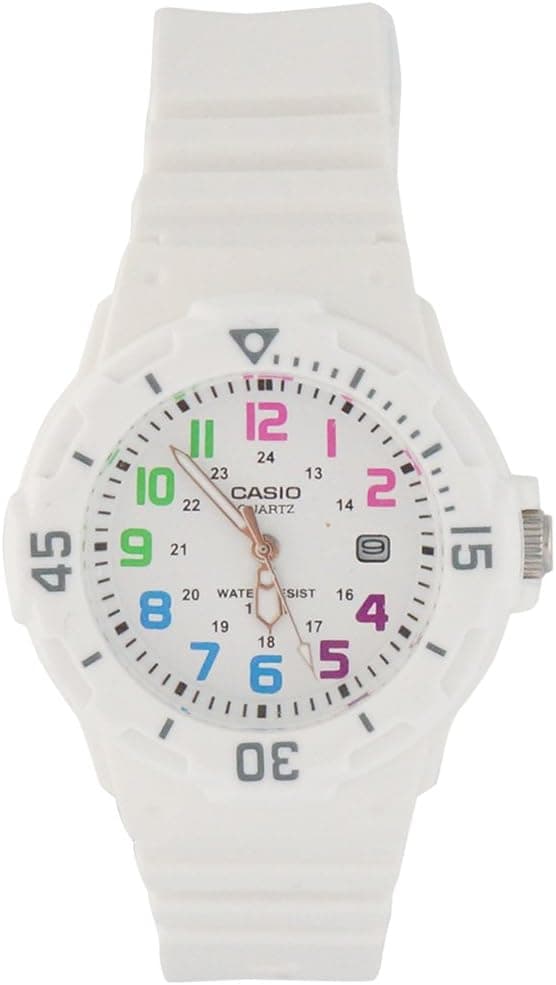
Casio
$35.95
$45.95
-22 %
*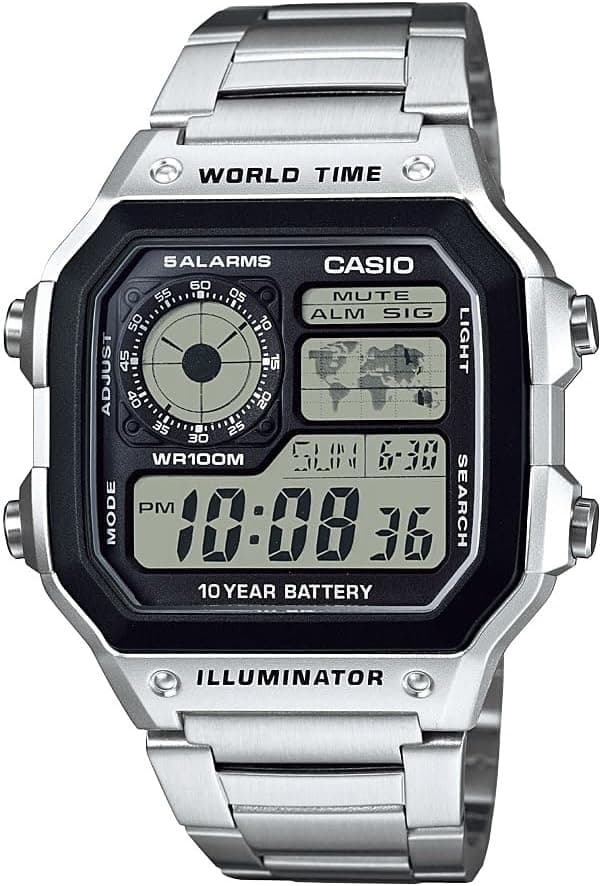
Casio
$43.26
$54.95
-21 %
*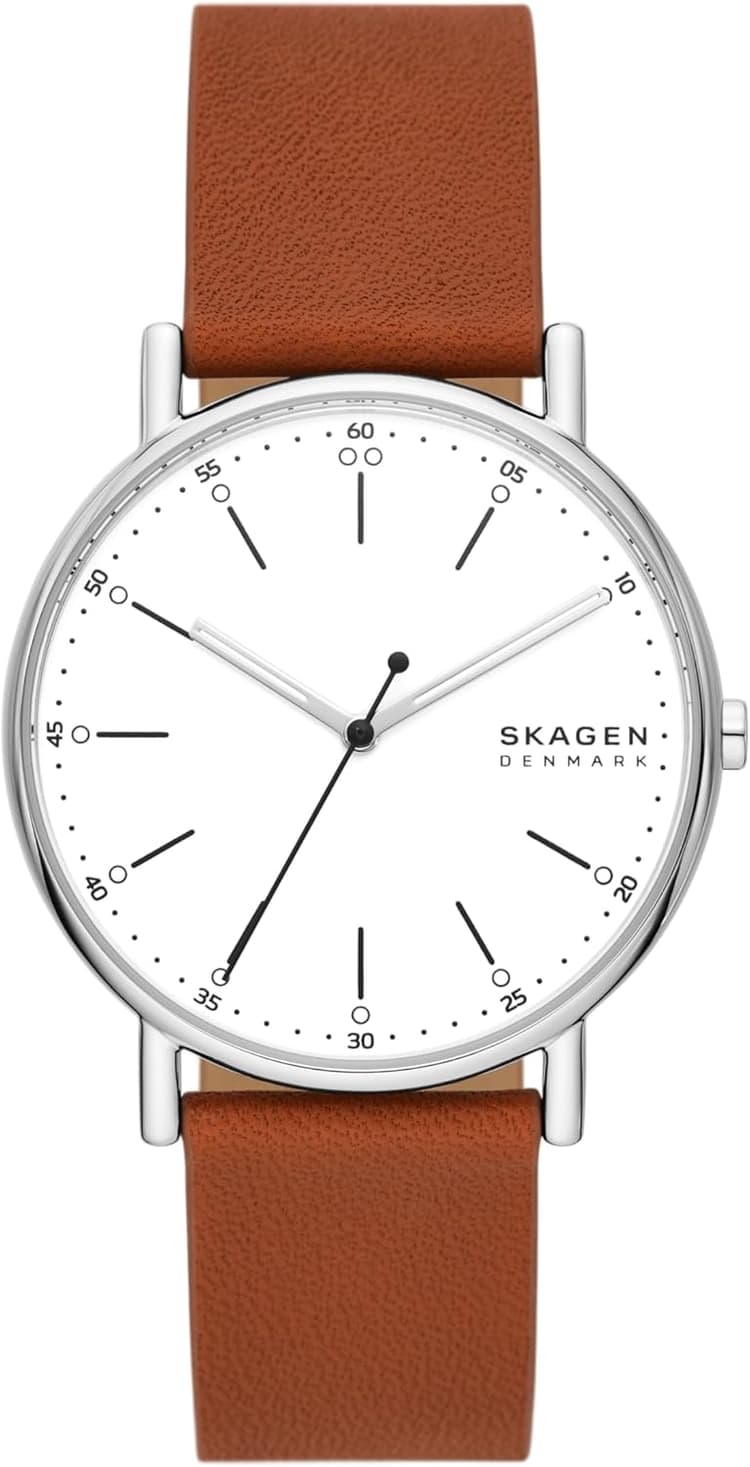
Skagen
$98.50
$125.00
-21 %
*
L LAVAREDO
$15.29
$16.99
-10 %
*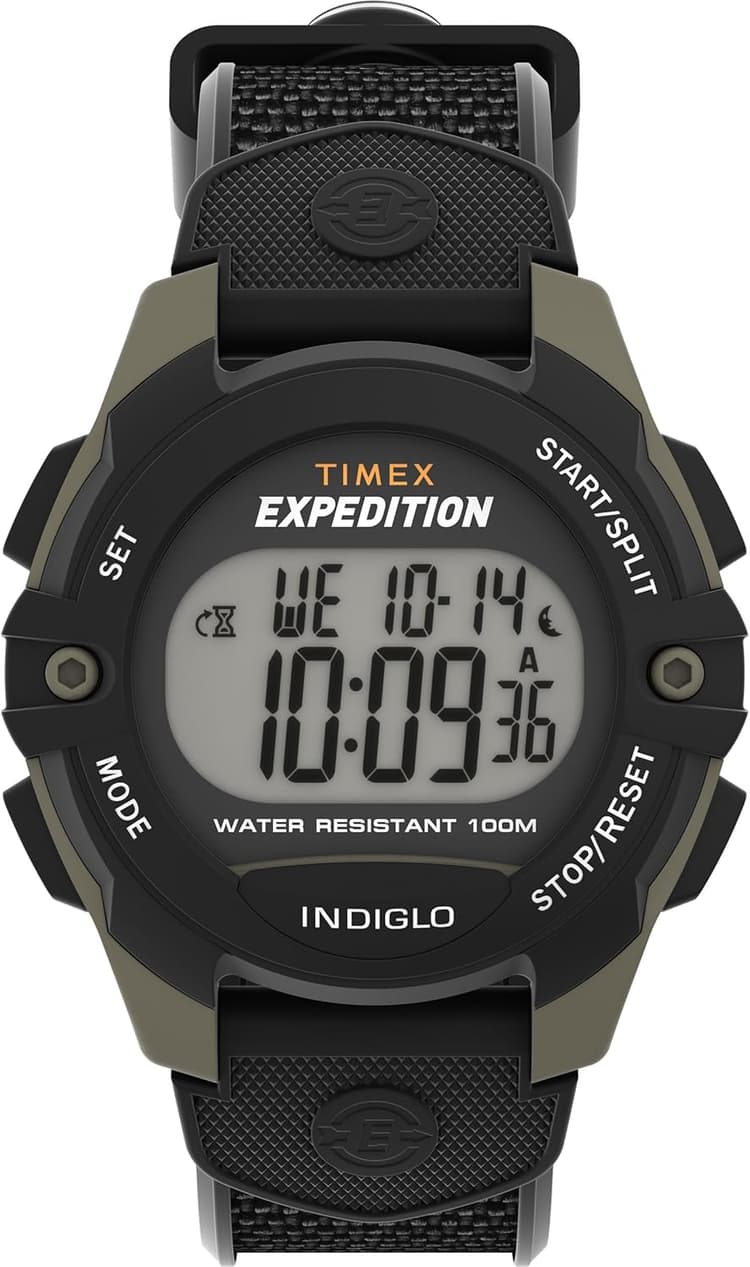
Timex
$26.64
$29.26
-9 %
*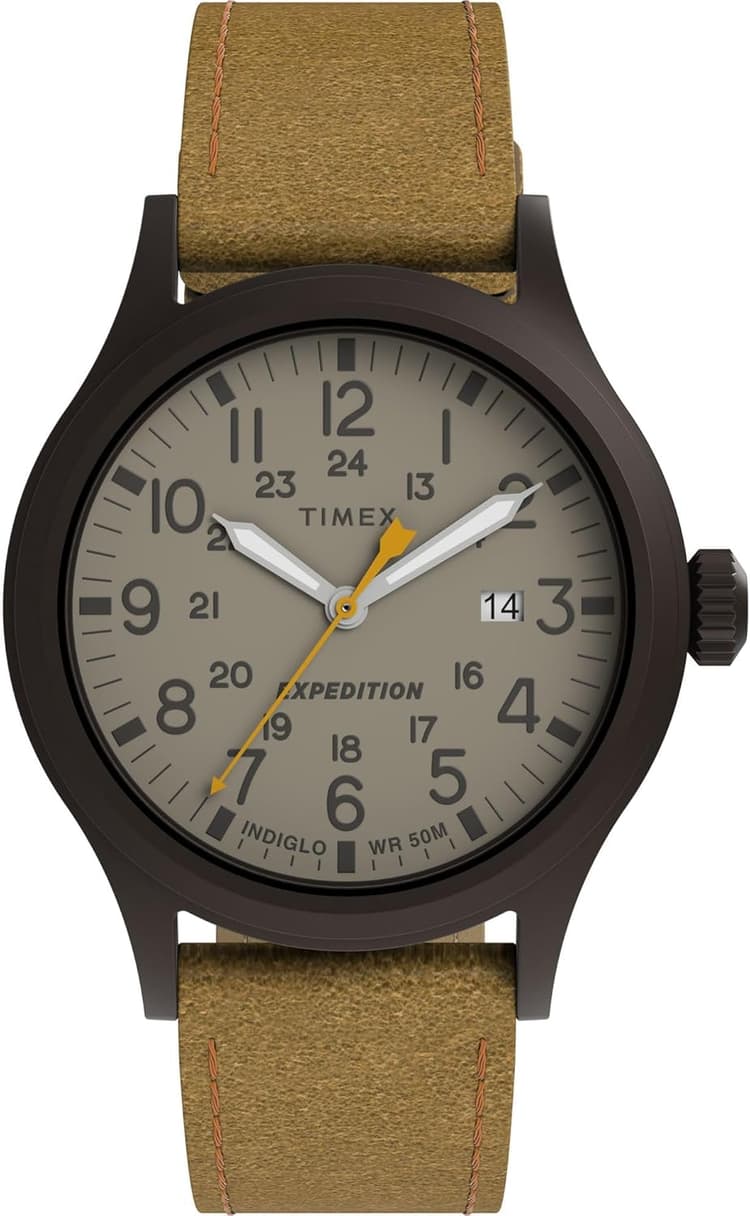
Timex
$28.81
$30.52
-6 %
*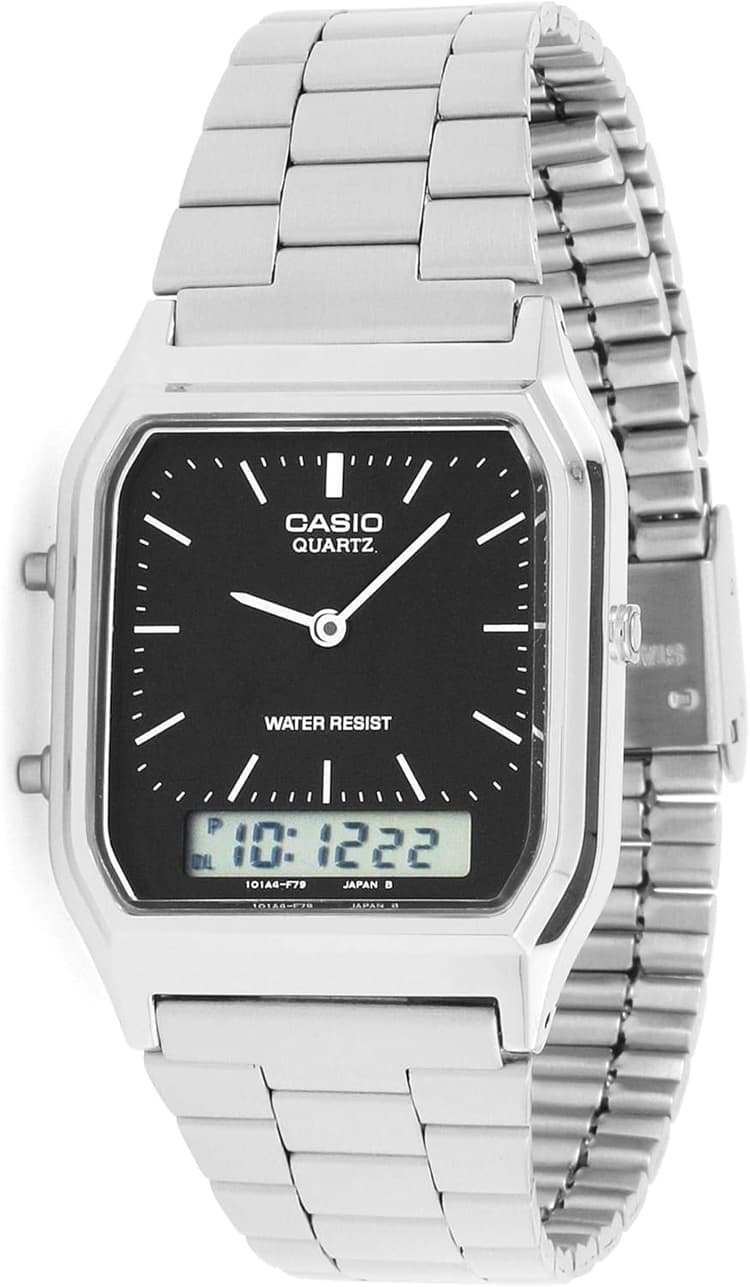
CASIO
$43.95
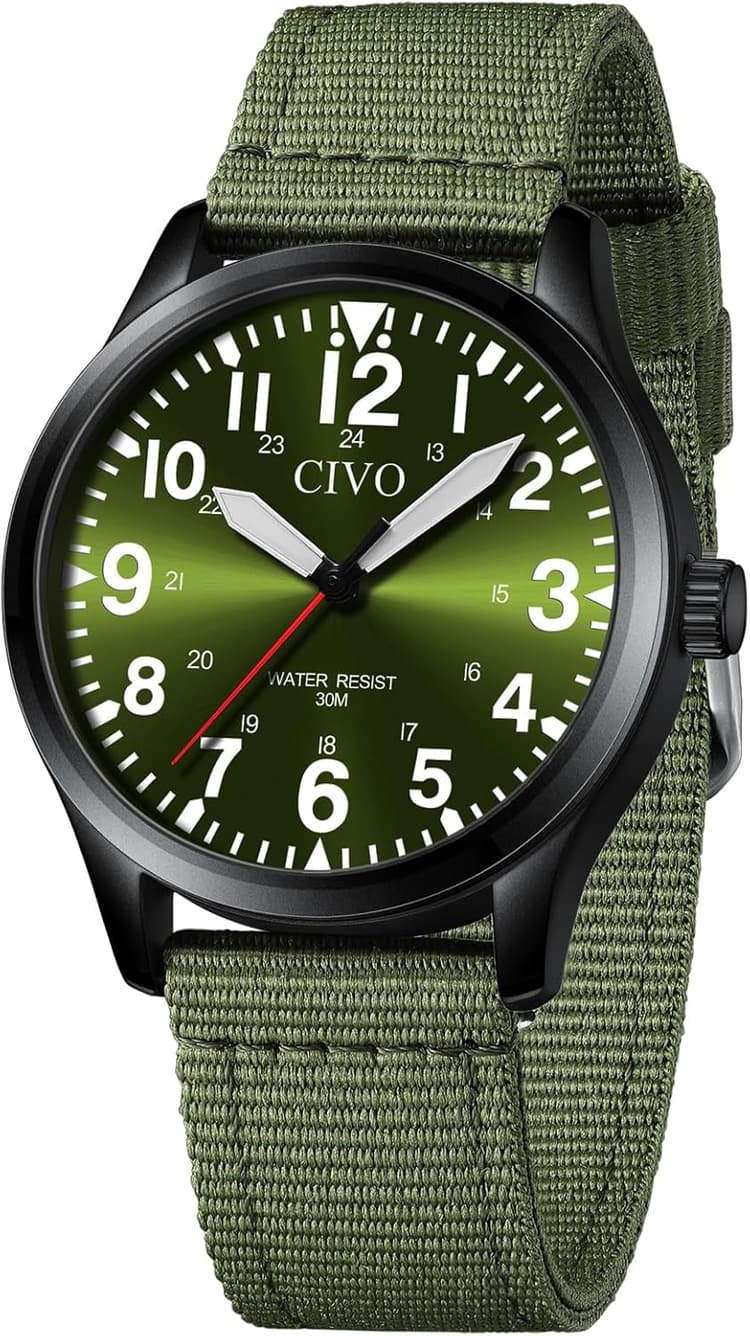
CIVO
$9.99
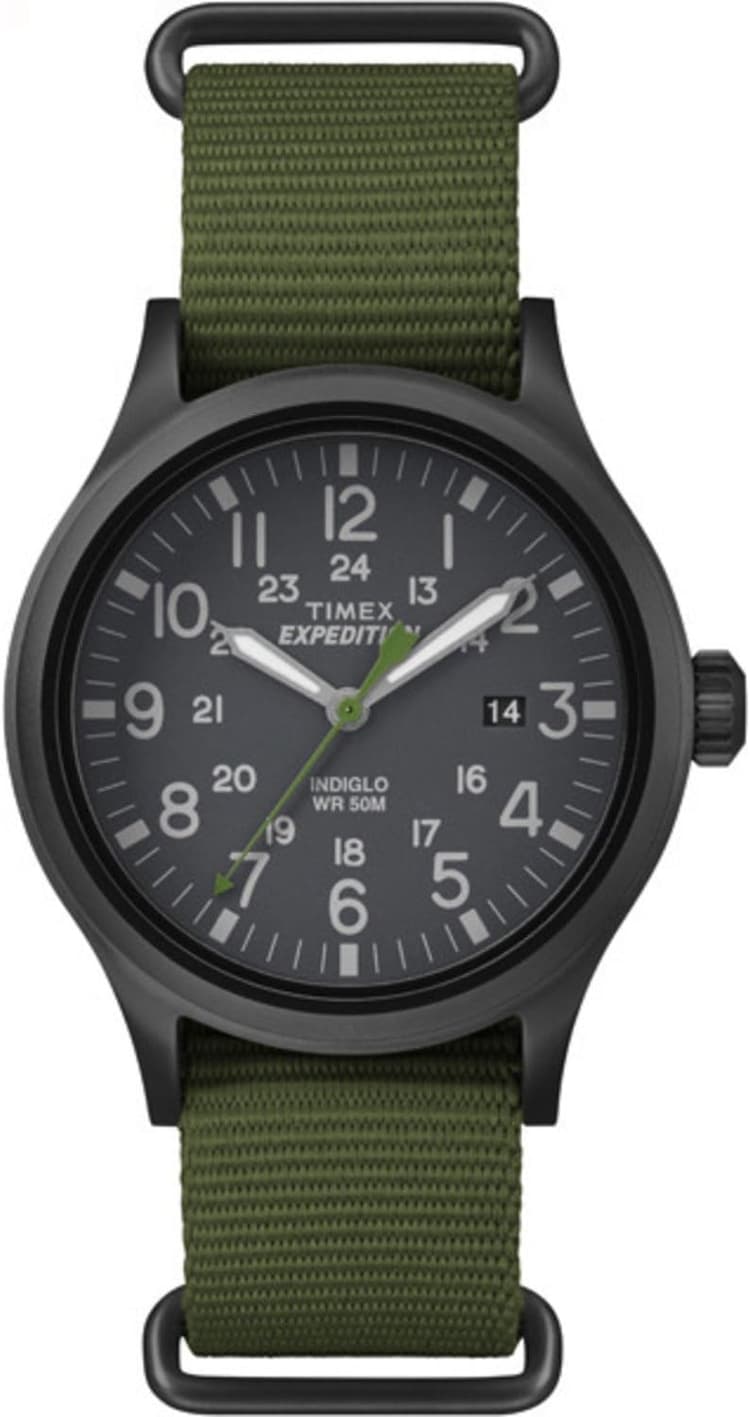
Timex
$55.90
Start by making a clear list of what you expect from a watch. Rather than accumulating aesthetic preferences, prioritize by usage: daily wear, office, sports, formal occasions, or casual collecting. For each use case, identify three core criteria: durability (water and shock resistance), legibility (dial, hands, lume), and style (classic, sporty, minimalist). These priorities will steer both technical and visual choices.
Practical example: if you wear the watch daily at work and often have your hands busy, opt for a highly legible dial, moderate water resistance and a comfortable strap that handles sweat. If you need a formal piece, a slim case and classic styling will outweigh sports features.
Ask specific questions: how often will you wear it? Do you need higher water resistance for swimming? Do you prefer a mechanical movement for its feel or a quartz movement for accuracy and low maintenance? Also set realistic budget boundaries — this guide targets mid-range watches, so think in priorities rather than brand names.
Immediate action: before shopping, make a short checklist with four items: primary use, two technical requirements, style preference, and maintenance tolerance. Use this sheet to compare models and avoid impulse buys based solely on looks.
What changes costs in the mid‑range and what actually matters
In 2026 the mid‑range segment still reflects the same core drivers — movement complexity, material choice, finishing, crystal quality, and brand/service — but their relative value has shifted: manufacturers increasingly offer sapphire crystals, improved water resistance and service policies at lower prices, so the simple price‑equals‑quality equation is less reliable.
Primary cost drivers:
How to evaluate value — practical matrix:
| Budget tier | Expectation | Must‑have features |
|---|---|---|
| Minimum acceptable | Functional, low maintenance | Numeric water rating, reliable movement, clear dimensions |
| Comfortable | Everyday durable and pleasing | Sapphire or quality mineral, robust strap options, decent warranty |
| Maximum | Best balance of finish and movement | Upgraded automatic, strong after‑sales, better finishing |
Actionable tips (March 2026):
Remember: set your three budget tiers early, list the must‑have features per tier, and cross‑check prices against those specific, usable benefits rather than brand prestige alone.
A modern approach to fit (2026) — go beyond diameter
In 2026 shoppers increasingly understand that comfort and proportion depend far more on lug‑to‑lug length, case thickness, lug shape and strap interface than on diameter alone. A 40 mm case with long lugs may wear larger than a 42 mm case with short lugs. Prioritise the combination of three measures: diameter, lug‑to‑lug (L2L), and thickness.
Practical measurements and rules:
Quick in‑store protocol (5–10 minutes):
Comfort checklist (bold priorities):
If you prefer to research online first, compare lug‑to‑lug figures in spec sheets and confirm with wrist shots from sellers or reviews. For a broader view of what mid‑range options look like on the wrist, see the Mid‑range watches — picks and practical guidance. Prioritise the set of three measures (diameter, L2L, thickness) and the strap system over decorative elements when assessing fit.
Primary material checks for 2026 purchases
Materials drive both the day‑to‑day feel and the long‑term ownership costs of a watch. In the mid‑range category today you can often get stainless steel or titanium cases, quality sapphire crystals, and durable strap options at accessible prices — but coatings, seal quality and finishing remain differentiators.
Checklist: what to inspect before buying
Durability tests to ask about in store or from seller:
Practical choice table:
| Use | Recommended case | Crystal | Strap |
|---|---|---|---|
| Daily active | Stainless steel or titanium | Sapphire (AR) | Rubber / textile |
| Office / dress | Polished steel | Sapphire (thin) | Leather or Milanese |
| Sports / diving | Steel w/ robust seals | Thick sapphire | Rubber with extension |
For concrete mid‑range suggestions that pair robust materials with value, see our curated Mid‑range watches picks and practical guidance. Prioritise a solid case, honest water rating and sapphire crystal when you expect regular use — coatings and flashy finishing are secondary to basic durability.
A simple decision method for 2026 buyers
Features in the mid‑range can be abundant: chronographs, GMTs, solar, hybrid connectivity, or enhanced lume. The goal is to map features against your needs so you pay only for what you will use. Use a three‑column prioritisation grid: Must‑Have / Nice‑to‑Have / Optional.
Feature evaluation checklist:
Practical scoring table (example):
| Feature | Must‑Have | Nice‑to‑Have | Optional |
|---|---|---|---|
| Accuracy | Quartz or well‑regulated auto | — | High‑end regulation for collectors |
| Water resistance | 50–100 m for daily use | 100 m for swim | ISO dive for diving |
| Chronograph | No, unless needed | Yes, for regular timing | Complex rattrapante |
| Connectivity | No, unless you need notifications | Hybrid features | Full smartwatch integration |
Action steps:
If you want to compare movement types or chronographs in more depth, our category pages provide focused reading: start at Quartz watches or explore Chronograph watches: a comparative guide. Use the prioritisation grid to avoid buying features you won’t use.
Everyday performance covers accuracy, comfort, power reserve (for quartz or connected watches), and resistance to common wear. Quartz movements are typically more accurate in the short term; automatics may vary but often remain within acceptable daily tolerances. Ask about the average deviation and what quality tests the maker performs.
Battery life matters for connected and feature-rich quartz watches. For automatics, check the power reserve: if you rotate watches, a longer reserve reduces the need for frequent winding. After-sales service and parts availability also affect long-term performance.
For maintenance, learn the recommended service intervals for mechanical movements and typical service costs. For straps, understand whether materials require special care and how easy and affordable replacements are.
Practical checklist: test dial readability under varied lighting, verify strap fit, request maintenance instructions and warranty details, and note the retailer's repair policy. These factors determine real-world performance beyond looks.
Several mistakes commonly occur with less experienced buyers. First, focusing only on looks: a beautiful watch that is uncomfortable or poorly suited to your use will end up unworn. Always match style to real wearing conditions.
Second mistake: ignoring lug-to-lug length. A case may look right by diameter but overhang the wrist if lugs are long. Third pitfall: overlooking maintenance costs and parts availability for mechanical movements. An initially cheap-looking watch can become expensive to keep.
Fourth error: misreading water resistance ratings. Many assume '30 m' is safe for swimming; typically it is not. Fifth trap: buying because of a discount without checking warranty and returns. A deal is only worthwhile if you can test and return the watch if it does not meet expectations.
Avoid these mistakes by trying watches in person when possible or buying from sellers with reasonable return policies. Check warranty and service terms, measure your wrist and compare lug-to-lug specs, and prioritize features that support your main use case.
Adopt a pragmatic mindset: buy for use rather than status. Practical tips from experience:
Maintenance tip: clean case and strap regularly according to material, avoid prolonged heat exposure for leather straps, and service mechanical movements per manufacturer recommendations to maintain accuracy.
Casio
$43.26
$54.95
-21 %
*Casio
$35.95
$45.95
-22 %
*Timex
$26.64
$29.26
-9 %
*CASIO
$43.95
CIVO
$9.99
Timex
$28.81
$30.52
-6 %
*Skagen
$98.50
$125.00
-21 %
*Timex
$55.90
L LAVAREDO
$15.29
$16.99
-10 %
*PASOY
$9.91
$15.99
-38 %
*Final checklist and quick purchase flow (March 2026)
This summary condenses the guide into a practical checklist you can use in‑store or when shopping online. It emphasises measurable, testable items and post‑purchase planning to protect value and reduce buyer's remorse.
Pre‑selection (research phase):
In‑store / receiving check (physical verification):
Post‑purchase planning:
Risk‑reduction tips:
If you want category‑specific advice (dress, dive, chronograph), explore our related guides in the Guides hub: Guides — Learn, Compare, Decide. Applying this checklist will help you prioritise the features and fit that matter most to your daily life and hold value over time.
This guide was written to provide practical criteria for selecting a mid-range watch. It does not recommend specific models or retailers. Advice is based on general principles of ergonomics, materials and maintenance observed in the watch sector. No product or brand is promoted and no commercial data was invented for this document.
Tests and articles by watch experts, based on technical criteria and side‑by‑side comparisons.
We compare models and features to inform your choice, free from commercial influence.
Guides are regularly updated to reflect new releases and market developments.
We may earn a commission from links to partner retailers; this does not affect our independent analyses.