
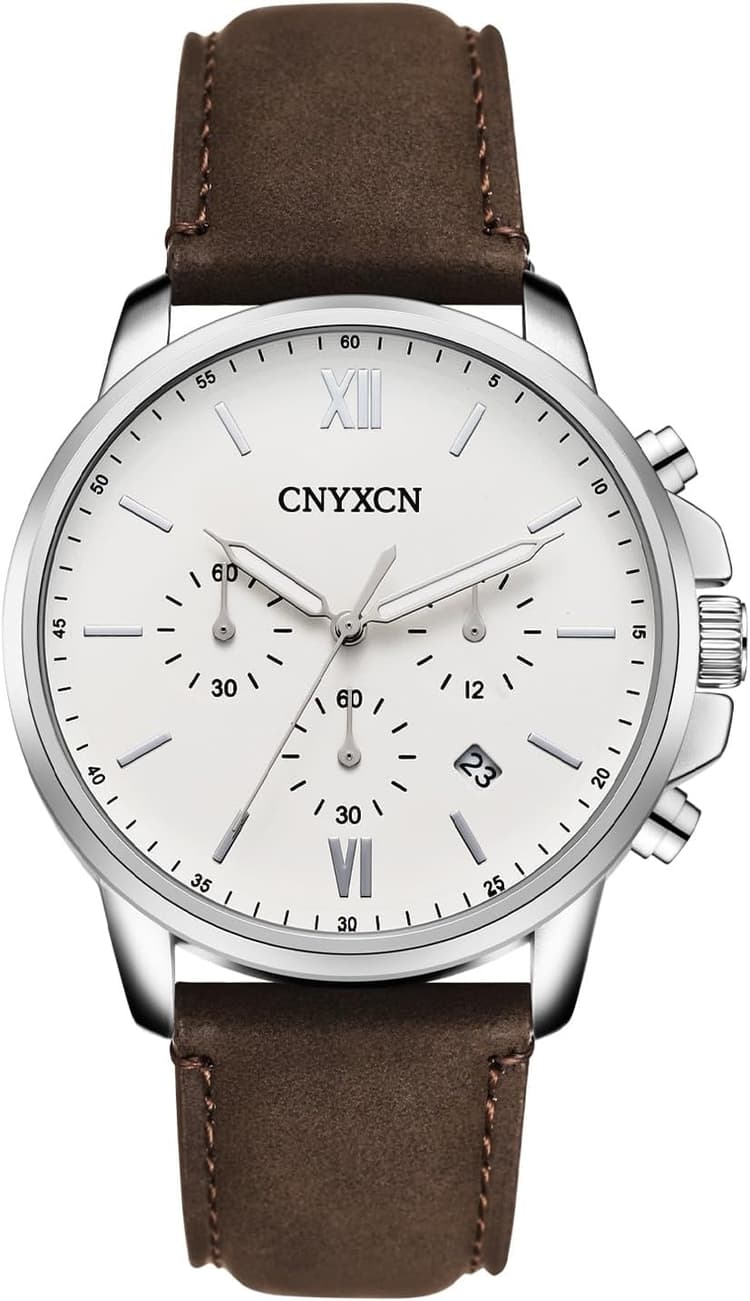
CNYXCN
CNYXCN Watches for Men Classic 6 Hand Chronograph Quartz Watch with Leather Strap,Auto Date,Waterproof
★★★★☆4.6
$4.99
$19.99
-75 %
*
Deals editor focused on watch bargains, market analysis, and approachable buying advice.

Why this guide matters in 2026
Chronograph watches remain one of the most versatile and misunderstood complications in 2026. This refreshed introduction focuses on practical decision-making: how to match the chronograph's functions, ergonomics and service realities to your life rather than chasing styling trends or marketing claims. Use this guide alongside focused reference pages such as the Chronograph watches category and our comparative chronograph guide when you want model-level comparisons.
What you'll get from this guide
Key distinctions we emphasise
| Decision area | What to test | Why it matters |
|---|---|---|
| Movement type | Noise, pushers, power reserve | Affects maintenance and real-world accuracy |
| Ergonomics | Lug-to-lug, thickness, pusher placement | Influences daily comfort under clothing |
| Materials | Case, crystal, seals | Dictates longevity and visible wear |
How to use this guide
Start by writing a short two-line brief: "Primary use: ___; Must-have chrono functions: ___; Max weekly wear: ___; Maintenance tolerance: ___." Keep this brief visible when comparing watches to avoid emotional, style-driven buys.
Practical note: in 2026, many accessible chronographs blend robust quartz accuracy with improved materials. If you prioritise low-maintenance daily accuracy, a modern quartz chrono can outperform an entry-level mechanical in real use. Conversely, if tactile engagement and mechanical heritage matter, expect higher servicing needs and a different set of trade-offs.
This guide is intentionally model-agnostic: combine its decision criteria with category-level pages for specific picks and up-to-date market context.
CNYXCN
$4.99
$19.99
-75 %
*
Bulova
$240.00
$525.00
-54 %
*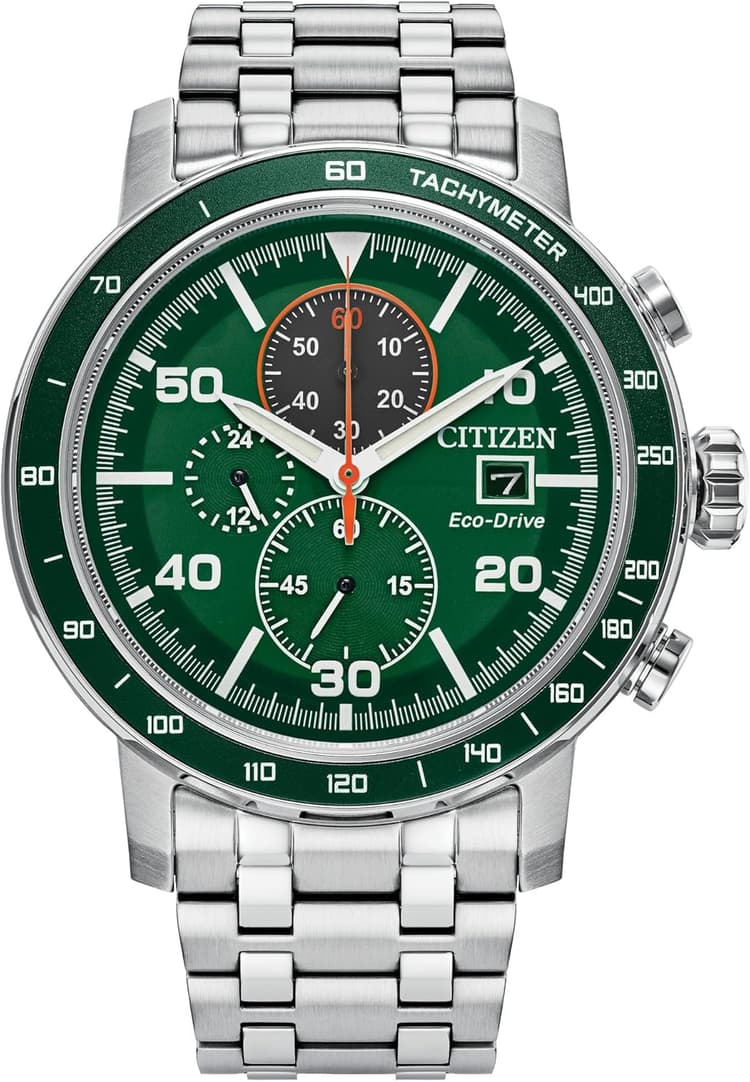
CITIZEN
$208.66
$450.00
-54 %
*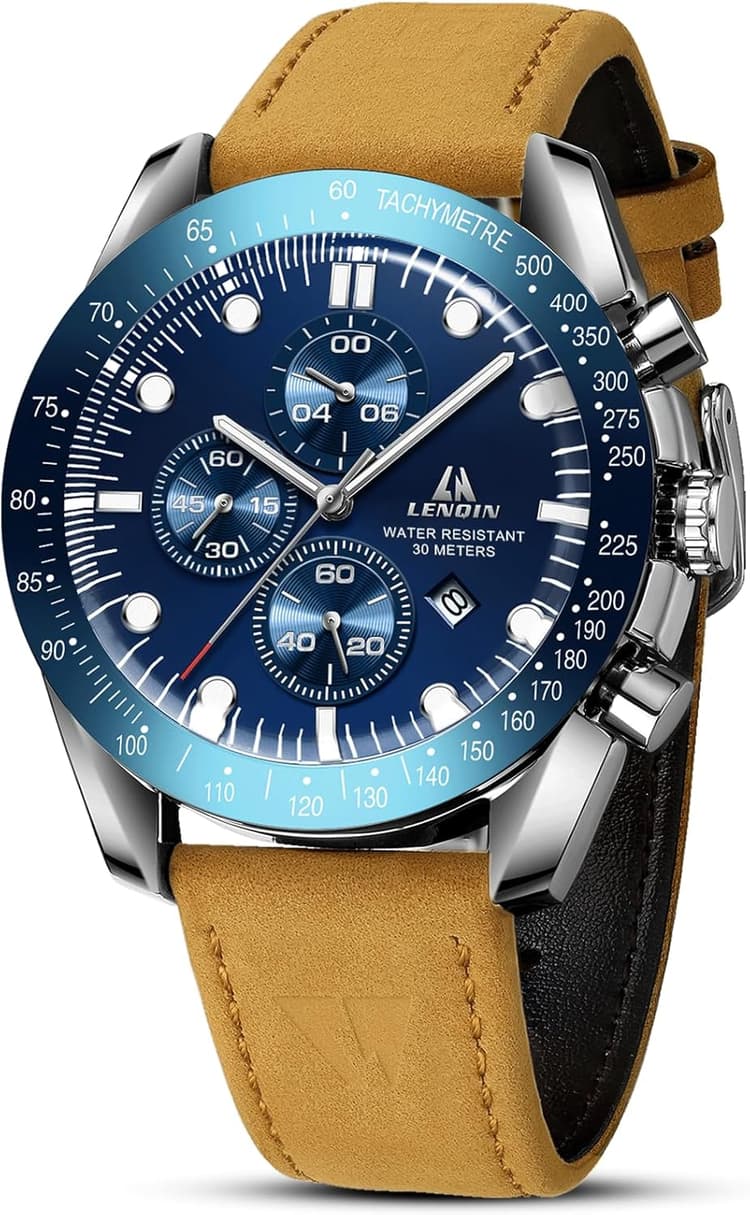
LN LENQIN
$9.99
$15.99
-38 %
*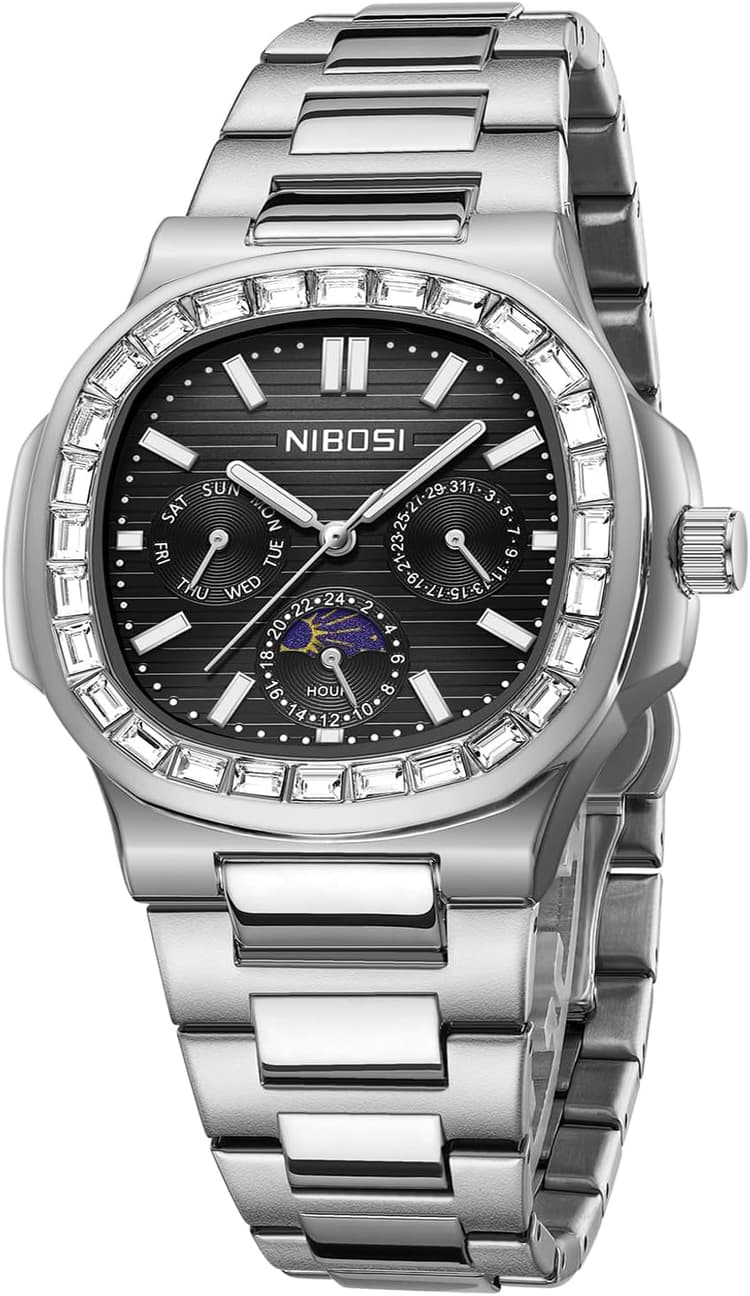
NIBOSI
$9.99
$15.99
-38 %
*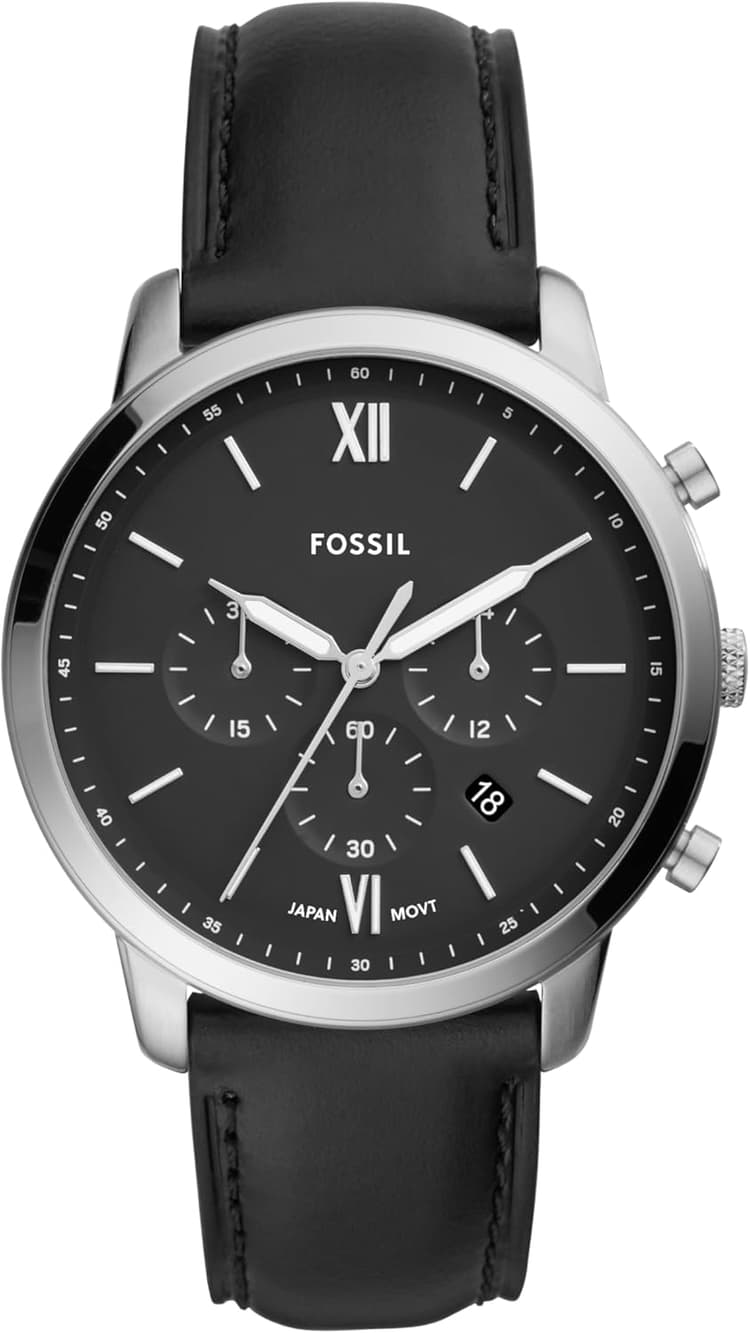
Fossil
$105.95
$160.00
-34 %
*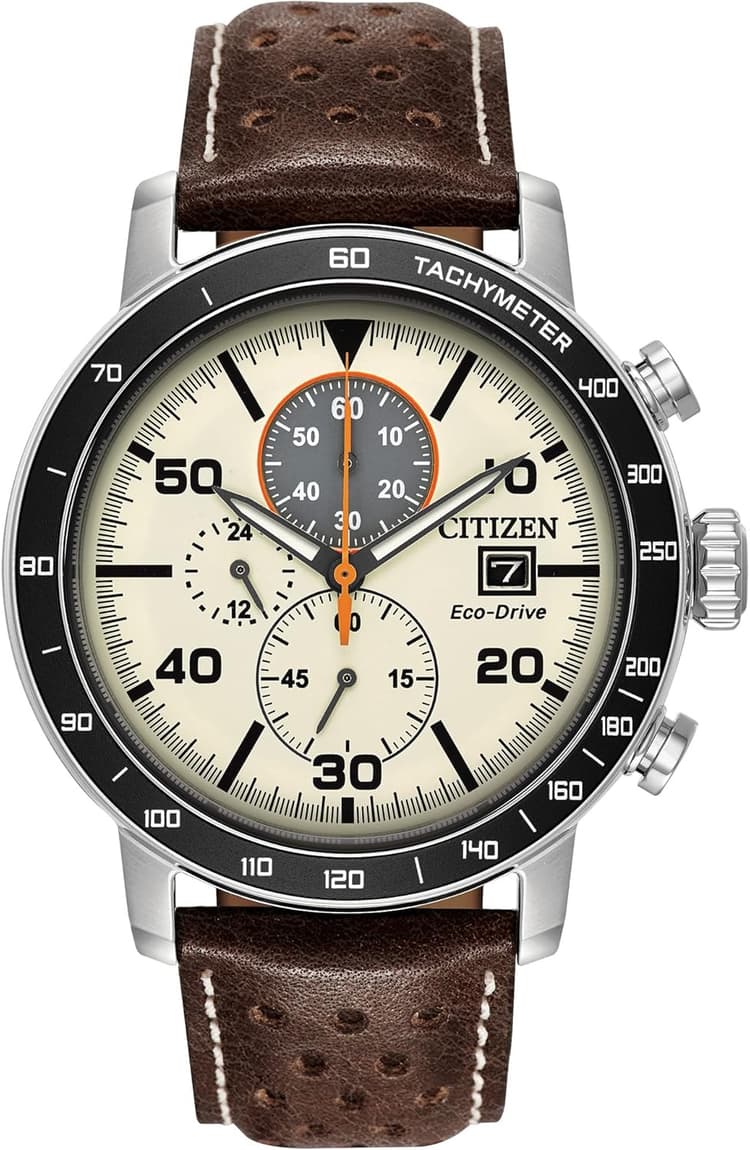
$297.50
$425.00
-30 %
*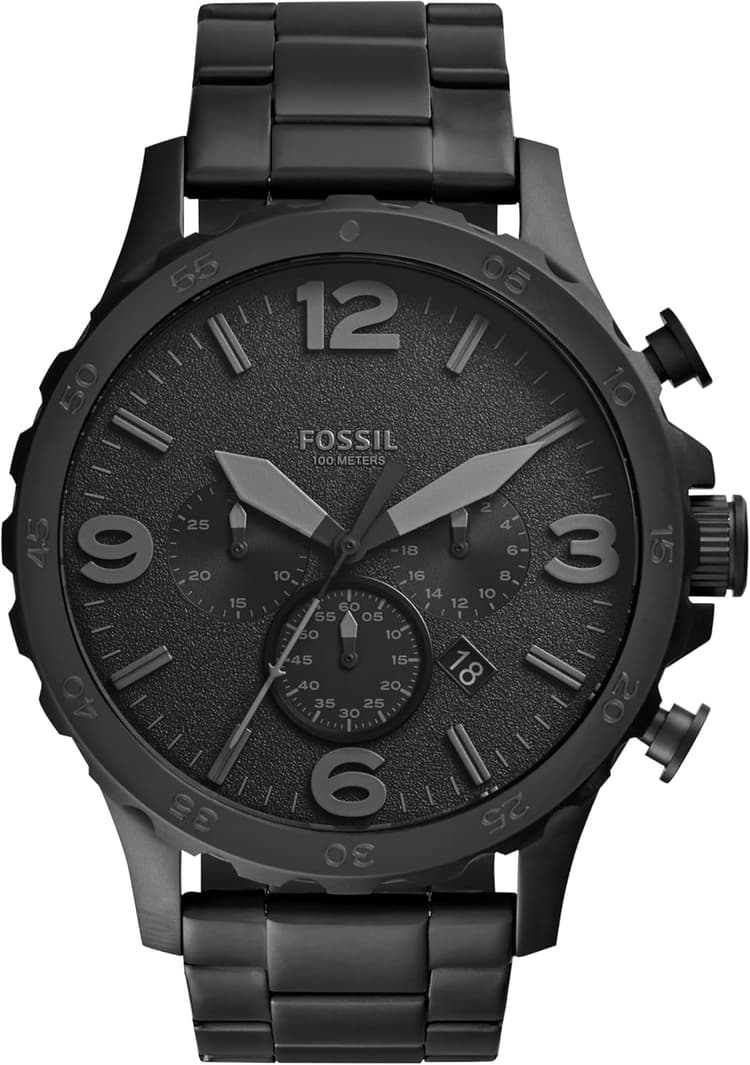
Fossil
$132.00
$180.00
-27 %
*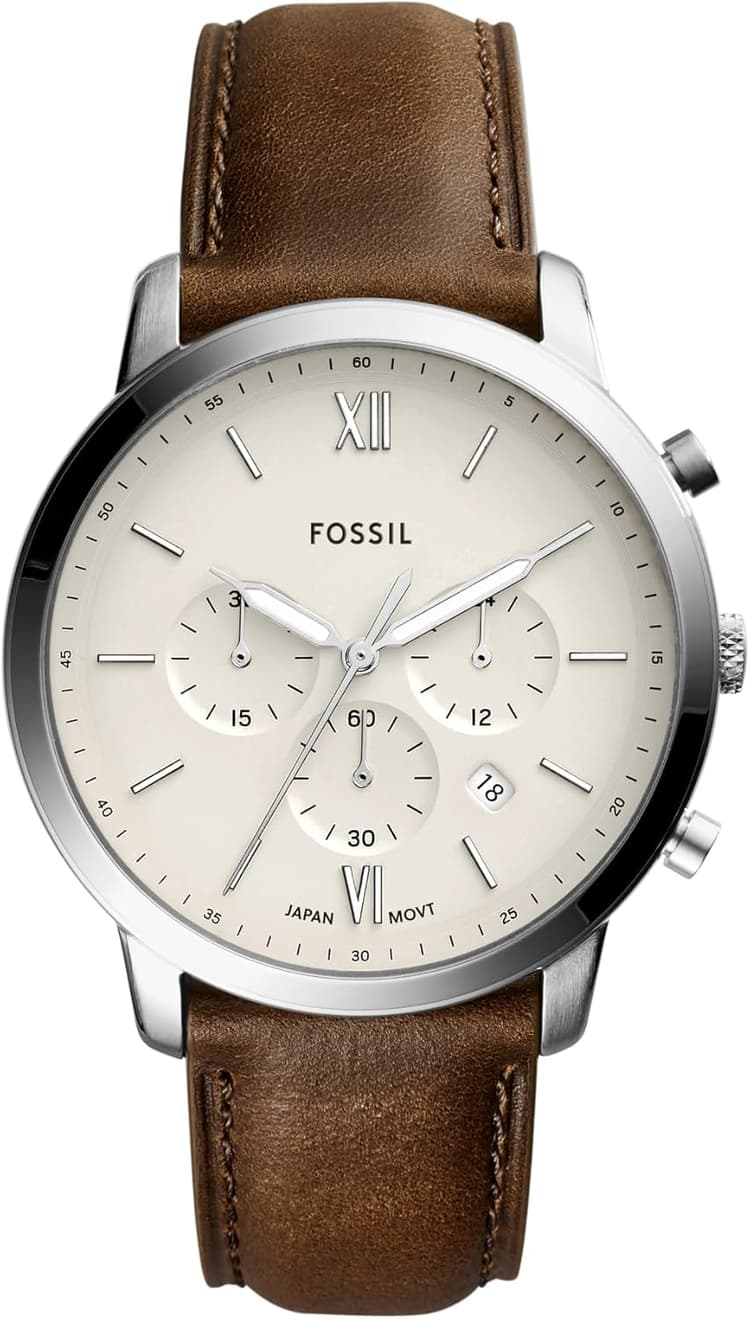
Fossil
$117.69
$160.00
-26 %
*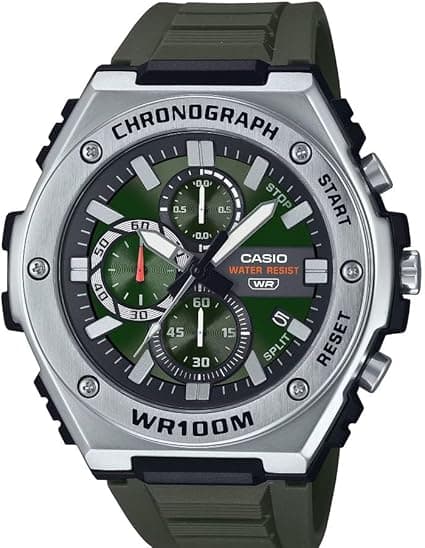
Casio
$61.54
$79.95
-23 %
*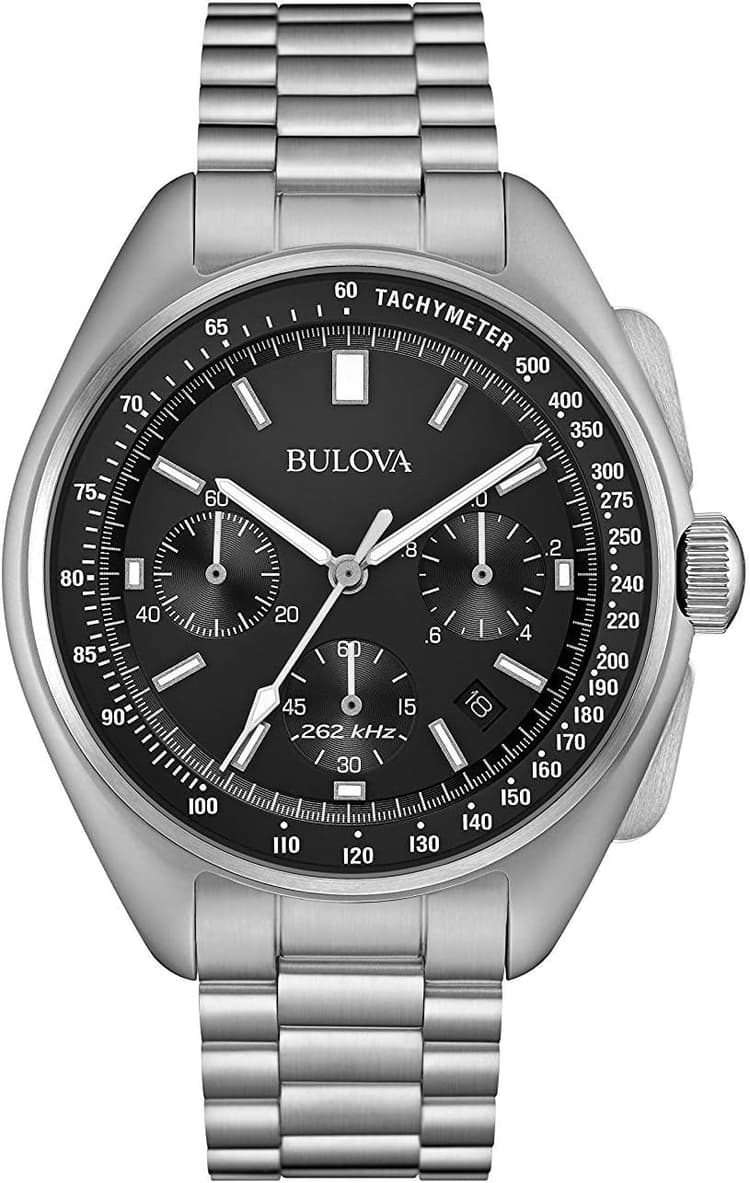
Bulova
$701.25
$825.00
-15 %
*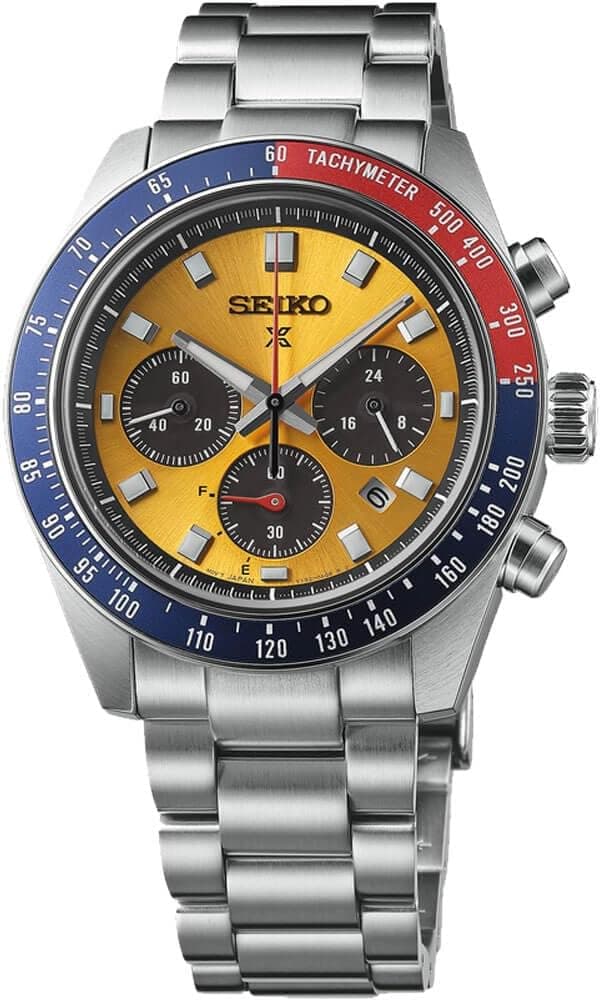
SEIKO
$595.00
$700.00
-15 %
*Start by mapping how you will actually use the watch. Will you wear it daily, for formal events, sports, or for work that requires precision timing? The intended scenario informs whether you need a rugged, water-resistant sports chronograph, a dressy leather-strapped piece, or a hybrid.
Pinpoint which chronograph functions you truly need. There are watches with a single minute counter, others with hour counters, and options that pair tachymeter or pulsometer scales. If you only time short tasks — cooking intervals or workout sets — a basic start/stop/reset layout is enough. Professional use may demand finer resolution (1/10th or 1/100th of a second) and easily readable subdials.
Also decide on movement type: quartz offers accuracy and lower cost; mechanical movements offer tactile engagement but require maintenance. Comfort matters: large multilayered chronograph cases can interfere with shirt cuffs, while wide-but-thin cases may sit lighter on the wrist. Create a ranked checklist: primary use, must-have functions, comfort requirements, and budget. Keep this checklist handy when comparing models or testing watches in store — it prevents being swayed by aesthetics alone.
Understanding price buckets in 2026
The chronograph market still clusters into recognizable tiers: entry-level (largely quartz), mid-range (mechanical basics, premium quartz), and high-end/collector pieces. What has shifted in 2026 are the material and manufacturing levers that brands use to justify price jumps: improved ceramic treatments, more affordable column-wheel modules, and hybrid quartz-mechanical solutions. For broader context and alternative picks, check our Chronograph watches category and the Chronograph comparative guide.
Main cost drivers (concise)
Practical matrix to assess value
| Price Tier | Typical features | What to verify |
|---|---|---|
| Entry-level (€100–€600) | Quartz modules, basic cases | Check pushers, reset alignment, and return policy |
| Mid-range (€600–€4,000) | Mechanical basics, better finishing | Inspect movement origin, warranty and service network |
| High-end (€4,000+) | In-house calibres, hand finishing | Confirm service costs, limited edition premiums |
How to judge the price vs real benefit
Quick checklist before accepting a premium
In short, use price as a signal, not a rationale. Confirm the tangible benefits for daily use (accuracy, legibility, comfort, and serviceability) before paying for branding or scarcity alone.
Case diameter is only part of the story. Thickness, lug-to-lug distance, lug shape and strap length all affect comfort and perceived size. Chronographs are often thicker due to layered dials and additional movement components.
Key measurements: diameter, thickness and lug-to-lug. A shorter lug-to-lug can make a larger-diameter watch sit better on a slim wrist. In-store testing matters: wear a candidate watch for at least ten minutes and move your wrist to see how it behaves. Check pusher placement — if pushers press into the back of your hand during flexion, the watch will be uncomfortable for daily wear.
Weight matters: solid steel bracelets feel heavier than titanium or composite options and can tire your wrist after long periods. Strap choice changes the feel: a leather or NATO strap often reduces perceived bulk compared with a heavy metal bracelet. Consider activities: for active use, a rubber strap or properly fitted metal bracelet is preferable.
Bottom line: measure, then test in real conditions. Record your priorities — lightness, slim profile, snug fit or looser comfort — and use them to eliminate options that fail to match your ergonomic needs.
Material choices determine resistance to scratches, corrosion and wear. Stainless steels (such as 316L) are common for their toughness and reasonable scratch resistance. Titanium is lighter and hypoallergenic but shows scuffs differently. Ceramic resists scratching well but can crack under severe impact. Sapphire crystal is preferred for scratch resistance; mineral glass is more scratch-prone.
Finish quality affects long-term appearance: well-executed brushing and polishing hides micro-scratches, and a properly treated dial preserves legibility and looks longer. Check seals and water resistance: 100 m or more is suitable for water activities, while 30 m typically only guards against splashes. Remember that water resistance degrades over time without maintenance.
Longevity also depends on the movement: a well-maintained mechanical movement can last decades but requires periodic servicing; quartz needs less frequent maintenance but may require battery or module replacement. Strap materials differ: leather ages faster with moisture and sweat; metal or rubber handles humid environments better.
Pros and cons: higher-grade materials usually extend life and appearance but do not automatically improve daily functionality. Decide whether you prioritize lasting aesthetics, comfort or low maintenance, and pick materials that match your everyday conditions.
What an everyday chronograph should deliver
At the core, a chronograph needs to be readable, reliable and simple to operate under realistic conditions. In 2026, manufacturers have improved dial contrast, lume compounds and pusher engineering — but these technical gains only matter when they suit your use case. For reference models and category context, see the Chronograph watches category or our comparative chronograph guide.
Priority features (practical view)
Useful additions vs marketing fluff
Testing protocol (5 quick steps in store)
Maintenance and performance realities
Bottom line
Prefer readable, robust controls and predictable maintenance over high-resolution specs that sound impressive on paper but add little in daily life. Use the quick test above and confirm serviceability before committing to a purchase.
Several recurring mistakes appear when buying a first chronograph. First, mistaking looks for suitability: choosing purely on aesthetics without testing comfort and legibility often leads to regret. Second, underestimating weight and thickness — a heavy watch can become tiresome after daily wear.
Third, misreading technical specs. For instance, a '100 m' water-resistance rating does not automatically mean safe for professional diving; real-world resistance depends on seals and maintenance. Fourth, overlooking mechanical service costs: periodic servicing of a mechanical chrono can add significant lifetime expense depending on the caliber's complexity.
Fifth, being seduced by seldom-used functions. Many chronographs sell on additional complications that most users never utilize. Finally, ignoring the bracelet and its replaceability limits comfort and future customization — proprietary straps can be hard to swap.
How to avoid these traps: handle the watch in person, cross-check specs with reliable sources, factor in service and ownership costs, and note the watch's weight and dimensions on your wrist. Be pragmatic: if a feature does not provide real value for your usage, it may not justify extra cost.
A compact, expert-backed process to choose confidently
When narrowing candidates, adopt a simple scoring matrix and insist on practical verification. Below is a reproducible process used by experts adapted to consumer decisions in 2026. Combine this with product pages in the Chronograph watches category for model suggestions.
Weighted scoring example (customise to your priorities)
Score five shortlisted watches against these criteria (0–10). Multiply each criterion score by its weight to obtain a comparative numeric ranking.
In-person tests to prioritise
Online buying safeguards
Logistics and ownership tips
Last practical reminders
Following this repeatable, expert-tuned process reduces regret and aligns the purchase with real-life use rather than marketing narratives.
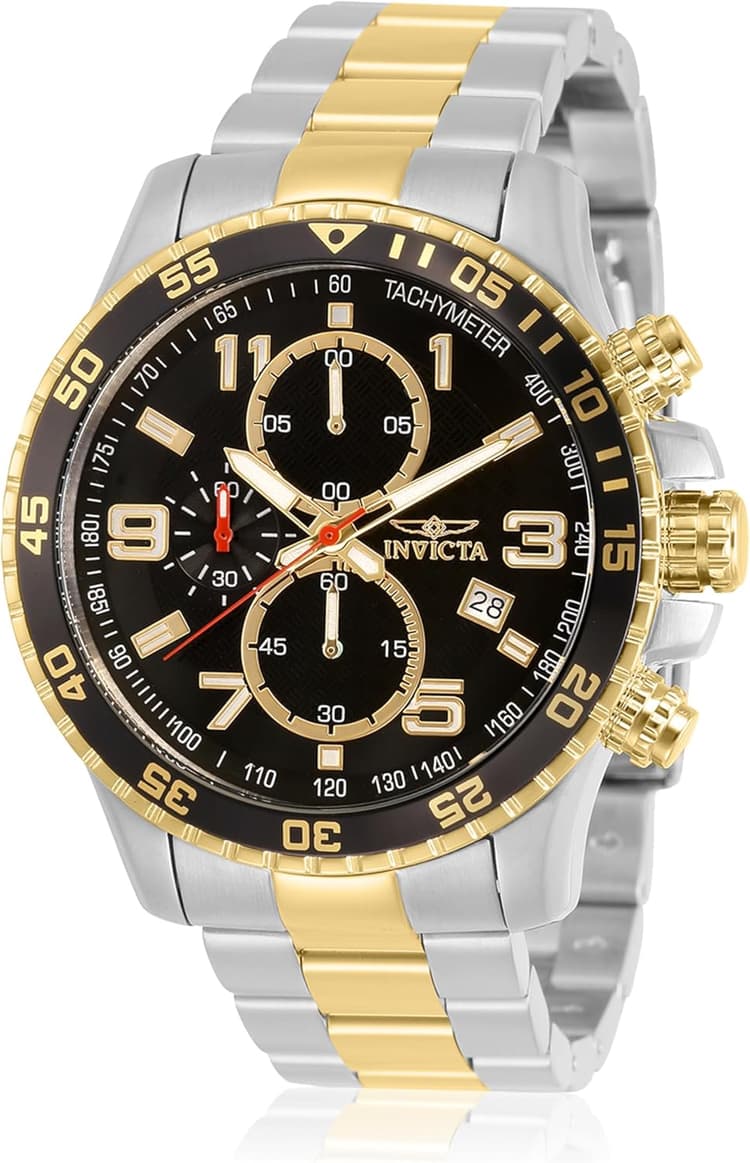
Invicta
$68.83
Bulova
$240.00
$525.00
-54 %
*Fossil
$105.95
$160.00
-34 %
*Fossil
$117.69
$160.00
-26 %
*$297.50
$425.00
-30 %
*Fossil
$132.00
$180.00
-27 %
*Bulova
$701.25
$825.00
-15 %
*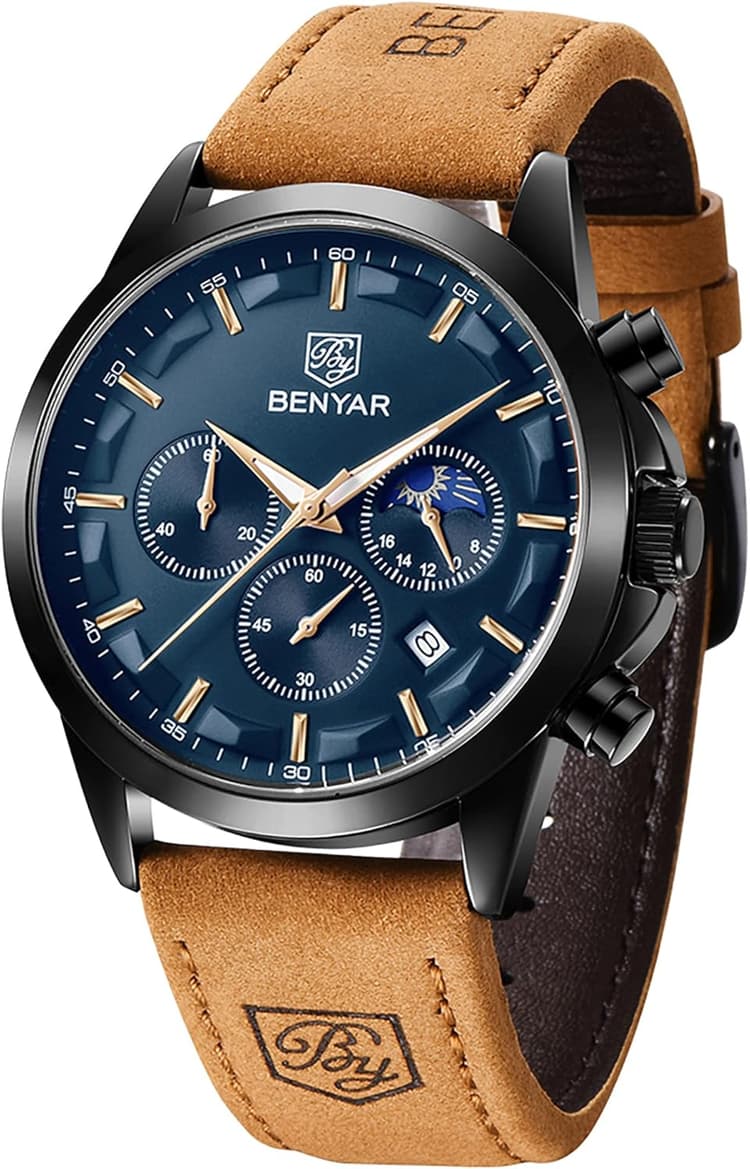
BENYAR
$43.98
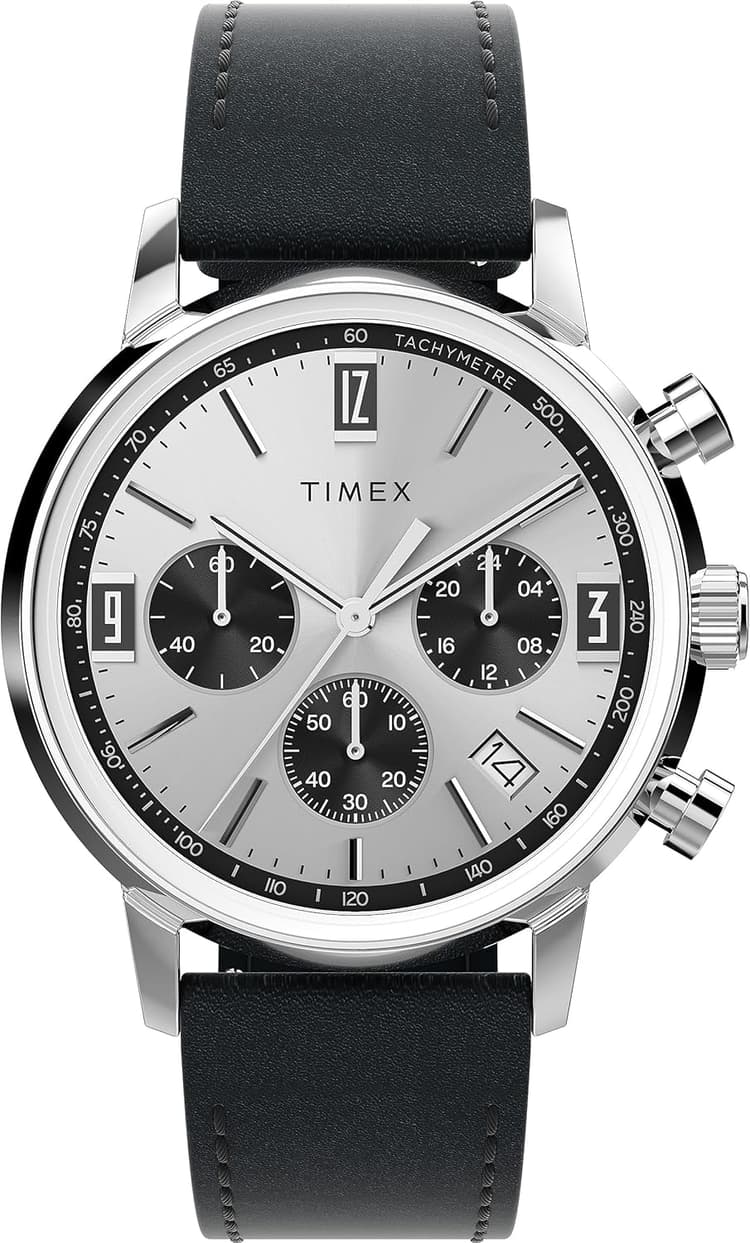
Timex
$186.66
$209.00
-11 %
*CITIZEN
$208.66
$450.00
-54 %
*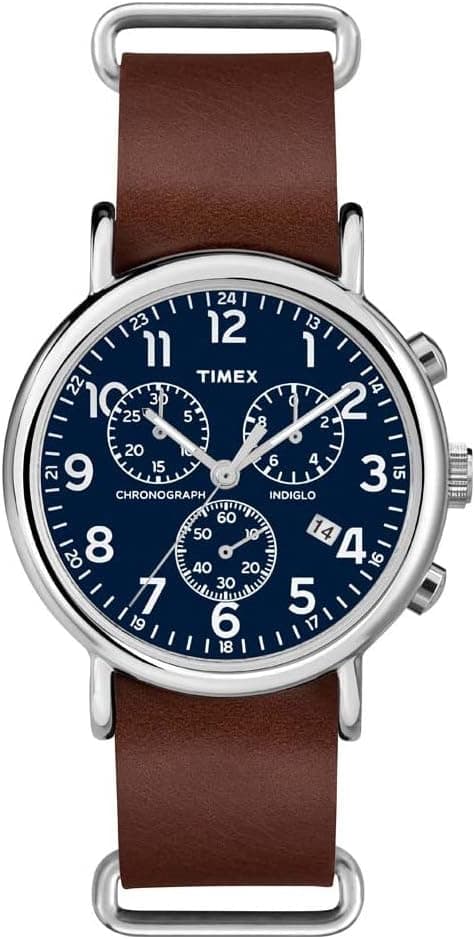
Timex
$76.03
LN LENQIN
$9.99
$15.99
-38 %
*In summary, selecting a chronograph watch is about balancing functions, comfort, materials and budget. Start by clarifying intended use and priorities, then apply a criteria matrix to make objective comparisons. Whenever possible, test the watch under real conditions: legibility, pusher feel and wrist comfort often reveal more than specifications alone.
Understand what drives price — movement, finishing, materials and after-sales support — and account for maintenance costs, especially for mechanical calibers. Resist the lure of rarely used complications and focus on features that meet real needs.
Keep documentation, warranty info and service records. Whether you choose a reliable quartz chrono or a finely made mechanical piece, basing your choice on practical tests and explicit priorities will deliver better long-term satisfaction. This guide provides the reference points to make a considered and durable purchase.
This guide is educational and informational. It contains no brand endorsements or promotional content. The recommendations reflect general technical and practical criteria used in watch selection and aim to help readers form their own buying priorities. No commercial affiliations are declared.
Tests and articles by watch experts, based on technical criteria and side‑by‑side comparisons.
We compare models and features to inform your choice, free from commercial influence.
Guides are regularly updated to reflect new releases and market developments.
We may earn a commission from links to partner retailers; this does not affect our independent analyses.