
Lancardo
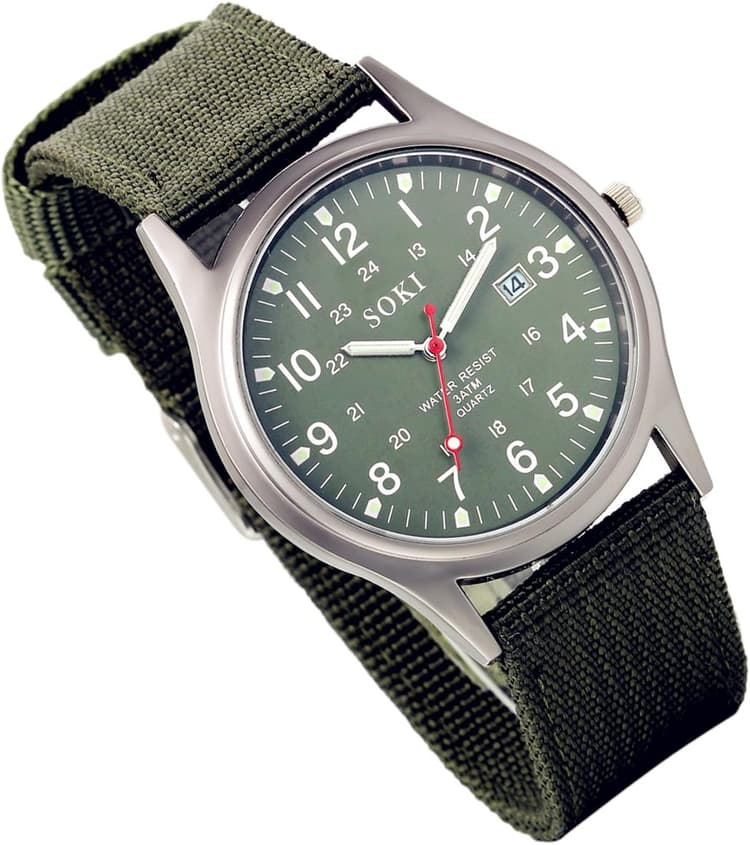
Lancardo Analog Quartz Watch with Woven Nylon Band Calendar Luminous Hand Military Time 24H (Army Green) for Christmas
★★★☆☆3.8
$4.99
$9.99
-50 %
*
Senior watch editor specializing in in-depth reviews, buying guides, and industry news.

Why this guide matters in 2026
Calendar watches remain a diverse category in 2026: from minimal date windows to mechanically intricate perpetual calendars and hybrid digital-analog solutions. This revised opening clarifies a practical decision path you can use in store, at home and when browsing online marketplaces. The aim is to translate common marketing claims into tangible tests and trade-offs so you pick a watch that fits daily life — not just a brochure.
What you will get
At-a-glance table: calendar types
| Type | Typical upkeep | Best for |
|---|---|---|
| Date window | Minimal | Daily wearer who needs a quick read |
| Day/Date | Low | Office and mixed-use wearers |
| Full calendar | Monthly adjustments | Enthusiasts who want more info on the dial |
| Annual calendar | Annual Feb adjustment | Users who want fewer corrections than full calendar |
| Perpetual calendar | Very low manual corrections but high service cost | Collectors seeking mechanical mastery |
How this guide is organized
For concrete model suggestions and curated picks, consult our selection pages such as Calendar Watches: Picks and Practical Advice and the wider Guides hub for related buying frameworks. This guide focuses on neutral, testable criteria so you can evaluate models against your lifestyle and keep your watch working reliably for years.
Lancardo
$4.99
$9.99
-50 %
*
HANPOSH
$9.99
$15.99
-38 %
*
Casio
$34.26
$45.95
-25 %
*
Casio
$34.82
$39.95
-13 %
*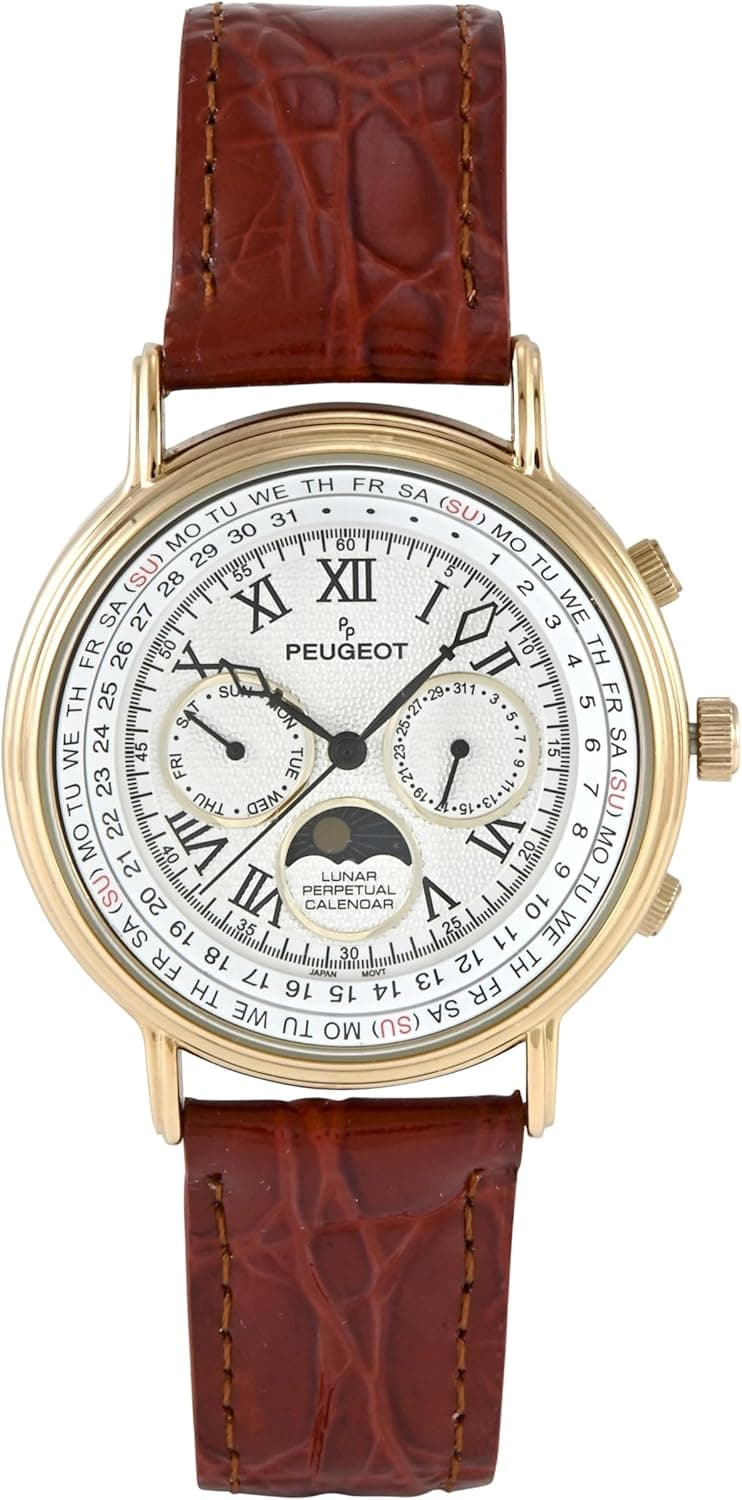
Peugeot
$78.00
$82.50
-5 %
*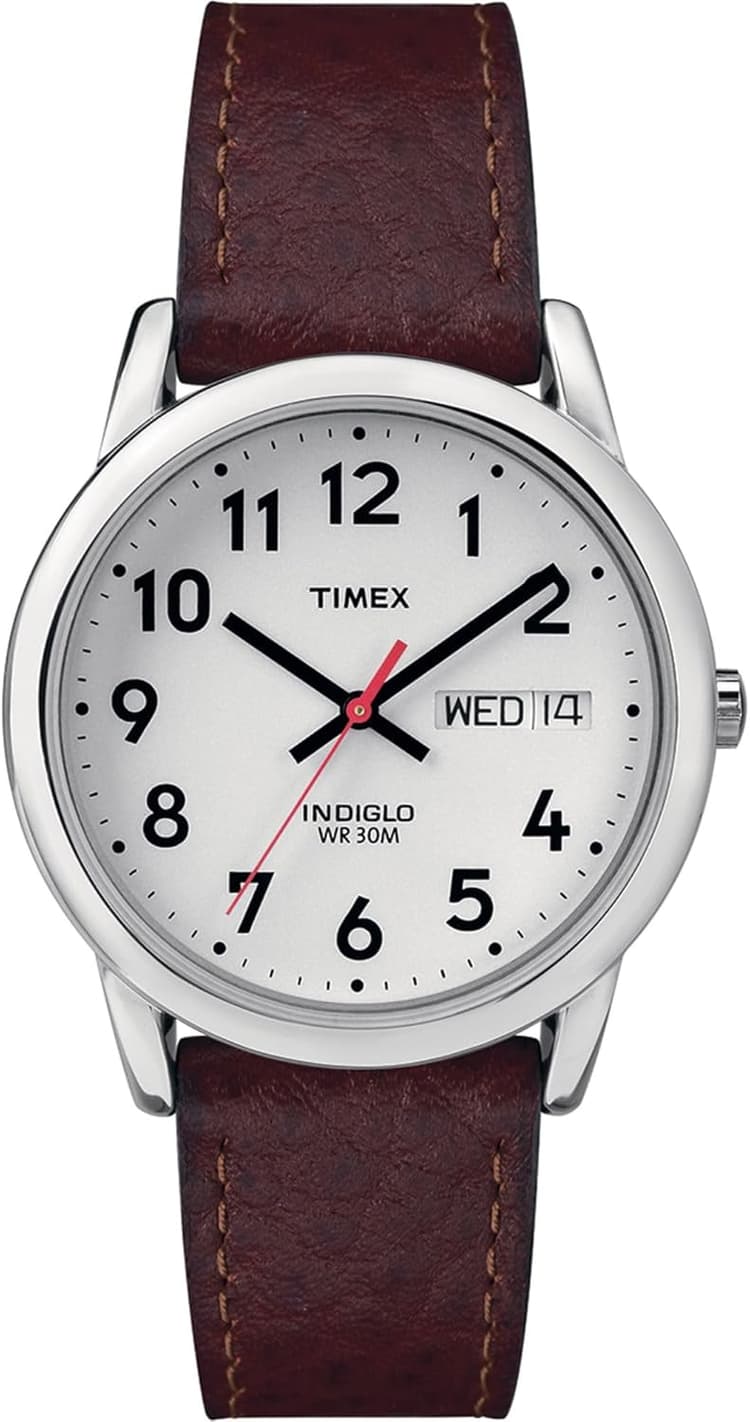
Timex
$47.92
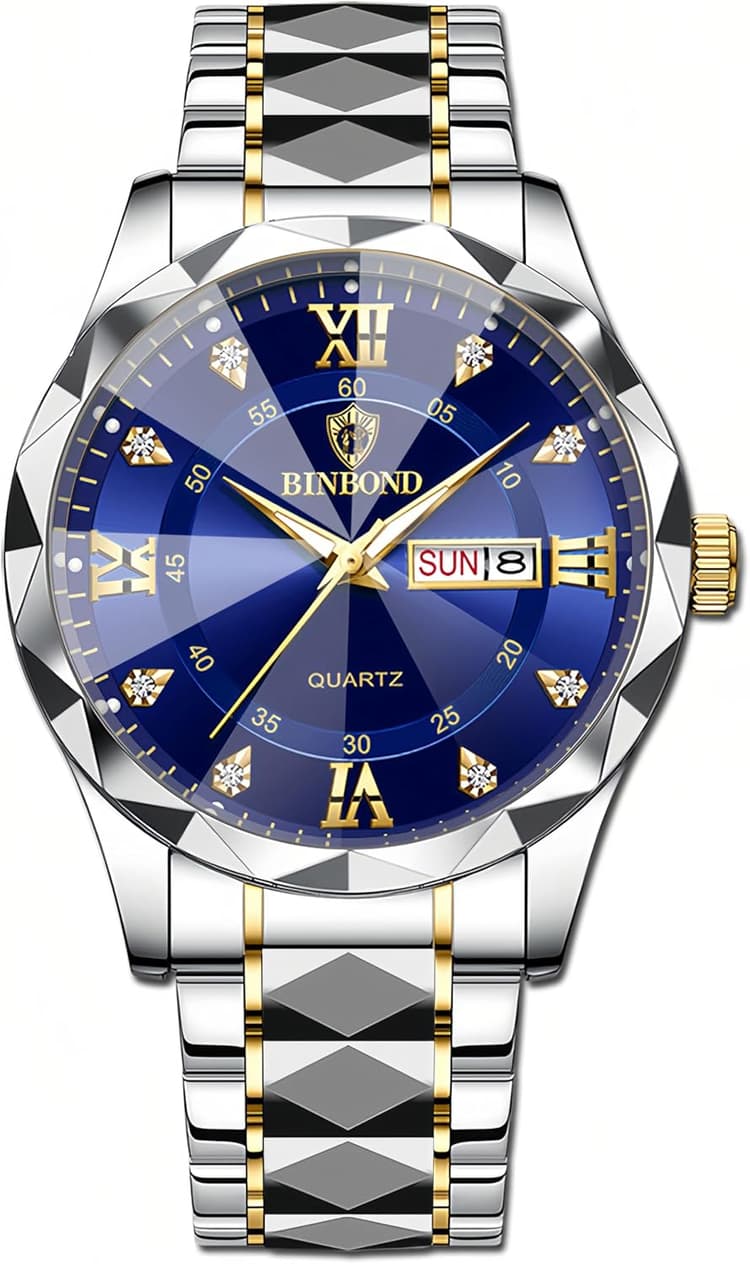
Gosasa
$19.98
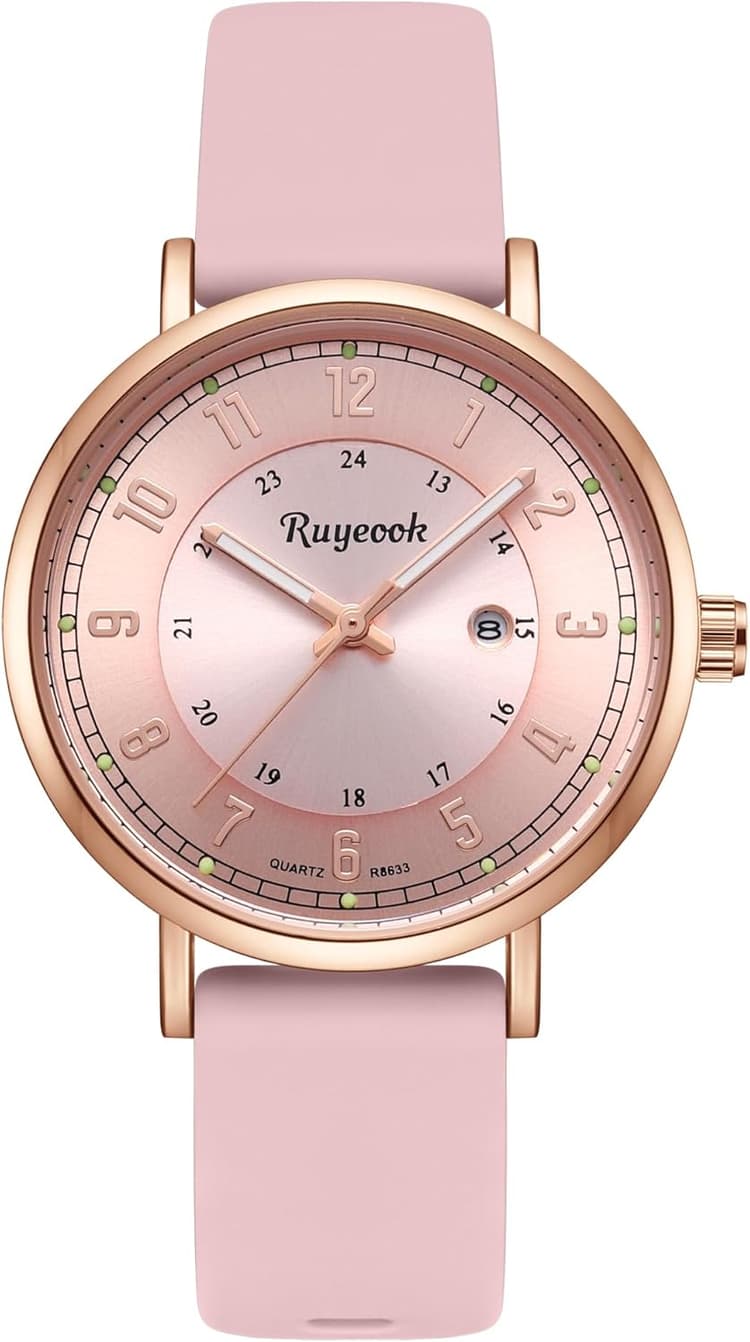
RUYEOOK
$8.98
Gosasa
$25.99
$20.86
Start with scenarios, not specs
In March 2026 it’s increasingly important to map real wear scenarios before you shortlist models. Rather than picking a movement or material first, define when and how the watch will actually be used. This approach reduces the risk of buying a visually attractive but practically unsuitable calendar watch.
Three quick steps to clarify priorities
Create 3 wear scenarios (example):
For each scenario, list the top three attributes (e.g., readability, maintenance burden, strap adaptability). Rank them — your shortlist should score consistently across your primary scenarios.
Filter by calendar interaction frequency: if you rotate watches weekly, avoid calendars that need frequent manual correction. If you plan to keep the watch daily, favour intuitive quickset features and reliable movements.
Practical checklist to use in-store or when buying online
Why movement choice follows use
If you want mechanical suggestions after mapping your scenarios, check our curated selections such as Top picks for automatic watches. In French, compare options on Nos choix pour les montres automatiques. Use scenario-based filtering as your primary decision tool; specs and prestige should be secondary to how the watch will perform in your real life.
Price for a calendar watch stems from technical, aesthetic, and manufacturing factors. Instead of focusing on numbers, learn which elements drive price differences and how to assess them:
Movement: this is the main cost driver. Adding a calendar module to a quartz caliber typically costs less than a fully integrated mechanical calendar or a perpetual calendar. In-house movements and decorative finishing raise prices significantly.
Calendar complexity: a simple date window costs less than a full calendar or perpetual mechanism. Extra complications (24-hour indicators, moonphase, power reserve) add parts and assembly time.
Materials and finishing: stainless steel, titanium, bronze, precious metals and surface treatments vary in cost. Crystal type (mineral vs sapphire) affects durability and perceived value. High-quality dials, hands, and straps also explain higher prices.
Manufacturing and brand: small-batch production, hand assembly, strict quality controls and manufacturer reputation influence pricing. Brand recognition alone does not guarantee the best fit for your needs.
Lifetime costs: consider maintenance, periodic servicing for mechanical movements, strap replacements, and tests for water resistance. A low initial price may come with higher long-term expenses.
Practical assessment: with a budget in mind, prioritize features you need (for example, sapphire crystal and a reliable movement) and trade off cosmetic extras or exclusivity if those are less important.
Watch size strongly affects comfort and looks. Use three parameters to evaluate fit:
Case diameter: try watches on or measure your wrist. Apparent diameter is influenced by bezel width: a thin bezel makes the dial look larger, a thick bezel reduces perceived size.
Thickness and wrist clearance: calendar complications often add thickness; consider how the case fits under sleeves and whether it catches during daily movements.
Lug width and strap length: lug spacing determines strap options. A poorly sized strap can make an otherwise well-sized case feel uncomfortable. Check strap flexibility and micro-adjustments.
Practical tips:
Concrete example: someone with an average wrist circumference may find an oversized case interferes with shirt cuffs and feels unwieldy; a compact, well-proportioned watch usually provides better legibility and sustained comfort. Prioritize real-world tryouts over relying solely on dimensions.
Material choice determines durability and maintenance for a calendar watch. Here are the main components to evaluate and their trade-offs:
Stainless steel: durable and common, steel offers a strong durability-to-cost ratio and is easy to service. Higher-grade steels resist corrosion and scratches better but still show wear over time.
Titanium: lighter and hypoallergenic, titanium reduces wrist fatigue. Its surface reacts differently to scratches and often requires specific finishing techniques.
Bronze and specialty alloys: develop a unique patina and change appearance over time, which some owners appreciate and others do not. Precious metals raise cost and need special care.
Crystal: sapphire crystal offers superior scratch resistance; mineral or acrylic glass is less expensive but more prone to marks. Consider repairability and replacement cost.
Water resistance: verify the rating appropriate to your activities. Not every calendar watch is designed for frequent water exposure. Complicated cases can introduce more potential points for moisture ingress.
Surface treatments and straps: coatings such as PVD, DLC or ceramic treatments alter appearance and surface hardness. Leather straps require regular care; metal and rubber straps generally withstand environmental exposure better.
Balanced approach: choose materials that match daily use. For active wear, prioritize quality stainless steel or titanium and sapphire crystal. For dress use, fine finishes and leather may be acceptable with reduced exposure to harsh conditions.
Which calendar features actually matter?
Calendar displays vary in appearance and in the degree of user involvement they demand. In 2026, collectors still prize perpetual calendars, but most buyers benefit more from a clear day/date or full calendar that balances ease-of-use with clarity. This section breaks down the practical value of common features and how to prioritise them.
Key features and trade-offs
Practical comparison table
| Feature | Ease of use | Maintenance | Best when... |
|---|---|---|---|
| Date | Very high | Very low | You need fast legibility |
| Day/Date | High | Low | You want weekday info daily |
| Full calendar | Medium | Monthly tweak | You enjoy richer dial info |
| Annual | Medium | Annual tweak (Feb) | You want fewer yearly adjustments |
| Perpetual | Low (complex) | Low manual correction, high service cost | You seek mechanical showcase |
Ergonomics and readability rules
If you are evaluating mechanical versus quartz options for these features, our overview pages such as Calendar Watches: Picks and Practical Advice provide curated examples and help you match feature sets to budgets. In French, see Montres à calendrier : sélection et conseils. Use the tables above to weigh the real utility of each complication against its long-term costs.
Everyday performance covers accuracy, user convenience, and reliability. Here’s how to assess or test these factors before buying:
Accuracy: quartz movements deliver superior accuracy with minimal upkeep. Mechanical or automatic calibers experience daily variation; check stated tolerances and, if possible, observe the watch over several days to see real-world drift.
Calendar usability: test how quickly you can change the date and day. Some watches offer quickset features via the crown; others require lengthy procedures. Ensure pushers are reachable and the crown operates without excessive play.
Resistance to daily hazards: shocks, magnetic fields, sweat and moisture affect durability. Look for clear specs (shock protection, anti-magnetic) if your routine exposes the watch to these stresses.
Power and maintenance: for mechanical calibers, learn about power reserve and recommended service intervals. For quartz, check battery type and replacement ease.
Readability in real conditions: test the watch in low and bright light. Luminescent hands and markers matter for night readability. Also consider viewing angles: strongly domed crystals can distort the display from certain positions.
Simulate a week of wear: wear the watch during regular activities to spot discomfort, cuff catches or legibility issues. Real-life performance often differs from technical data.
Below are common mistakes beginners make and straightforward expert tips to avoid them:
Mistake 1 - Prioritizing looks over fit: a flattering photo or spec sheet cannot replace an on-wrist test. Fix: try the watch, checking comfort and real-world legibility.
Mistake 2 - Overlooking calendar complexity: buying a perpetual calendar without understanding settings or servicing costs. Fix: assess whether you will use the feature regularly; if not, choose a simpler calendar.
Mistake 3 - Underestimating crystal and water resistance: inadequate crystal or seals shorten longevity. Fix: prefer sapphire for daily wear and verify appropriate water resistance to match your activities.
Mistake 4 - Ignoring long-term costs: servicing, consumables and strap replacements add up. Fix: learn recommended service intervals and get an idea of maintenance costs.
Practical expert tips:
These recommendations reduce post-purchase regret and help ensure your calendar watch performs and endures.
Casio
$34.82
$39.95
-13 %
*Timex
$47.92
Casio
$34.26
$45.95
-25 %
*Gosasa
$19.98
HANPOSH
$9.99
$15.99
-38 %
*RUYEOOK
$8.98
Peugeot
$78.00
$82.50
-5 %
*Gosasa
$25.99
Lancardo
$4.99
$9.99
-50 %
*$20.86
A compact decision framework (March 2026)
Use this checklist as the final filter before purchase. It translates the guide’s principles into actionable yes/no tests you can run in-store or when reading listings. The aim is to reduce buyer's remorse and ensure the calendar watch you pick matches daily reality, service expectations and budget over time.
Pre-purchase checklist
Final trade-off rules
For model inspiration aligned with these criteria, consult our curated selections: Calendar Watches: Picks and Practical Advice and related guides on sizing and movement decisions in the Guides hub. In French, see Montres à calendrier : sélection et conseils et notre rubrique Guides complets pour approfondir le réglage des compromis. Follow this checklist and you’ll reduce surprises and choose a calendar watch that stays useful and enjoyable year after year.
This guide follows a pedagogical method: focusing on user utility and technical objectivity. Recommendations are based on practical criteria (use case, legibility, materials, ergonomics) and broadly accepted horological principles. No specific brands or products are promoted; the aim is to equip readers to make independent decisions.
We present pros and cons for movement types, materials and complications, and provide simple exercises to clarify individual needs. Maintenance and testing tips are designed to reduce common mistakes and unforeseen costs. Any numerical references reflect industry norms or practical observation rather than specific product claims.
Tests and articles by watch experts, based on technical criteria and side‑by‑side comparisons.
We compare models and features to inform your choice, free from commercial influence.
Guides are regularly updated to reflect new releases and market developments.
We may earn a commission from links to partner retailers; this does not affect our independent analyses.