
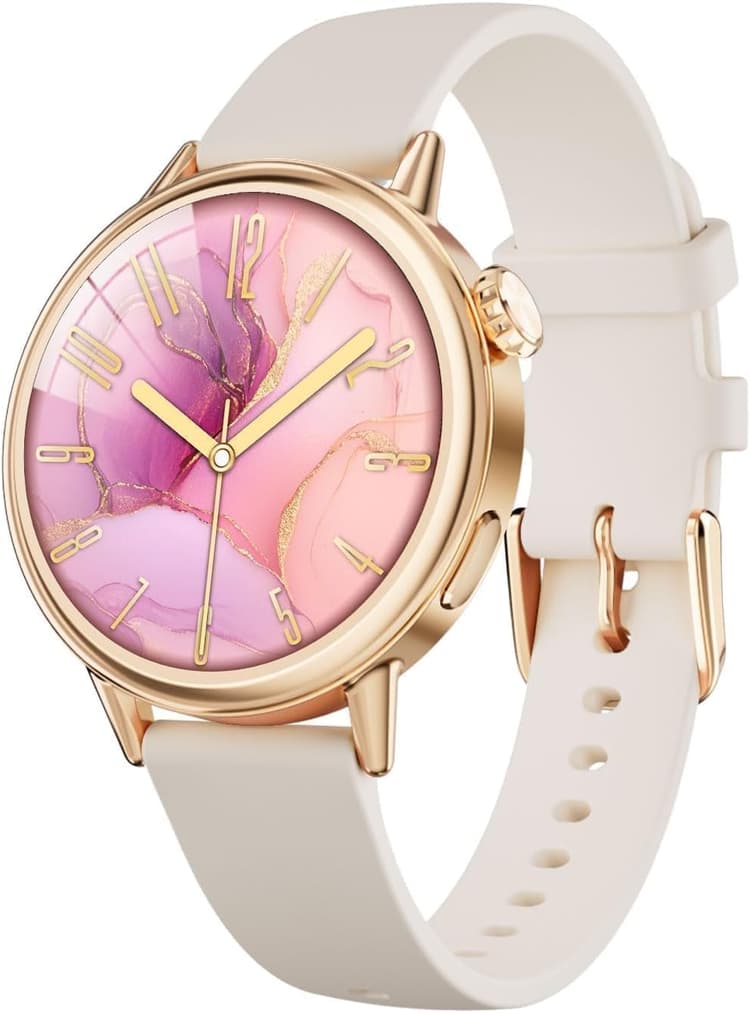
TOOBUR
TOOBUR Petite Smart Watch for Women Small Wrist, 37 mm AMOLED Smartwatch, Compatible with Android & iOS, Fitness Tracker with Step/Sleep/HR Monitor, Elegantly Boxed, Pretty Gift for Women, Beige
★★★☆☆3.7
$49.99
$79.99
-38 %
*
Deals editor focused on watch bargains, market analysis, and approachable buying advice.

This March 2026 refresh focuses on the practical realities shaping hybrid watches today: better sensor integration (SpO2, improved optical HR), broader NFC experimentation for payments, and evolving software ecosystems that determine usefulness more than raw specs. The goal remains pedagogical: show you how to translate preferences into measurable criteria so you avoid marketing noise and buy something that actually fits your life.
First‑time buyers looking for a classic look with smart features; commuters who want reliable notifications and multi‑day battery; fitness-minded users who need basic tracking without daily charging; and style-first buyers who demand good finishing and strap options.
| Trend | What it means for buyers |
|---|---|
| Sensor maturity | Optical heart-rate is more stable; SpO2 appears in mid-range hybrids but varies in accuracy |
| NFC pilots | A few hybrids now support contactless payments — check regional support |
| App-first value | The companion app and firmware cadence now decide data reliability and feature improvements |
For quick comparisons, consult our editorial selection Top Hybrid Watches or read the category overview at Hybrid watches to see current models and platform tendencies. This guide helps you convert trends into a short list of practical, testable criteria so you can choose with confidence rather than impulse.
TOOBUR
$49.99
$79.99
-38 %
*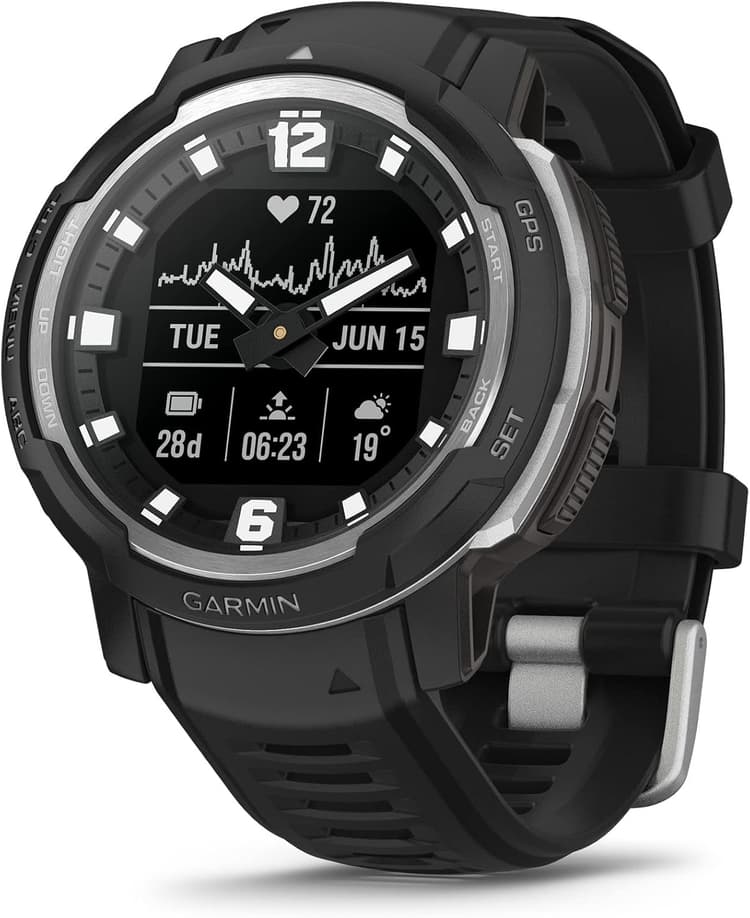
Garmin
$259.99
$399.99
-35 %
*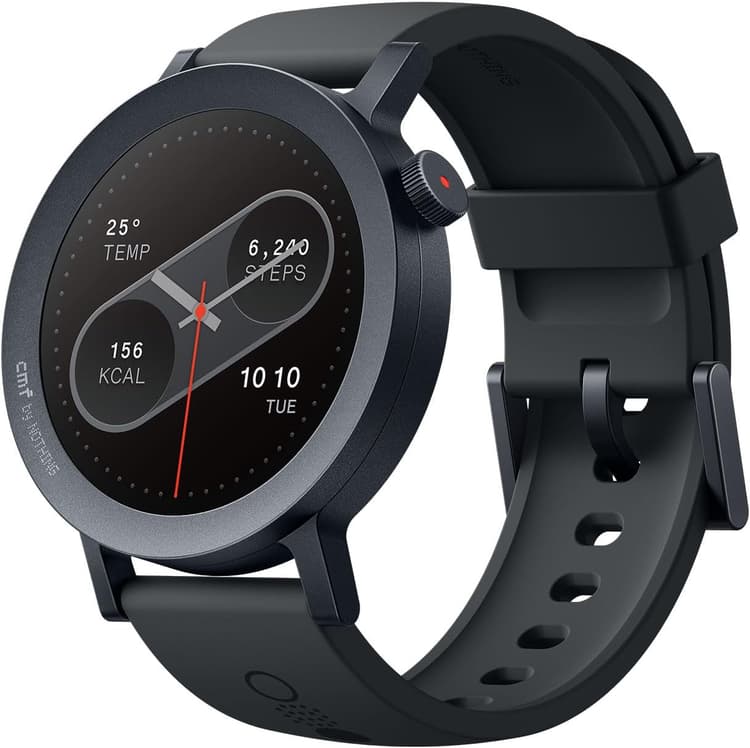
CMF BY NOTHING
$55.00
$79.00
-30 %
*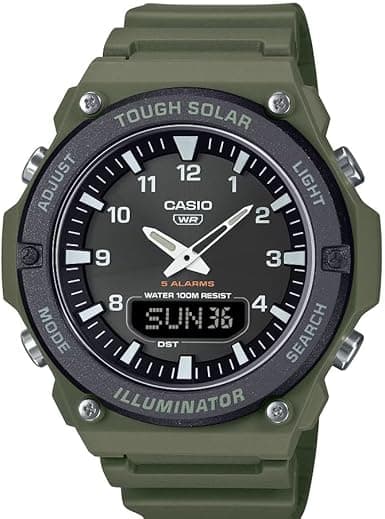
$56.21
$64.95
-13 %
*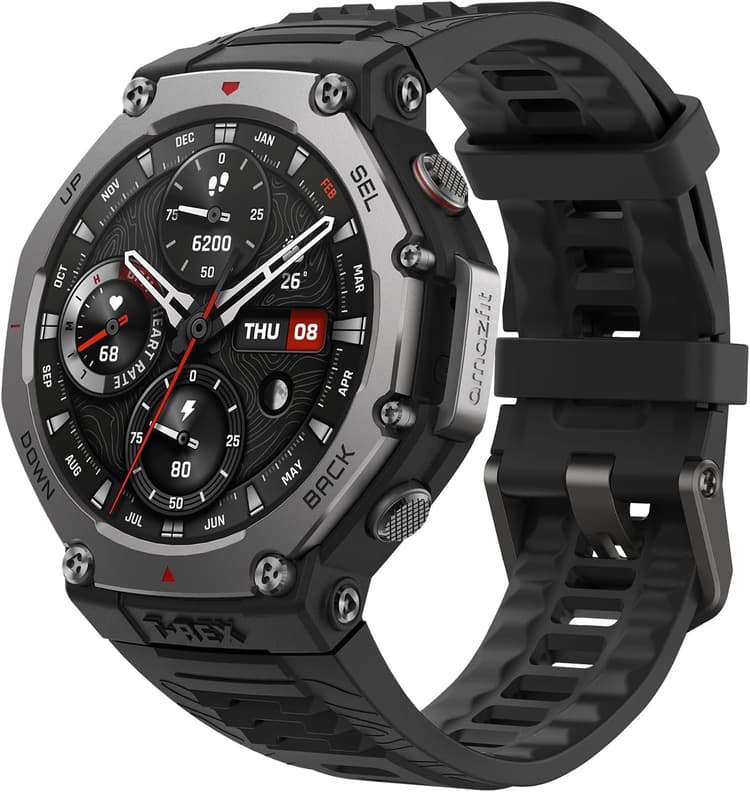
Amazfit
$249.99
$279.99
-11 %
*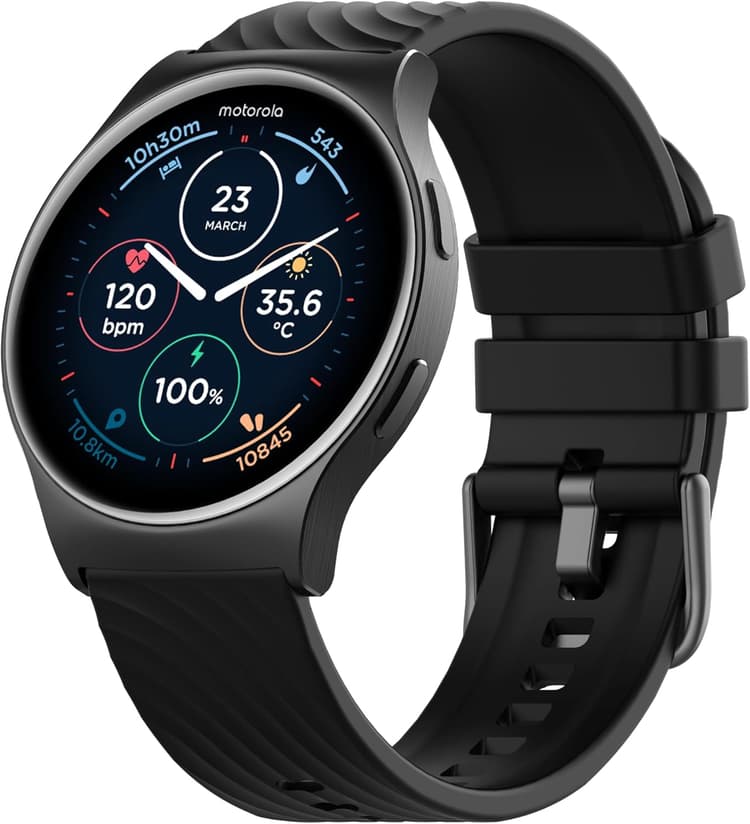
Motorola
$71.95
$78.65
-9 %
*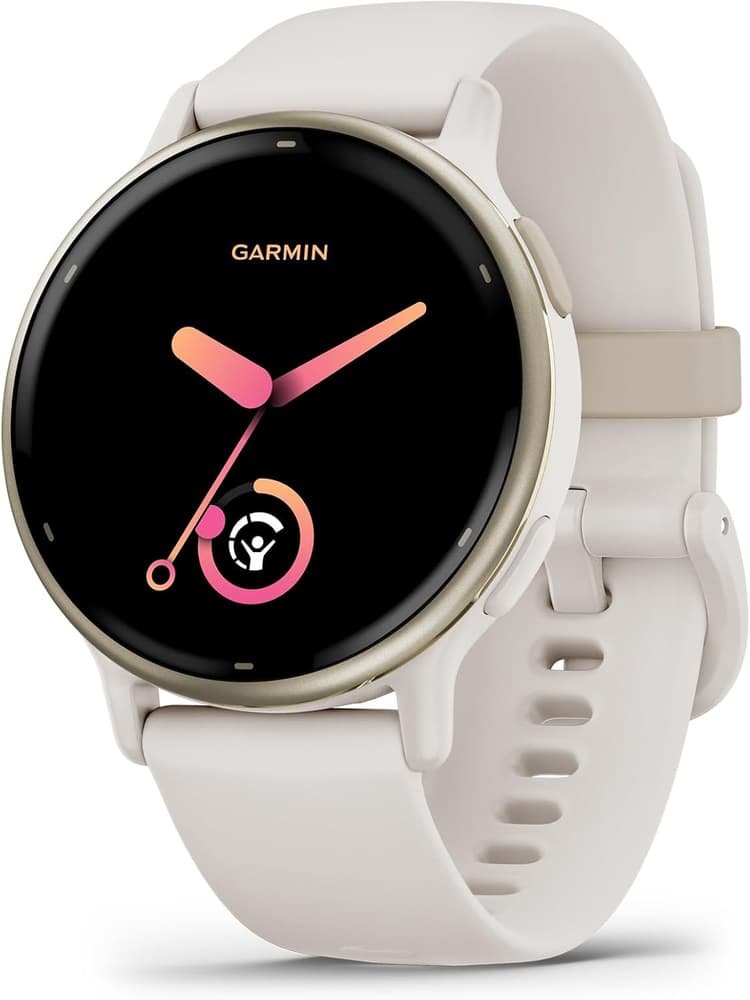
$178.49
$194.19
-8 %
*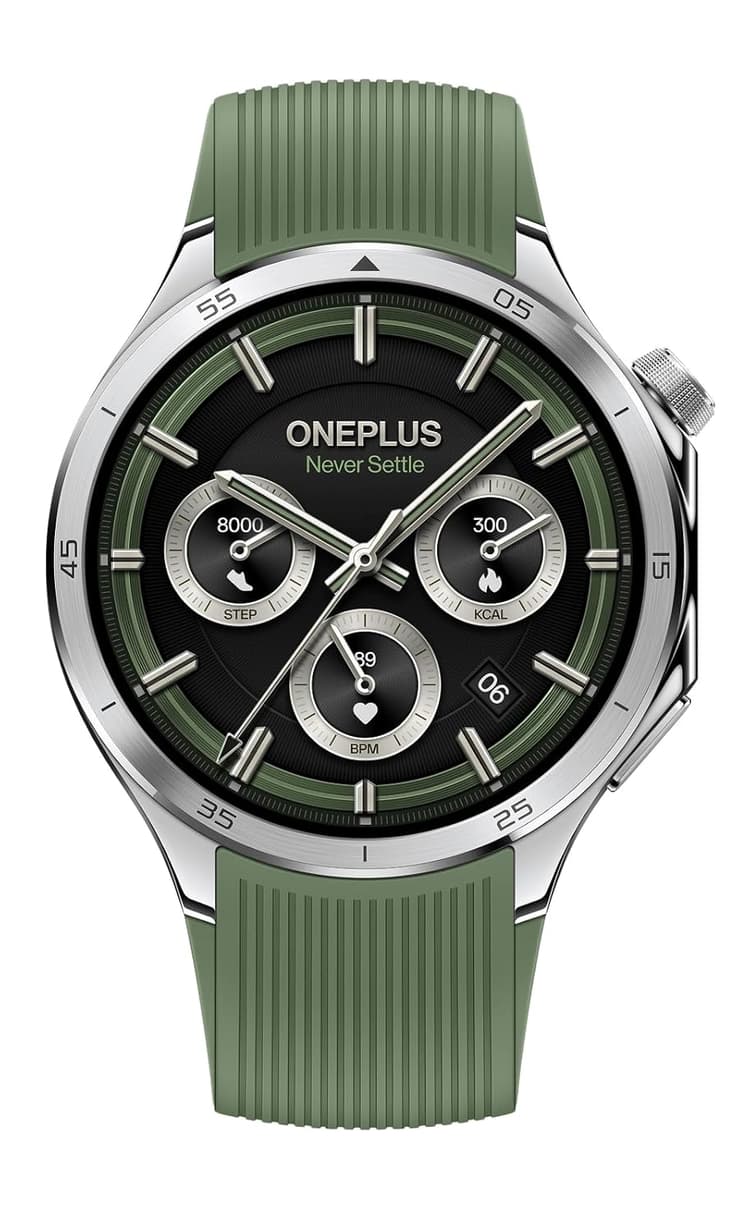
OnePlus
$349.99
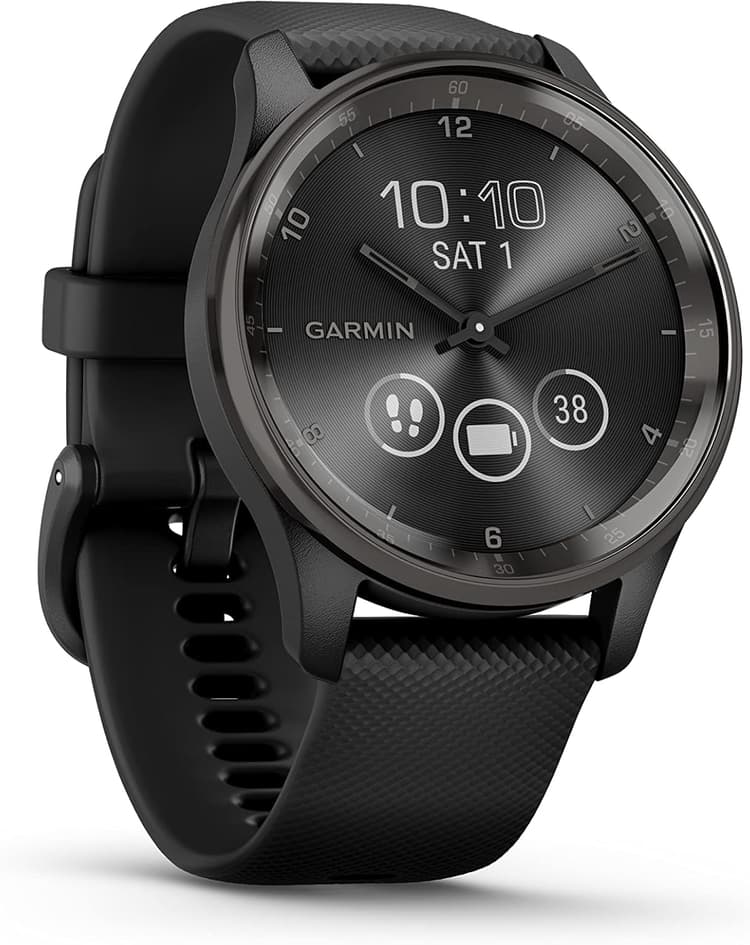
Garmin
$229.99
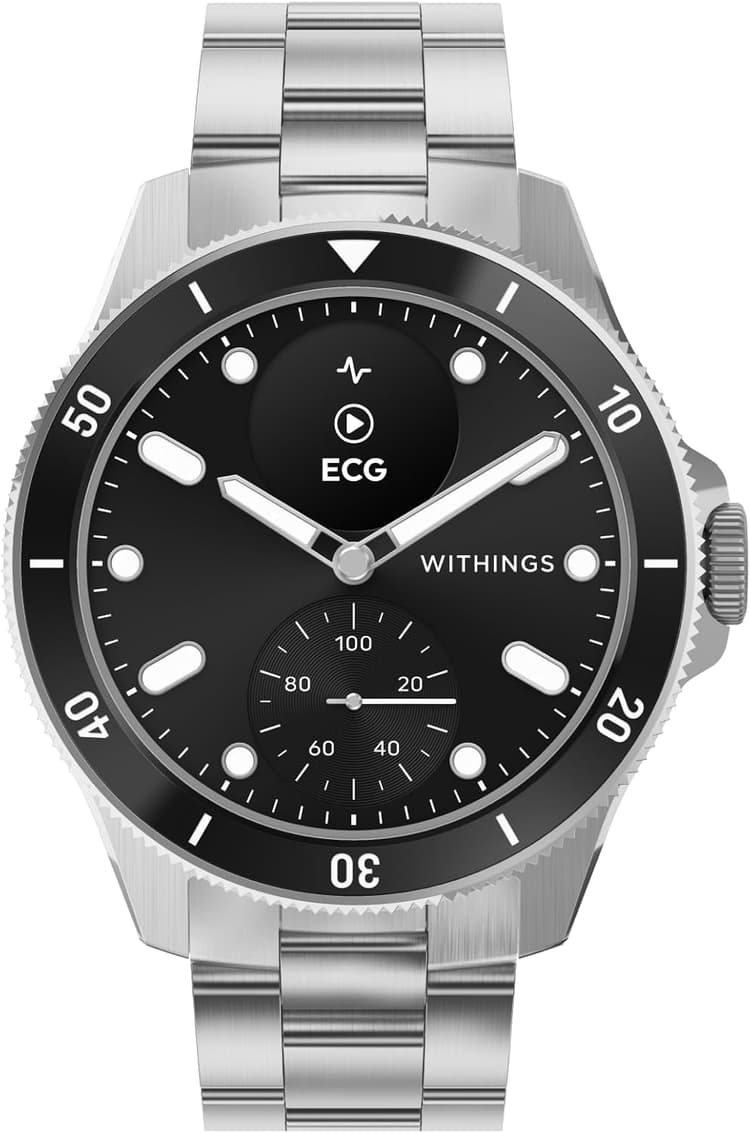
Withings
$465.07
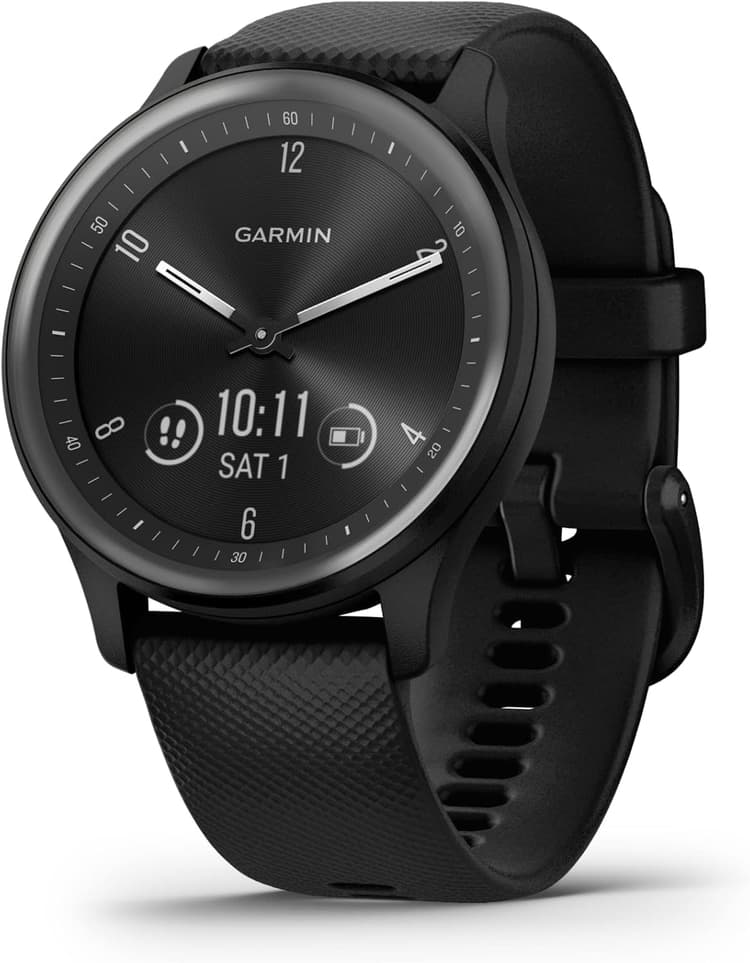
Garmin
$179.99
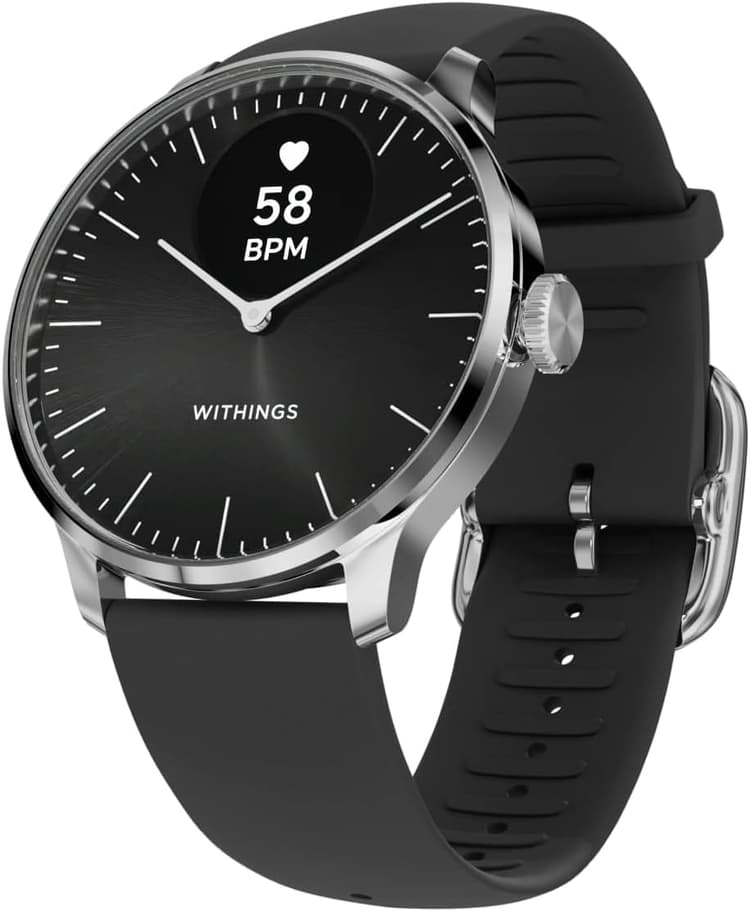
Withings
$249.95
Start by converting wish‑lists into scenarios and numeric weights — this makes trade‑offs explicit and repeatable. Below is a simple stepwise framework and a reproducible scoring table you can use for model comparison.
Step 1 — Define core scenarios (pick one primary + up to two secondary):
Step 2 — Assign weights (example):
Step 3 — Scoring matrix (use for each candidate model)
| Criterion | Score 0–5 | Weighted value |
|---|---|---|
| Aesthetics/finishing | ||
| Battery (realistic) | ||
| App quality & updates | ||
| Sensors (HR/SpO2/GPS) | ||
| Water resistance |
Tips to populate scores:
Quick checklist before buying/in store:
Use this matrix to objectively compare models and derive a top pick aligned to your weights. For side-by-side editorial comparisons, see our curated list Top Hybrid Watches or category context at Hybrid watches.
Price differences in hybrids increasingly reflect three clusters of value: materials & finishing, sensor/electronics complexity, and software/service. In 2026 you'll also pay (or save) for regional compliance (NFC certifications, payment partners) and after‑sales support tied to firmware updates. Use the table below to map cost drivers to buyer impact.
| Cost driver | Typical price impact | Buyer benefit |
|---|---|---|
| Case & crystal (sapphire/titanium) | +$100–$400 | Scratch resistance, perceived luxury, resale value |
| Movement & hands quality | +$50–$300 | Better timekeeping and smoother hand motion |
| Sensors (HR, SpO2, NFC, GPS module) | +$50–$300 | More data streams but variable accuracy |
| App & firmware support | +$50–$250 annually (indirect) | Long‑term reliability, new features, bug fixes |
| Battery tech & power architecture | +$30–$200 | Real multi‑week autonomy under realistic load |
Practical allocation approach (example for a $300 budget window):
Red flags and how to spot them:
Before purchase, ask sellers for: expected battery life under "notifications + nightly sleep tracking" and written confirmation of NFC/payment region support if advertised. Cross‑reference with editorial lists such as Top Hybrid Watches and category notes at Hybrid watches to align price to features you truly need.
Watch size affects both looks and comfort. Use this method to pick the right fit:
Measure your wrist: use a soft tape or strip of paper around the widest point. Common diameter guidance is 36-40 mm for slimmer wrists and 40-44 mm for medium to larger wrists, but case shape matters.
Check thickness and bezel: a thin watch (under about 10 mm) slips under a shirt cuff more easily and feels less intrusive. Thicker designs—often due to larger batteries or sensors—can feel bulky and interfere with activity.
Look at lug length and shape: long lugs can overhang the wrist and reduce comfort. Seek lug proportions that sit properly without the watch rocking on your wrist.
Wear test: if possible, try the watch in-store for at least 15 minutes while typing, lifting your arm and flexing your wrist. Any rubbing or excessive movement signals a poor fit.
Bracelet choice: material affects breathability and feel: leather for formal wear, silicone or nylon for sport, metal for durability. Also verify fine adjustability or removable links.
Overall weight: case and strap weight matter. Titanium cases are significantly lighter than steel. If you spend long hours at a desk, prioritize lightness and flexibility.
In short, don't rely solely on diameter. Thickness, lug design, weight and strap type determine real comfort. Try models in context and seek a balance between proportion and ergonomics.
The materials used for case, crystal, strap and seals determine how well a hybrid watch withstands daily wear. Consider these points when evaluating durability:
Crystal: mineral, hardened, or sapphire? Sapphire crystal delivers the best scratch resistance and maintains a fresh look longer, but it increases cost. Mineral glass scratches more easily but is cheaper to replace.
Case material: stainless steel versus titanium or light alloys. Steel is robust and common; titanium is lighter and hypoallergenic, often chosen to reduce weight for sporty designs or sensitive skin.
Surface treatments: PVD or DLC coatings boost scratch resistance and alter appearance. Be aware these coatings can wear on high-friction areas.
Water resistance: check IP or ATM ratings. For daily exposure like rain and hand washing, 3 ATM (30 m) may suffice. For swimming, look for 5 ATM or higher. Note that water resistance does not guarantee long-term resistance to chlorine or saltwater.
Seals around sensors: openings for sensors and ports are potential weak points. Watches with external sensors need careful engineering to prevent moisture ingress.
Straps and clasps: buckle quality, leather grade and pin construction affect lifespan. Silicone or nylon straps resist sweat well; leather degrades faster when frequently exposed to moisture.
To assess durability: inspect finishes, verify sapphire or steel specifications, listen for loose components when gently shaken, and consult user feedback about long-term performance. Investing in better materials often reduces repair costs and improves the watch's lasting value.
By 2026, feature sets are less about raw lists and more about how features are implemented. This section explains the practical impact of features and provides a repeatable checklist to validate them.
Key feature breakdown:
Notifications: levels range from LED/vibration only to short text lines on a segment display. What matters is reliability — check latency and missed alerts in real‑world conditions (airplane mode toggles, Do Not Disturb).
Activity & health tracking: steps and sleep are table stakes; heart-rate and SpO2 trends are valuable for wellness monitoring but expect variability during high-intensity efforts. Ask about sample rates and whether the watch performs continuous or intermittent measurements.
GPS options: built‑in GPS gives autonomy; connected GPS (phone) saves battery but requires tethering. For occasional runs, connected GPS suffices; for long outdoor sessions, built‑in is preferable.
Battery behavior: require scenario‑based numbers — e.g., "notifications on + nightly sleep tracking = X days" and "continuous HR = Y days." Manufacturers increasingly publish multiple scenarios; prefer those that match your usage.
Software & ecosystem: companion app UX, export options (CSV/HealthKit/Google Fit), and firmware update frequency determine long‑term value. A mediocre sensor with great software often outperforms a better sensor trapped behind a poor app.
Validation checklist (in store or on arrival):
Use this checklist plus your weighted matrix from "Assess Your Needs" to score candidates. For editorial comparisons and hands‑on notes, see our up‑to‑date selections at Top Hybrid Watches or category guidance Hybrid watches.
Real-world validation is the decisive step. Below is an expanded, scenario‑based battery of tests to run either in-store or within the first week of ownership. Record results and compare them against manufacturer claims and your priority grid.
Document each test and map results to your weighted matrix. If a watch fails more than one core scenario test aligned with your priorities, it’s a candidate to reject. For hands‑on editorial reports and model notes consult Top Hybrid Watches or category guidance at Hybrid watches.
Even with good preparation, common pitfalls recur. Below are typical mistakes and expert tips described plainly:
Common mistakes
Focusing only on looks: style matters, but neglecting battery life, water resistance or software quality often leads to quick disappointment.
Overlooking software compatibility: some watches work better within specific mobile ecosystems; check iOS/Android compatibility to avoid missing features.
Underestimating the strap's role: a poor-quality or uncomfortable strap can make a watch unpleasant to wear daily.
Taking battery numbers at face value: real-world use reduces battery life. Look for independent tests.
Plain expert tips
Prioritize a clear app: good software turns average sensors into useful insights. Read reviews about the app and update frequency.
Check battery scenarios: seek battery life figures for heavy notification use and continuous tracking. Those two data points give a realistic picture.
Think about maintenance: interchangeable straps and available spare parts make long-term ownership simpler.
Start simple: for beginners, choose a hybrid that performs core functions well rather than a sensor-heavy model with poor integration.
Test in real contexts: wear the watch during typical work, exercise and sleep. Comfort and interface usability become clear in daily situations.
These recommendations aim to save time and avoid choices driven solely by appearance or marketing, based on observed real-life trade-offs with hybrid watches.
Amazfit
$249.99
$279.99
-11 %
*$178.49
$194.19
-8 %
*CMF BY NOTHING
$55.00
$79.00
-30 %
*OnePlus
$349.99
Motorola
$71.95
$78.65
-9 %
*$56.21
$64.95
-13 %
*Garmin
$229.99
Withings
$465.07
Garmin
$179.99
Garmin
$259.99
$399.99
-35 %
*Withings
$249.95
TOOBUR
$49.99
$79.99
-38 %
*Finalizing a hybrid watch comes down to matching verified performance to your weighted priorities and confirming long-term support. Use this concise closing checklist and decision flow before committing to purchase.
Quick final checklist:
Decision flow (three questions):
Buying tips to avoid remorse:
If you want a shortlist from editorial testing, consult our updated picks at Top Hybrid Watches or browse category guidance at Hybrid watches. Armed with the checklists and test protocols in this guide, you should be able to finalize a choice that balances aesthetics, autonomy and everyday usefulness for 2026 realities.
We updated the editorial methodology in March 2026 to reflect a stronger emphasis on software validation and real‑world testing. Our process now prioritizes three evidence sources: manufacturer specs, independent hands‑on tests, and user feedback aggregated from forums and app stores. We do not recommend specific models in this guide to avoid bias; instead we provide the tools and test protocols to evaluate any model.
What we analyze and why:
Affiliate links and independence
Some pages may include affiliate links that help fund editorial work. These links do not alter our methodology: tests, priority frameworks and checklists remain independent. We flag pages that contain affiliate links and maintain editorial separation from commercial relationships.
How to reproduce tests at home
We intentionally describe simple tests (battery scenarios, step route, HR cross‑checks) that any reader can reproduce with basic tools: a measured route, a second reference device (phone/pedometer/oximeter) and a stopwatch. Following these protocols helps you verify claims and compare models objectively.
For quick curated model lists and editorial test notes, see our updated collection Top Hybrid Watches or consult the category overview Hybrid watches for market context. Our aim is to equip you with repeatable methods rather than to push a short list of branded recommendations.
Tests and articles by watch experts, based on technical criteria and side‑by‑side comparisons.
We compare models and features to inform your choice, free from commercial influence.
Guides are regularly updated to reflect new releases and market developments.
We may earn a commission from links to partner retailers; this does not affect our independent analyses.