
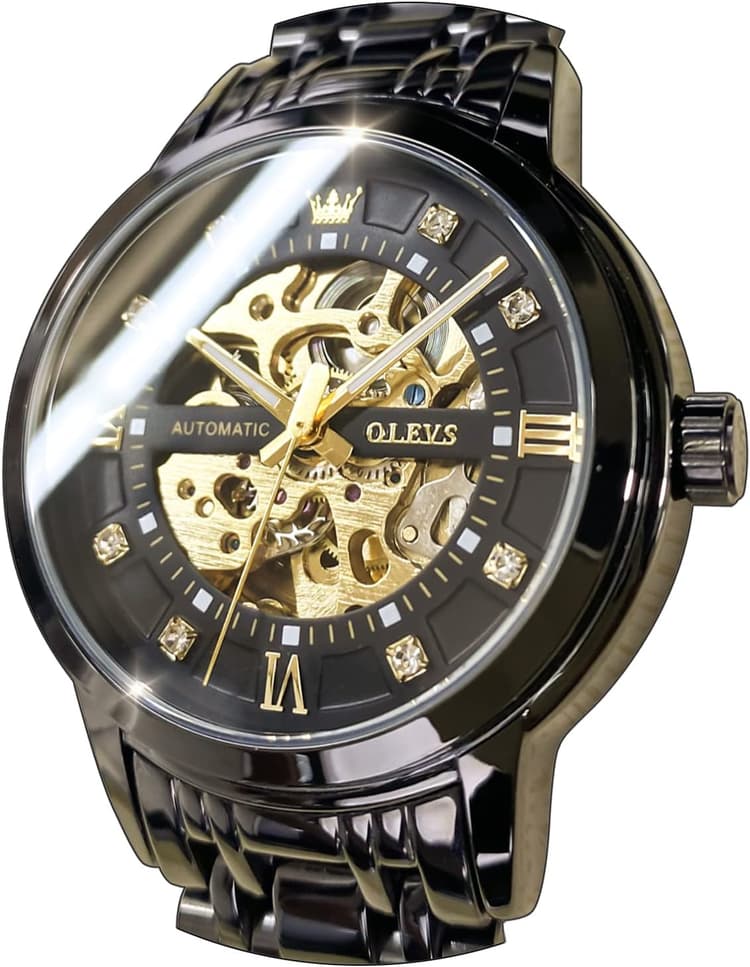
OLEVS
OLEVS Men’s Gold Skeleton Watch Automatic Mechanical self Winding Luxury Dress Stainless Steel Waterproof Luminous Wrist Watches
★★★★☆4.2
$95.00
$368.00
-74 %
*
Deals editor focused on watch bargains, market analysis, and approachable buying advice.

Purpose and scope (March 2026 update)
This guide is focused on practical decision-making for buyers in 2026 who want the benefits of a self-charging mechanical-electronic hybrid without relying on brand hype. It explains how kinetic systems work today, which measurable specs matter most, and how to run short in-store tests that reveal real-world performance. The goal is actionable clarity: help you build a shortlist based on use-case priorities (daily wear, sport, travel, formal) rather than looks alone.
What’s new this edition
How to use this guide
Quick-reference table — what to prioritise by use-case
| Use case | Top 3 priorities | Example checks in-store |
|---|---|---|
| Daily office | Comfort, charge retention, crystal | Try on, test charge, inspect crystal type |
| Sports / swimming | Water resistance, strap, shock resistance | Check 100m+ rating, strap flexibility, lume test |
| Travel | Accuracy, GMT / ease of setting, serviceability | Test crown operation, timezone adjust, ask about local service |
For deeper category context and curated comparisons see the Kinetic watches category and the wider Guides - Learn, Compare, Decide hub. These internal resources help you translate the measurable specs in this guide into model-level choices.
This guide avoids endorsements; instead it prioritises reproducible tests and measurable attributes so you can compare models objectively and reduce long-term ownership surprises.
OLEVS
$95.00
$368.00
-74 %
*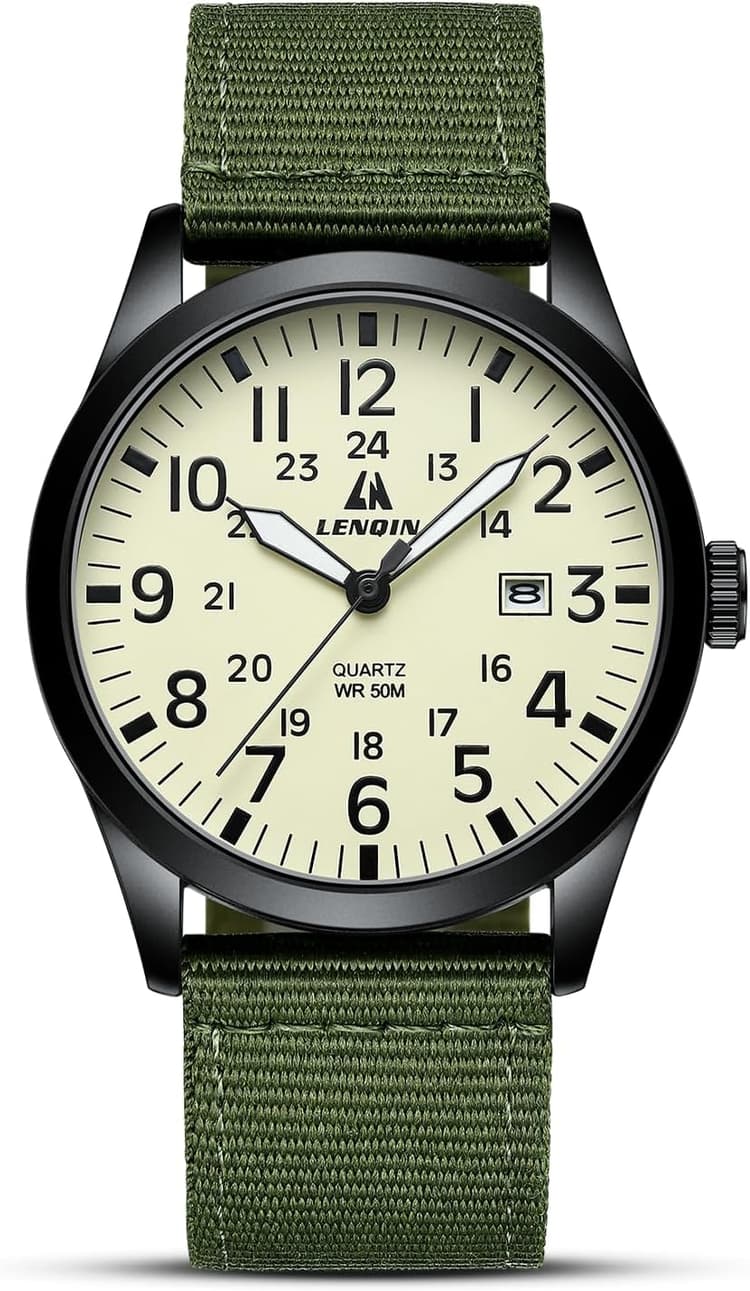
LN LENQIN
$9.99
$29.99
-67 %
*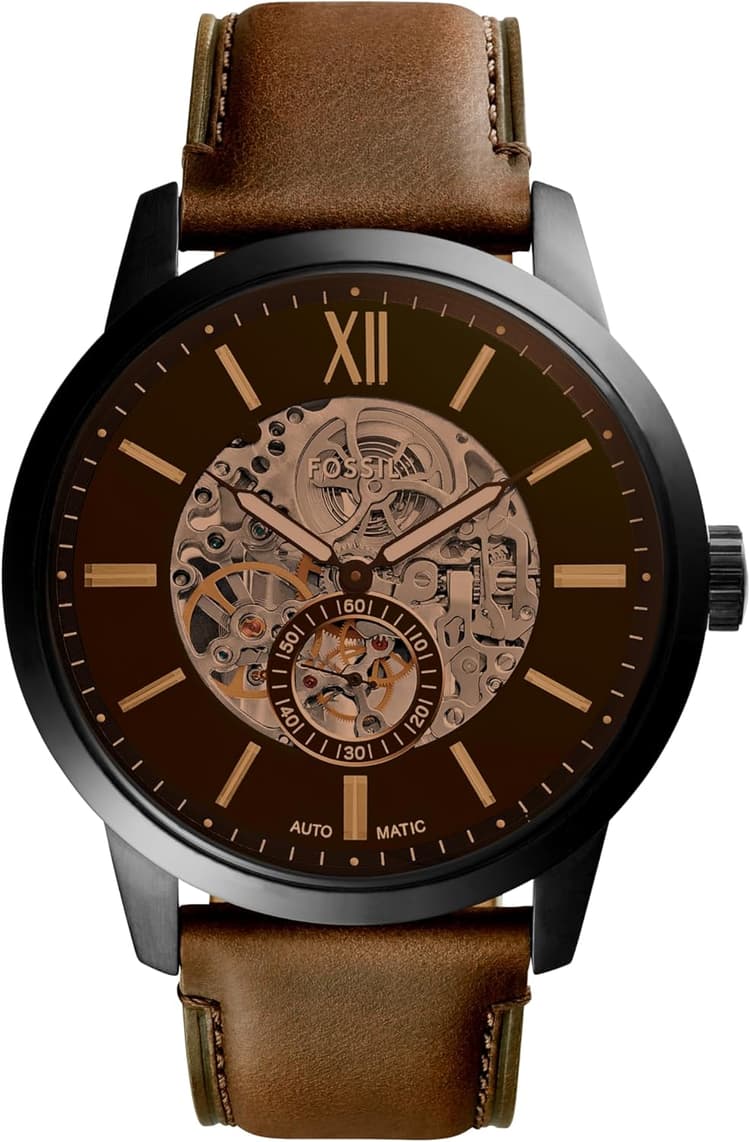
Fossil
$154.35
$250.00
-38 %
*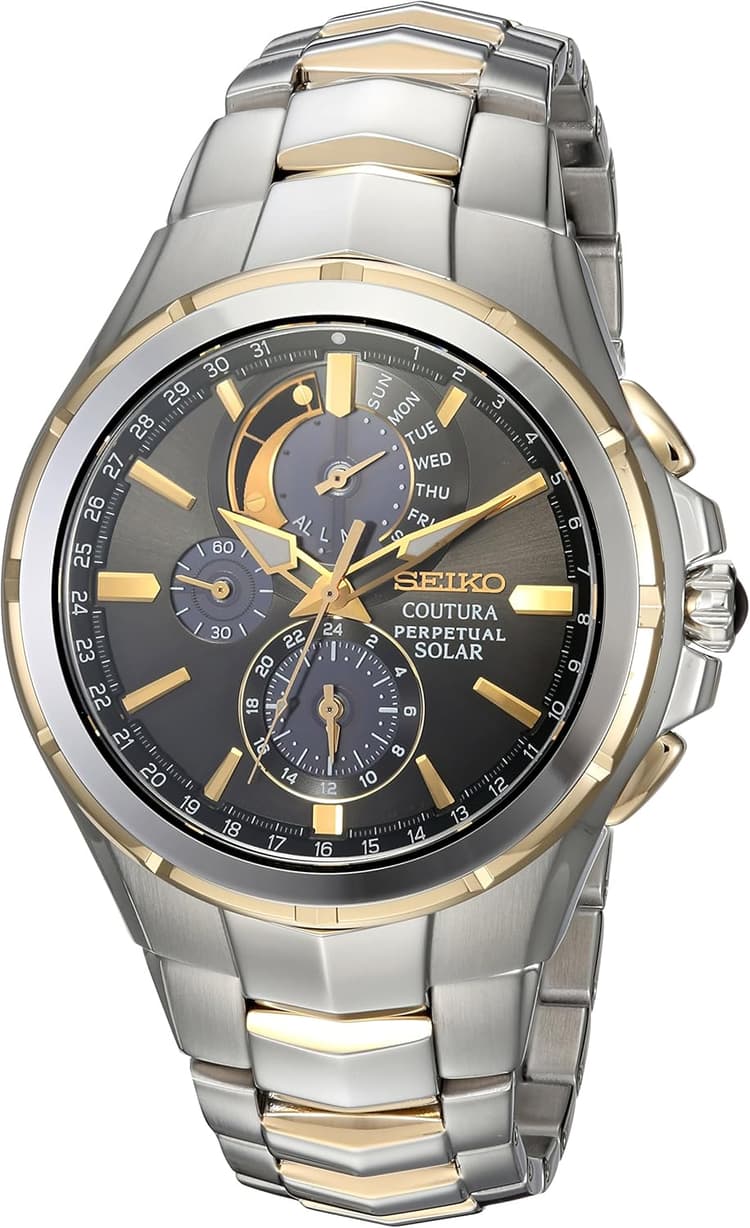
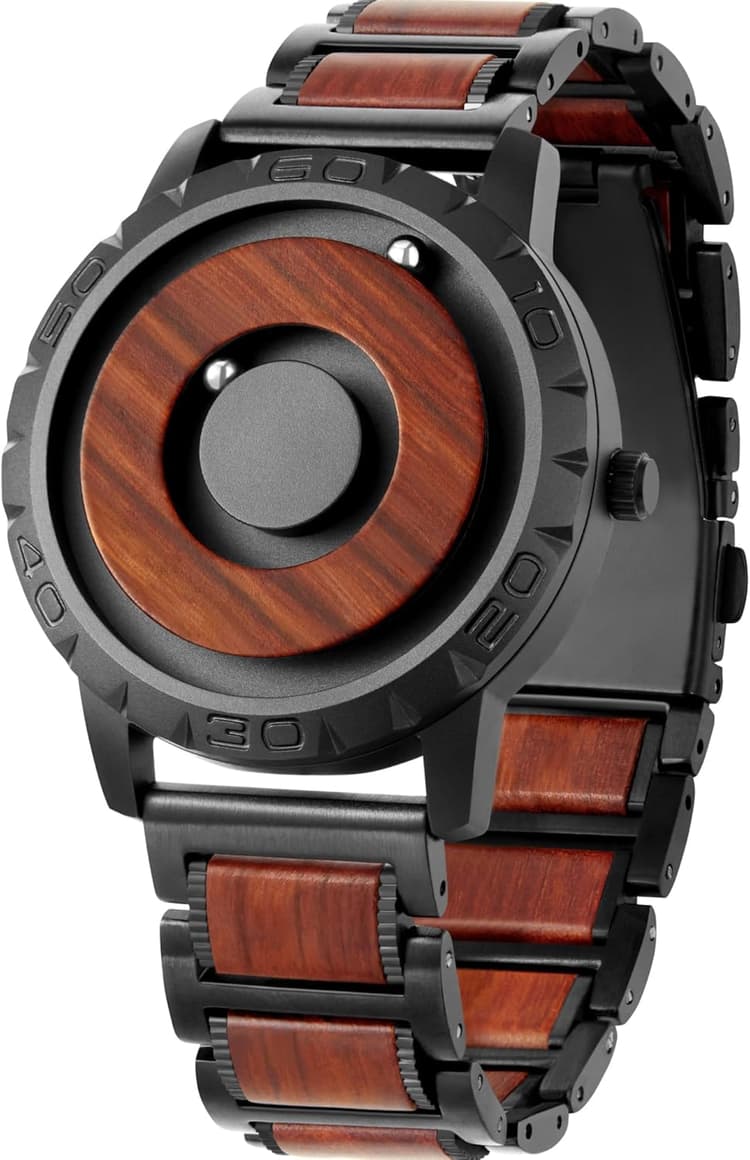
SEIKO
$416.45
$495.00
-16 %
*
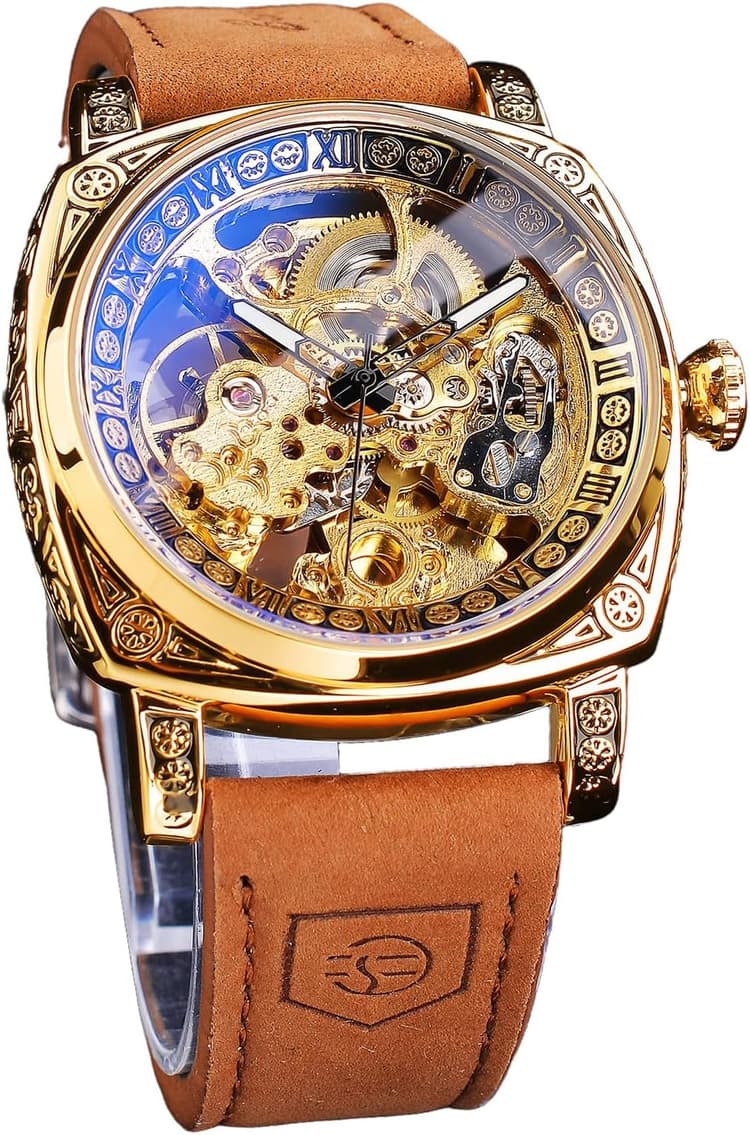
EUTOUR
$65.85
$74.99
-12 %
*
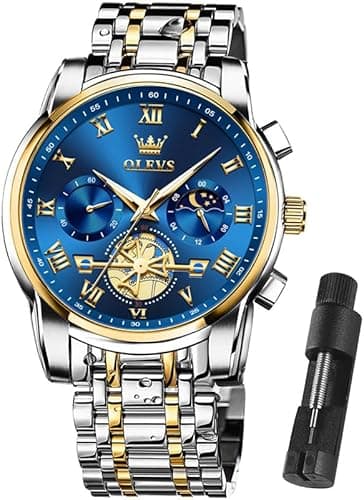
FORSINING
$39.59
$43.99
-10 %
*
OLEVS
$42.77
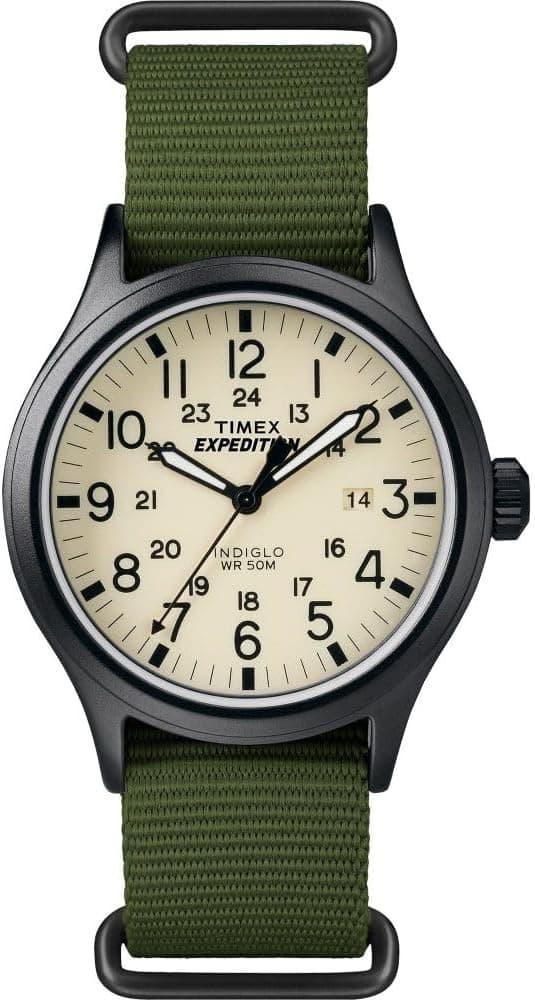
Timex
$49.50
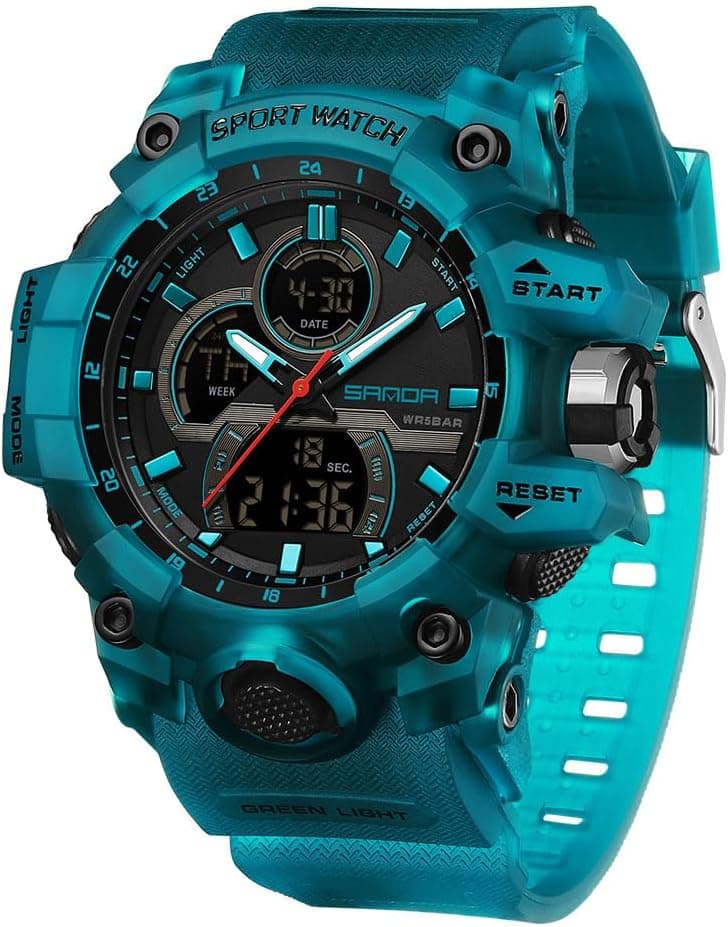
FANMIS
$19.99
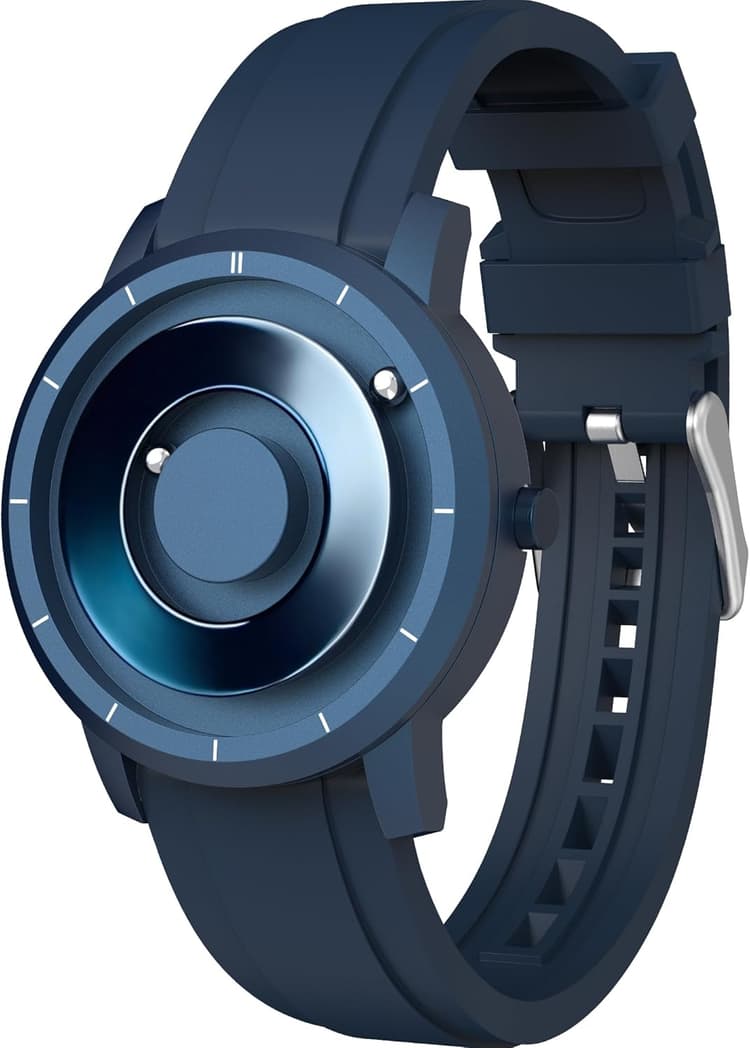
EUTOUR
$62.04
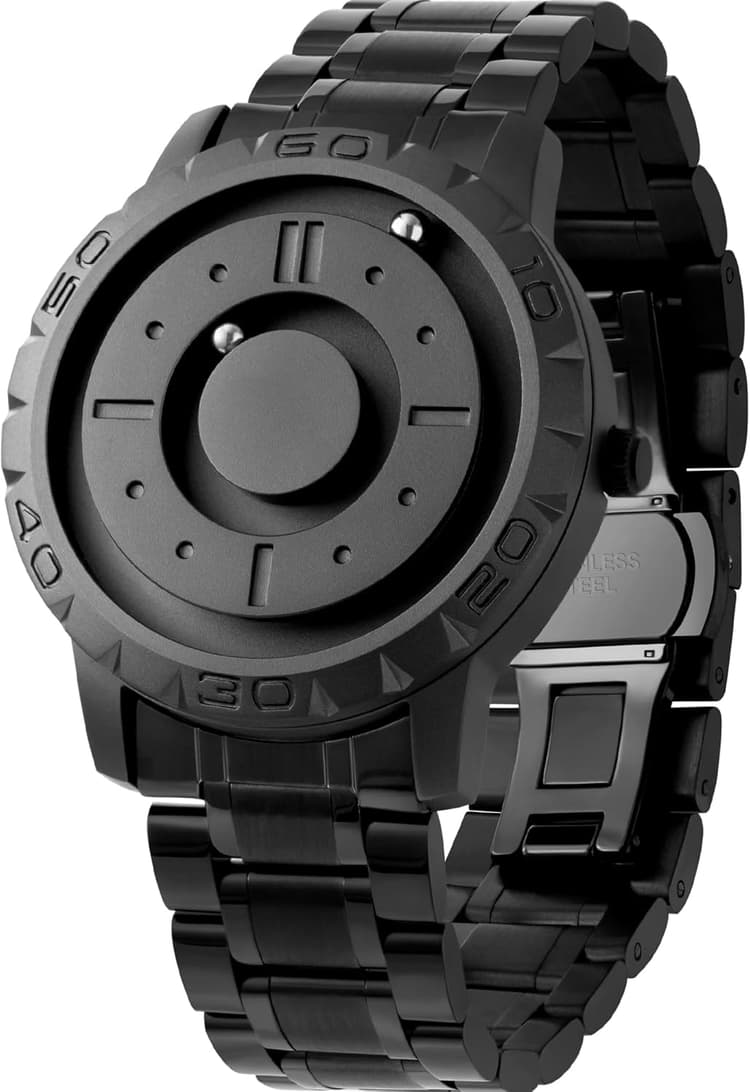
EUTOUR
$69.99
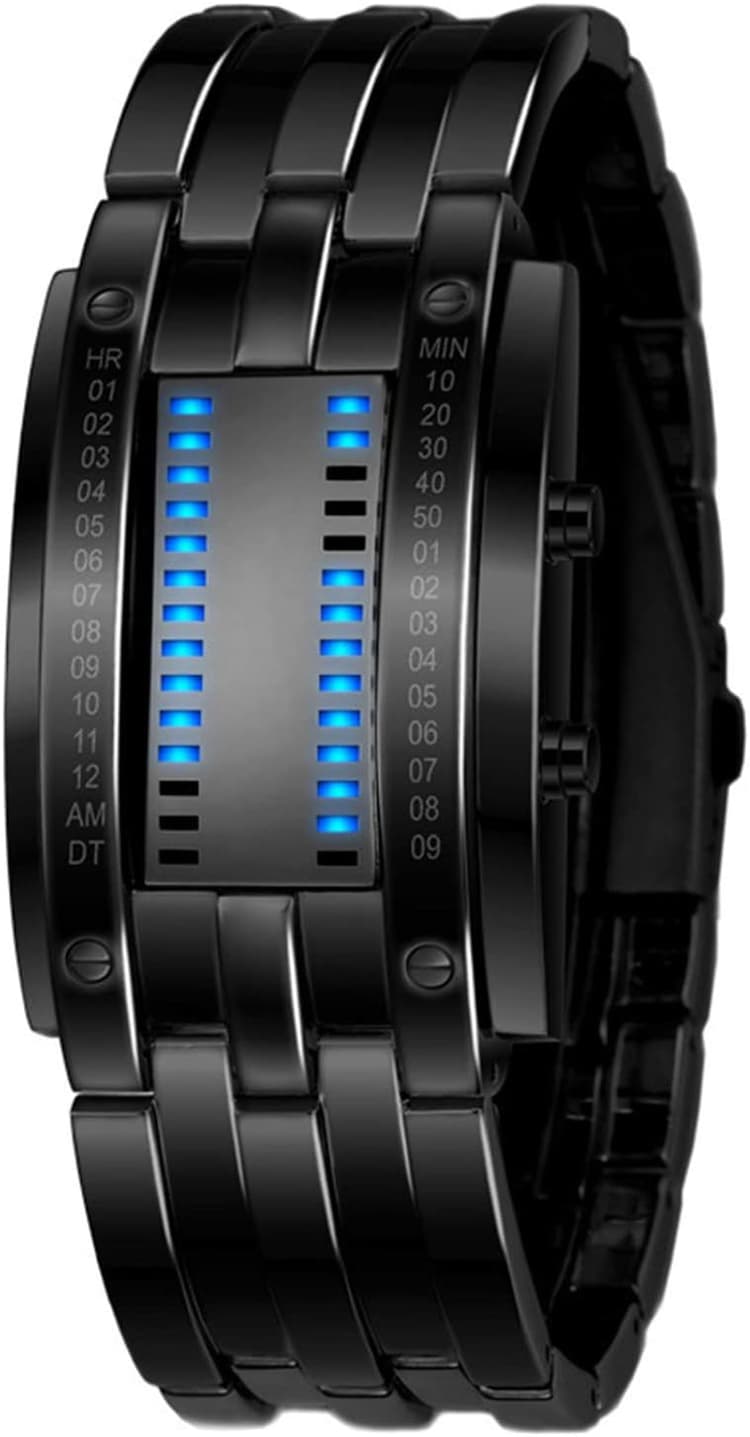
Reginald
$19.99
Start by clarifying how you will use the watch. A timepiece for daily office wear has different requirements than one for diving or formal events.
Practical example: for everyday city use, prioritize a durable stainless steel case, at least 50 m water resistance and a robust accumulator. For sports, aim for 100 m+ water resistance, shock-resistant crystal and a quick-drying strap.
At the end of this step, write down up to three priorities (for example: comfort, charge retention, water resistance). Use that shortlist as the primary filter when comparing watches.
Kinetic watches span multiple price tiers. Price is influenced by more than just movement type; technical complexity, materials and finishing all contribute to cost.
Cost-increasing factors
Cost-reducing factors
How to read price differences
A higher price may reflect genuine improvements in durability or comfort but not automatically better timekeeping. Look for measurable specs: crystal type, water-resistance rating, accumulator technology and accuracy tolerances. Also factor in serviceability and parts availability—these affect long-term ownership cost.
Educational tip: for heavy daily use prioritize durable attributes (sapphire crystal, sturdy case) and deprioritize decorative finishes if your primary goal is reliability.
Size choice goes beyond case diameter. Thickness, lug-to-lug length, lug shape and weight greatly affect comfort.
Always try watches on when possible. For online purchases, compare the published dimensions with a watch you already own and trust. Small differences in case profile and lug curvature often change perceived comfort more than diameter alone.
Materials determine scratch resistance, corrosion behavior, weight and hypoallergenic properties.
Accumulator longevity
The kinetic accumulator that stores energy has a finite life in charge/discharge cycles. Learn about replacement procedures and parts availability. Easier servicing reduces long-term ownership costs. Some newer accumulators deliver longer service life while others prioritize lower initial cost.
Maintenance and repair
A tough case can still fail without proper upkeep. Regular cleaning, seal checks after opening, and periodic joint replacements extend life. Before buying, ask about recommended service intervals and availability of local repair centers.
Which extra functions justify their cost? Below are common features and what they deliver in practice.
How to compare features
In short, judge each complication by its practical usefulness to your routine rather than seeing it as a blanket quality indicator.
Everyday performance: what to test and why
Kinetic watches deliver useful autonomy, but real performance depends on system design, accumulator quality and ergonomics. Before buying, run reproducible checks that reveal how a watch will behave day-to-day. Focus on observable outcomes: does the watch charge reliably with normal wrist motion, does it hold charge, and is it comfortable for your typical wardrobe?
In-store checklist (repeatable test sequence)
Table — key checks and acceptable signs
| Check | Good sign | Red flag |
|---|---|---|
| Charge response | Observable increase in reserve or indicator movement | No perceptible change after 2 brisk motion cycles |
| Legibility | Clear contrast, lume visible after 10s exposure | Weak lume or cluttered dial |
| Crown/pushers | Smooth, secure action | Wobbly crown or hard-to-press pushers |
Common beginner mistakes
Making second-hand purchases safer
For model-level comparisons and curated selections built around these practical checks, consult our Kinetic watches comparative guide. Following the sequence above will reduce post-purchase surprises and give a clear picture of how a kinetic watch will perform in real life.
Fossil
$154.35
$250.00
-38 %
*SEIKO
$416.45
$495.00
-16 %
*OLEVS
$42.77
Timex
$49.50
LN LENQIN
$9.99
$29.99
-67 %
*FORSINING
$39.59
$43.99
-10 %
*FANMIS
$19.99
OLEVS
$95.00
$368.00
-74 %
*EUTOUR
$62.04
EUTOUR
$69.99
Reginald
$19.99
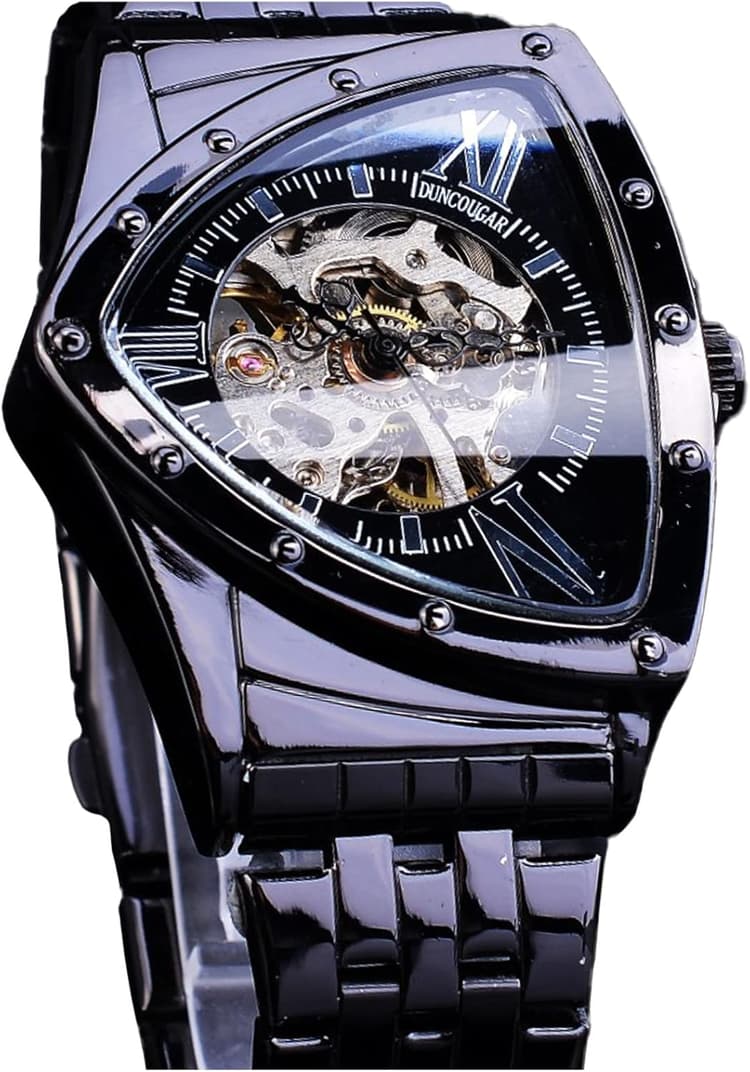
FORSINING
$39.98
Fast decision framework (use this at point-of-sale)
When time is limited in a store or during an online comparison, apply this 5-step, evidence-focused checklist to decide if a kinetic watch belongs on your shortlist. It compresses the full guide into repeatable, measurable steps so you can apply them to multiple models in one visit.
5 quick steps
Decision table — keep / consider / reject
| Criteria met | Action |
|---|---|
| 4–5 checks passed | Keep on shortlist and compare price/service history |
| 2–3 checks passed | Consider if price is low and service is easy |
| 0–1 checks passed | Reject — likely to cause regret or extra cost later |
Buying second-hand
For side-by-side comparisons of models that meet these criteria, use our curated selections and comparative pages such as the Kinetic watches comparative guide which map measured specs to real models.
Following this framework reduces emotional buying and focuses on measurable, repeatable checks. In 2026, with improved accumulator options and broader service coverage, this approach helps you convert technical statements into reliable ownership expectations.
This guide is written in an educational manner to assist readers in selecting a kinetic watch without endorsing specific brands or models. Recommendations are based on technical principles and common testing and maintenance practices. The content does not present proprietary data, laboratory tests or individual product evaluations. Advice aims to minimize the risk of an unsuitable purchase and to encourage verification of technical specifications and service history where appropriate.
Tests and articles by watch experts, based on technical criteria and side‑by‑side comparisons.
We compare models and features to inform your choice, free from commercial influence.
Guides are regularly updated to reflect new releases and market developments.
We may earn a commission from links to partner retailers; this does not affect our independent analyses.