Orix Time logo

How to Choose a Luxury Watch in 2026 — Practical Step‑by‑Step Guide

Mateo Alvarez
Mateo Alvarez

Deals editor focused on watch bargains, market analysis, and approachable buying advice.

Published at March 27, 2026

Introduction — Why a practical, up-to-date guide for luxury watches (2026)

Close-up of multiple luxury wristwatches on a dark background showing dials, cases and straps

Buying a luxury watch in 2026 requires both practical clarity and awareness of market trends that affect pricing, availability and aftercare. This introduction gives you a concise, actionable framework so you can: define needs, compare technical specifications, and ask the right questions in-store or online. The goal is to help you make objective comparisons—separating mechanical value, materials and brand premium—while keeping an eye on recent trends such as increased demand for compact 36–40 mm designs, renewed interest in entry-level haute horlogerie and the continued premium placed on sapphire and anti‑magnetic features.

Key outcomes from this guide:

  • A repeatable checklist to turn preferences into measurable criteria (diameter, water resistance, movement type, budget).
  • A short decision flow to prioritize features for daily wear vs collecting or investment.
  • Practical signals to spot misleading marketing (e.g., “water-resistant” vs ISO rating) and to estimate long‑term running costs.

Quick reference table (practical):

PriorityMeasure to record
ComfortCase diameter, lug-to-lug, thickness (mm)
DurabilityCase material, crystal type (sapphire preferred), water resistance
ValueMovement type, in‑house vs sourced, finishing

When you’re ready to compare models, use targeted resources: check authoritative category pages for movement context such as the Automatic watches overview, or explore other complementary learning pieces in our Guides hub. These links will help you drill down into specific movement types or style categories.

This guide is deliberately non‑prescriptive: it does not rank models, but it gives the tools to evaluate them. Use the checklists, test physically where possible, and document measurements and seller answers to build a defensible decision before purchase.

Discover our best references

* price updated at March 30, 2026
Stuhrling Original Men’s Watch Black Dial Dress Watch 40mm, Ultra Slim Mens Watch Black Leather Strap, Quartz Analog Men’s Wrist Watch, Classic Minimalist Watch for Men

Stuhrling Original

Stuhrling Original Men’s Watch Black Dial Dress Watch 40mm, Ultra Slim Mens Watch Black Leather Strap, Quartz Analog Men’s Wrist Watch, Classic Minimalist Watch for Men
★★★★☆4.4

$59.95

$295.00

-80 %

*
Bulova Men's Classic 3-Hand Quartz Black Leather Strap Watch, Roman Numeral Markers, 41mm

Bulova

Bulova Men's Classic 3-Hand Quartz Black Leather Strap Watch, Roman Numeral Markers, 41mm
★★★★☆4.7

$152.03

$325.00

-53 %

*
Bulova Men's Classic Sutton 4-Hand Automatic Watch, 24-Hour Sub Dial, Open Aperture, Self-Winding, Exhibition Caseback, Double Curved Mineral Crystal, Luminous Hands, 42mm

Bulova

Bulova Men's Classic Sutton 4-Hand Automatic Watch, 24-Hour Sub Dial, Open Aperture, Self-Winding, Exhibition Caseback, Double Curved Mineral Crystal, Luminous Hands, 42mm
★★★★☆4.6

$298.99

$625.00

-52 %

*
Bulova Men's Modern Gold Tone Stainless Steel 3-Hand Calendar Date Quartz Watch, Diamond Dial

Bulova

Bulova Men's Modern Gold Tone Stainless Steel 3-Hand Calendar Date Quartz Watch, Diamond Dial
★★★★☆4.7

$246.90

$475.00

-48 %

*
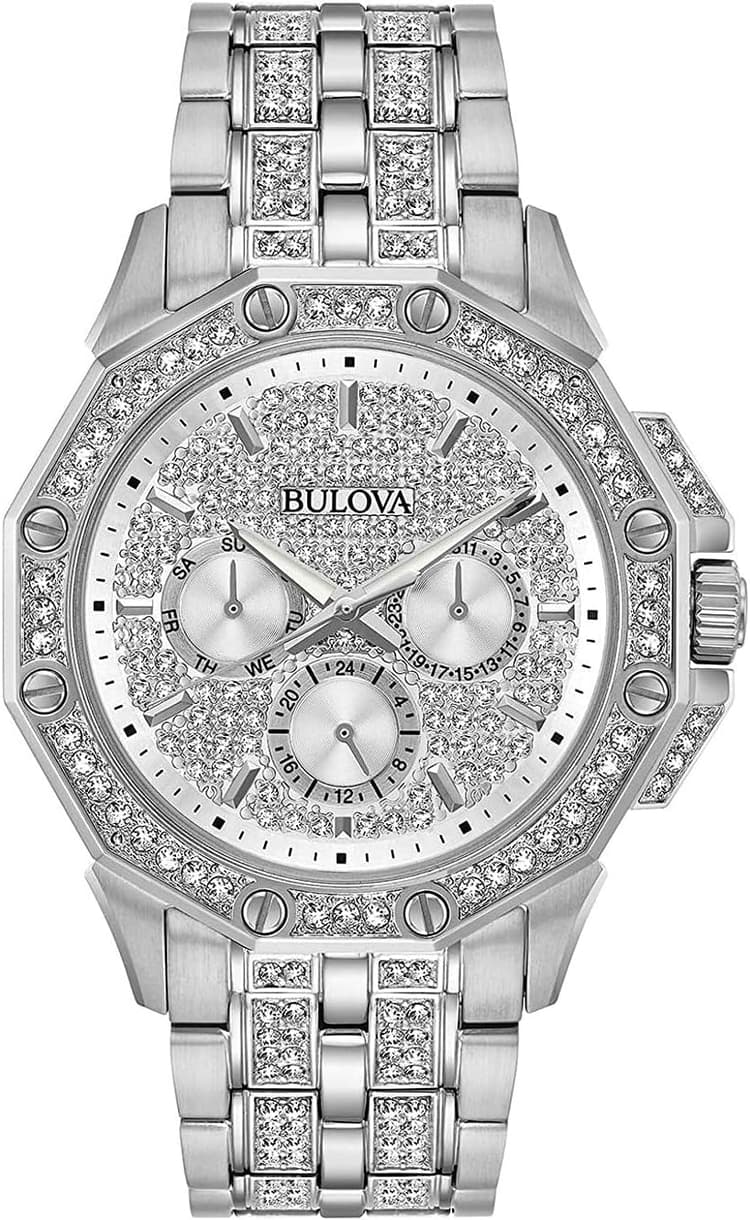
Bulova Men's Crystal Octava Chronograph Quartz Watch, Pave Crystal Dial

Bulova

Bulova Men's Crystal Octava Chronograph Quartz Watch, Pave Crystal Dial
★★★★☆4.6

$325.79

$595.00

-45 %

*
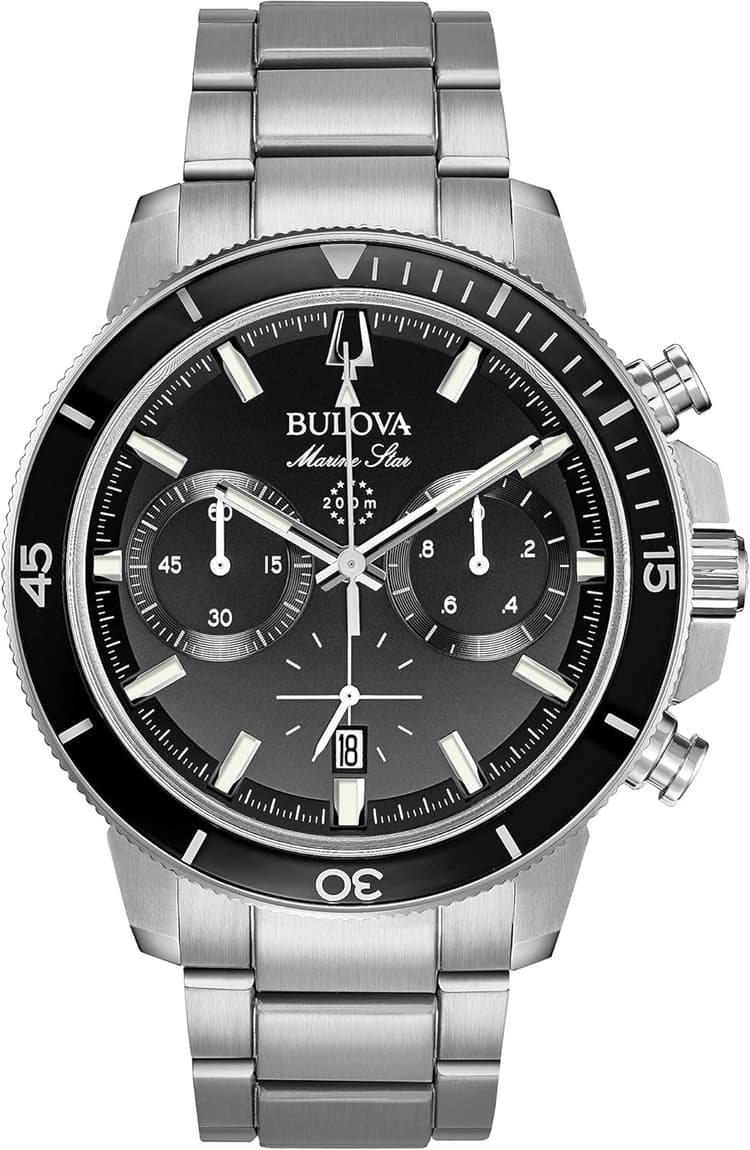
Bulova Men's Marine Star Series B Stainless Steel 6-Hand Chronograph Quartz Watch, 100M

Bulova

Bulova Men's Marine Star Series B Stainless Steel 6-Hand Chronograph Quartz Watch, 100M
★★★★☆4.7

$294.29

$525.00

-44 %

*
Citizen Quartz Mens Watch, Stainless Steel, Classic

Citizen Watch Company

Citizen Quartz Mens Watch, Stainless Steel, Classic
★★★★☆4.6

$111.00

$190.00

-42 %

*
Citizen Men's Eco-Drive Sport Luxury World Chronograph Atomic Time Keeping Watch

Citizen Watch Company

Citizen Men's Eco-Drive Sport Luxury World Chronograph Atomic Time Keeping Watch
★★★★☆4.4

$416.97

$695.00

-40 %

*
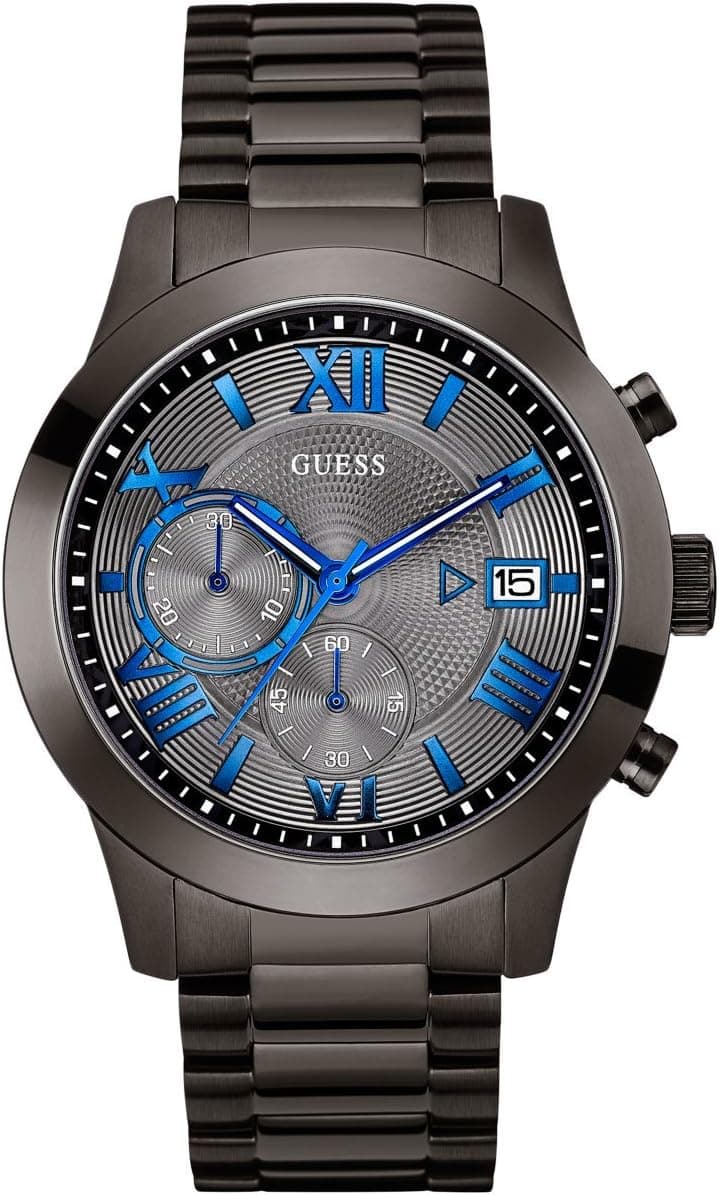
GUESS Men's Trend Tonneau 43mm Watch

GUESS

GUESS Men's Trend Tonneau 43mm Watch
★★★★☆4.6

$87.82

$140.00

-37 %

*
Citizen Men's Automatic Tsuyosa Sport Luxury Watch

Citizen

Citizen Men's Automatic Tsuyosa Sport Luxury Watch
★★★★☆4.7

$363.37

$475.00

-24 %

*
Bulova Men's Icon High Precision Quartz Chronograph Watch, Curved Mineral Crystal

Bulova

Bulova Men's Icon High Precision Quartz Chronograph Watch, Curved Mineral Crystal
★★★★☆4.6

$871.25

-15 %

*
Bulova Men's Marine Star Series C Stainless Steel 6-Hand Chronograph Quartz Watch, Black Dial Style: 96B272

Bulova

Bulova Men's Marine Star Series C Stainless Steel 6-Hand Chronograph Quartz Watch, Black Dial Style: 96B272
★★★★☆4.7

$329.95

*

Step 1 — Assess your needs: a precise checklist to convert wants into metrics

Start by converting subjective preferences into objective, testable criteria. Use the following structured checklist during research and at the point of trial to ensure your eventual choice matches everyday use and long‑term expectations.

Checklist (convert answers into data):

  • When and where will you wear it? (Office, travel, sport, formal events)
  • Physical constraints: wrist circumference, metal allergies, mobility with shirts/cuffs.
  • Priorities: accuracy, low maintenance, mechanical character, or collectible rarity?
  • Minimum technical thresholds: water resistance (30 m/50 m/100 m+), crystal type (sapphire recommended), expected service interval (4–8 years for mechanicals).

How to record answers:

  • Wrist measurement: record circumference (cm) and preferred case diameter range.
  • Movement preference: "Quartz — low maintenance" or "Automatic/manual — mechanical character".
  • Budget tiers: set three bands (entry, target, stretch) and note expected trade‑offs in materials and movement.

Practical in‑store script (use during an appointment):

  1. "What is the case diameter, lug‑to‑lug and thickness in mm?"
  2. "Which crystal and seals are used, and when was the last pressure test performed?"
  3. "Is the movement in‑house or sourced, and what is the recommended service interval?"

If you prefer examples and curated choices by movement type, consult our editorial collections such as Top picks for automatic watches to see real-world combinations of size, movement and price. Keeping quantified answers makes side‑by‑side comparison simple: instead of 'I like this', record '38 mm, 11.5 mm thick, sapphire, 100 m' and weigh that against your checklist.

Finally, separate emotional drivers (heritage, design) from functional drivers (comfort, legibility, maintenance). Both matter — but when they conflict, default to the criteria that affect daily wearability and long‑term satisfaction.

Understand pricing tiers (2026): what drives cost, and where to allocate budget

Luxury watch pricing in 2026 remains a composite of several measurable components. Breaking price into clear parts helps you decide where to spend and where to accept compromises.

Primary cost drivers:

  • Movement: in‑house, high complication, or chronometer certification typically account for the largest portion of the premium.
  • Materials and finishing: gold, platinum, elaborate dial work (enamel, guilloché), and applied indices increase both production time and intrinsic value.
  • Manufacturing complexity: cases in titanium or ceramic and high‑end machining techniques influence cost beyond raw material price.
  • Brand premium and scarcity: heritage houses and limited editions add an intangible premium that can drive resale value but also mean paying for name and story.

A short decision matrix to allocate budget:

GoalWhere to spend moreWhere to save
Daily wearerReliable movement, sapphire crystal, sealsPrecious metal or rare dial finishing
Frequent travelerGMT function, robust case, anti‑magnetic featuresLuxury bracelet finishes
Collector/investorIn‑house movement, limited edition provenanceEveryday durability features

Hidden and recurring costs:

  • Servicing: mechanical watches commonly require a full service every 4–8 years; factor this into 5–10 year total cost of ownership.
  • Insurance and security: precious metal watches or rare pieces may justify insurance premiums.
  • Depreciation vs value retention: some brands and limited editions hold value better; others depreciate faster.

For broader context on how price relates to category positioning, consult our overview of Luxury watches or regional selections in the Guides hub. When evaluating two similarly specced watches, itemize components (movement type, crystal, material, service interval) and assign a subjective weight to each based on your checklist from Step 1 — this converts price into a defensible choice rather than an emotional impulse.

Choosing the right size and optimizing comfort — proven measurements and fit checks

Size is a multi‑dimensional problem: diameter is visible, but lug‑to‑lug, thickness and strap geometry determine real comfort. Follow this methodical approach to avoid common fit mistakes and to make a consistent comparison between models.

Step‑by‑step fit method:

  1. Measure precisely: use a soft tape or paper strip to get wrist circumference (cm). Record preferred diameters from previous watches you wore comfortably.
  2. Evaluate three dimensions: diameter, lug‑to‑lug and thickness. A watch with a modest diameter but long lug‑to‑lug can overhang small wrists.
  3. Simulate wear: put the watch on with the strap you expect to use most (metal bracelet, leather, fabric). Note balance and tendency to rotate on the wrist.

Practical sizing guide (empirical ranges):

  • Wrist < 16.5 cm: typically 34–38 mm recommended, watch paring toward lower thickness.
  • Wrist 16.5–19 cm: 38–42 mm common; choose based on case curvature and lug profile.
  • Wrist > 19 cm: 42 mm+ often fits proportionally, but curvature still matters.

Quick reference checklist to test in store:

  • Does the case sit flat against the wrist without the lugs overhanging?
  • Can the watch clear your shirt cuff when buttoned? (important for dress watches)
  • Is the clasp or buckle adjustable for micro‑fits?

If you need inspiration for styles and proportions, explore curated categories like Men's watches to see how brands size models for different uses. Remember: guidelines help, but the final decision should be based on physical feel and intended use — a diver for active wear may intentionally be thicker than a dress watch for robustness and seals.

Materials, durability and longevity — choosing components for everyday use and heirloom intent

Materials determine weight, scratch resistance, corrosion behavior and long‑term appearance. Make material choices guided by intended use: daily robustness, travel lightness, or heirloom value.

Core materials and practical tradeoffs:

  • Stainless steel (316L/904L): scratch‑resistant polishing, corrosion tolerant and economical for daily wear.
  • Titanium: lighter and hypoallergenic; surfaces show a different scratch patina and often require bead‑blasting finishes.
  • Gold & platinum: intrinsically valuable and heirloom‑oriented but softer (more prone to scratches) and heavier.
  • Ceramic: near‑impossible to scratch but brittle under impact and costly to machine; excellent for bezel or full case use when scratch resistance is a priority.
  • Sapphire crystal: near‑standard in luxury watches — far superior scratch resistance versus mineral glass; anti‑reflective coatings improve legibility but can be prone to edge chips if poorly seated.

Surface treatments and maintenance:

  • PVD/DLC coatings add abrasion resistance and color options but can show wear on edges; consider them more aesthetic than indestructible.
  • Leather straps require moisture avoidance and rotation; metal bracelets and rubber straps are superior for wet climates or active use.

Decision table (everyday vs heirloom):

Use caseRecommended materialsNotes
Daily active useSteel or titanium + sapphirePrioritize robust seals and serviceable bracelets
Travel frequentTitanium + anti‑magnetic movementReduced wrist fatigue, better resistance to wear
Heirloom / jewelryGold/Platinum + high finishingExpect higher maintenance, consider insurance

For comparative context on robust models and dive/field use, see our Dive Watches collection. No material is indestructible — scheduled maintenance, pressure checks and sensible handling extend lifespan significantly.

Compare essential features — what to prioritize based on real use (chronograph, GMT, water resistance, accuracy)

When you compare watches, translate features into real, habitual benefits. Below is a pragmatic breakdown of common functions and guidance on when they truly matter.

Feature-by-feature practical guide:

  • Automatic vs quartz: choose quartz if you want superior accuracy and low maintenance; choose automatic/manual for mechanical feel, resale potential and finishing. Note service intervals for mechanicals (4–8 years) and battery life for quartz.
  • Chronograph: valuable if you regularly time events; otherwise it adds thickness, cost and complexity for marginal daily benefit.
  • GMT / dual time: essential for frequent travelers who need a quick secondary time reference; less useful for homebound wearers.
  • Date / big date / day‑date: extremely practical for daily wear; check legibility and quickset mechanisms.
  • Water resistance & dive standards: 30 m = splash resistant, 50–100 m suitable for swimming depending on seals, and ISO 6425 is the benchmark for true dive watches.
  • Anti‑magnetism & accuracy: if you work in high‑magnetic environments or demand tight accuracy, prefer movements with anti‑magnetic design or chronometer certification.

Decision rules (practical):

  • If daily wear is your priority: prioritize sapphire crystal, reliable seals, readable dial and comfortable bracelet.
  • If travel is frequent: prioritize GMT functionality, durable case and anti‑magnetic properties.
  • If collecting/investing: give more weight to in‑house movements, provenance and limited editions.

A short comparative table:

FeaturePractical benefitTrade‑off
ChronographTiming eventsAdds thickness, price
GMTQuick second timezoneIncreased movement complexity
High WRSwimming/divingOften thicker, heavier

For deeper technical overviews of complications such as GMT or calendar functions, consult our GMT watches overview to understand real‑world usability and how brands implement these features. Always weigh the convenience of a function against its cost in thickness, maintenance and price.

Daily performance, common beginner mistakes and accessible expert tips (2026)

Daily performance depends on four pillars: accuracy, comfort, legibility and reliability. Before you buy, measure each pillar practically and avoid recurring beginner mistakes.

How to measure daily performance:

  • Accuracy: compare manufacturer-quoted seconds/day against independent measurements where possible (timegrapher data or user logs). For quartz expect ±15 s/year or better; for mechanicals, check stated deviation and real tests when available.
  • Comfort: note weight distribution and how the watch behaves after 4–8 hours of wear (does it rotate, pinch, or feel heavy?).
  • Legibility: test at multiple angles and in low light — lume quality and contrast matter far more than decorative hands.
  • Reliability: ask about seals, pressure test history and previous service records if buying second‑hand.

Common beginner mistakes and how to avoid them:

  • Buying for looks only: always test the fit and record actual dimensions.
  • Misreading water resistance: 30 m is not swim‑proof; always verify seals and recent pressure tests.
  • Neglecting maintenance costs: plan for routine servicing and potential part replacement on vintage or high‑complication pieces.
  • Ignoring weight and balance: consider titanium or lighter bracelets for day‑long comfort.

Actionable expert tips:

  • Prioritize sapphire and quality seals for daily watches; they reduce repair needs.
  • Check the power reserve behaviour on an automatic by wearing it for several days or monitoring reserve specs and performance.
  • For online purchases request close‑up photos of case edges, lugs and crystal; insist on measurable dimensions and a clear return policy.
  • Favor models with interchangeable straps or quick‑release bars to increase versatility.

If you want to compare durable everyday models, our editorial selections such as the Top picks for automatic watches show combinations of reliability, comfort and value. Adopt an experimental mindset: try several watches, note what you liked and disliked, and iterate before committing to a larger investment.

Discover our top deals references

* price updated at March 30, 2026
See more
Bulova Men's Marine Star Series B Stainless Steel 6-Hand Chronograph Quartz Watch, 100M

Bulova

Bulova Men's Marine Star Series B Stainless Steel 6-Hand Chronograph Quartz Watch, 100M
★★★★☆4.7

$294.29

$525.00

-44 %

*
Bulova Men's Classic 3-Hand Quartz Black Leather Strap Watch, Roman Numeral Markers, 41mm

Bulova

Bulova Men's Classic 3-Hand Quartz Black Leather Strap Watch, Roman Numeral Markers, 41mm
★★★★☆4.7

$152.03

$325.00

-53 %

*
Citizen Quartz Mens Watch, Stainless Steel, Classic

Citizen Watch Company

Citizen Quartz Mens Watch, Stainless Steel, Classic
★★★★☆4.6

$111.00

$190.00

-42 %

*
GUESS Men's Trend Tonneau 43mm Watch

GUESS

GUESS Men's Trend Tonneau 43mm Watch
★★★★☆4.6

$87.82

$140.00

-37 %

*
Bulova Men's Icon High Precision Quartz Chronograph Watch, Curved Mineral Crystal

Bulova

Bulova Men's Icon High Precision Quartz Chronograph Watch, Curved Mineral Crystal
★★★★☆4.6

$871.25

-15 %

*
Bulova Men's Classic Sutton 4-Hand Automatic Watch, 24-Hour Sub Dial, Open Aperture, Self-Winding, Exhibition Caseback, Double Curved Mineral Crystal, Luminous Hands, 42mm

Bulova

Bulova Men's Classic Sutton 4-Hand Automatic Watch, 24-Hour Sub Dial, Open Aperture, Self-Winding, Exhibition Caseback, Double Curved Mineral Crystal, Luminous Hands, 42mm
★★★★☆4.6

$298.99

$625.00

-52 %

*
Bulova Men's Crystal Octava Chronograph Quartz Watch, Pave Crystal Dial

Bulova

Bulova Men's Crystal Octava Chronograph Quartz Watch, Pave Crystal Dial
★★★★☆4.6

$325.79

$595.00

-45 %

*
Bulova Men's Marine Star Series C Stainless Steel 6-Hand Chronograph Quartz Watch, Black Dial Style: 96B272

Bulova

Bulova Men's Marine Star Series C Stainless Steel 6-Hand Chronograph Quartz Watch, Black Dial Style: 96B272
★★★★☆4.7

$329.95

*
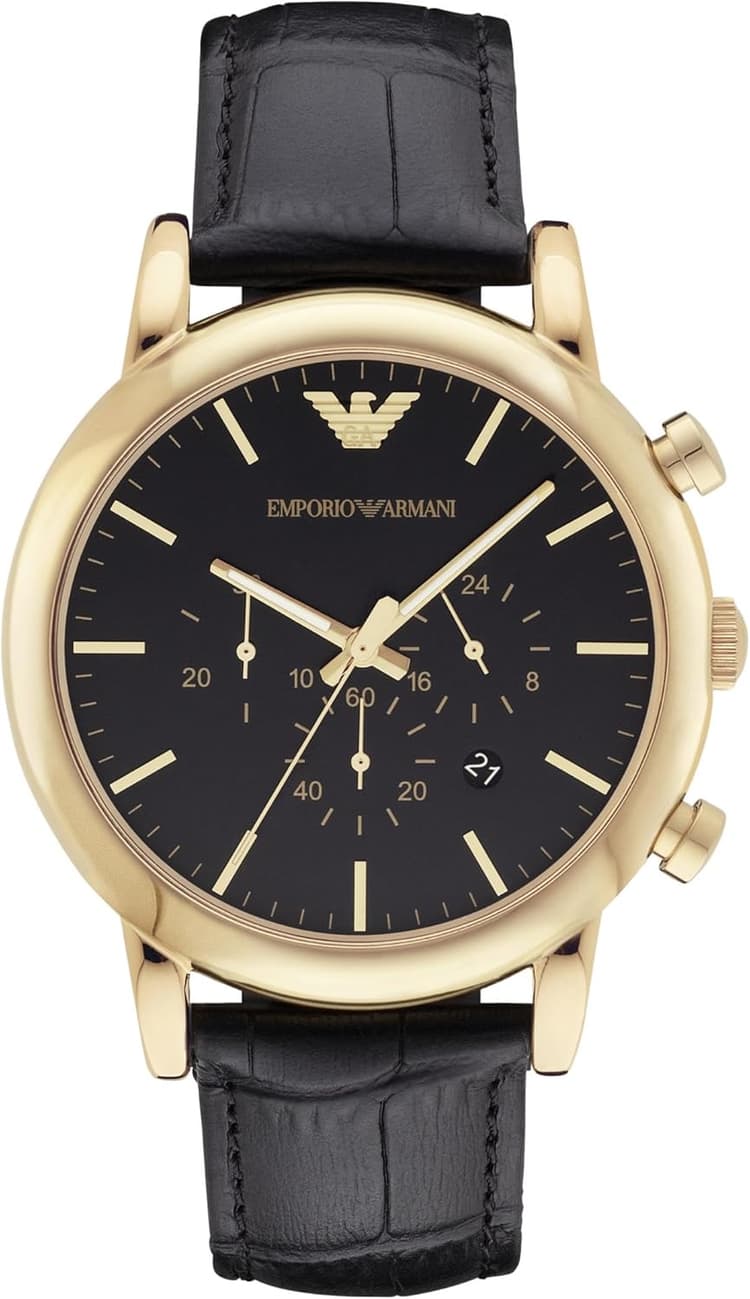
Emporio Armani Men's Three Hand, Automatic or Chronograph Watch with Stainless Steel or Leather Band

Emporio Armani

Emporio Armani Men's Three Hand, Automatic or Chronograph Watch with Stainless Steel or Leather Band
★★★★☆4.5

$177.93

*
FANMIS Mens Luxury Watches Business Chronograph Dress Waterproof Leather Strap Analog Quartz Wrist Watch

FANMIS

FANMIS Mens Luxury Watches Business Chronograph Dress Waterproof Leather Strap Analog Quartz Wrist Watch
★★★★☆4.5

$32.98

*
Bulova Men's Modern Gold Tone Stainless Steel 3-Hand Calendar Date Quartz Watch, Diamond Dial

Bulova

Bulova Men's Modern Gold Tone Stainless Steel 3-Hand Calendar Date Quartz Watch, Diamond Dial
★★★★☆4.7

$246.90

$475.00

-48 %

*
Citizen Men's Eco-Drive Sport Luxury World Chronograph Atomic Time Keeping Watch

Citizen Watch Company

Citizen Men's Eco-Drive Sport Luxury World Chronograph Atomic Time Keeping Watch
★★★★☆4.4

$416.97

$695.00

-40 %

*

Conclusion — Key takeaways and a practical roadmap for your purchase in 2026

Selecting the right luxury watch in 2026 follows a repeatable process: define precise needs, convert them into measurable criteria, compare models using those metrics and verify fit in person or via detailed remote checks. Summarized action plan:

  1. Define priorities: comfort, movement type, durability, or collectible value.
  2. Create measurable checkpoints: diameter, lug‑to‑lug, thickness, water resistance, crystal, movement origin and service interval.
  3. Compare with a decision matrix that weights the attributes according to your primary use (daily, travel, collection).

Checklist before purchase:

  • Have you recorded physical measurements and tried the watch (or validated dimensions and return policy online)?
  • Are the critical materials (sapphire, seals) aligned with daily use needs?
  • Do you understand total cost of ownership including servicing and insurance for precious metals?

Use editorial resources to cross‑check decisions: for movement‑centric choices see Automatic watches, and for trade‑offs between price and rarity consult our Luxury watches category. Keep a file of seller answers, serial numbers and service history (for pre‑owned purchases) — documentation matters for resale and servicing.

Final mindset: balance emotion and rational criteria. Watches are personal and carry symbolic value, but the most enduring satisfaction comes from a timepiece that fits comfortably, performs reliably and aligns with how you live. Be patient: try several models, compare specifications side‑by‑side, and only commit once your checklist is satisfied.

Practical FAQ

Editorial transparency

This guide was prepared to explain objective criteria and evaluation methods for luxury watches. It contains no model recommendations or commercial partnerships. Information is based on general horological principles and purchasing best practices. Examples and estimates are general and should be complemented by real-world trials. No price or inventory figures were invented for this guide.

  • Independent Watch Analysis

    Tests and articles by watch experts, based on technical criteria and side‑by‑side comparisons.

  • Impartial Watch Comparisons

    We compare models and features to inform your choice, free from commercial influence.

  • Verified, Up‑to‑Date Information

    Guides are regularly updated to reflect new releases and market developments.

  • Transparent Affiliate Links

    We may earn a commission from links to partner retailers; this does not affect our independent analyses.