

Fossil
Fossil Women's Watch, Raquel Quartz Stainless Steel Watch for Women
★★★★☆4.7
$136.50
$250.00
-45 %
*
Deals editor focused on watch bargains, market analysis, and approachable buying advice.

Purpose & scope (updated March 2026)
This guide helps you pick a moonphase watch with clear, practical steps tuned to the market and manufacturing changes of early 2026. Moonphase watches remain attractive for their blend of visual poetry and mechanical interest, but product choices have widened: from refined in-house mechanical calibres to reliable quartz and hybrid solutions. The objective here is to give you a repeatable evaluation method — not brand recommendations — so you can judge any model against your priorities.
What’s new in 2026:
How to use this guide (quick checklist):
Practical tools included below:
If you want curated model selections after you’ve defined priorities, consult our Moonphase Watches - selection and practical guidance hub or browse our broader Guides - Learn, Compare, Decide section to compare buying flows across complications. Use this guide as your operational checklist: it’s designed to be actionable when you shop in-store or test upon delivery, with explicit steps for verifying moon-disc alignment, transition behaviour and crystal AR performance.
Keep notes during each trial — they are the simplest way to choose objectively rather than emotionally.
Fossil
$136.50
$250.00
-45 %
*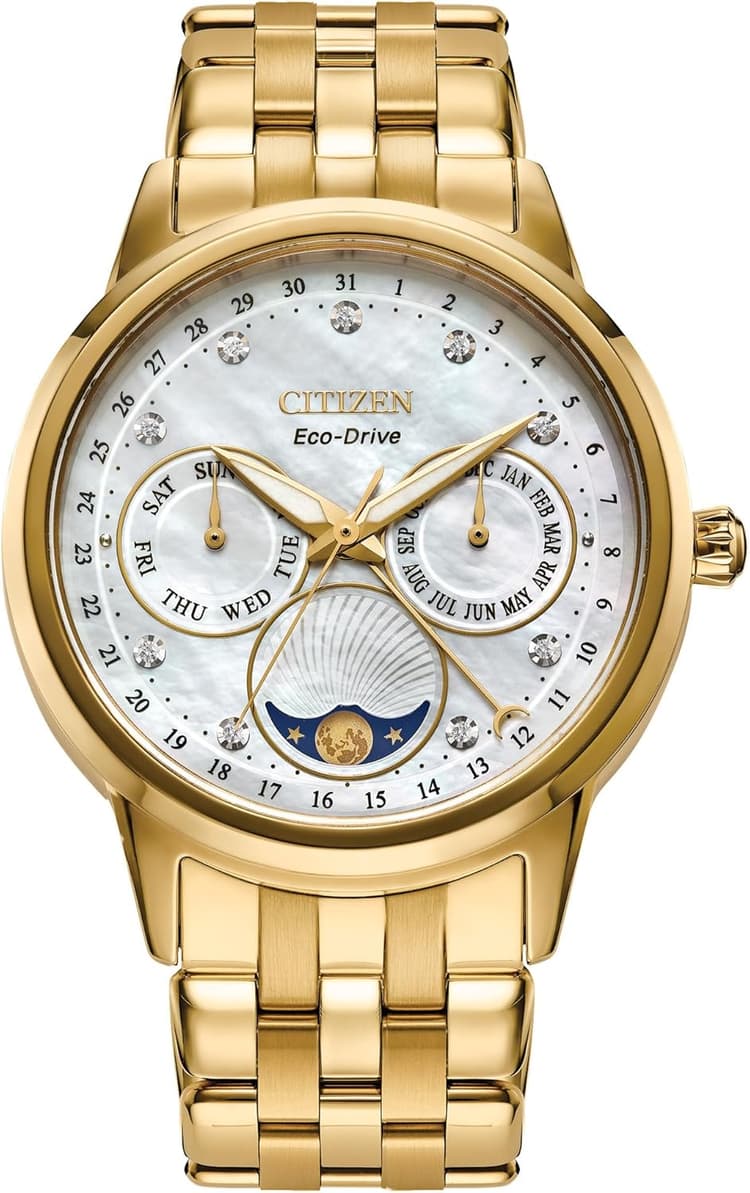
CITIZEN
$367.50
$525.00
-30 %
*
Casio
$34.49
$45.95
-25 %
*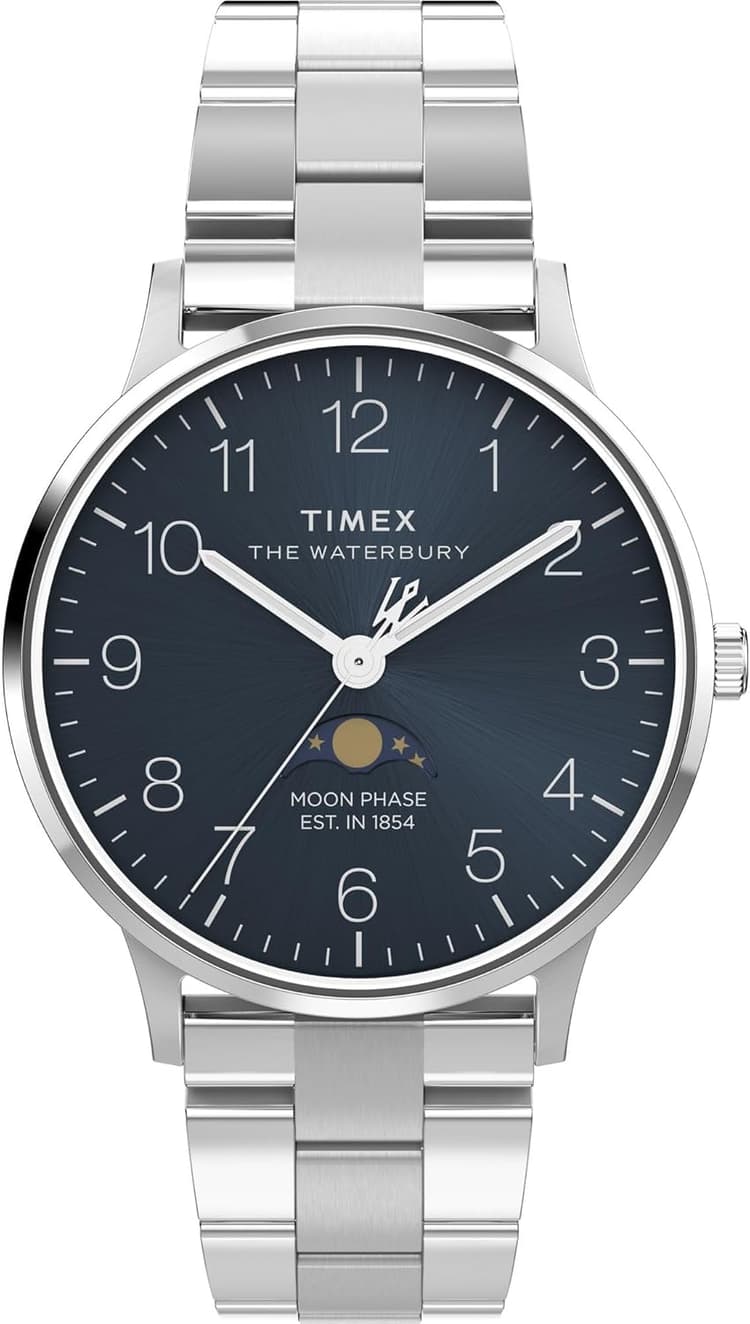
Timex
$163.18
$179.00
-9 %
*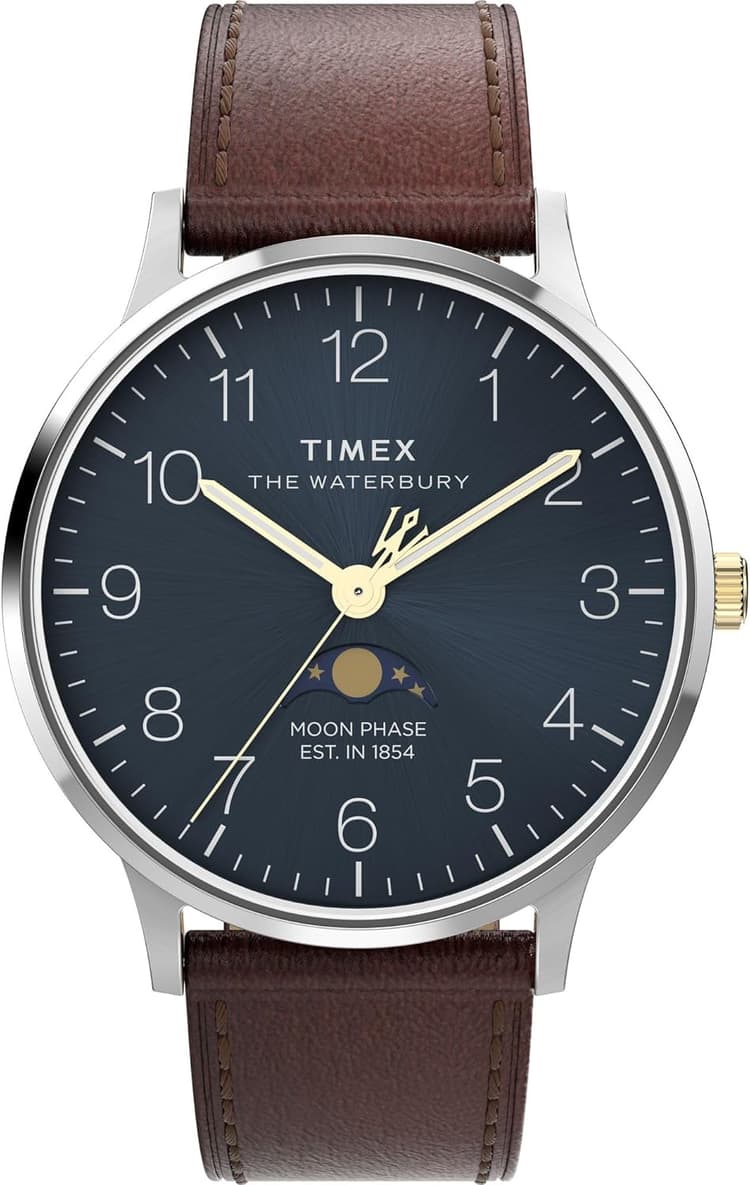
Timex
$156.00
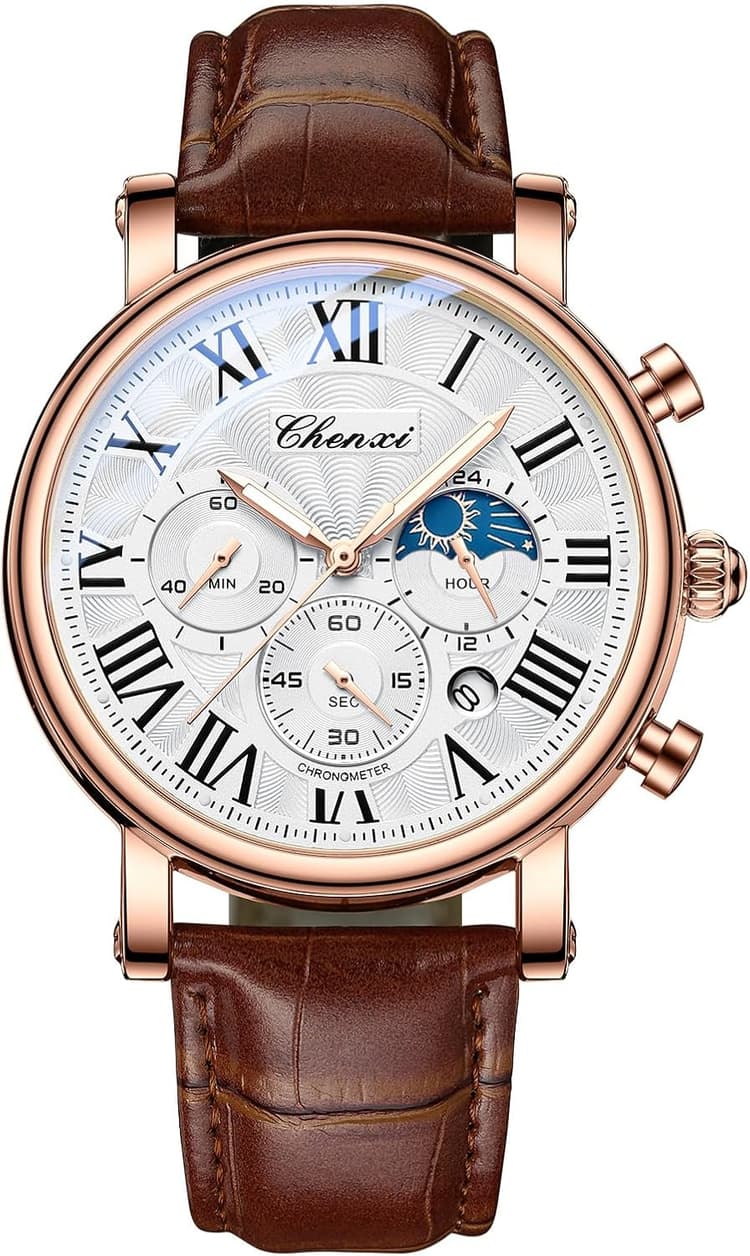
FANMIS
$27.99
![[オリエント] 腕時計 Bambino バンビーノ Sun&Moon サンアンドムーン 自動巻き腕時計 機械式 オートマティック](/_next/image?url=https%3A%2F%2Fm.media-amazon.com%2Fimages%2FI%2F7107AUCZeBL._AC_SL1500_.jpg&w=750&q=75)
$392.12
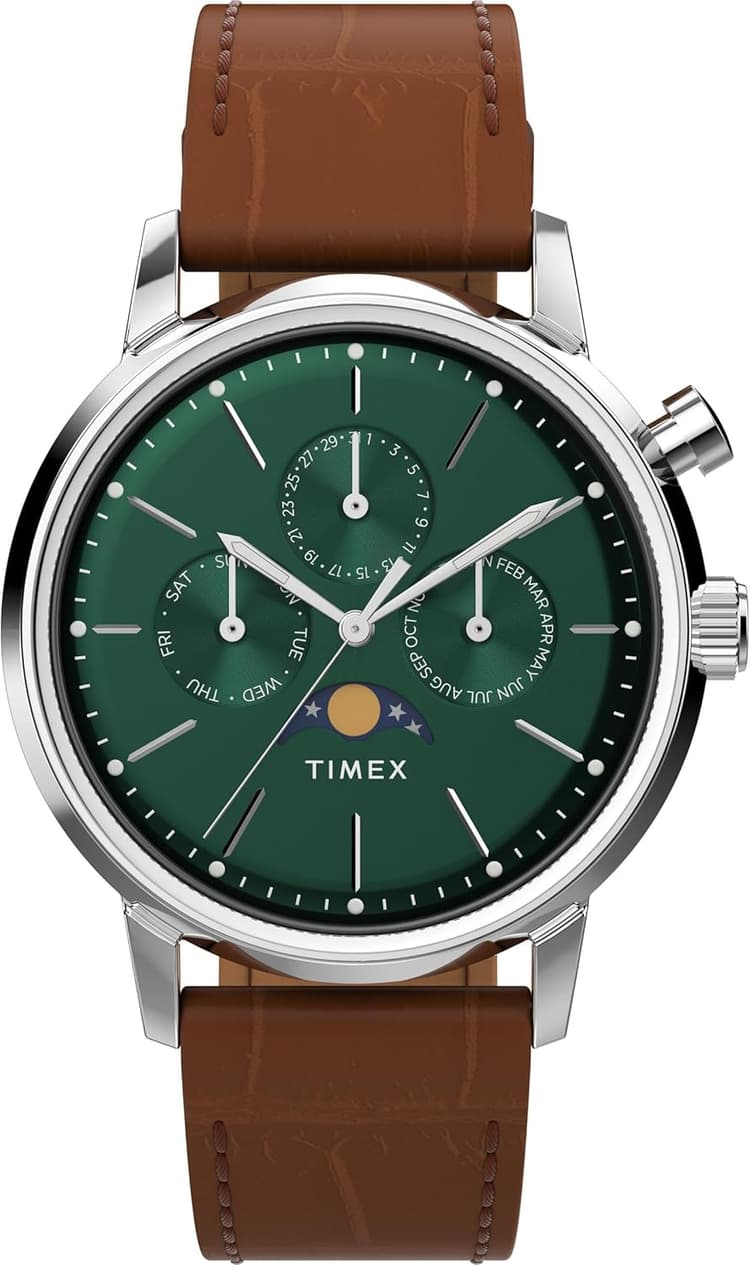
Timex
$199.00
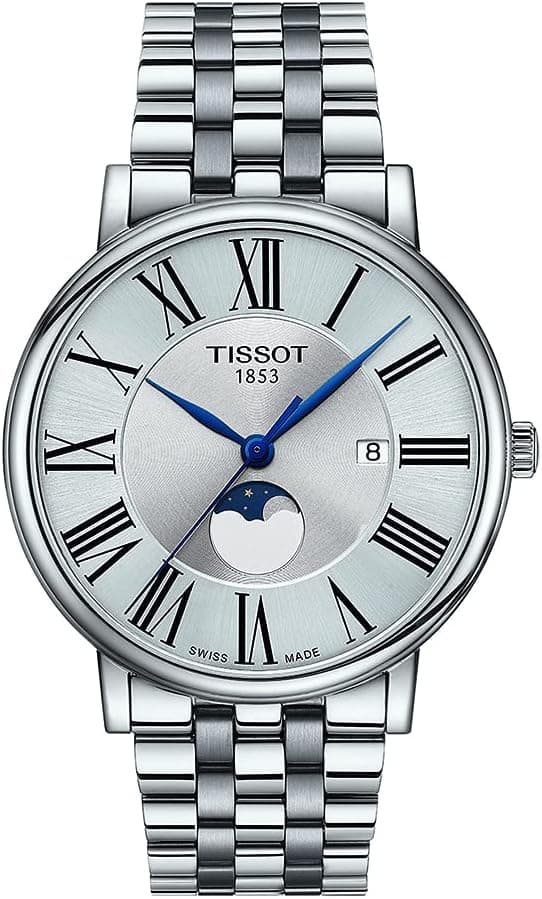
Tissot
$495.00
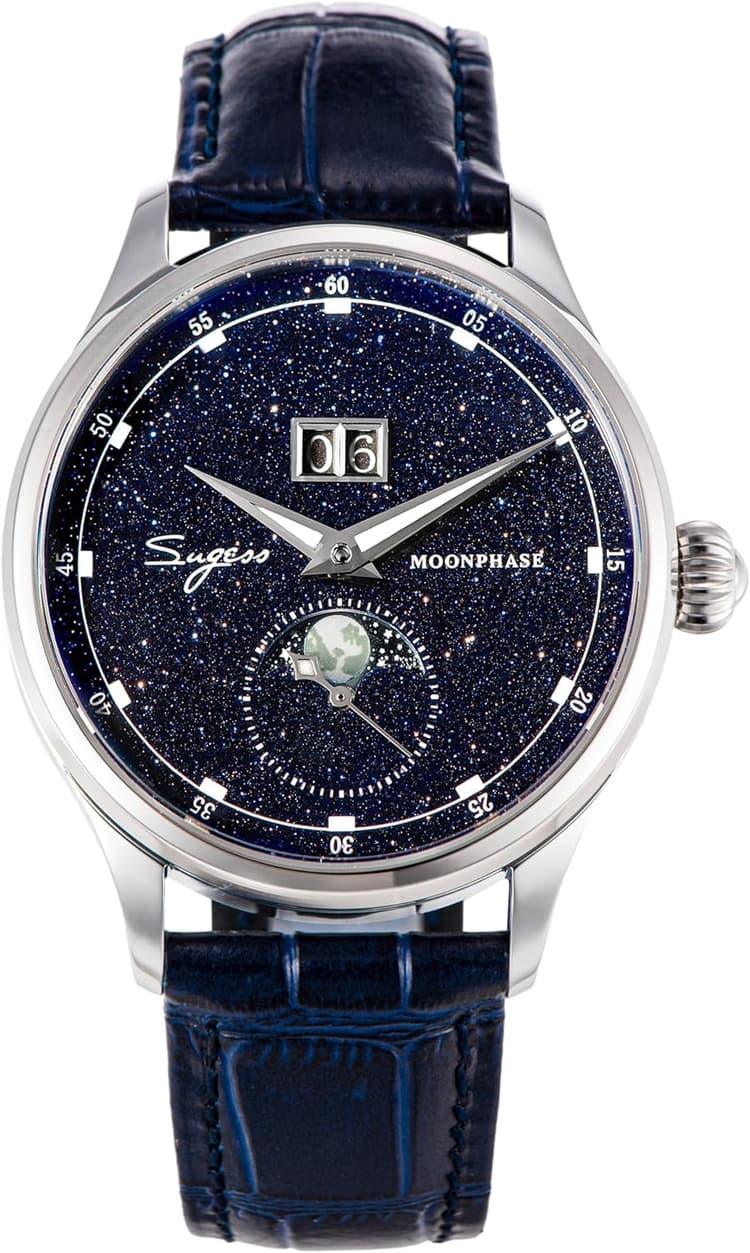
Sugess
$189.99
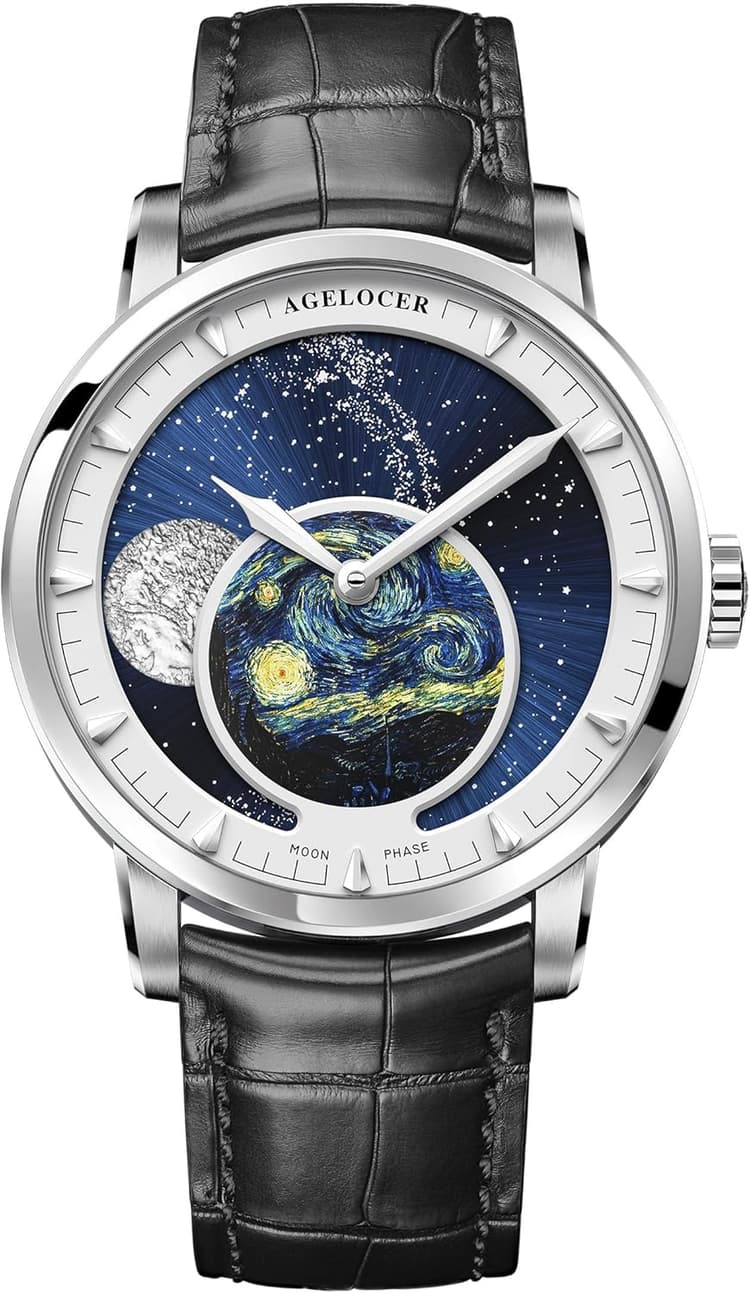
AGELOCER
$299.99

BERNY
$59.99
Start with straightforward questions that will shape your selection:
Practical steps:
Concrete examples:
Summary: clearly defined needs act as an effective filter and prevent decisions driven only by looks.
Overview — why prices differ (2026 context)
Price in 2026 still flows primarily from movement architecture, finishing, materials and brand distribution strategy — but a few shifts matter for buyers today:
Key cost drivers (concise table)
| Driver | Why it raises price |
|---|---|
| Movement type | In-house calibres or high-grade manufacture movements with integrated moon trains cost more than base calibres with a module. |
| Dial & finishing | Enamel, guilloché, applied markers and hand finishing add significant labour and service cost. |
| Materials & crystal | Solid precious metals, titanium grades and sapphire with multi-layer AR increase retail price. |
| Production scale | Small production runs and hand assembly push unit cost up. |
How to assess value at purchase
Practical buyer guidance
For quick comparisons and curated selections by budget class, see our Moonphase Watches - selection and practical guidance hub. Use the table above during your evaluation to translate marketing language into tangible cost drivers before committing.
Size and comfort are decisive, particularly for daily wear. Use the following structured process to evaluate fit.
Measure wrist and estimate case size:
Other comfort factors:
Try-on checklist for store or at-home evaluation:
Practical decisions:
Conclusion: measuring and trying are essential. Record your wrist size and impressions during each try-on to compare models objectively.
Material choices shape longevity, weight, ageing and scratch resistance. Review these core components when assessing durability.
Cases and alloys:
Precious metals:
Crystals:
Straps and clasps:
Dial finishing and resistance:
Care tips:
Summary: match materials to your intended use (steel for durability, titanium for comfort, precious metals for presence) and confirm the robustness of components exposed to daily wear.
A moonphase watch often accompanies other functions: date, power reserve, chronograph or additional displays. Use the following plain comparisons.
Common features and practical implications:
Practical comparison points:
Concrete examples:
Conclusion: weigh features by practical usefulness and validate readability and adjustment procedures before purchase.
Assessing a watch for daily use means simulating real conditions: movement, environment and wearing patterns. Here is a straightforward testing protocol.
Quick tests to perform:
Maintenance and longevity factors:
Warning signs when testing:
Practical recommendations:
Conclusion: testing under real conditions prevents purchases based on looks alone; everyday performance reveals true compatibility with your habits.
Common mistakes newcomers make:
Accessible expert tips:
Beginner maintenance advice:
In short: avoid emotionally driven purchases, learn about setting and care, and opt for simpler choices to get comfortable with the moonphase complication.
Fossil
$136.50
$250.00
-45 %
*Casio
$34.49
$45.95
-25 %
*CITIZEN
$367.50
$525.00
-30 %
*Timex
$163.18
$179.00
-9 %
*Timex
$156.00
FANMIS
$27.99
$392.12
Timex
$199.00
Tissot
$495.00
Sugess
$189.99
AGELOCER
$299.99
BERNY
$59.99
Concise summary & immediate next steps
Choosing a moonphase watch in 2026 combines subjective taste with objective checks. This summary gives an actionable checklist you can use in-store or immediately after unboxing when buying online. Use it to avoid common mistakes and ensure long-term satisfaction.
3-minute checklist before you buy or sign:
Deeper checks (if you plan to keep long-term):
Decision matrix (one-line rule):
If you'd like curated selections or to compare moonphase watches by category and budget, visit Moonphase Watches - selection and practical guidance or consult our broader Guides hub for related buying flows. Follow this checklist step-by-step: it reduces impulse buying and ensures the moonphase watch you choose in 2026 balances beauty, comfort and durability.
This guide was produced to inform buyers about how to evaluate moonphase watches. It does not include sponsored endorsements, model rankings or fabricated data. Recommendations are general and intended to provide an independent evaluation method. Prices and availability change; always verify technical details with the manufacturer.
Tests and articles by watch experts, based on technical criteria and side‑by‑side comparisons.
We compare models and features to inform your choice, free from commercial influence.
Guides are regularly updated to reflect new releases and market developments.
We may earn a commission from links to partner retailers; this does not affect our independent analyses.