
Stuhrling Original
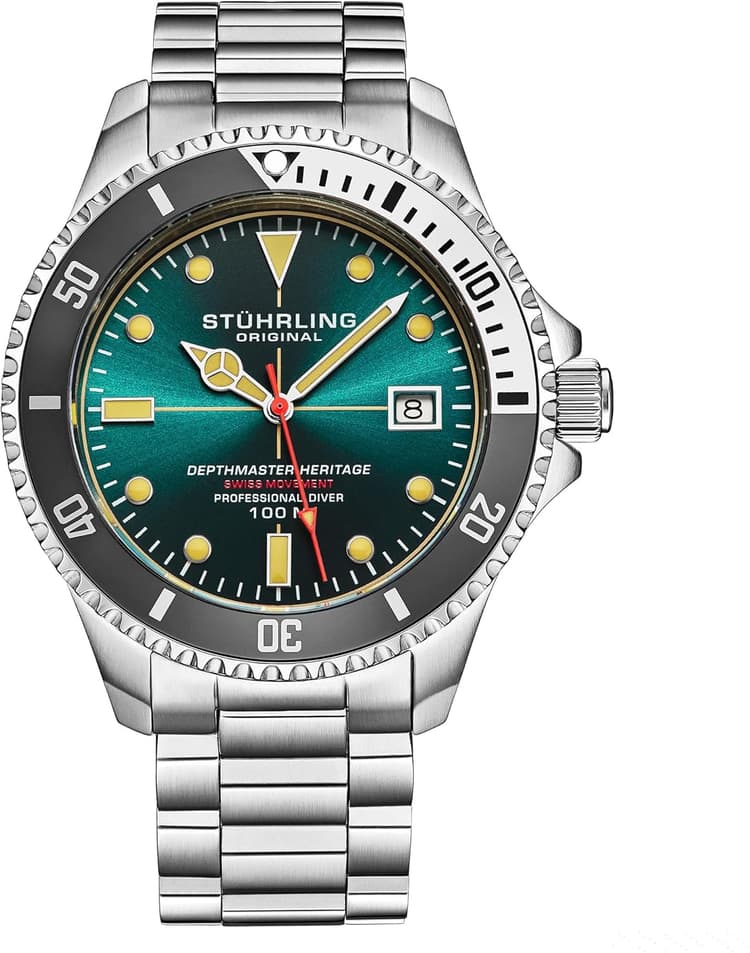
Stuhrling Depthmaster Heritage Diver Swiss Quartz Watch, 42mm, Teal Dial, Stainless Steel, 100M Water Resistant
★★★★☆4.4
$89.99
$495.00
-82 %
*
Deals editor focused on watch bargains, market analysis, and approachable buying advice.

This pedagogical guide is designed to help anyone considering a pre-owned watch make an informed choice. The secondhand market contains a wide range of pieces: durable daily wearers, dress watches for special occasions, and collectible timepieces. The guide does not endorse specific brands; instead it explains practical, verifiable criteria that affect value, longevity, and comfort.
You will find sections on identifying needs, understanding pricing tiers and their drivers, and practical aspects such as size, materials, and essential features. Each part provides simple inspection methods, questions to ask sellers, and ways to read signs of wear or past repairs. The style is instructional: clear steps, concrete examples, and mental checklists to help beginners avoid common mistakes.
Before browsing listings or testing watches in person, use this guide to set priorities (intended use, budget, aesthetic), recognize which details justify a price, and avoid surprises. The aim is to reduce risk and increase the chance that the watch you buy fits your daily life and expectations.
Stuhrling Original
$89.99
$495.00
-82 %
*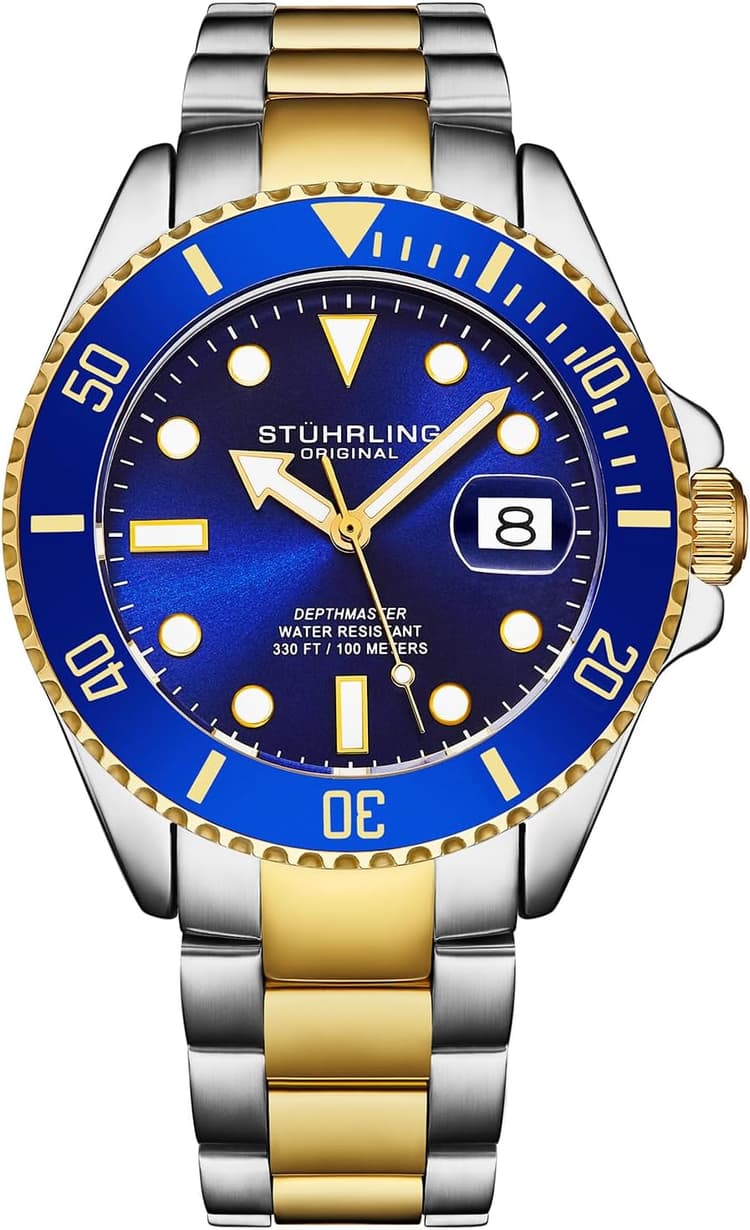
Stuhrling Original
$99.99
$495.00
-80 %
*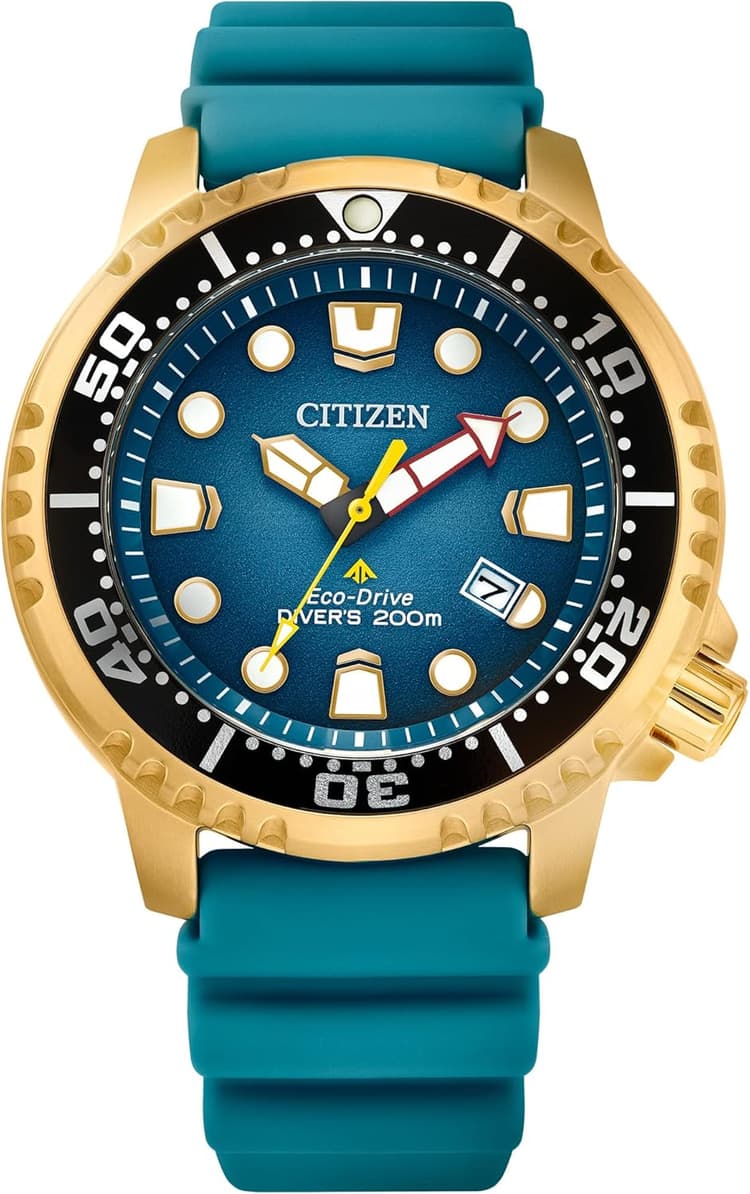
CITIZEN
$251.00
$425.00
-41 %
*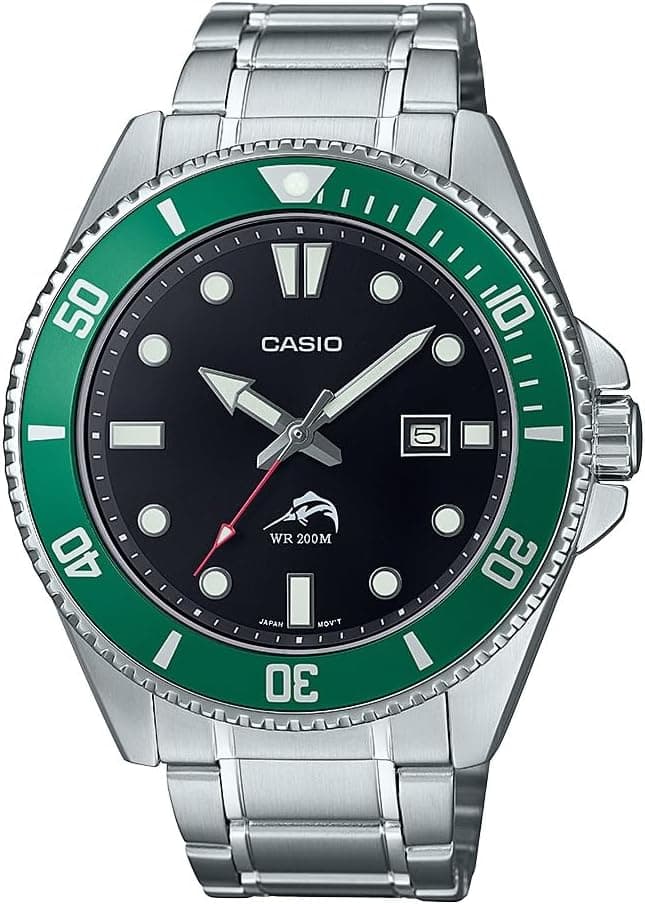
Casio
$80.45
$99.95
-20 %
*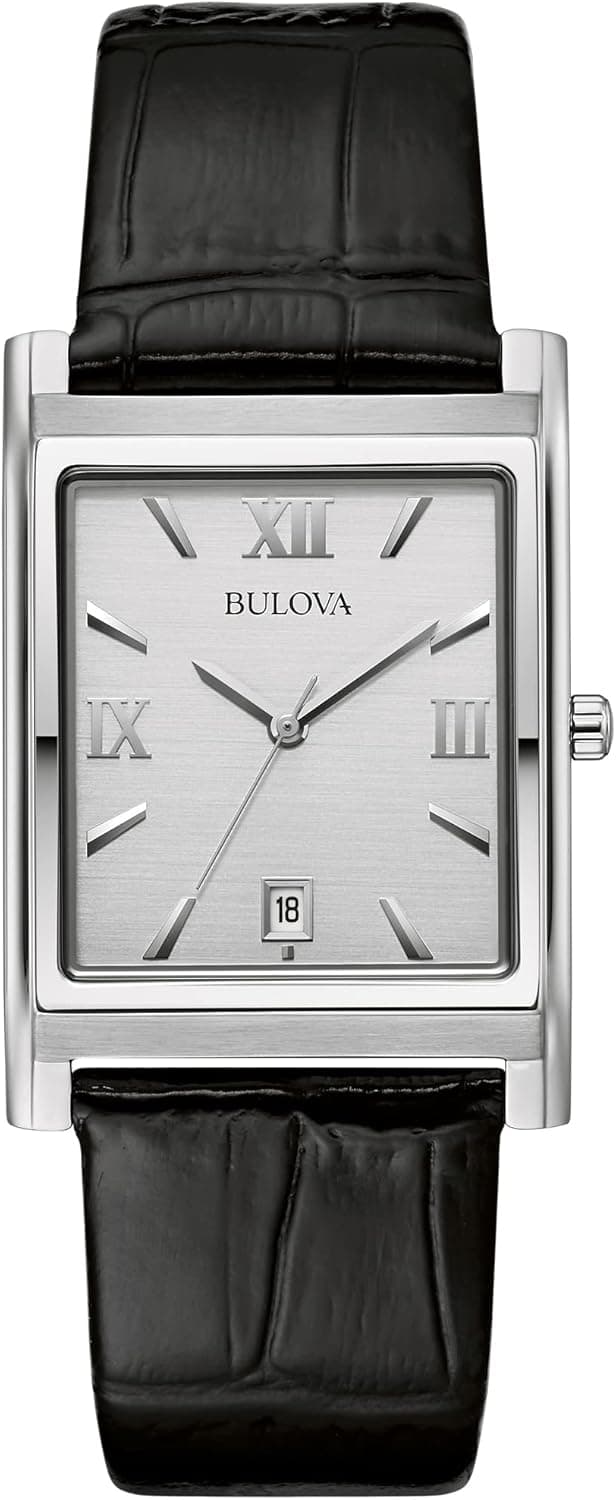
Bulova
$265.50
$295.00
-10 %
*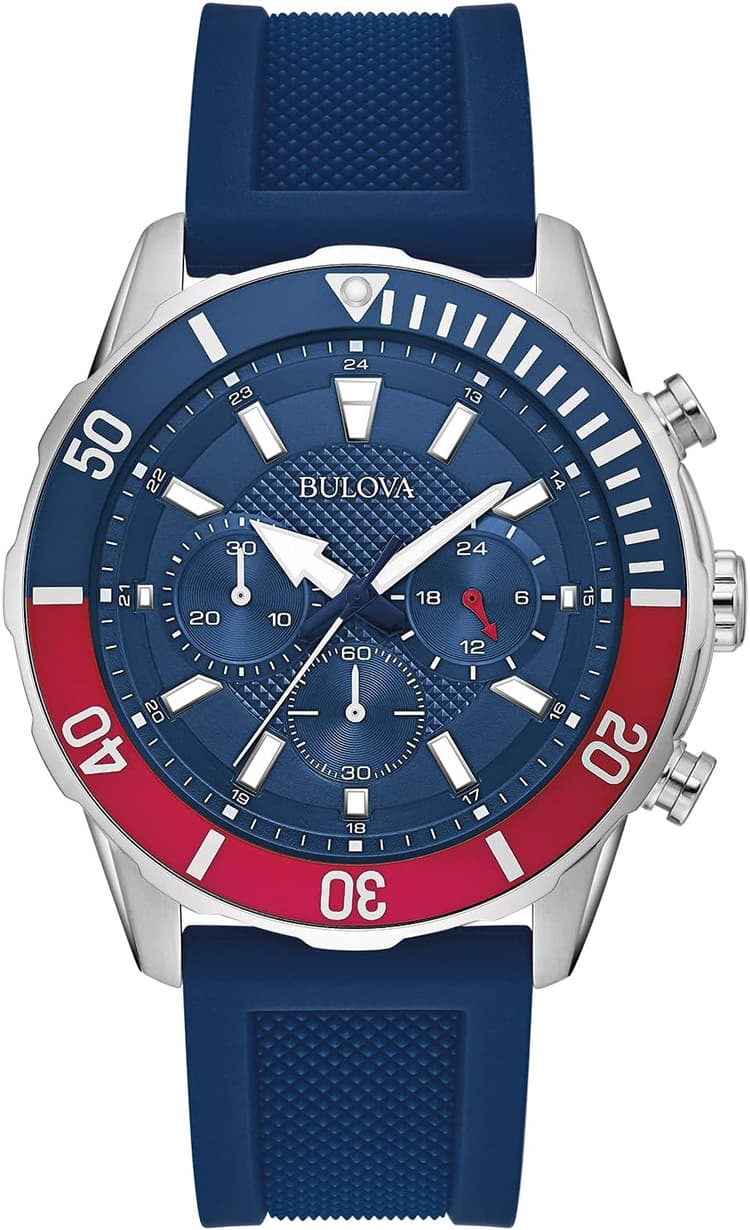
Bulova
$382.50
$425.00
-10 %
*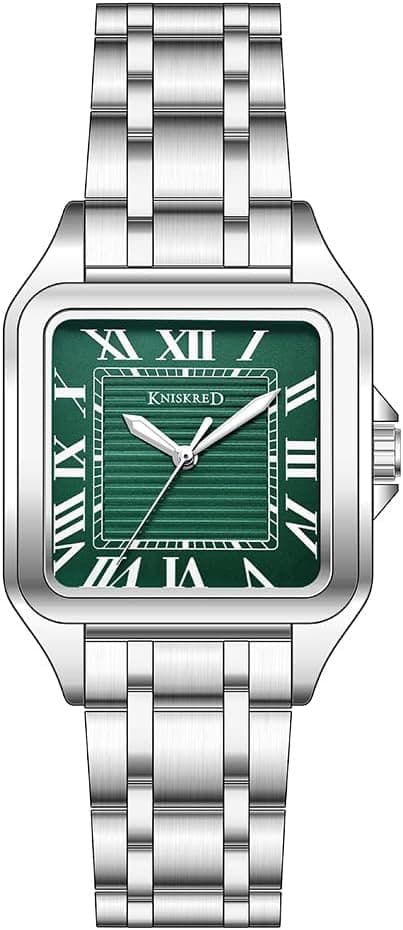
KNISKRED
$25.19
$27.99
-10 %
*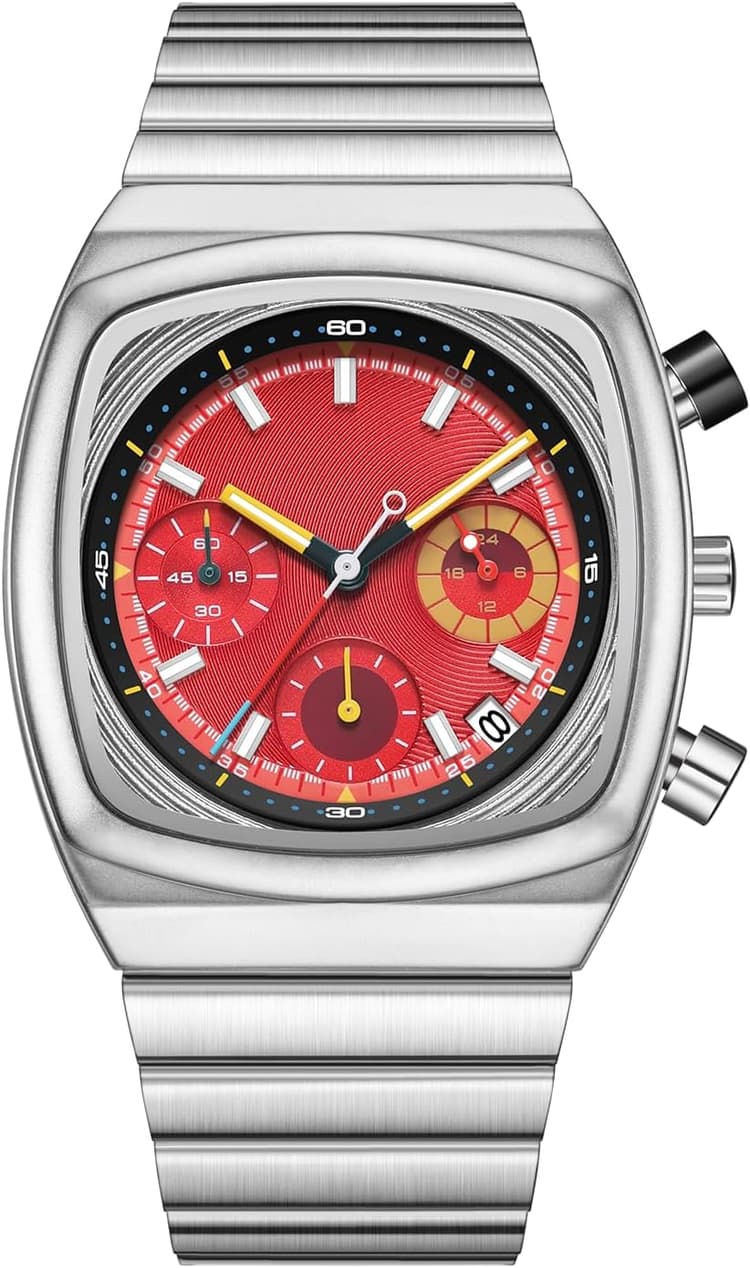
CILOA
$30.77
$34.19
-10 %
*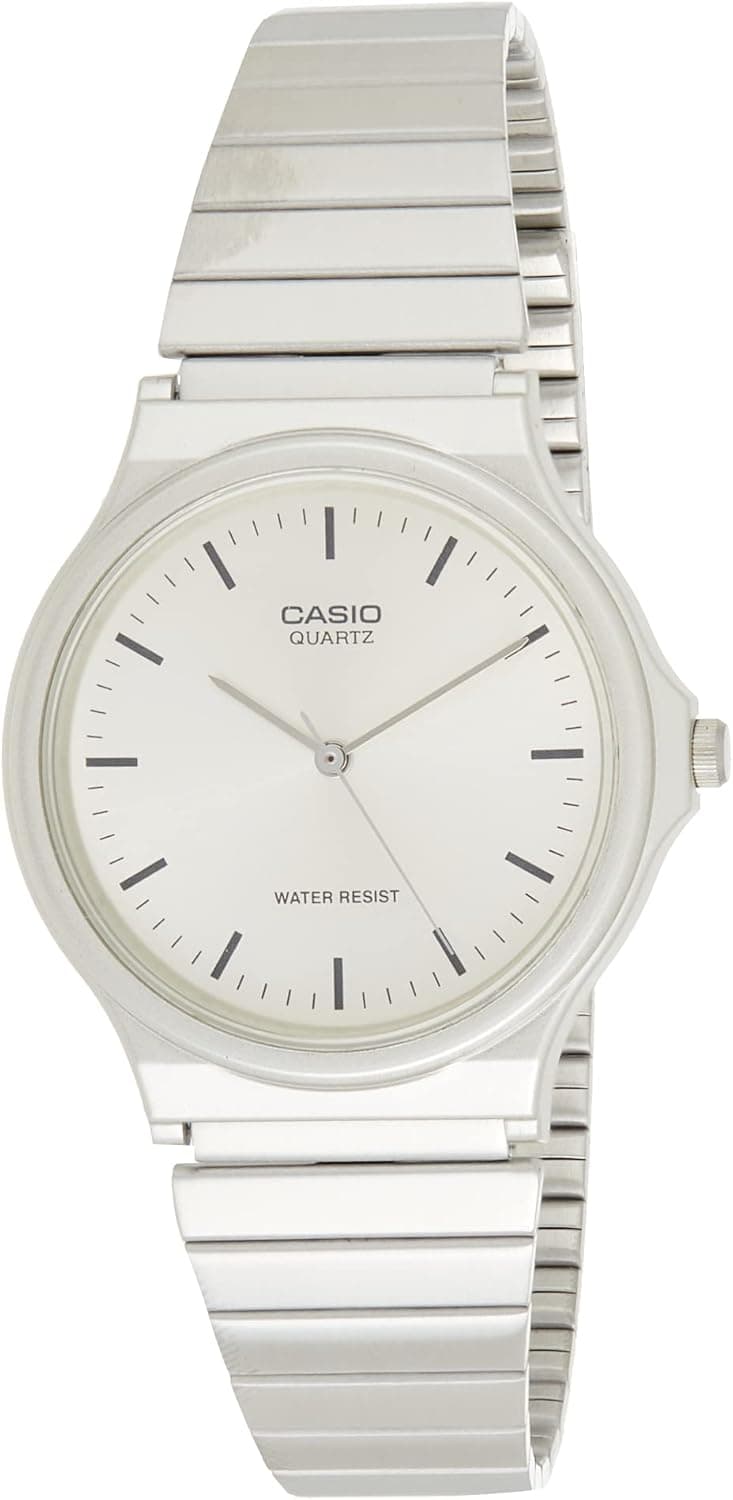
Casio
$38.95
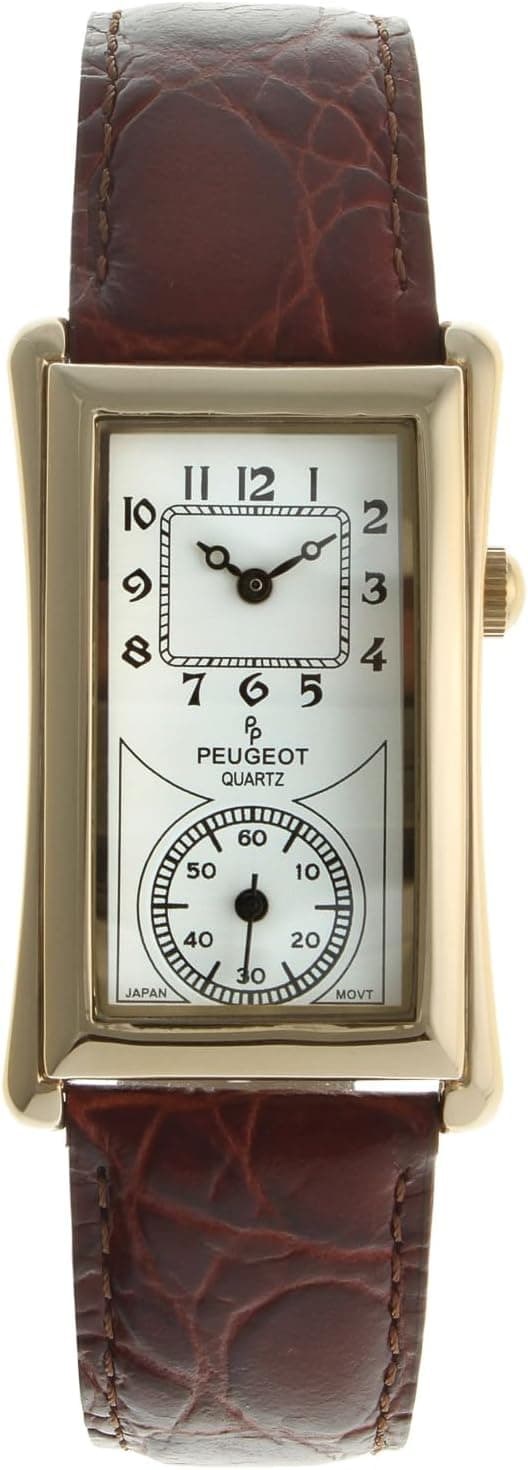
Peugeot
$70.49
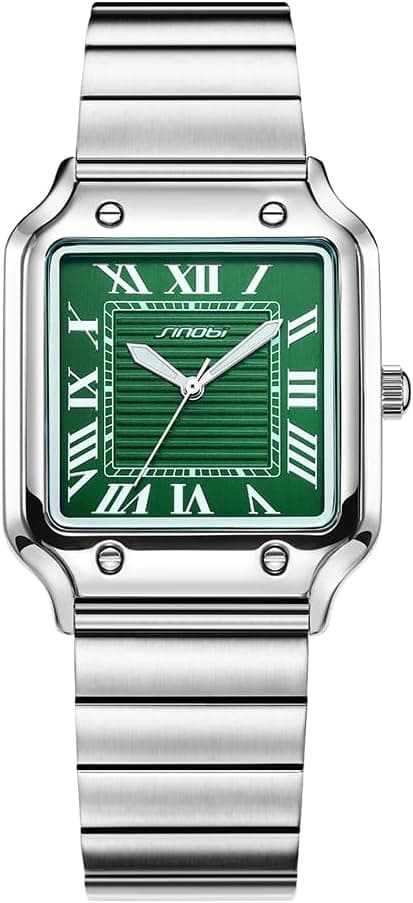
SINOBI
$25.99
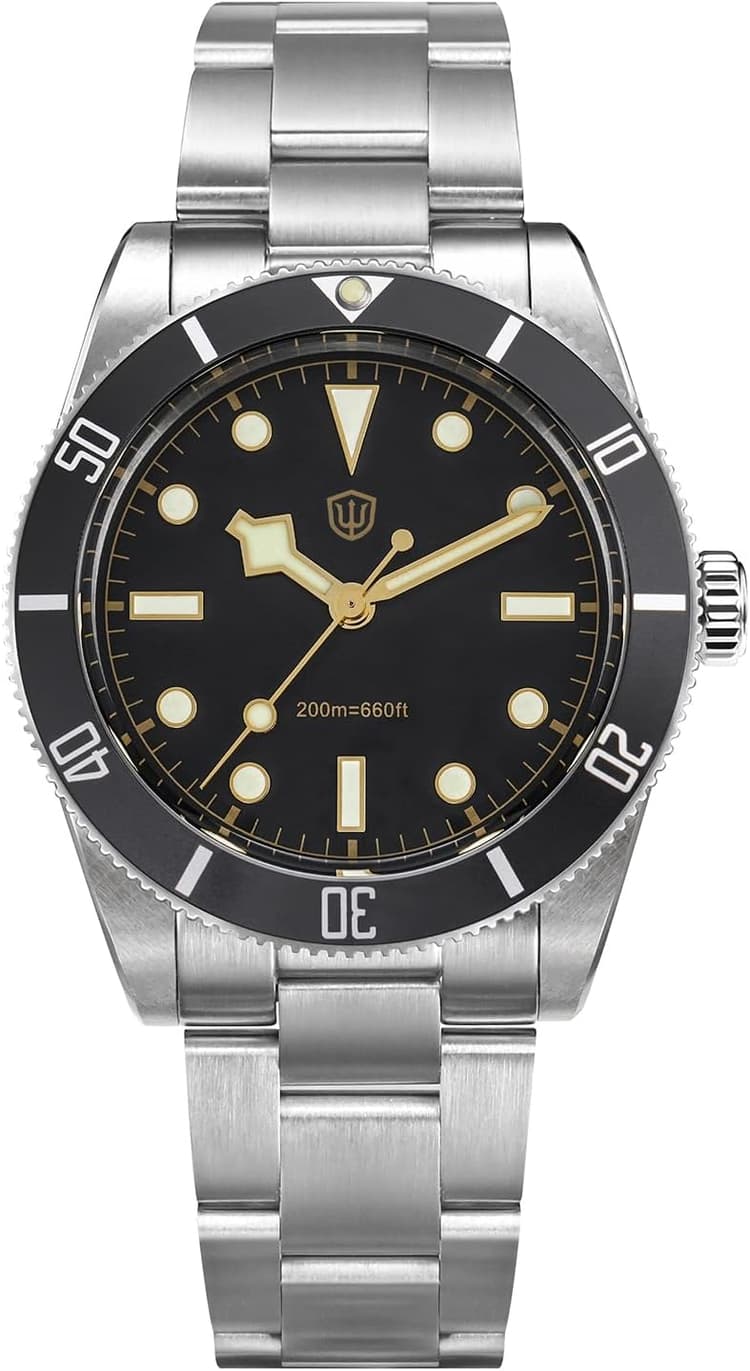
watchdives
$119.98
Start by defining the primary use for the watch. Is it for everyday wear, a sports watch for specific activities, or a dress watch for formal occasions? This determines movement preference (automatic or quartz), required water resistance, style, and sturdiness.
Concrete example: if you work in a setting where the watch might receive knocks, opt for a sturdy case, sapphire or reinforced mineral crystal, and a metal bracelet instead of delicate leather. Conversely, a dress watch benefits more from thinness, comfort, and a restrained dial.
Consider how often you will wear the watch. A daily wearer should be easy to maintain and adjust; an occasional piece might accept more complex service needs. Make a short checklist: primary use, budget range, mechanical versus quartz, and willingness to pay for servicing.
Also think long term: do you plan to keep the watch for years, resell it, or modify it? That choice affects how much you should value original condition, accompanying papers, and evidence of recent servicing.
Pre-owned watch prices span a broad spectrum. Key drivers include cosmetic condition, movement type, rarity, presence of paperwork and box, service history, and materials.
Movement and complications: a well-serviced mechanical movement with complications (chronograph, date, power reserve) commands higher value than a simple quartz movement. The heritage of a movement or manufacture can also affect demand, but focusing on concrete attributes—complexity and serviceability—helps more than brand names here.
Condition and servicing: excessive polishing can reduce case thickness and value; deep scratches, missing maintenance, or non-original replacement parts lower attractiveness. Recent service records and retained original parts (bracelet, crown, rotor) reduce buyer uncertainty and justify higher prices.
Rarity and demand: uncommon models or those with sought-after dial or finishing details may sell for a premium. Seller provenance matters too: verified dealers typically price higher than private listings but offer reduced risk.
Practical tip: sort listings by uncertainty. More verifiable information—detailed photos, service receipts, and certification—permits paying a higher price with less risk.
Watch size is more than case diameter: lug-to-lug length, thickness, lug shape and strap length all influence appearance and comfort. Measure your wrist circumference; a watch will read differently on slim versus broad wrists.
Diameter and proportion: a larger diameter can overwhelm if the lugs are long; a compact case may look undersized if the strap is short. Two 40 mm watches can appear quite different depending on lug length and bezel profile.
Thickness and wearability: thickness determines how the watch sits under a shirt cuff. Thicker watches suit casual wear better, while thin cases are preferable with dress shirts. Weight is also a factor: a hefty steel case and metal bracelet can be comfortable when balanced but become tiring with extended wear if improperly adjusted.
Bracelet fit: a loose bracelet moves and wears faster; a too-tight strap causes pressure points. When buying used, check how many extra links are included or the remaining life of a leather strap. An original bracelet sized to your wrist enhances value and daily comfort.
If possible, try similar models or use a paper template to estimate lug-to-lug fit before purchase; this simple step avoids returns and the cost of subsequent adjustments.
Materials largely determine wear and longevity. Stainless steel cases provide a balanced combination of durability and maintenance cost. Surface finishes (brushed, polished, PVD) affect scratch resistance and appearance.
Crystal: sapphire crystal resists scratches better than mineral or acrylic; mineral can sometimes be polished to remove light scratches. Inspect crystals for micro-scratches, cracks, or fogging, which may indicate moisture ingress.
Straps and clasps: leather requires care and will age with sweat and humidity; poorly maintained leather may need replacement. Metal bracelets and clasps show wear at articulations—check for stretched links, play, and clasp quality to anticipate repairs.
Water resistance: seals degrade over time and after case opening. Do not assume a watch is still water resistant without recent pressure test documentation following any service or battery change.
Practical durability: consider parts availability and serviceability. Watches with hard-to-find components can be costly to maintain. Decide whether you prefer low-maintenance models or are willing to accept more technical servicing needs.
Several common features affect daily use and maintenance. Below are straightforward explanations to help you compare and prioritize.
Automatic vs quartz movement: quartz provides high accuracy and low upkeep, apart from battery changes; automatic movements require periodic servicing but appeal to buyers who value mechanical operation. Consider how much maintenance you are willing to accept.
Date and complications: a simple date is practical; complications like chronographs, GMT, or moonphase add usefulness but increase servicing complexity and repair costs. Prioritize only the complications you will actually use.
Bezel and water resistance: a rotating bezel is helpful for timing (diving, sports). Water resistance ratings (e.g., 50 m, 100 m) are measured under standardized conditions and should be confirmed after any service.
Lume and legibility: lume quality, dial contrast, and hand/index size determine readability in real situations. A watch that looks readable in photos may perform poorly at night.
Warranty and paperwork: seller warranties, invoices, and service logs lower risk. Keep those documents as they assist future servicing and resale.
Assessing daily performance means checking accuracy, comfort, and maintenance needs. For accuracy, ask the seller for post-service rate figures or test it yourself by recording the time over several days against a reference. Expect different tolerances: a mechanical watch will not match a quartz-level precision unless specifically regulated.
Comfort and ergonomics are tactile: try the strap, check clasp placement, and feel how the watch sits while moving. Look for rubbing or pressure points.
Maintenance: inquire about the last service and what was performed. Routine tasks like seal replacement or regulation are straightforward; repairs involving scarce parts can be expensive.
Common beginner mistakes:
Mitigate these issues by asking for detailed photos, service receipts, and, when possible, inspecting the watch in person.
Practical expert recommendations to help non-specialist buyers make safer choices.
Systematic visual checks: inspect the dial for signs of aggressive cleaning, misaligned indices or hands. Check the crown and caseback for recent openings without service documentation.
Request targeted photos: caseback, inside the clasp, visible serial numbers, close-ups of the crystal and bezel. These shots reveal inconsistencies and possible past repairs.
Favor transparent sellers: those who provide service histories, invoices, and accept a short return window for non-conformity lower purchase risk.
Assess price-to-risk ratio: when a price is unusually low for the stated condition, ask why. A large discount may be warranted (missing parts, a non-working movement) but can also hide costly repairs.
Plan a post-purchase test: note timekeeping and winding behavior; for automatics, observe power reserve. A few days of careful observation can inform necessary servicing before committing to a long-term ownership plan.
Applying these tips along with earlier sections on needs, size, and materials will significantly reduce risk and improve the likelihood of a suitable buy.
CITIZEN
$251.00
$425.00
-41 %
*Bulova
$265.50
$295.00
-10 %
*Casio
$38.95
Casio
$80.45
$99.95
-20 %
*Stuhrling Original
$99.99
$495.00
-80 %
*Bulova
$382.50
$425.00
-10 %
*Peugeot
$70.49
KNISKRED
$25.19
$27.99
-10 %
*SINOBI
$25.99
Stuhrling Original
$89.99
$495.00
-82 %
*watchdives
$119.98
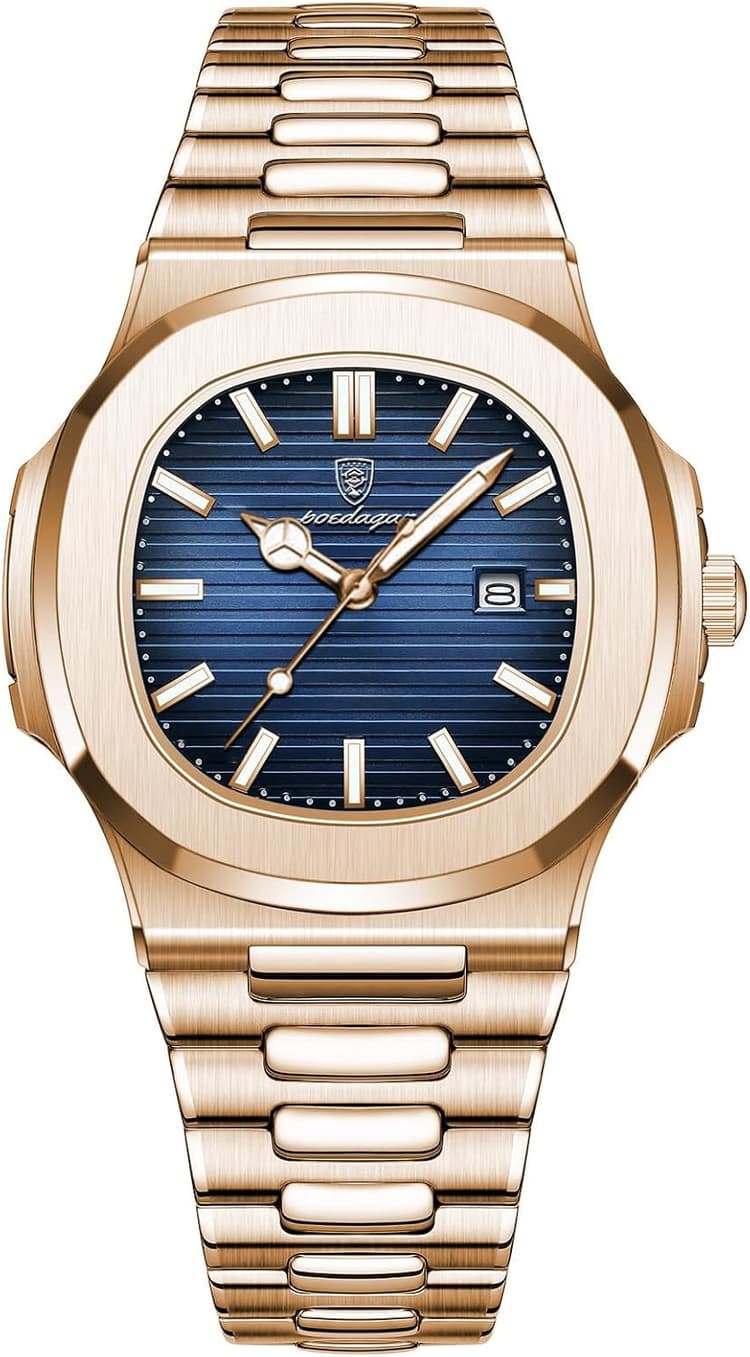
BESTKANG
$28.99
Buying a pre-owned watch requires a structured approach: clarify your needs, understand what drives price, verify size and comfort, assess materials and condition, compare features, and test real-world performance. Throughout the process, collect documentation from the seller: detailed photos, service receipts, and authenticity evidence.
Remember that the balance between price and risk depends on how much maintenance you will accept and the intended use. A low-priced watch with poor documentation can incur hidden costs, while a better-documented purchase offers more certainty. Apply the checklists and practical tips in this guide when communicating with sellers and testing watches in person.
Finally, proceed incrementally: set non-negotiable criteria, discard listings lacking essential information, and prioritize viewings of verifiable options. This method reduces common mistakes and makes the buying experience both safer and more rewarding.
This guide is informational and educational. It does not promote any brands or provide promotional endorsements. Recommendations are based on general principles for evaluating pre-owned watches: visual inspection, service documentation, ergonomics and materials. If commercial links appear on the hosting page, they are disclosed separately and did not influence the guide's content. Always verify specific details with the seller and consider professional authentication when needed.
Tests and articles by watch experts, based on technical criteria and side‑by‑side comparisons.
We compare models and features to inform your choice, free from commercial influence.
Guides are regularly updated to reflect new releases and market developments.
We may earn a commission from links to partner retailers; this does not affect our independent analyses.