Orix Time logo

How to Choose a Premium Watch — Practical 2026 Buying Guide

Mateo Alvarez
Mateo Alvarez

Deals editor focused on watch bargains, market analysis, and approachable buying advice.

Published at March 27, 2026

Why this guide exists and how to use it (updated for 2026)

Various premium watches on a wooden table showing dial details and different materials

Purpose and approach (short): This updated 2026 edition helps you buy a premium watch that truly fits your life, not just your wishlist. Instead of cataloguing models, we teach decision-making: assess real use cases, prioritise measurable comfort criteria and identify cost drivers so you get long-term value.

How to use the guide:

  • Step 1 — Define realistic use cases and frequency.
  • Step 2 — Translate use into measurable specs (diameter, lug-to-lug, thickness, water-resistance rating, strap type).
  • Step 3 — Compare movements and materials by maintenance needs and durability.
  • Step 4 — Try on and monitor performance for 2–4 weeks.

What’s new in 2026:

  • Greater focus on hybrid and solar options for low-maintenance daily wear.
  • Updated guidance on water-resistance expectations after recent case-sealing developments.
  • Emphasis on repairability and spare-part availability as a value metric.

Quick reference table (decision focus):

Use caseCore prioritiesTypical spec examples
Formal / dressSlimness, low thickness, leather strap36–40 mm, lug-to-lug <48 mm, sapphire crystal
Everyday / officeComfort, durability, serviceability38–42 mm, stainless or titanium, sapphire, 50–100 m
Sport / waterLegibility, certified water resistance40–44 mm, 100 m+, screw-down crown, rubber strap

Internal link for further reading: For curated model suggestions and value context, see our Premium watches - curated for value and reliability page.

The pedagogy is practical: use checklists, compare measurable dimensions, and prioritise the features you will actually use. Apply the same steps in French via our Montres haut de gamme - sélection selon valeur et fiabilité.

Discover our best references

* price updated at March 30, 2026
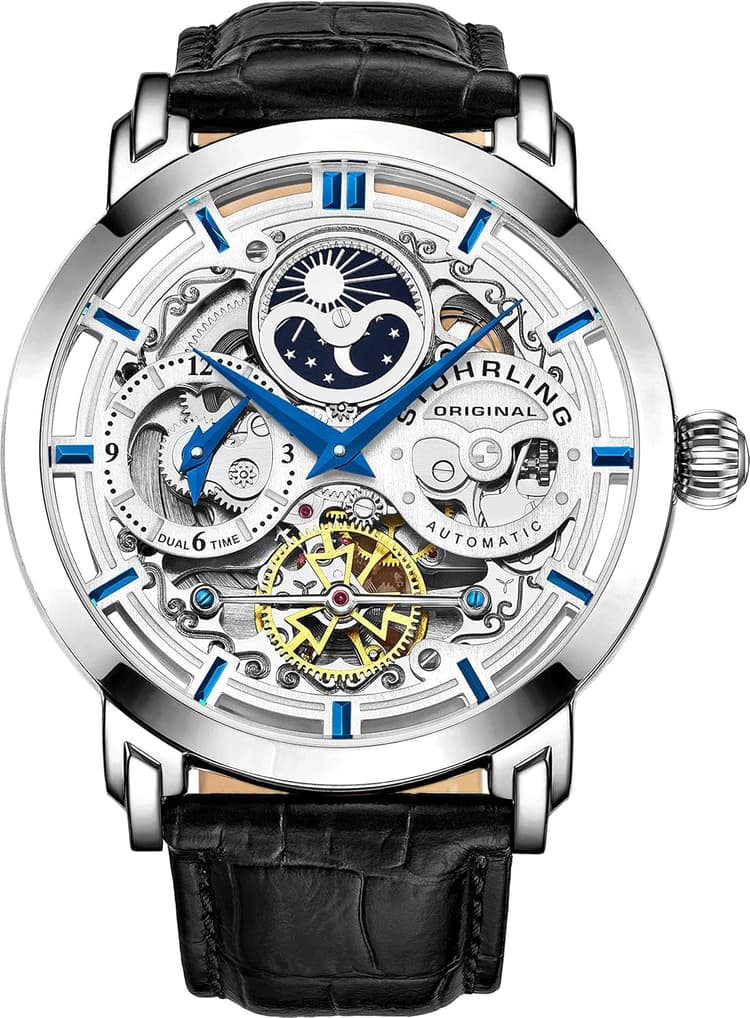
Stuhrling Original Legacy Men's Automatic Watch Stainless Steel 46 MM Case Genuine Leather Strap Watch Black

Stuhrling Original

Stuhrling Original Legacy Men's Automatic Watch Stainless Steel 46 MM Case Genuine Leather Strap Watch Black
★★★★☆4.1

$249.95

-81 %

*
Stuhrling Original Mens Leather Watch -Aviation Watch, Quick-Set Day-Date Leather Band with Steel Rivets,

Stuhrling Original

Stuhrling Original Mens Leather Watch -Aviation Watch, Quick-Set Day-Date Leather Band with Steel Rivets,
★★★★☆4.2

$89.99

$395.00

-77 %

*
Fossil Men's Everett Quartz Stainless Steel Watch, Three-Hand Watch for Men

Fossil

Fossil Men's Everett Quartz Stainless Steel Watch, Three-Hand Watch for Men
★★★★☆4.7

$122.85

$220.00

-44 %

*
Citizen Men's Classic Quartz Watch

Citizen Watch Company

Citizen Men's Classic Quartz Watch
★★★★☆4.6

$111.97

$160.00

-30 %

*
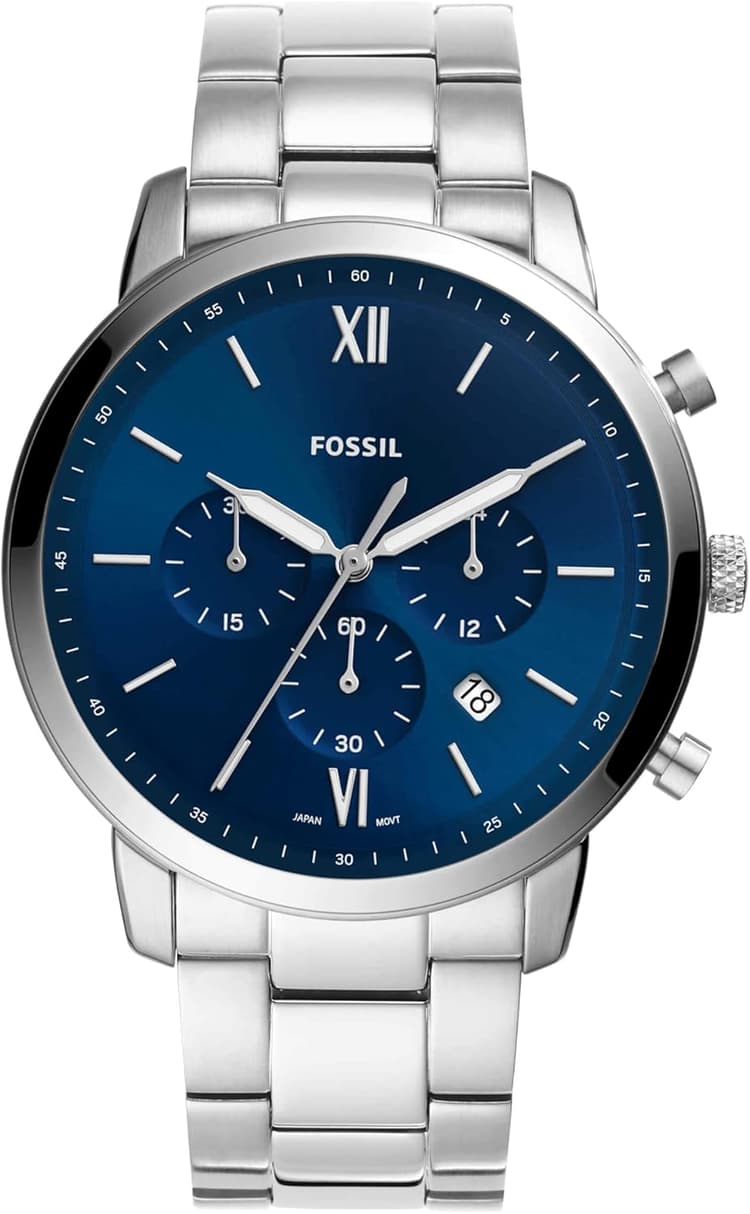
Fossil Men's Watch, Neutra Quartz Stainless Steel Chronograph Watch for Men

Fossil

Fossil Men's Watch, Neutra Quartz Stainless Steel Chronograph Watch for Men
★★★★☆4.6

$129.94

$180.00

-28 %

*
Garmin fēnix® 8 – 43mm, AMOLED, Premium Multisport GPS Smartwatch, Long-Lasting Battery Life, Dive-Rated, Built-in LED Flashlight, Silver with Whitestone Band (Renewed)

Amazon Renewed

Garmin fēnix® 8 – 43mm, AMOLED, Premium Multisport GPS Smartwatch, Long-Lasting Battery Life, Dive-Rated, Built-in LED Flashlight, Silver with Whitestone Band (Renewed)
★★★★★5

$688.87

$949.95

-27 %

*
Fossil Men's Watch, Townsman Automatic Stainless Steel Watch for Men

Fossil

Fossil Men's Watch, Townsman Automatic Stainless Steel Watch for Men
★★★★☆4.4

$200.14

$270.00

-26 %

*
Casio MDV106 Series | Unisex Analog Watch | 200M WR | Stainless Steel Case | Resin Band | 2 Hand Analog (HR, Min, SEC) | Date Display | Screw Down Crown/Screw Down Caseback | 3 Year Battery

Casio

Casio MDV106 Series | Unisex Analog Watch | 200M WR | Stainless Steel Case | Resin Band | 2 Hand Analog (HR, Min, SEC) | Date Display | Screw Down Crown/Screw Down Caseback | 3 Year Battery
★★★★☆4.7

$83.97

$99.95

-16 %

*
Apple Watch Ultra 2 [GPS + Cellular, 49mm] - Titanium Case with Blue Ocean Band, One Size (Renewed Premium)

Amazon Renewed

Apple Watch Ultra 2 [GPS + Cellular, 49mm] - Titanium Case with Blue Ocean Band, One Size (Renewed Premium)
★★★★☆4.2

$399.49

$450.00

-11 %

*
Tommy Hilfiger Classic Multi-Function Quartz Watch - Leather Strap Wristwatch for Men - Water Resistant Up to 5 ATM/50 Meters - Premium Fashion for Everyday Wear - 44mm

Tommy Hilfiger

Tommy Hilfiger Classic Multi-Function Quartz Watch - Leather Strap Wristwatch for Men - Water Resistant Up to 5 ATM/50 Meters - Premium Fashion for Everyday Wear - 44mm
★★★★☆4.8

$110.08

$120.44

-9 %

*
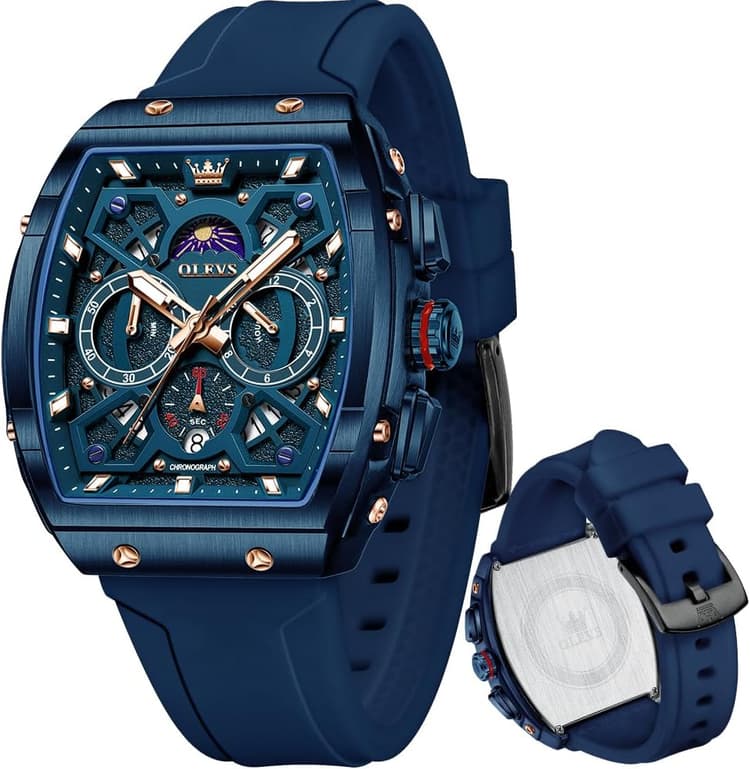
OLEVS Watches for Men Luxury Large Face Dress Men's Watches Silicone Strap Waterproof Chronograph Nice Analog Quartz Casual Mens Wrist Watch Relojes para Hombres(Black/Red/White Strap)

OLEVS

OLEVS Watches for Men Luxury Large Face Dress Men's Watches Silicone Strap Waterproof Chronograph Nice Analog Quartz Casual Mens Wrist Watch Relojes para Hombres(Black/Red/White Strap)
★★★★☆4.4

$49.77

$54.77

-9 %

*
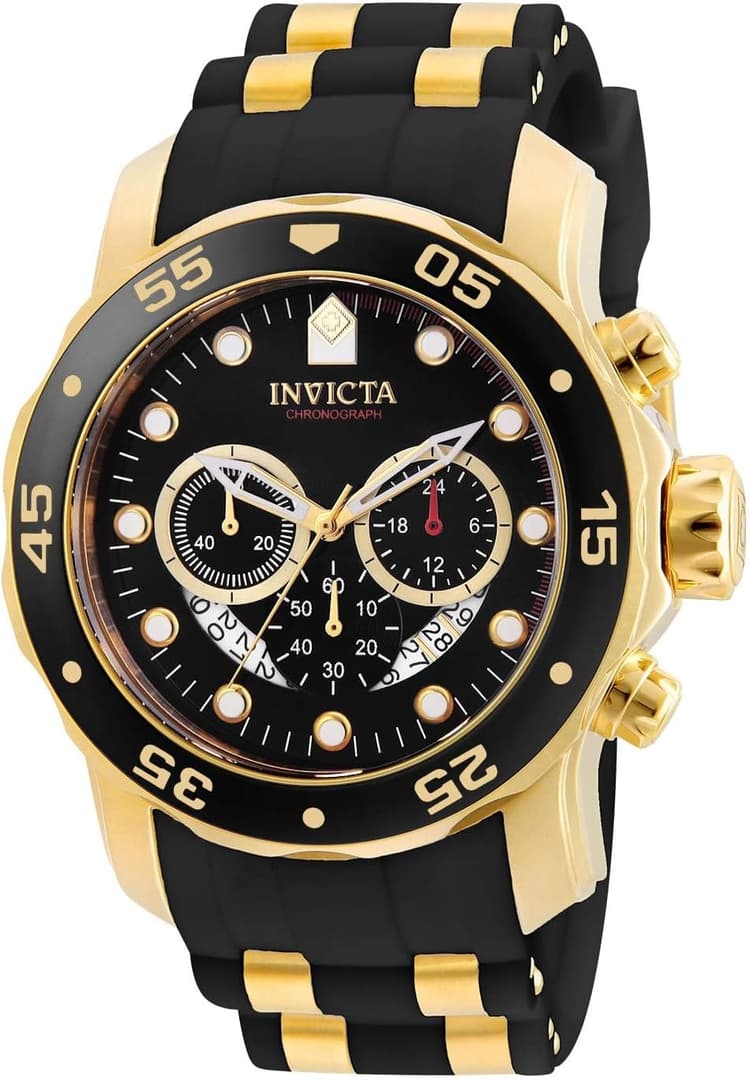
Invicta Men's Pro Diver Collection Chronograph Watch

Invicta

Invicta Men's Pro Diver Collection Chronograph Watch
★★★★☆4.7

$82.52

*

Defining your needs: use cases, frequency and constraints (practical checklist)

Start with scenarios, not brands. The most reliable purchases come from matching real-life situations to measurable watch attributes. Below is a practical, editable checklist to capture needs before browsing models.

Step-by-step checklist (fill this before shopping):

  • Primary use cases (choose up to 3): Everyday urban, active/outdoor, formal/ceremonial, travel/GMT, diving.
  • Frequency: Daily, several times/week, occasional.
  • Typical environments: Rain, dust, air-conditioned office, salt water, gym sweat.
  • Required functions: Date, chronograph, GMT, power reserve indicator, dive bezel.
  • Comfort constraints: Wrist circumference (mm), allergies (nickel), preferred weight (light/medium/heavy).
  • Maintenance tolerance: Minimal (quartz/solar/hybrid), moderate (automatic servicing every 4–8 years), high (collector, multiple watches).

How to convert scenarios into specs:

  • If you wrote “formal / daily office”: prioritise thinness (<11 mm), lug-to-lug under 48 mm and leather or fine mesh bracelet.
  • If you wrote “water sports / swimming”: target at least 100 m WR and a screw-down crown; prefer rubber or metal bracelet.
  • If you travel across time zones: require a GMT or quick-set hour hand and consider anti-magnetic protection.

Decision matrix (example):

Use caseMust-haveNice-to-haveAvoid
Daily officeThin case, comfort strapDate, sapphireThick dive case
Weekend outdoors100 m+, legible lumeChronographDelicate leather strap

Practical tips:

  • Translate your wrist measurement into likely diameter and lug-to-lug fits: a 160–170 mm wrist typically suits 34–40 mm diameters; 180+ mm can carry 40–44 mm comfortably (exceptions apply depending on lug shape).
  • If uncertain, prioritise versatility: a mid-size (38–41 mm), 50–100 m watch with sapphire and a replaceable strap covers most needs.

Internal link: For model-level suggestions filtered by value, consult our Premium watches - curated for value and reliability. In French, use Montres haut de gamme - sélection selon valeur et fiabilité.

Complete this checklist before shopping to avoid impulse buys driven only by looks.

Understanding price tiers and what drives cost (2026 market context)

Price is a bundle of tangible and intangible drivers. In 2026 the same rule applies: separate technical value (materials, movement, finishing, serviceability) from price-inflating factors (exclusivity, limited editions, brand premium). Use the table and checklist below to spot genuine value.

Key cost drivers:

  • Movement architecture and finishing (manufacture calibre vs standard ebauche).
  • Materials: precious metals, ceramic, grade-5 titanium, multi-layered coatings.
  • Crystal: anti-reflective sapphire vs hardened mineral glass.
  • Dial complexity and finishing (lacquer, sunburst, applied indices).
  • Assembly labor and regulation: hand-finishing, chronometer certification, regulation by multiple positions.
  • After-sales network and warranty scope.

2026-specific notes:

  • Growing adoption of high-quality solar and hybrid calibres means lower long-term maintenance cost for daily users.
  • Microbrands increasingly offer solid value by sourcing standard movements with high finishing at competitive price points — focus on service and parts availability.

Value-diagnostic checklist:

  • Movement: Is it an in-house calibre or a modified proven movement? Does the brand publish timing and service intervals?
  • Materials: Is the case material adding measurable benefits (titanium = lighter; ceramic = scratch-resistant)?
  • Finish vs rarity: Can similar finishing be found at lower price with standard movement?
  • Serviceability: Are spare parts and authorised service centres available locally?

Quick assessment table:

Price bandLikely driversBuyer benefit
Entry-premiumStandard automatic/quartz, basic finishingLow maintenance, good daily value
Mid-premiumUpgraded movements, better finishing, stronger materialsLasting appearance, improved longevity
High-premiumIn-house movements, hand-finishing, limited runsCollectability, potential long-term value (if serviceable)

Internal link: To compare buying options that balance cost and reliability, check our Premium watches - curated for value and reliability hub. En français, voir Montres haut de gamme - sélection selon valeur et fiabilité.

Use the diagnostic checklist to determine whether a higher price is justified by technical advantage or mainly by branding/rarity.

Choosing the right size and prioritizing comfort (measurable fit guide)

Fit is measurable — start with data, finish with wear-testing. Use precise dimensions (diameter, thickness, lug-to-lug) and real-wear tests to validate comfort. Below is a stepwise method and examples to translate measurements to expected wear.

Step 1 — Measure:

  • Wrist circumference in mm (measure over the wrist bone).
  • Note a well-fitting watch you own: diameter, thickness, lug-to-lug.

Step 2 — Translate to recommended ranges:

  • Wrist 150–165 mm: 34–38 mm diameter, lug-to-lug preferably <46 mm.
  • Wrist 166–180 mm: 36–40 mm diameter, lug-to-lug 46–50 mm.
  • Wrist 181+ mm: 39–44+ mm diameter, lug-to-lug >50 mm may be comfortable.

Thickness and wardrobe:

  • <10.5 mm — best for dress shirts and jackets.
  • 10.5–13.5 mm — versatile daily wear, more presence.
  • 13.5+ mm — robust sport/diver watches; check cuff compatibility.

Weight and materials:

  • Stainless steel will feel heavier but can be balanced by bracelet design.
  • Titanium reduces mass and fatigue over long wear; ceramic reduces surface scratches but increases perceived fragility to impacts.

Try-on protocol (10–15 minutes is not enough):

  • Wear the watch for at least a full daytime cycle (6–10 hours) performing typical tasks: typing, driving, commuting.
  • Check for pressure points at springbar locations and clasp pinching.

Quick decision checklist:

  • Do the lugs overhang? Yes → reduce lug-to-lug expectation.
  • Is the watch stable when you bend your wrist? No → adjust strap length or pick a different lug shape.
  • Does the thickness allow shirt cuffing? If not and you need formal wear, pick a thinner case.

Internal link: For guidance targeted at dress or sporty categories, see our Dress Watches - Selections and Buying Guide or in French Montres habillées - sélections et guide.

Prioritise fit over diameter alone: a well-shaped 40 mm with 46 mm lug-to-lug can wear better than a “short” 38 mm with long lugs.

Materials and durability: crystal, case, strap and water resistance (practical trade-offs)

Material selection balances durability, repairs and wearer needs. The 2026 market offers improvements in coatings, ceramics and case sealing — learn the practical trade-offs so you match materials to intended use.

Crystal options:

  • Sapphire: best scratch resistance; choose AR-coated sapphire to reduce glare and improve legibility. Note: sapphire resists scratches but can chip on hard impacts.
  • Mineral/hardened glass: lower cost and less catastrophic failure mode (chips instead of shattering) but scratches more easily.

Case materials:

  • Stainless steel (316L/904L): durable, easy to service, widely available spare parts.
  • Titanium (grade 2 or grade 5): lighter and corrosion-resistant; surface scratches differ from steel and can be less visible if bead-blasted.
  • Ceramic: excellent scratch resistance; brittle under point impacts — repair often requires full-case replacement.
  • Precious metals: durable aesthetically but softer (can show dents); also raise service costs.

Strap choices and lifecycle:

  • Leather: softens and patinas; avoid for frequent water exposure.
  • Rubber/technical straps: excellent for sports and wet conditions; modern synthetic leather alternatives combine water resistance with refined looks.
  • Metal bracelets: long-lived, adjustable; check endlink and springbar quality for longevity.

Water resistance — realistic expectations:

  • 30 m / 3 ATM: splash resistant only.
  • 50–100 m: acceptable for showers and swimming (100 m preferred for regular swimming).
  • ISO 6425 dive watches: required for professional diving; look for screw-down crowns and tested casebacks.

Maintenance implications:

  • Periodic seal replacement maintains water resistance; expect service costs when straps or crystals are non-standard.
  • Prefer standardized parts (springbars, crystals) if you want easier local servicing.

Internal link: For category-specific guidance (dive, field, dress), see Dive Watches - Selection and Comparison or in French Montres de plongée - Sélection et comparatif.

Match materials to expected abuse: choose sapphire and robust metal construction for daily, mixed-use watches; pick lighter alloys for long, comfort-focused wear.

Comparing essential features: simple explanations and trade-offs

Understand features as trade-offs between utility, complexity and cost. Below we summarise common functions, practical use, and their typical impacts on size, maintenance and price.

Core features and practical notes:

  • Movement (automatic vs quartz vs solar/hybrid):

    • Automatic: mechanical character, needs servicing (4–8 years typical), more on-case thickness for the rotor.
    • Quartz: high accuracy, minimal maintenance (battery every 2–10 years or rechargeable cells), slimmer cases often possible.
    • Solar/Hybrid: combines low maintenance with high day-to-day reliability — an increasingly common choice in 2026 for daily-wear premium pieces.
  • Chronograph:

    • Use: timing intervals for sport or tasks.
    • Trade-offs: adds dial complexity, increases case thickness and service complexity for mechanical chronographs.
  • Date / Calendar complications:

    • Use: daily convenience.
    • Trade-offs: simple date is low-cost; annual/perpetual calendars add complexity, cost and may require servicing or manual correction.
  • Power-reserve indicator:

    • Use: helpful on manual or automatic watches not worn daily.
    • Trade-offs: adds dial elements and cost but improves user experience for intermittently worn mechanicals.
  • Rotating bezel (timing / dive bezels):

    • Use: elapsed-time measurement; essential for dive activities.
    • Trade-offs: may increase case diameter or thickness; check bezel action quality.

Decision checklist:

  • Will you use the function >50% of the time? If yes, prioritise it; if no, avoid extra complexity.
  • Are you prepared for added service costs and potential thicker case profiles?

Internal link: For a focused comparison on chronographs or calendar watches, consult our Chronograph watches: a comparative guide or in French Montres chronographes - Guide pour bien choisir.

Selecting the right features means choosing the functions you will actually use and accepting their ergonomic and maintenance trade-offs.

Evaluating daily performance and maintenance (tests & timelines)

Daily performance equals accuracy, legibility and sustainable comfort. Use short empirical tests after purchase and set realistic maintenance expectations for the movement type.

Accuracy expectations:

  • Quartz: typically ±10–20 seconds/year for high-end quartz; consumer quartz often ±10–30 seconds/month.
  • Mechanical: realistic everyday accuracy is often ±5–15 seconds/day for well-regulated movements; chronometer-grade movements publish tighter specs.
  • Solar/Hybrid: follow manufacturer tolerance; many modern solar modules rival quartz in everyday stability.

Legibility checklist:

  • Contrast: high dial/hand contrast improves quick reading.
  • Lume: check glow strength and duration (important for low-light users).
  • Anti-reflective coatings: reduce glare in bright conditions.

Comfort & wear testing protocol (7–14 day preferred):

  • Day 1–2: initial fit and immediate pressure points.
  • Day 3–7: observe stability during repeats of common tasks (typing, driving, lifting).
  • Week 2: evaluate weight fatigue and strap micro-adjustments.

Maintenance timelines & practicalities:

  • Quartz: battery change every 2–10 years depending on cell; gaskets should be checked if used in water.
  • Mechanical: service interval typically 4–8 years — heavy-use pieces may need shorter intervals.
  • Solar/Hybrid: low routine service; seals and strap ageing remain maintenance points.

Repairability & parts availability:

  • Prefer watches with standardised parts if you want local repair options and lower long-term costs.
  • Check brand policies: published service intervals, warranty length and number of authorised service centres are indicators.

Internal link: For movement-centric advice and curated automatic picks, see Top picks for automatic watches and in French Nos choix pour les montres automatiques.

Practical tip: After buying, measure daily rate for 2–4 weeks and log deviations; early detection of abnormal drift saves time and warranty hassles.

Common beginner mistakes and accessible expert tips (actionable)

Avoid predictable pitfalls by applying simple, testable rules. Below are the most frequent beginner mistakes and precise, low-effort countermeasures you can apply immediately.

Top beginner mistakes:

  • Buying for looks alone without extended wear-testing.
  • Ignoring lug-to-lug and assuming diameter equals fit.
  • Confusing 30 m rating with swim-safe water resistance.
  • Choosing complications you never use (inflated cost and thickness).
  • Prioritising limited edition hype over serviceability and parts availability.

Accessible expert tips (apply these now):

  • Wear-test for a full day: carry out representative activities (commute, desk work, cooking) for 6–10 hours to detect pressure points.
  • Measure and compare: always compare lug-to-lug and thickness to a watch you already own and like.
  • Prioritise replaceability: choose watches with standard springbar widths and widely available crystals for easier future servicing.
  • Read service policy: pick brands that publish service intervals, warranty terms and have authorised service centres in your region.
  • Keep a purchase log: record serial number, purchase date, initial daily deviation and service history — this helps resale and warranty claims.

Mini checklist before checkout:

  • Have I worn a similar lug-to-lug and thickness for a full day?
  • Do I actually need the chronograph/GMT/calendar I’m about to pay extra for?
  • Can this watch be serviced locally or are parts available from the manufacturer?

Internal link: For beginner-friendly buying categories and value picks, see our Affordable watches: quality, choices and value picks hub or in French Montres accessibles : choix, qualité et bonnes affaires.

Following these simple, evidence-based actions reduces buyer’s remorse and places comfort, serviceability and real use above marketing noise.

Discover our top deals references

* price updated at March 30, 2026
See more
Invicta Men's Pro Diver Collection Chronograph Watch

Invicta

Invicta Men's Pro Diver Collection Chronograph Watch
★★★★☆4.7

$82.52

*
Invicta Men's Pro Diver Stainless Steel Quartz Watch

Invicta

Invicta Men's Pro Diver Stainless Steel Quartz Watch
★★★★☆4.7

$76.98

*
Fossil Men's Watch, Neutra Quartz Stainless Steel Chronograph Watch for Men

Fossil

Fossil Men's Watch, Neutra Quartz Stainless Steel Chronograph Watch for Men
★★★★☆4.6

$129.94

$180.00

-28 %

*
Citizen Men's Classic Quartz Watch

Citizen Watch Company

Citizen Men's Classic Quartz Watch
★★★★☆4.6

$111.97

$160.00

-30 %

*
Fossil Men's Everett Quartz Stainless Steel Watch, Three-Hand Watch for Men

Fossil

Fossil Men's Everett Quartz Stainless Steel Watch, Three-Hand Watch for Men
★★★★☆4.7

$122.85

$220.00

-44 %

*
Fossil Men's Watch, Townsman Automatic Stainless Steel Watch for Men

Fossil

Fossil Men's Watch, Townsman Automatic Stainless Steel Watch for Men
★★★★☆4.4

$200.14

$270.00

-26 %

*
Casio MDV106 Series | Unisex Analog Watch | 200M WR | Stainless Steel Case | Resin Band | 2 Hand Analog (HR, Min, SEC) | Date Display | Screw Down Crown/Screw Down Caseback | 3 Year Battery

Casio

Casio MDV106 Series | Unisex Analog Watch | 200M WR | Stainless Steel Case | Resin Band | 2 Hand Analog (HR, Min, SEC) | Date Display | Screw Down Crown/Screw Down Caseback | 3 Year Battery
★★★★☆4.7

$83.97

$99.95

-16 %

*
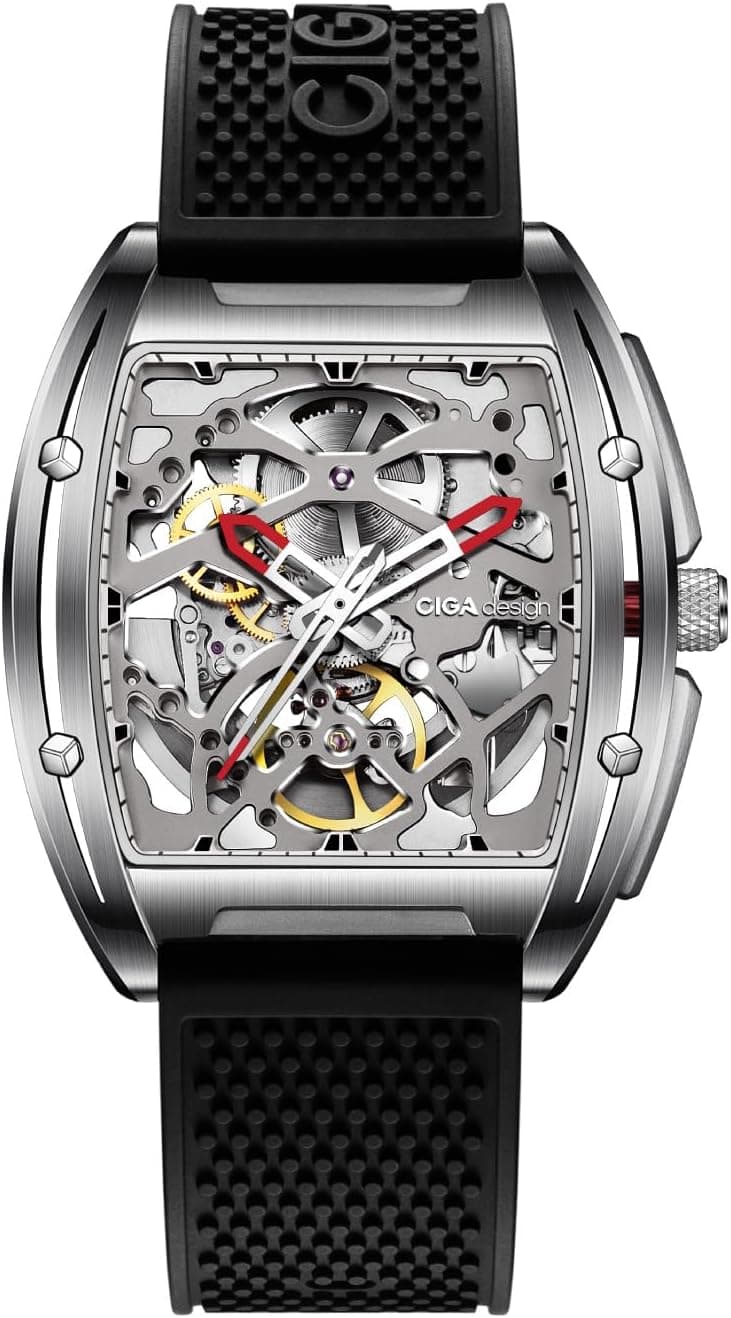
CIGA Design Z Series Automatic Mechanical Watch, Luxury Skeleton Wristwatch Tonneau with Silicone Strap Stainless Steel Business Dress Waterproof Timepiece Gifts for Men and Women

CIGA Design

CIGA Design Z Series Automatic Mechanical Watch, Luxury Skeleton Wristwatch Tonneau with Silicone Strap Stainless Steel Business Dress Waterproof Timepiece Gifts for Men and Women
★★★★☆4.3

$299.00

*
Stuhrling Original Mens Leather Watch -Aviation Watch, Quick-Set Day-Date Leather Band with Steel Rivets,

Stuhrling Original

Stuhrling Original Mens Leather Watch -Aviation Watch, Quick-Set Day-Date Leather Band with Steel Rivets,
★★★★☆4.2

$89.99

$395.00

-77 %

*
PASCAL Timeless Classic Diamond Watch for Men Women– Swiss Quartz Watch with Lab-Grown Diamonds, Sapphire Crystal, Elegant Dress Watch Gift,10 ATM Water Resistant, Fits 6.5"-9.5" Wrists

PASCAL

PASCAL Timeless Classic Diamond Watch for Men Women– Swiss Quartz Watch with Lab-Grown Diamonds, Sapphire Crystal, Elegant Dress Watch Gift,10 ATM Water Resistant, Fits 6.5"-9.5" Wrists
★★★★☆4.6

$235.00

*
Stuhrling Original Legacy Men's Automatic Watch Stainless Steel 46 MM Case Genuine Leather Strap Watch Black

Stuhrling Original

Stuhrling Original Legacy Men's Automatic Watch Stainless Steel 46 MM Case Genuine Leather Strap Watch Black
★★★★☆4.1

$249.95

-81 %

*
AMAZTIM Smart Watch, 60 Days Extra-Long Battery, 50M Waterproof, Rugged Military Bluetooth Call(Answer/Dial Calls), 1.85" Ultra Large HD Display, AI Voice Assistant, Compatible for Android and iOS-Red

AMAZTIM

AMAZTIM Smart Watch, 60 Days Extra-Long Battery, 50M Waterproof, Rugged Military Bluetooth Call(Answer/Dial Calls), 1.85" Ultra Large HD Display, AI Voice Assistant, Compatible for Android and iOS-Red
★★★★☆4

$99.99

*

Pedagogical summary to finalize your choice (checklist & next steps)

Final decision framework — a compact checklist and next steps. Use this closing checklist to convert the guide’s learning into an actionable, low-regret purchase process.

Final checklist:

  1. Use cases documented — at least 2 realistic scenarios recorded.
  2. Measurement comparison — wrist circumference and a reference watch for diameter, lug-to-lug and thickness.
  3. Priority features ranked (essential / desirable / optional).
  4. Material and water resistance matched to use.
  5. Maintenance tolerance aligned with movement choice (quartz/solar/hybrid vs mechanical).
  6. Repairability check — spare parts and service centre availability.
  7. Wear-test plan — at least 2–7 days sample (or flexible return window if buying online).

Actionable next steps:

  • Visit authorised retailers to try recommended sizes and record impressions, or order from a seller with a flexible return policy and test for 7 days.
  • If buying mechanical, ask for service history (pre-owned) or published service intervals (new) and include expected servicing cost in your total ownership budget.
  • Keep all documents and log accuracy measurements for the first month — this helps warranty claims and future servicing.

Decision map (quick):

  • Need low maintenance + precise daily timekeeping → prefer quartz, solar or hybrid.
  • Want mechanical character and willing to maintain → pick a well-regulated automatic with documented service network.
  • Require water reliability and sport robustness → prioritise >100 m and screw-down crown; consult dive resources.

Internal link: For model selection support and category filters (dress, dive, field), see Top products — Guides and picks or in French Tops et classements - Guide central des montres.

By following the checklist and executing the wear-test, you transform the abstract idea of “premium” into a watch that fits your life, comfort and ownership expectations.

Frequently asked questions

Editorial transparency

This guide is independent and pedagogical: it does not contain product reviews or brand endorsements. The criteria offered are based on general technical and ergonomic principles to help readers make informed decisions. No commercial data, prices or inventories have been fabricated for this content. Should affiliate links or sponsorships be added on the final page, they will be disclosed clearly in line with the site's editorial policy.

  • Independent Watch Analysis

    Tests and articles by watch experts, based on technical criteria and side‑by‑side comparisons.

  • Impartial Watch Comparisons

    We compare models and features to inform your choice, free from commercial influence.

  • Verified, Up‑to‑Date Information

    Guides are regularly updated to reflect new releases and market developments.

  • Transparent Affiliate Links

    We may earn a commission from links to partner retailers; this does not affect our independent analyses.