
Amazon Renewed
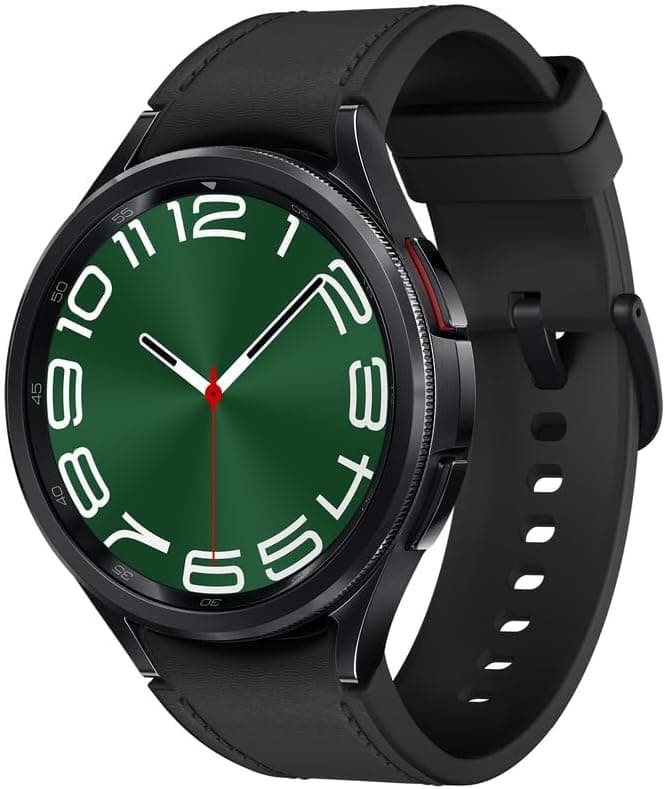
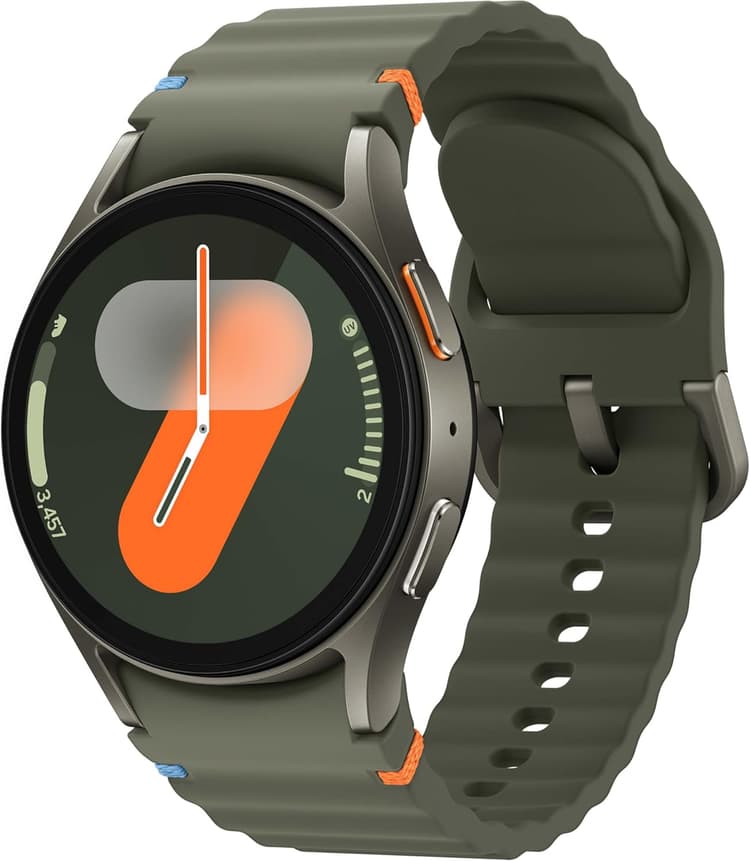
SAMSUNG Galaxy Watch 6 Classic 47mm Bluetooth Smartwatch, Rotating Bezel, Fitness Tracker, Personalized HR Zones, Advanced Sleep Coaching, US Version, Black (Renewed)
★★★★☆4.3
$104.00
$407.35
-74 %
*
Senior watch editor specializing in in-depth reviews, buying guides, and industry news.

Purpose and scope (2026 update)
This refreshed guide reflects market and service trends as of March 2026 and focuses on verifiable checks you can use to evaluate refurbished watches. The term refurbished now commonly spans a spectrum from cosmetic cleaning to full factory-level servicing; your ability to discriminate between those offerings determines long-term satisfaction and cost of ownership.
What you'll get from this guide:
Key items to request before purchase:
Quick reference table
| Document | Why it matters |
|---|---|
| Service report | Confirms movement work and parts used |
| Timing/pressure tests | Objective proof of performance |
| Before/after photos | Shows scope of cosmetic restoration |
How this connects to our broader resources — if you want complementary context on repairing and movement choices, see our guides hub: Guides - Learn, Compare, Decide and the dedicated category for reconditioned offers at Refurbished watches. These links provide curated reading to deepen assessments according to your use case.
In short: a documented refurbishment plus independent test evidence is the central signal of quality. This update emphasises documentation, reproducible tests and service forward-planning — the practical levers you can control in March 2026 to reduce risk and ensure the watch you buy performs and holds value.
Amazon Renewed
$104.00
$407.35
-74 %
*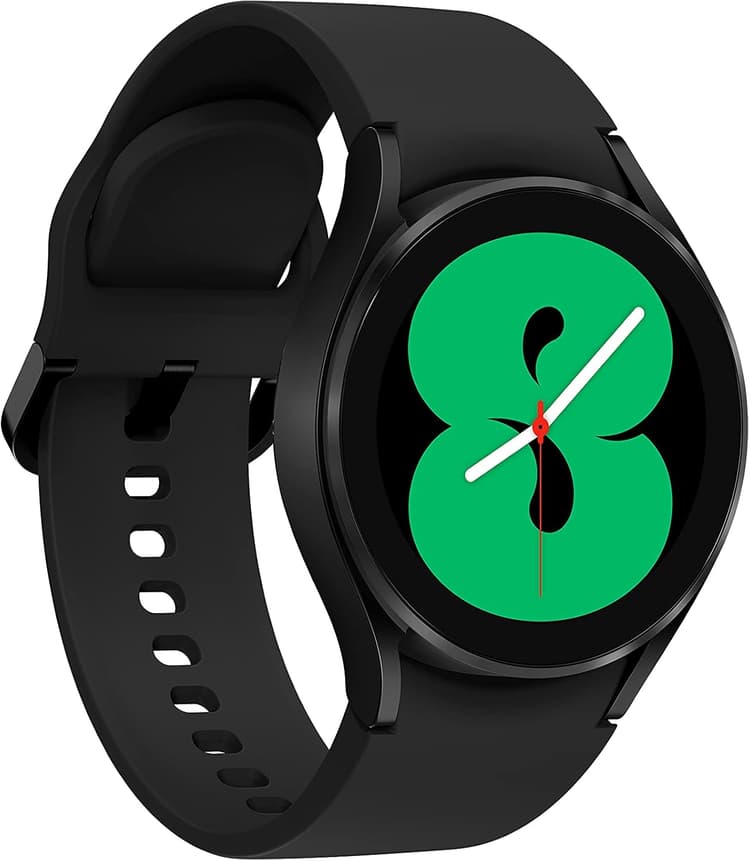
Amazon Renewed
$69.64
$249.00
-72 %
*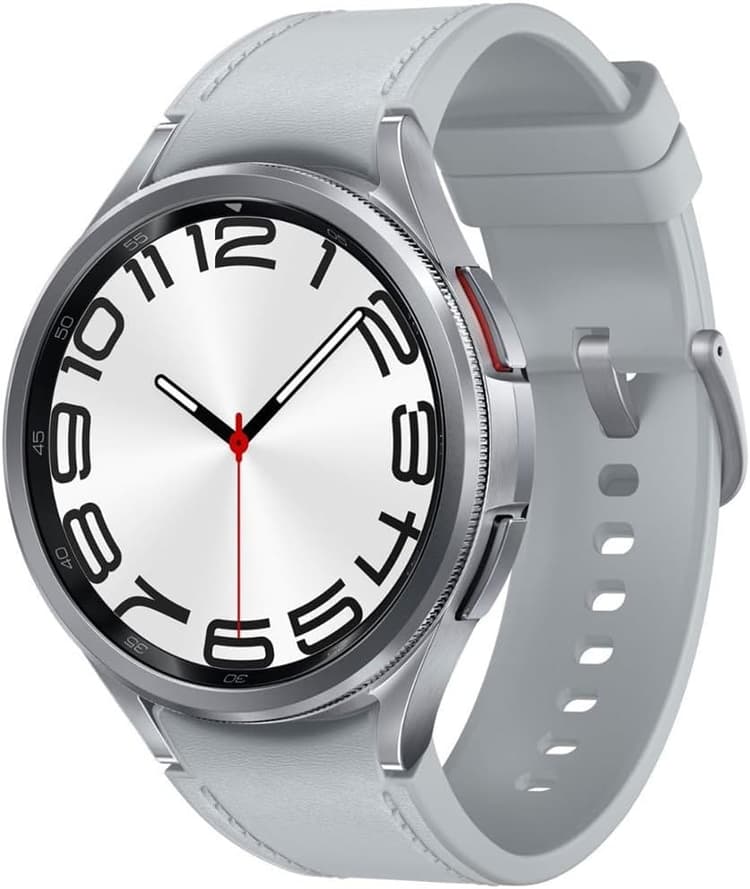
Amazon Renewed
$99.44
$303.01
-67 %
*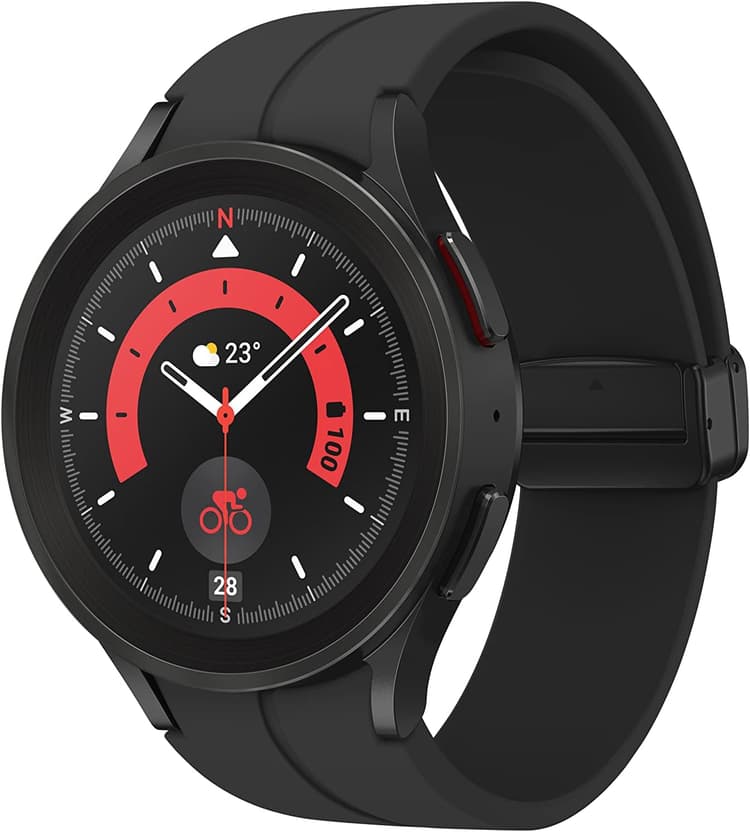
Amazon Renewed
$90.21
$219.99
-59 %
*
Amazon Renewed
$108.95
$194.95
-44 %
*
Amazon Renewed
$137.29
$215.95
-36 %
*![Apple Watch Ultra [GPS + Cellular 49mm] Titanium Case with Midnight Ocean Band, One Size (Renewed)](/_next/image?url=https%3A%2F%2Fm.media-amazon.com%2Fimages%2FI%2F810JR81LIsL._AC_SL1500_.jpg&w=750&q=75)
Amazon Renewed
$311.95
$379.00
-18 %
*
Amazon Renewed
$49.00
$56.44
-13 %
*
Amazon Renewed
$130.00
$140.00
-7 %
*
Amazon Renewed
$54.44
Amazon Renewed
$409.00
Amazon Renewed
$119.98
Start by clearly articulating what you expect from a refurbished watch. Rather than vague preferences, create a usage profile: daily wear at the office, weekend watch, tool watch for physical activities, or a collector's piece for occasional use. For each scenario, list priorities: timekeeping accuracy, water resistance, shock resistance, aesthetics, collectibility, or ease of servicing.
Concrete examples: for office wear, favor a 38-40 mm case with polished or brushed finishes and a well-finished leather or steel bracelet. For sport use, prioritize water resistance, legibility, and a robust case; check the refurbishment documentation for pressure or water-resistance tests. For collecting, the authenticity of components and movement integrity matter more than cosmetic perfection, and patina may be acceptable.
Also consider practical constraints: wrist diameter, a ceiling for purchase and servicing costs, and parts availability. Your usage profile helps you quickly discard mismatched options: a watch heavily polished during refurbishment may lose the original character sought by collectors but could suit daily wear where a clean look is preferred. Writing down priorities before browsing listings reduces impulsive choices driven purely by appearance.
Disentangling market value and refurbishment premium
In 2026, the price of a refurbished watch is the sum of two components: the current market value of the used model and the premium charged for the refurbishment work. That premium depends on documented interventions, parts sourcing, and test certification. Treat every price as negotiable until you verify what the seller actually performed.
Primary cost drivers
Practical checklist to compare offers:
Comparison table — typical impact on price
| Intervention | Typical price impact | Consumer takeaway |
|---|---|---|
| Full movement service | High | Essential for reliability |
| Crystal/dial replacement (OEM) | Medium–High | Preserves collectibility |
| Pressure testing | Low–Medium | Required for water use |
| Cosmetic polishing | Low–Medium | Can reduce collector value |
How to use this in negotiation
In short: verify interventions, test evidence and part origin. Price should reflect verifiable work — not marketing language — and your decision should balance initial cost against predictable maintenance and resale implications.
Size and comfort go beyond case diameter. Consider case thickness, lug shape and lug-to-lug distance together with strap length. A 40 mm case can look and wear very differently depending on lug drop and bezel proportions. Measure your wrist and use guides: for a 6.3-6.7 inch wrist (16-17 cm), diameters from about 36 to 40 mm are often comfortable; for 7 inches and above (18 cm+), 38-44 mm may fit, but proportions and thickness are decisive.
Comfort is also about balance and strap choice. Metal bracelets add weight and can pull a watch outward; leather or fabric straps can center the case better but require care. Check the lug width to ensure you can replace the strap easily, and prefer drilled lugs if you plan frequent changes.
When inspecting a refurbished watch, try it on when possible, or at minimum request precise measurements: total bracelet length, overall height, and lug-to-lug distance. Pay attention to ergonomics: does the crown dig into your wrist when you bend your arm? Is the caseback shaped to sit comfortably? These details affect all-day wearability. Remember that wearing a watch for a few days can change your perception, but poor bracelet adjustment or an imbalanced case are not easily fixed without additional work.
Material choices and their long-term implications
Understanding materials is essential when assessing a refurbished watch because refurbishment choices (replacement parts, polishing, coatings) change both appearance and durability. Use the checklist below to evaluate whether the work performed during refurbishment preserves longevity or merely improves looks.
Key material considerations
What to check on refurbished pieces
Decision aid — short table
| Material | Durability | Collectibility impact |
|---|---|---|
| Sapphire crystal | High | Neutral–Positive |
| Mineral/acrylic | Low–Medium | Neutral (cheaper maintenance) |
| 316L stainless steel | High | Neutral (refinishing possible) |
| Titanium | High (light) | Neutral–Requires specialist care |
| PVD/DLC coating | High surface resistance | Can lower value if reapplied poorly |
Practical tests and questions for the seller
For readers focused on function rather than collection, an aftermarket crystal or non-original bracelet may be acceptable and reduce cost. For collectors, insist on OEM parts and conservative restoration techniques. To align material choices with use-cases, consult our category pages such as Refurbished watches which contextualise durability choices by type and intended use.
Conclusion: treat materials as long-term cost levers. Ask precise, documentable questions and prioritise replacement of consumables (crystals, gaskets, crowns) with traceable parts when longevity matters.
Break down features into simple, checkable elements when comparing refurbished watches. Start with the movement: quartz, automatic, or manual-wind. Quartz offers strong accuracy and low maintenance but needs periodic battery changes; automatics wind with wrist motion and require scheduled servicing. Ask when the last service was performed and what it included (cleaning, oiling, parts replaced).
Water resistance: ratings such as 30 m, 50 m, 100 m are not interchangeable. For daily exposure (hand washing, light rain), 30-50 m may suffice; for swimming or water sports, aim for 100 m or more and insist on a recent pressure test. Also inspect gaskets and crown type (screw-down or push-pull).
Complications: date, day, chronograph, GMT, power reserve. Judge their real utility: complications increase movement complexity, which affects maintenance cost and frequency. For a refurbished watch, confirm that every complication functions correctly and has been tested in multiple positions.
Practical checks include dial legibility in low light (luminescent treatment), readability of subdials, and the ease of operating the crown and pushers. These quick observations help distinguish between two otherwise similar listings.
Concrete tests and evidence you should obtain
To judge a refurbished watch's day-to-day performance, rely on documented tests and a few reproducible checks. In March 2026, sellers and workshops increasingly provide digital test reports — insist on them and retain copies.
Essential checks to request or run:
Practical in-person/remote protocol:
Serviceability indicators
Quick decision flow
For technical context on movement types and maintenance frequency, consult our movement resources such as Automatic watches and self-winding movements. Keeping clear records and verifying reproducible tests are the simplest ways in 2026 to ensure a refurbished watch will behave reliably in daily use.
Beginners often repeat a set of avoidable mistakes. First: focusing solely on looks without checking movement history or the specifics of refurbishment. A watch can look freshly polished yet have an unserviced movement. Second: assuming 'refurbished' always means original parts and an extended warranty. Definitions vary, so always request a list of interventions.
Third: overlooking repairability and parts availability. Buying a rare watch without access to spares may turn the purchase into a long-term expense. Fourth: ignoring size and ergonomics; an attractive case that fits poorly becomes uncomfortable fast.
Practical, expert tips: request detailed before-and-after photos, insist on test documentation (timing, pressure tests) and keep all service receipts. Favor sellers who disclose the exact parts replaced and their origin. Scale your expectations: if you want a watch that looks and performs like new, expect a higher price; if you value originality and history, accept some signs of age.
A useful technical habit: to better understand an automatic movement's accuracy, measure its rate in three positions (dial up, dial down, crown left) over a couple of days. This gives a more realistic picture than a one-position check. Finally, budget for an initial check-up after purchase; even well-refurbished watches benefit from a short-term inspection following regular use.
Amazon Renewed
$90.21
$219.99
-59 %
*Amazon Renewed
$54.44
Amazon Renewed
$108.95
$194.95
-44 %
*Amazon Renewed
$409.00
Amazon Renewed
$99.44
$303.01
-67 %
*Amazon Renewed
$104.00
$407.35
-74 %
*Amazon Renewed
$119.98
Amazon Renewed
$107.00
Amazon Renewed
$311.95
$379.00
-18 %
*
Amazon Renewed
$64.44
Amazon Renewed
$69.64
$249.00
-72 %
*Amazon Renewed
$49.00
$56.44
-13 %
*Buying a refurbished watch blends technical assessment with personal preference. The essential approach is to clarify priorities—use case, comfort, durability, and budget—and to request concrete information from the seller about what refurbishment included. Insist on test evidence and keep written documentation. Compare offers using consistent criteria: interventions performed, condition of wear parts, parts availability, and the warranty period.
Factor serviceability and future costs: a low purchase price can be offset by scarce parts or expensive maintenance. When reviewing a watch, assess size and ergonomics on your wrist, material quality, and the functioning of complications. Be realistic about what refurbishment achieves versus what preservation of originality means.
By following these steps you convert subjective impressions into informed decisions. You will learn to ask relevant questions, spot indicators of quality or shortcuts in refurbishment, and select a watch that aligns with your needs. Keep service records and schedule an initial check after several months of wear to help secure the longevity of your investment.
This guide provides pedagogical and practical guidance for buying refurbished watches. It does not recommend specific products or compare sellers. The information aims to clarify technical, aesthetic and economic criteria to consider. No brands or fabricated data are presented; recommendations are based on common watchmaking practices and verifiable checks that buyers can carry out themselves.
Tests and articles by watch experts, based on technical criteria and side‑by‑side comparisons.
We compare models and features to inform your choice, free from commercial influence.
Guides are regularly updated to reflect new releases and market developments.
We may earn a commission from links to partner retailers; this does not affect our independent analyses.