
Garmin
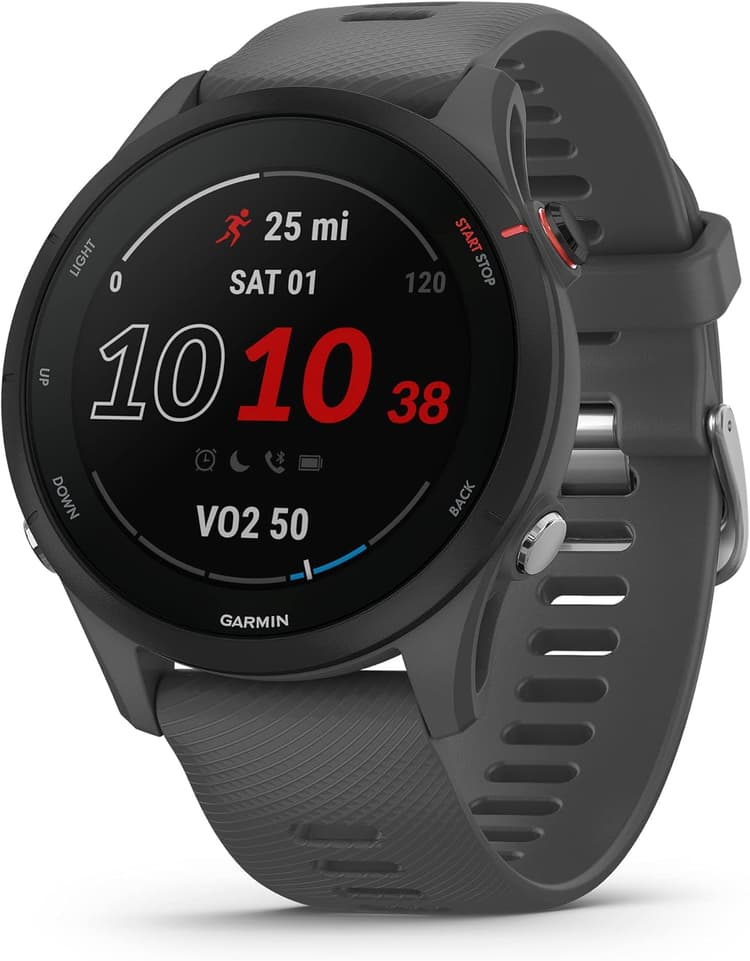
Garmin Forerunner® 255, GPS Running Smartwatch, Advanced Insights, Long-Lasting Battery, Slate Gray
★★★★☆4.7
$237.07
$349.99
-32 %
*
Deals editor focused on watch bargains, market analysis, and approachable buying advice.

Purpose and scope (2026 update). This guide helps you pick a running GPS watch with a practical, use‑first approach aligned with March 2026 standards: increased availability of multiband GNSS, refined power‑saving GPS modes, and richer software ecosystems across manufacturers. The aim remains pedagogical — not model recommendations — but the emphasis is updated: weigh networked features (phone-less mapping, offline route caching) and software longevity as heavily as hardware specs.
Who benefits?
How to use this guide: follow the step sequence below and perform short, repeatable tests before purchase: try devices in motion, compare the same route on different devices, and verify ecosystem features such as route sync and training-plan support. For comparative shopping, keep a short checklist of three priorities (must‑have, nice‑to‑have, optional). See an example checklist in the table below.
| Priority tier | Example items |
|---|---|
| Must‑have | Accurate pace/distance, readable display, comfortable strap |
| Nice‑to‑have | Multiband GNSS, offline maps, chest‑strap compatibility |
| Optional | Pulse oximeter, music storage, sapphire glass |
Practical note on trends: in early 2026 many midrange watches incorporate multiband GNSS and improved battery management, narrowing the gap with premium devices for everyday road runners. If you want a curated comparison hub while researching, check our Running GPS Watches overview and selection: Running GPS Watches - Comparison and Selection.
This guide remains neutral and hands‑on: learn how to read specs, run simple tests, and prioritise features you will use month after month rather than buying the flashiest release of the moment.
Garmin
$237.07
$349.99
-32 %
*
INKRAIMIN
$93.99
$129.99
-28 %
*
CMF BY NOTHING
$72.49
$99.00
-27 %
*
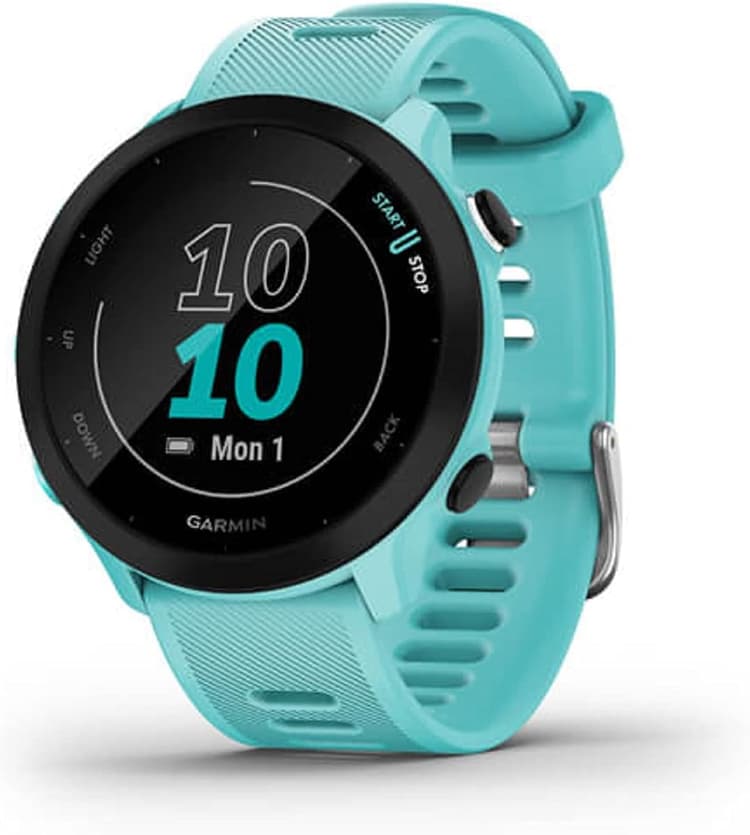
Garmin
$165.00
$199.99
-17 %
*
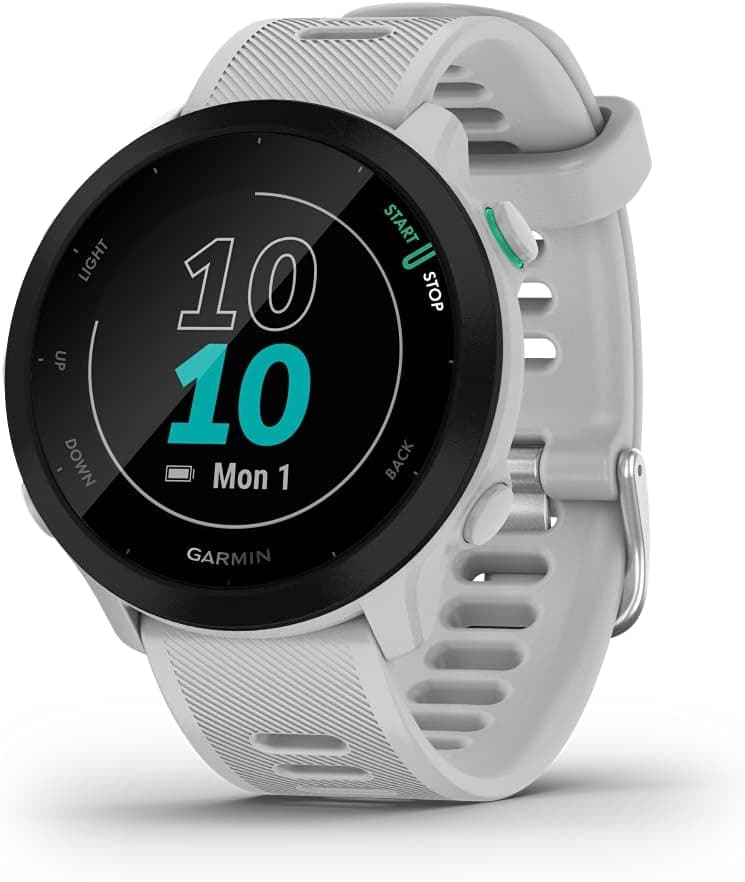
Garmin
$169.00
$199.99
-15 %
*
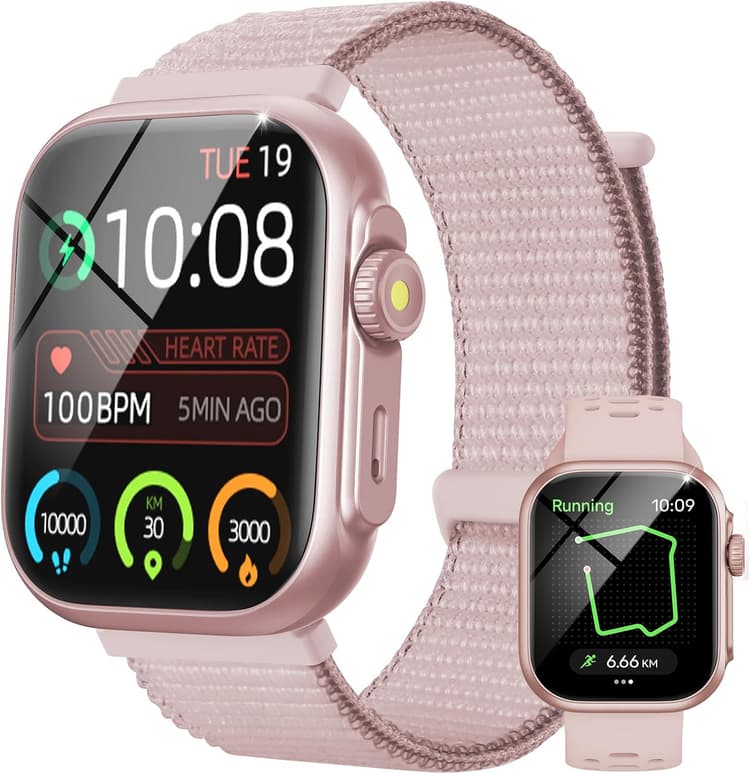
Garmin
$169.00
$199.99
-15 %
*
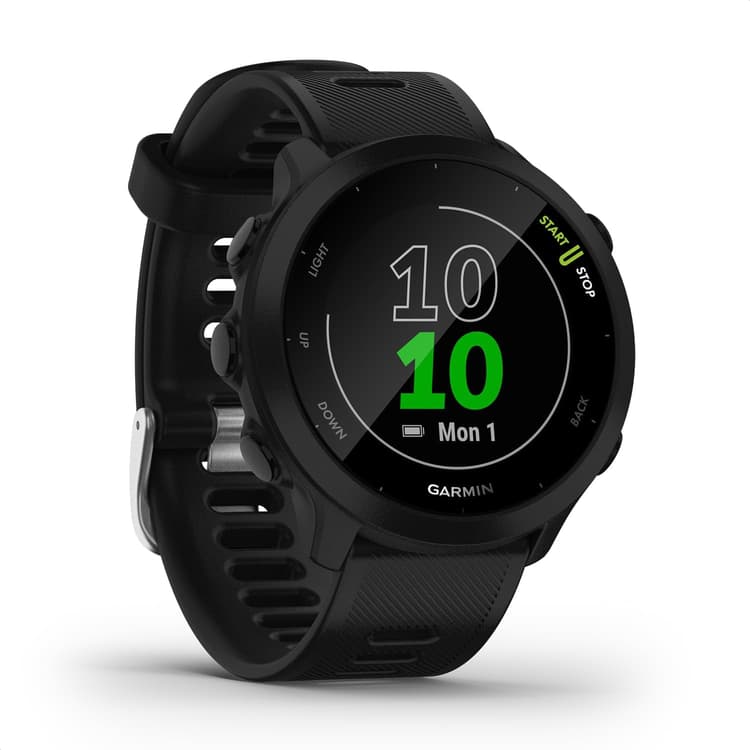
Parsonver
$35.98
$39.98
-10 %
*
$161.94
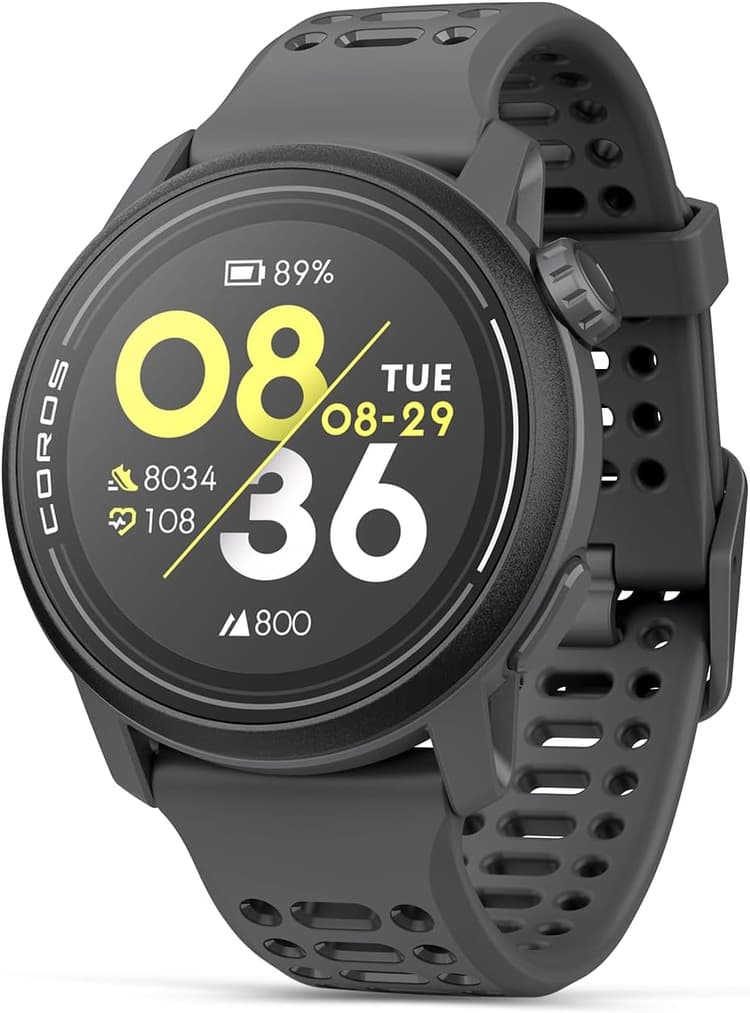
COROS
$199.00
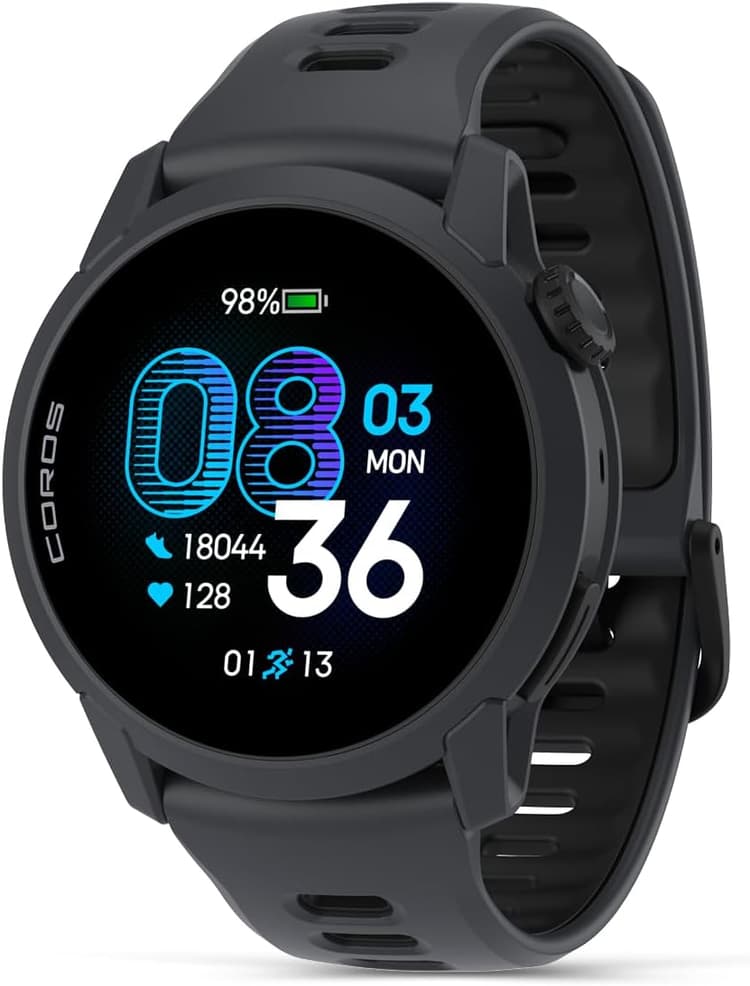
COROS
$249.00
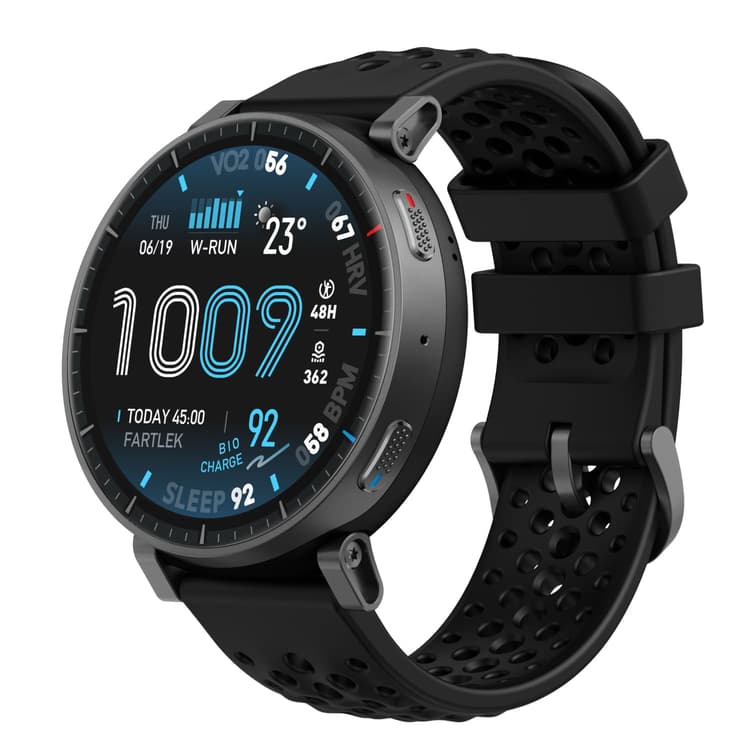
Amazfit
$169.99
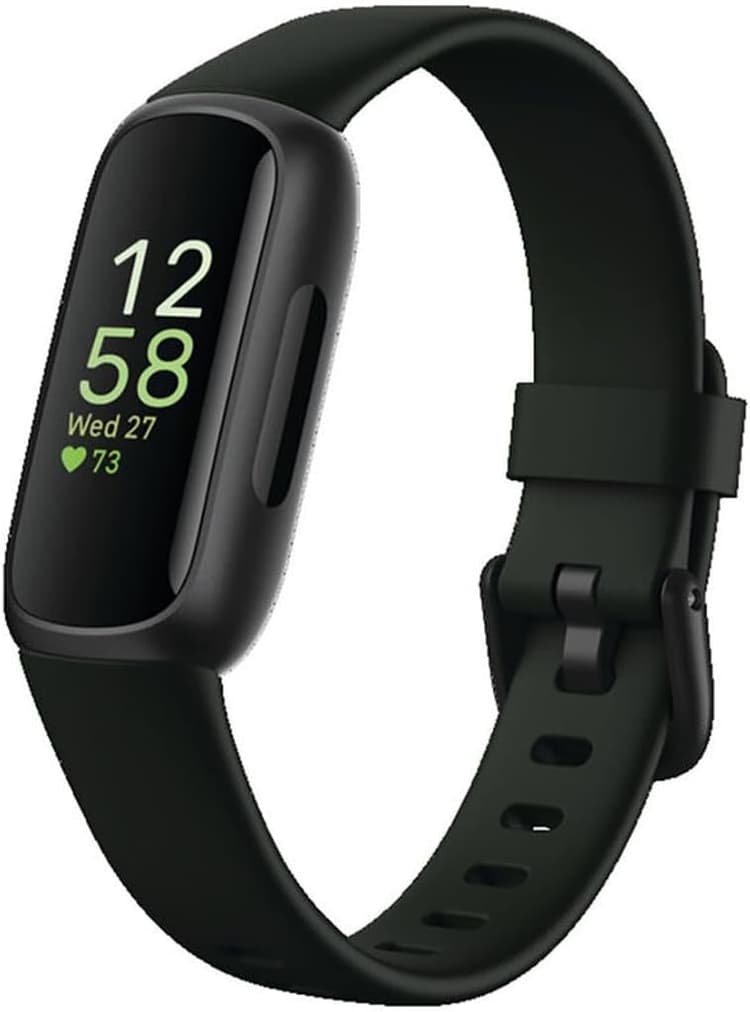
Fitbit
$96.00
Start by mapping your running habits; a clear needs assessment prevents buying a watch that is either over-equipped or insufficient.
Frequency and distance: do you run twice a week for 5 km or train six times for long runs and intervals? Casual runners and structured athletes prioritize different features.
Training goals and modes: basic tracking (distance, time), heart-rate based sessions, interval training, pace planning, or fitness testing. List the features you truly need to reach those goals.
Multisport usage: swimming, cycling, or triathlon require dedicated modes and higher water resistance. If you cross-train, account for sport-specific features.
Health and daily tracking: sleep monitoring, stress metrics, or guided breathing can be valuable but often impact battery life and user flow.
Connectivity and ecosystem: do you want a self-contained device or one tightly linked to a specific app or platform? Check compatibility with the tools you already use.
Practical tip: write down your top three priorities before browsing devices. Rank them as must-have, nice-to-have, and optional. Use this filter to avoid choices driven by design or advertising rather than function.
Understand price tiers and what you actually pay for in 2026. The market still divides into entry, mid and high tiers, but two important shifts matter this year: multiband GNSS is increasingly available in midrange devices, and software ecosystems (regular feature updates, route libraries, coaching content) now sway long‑term value more than raw materials alone.
Price tiers at a glance (2026):
Major cost drivers:
Decision checklist (practical): before paying extra, ask: "Will I use this feature at least monthly?" For example:
Example resources: for curated selections and category context, see our Running GPS Watches overview: Running GPS Watches - Comparison and Selection. Remember that in March 2026 the midrange bracket offers more GNSS and software value than in prior years; spending more only makes sense when you regularly use advanced sensors or mapping.
Size and comfort affect day-to-day use more than many technical specs. An uncomfortable watch often ends up unused.
Diameter and thickness: watches range from compact to wide-faced units. Measure your wrist circumference and compare to stated case sizes. Runners with slimmer wrists should prefer smaller cases to reduce slippage and chafing.
Weight: heavier models are noticeable during long runs. Weight differences typically stem from materials and battery size. Balance runtime needs against comfort preferences.
Strap material: choose breathable, adjustable straps. Common options are silicone, fabric, and metal. Silicone is lightweight and easy to clean; fabric breathes better; metal tends to be durable but can be less comfortable on long runs.
Sensor fit: for reliable heart-rate readings the watch must stay stable. Check back-plate design and contact distribution.
Controls and ergonomics: do you prefer buttons or touch screens? Buttons work better in cold or wet conditions. Try operating menus with gloves if that is part of your routine.
Practical test: if you can, try the watch in person and simulate a short run or wear it for 10-15 minutes to assess comfort. If on-line, read user comments specifically about fit and return policies and favor retailers that allow easy returns.
Assessing materials helps predict a watch's lifespan and behavior under real conditions.
Screen material: mineral glass, reinforced glass, and sapphire offer varying scratch and impact resistance. Sapphire resists scratches best but typically increases cost.
Case construction: reinforced plastic, lightweight alloys, or steel. Plastic keeps weight and cost down but may wear faster; alloys and steel increase durability.
Water resistance and ratings: check the water-resistance rating based on your activities. For swimming, ensure surface-water ratings are adequate; for diving or surfing, confirm recommended depth limits.
Shock and temperature resilience: trail running, skiing, or mountaineering demand reinforced builds and components rated for low temperatures.
Buttons and connectors: moving parts and charging ports commonly show wear first. Look for designs that protect against dust and corrosion.
Practical balance: a rugged watch costs more but pays back for heavy outdoor use. If you run primarily on roads, prioritize lighter materials and sufficient water resistance instead of extreme robustness.
Clear feature comparisons and simple tests you can run (2026). This section explains essential features in plain language and gives short tests you can perform in-store or with a loaned device. Use these checks to validate claims such as improved GNSS, optical HR accuracy, and mapping responsiveness.
Key features explained:
GPS & positioning (GNSS): measures where you are and computes distance. Multiband GNSS reduces path wobble in trees and dense city blocks. Test: run a 5–10 km familiar route twice — once with the watch and once with a phone — and compare distance and track overlay. Note deviations at turns and under tree cover.
Optical heart‑rate sensor: convenient for daily tracking and zone workouts but can lag under high‑intensity intervals. Test: perform a short VO2‑style interval set while wearing a chest strap in parallel; compare peak and recovery values.
Barometric altimeter vs GPS elevation: barometric altimeters capture small elevation changes and are essential for trail or hill training. Test: compare recorded elevation on a known climb against local contour data or a mapped route.
Mapping & navigation: useful off‑road or when exploring. Mapping consumes storage and battery; basic turn‑by‑turn is often sufficient for road runners. Test: upload a GPX route and follow it; confirm recalculation if you stray.
Connectivity & external sensors: foot pods and chest straps boost accuracy for cadence and HR respectively. Test: pair a foot pod on a treadmill and compare cadence/pacing against the treadmill readout.
Practical checklist (Markdown list):
For curated category context and up‑to‑date models, consult our Running GPS Watches page: Running GPS Watches - Comparison and Selection. These hands‑on checks separate marketing claims from real, daily performance.
Everyday performance: what actually matters during weeks and months of use (2026). Beyond raw specs, the watch must behave reliably over weeks of training and daily wear. In 2026, pay particular attention to real battery life in intended GPS modes, firmware update cadence, and the practical quality of the companion app.
Evaluation dimensions and quick protocols:
Data consistency: track key metrics (distance, pace, heart rate) across at least five runs. Look for systematic drift, repeated GPS offset at the same location, or heart‑rate spikes. Protocol: export two GPX logs (watch vs phone) and overlay them on a map to visualise divergence.
Real battery life vs manufacturer claims: manufacturers often quote idealised figures. Protocol: run a representative week with your typical settings (notifications, 24/7 HR, music) and note battery at week end. For long runs, test the watch in the GPS mode you plan to use and keep margin for navigation or music.
Usability and readability: screen legibility in bright sunlight, tactile feedback of buttons, and menu depth matter. Protocol: perform a session under direct sun and in rain; try switching modes mid‑run.
Sync and ecosystem: assess sync speed, cloud backup reliability and analytics depth. A slow or buggy app interrupts post‑run workflows. Tip: sign up and explore the vendor app before buying; check user reviews for update frequency.
Maintenance and accessories: confirm spare strap availability and charger type. Proprietary chargers can be an annoyance on travel days.
Reliability in extreme conditions: for trail, cold or wet runs, seek third‑party field tests and community feedback. Current 2026 test reports increasingly cover low‑temperature GPS behaviour and multiband GNSS stability.
For category context and up‑to‑date selections, visit our Running GPS Watches hub: Running GPS Watches - Comparison and Selection. The recommended approach: borrow or rent when possible, run a suite of short tests (GPS, HR, battery) across a week, and base the final choice on consistent performance rather than on a single impressive spec.
Beginners commonly make avoidable mistakes. Below are the common pitfalls and practical expert tips to sidestep them.
Common mistakes:
Accessible expert tips:
Pedagogical summary: the best choice balances intended use, everyday comfort, and a user-friendly software ecosystem. Fewer but well-matched features lead to more consistent use and better training outcomes.
Garmin
$237.07
$349.99
-32 %
*$161.94
Garmin
$169.00
$199.99
-15 %
*Garmin
$169.00
$199.99
-15 %
*Garmin
$165.00
$199.99
-17 %
*COROS
$199.00
COROS
$249.00
Amazfit
$169.99
Fitbit
$96.00
CMF BY NOTHING
$72.49
$99.00
-27 %
*
Rmana
$69.99
Parsonver
$35.98
$39.98
-10 %
*Choosing a running GPS watch requires a structured approach: define your running habits and priorities, then match budget, size, materials, and features to those priorities. Price alone does not guarantee suitability; aim for a balance of accuracy, battery life, and comfort. Materials and water resistance should reflect your environment, and the software ecosystem significantly shapes daily usability.
Adopt an experiential process: try the watch when possible, compare GPS accuracy and heart-rate stability, and evaluate ergonomics under real conditions. Remember that software updates and accessory availability affect a device's longevity. Avoid buying based on flashy features you are unlikely to use.
In short, the best GPS watch is the one that fits your real needs, offers everyday comfort, and sits within a supportive software ecosystem. Use the priority checklist from this guide to filter options and make an informed decision.
This guide is informational and pedagogical. It does not recommend specific models nor contain sponsored content. Advice is based on technical principles and practical, repeatable tests; however, this is not a product comparison. Technical information is general and intended to help readers define their own selection criteria.
Tests and articles by watch experts, based on technical criteria and side‑by‑side comparisons.
We compare models and features to inform your choice, free from commercial influence.
Guides are regularly updated to reflect new releases and market developments.
We may earn a commission from links to partner retailers; this does not affect our independent analyses.