
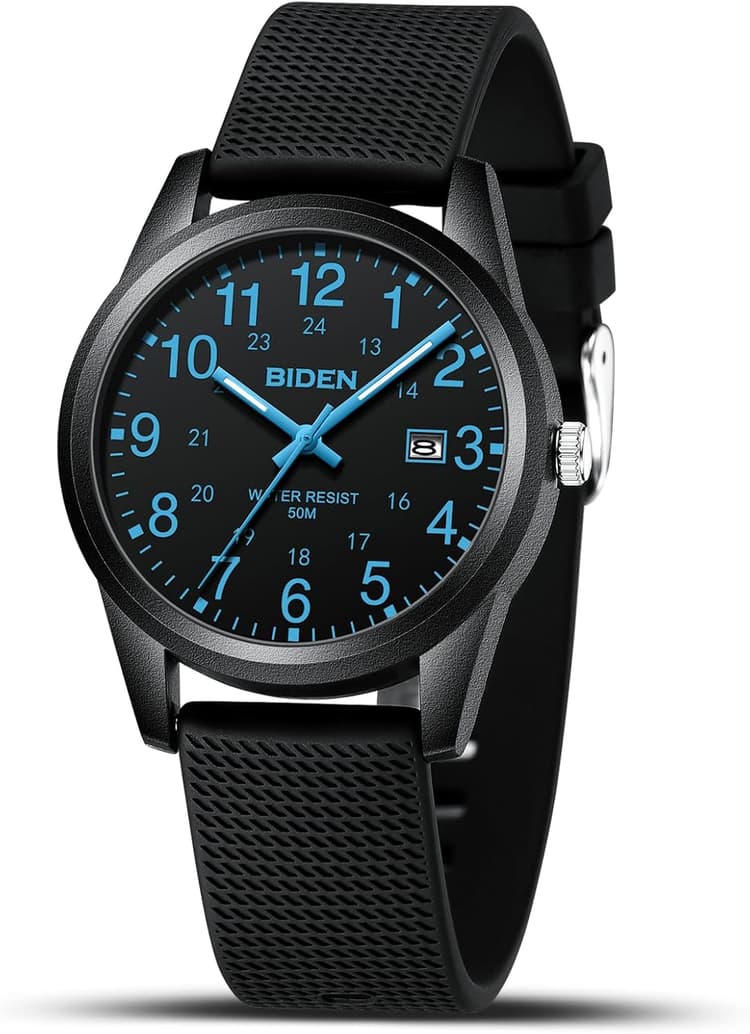
LN LENQIN
LN LENQIN Mens Watches Analog Quartz Sports Unisex 30M Waterproof Nurse Watch for Men Women Medical Professionals Military Time with Second Hand Glowing Easy to Read Dial
★★★★☆4.4
$9.99
$15.99
-38 %
*
Senior watch editor specializing in in-depth reviews, buying guides, and industry news.

Why this guide was refreshed in March 2026
This guide focuses on practical, neutral advice for buyers seeking a unisex watch that fits diverse wardrobes and modern lifestyles. It avoids brand endorsements and emphasizes measurable criteria—size, movement, materials, durability and core features—so you can make decisions based on use rather than trend-driven marketing. Expect clear, testable benchmarks, simple checklists and links to curated selections to help you compare models quickly.
What you’ll get
Quick navigation table
| Section | Why it matters |
|---|---|
| Assessing needs | Filters features by real use (office, sport, travel) |
| Size & comfort | Prevents returns and buyer regret |
| Materials | Balances cost vs durability |
| Features | Prioritize only what you will use |
How to use this guide
This guide is compatible with our broader editorial resources: see the hub of guides at Guides - Learn, Compare, Decide to explore related topics (dress watches, smartwatches, dive watches). The tone remains pedagogical and neutral: practical recommendations you can act on today, aligned with March 2026 product trends and common post-purchase issues.
LN LENQIN
$9.99
$15.99
-38 %
*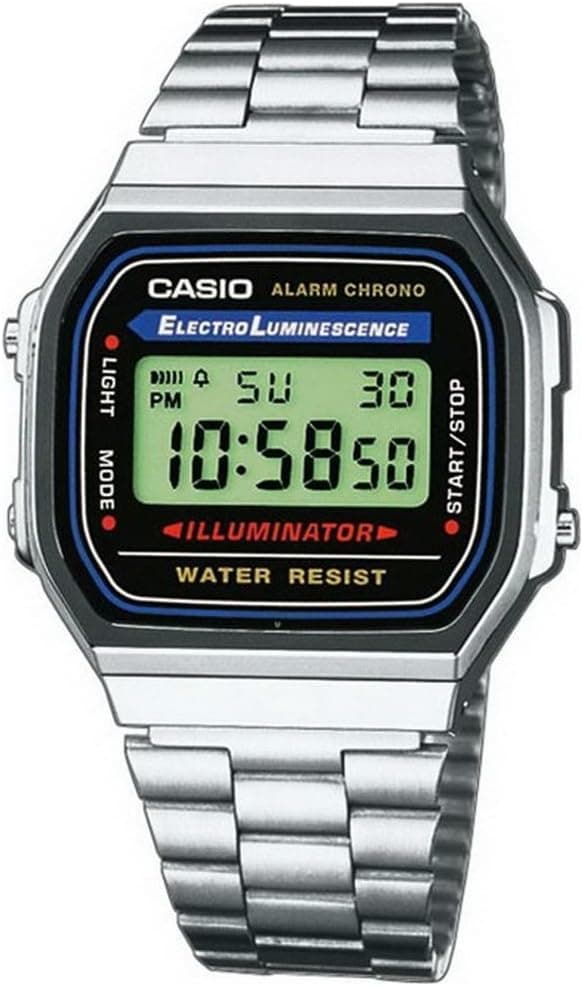
Casio
$29.92
$39.95
-25 %
*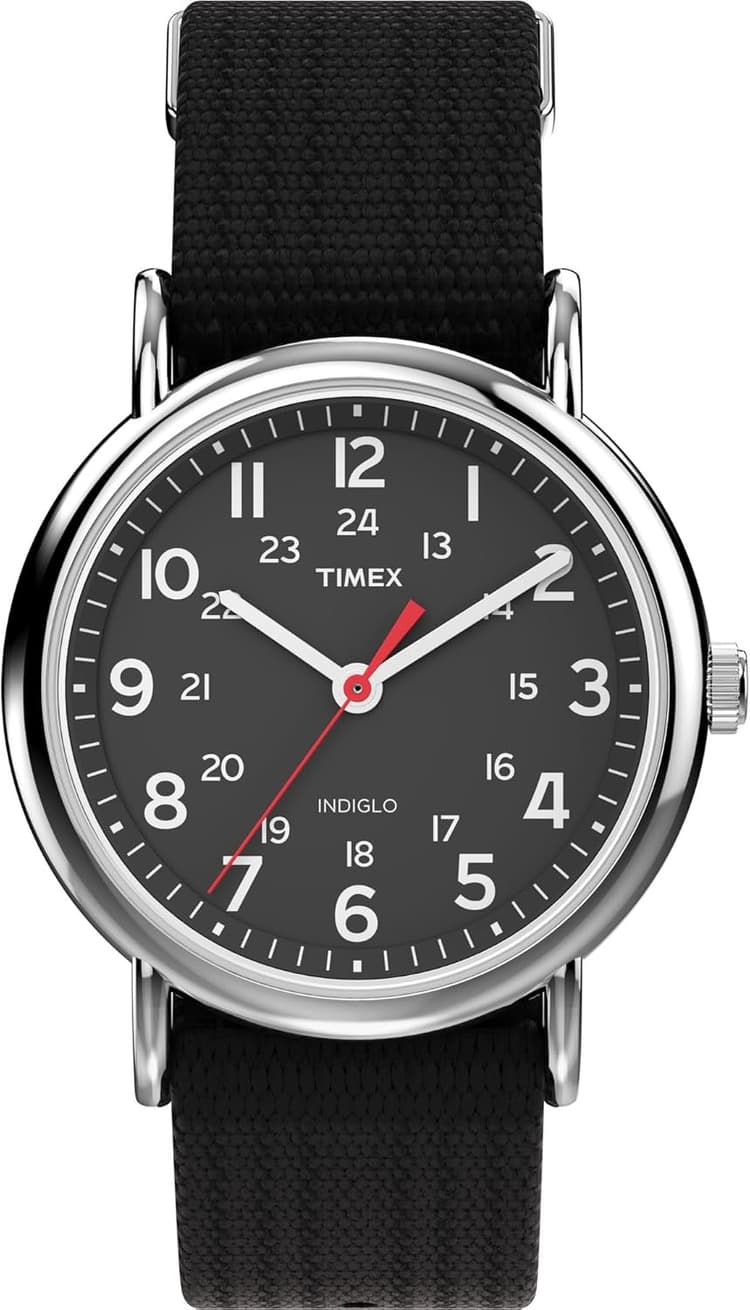
Timex
$45.25
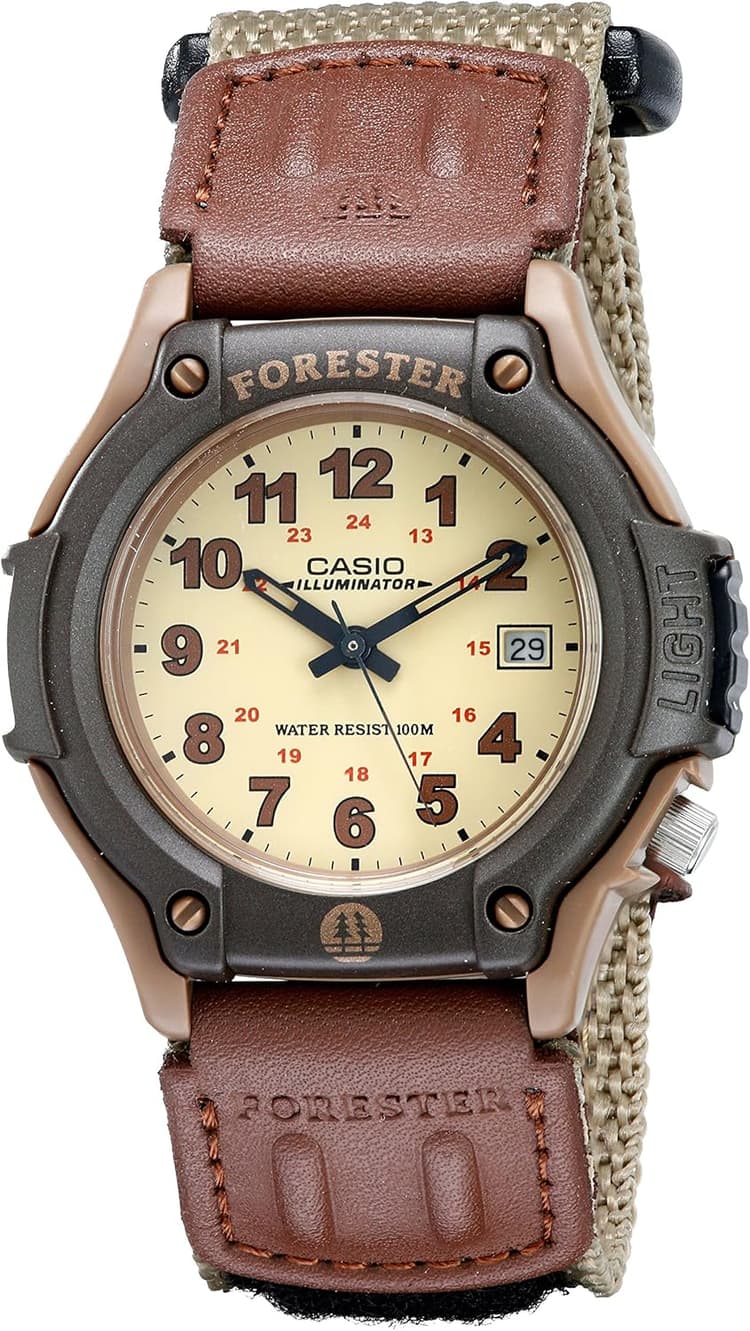
Casio
$34.25
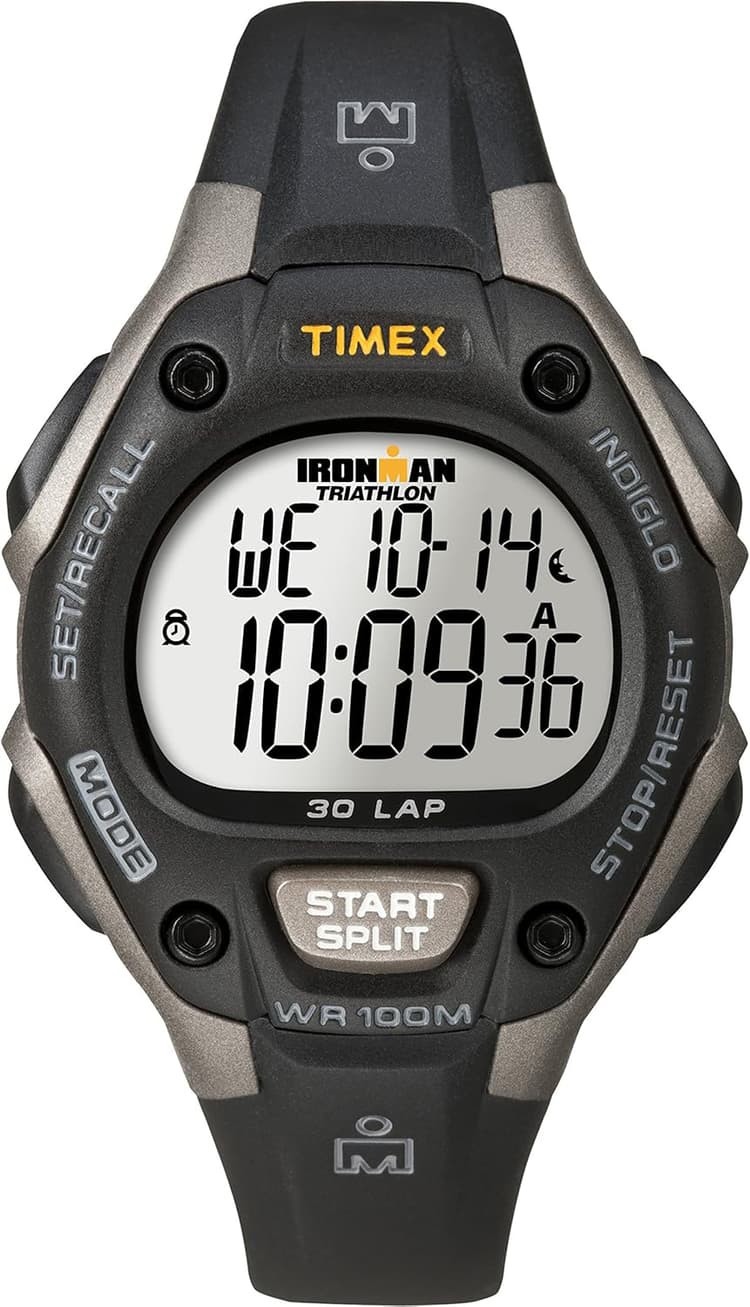
Timex
$50.99
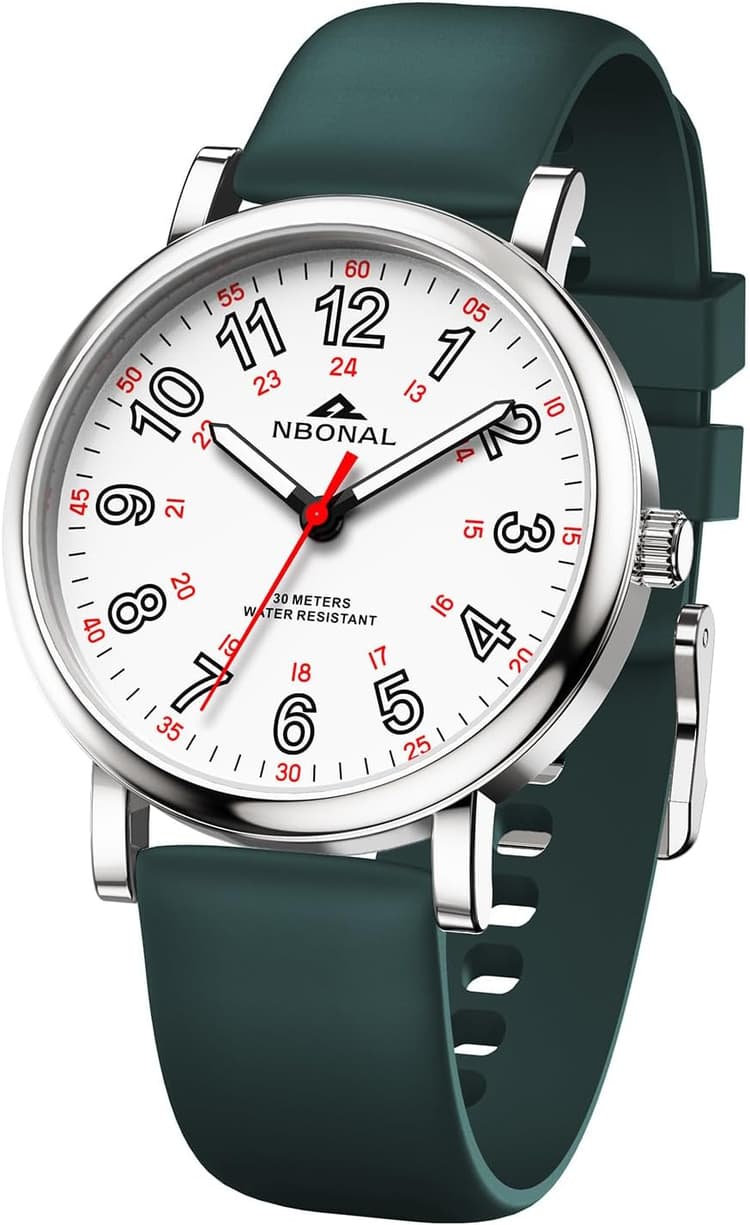
NBONAL
$15.99
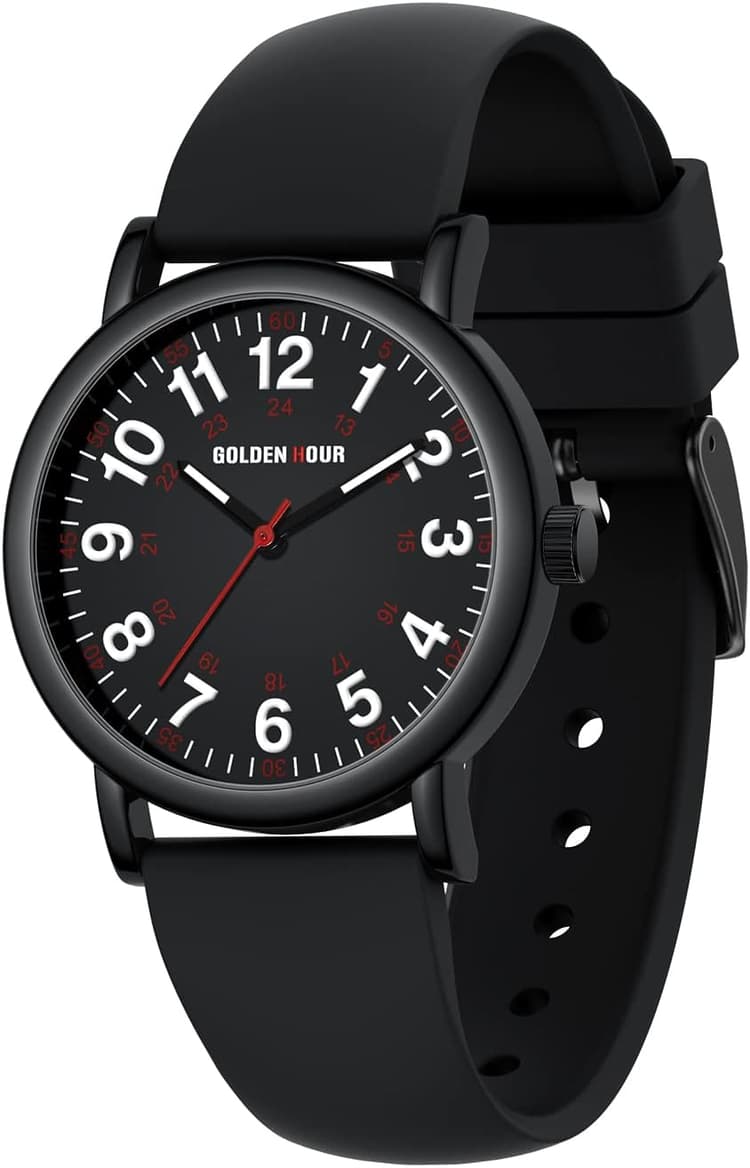
GOLDEN HOUR
$21.99
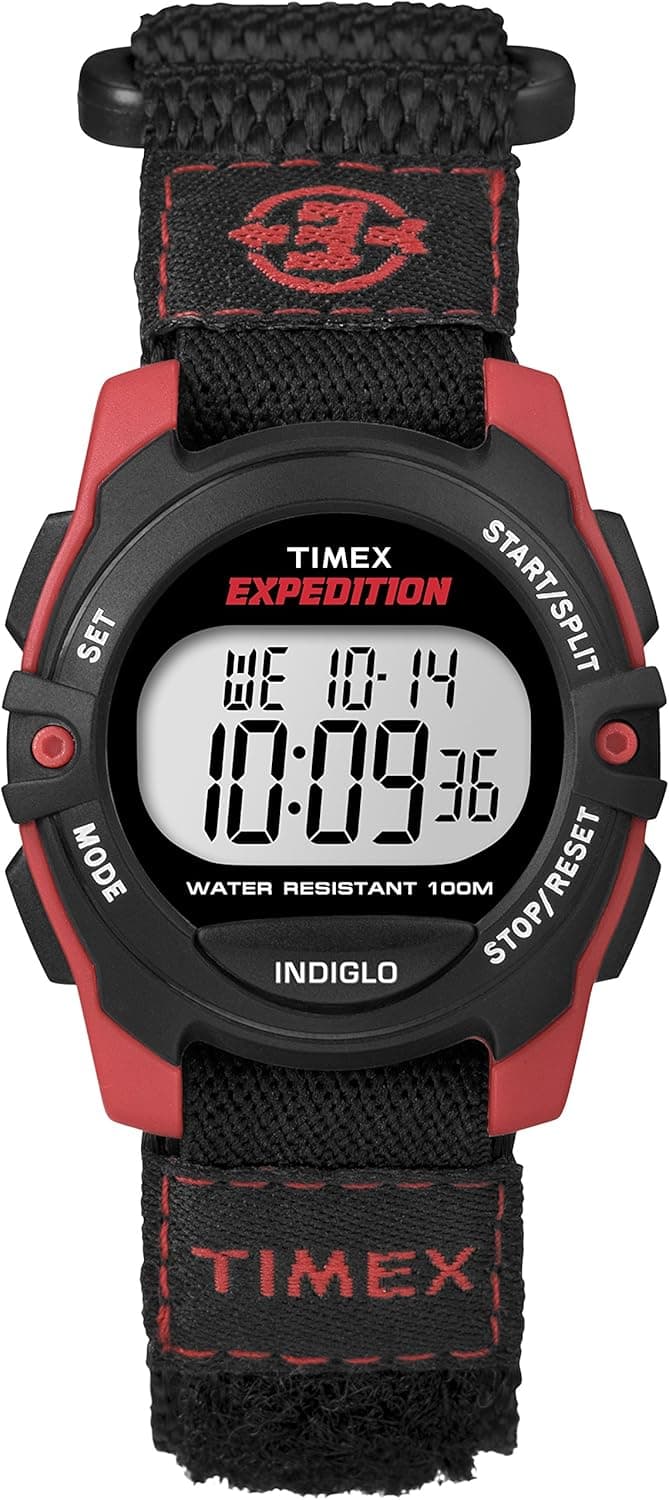
Timex
$32.00
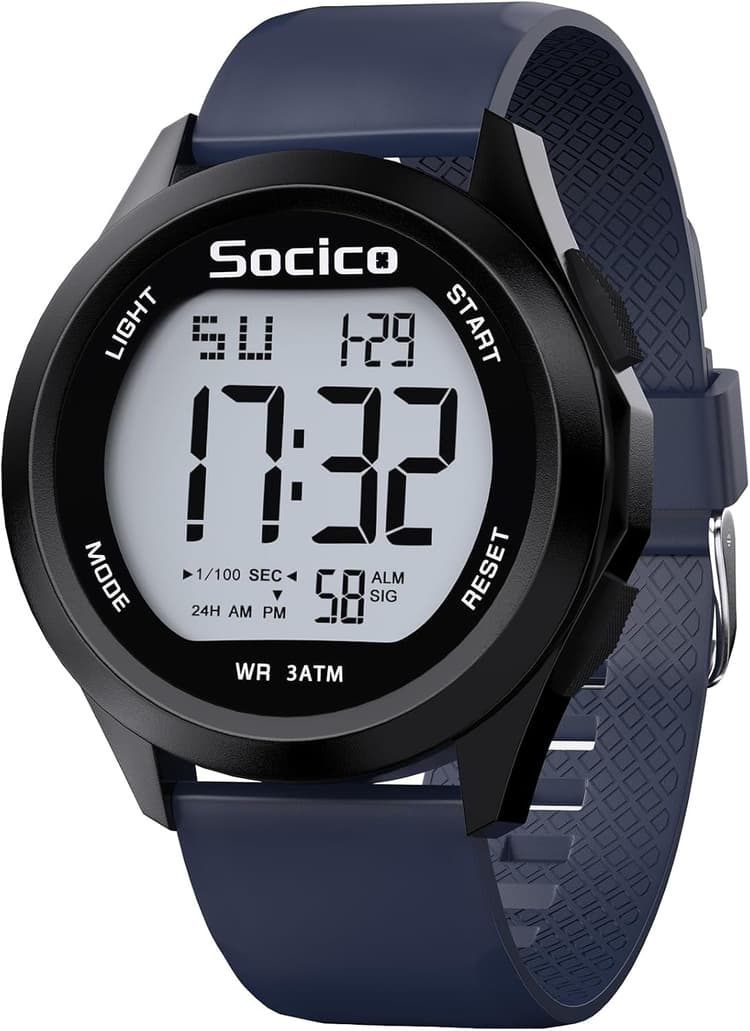
SOCICO
$9.99
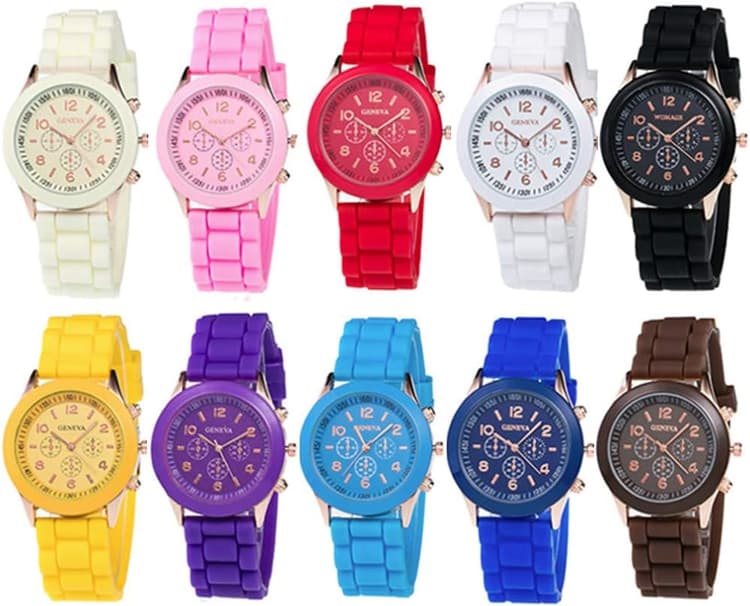
Weicam
$25.99
Step-by-step diagnosis updated for current usage patterns
In 2026, daily life mixes remote work, frequent travel and active weekends. Start by clearly mapping how you will use the watch across these contexts. Use this checklist to capture realistic priorities and avoid feature creep:
Practical 4-step method (with examples)
Decision filter
Apply the three non-negotiables as hard filters; use ranked use cases to pick soft preferences (style, complications). For example, if travel is high priority, a GMT or dual-time function is useful; if sport is occasional, a robust quartz field or hybrid can be better value than a dedicated multisport GPS.
Links & further reading
For examples of neutral designs, consult our Unisex Watches picks and the broader Guides hub for specialized advice (GMT, dive, smartwatch). This diagnostic converts subjective tastes into measurable filters that save time and reduce returns in 2026's fast-moving market.
Price drivers you should check before buying
By March 2026, the same fundamentals drive cost but some trends affect value: broader use of titanium and ceramic in mid-range models, mainstream adoption of AR-coated sapphire, and an increase in microbrands offering higher finishing at aggressive prices. When you evaluate a price tag, break it down into measurable contributors:
Quick comparison table
| Price band (approx.) | Typical features | What you pay for |
|---|---|---|
| <$200 | Basic quartz, mineral glass | Cost-efficient movement, limited finish |
| $200–$800 | Better quartz or basic automatic, sapphire in many models | Improved materials, finishing, warranty |
| $800–$2,500 | Refined automatics, titanium/ceramic options | Movement finishing, in-house parts, stronger brand positioning |
Practical tips
Internal resources
For curated selections by segment consult Affordable watches or browse Unisex Watches - Practical Picks to see real-world examples aligned with these price bands. Understanding the cost breakdown helps you avoid overpaying for marketing and focus on components that matter for your use.
Beyond diameter: practical fit in 2026
Sizing remains a three-dimensional problem: case diameter, case thickness and lug-to-lug distance determine proportion and comfort. In 2026, fashion trends include smaller dress-case revivals and continued popularity of mid-size tool watches—so don’t rely on visuals alone.
Practical sizing rules (refined)
Thickness & wardrobe
Comfort checklist to test in-store or after delivery
Strap considerations
Try-before-you-buy strategies
For curated mid-size and versatile picks, see our practical selections at Unisex Watches. Use the measurements above as hard filters when scanning spec sheets to avoid common online-fit disappointments.
How to read a spec sheet like an expert in 2026
A spec sheet contains objective signals about durability: case alloy, crystal, surface treatment, water resistance and strap type. In 2026, costs for sapphire and ceramic have lowered in many segments—making them realistic priorities even on mid-range picks.
Key materials and what they mean
Water resistance decoded
Strap & clasp longevity
Practical evaluation method
Prioritize materials that reduce daily interventions (sapphire, decent WR, robust strap) rather than paying extra for decorative finishes that add little to everyday resilience.
Which functions matter in daily life (2026 lens)
Modern watches offer functions ranging from the basic (date) to the connected (smart sensors). Prioritize only what you will actually use—extra complications cost money, thickness and potential maintenance. Below are concise descriptions and trade-offs to guide ranking.
Core functions and when they make sense
Environmental & usability features
Electronics, hybrids & smartwatches
Comparison checklist (use when evaluating candidates)
For concrete, curated comparisons of function-focused models, browse our Chronograph and GMT guides. Rank candidate watches strictly by your must-have list to avoid paying for unused complexity.
Concrete reliability criteria & in-hand tests
Reliability in daily use is about timekeeping, autonomy, resistance to elements and serviceability. Use the following tests and checks—feasible in-store or during an initial trial period—to assess whether a watch will perform reliably in your real life.
Accuracy benchmarks
Power & servicing expectations
Environmental robustness tests
On-wrist assessment routine (48–72 hours)
Comfort & ergonomics
For curated picks focused on reliability across segments, review our Top picks for automatic watches and our Affordable watches listings. These resources help you match performance expectations to the right price band and support practical pre-purchase tests.
Top mistakes and actionable tips to avoid them
Many buyers make repeatable errors that lead to remorse. This updated list for March 2026 pairs each common mistake with concrete, low-effort corrections you can apply immediately.
Mistake → Quick fix
Practical setup & care tips
Buying strategies to reduce risk
Final practical mantra
Comfort first, then durability, then complications. Following this order keeps early buyers from spending extra on features they won't use and improves long-term satisfaction with purchases made in 2026’s busy market.
Casio
$29.92
$39.95
-25 %
*Timex
$45.25
Casio
$34.25
Timex
$50.99
NBONAL
$15.99
GOLDEN HOUR
$21.99
LN LENQIN
$9.99
$15.99
-38 %
*Timex
$32.00
SOCICO
$9.99
Weicam
$25.99
A compact workflow to close the deal (updated March 2026)
Follow these seven steps to convert the guide's advice into a reproducible buying process. Each step is linked to a concrete action you can perform online or in-store.
Quick printable checklist
For curated model lists that align with each stage, consult our editorial picks like Unisex Watches - Practical Picks and Comparisons or the relevant category hub in French Montres unisexe. Applying this workflow reduces impulse buys and increases the odds you'll still enjoy the watch in two years.
This guide was written with an educational intent to assist in selecting a unisex watch. Recommendations are grounded in commonly accepted technical and practical criteria in watchmaking: movements, materials, water resistance, ergonomics and functions. No specific brands or models are promoted; the content is neutral and free of embedded advertising. Advice draws on best practices, examination of spec sheets and user feedback. Any external links on the final page should be clearly labeled and do not imply endorsement.
Tests and articles by watch experts, based on technical criteria and side‑by‑side comparisons.
We compare models and features to inform your choice, free from commercial influence.
Guides are regularly updated to reflect new releases and market developments.
We may earn a commission from links to partner retailers; this does not affect our independent analyses.