
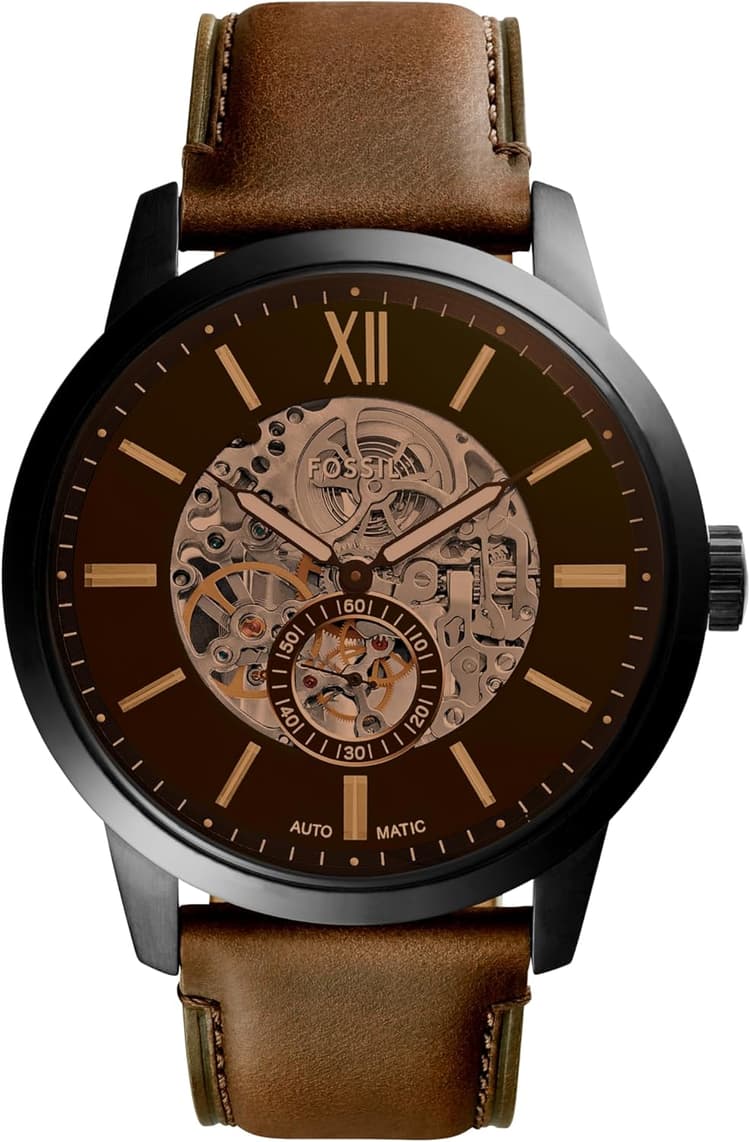
Fossil
Fossil Men's Watch, Townsman Automatic Stainless Steel Watch for Men
★★★★☆4.5
$135.45
$250.00
-46 %
*
Senior watch editor specializing in in-depth reviews, buying guides, and industry news.

Purpose and practical scope — updated March 2026
This guide is a hands-on, non-commercial resource designed to help buyers select an automatic (self-winding) watch that fits daily life, style and long-term ownership costs. It avoids brand promotion and focuses on verifiable technical criteria, simple in-person checks and up-to-date advice reflecting March 2026 trends in movements, materials and retail (including clearer after‑sales expectations).
Key ways to use this guide:
Practical checklist for in-store or remote inspection (use as a one-sheet while shopping):
| Category | What to check | Why it matters |
|---|---|---|
| Movement | Manufacturer (in-house vs third-party), power reserve, accuracy spec | Determines service intervals, parts availability and long-term value |
| Fit & Ergonomics | Lug-to-lug vs wrist width, thickness under a cuff, weight | Comfort and daily wearability |
| Materials | Crystal type, case metal, strap interchangeability | Longevity and ease of repair |
| Water resistance | Claimed meters, screw-down crown, gaskets | Real suitability for swimming/diving |
This guide complements our roundups and category pages — explore practical selections and comparisons at Top picks for automatic watches and review broader context in Automatic watches and self-winding movements. For French readers, see Nos choix pour les montres automatiques and Montres automatiques et leurs mouvements.
Use the step-by-step sections that follow to refine needs, evaluate price drivers and run quick tests that reveal daily performance rather than marketing statements.
Fossil
$135.45
$250.00
-46 %
*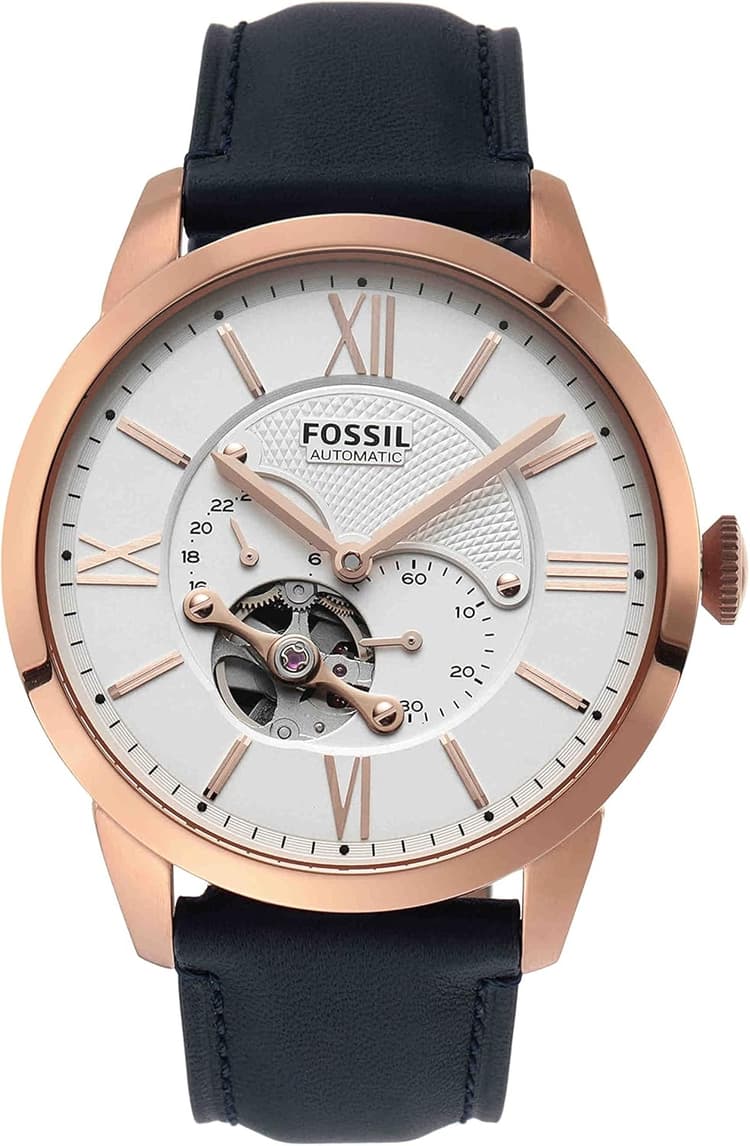
Fossil
$137.95
$240.00
-43 %
*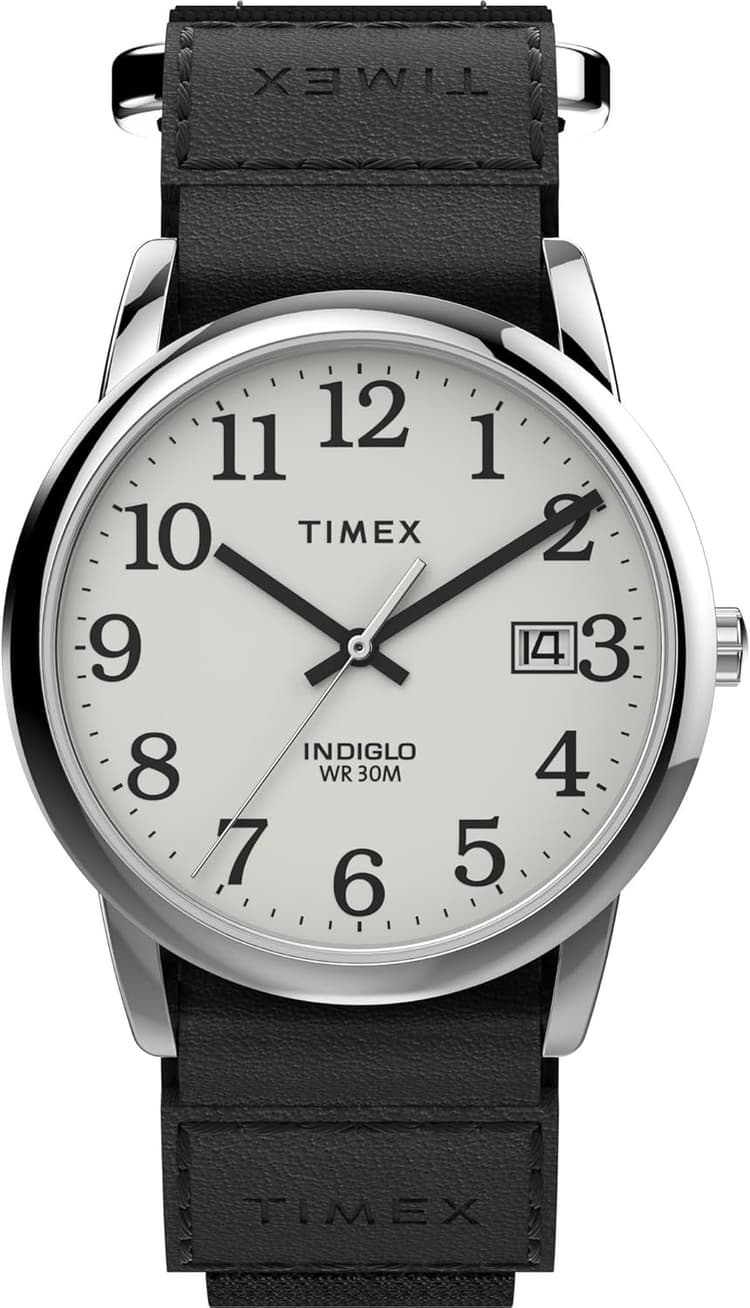
Timex
$39.99
$67.00
-40 %
*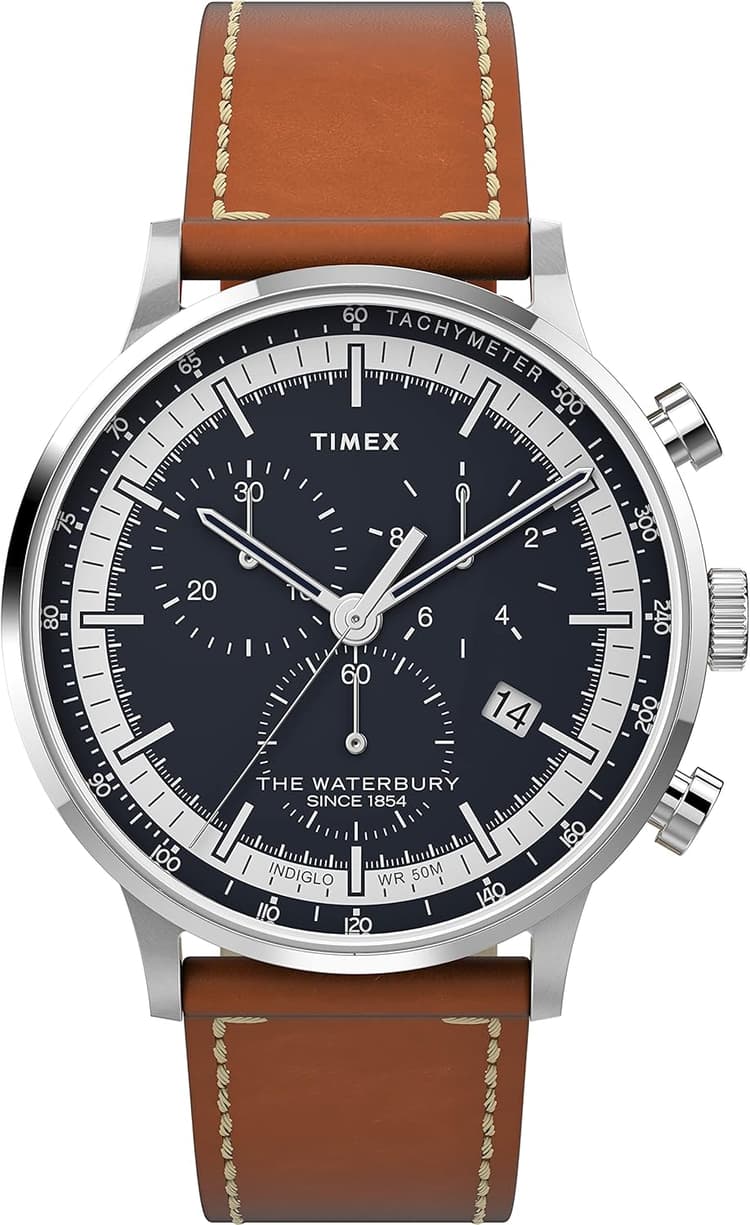
Timex
$86.76
$140.00
-38 %
*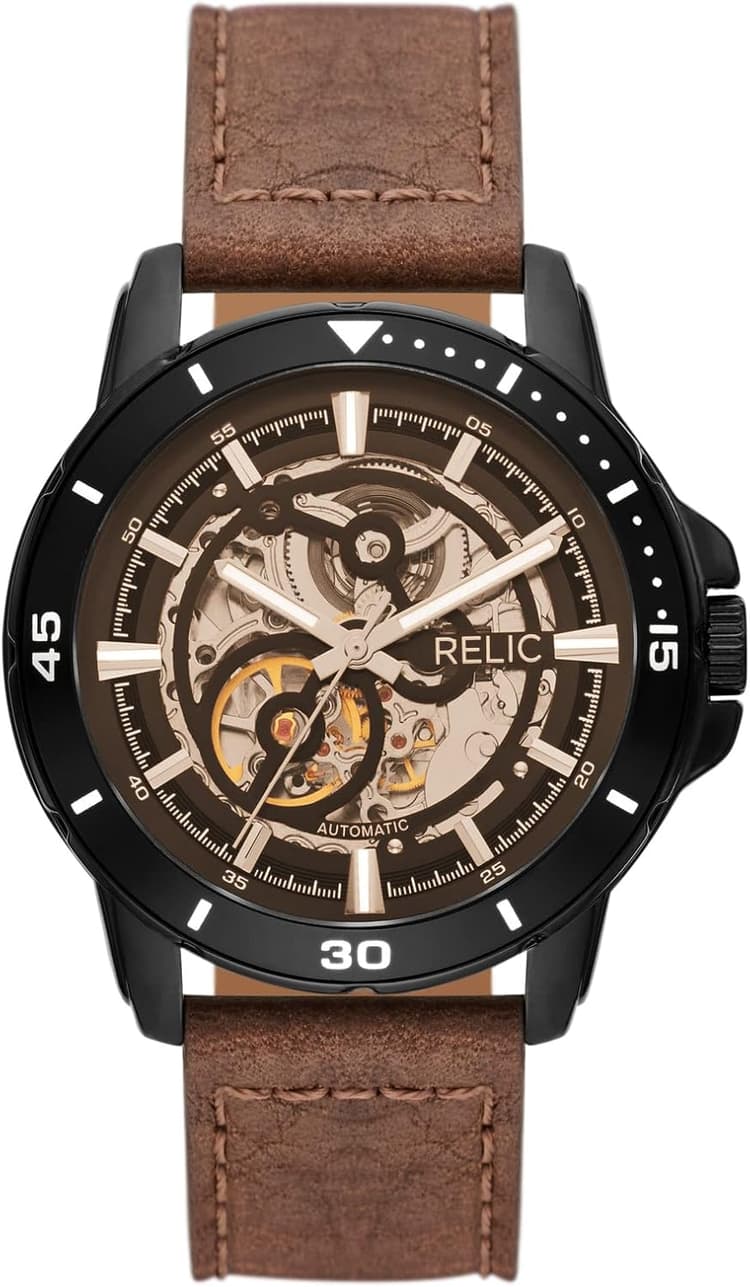
RELIC
$100.35
$155.00
-35 %
*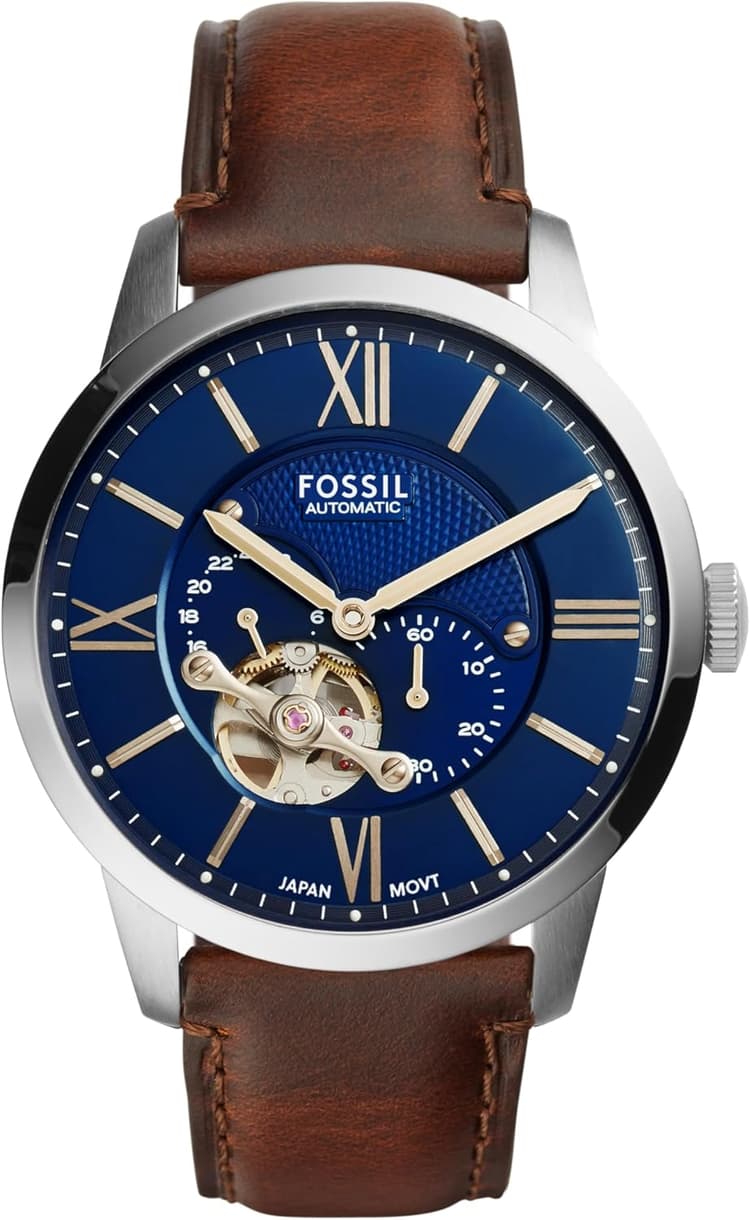
Fossil
$164.95
$240.00
-31 %
*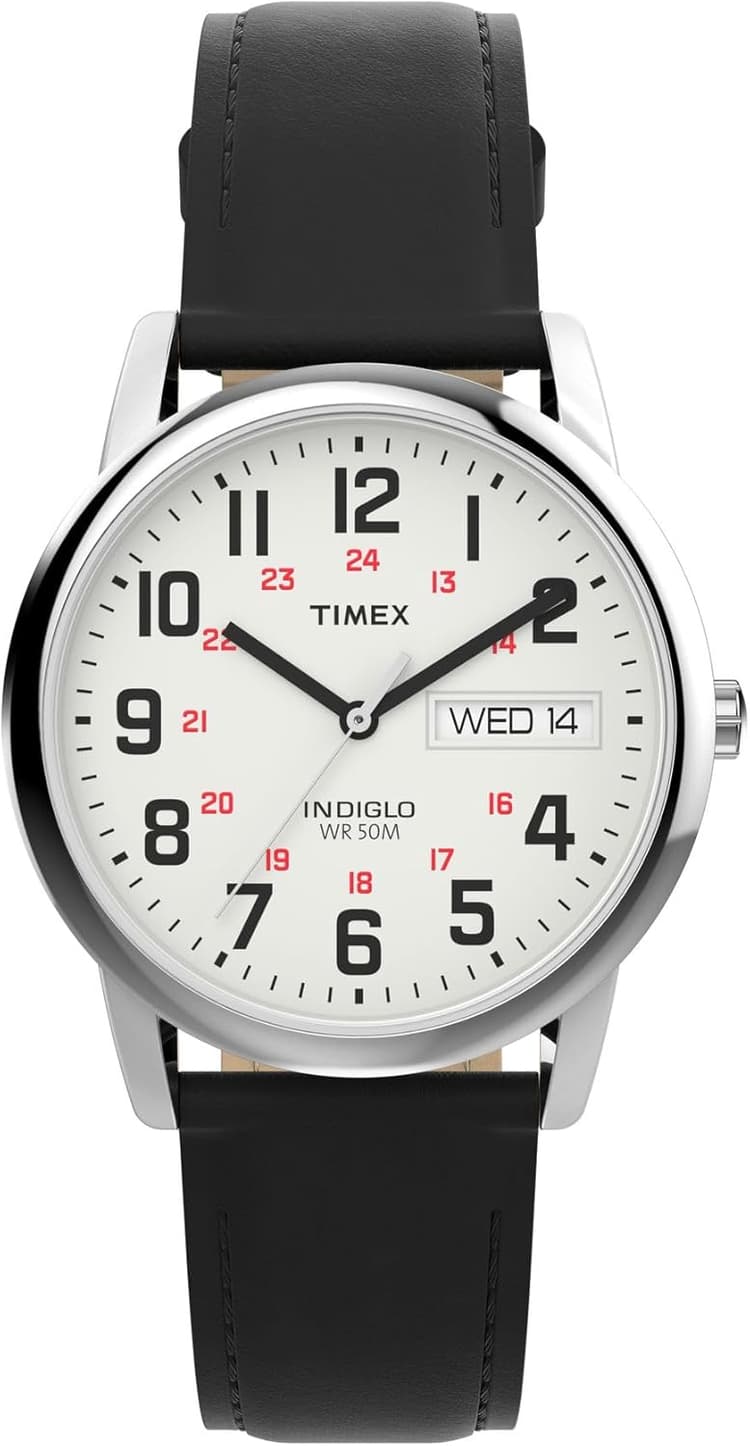
Timex
$32.43
$38.18
-15 %
*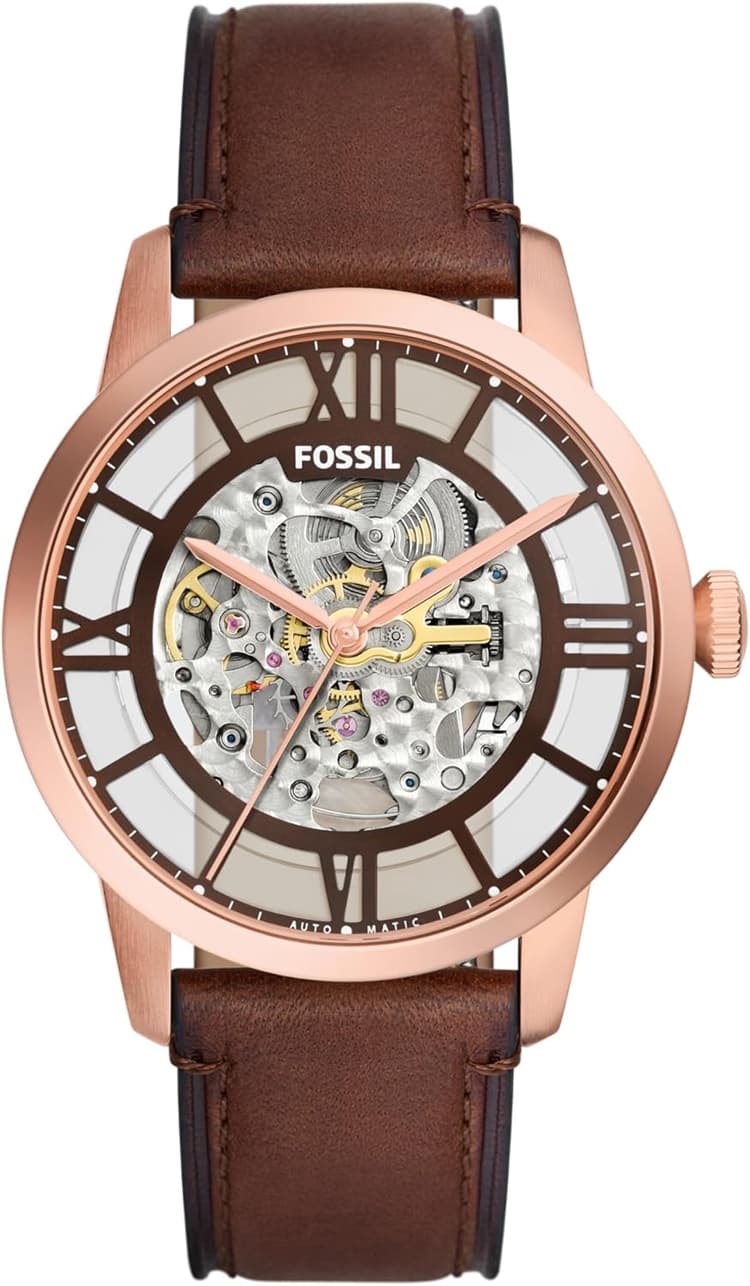
Fossil
$250.00
$280.00
-11 %
*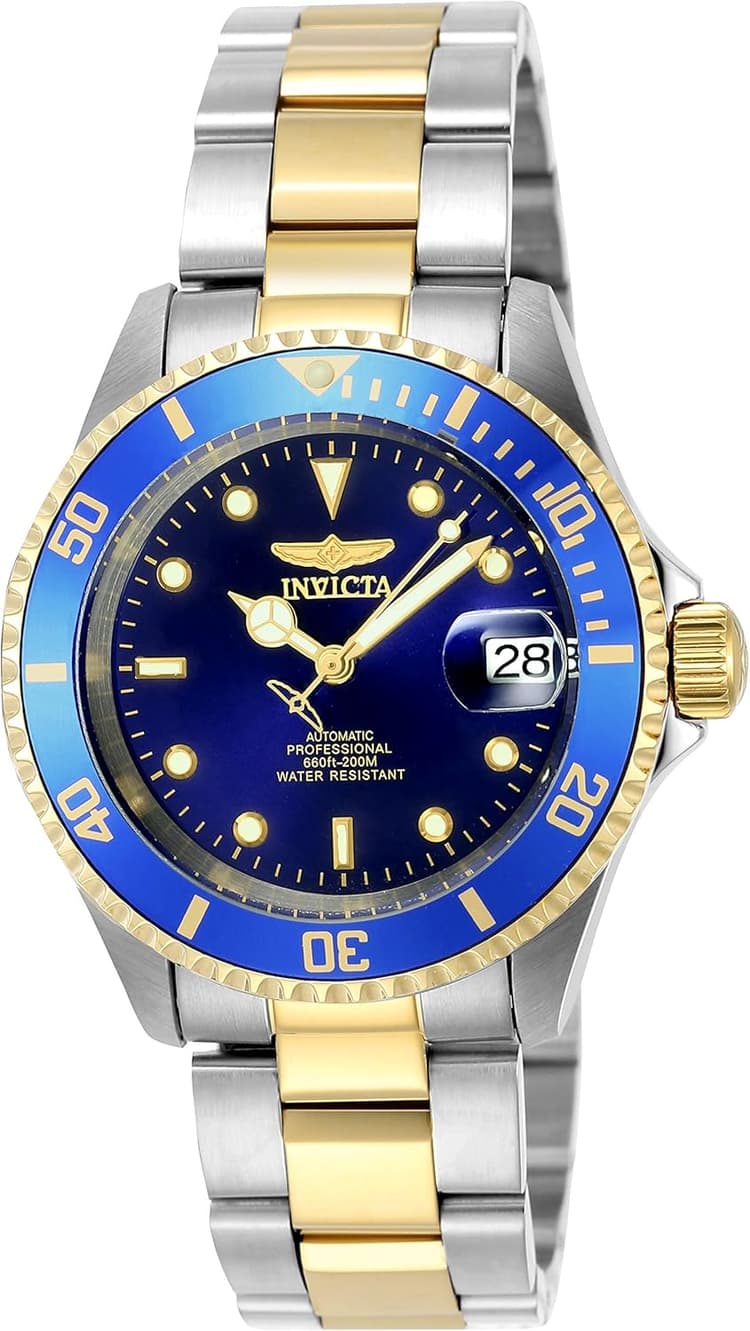
Invicta
$90.52
$97.99
-8 %
*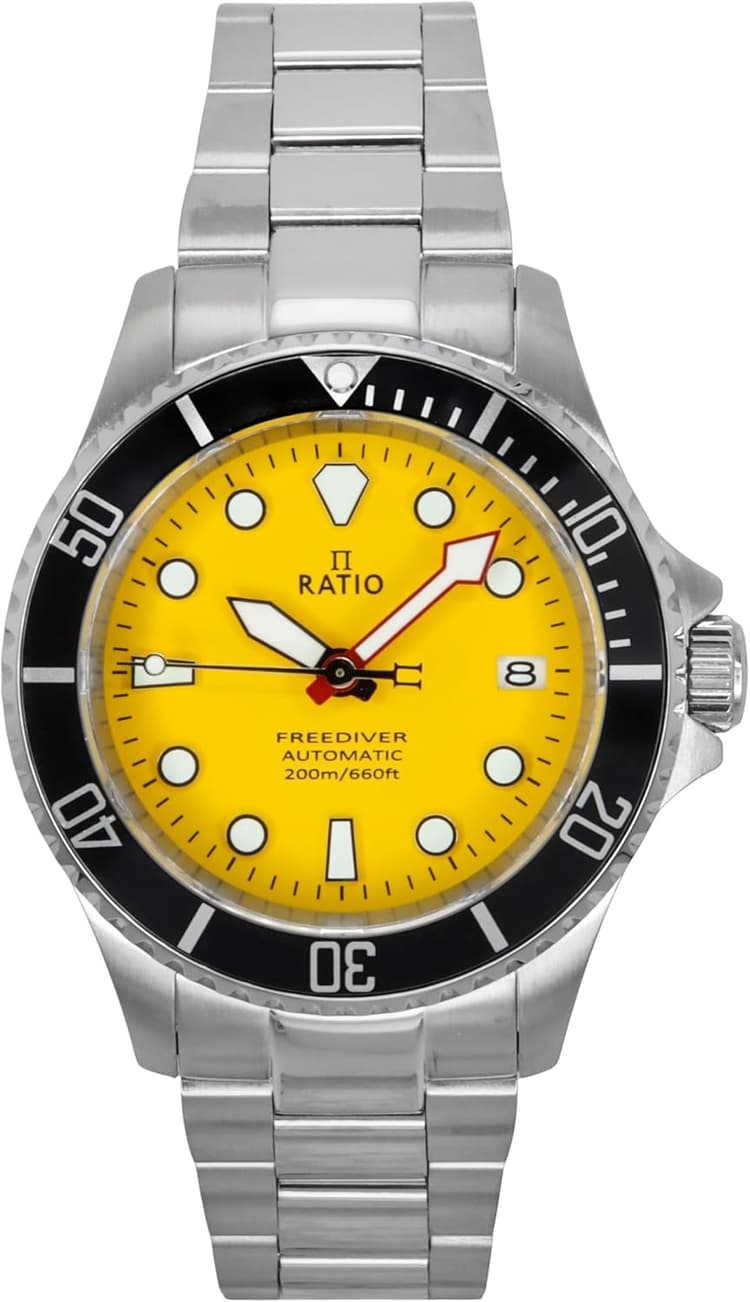
RATIO
$105.00
$110.00
-5 %
*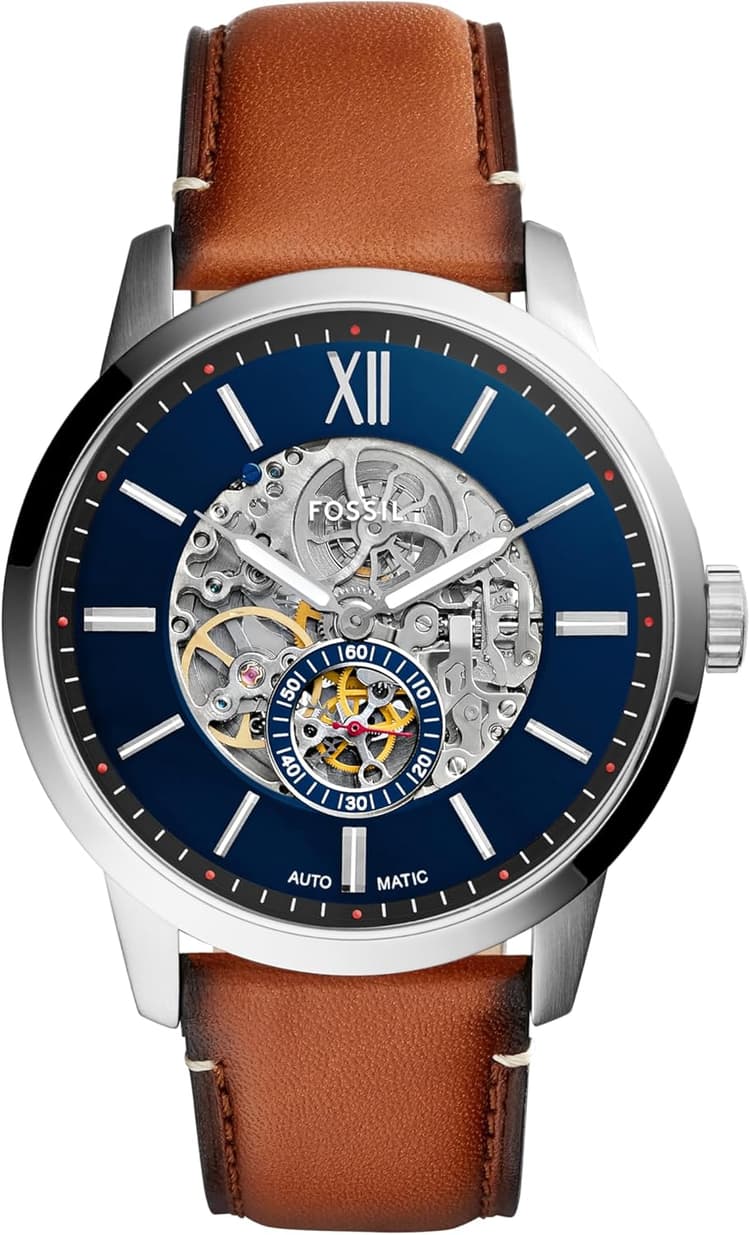
Fossil
$273.83
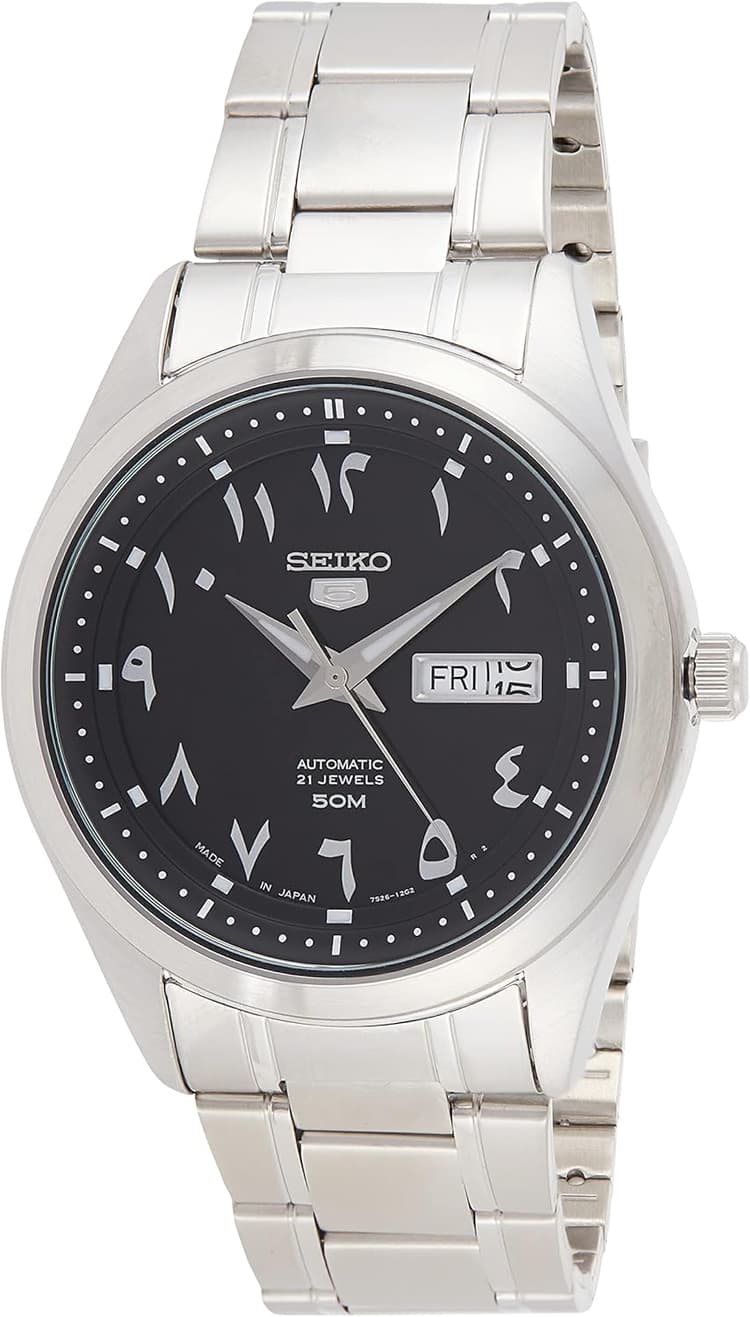
SEIKO
$185.99
Start by defining concrete use-cases and three non-negotiables (updated guidance — Mar 2026)
Choosing the right automatic watch begins with a tightly defined brief. Ask: where will I wear this watch most often? How often will it be worn? What is my tolerance for maintenance and weight? Modern 2026 trends see many buyers rotating multiple pieces, so consider whether the watch will be part of a rotation (favoring longer power reserves) or the daily wrist companion (favoring durable finishes and easy strap changes).
Use-case matrix — decide priorities by scenario:
| Use case | Primary priorities | Typical specs to target |
|---|---|---|
| Daily / office | Comfort, versatility, legibility | 36–40 mm, sapphire, ~50+ hours PR helpful if rotated |
| Dress / formal | Slim profile, understated dial | 34–38 mm, thin case (8–10 mm), leather strap option |
| Sports / water | Robustness, water resistance, lume | 40+ mm often, 100–300 m WR, screw-down crown, strong lume |
| Traveller / GMT | Time zone clarity, durability | GMT function or worldtimer, clear AM/PM indicator, robust case |
| Collector / showpiece | Movement finishing, provenance | In-house movement or high-grade decorated caliber, limited production notes |
Quick decision steps:
Practical tips for the modern buyer:
Translating your use-case into specific specs and a ranked list of priorities saves time and prevents impulse-driven purchases. Keep that checklist with you (phone note or printed) when shopping online or in-store.
Automatic watches span a wide price range. Knowing what drives cost helps you judge if a price is reasonable.
Factors that raise price:
Factors that lower cost:
Practical steps:
Watch size involves several measures: case diameter, thickness, lug-to-lug length and strap width. All affect comfort.
Measure your wrist with a soft tape. Practical guides (not strict rules):
Lug-to-lug length is key: if it extends beyond your wrist width, the watch can overhang and feel uncomfortable. Thickness affects how it sits under a cuff; dress watches tend to be thinner.
Practical try-on tips:
Aesthetic preference matters too: some accept a slightly oversized look for style. Prioritize daily ergonomics when deciding.
Key components for durability are the case, crystal, strap and surface treatment.
Cases:
Crystals:
Straps:
Finishing and water resistance:
In practice, prioritize sapphire crystal for dial longevity, choose a case material that suits your comfort preference, and favor easily replaceable straps to manage aesthetic wear while maintaining function.
How to compare specs and test real-world behaviour (March 2026 best practices)
When comparing automatic watches, translate every specification into a daily-life implication. Below are the key features you will encounter and how to interpret them honestly.
Core features and what they mean:
Quick testing protocol — 7 days to realistic insight:
Comparative table (practical read across):
| Feature | Good baseline for daily wearer | What to avoid unless necessary |
|---|---|---|
| Power reserve | 50+ hours for rotation | <36 hours if you rotate often |
| Accuracy | ±5–10 s/day (regulated) | No precision spec given |
| Crystal | Sapphire with AR | Unspecified mineral glass |
| WR | 100 m with screw-down crown | 30 m for active water use |
For model examples and curated picks by purpose, consult Top picks for automatic watches and check category context at Automatic watches and self-winding movements. In French: Nos choix pour les montres automatiques and Montres automatiques et leurs mouvements.
Testing these points gives objective, comparable data and avoids buying decisions driven only by visuals or marketing copy.
Avoid common pitfalls and apply simple expert checks (March 2026 practical tips)
Buyers often repeat the same avoidable errors. Below are the frequent mistakes plus concise, actionable tips you can use immediately in-store or when reading listings online.
Top beginner mistakes:
Practical expert tips you can apply now:
Golden pre-purchase checklist (copy this to your phone):
For curated model inspiration and trusted picks, consult Top picks for automatic watches and our guide hub Guides - Learn, Compare, Decide. In French, see Nos choix pour les montres automatiques and Guides - Choisir, comparer, comprendre.
Applying these simple checks reduces the risk of buyer's remorse and helps you choose a watch tailored to daily life rather than to an appealing image alone.
Invicta
$90.52
$97.99
-8 %
*Fossil
$273.83
Fossil
$250.00
$280.00
-11 %
*Fossil
$137.95
$240.00
-43 %
*Fossil
$135.45
$250.00
-46 %
*Fossil
$164.95
$240.00
-31 %
*Timex
$32.43
$38.18
-15 %
*Timex
$39.99
$67.00
-40 %
*RATIO
$105.00
$110.00
-5 %
*SEIKO
$185.99
Timex
$86.76
$140.00
-38 %
*RELIC
$100.35
$155.00
-35 %
*Choosing an automatic watch is about prioritizing: intended use, fit, materials and budget. Start by listing non-negotiable criteria, measure your wrist and try watches in real conditions. Technical elements like movement type, power reserve, water resistance and crystal quality directly affect longevity and maintenance.
Rely on specifications as much as looks: a proven movement, sapphire crystal and adequate water resistance are reliable signals. During try-on, check case balance, lug-to-lug length and strap comfort. Anticipate service costs and ask about parts and servicing availability.
Remember that buying an automatic watch often involves personal trade-offs between style and function. By following this guide's steps - clarifying use, matching price to components, checking fit and assessing materials - you will minimize the risk of buyer's remorse and select a watch suited to long-term wear.
This guide was written based on general watchmaking principles and common buying practices. It does not promote any specific brand or model and contains no affiliate or commercial sponsorship. Recommendations are educational and rely on verifiable technical criteria. The information is intended to help comparison and decision-making and does not replace an in-person inspection before purchase.
Tests and articles by watch experts, based on technical criteria and side‑by‑side comparisons.
We compare models and features to inform your choice, free from commercial influence.
Guides are regularly updated to reflect new releases and market developments.
We may earn a commission from links to partner retailers; this does not affect our independent analyses.