
TIMU
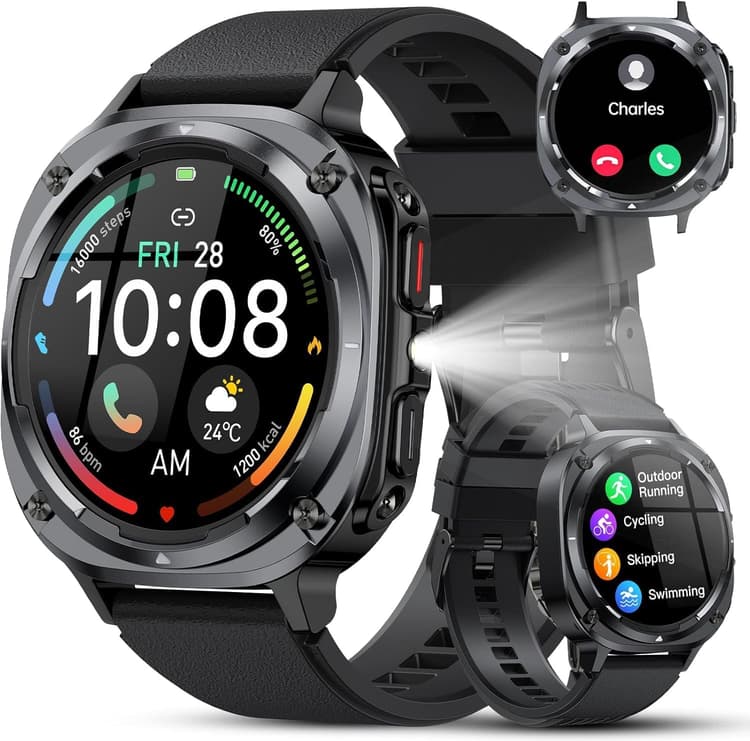
Military Smart Watches for Men(Answer/Make Calls), 1.39" HD Fitness Watch, 24/7 Heart Rate Sleep Monitor, Smart Watch for Men,114+ Sport Modes, IP68 Waterproof Smartwatch for Android iOS, 30Day, Black
★★★★☆4.9
$35.99
$129.99
-72 %
*
Senior watch editor specializing in in-depth reviews, buying guides, and industry news.

Purpose & scope — March 2026 update
This guide is a practical, decision‑first framework to help buyers choose a smartwatch that fits real life in 2026, not a catalog of current models. It focuses on how to decide — by use case, sensor priorities, battery realism, software longevity, and repairability — so you leave with a concrete checklist rather than a shortlist of hype. Below are the three immediate actions you can take before shopping:
| Quick decision matrix | Why it matters |
|---|---|
| Primary use | Drives sensor and GPS needs |
| Charging cadence | Determines battery tier to target |
| Phone OS | Limits or unlocks platform features |
Practical checkpoints
This guide aims to be evergreen in method but current in standards (March 2026): it explains trade‑offs, shows how to verify claims, and gives reproducible tests to validate battery, sensor accuracy, and software support before you commit.
TIMU
$35.99
$129.99
-72 %
*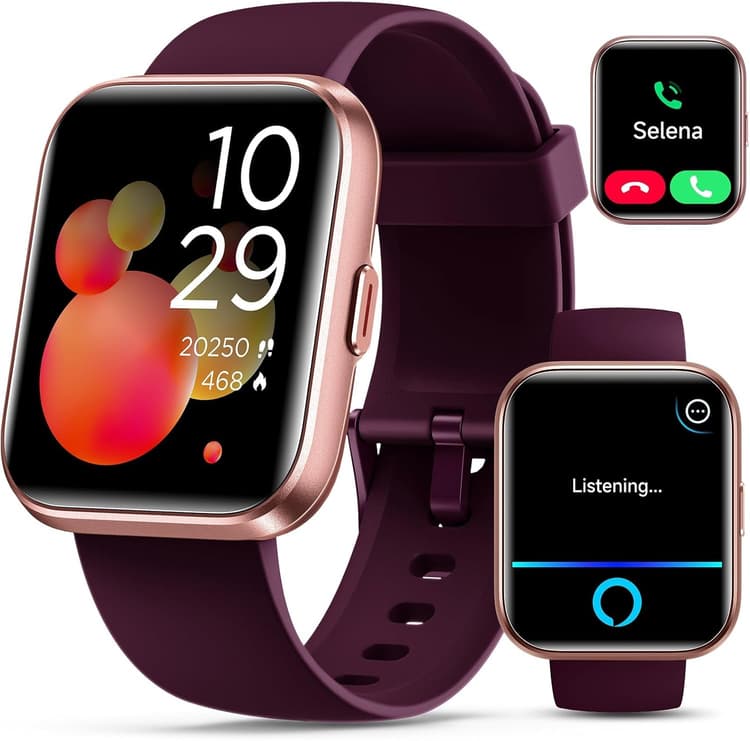
Quican
$36.97
$59.99
-38 %
*![Samsung Galaxy Watch 8 Classic (2025) 46mm Bluetooth Smartwatch, Cushion Design, Rotating Bezel, Quick Button, Sleep Coaching, Running Coach, Energy Score, Black [US Version, 2 Yr Warranty]](/_next/image?url=https%3A%2F%2Fm.media-amazon.com%2Fimages%2FI%2F719-nqBNZlL._AC_SL1500_.jpg&w=750&q=75)
Samsung
$369.99
$499.99
-26 %
*![Apple Watch Series 11 [GPS 42mm] Smartwatch with Rose Gold Aluminum Case with Light Blush Sport Band - S/M. Sleep Score, Fitness Tracker, Health Monitoring, Always-On Display, Water Resistant](/_next/image?url=https%3A%2F%2Fm.media-amazon.com%2Fimages%2FI%2F6110Jv9wqeL._AC_SL1500_.jpg&w=750&q=75)
Apple
$299.00
$399.00
-25 %
*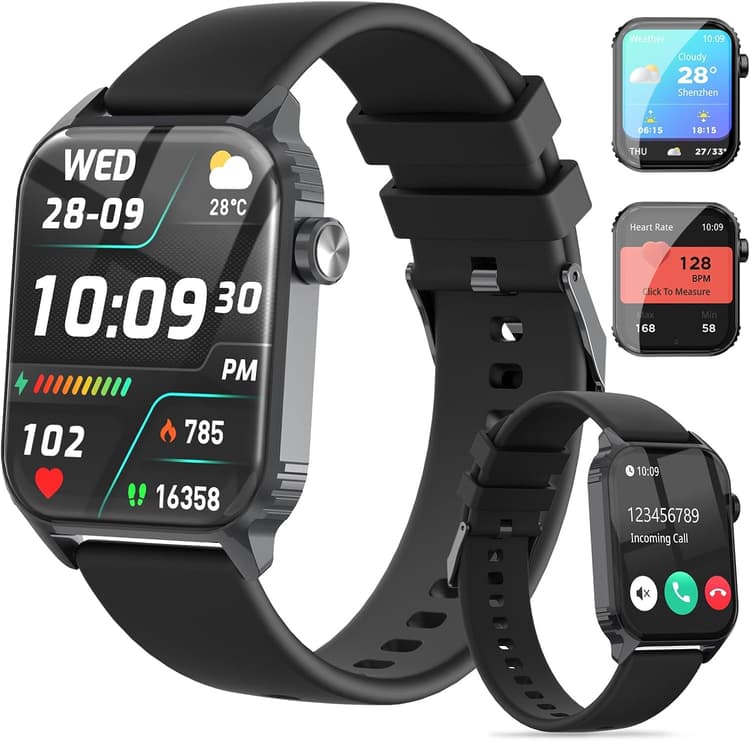
TRAUSI
$16.99
$20.99
-19 %
*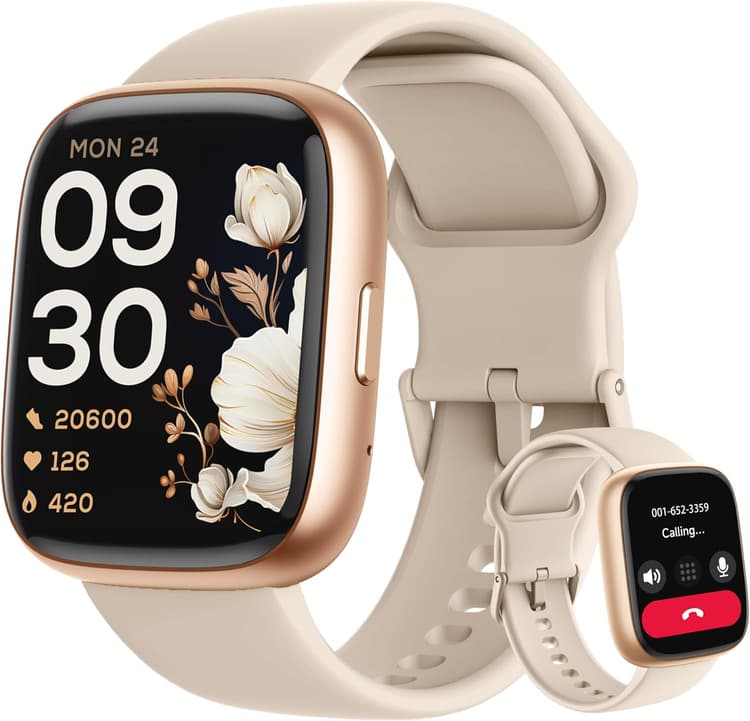
LODIMEKE
$24.21
$29.98
-19 %
*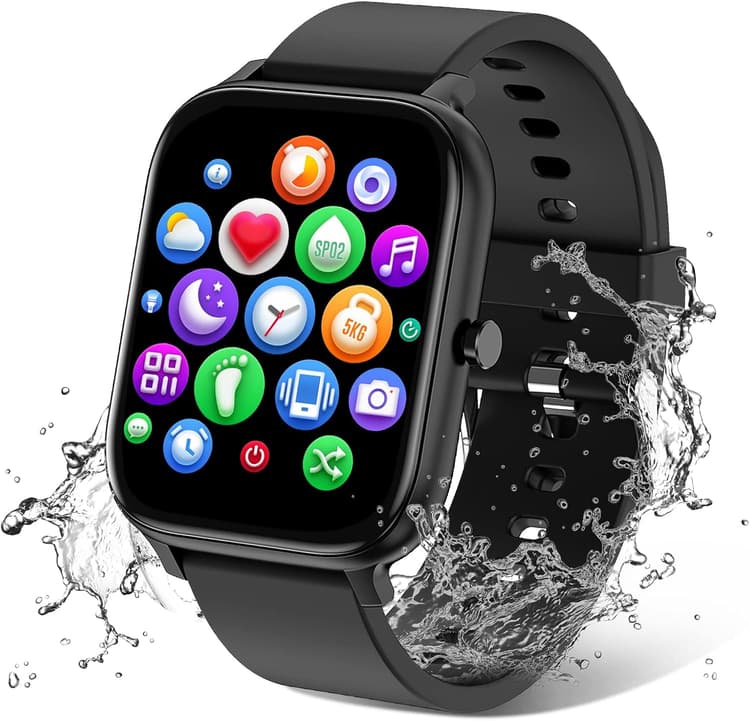
TORJALPH
$19.91
$23.99
-17 %
*![Apple Watch SE 3 [GPS 40mm] Smartwatch with Starlight Aluminum Case with Starlight Sport Band - S/M. Fitness and Sleep Trackers, Heart Rate Monitor, Always-On Display, Water Resistant](/_next/image?url=https%3A%2F%2Fm.media-amazon.com%2Fimages%2FI%2F61xkvg-RStL._AC_SL1500_.jpg&w=750&q=75)
Apple
$219.00
$249.00
-12 %
*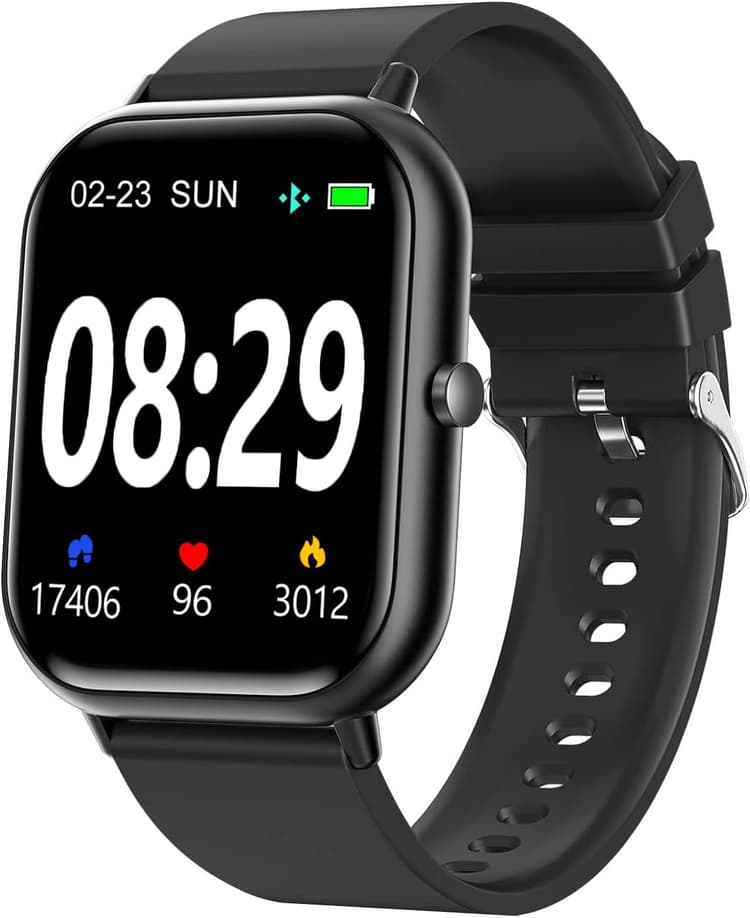
Choiknbo
$16.99
$18.99
-11 %
*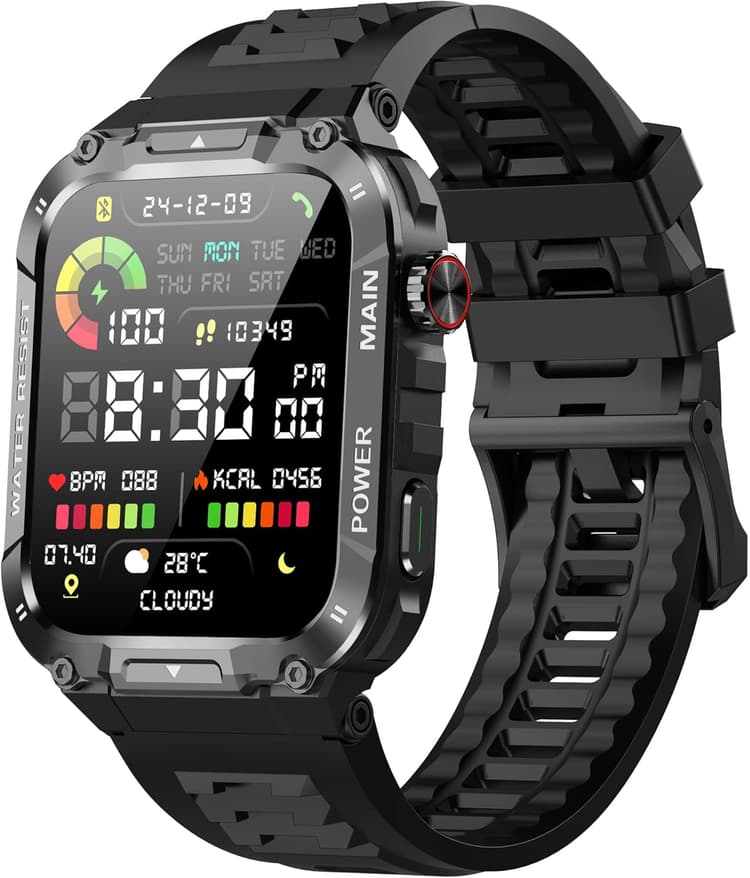
Nihemin
$26.99
$29.99
-10 %
*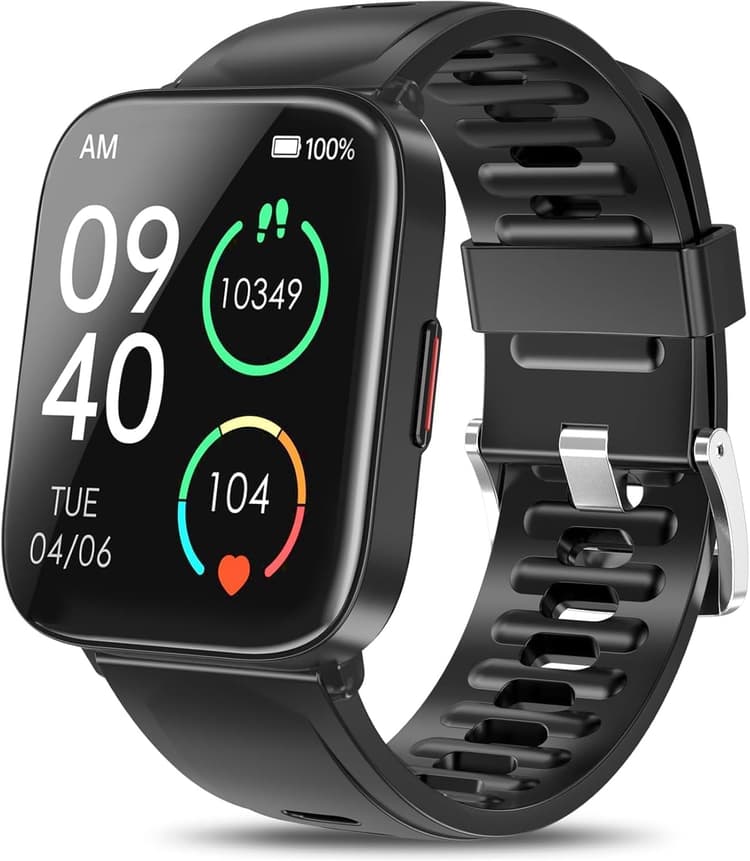
DUREXO
$8.99
$9.99
-10 %
*
$188.95
$199.95
-6 %
*A structured exercise to convert wishes into requirements
When shoppers list features, they often conflate wants and needs. Use this updated, step‑by‑step checklist (March 2026) to turn aspirations into measurable requirements.
Start with three scenarios (Workday, Training, Weekend/Travel). For each scenario, note: primary functions, acceptable charge cadence, and compatibility limits.
Fill the simple matrix below (example included):
| Scenario | Must‑have features | Nice‑to‑have | Max recharge frequency |
|---|---|---|---|
| Workday | Readable screen, notifications, contactless pay | Intercom / voice | Daily |
| Training | Built‑in GPS, reliable HR, battery 18+ hrs GPS | Advanced metrics export | Every 2–3 days |
| Travel | LTE option or phone‑free maps, long battery | Offline maps integration | 3–7 days |
Practical rules
Final prioritisation
Rank all must‑haves and nice‑to‑haves by impact on daily life. Use the Pareto approach: often 20% of features (GPS accuracy, battery, UI responsiveness) deliver 80% of satisfaction. This lets you ignore marketing bells and select models that perform where it matters.
Smartwatches span a wide price range. Knowing what drives cost helps you decide whether a premium is justified.
Main cost drivers
Price-tier benchmarks
Assessing value
Instead of focusing on sticker price, identify which cost components align with your needs. A precise heart-rate sensor is worth investing in for an athlete; a stainless-steel case might be worth it if you wear the watch as a piece of jewelry.
Size and comfort determine daily use: an uncomfortable watch will often be abandoned even if its features are excellent. Here is a practical approach.
Measuring your wrist and interpreting dimensions
Use a flexible tape or a strip of paper to measure wrist circumference. Manufacturers list case sizes in millimeters (38 mm, 40 mm, 44 mm, etc.). Larger cases can look attractive but may restrict wrist movement and add weight.
Case thickness and profile
Weight and materials
Aluminum and composite cases are light; steel and titanium are heavier but often more durable. Choose based on weight tolerance and aesthetic priorities.
Try before you buy when possible
If you cannot try in-store, compare exact dimensions to a watch you own. Read user comments that mention comfort for people with a similar build.
Straps and versatility
Opt for interchangeable straps if you want to adapt the watch for different activities (silicone for sport, leather for work). Swappable straps increase versatility without changing devices.
Simple decision rules
Adjust these benchmarks according to a specific model's design and lug-to-lug measurement.
A smartwatch's durability depends on materials, design, and quality controls. Reading specifications carefully prevents overestimating advertised robustness.
Cases and glass
Waterproofing and mechanical resistance
Ratings such as ATM or IP provide orientation: 5 ATM suits showering and surface swimming; 10 ATM or more is better for diving. IP68 indicates dust and immersion protection, but exact test conditions vary by manufacturer.
Everyday wear and tear
Maintenance and repairability
Check repair policies and spare-part availability (straps, glass) before buying. Models that are easier to service reduce lifetime ownership costs.
Decision criteria
If you wear the watch in demanding or athletic conditions, favor steel or titanium cases, reinforced/sapphire glass, and technical straps. For more sedentary use, lighter and cheaper materials may be adequate.
How to compare features using repeatable tests
Product pages list features; you need to know how to evaluate their practical value. Below are the features that matter most in 2026, the tests to run or look for in reviews, and an at‑a‑glance checklist.
Key features & tests
Checklist (copyable for shopping)
Short tip
For sport users, prioritise models that appear frequently in community test threads and independent lab benchmarks. For general users, put UI responsiveness and notification management ahead of marginal health extras. If you need model benchmarking, start at our Smartwatches features hub to compare ecosystems and certified functions.
This practical, test‑based approach reduces buyer regret by converting vague specs into verifiable expectations.
Real‑world performance: what to measure and why it matters
Specs are benchmarks; real life is different. In March 2026, two trends dominate real‑world performance: increased demand for meaningful offline features (maps, music, LTE) and vendor commitments to longer software support. Below are reproducible tests and indicators to use when evaluating a model.
Battery realism
UI responsiveness & daily ergonomics
Sensor reliability
Software life and updates
Practical checklist for buying
For model comparison, first determine your worst‑case daily scenario (heavy GPS day, long travel with LTE, or continuous health monitoring) and ensure the watch passes that single test in independent reviews. If you need benchmarks for running or multisport use, our Running GPS watches hub provides community‑tested data frequently updated for 2026.
Avoid these frequent buyer mistakes — and apply quick expert fixes
Buyers still repeat a handful of avoidable errors. Below are the top pitfalls in 2026 and pragmatic remedies you can use before checkout.
Top pitfalls
Practical expert tips
One‑page decision aid (copyable)
If you belong to a specific group (runner, office professional, frequent traveller), use targeted resources: runners should begin with our Running GPS watches guide for accuracy and battery baselines; travellers should verify LTE and offline map support in vendor changelogs.
These quick checks and rules of thumb reduce remorse and make the purchase defensible: pick the watch that performs in the real scenario you care about, not the one with the longest spec sheet.
Apple
$299.00
$399.00
-25 %
*Apple
$219.00
$249.00
-12 %
*
aeac
$59.99
TRAUSI
$16.99
$20.99
-19 %
*TORJALPH
$19.91
$23.99
-17 %
*Samsung
$369.99
$499.99
-26 %
*Quican
$36.97
$59.99
-38 %
*LODIMEKE
$24.21
$29.98
-19 %
*TIMU
$35.99
$129.99
-72 %
*
Yoever
$49.99
$188.95
$199.95
-6 %
*
Choiknbo
$19.99
Concise checklist to finish the buying process (2026)
Use this compact checklist to validate a final choice. It condenses the guide's method into verifiable items.
Final checklist
Decision matrix example
| Item | Pass / Fail | Evidence |
|---|---|---|
| GPS accuracy | Pass | Route vs bike computer |
| Battery (mixed use) | Pass | 24h mixed test |
| UI responsiveness | Pass | In‑store demo / video |
| Update policy | Pass | Vendor statement |
Last‑minute tips
By following this checklist — define, prioritise, test, verify — you minimise buyer remorse and select a watch that will actually enhance your daily life in 2026 rather than impress in a spec sheet.
This guide was written to offer a neutral, pedagogical buying methodology. It does not present sponsored product lists or paid comparisons. The information is based on common technical criteria, standard evaluation practices, and user feedback gathered from public sources. Some pages on the site may include affiliate links; this does not affect the methodology presented here. General recommendations are independent of commercial partnerships. Any referenced tests or external data come from public, identifiable sources.
Tests and articles by watch experts, based on technical criteria and side‑by‑side comparisons.
We compare models and features to inform your choice, free from commercial influence.
Guides are regularly updated to reflect new releases and market developments.
We may earn a commission from links to partner retailers; this does not affect our independent analyses.