
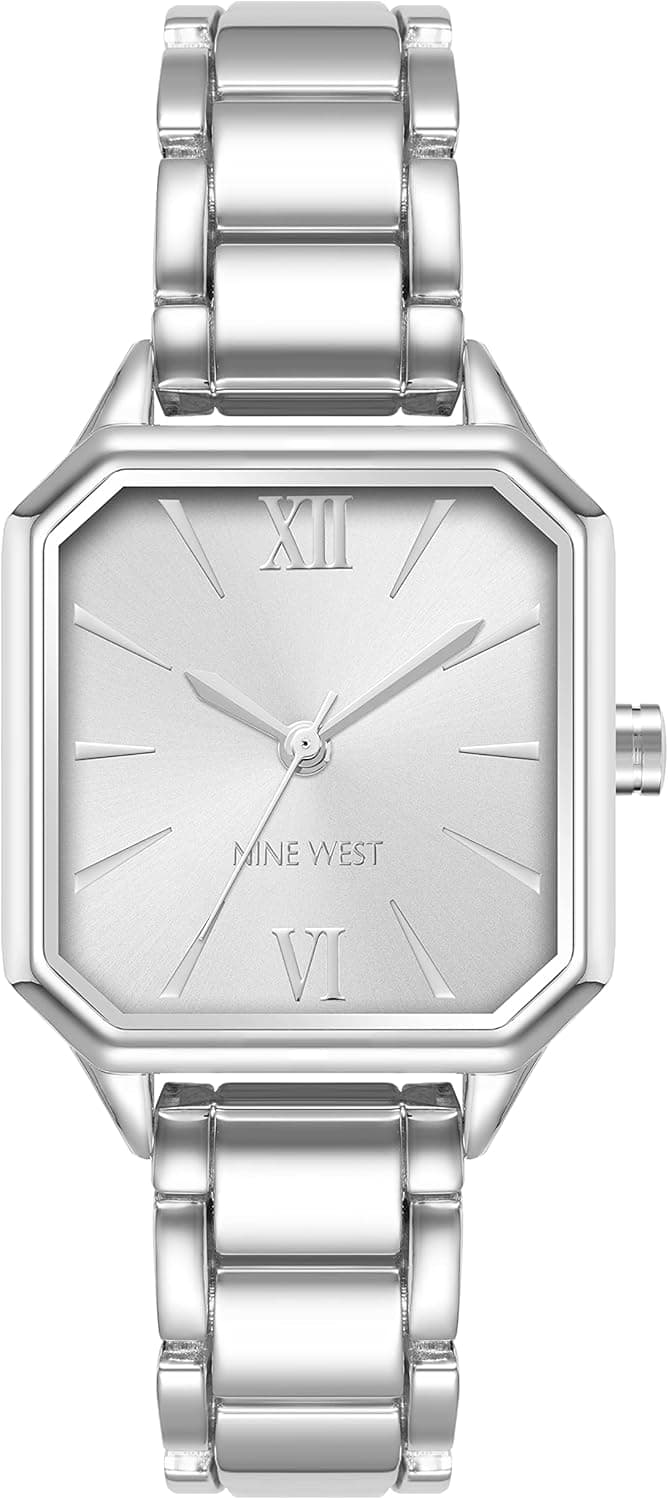
Nine West
Nine West Women's Bracelet Watch
★★★★☆4.5
$19.47
$49.00
-60 %
*
Deals editor focused on watch bargains, market analysis, and approachable buying advice.

Why this update (March 2026)?
The wristwatch landscape evolves quickly: hybrid and solar technologies matured in 2025–26, sustainability claims became more common, and buyer expectations on comfort and after-sales service rose. This refreshed guide preserves the original pedagogical approach while adding up-to-date checkpoints and editorial links to curated selections to speed decision-making.
How to use this guide (practical workflow)
Quick checklist (one-page view)
| Decision area | Questions to ask | Priority (Y/N) |
|---|---|---|
| Use case | Daily, formal, sport — which dominates? | |
| Movement | Quartz, mechanical, solar, hybrid — maintenance tolerance? | |
| Materials | Case & crystal durability, hypoallergenic metals? | |
| Comfort | Will it stay stable on wrist during motion? | |
| After‑sales | Local servicing & spare parts availability? |
Practical links
Pedagogical note: This guide emphasizes reproducible steps over model recommendations. Use the checklist above in-store or when filtering online results; revisit the needs brief after 24 hours of reflection before final purchase.
Freshness note (Mar 2026): check for explicit service-network information and verified scratch-resistance claims — vendors now often publish testing standards or partner service centers as part of their listings.
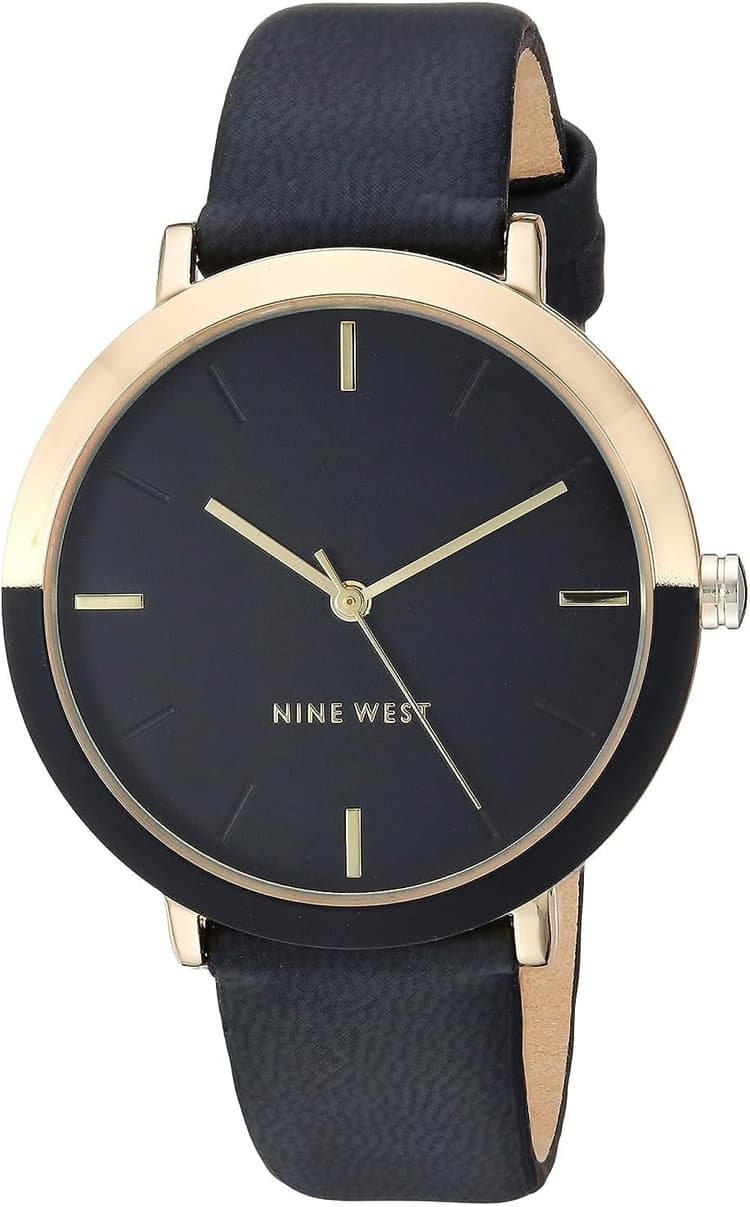
Nine West
$19.47
$49.00
-60 %
*
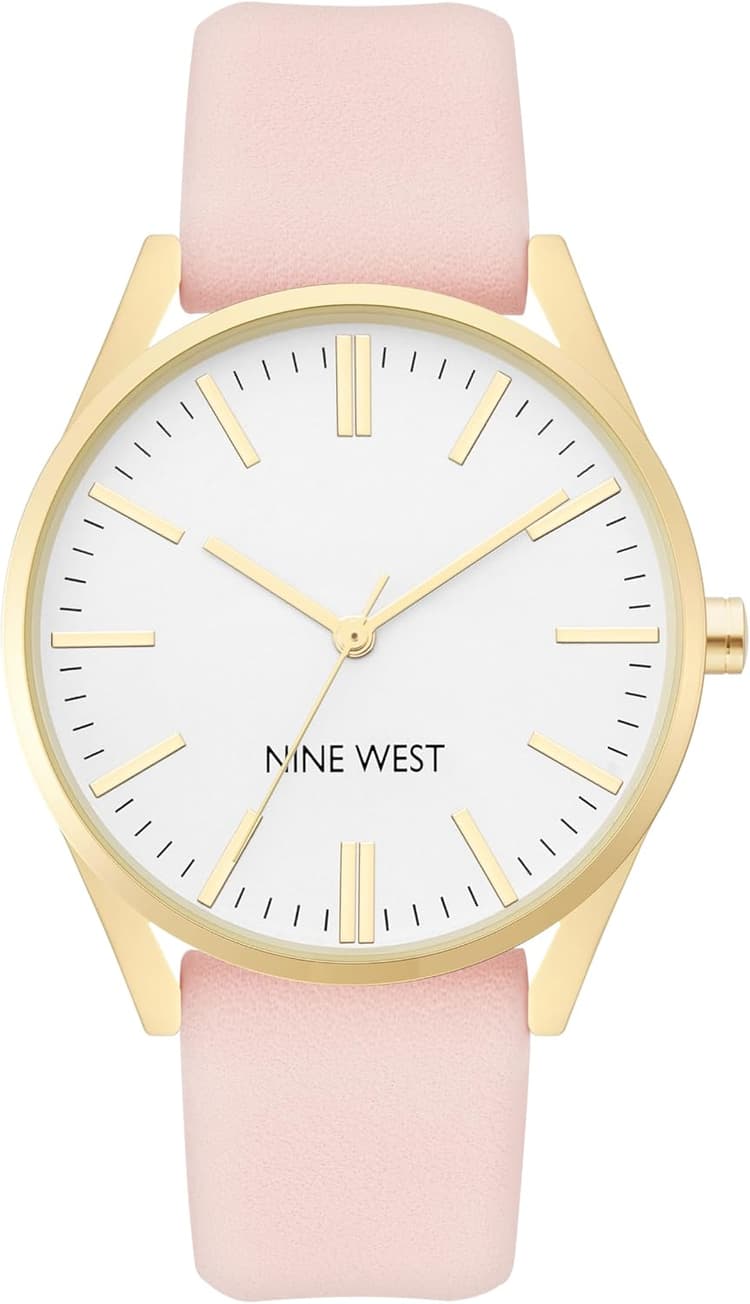
Nine West
$19.52
$49.00
-60 %
*
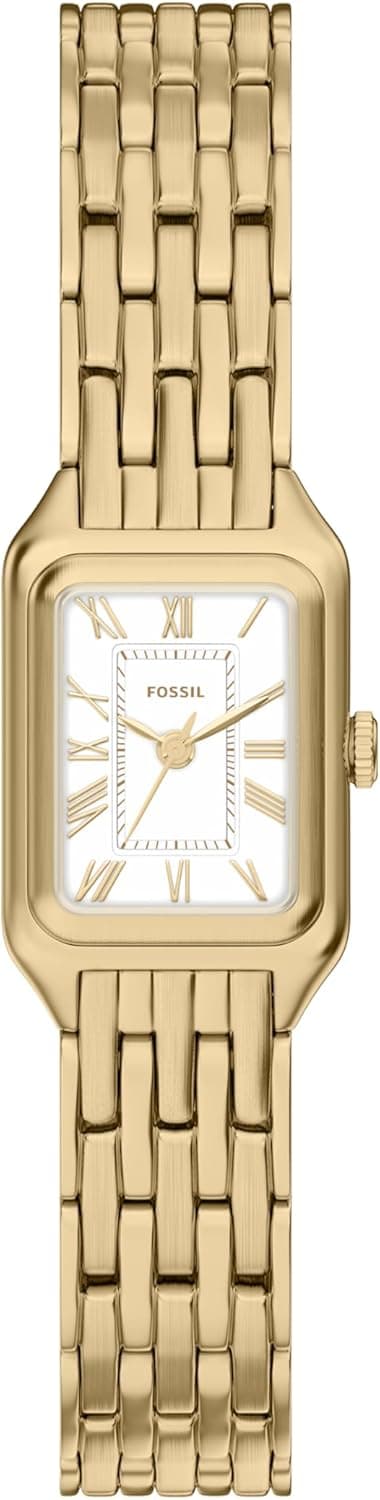
Nine West
$19.99
$49.00
-59 %
*
Fossil
$95.15
$195.00
-51 %
*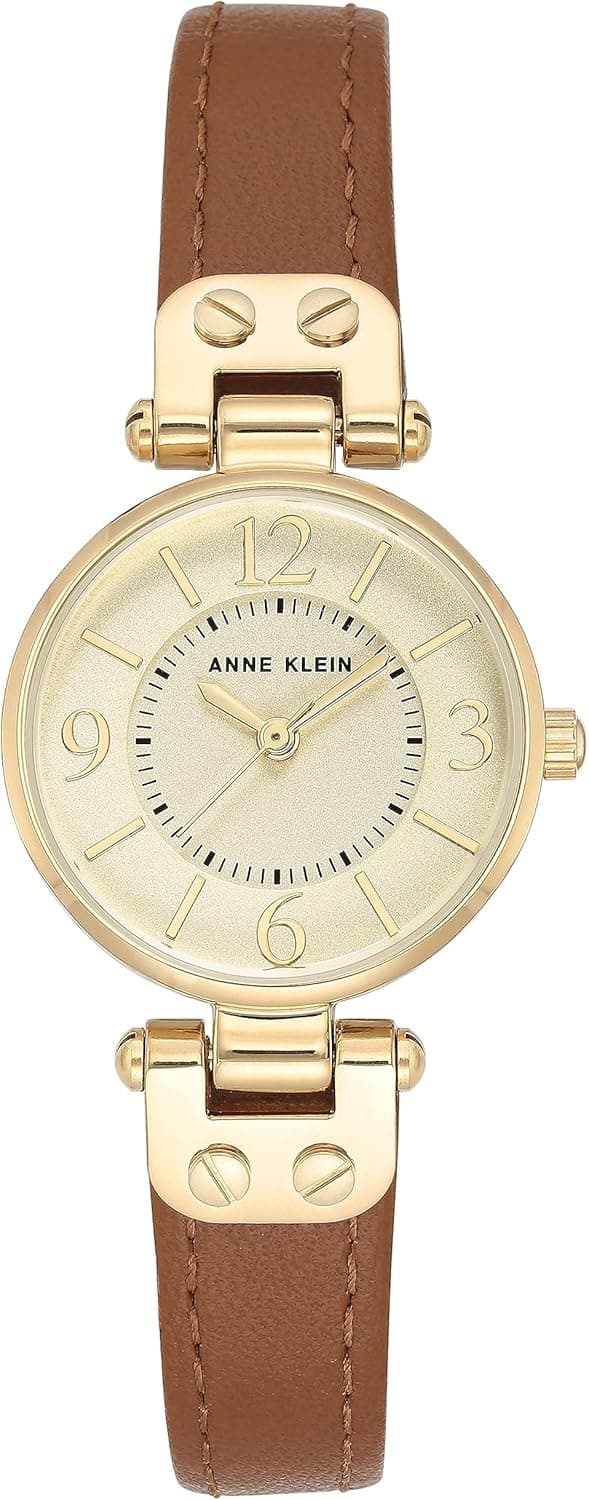
Anne Klein
$34.02
$60.00
-43 %
*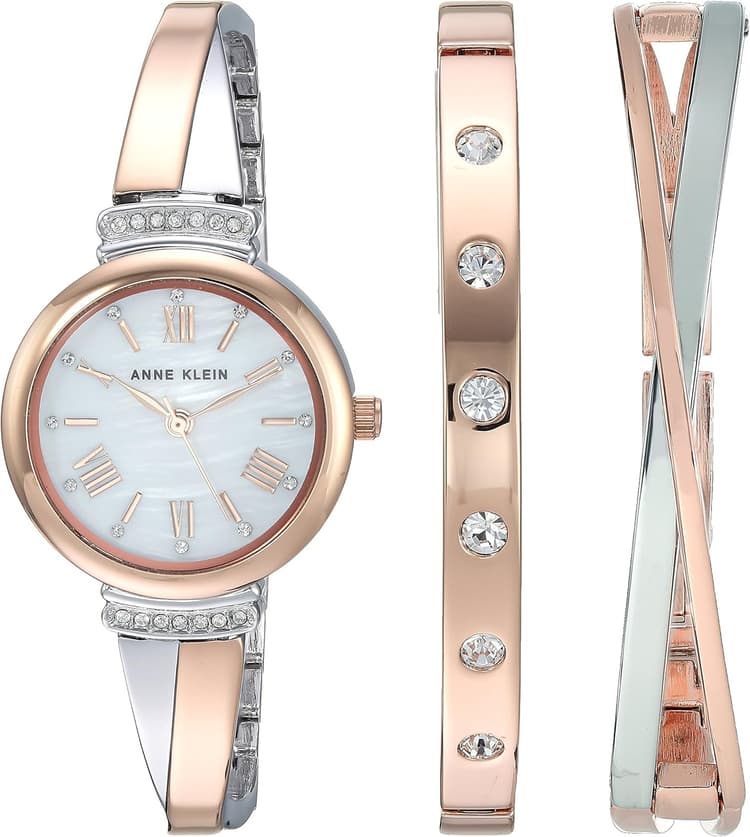
Anne Klein
$53.99
$90.01
-40 %
*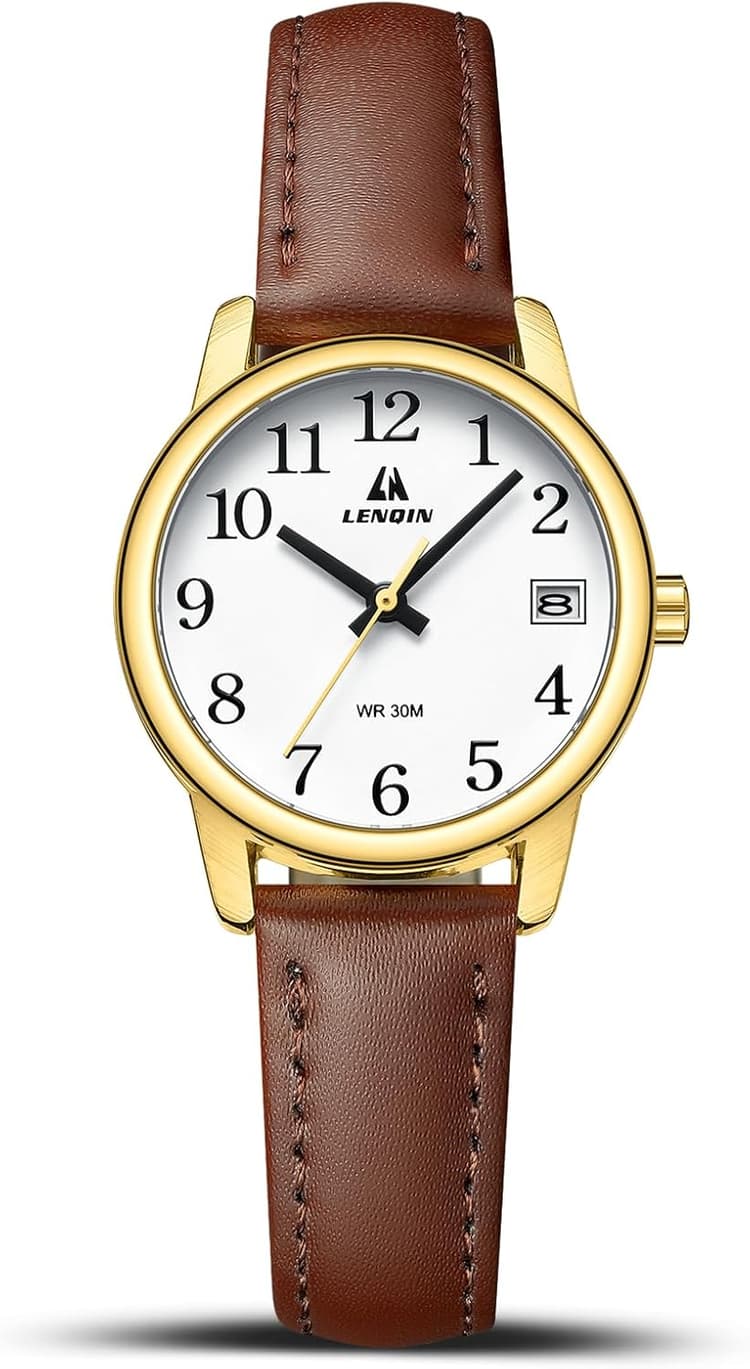
LN LENQIN
$9.96
$15.99
-38 %
*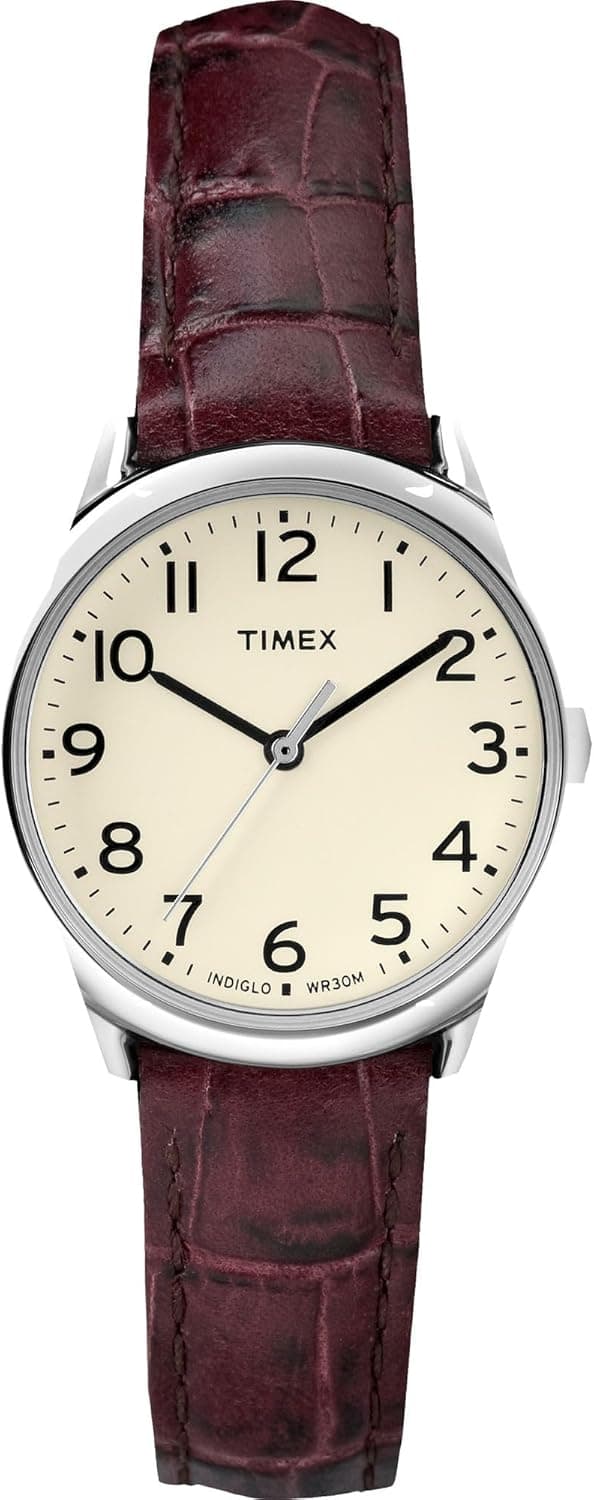
Timex
$30.26
$47.92
-37 %
*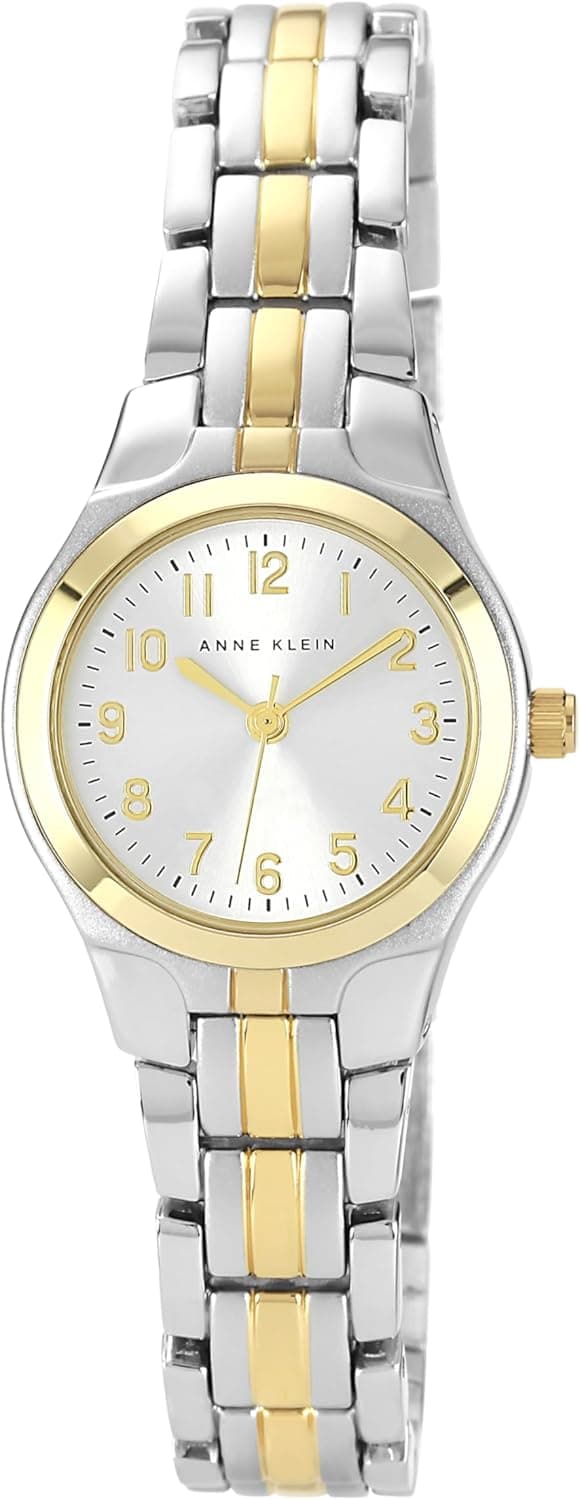
Anne Klein
$42.00
$60.00
-30 %
*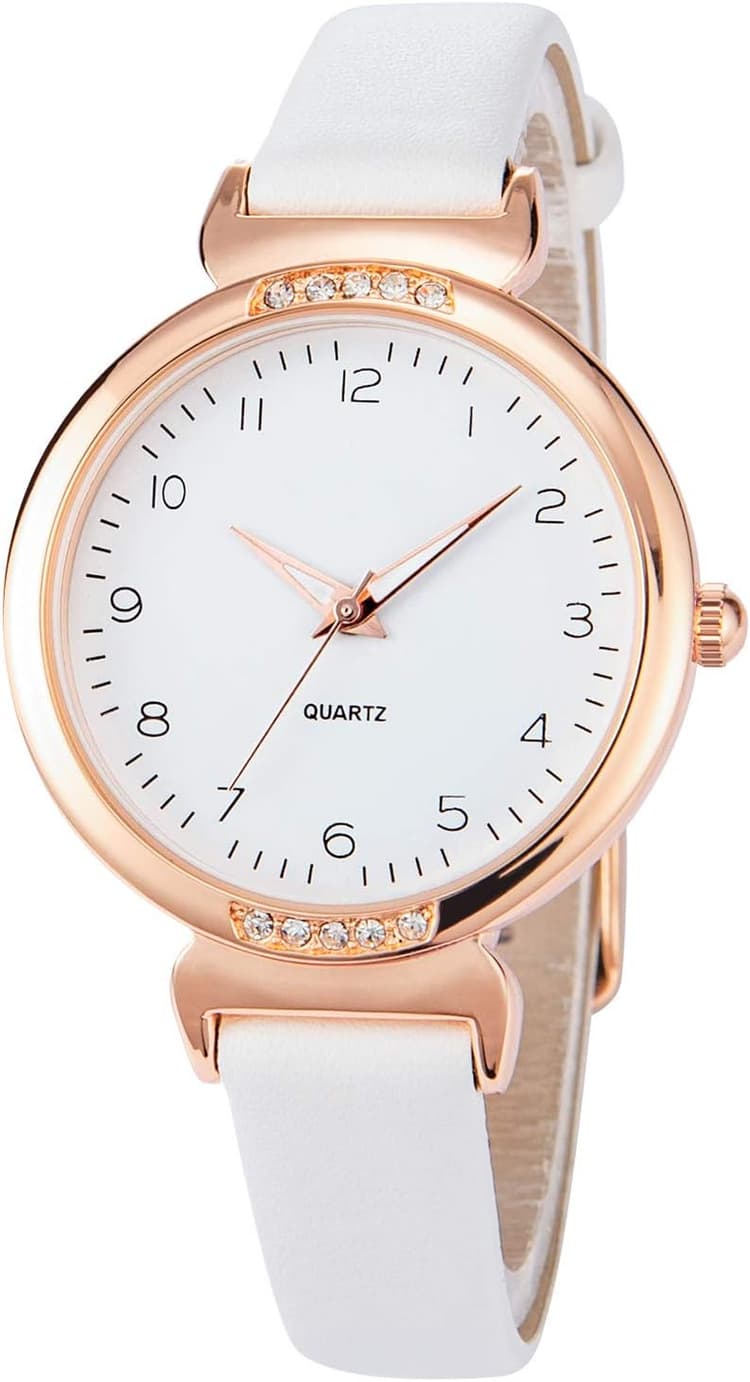
NUOVO
$7.75
$8.99
-14 %
*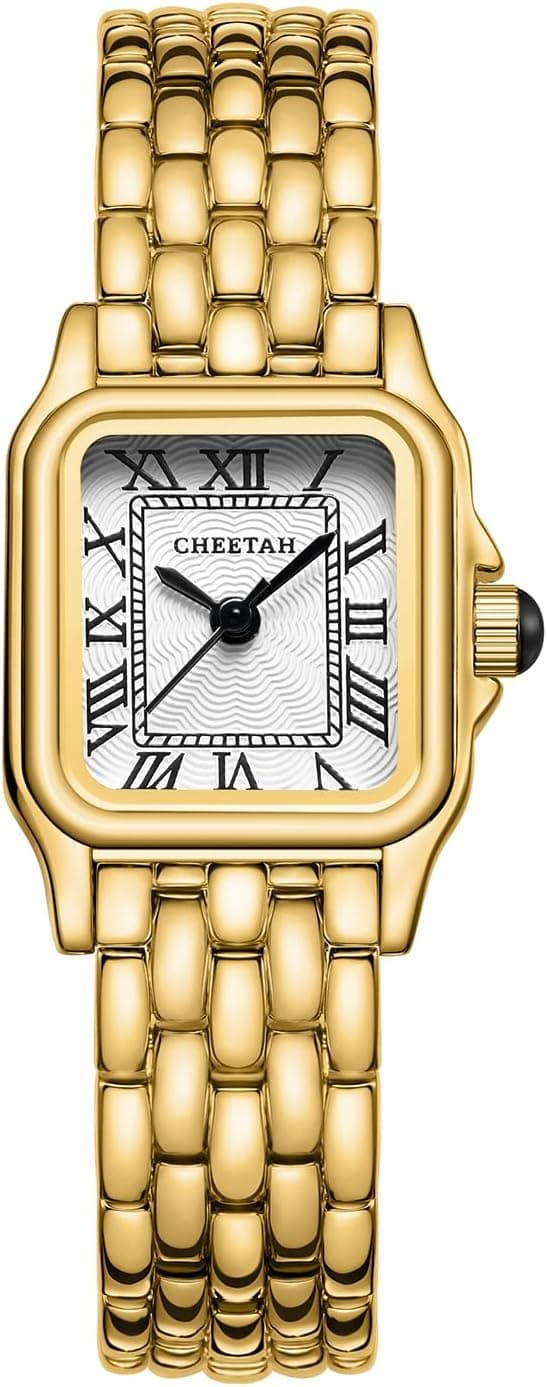
CHEETAH
$25.19
$27.99
-10 %
*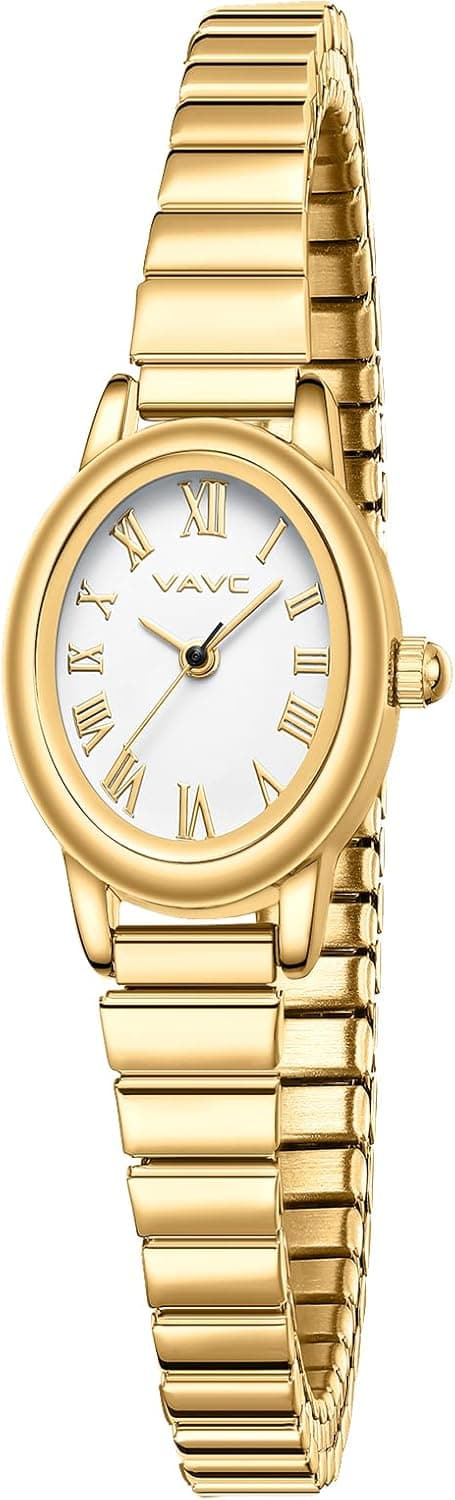
VAVC
$25.99
$27.95
-7 %
*Start with scenarios, not style alone
In March 2026, buyers are more likely to own multiple connected and analogue pieces; that makes clarifying the primary scenario crucial. Define three scenarios (ranked):
Concrete method (actionable, 4 steps)
| Criterion | Daily | Formal | Active |
|---|---|---|---|
| Legibility | 5 | 3 | 4 |
| Water resistance | 3 | 2 | 5 |
| Weight/comfort | 5 | 4 | 4 |
| Maintainability | 5 | 3 | 4 |
Practical on‑wrist checks
Links and references
Why this matters (Mar 2026 context)
With more cross‑category releases (e.g., jewelry-style smart hybrids), looks alone can mislead. The brief reduces returns and increases long-term wear. Expect to refine your brief after a short trial period; that iterative approach reflects best practice in 2026 retail experiences.
Read price as a bundle of measurable factors
In 2026 the price tag increasingly reflects not only movement and materials but also verified sustainability practices, warranty extensions, and service network transparency. Treat price as a composition of distinct cost drivers rather than a single signal.
Main cost drivers (concise table)
| Driver | Why it costs more | What to verify |
|---|---|---|
| Movement type | Mechanical calibres need craftsmanship and regulation | Service intervals, parts availability |
| Materials & finishing | Precious metals, ceramic, DLC coatings increase costs | Composition details, repairability |
| Crystal & sealing | Sapphire + tested sealing needs lab procedures | Water resistance rating and test proof |
| Complications | Chronographs, GMT, moonphase add parts & service | Practical legibility and long-term reliability |
| Distribution & warranty | Branded networks and longer warranties cost more | Local service points and warranty terms |
| Sustainability & traceability (2026) | Ethical materials or certified repairs add premiums | Certification or clear supplier claims |
How to compare effectively
Trade-offs in practice
Editorial pointer & link
March 2026 update: expect more sellers to publish service-network maps and third-party durability checks — use these disclosures to justify higher price points.
Size and comfort determine whether a watch will be worn regularly. A poorly fitting watch can be uncomfortable, slide around, or look disproportionate on the wrist.
Key principles:
Practical method in store and online:
Benefits and limits: trying on a watch is the most reliable way to assess comfort. If that is not possible, prioritize retailers with flexible return policies. Comfort can change after several days of wear; often a small bracelet adjustment corrects initial discomfort.
Pedagogical tip: when choosing between two sizes, lean toward the smaller option for everyday wear and the larger one if you want a fashion-forward look.
A watch's durability depends on materials and assembly quality. Here is how to evaluate the main components.
Case and bracelet:
Crystal and shock resistance:
Sealing and water resistance:
Practical checks:
Benefits and limits: good materials boost durability, but the overall build and maintenance matter most. A well-cared-for watch can outlast a poorly treated watch even if the latter uses higher-grade materials.
Pedagogical tip: prioritize materials that match the use case you defined earlier; for heavy daily use, a durable case and hard crystal are more important than fragile decorative finishes.
Core features you will actually use (2026 lens)
By March 2026, the most useful features remain consistent, but their packaging changed: hybrid models integrate subtle smart features while preserving analogue aesthetics; solar and improved quartz movements reduce maintenance friction. Evaluate each core feature by real‑world impact.
Feature checklist & everyday test
Decision table (practical quick guide)
| Goal | Best movement | Key watch attributes |
|---|---|---|
| Low maintenance daily | Quartz or solar | Simple dial, robust crystal, basic water resistance |
| Mechanical appreciation | Mechanical/automatic | Serviceable movement, parts availability, classical finishing |
| Occasional connectivity | Hybrid | Discrete notifications, long battery life, analogue look |
Practical link
Evaluation routine before buying
March 2026 insight: smart features are now commonly offered as minimal, pendant-like integrations in women's ranges — prefer hybrids when you want subtle connectivity without smartwatch form factors.
New buyers sometimes make avoidable mistakes. Spotting these pitfalls saves time and disappointment.
Common mistakes:
How to avoid them:
Benefits of avoiding these mistakes: a more satisfying and longer-lasting purchase. Limitation: some preferences are subjective and only become clear after weeks of wear; allow time for adaptation.
Pedagogical tip: set three non-negotiable criteria (for example comfort, readability, durability) and exclude any model that fails to meet them.
Below are expert tips that are easy to apply for any buyer.
Concrete tips:
Quick decision method:
Limitations: these tips reduce uncertainty but cannot eliminate personal taste. The aim is to increase the likelihood of a satisfactory choice rather than guarantee perfection.
Final pedagogical tip: wait 24 hours before purchasing and revisit your needs brief; if the watch still matches, that is a strong indicator it is the right choice.
Fossil
$95.15
$195.00
-51 %
*Anne Klein
$34.02
$60.00
-43 %
*Anne Klein
$53.99
$90.01
-40 %
*Timex
$30.26
$47.92
-37 %
*Anne Klein
$42.00
$60.00
-30 %
*CHEETAH
$25.19
$27.99
-10 %
*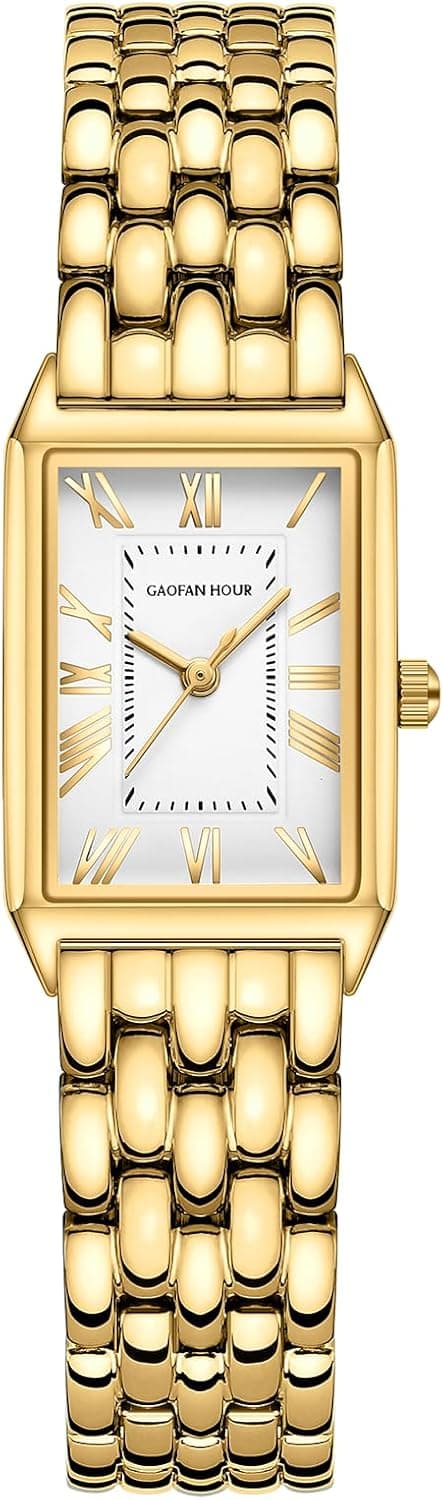
GAOFAN HOUR
$27.95
Nine West
$19.47
$49.00
-60 %
*Nine West
$19.99
$49.00
-59 %
*Nine West
$19.52
$49.00
-60 %
*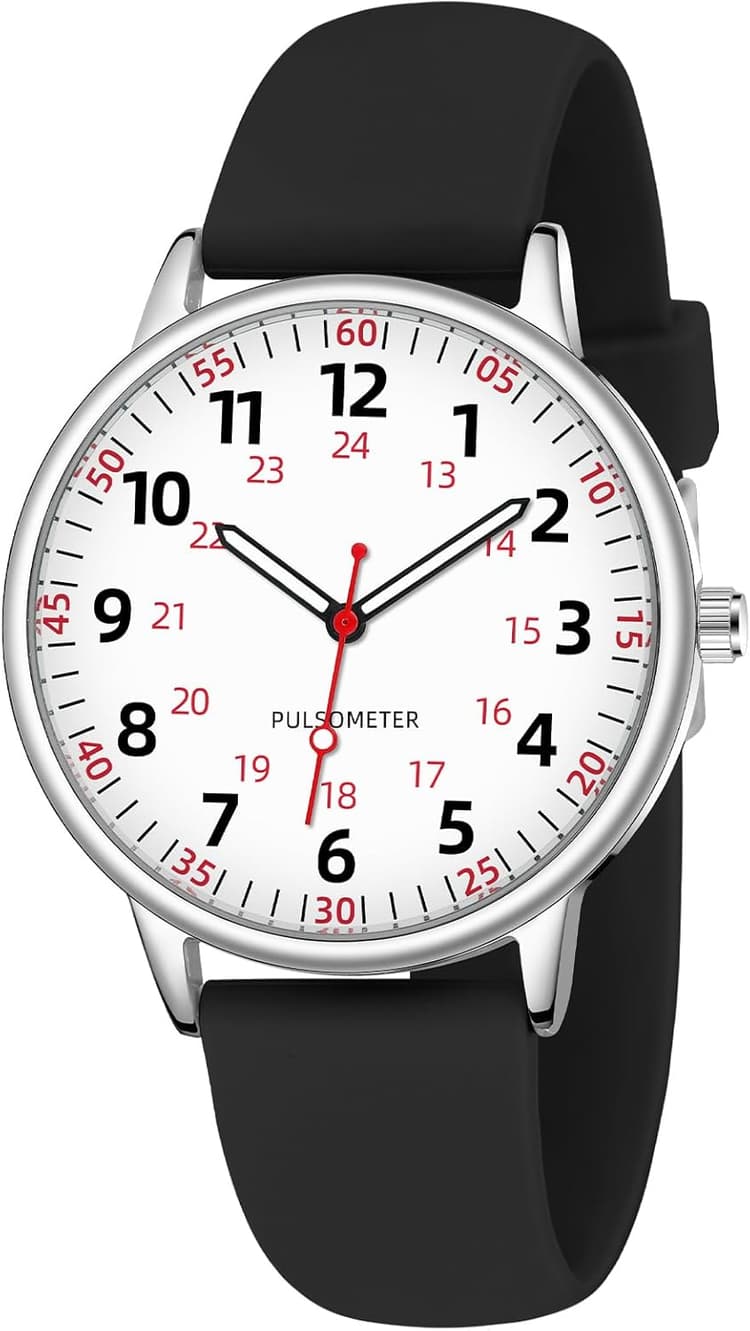
TWOPTION
$9.99
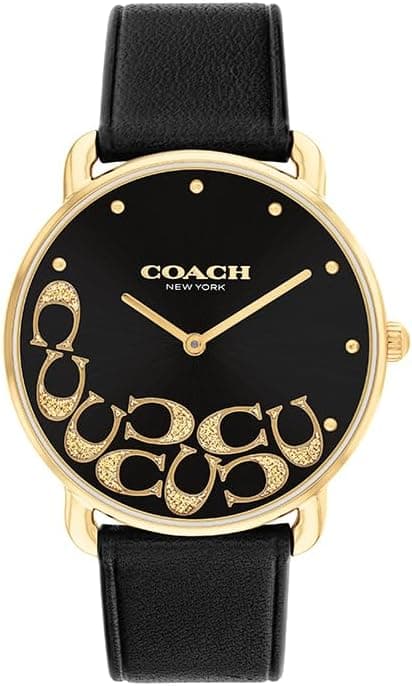
$108.37
Choosing a women's watch becomes easier when you follow a clear method: define the use case, prioritize key characteristics, understand what drives price differences, confirm size and comfort, assess materials, compare essential features, and avoid common pitfalls. This pedagogical guide provides concrete steps and checklists to turn a vague search into an informed decision.
Key takeaways: start with a needs brief, prioritize trying on the watch when possible, check maintenance requirements and return policies, and focus on attributes that actually matter for your intended use. Remember that compromises are normal; few watches are perfect across all criteria. The goal is to minimize concession on what matters most to you.
In practice, apply this sequence for your next purchase: write your needs brief, shortlist three compatible models, test or simulate wearing them, and pick the one that still matches your brief after a cooling-off period. This method reduces impulse buys and increases long-term satisfaction.
Editorial approach: this guide uses a pedagogical tone to explain selection criteria without recommending specific products. I focused on method and reproducibility: define needs, compare against measurable criteria, and test in real conditions. Advice is based on technical principles and common market practices without referencing brands or precise numerical data.
Limitations: this guide does not replace trying on watches in person; personal taste remains decisive. It does not provide price comparisons or model reviews to preserve neutrality. Maintenance and servicing recommendations are general; for specific repairs consult a professional.
Conflicts of interest: the content is independent and does not promote any manufacturer or retailer. Suggestions are intended to support thoughtful, durable purchasing decisions.
Tests and articles by watch experts, based on technical criteria and side‑by‑side comparisons.
We compare models and features to inform your choice, free from commercial influence.
Guides are regularly updated to reflect new releases and market developments.
We may earn a commission from links to partner retailers; this does not affect our independent analyses.