
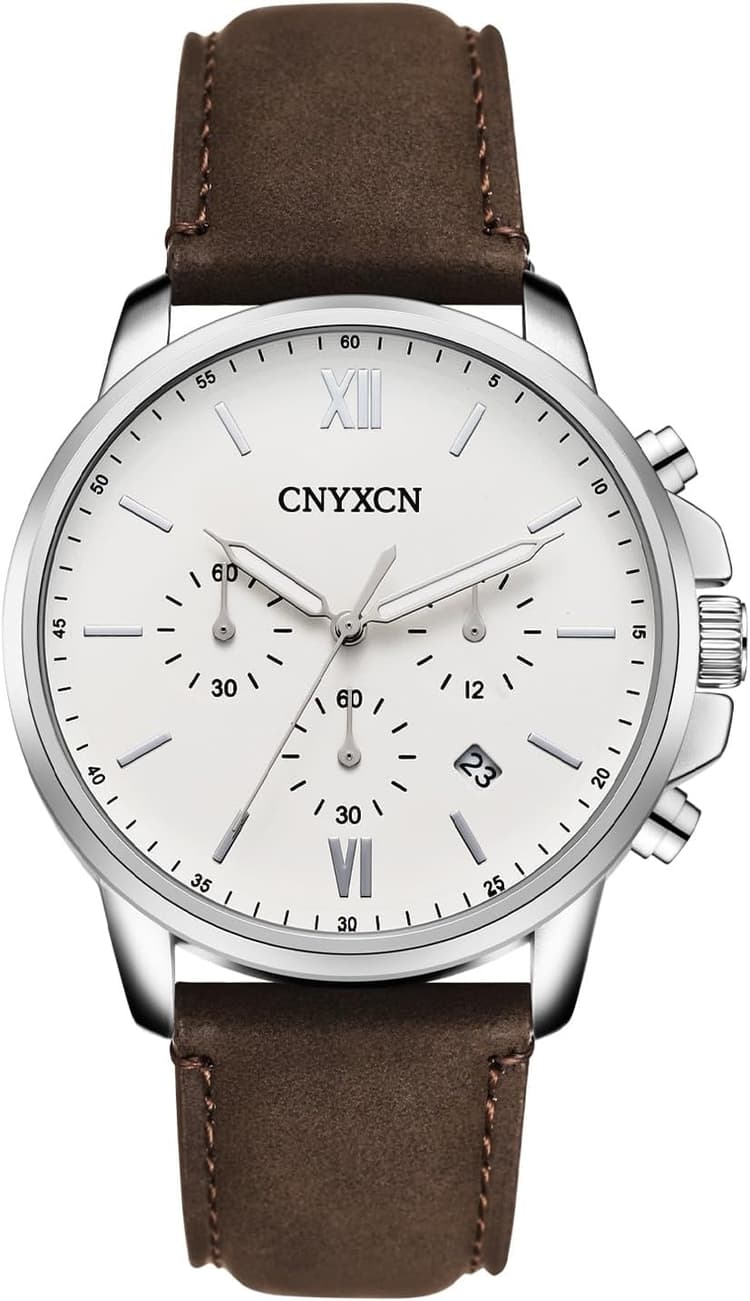
CNYXCN
CNYXCN Watches for Men Classic 6 Hand Chronograph Quartz Watch with Leather Strap,Auto Date,Waterproof
★★★★☆4.6
$4.99
$19.99
-75 %
*
Deals editor focused on watch bargains, market analysis, and approachable buying advice.

We cover a packed week for watch complications: community-led attention on new monopusher chronographs, conceptual multi-axis tourbillons drawing collector scrutiny, auctions that spotlight high-complication pieces, and renewed interest in affordable moonphase models. We analyse technical implications, availability and what these movements mean for servicing and secondary-market value.
The Monaco silhouette returned to headlines this week as community leaks and forum threads pointed to a possible “Evergraph” iteration focused on chronograph mechanics. We assess what that would mean: a modern Monaco that puts chronograph engineering front and centre — caliber finishing, monopusher ergonomics or bicompax layout, and the case design language. For owners, the core concerns are pusher feel (response, travel, security), subdial legibility and the durability of the integrated timing system. Technically, a shift toward integrated architectures (where friction management and switching regularity matter) or a refined column-wheel implementation would answer longstanding critiques about pusher feedback and maintenance complexity.
For collectors, any new house-led Monaco variant reshuffles reference desirability: an Evergraph release could boost interest in legacy references and change service demand patterns. Watchmakers and service centres should monitor calibre configurations — horizontal versus vertical clutches, anti-shock mechanisms and tool compatibility for regulation. In the market, the immediate effect is noticeable: web searches spike for vintage Monaco models and pre-owned supply becomes more fluid as sellers and buyers react.
We also flag practical considerations: a compelling chronograph release must balance tactile mechanical performance with everyday usefulness (water resistance, legibility). Our advice is to await official specs — movement architecture, chronograph actuation system, power reserve and pusher materials — before recalibrating buying decisions. Meanwhile, community-sourced photos, patent snippets and forum analysis continue to drive pre-order momentum and waiting lists.
CNYXCN
$4.99
$19.99
-75 %
*
Bulova
$240.00
$525.00
-54 %
*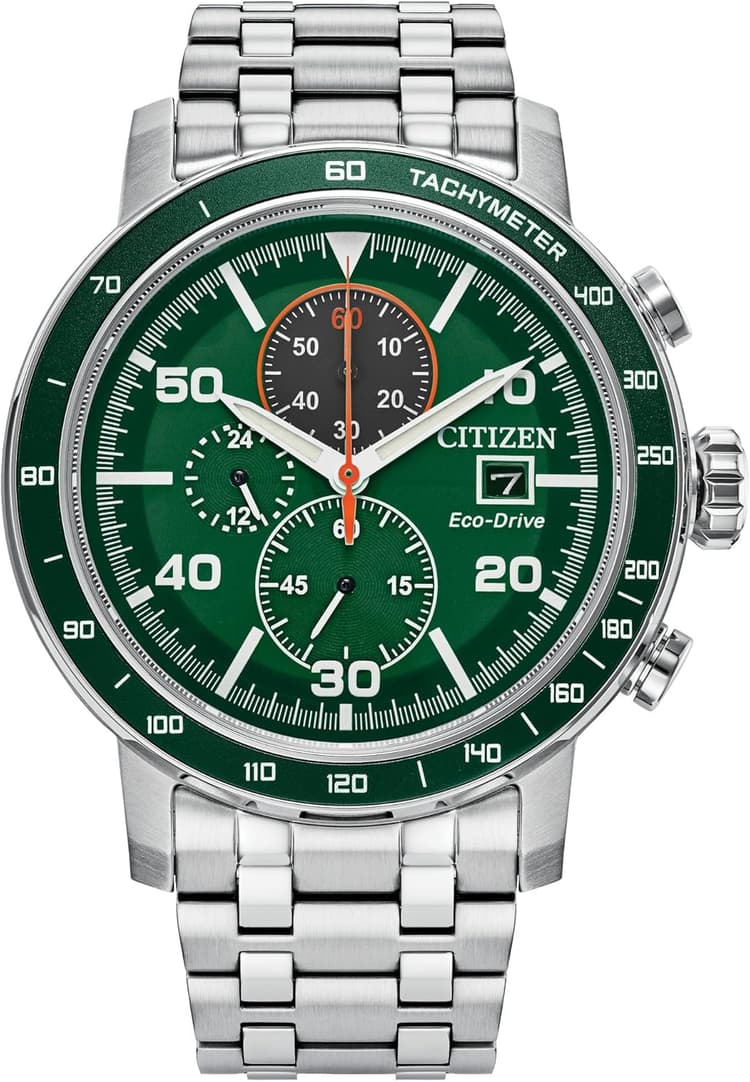
CITIZEN
$208.66
$450.00
-54 %
*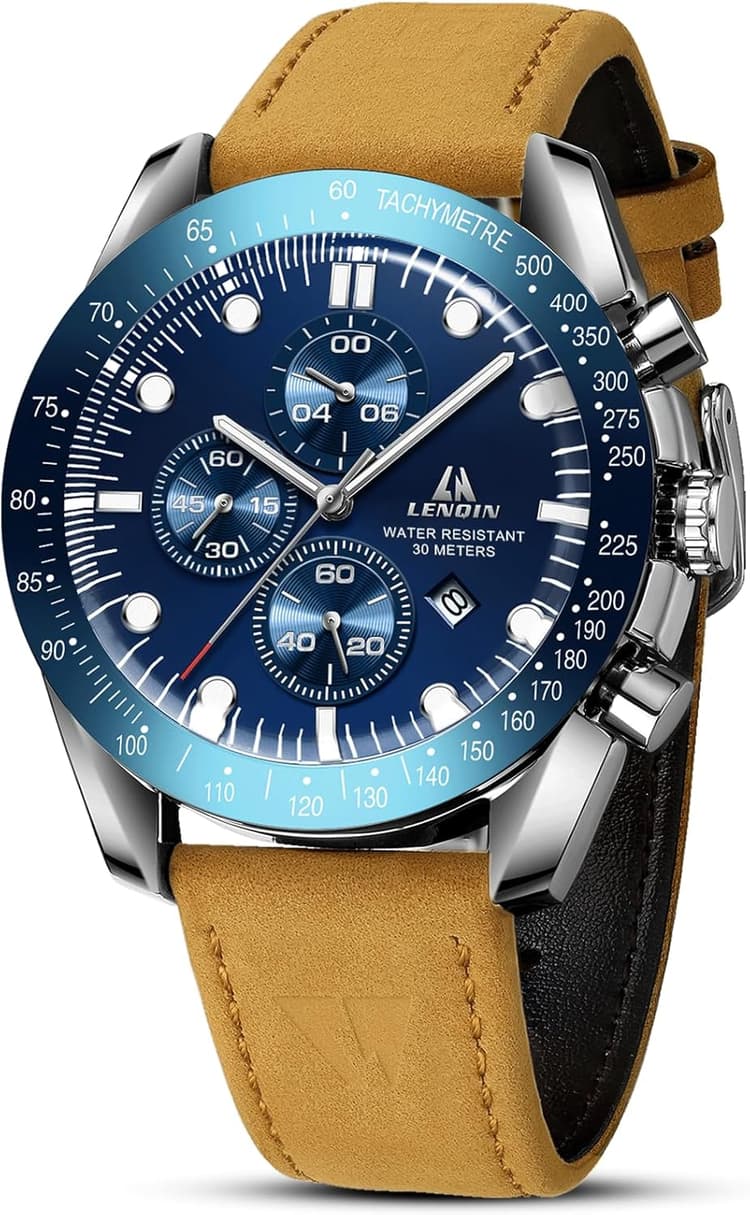
LN LENQIN
$9.99
$15.99
-38 %
*This week the horological community focused on an experimental release from Marco Lang — the “Seven Spheres,” presented as a central multi‑axis tourbillon. Beyond spectacle, we analyse technical consequences: how a multi‑axis cage changes gravity compensation and the practical limits for chronometric precision and durability. A single-axis tourbillon mitigates positional error in one plane; adding axes aims to average errors across orientations. But each extra articulation adds wear points, friction and stricter lubrication requirements. For service centres, this means tighter machining tolerances, specialised QC and a steeper maintenance curve that raises total cost of ownership.
We also cover aesthetic and market effects: such constructions attract collectors of experimental high horology but remain niche in volume. For owners, the core question is daily wearability: are seven‑axis tourbillons wearable tools or display objects? Most multi‑axis concepts lean toward the latter. On the manufacturing side, test requirements expand — pivot wear testing, lubricant ageing simulations and extended bench testing to validate accuracy over 24–48 hours rather than in a single position.
We conclude these tourbillons function primarily as technical and aesthetic statements rather than practical mass‑market solutions, but they are instrumental: they push engineering limits, educate watchmakers and spotlight mechanical excellence. For enthusiasts, they’re an invitation to weigh complexity against real‑world usefulness.
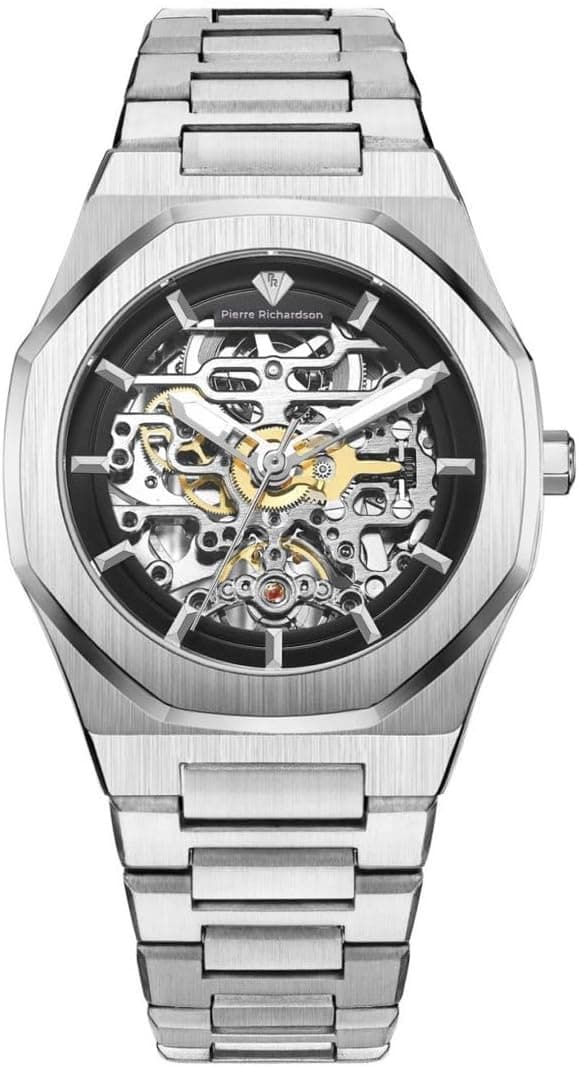
PIERRE RICHARDSON
$249.99
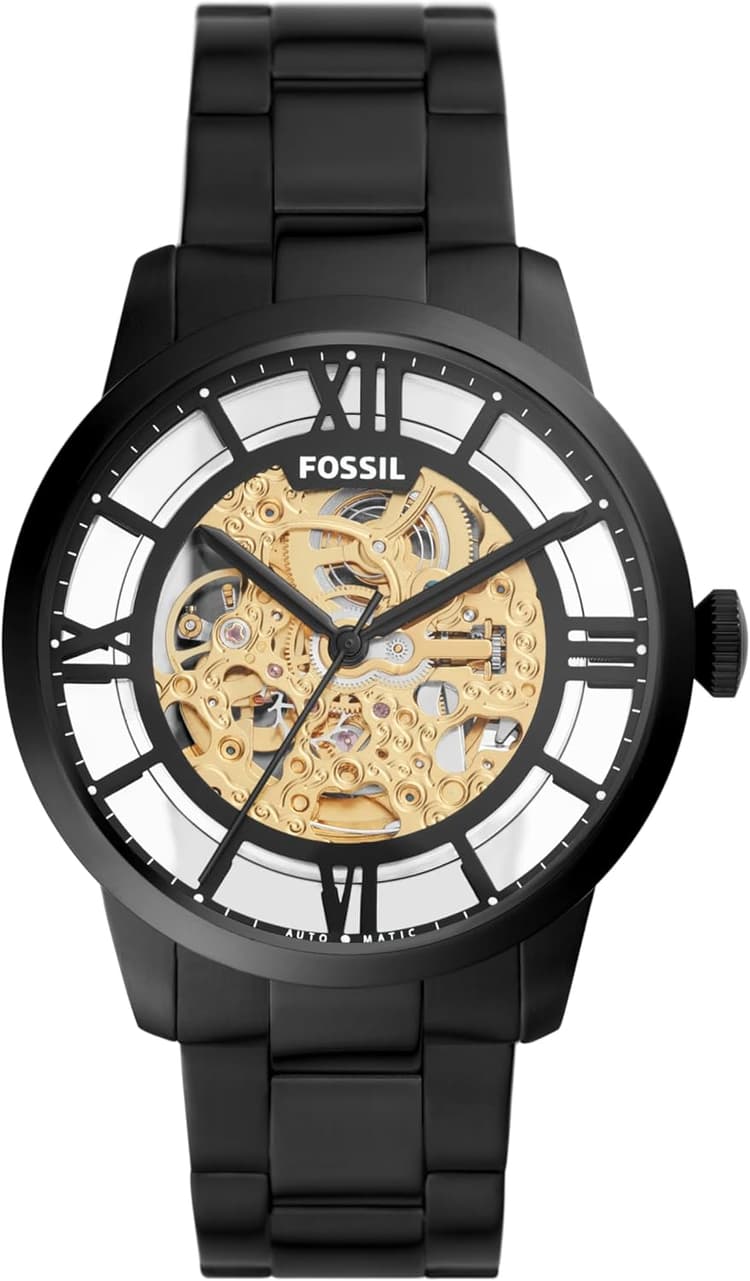
Fossil
$219.00
$270.00
-19 %
*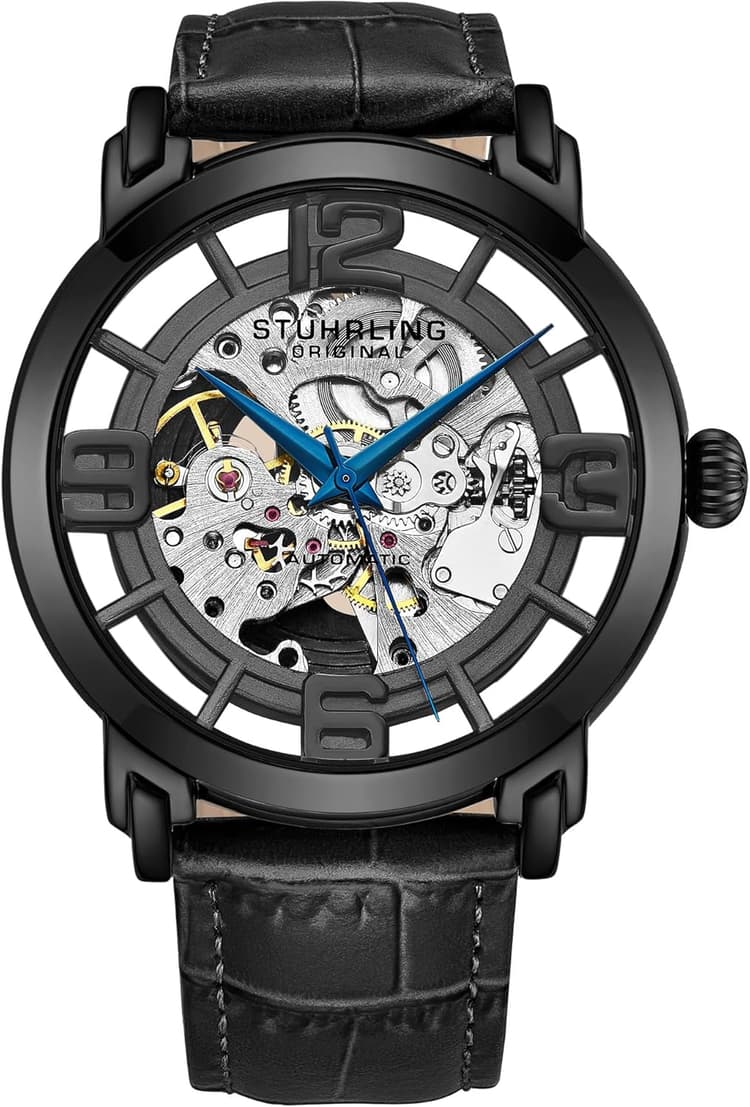
Stuhrling Original
$129.99
$795.00
-84 %
*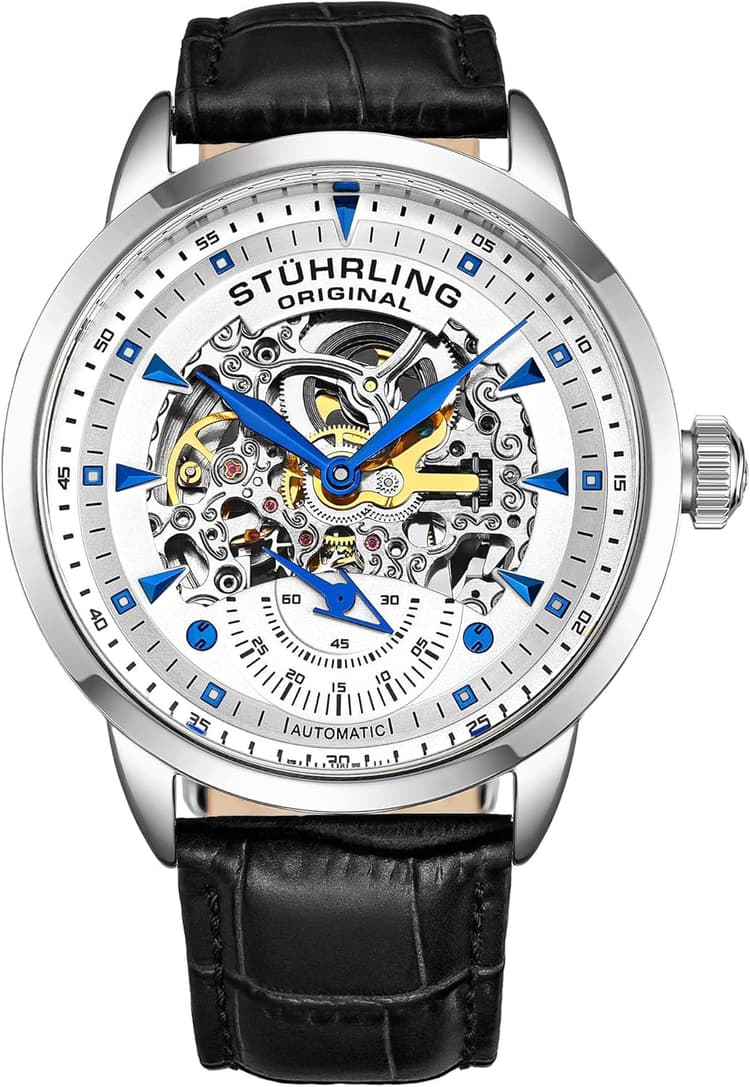
Stuhrling Original
$109.99
$825.00
-87 %
*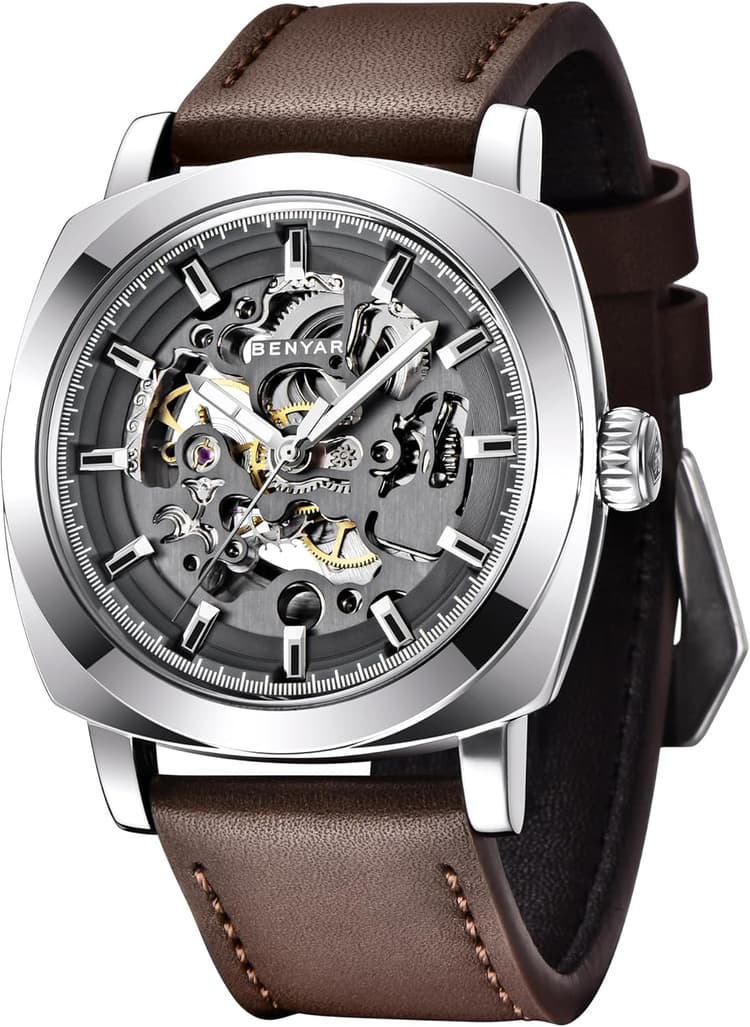
BENYAR
$79.99
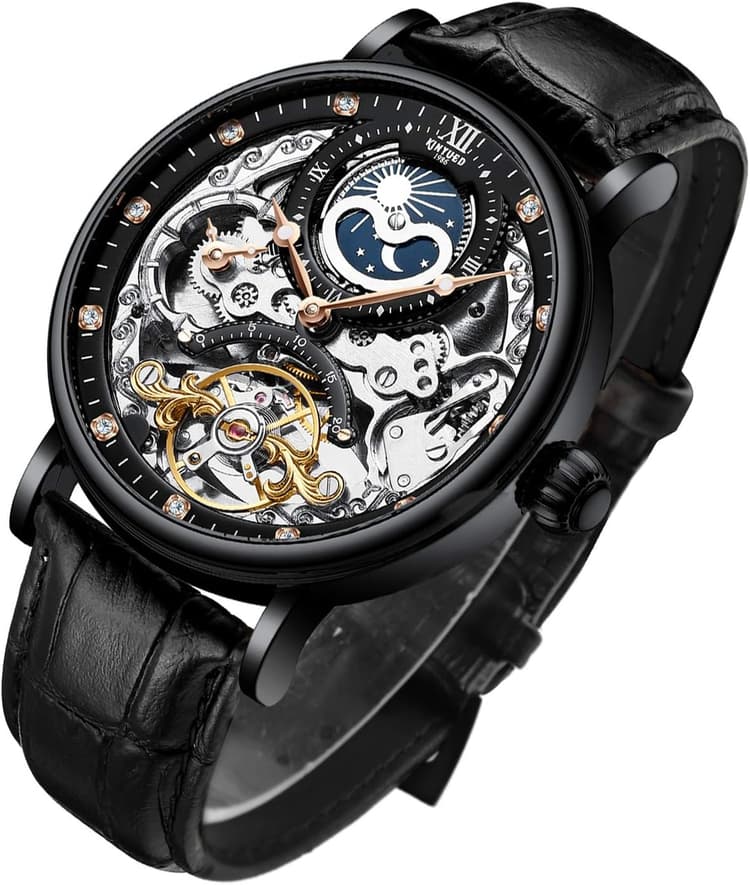
IK COLOURING
$59.90
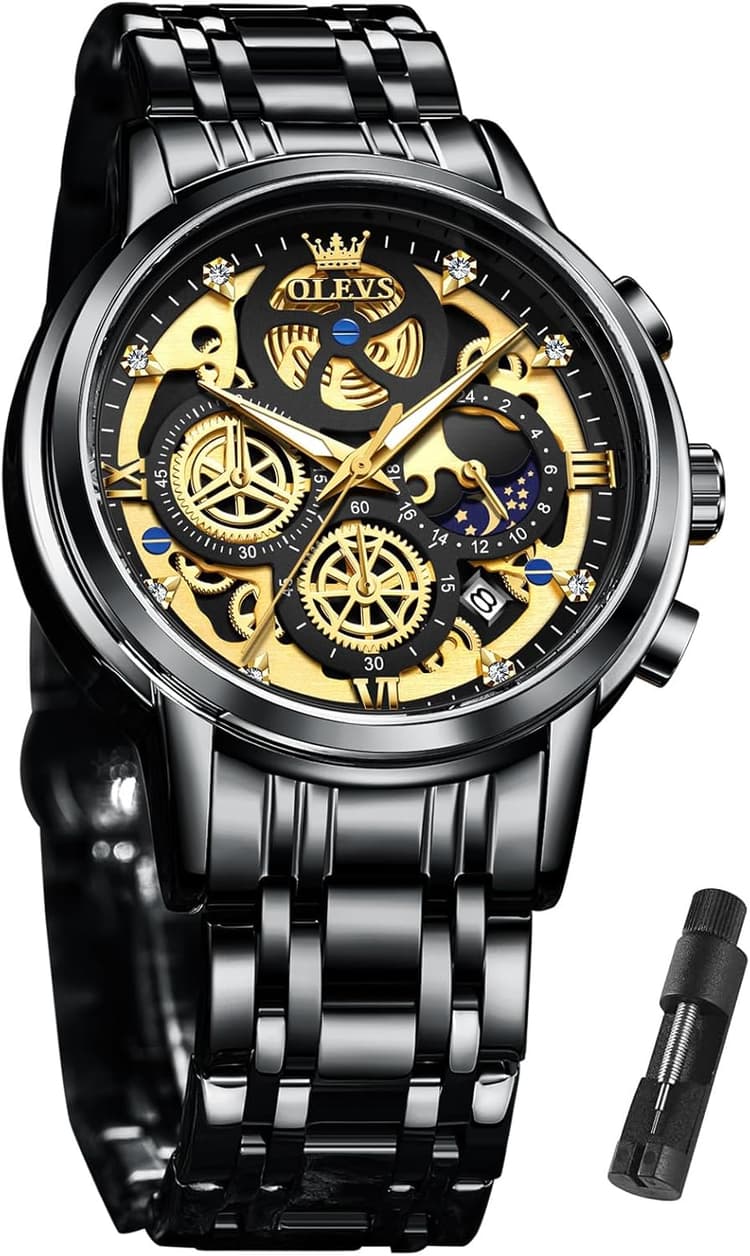
OLEVS
$43.77
$147.00
-70 %
*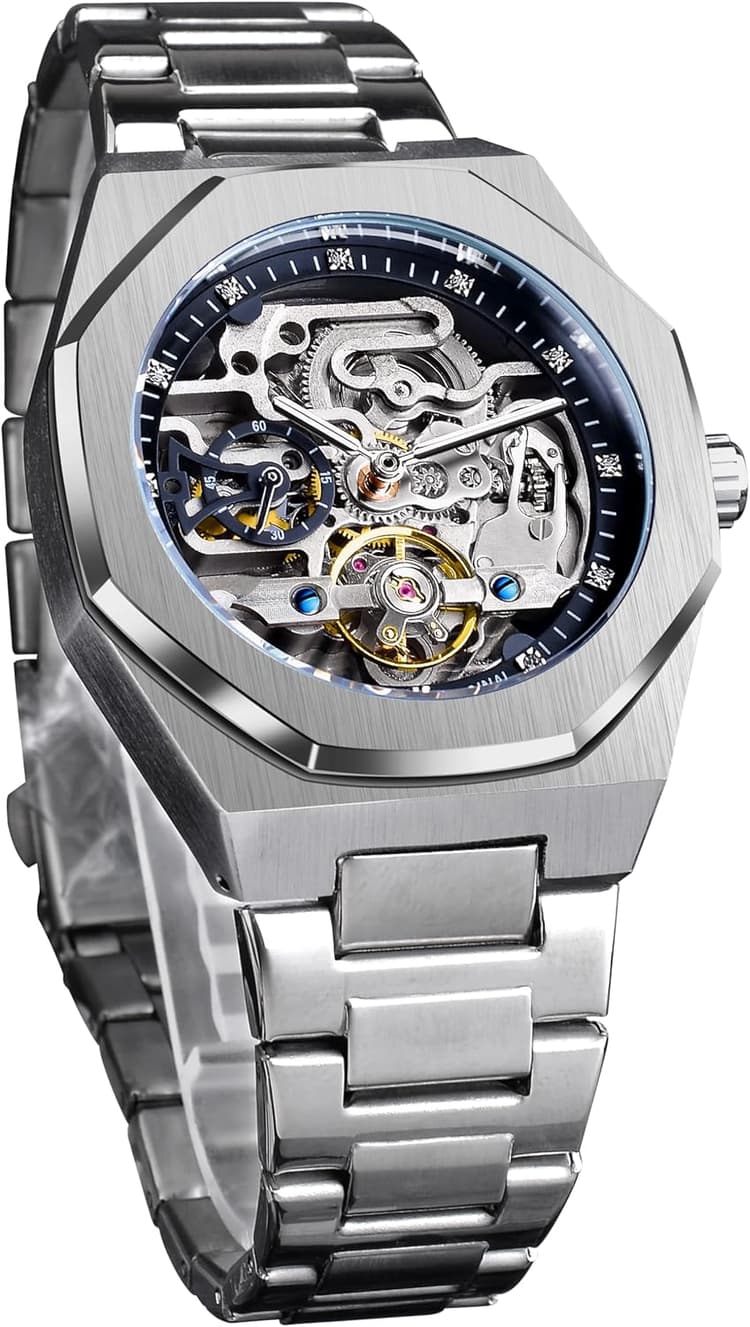
FORSINING
$39.99
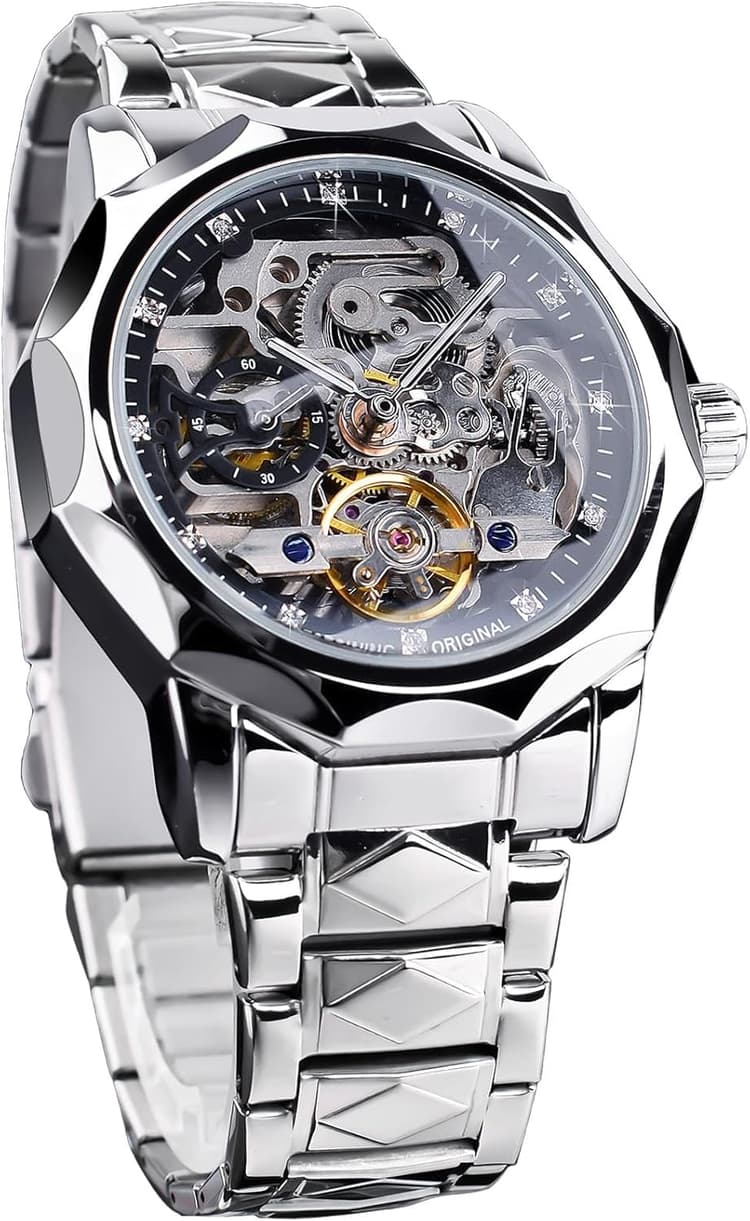
FORSINING
$38.98
FORSINING
$38.98
FORSINING
$33.99
FORSINING
$29.98
Auction sales in Hong Kong and Geneva this week put complex calendar watches — perpetual calendars, world‑time and intricate calendar modules — back into focus. Catalogues highlighted demand for movements that deliver astronomical indications (moon phases, leap year cycles, century programming) and for ergonomic solutions such as all‑in‑one crown correction instead of recessed correctors. The technical challenge is straightforward: ease of adjustment and mechanical safety. Modern calibres increasingly centralise corrections via the crown, reducing user error and simplifying servicing.
On the market side, auctions provide calibration points for pricing and raise the profile of comparable secondary‑market pieces. From a service perspective, perpetual calendars demand specialist skills and spare parts — springs, jump wheels and display discs — and service centres typically see higher enquiry volumes following headline sales. Auction houses have responded by improving service-history disclosures in lot descriptions.
We advise buyers to insist on clear condition reports and documented service histories for high‑complication watches: a well‑documented QP retains value far better than one with unknown servicing. For brands, the trend toward simplified correction systems is positive — it reduces dependence on specialised tools and makes daily use of historically niche complications more realistic for owners.
Casio
$34.82
$39.95
-13 %
*
Timex
$47.92
Casio
$34.26
$45.95
-25 %
*
Gosasa
$19.98
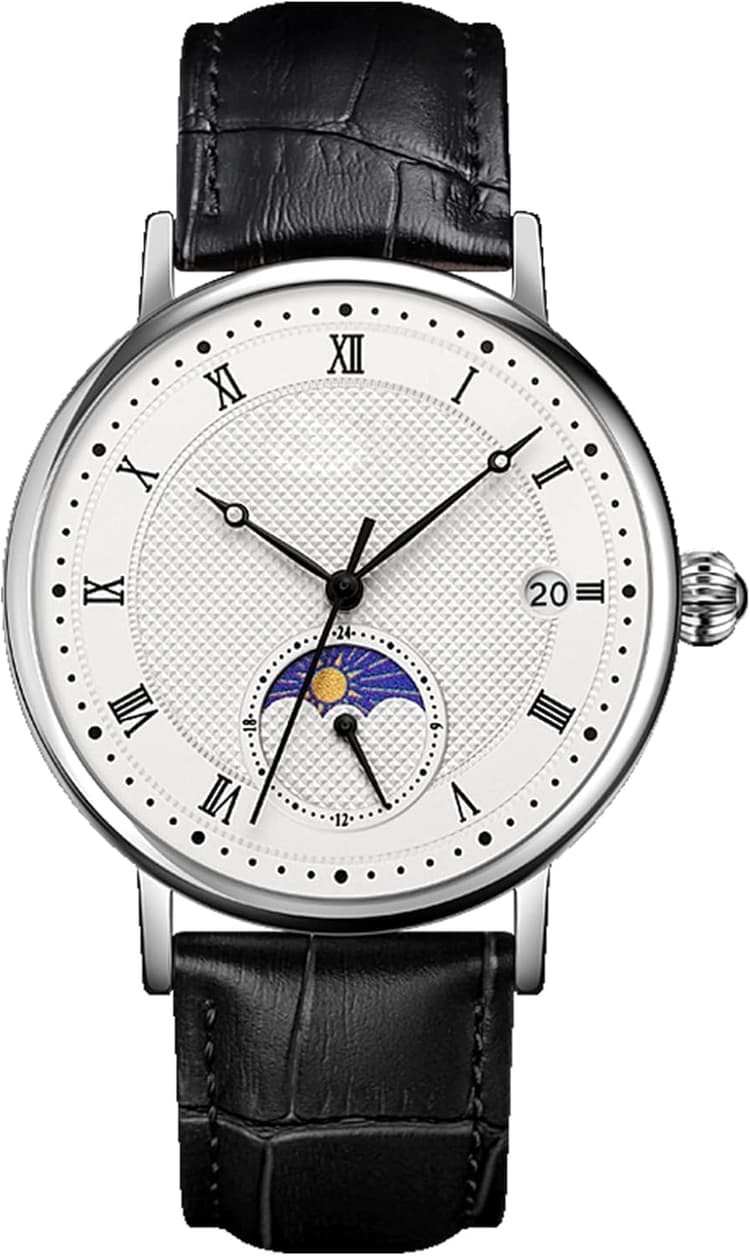
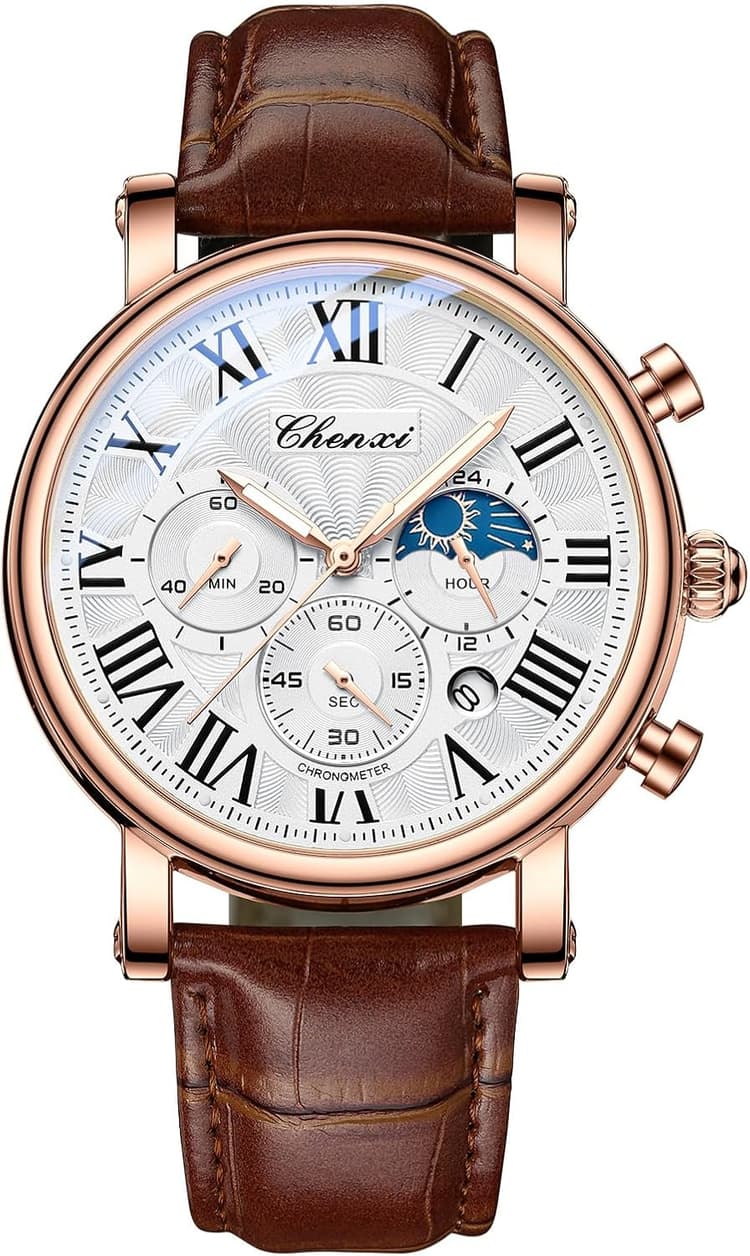
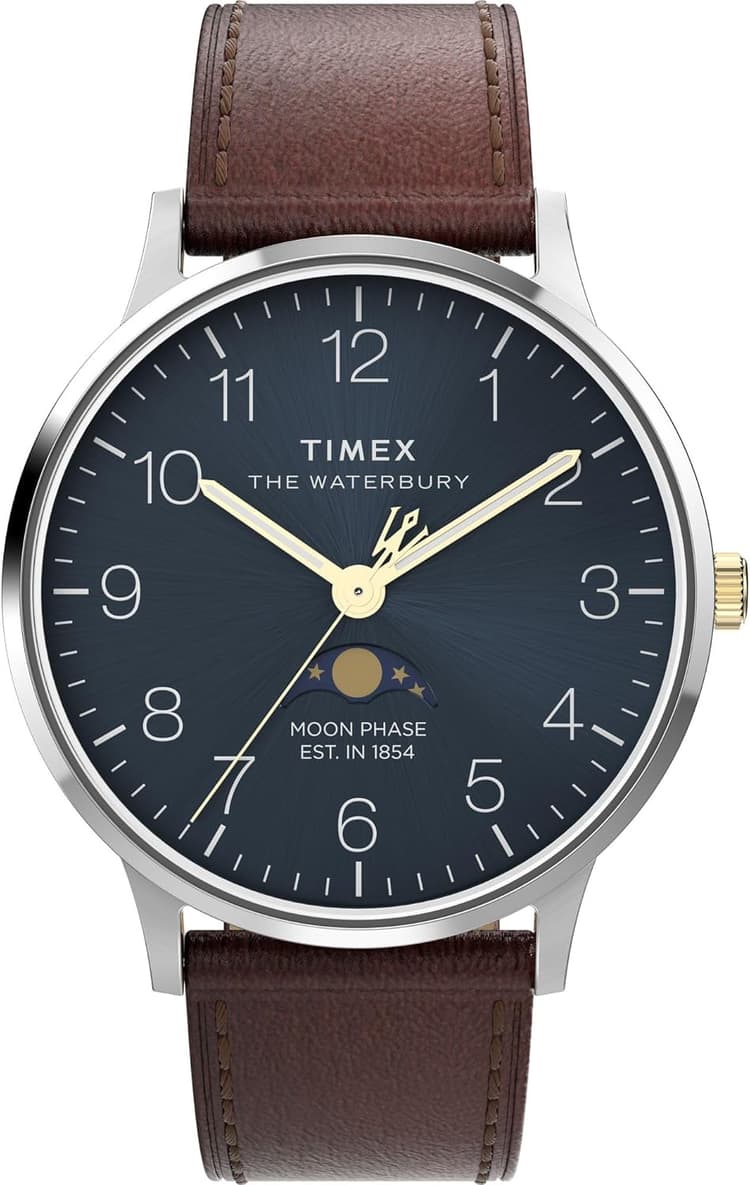
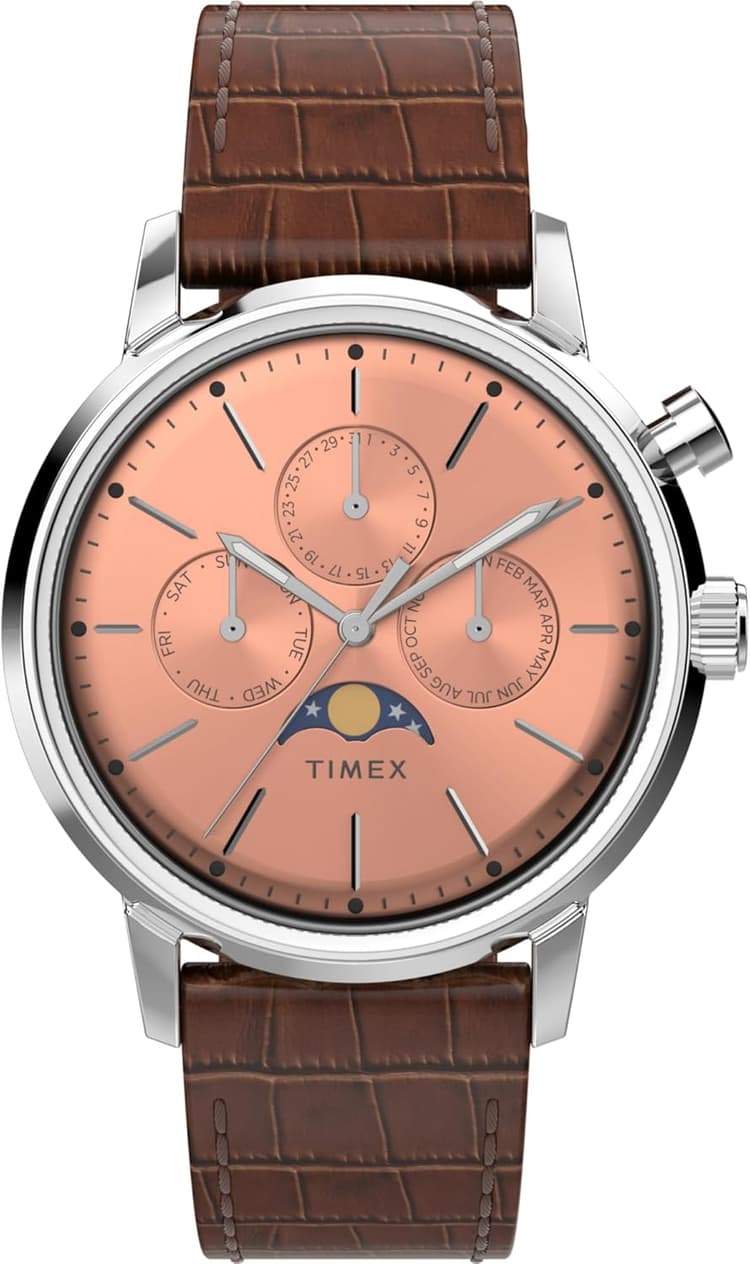
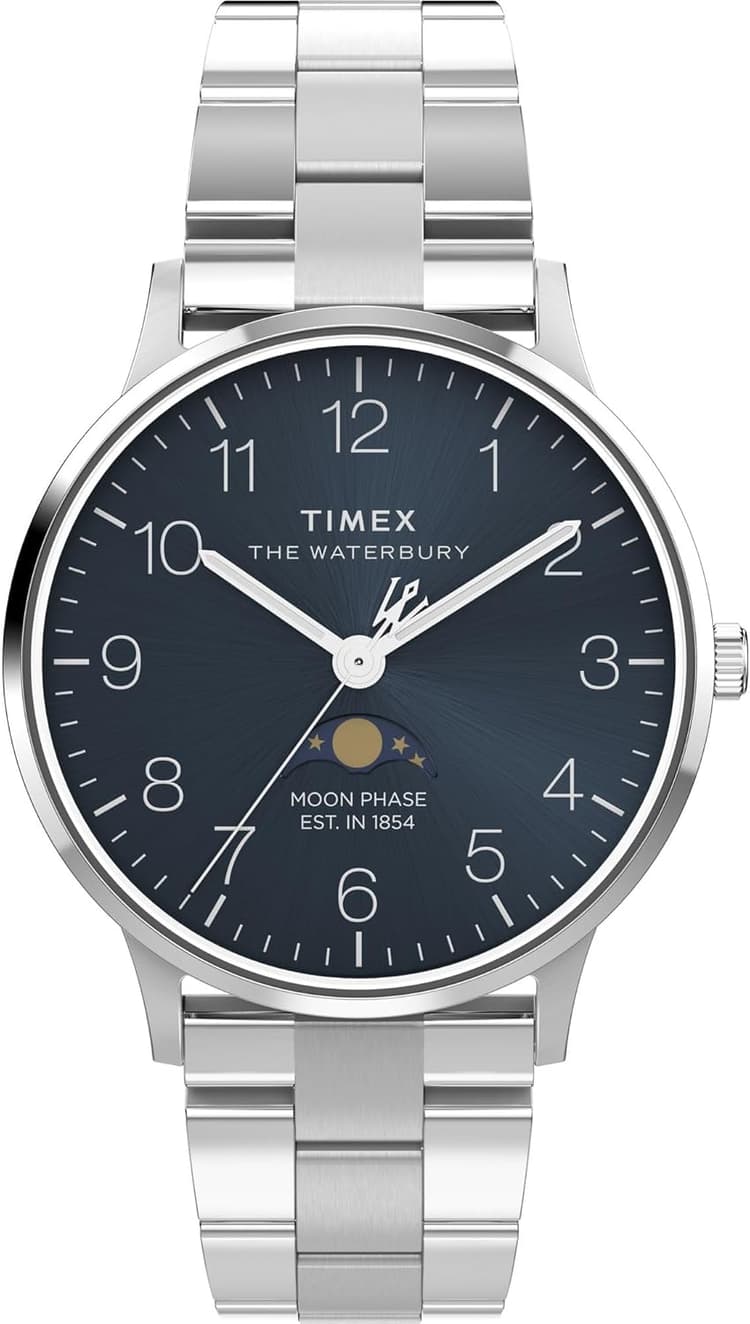
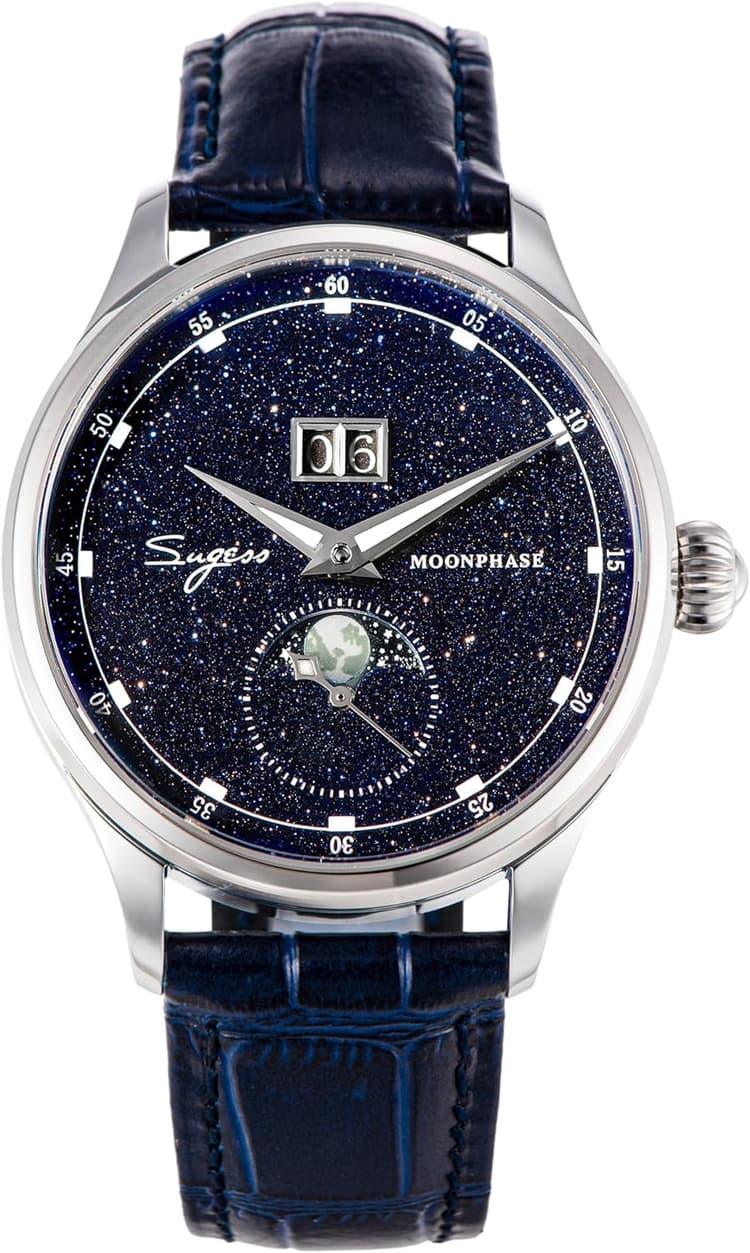
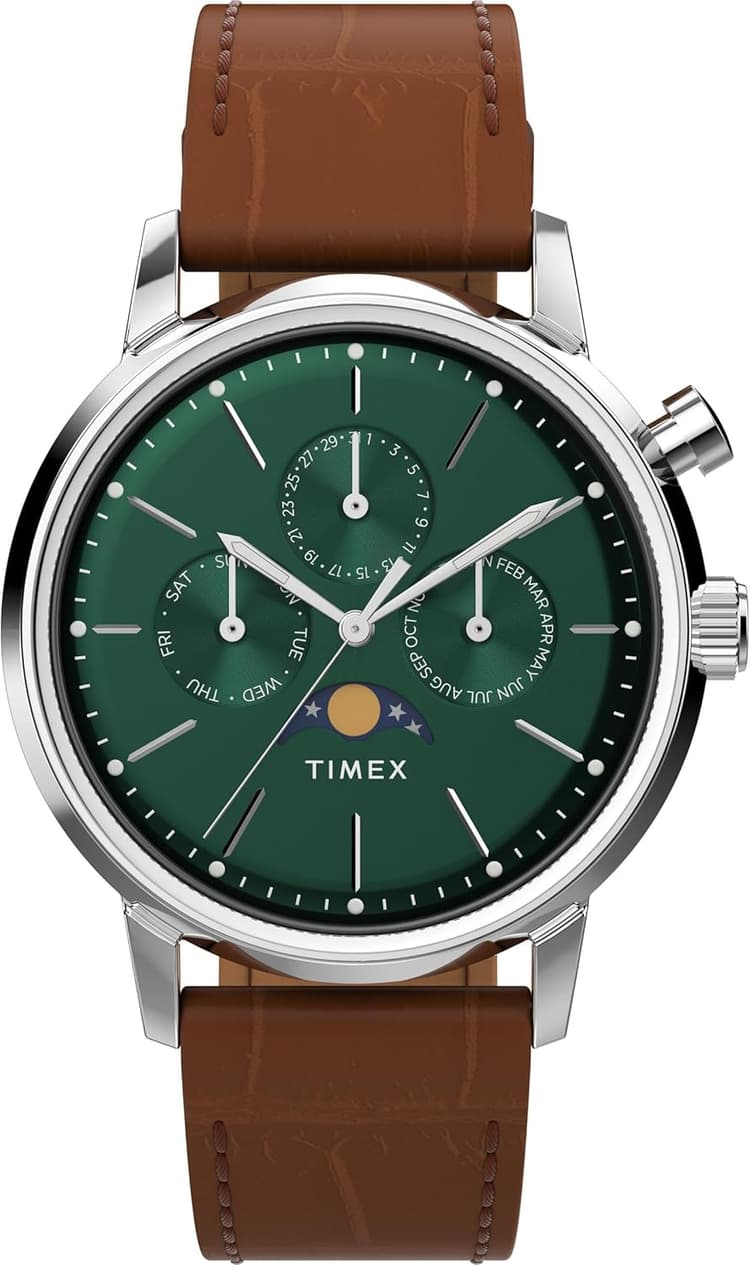
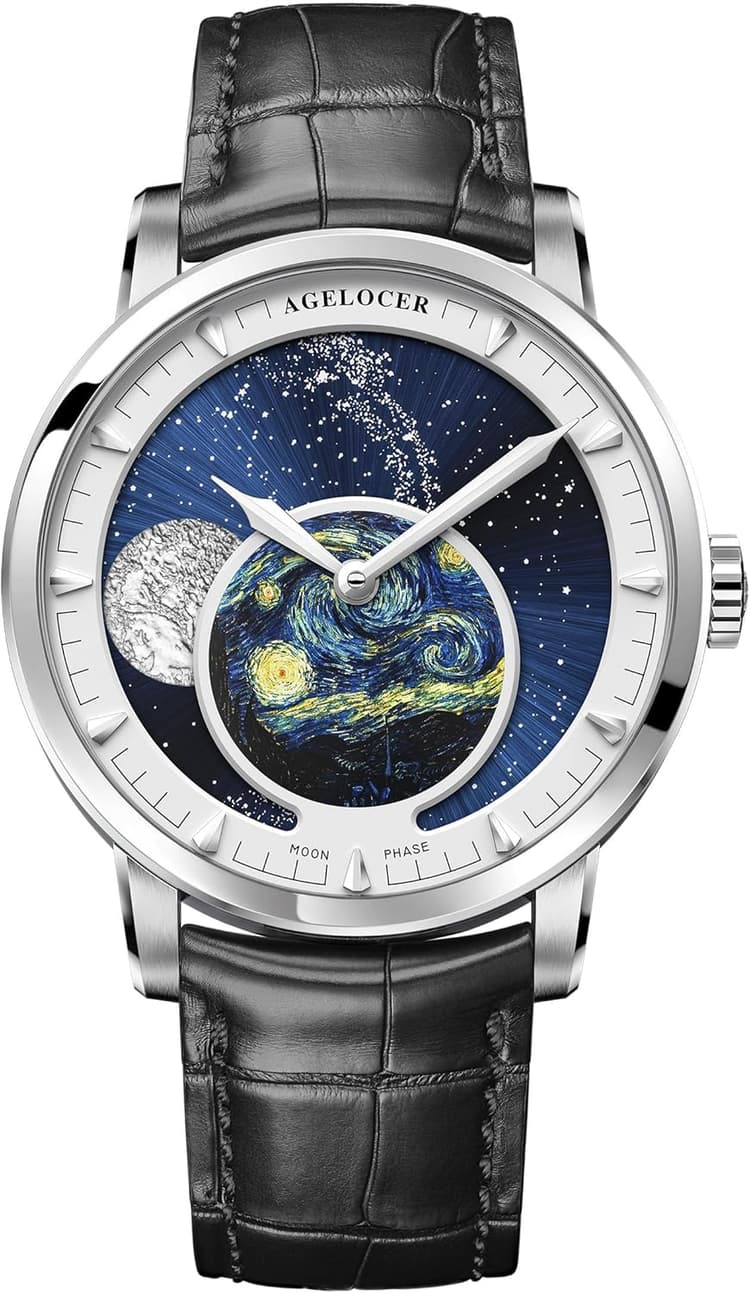
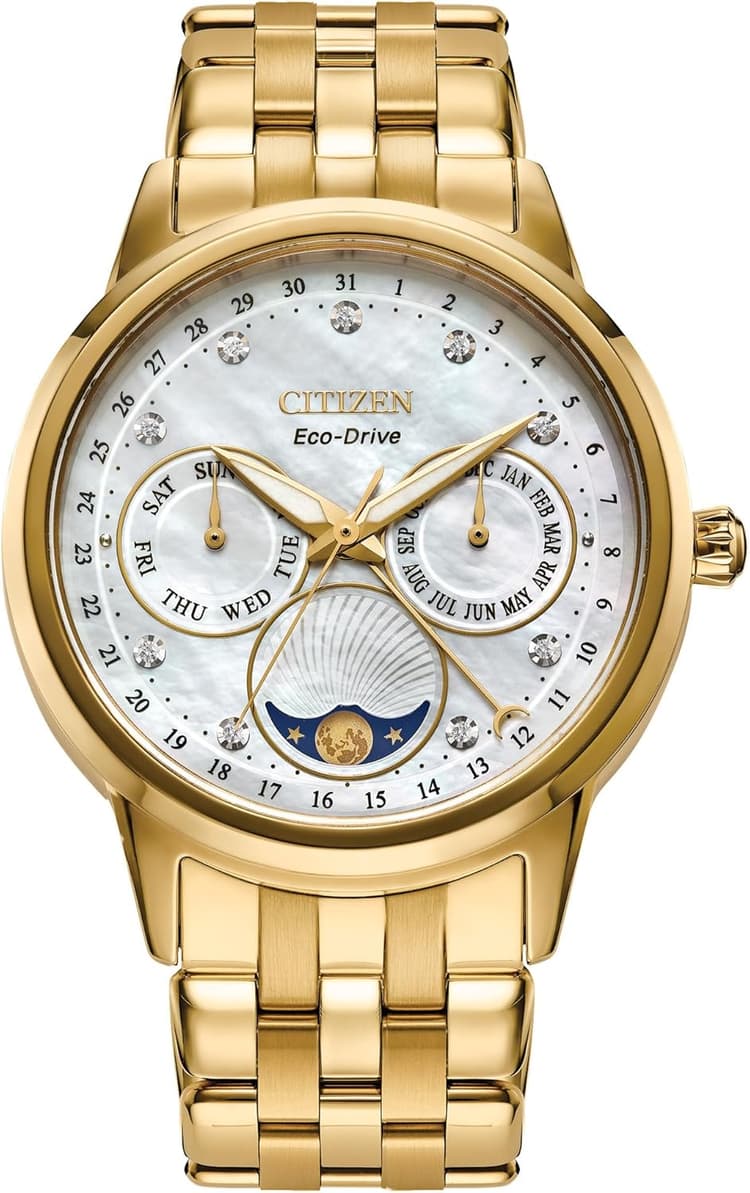
Collector conversations this week highlighted a resurgence of moonphase complications among microbrands: affordable automatics and modular calibres offering a functional moon display at much lower prices than traditional maisons. We analyse why: the availability of compatible modules, supplier movements with dedicated moon discs and a design language that suits both classic and contemporary dials have encouraged smaller brands to add the complication.
The effect for owners is twofold: access to a poetic complication (true moonphase rather than a 24‑hour indicator) raises perceived value at entry and mid prices, but technical variability (module quality, disc precision, alignment at assembly) requires buyer diligence. Shoppers should check whether the moonphase is independently adjustable (a dedicated pusher) or linked to the date train, advertised accuracy (days of drift before correction) and parts availability for servicing.
For watchmakers, the rise in moonphase microbrand releases means increased demand for training on disc adjustment and reduction of drivetrain play. From a market perspective, these watches often act as an entry point to brands with more technical offerings and help a new generation understand the appeal of mechanical complications.
FANMIS
$26.70
FANMIS
$27.99

Casio
$34.49
$45.95
-25 %
*
BERNY
$59.99

Fossil
$136.50
$250.00
-45 %
*
Timex
$156.00
Timex
$159.99
Timex
$163.18
$179.00
-9 %
*
Sugess
$189.99
Timex
$199.00
AGELOCER
$299.99
CITIZEN
$367.50
$525.00
-30 %
*Openworked models discussed in the press and forums this week underline a clear trend: integrating perpetual calendars and complex indications into skeletonised architectures requires a rethought mechanical approach. The emergence of movements like the Calibre 7139 (an openworked perpetual calendar engine) raises questions of legibility, robustness and serviceability. When a movement is cut away for visibility, bridges, oil volumes and transmission paths must be redesigned — all of which affects the ability to correct indications without introducing instability.
For owners, an openworked QP or calendar often forces a choice between aesthetics and practicality — the appeal of visible trains can come with finickier regulation. For service centres, maintenance demands higher micro‑machining skills and assembly methods, focused on surface cleanliness and tolerance control. The market benefit is clear: these pieces reposition maisons and onboard buyers willing to pay a premium for mechanical transparency.
We stress that producing a skeletonised calibre adds meaningful cost — hollowed bridges, surface treatments and stricter QC — and that these costs flow into retail pricing. Savvy buyers should check for service documentation and brand policies on spare‑part availability before committing.
PIERRE RICHARDSON
$249.99
Fossil
$219.00
$270.00
-19 %
*Stuhrling Original
$129.99
$795.00
-84 %
*Stuhrling Original
$109.99
$825.00
-87 %
*On the smartwatch front this week attention centred on software updates and betas that prepare new features (third‑party widgets, deeper health integrations) rather than major hardware launches. For users interested in complication‑style features, the issue is interoperability and the system’s ability to surface rich complications (real‑time data, interactive widgets) without draining battery. Developers are working to deliver more complex complications (calendars, astronomical moon phases, multi‑timers) within tight power and MCU constraints.
Technically, priorities are rendering optimisation (antialiasing, legibility at small sizes), latency reduction and robust APIs so third‑party complications behave deterministically. For end users this promises deeper complications without major autonomy trade‑offs. For the ecosystem, software advances allow credible digital alternatives to mechanical complications (for example astronomically accurate moonphase widgets) for those who prioritise function over mechanical craft.
Our advice: run betas on a spare device before upgrading your daily wearable, and favour manufacturers that publish clear API and update policies — software support longevity is now as important as spare‑part availability on the hardware side.
![Apple Watch Series 11 [GPS 42mm] Smartwatch with Rose Gold Aluminum Case with Light Blush Sport Band - S/M. Sleep Score, Fitness Tracker, Health Monitoring, Always-On Display, Water Resistant](/_next/image?url=https%3A%2F%2Fm.media-amazon.com%2Fimages%2FI%2F6110Jv9wqeL._AC_SL1500_.jpg&w=750&q=75)
Apple
$299.00
$399.00
-25 %
*![Apple Watch SE 3 [GPS 40mm] Smartwatch with Starlight Aluminum Case with Starlight Sport Band - S/M. Fitness and Sleep Trackers, Heart Rate Monitor, Always-On Display, Water Resistant](/_next/image?url=https%3A%2F%2Fm.media-amazon.com%2Fimages%2FI%2F61xkvg-RStL._AC_SL1500_.jpg&w=750&q=75)
Apple
$219.00
$249.00
-12 %
*
aeac
$59.99
TRAUSI
$16.99
$20.99
-19 %
*
TORJALPH
$19.91
$23.99
-17 %
*![Samsung Galaxy Watch 8 Classic (2025) 46mm Bluetooth Smartwatch, Cushion Design, Rotating Bezel, Quick Button, Sleep Coaching, Running Coach, Energy Score, Black [US Version, 2 Yr Warranty]](/_next/image?url=https%3A%2F%2Fm.media-amazon.com%2Fimages%2FI%2F719-nqBNZlL._AC_SL1500_.jpg&w=750&q=75)
Samsung
$369.99
$499.99
-26 %
*
Quican
$36.97
$59.99
-38 %
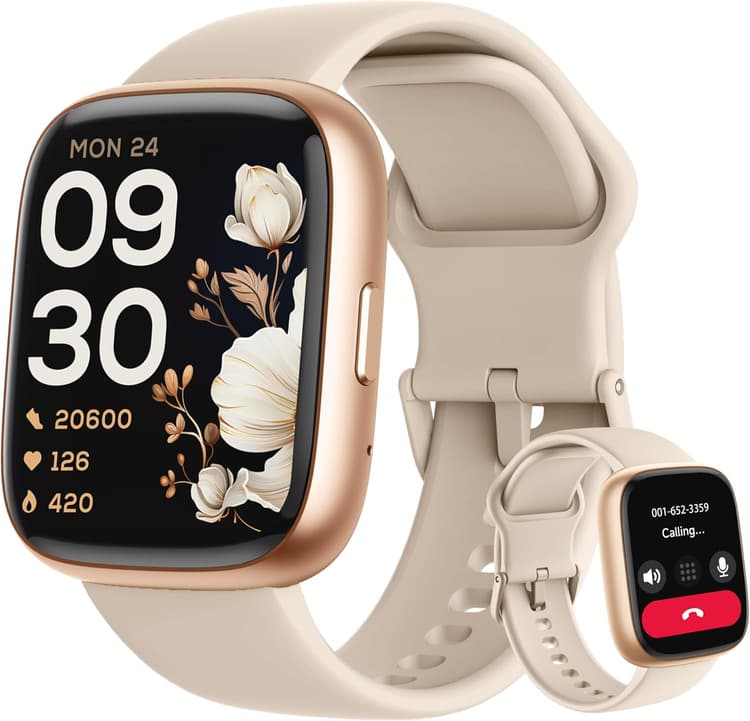
*
LODIMEKE
$24.21
$29.98
-19 %
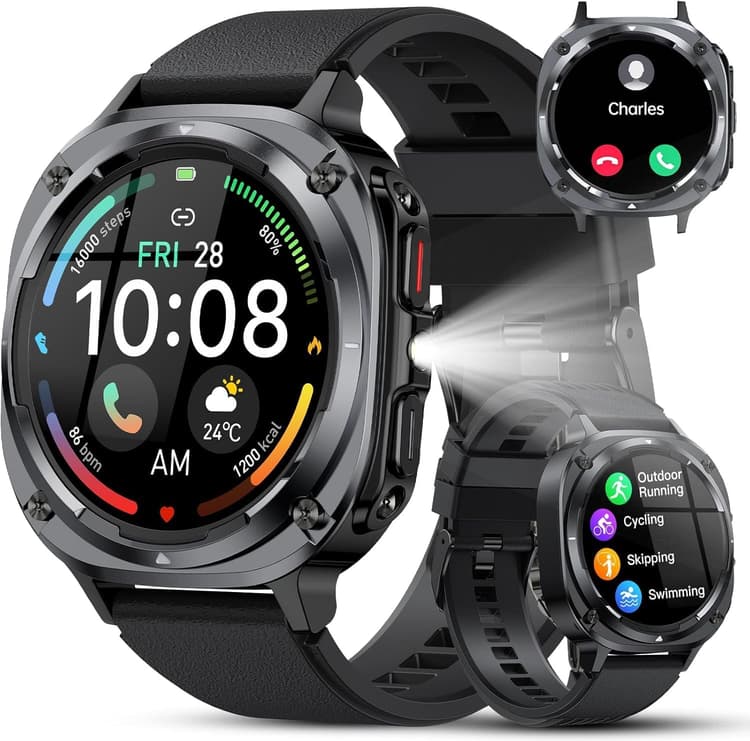
*
TIMU
$35.99
$129.99
-72 %
*
Yoever
$49.99
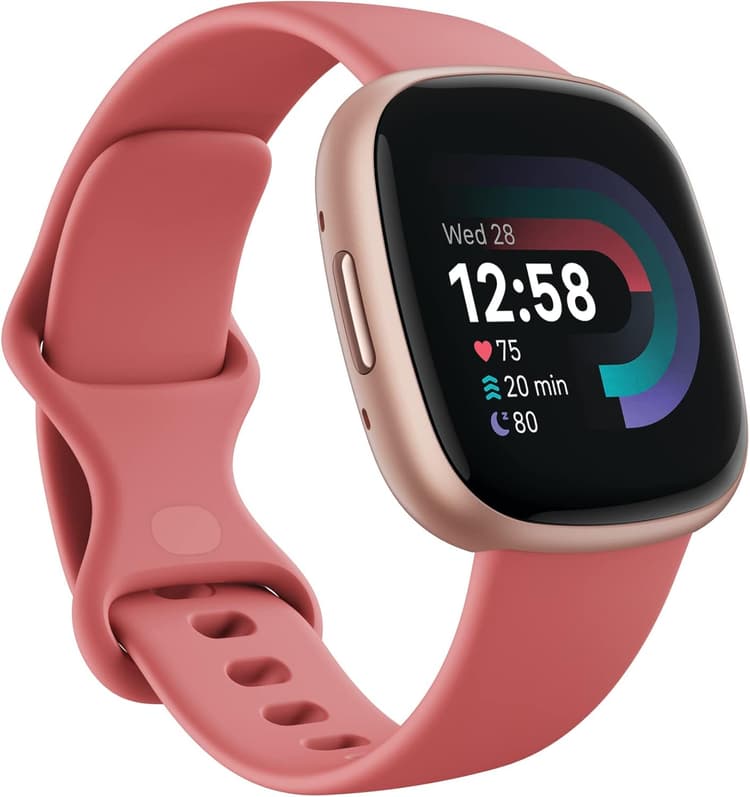
$188.95
$199.95
-6 %
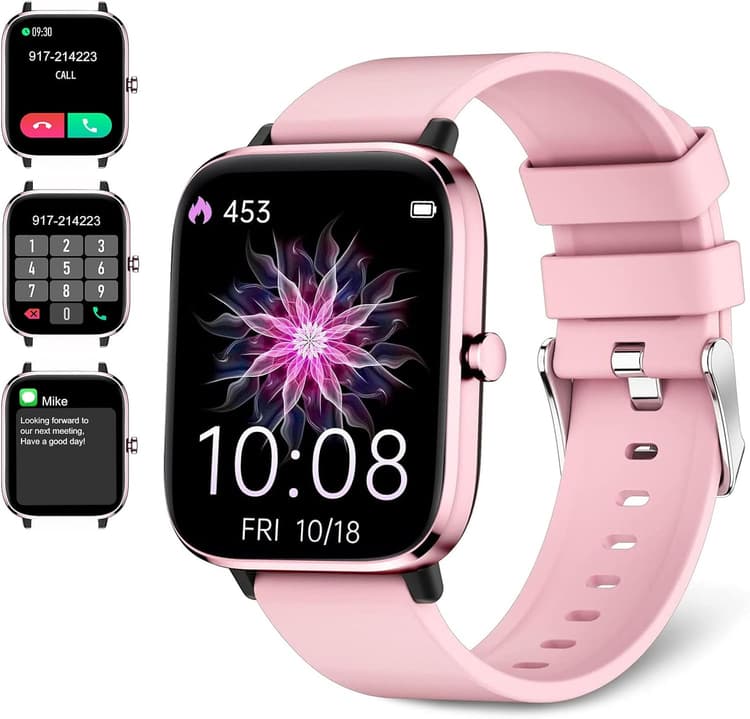
*
Choiknbo
$19.99
 By Mateo Alvarez
 By Nora Bennett
 By Mateo Alvarez
 By Nora Bennett
 By Mateo Alvarez
 By Mateo Alvarez
 By Mateo Alvarez
 By Mateo Alvarez
We analysed specialised press coverage, auction catalogues and community discussion threads published during the week. Sources include auction house pages (Phillips), industry articles and Reddit threads capturing announcements and community reaction.
We report and analyse facts and public discussions from brands, auction houses and the community. Always verify official dates, technical specs and service records with manufacturers or sellers before any purchase or service decision.
Tests and articles by watch experts, based on technical criteria and side‑by‑side comparisons.
We compare models and features to inform your choice, free from commercial influence.
Guides are regularly updated to reflect new releases and market developments.
We may earn a commission from links to partner retailers; this does not affect our independent analyses.