
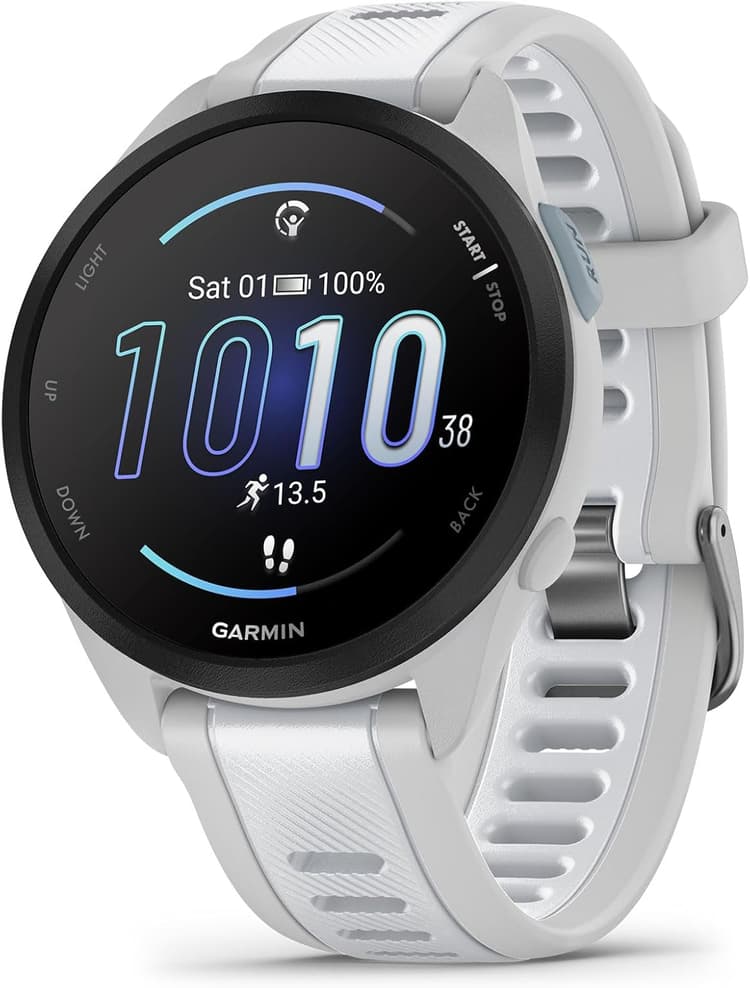
Garmin Forerunner 165, Running Smartwatch, Colorful AMOLED Display, Training Metrics and Recovery Insights, Whitestone
★★★★☆4.7
$199.99
$249.99
-20 %
*
Deals editor focused on watch bargains, market analysis, and approachable buying advice.

We recap a week where software updates and product launches changed practical choices for outdoor athletes. From a broad Garmin feature release and targeted deals to notable running-shoe launches and community news, we explain what matters for users: what to update, what to buy, and how these moves shift training and navigation expectations on wrist devices.
We reviewed Garmin’s official feature update released on February 24: it widens software capabilities across multiple watch and cycling computer lines and adds features focused on device longevity and training workflow. Key additions include a Battery Manager to optimize power profiles, expanded Gear Tracking with a shoes-and-components database, a Course Planner for stage planning and aid stations, and a Sleep Alignment tool to sync training with circadian patterns. This release is more than incremental — it changes how athletes manage equipment life and race preparation within Garmin’s ecosystem. For runners and triathletes, automated gear tracking reduces metric drift from worn shoes; for outdoor athletes, contextual voice alerts (Varia) and the course planner improve safety and logistics for long efforts. Product-wise, the update underscores that manufacturers can extend perceived device value through software — so before buying a new watch, check compatibility and update Garmin Connect to assess whether a software refresh meets your needs.
$199.99
$249.99
-20 %
*![Apple Watch Ultra 3 [GPS + Cellular 49mm] Running & Multisport Smartwatch w/Rugged Titanium Case w/Light Blue Alpine Loop - S. Satellite Communications, Advanced Health & Fitness Tracking](/_next/image?url=https%3A%2F%2Fm.media-amazon.com%2Fimages%2FI%2F81loboxE9yL._AC_SL1500_.jpg&w=750&q=75)
Apple
$768.00
![Apple Watch Ultra 3 [GPS + Cellular 49mm] Running & Multisport Smartwatch w/Rugged Titanium Case w/Natural Titanium Milanese Loop - L. Satellite Communications, Advanced Health & Fitness Tracking](/_next/image?url=https%3A%2F%2Fm.media-amazon.com%2Fimages%2FI%2F81y-XUkYLfL._AC_SL1500_.jpg&w=750&q=75)
Apple
$799.99
$899.00
-11 %
*
XIAOMI
$49.59
We examined specialist press coverage from February 25: Garmin Fitness Coach is rolling out in Garmin Connect and, for select watches, on-device. The feature generates training plans that blend cardio and strength options — Full Gym, Bodyweight, or No Strength Workouts — and adapts durations based on user history. Technically the algorithm leverages training history and readiness metrics to calibrate load; for athletes this means coherent plans across running, cycling and strength without juggling third‑party apps. Two cautions: 1) plan quality depends on sensor accuracy and clean input data — external HRMs and correct activity profiles improve outcomes; 2) on‑watch content eases in-session access but adds software load to older models, explaining limited compatibility. For runners wanting an all‑in‑one coaching experience, Garmin has made a big step; coaches and power users will still need to fine‑tune plans for highly specific load progression needs.
COROS
$249.00
Garmin
$237.07
$349.99
-32 %
*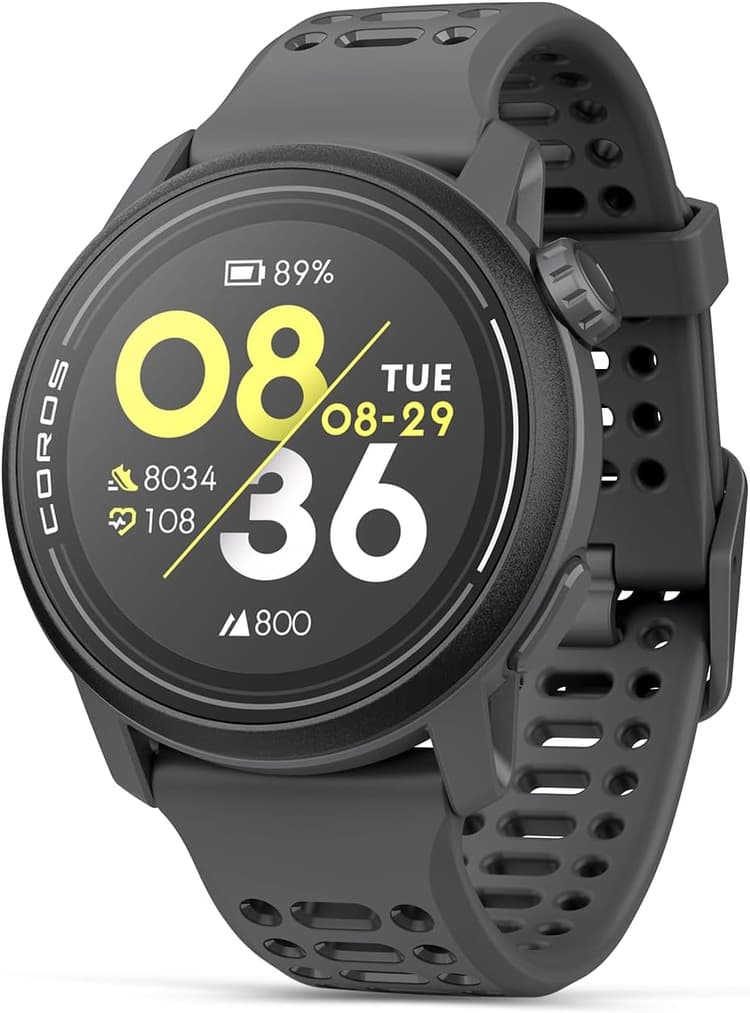
COROS
$199.00
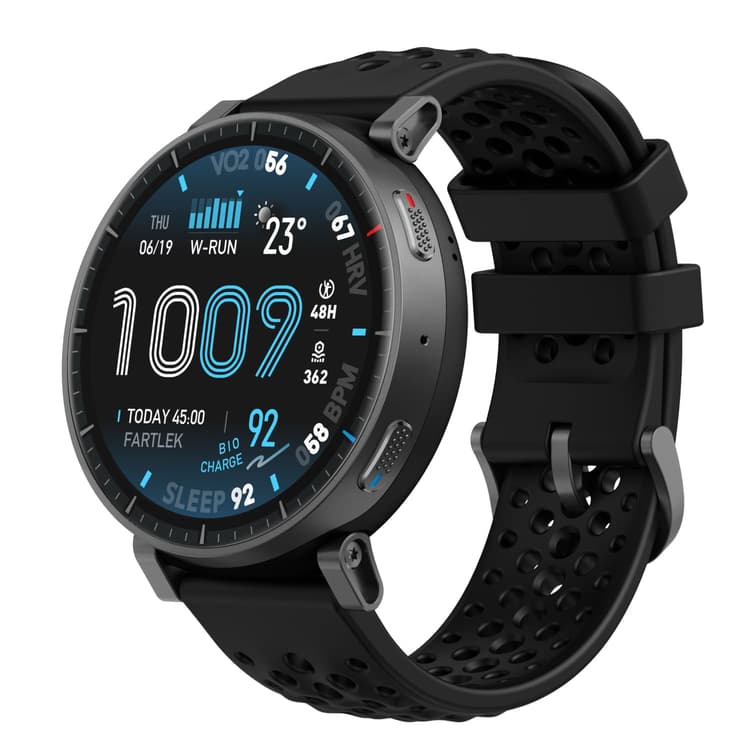
Amazfit
$169.99
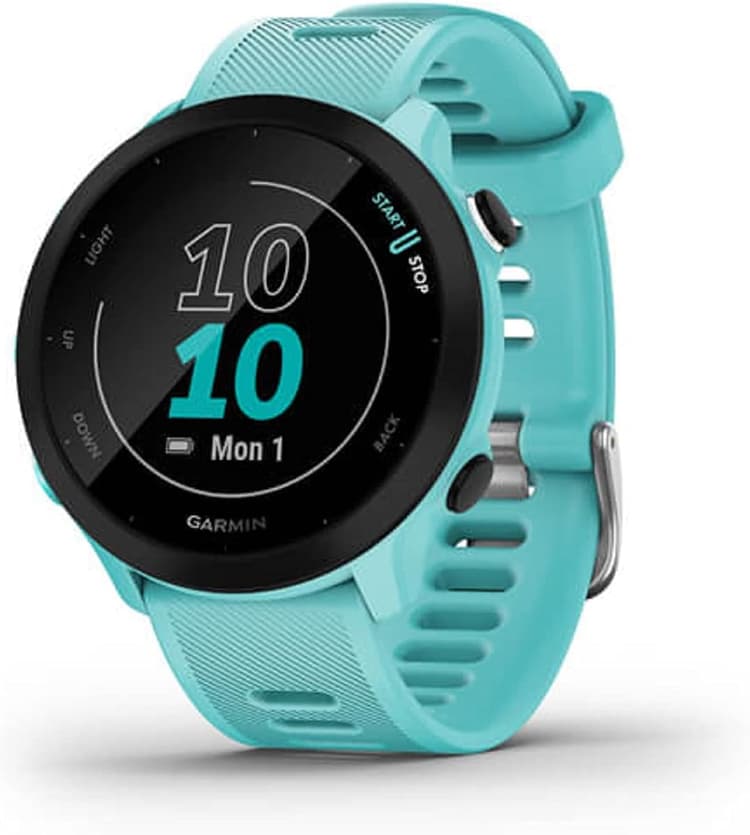
Garmin
$169.00
$199.99
-15 %
*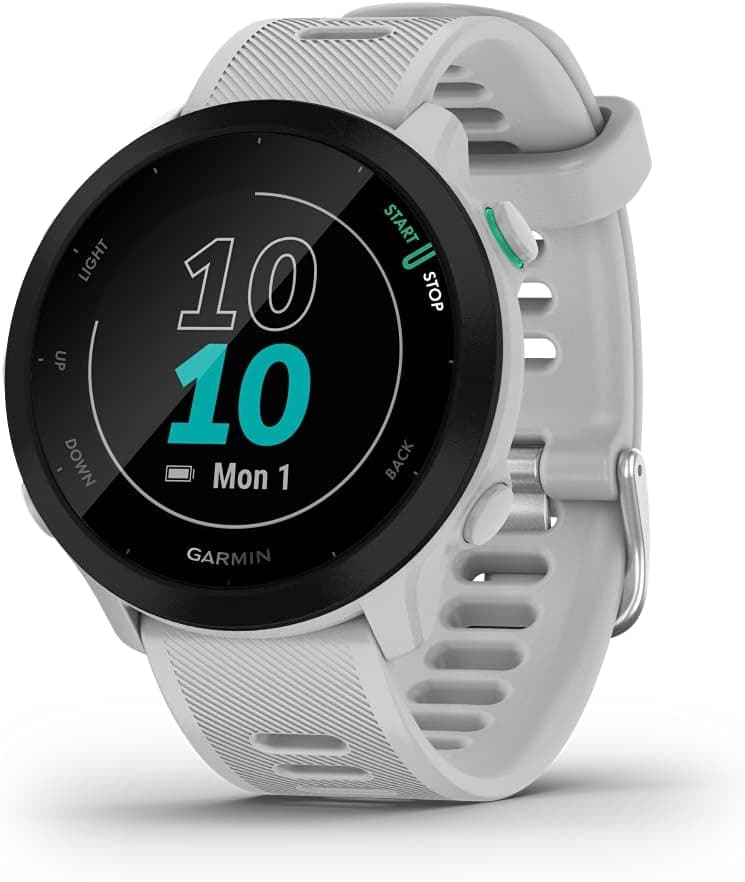
Garmin
$169.00
$199.99
-15 %
*
Garmin
$165.00
$199.99
-17 %
*
$161.94
Fitbit
$96.00
INKRAIMIN
$93.99
$129.99
-28 %
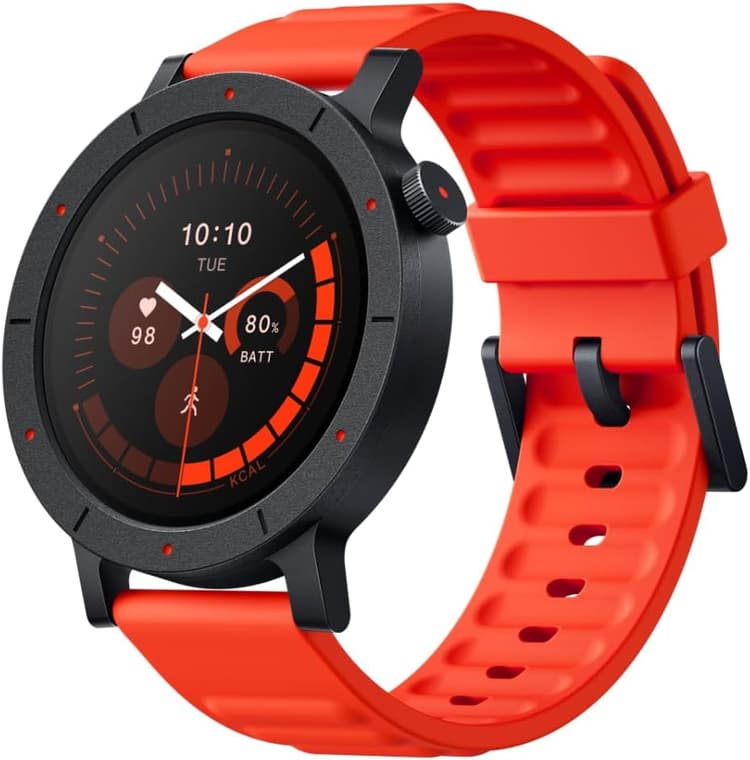
*
CMF BY NOTHING
$72.49
$99.00
-27 %
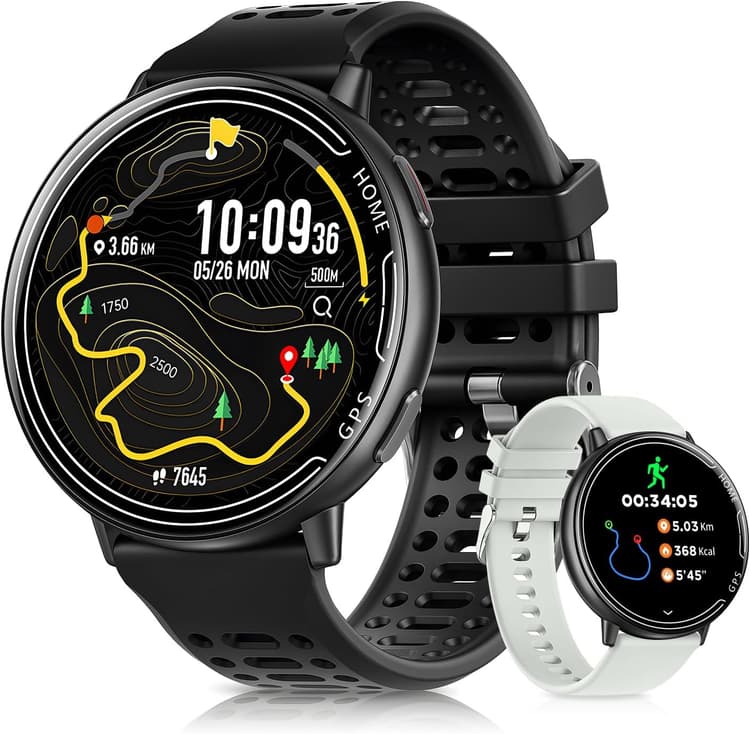
*
Rmana
$69.99
This week multiple outlets listed discounts across key Garmin models — Forerunner, Venu, Epix and Instinct showed up in targeted deals. We assess buyer impact: these price cuts make sense for users seeking a reliable training or adventure watch, but if you’re waiting for major software or hardware leaps (like full Fitness Coach integration or next‑gen silicon) check product roadmaps before buying. Practically, deals benefit beginner to intermediate runners and hikers who value battery life and GPS reliability over bleeding‑edge AI features. Our hands‑on advice: match a discounted model against the Feb 24 compatibility list and prioritize devices with mapping and strong battery performance for navigation or long efforts.
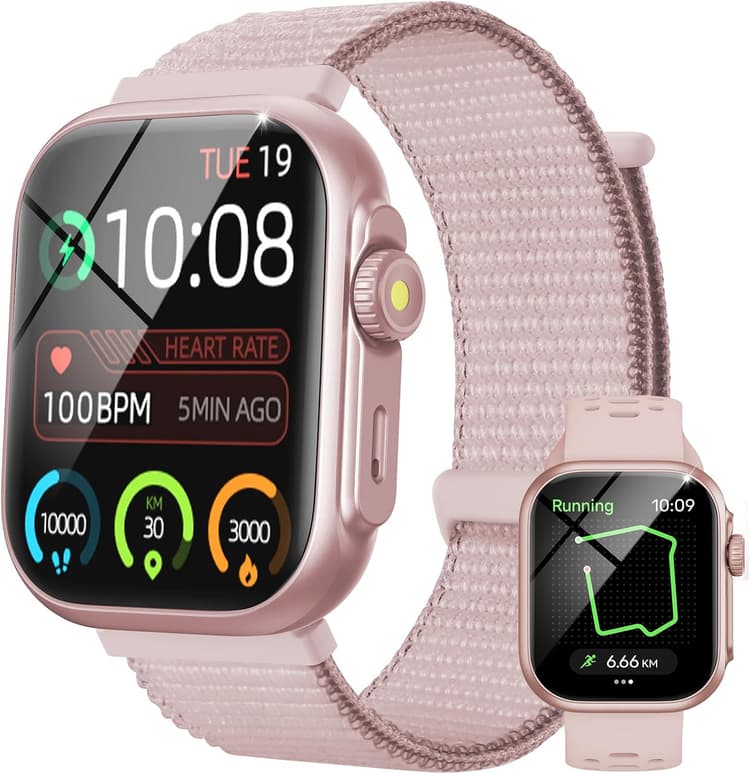
Parsonver
$35.98
$39.98
-10 %
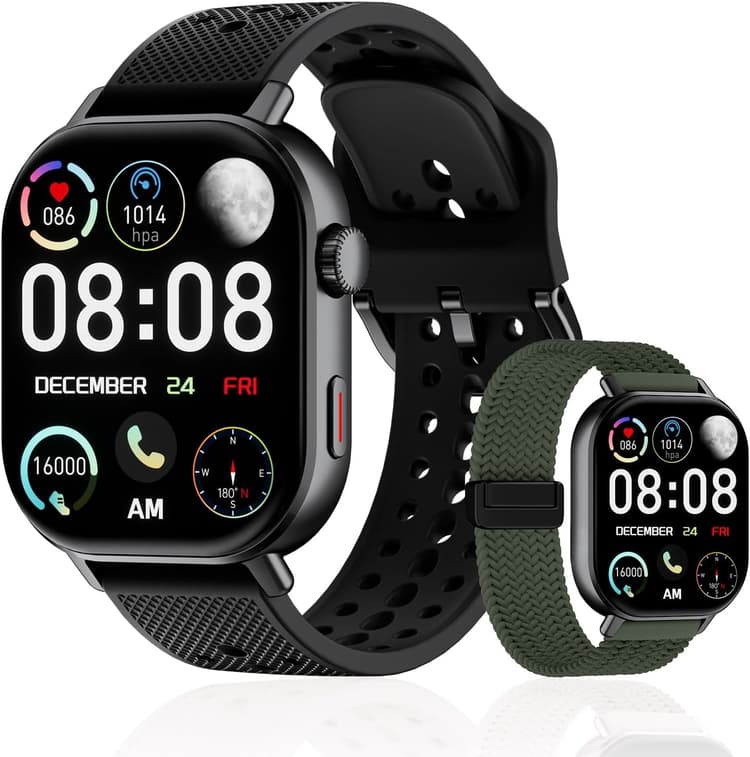
*
moutarlier
$46.49
Rmana
$69.99
CMF BY NOTHING
$72.49
$99.00
-27 %
*Coverage on February 25 highlights three shoe launches that signal shifting priorities in 2026: versatility, stability and energetic responsiveness. Two technical trends stand out: brands refining the balance between cushion and efficiency (reactive foams and tweaked rocker geometries), and parallel lines for daily trainers vs race shoes (thinner constructions and optimized carbon plates for propulsion). For users this means more comfort and recovery on daily miles, but race models still demand careful fitting and adaptation. Practically, try new models across several runs and sync sessions with your GPS watch to measure cadence, energy cost and any performance variance. Indirectly, these launches push wearable makers to improve running economy and gait‑analysis metrics, making watch/shoe synergy increasingly important.
Garmin
$237.07
$349.99
-32 %
*INKRAIMIN
$93.99
$129.99
-28 %
*CMF BY NOTHING
$72.49
$99.00
-27 %
*Garmin
$165.00
$199.99
-17 %
*Garmin
$169.00
$199.99
-15 %
*Garmin
$169.00
$199.99
-15 %
*Parsonver
$35.98
$39.98
-10 %
*$161.94
COROS
$199.00
COROS
$249.00
Amazfit
$169.99
Fitbit
$96.00
We respectfully note the update on Jeff Galloway’s passing (reported Feb 26; he died Feb 25). Beyond the event, we examine his legacy: the run‑walk method democratized distance running by lowering effort thresholds and protecting athlete health. For the Sport & Outdoor ecosystem, his death is a reminder that pedagogical, adaptive approaches matter — modern tools (on‑device plans, readiness tracking) should preserve accessibility to reach more users. Practically, we urge clubs, coaches and makers to keep pedagogy simple in interfaces and workouts — e.g., offer beginner‑friendly progressive plans based on run‑walk and track adherence via session frequency and time. We also expect this moment to prompt product teams to prioritize clear, progressive coaching flows in wearables as a public‑health benefit.
Garmin
$237.07
$349.99
-32 %
*$161.94
Garmin
$169.00
$199.99
-15 %
*Garmin
$169.00
$199.99
-15 %
*Specialist outlets highlighted the ASICS Superblast 3 and related range updates at the end of February. We analyse why these releases influence training choices: new foam blends, geometry tweaks and segmented targeting (daily trainer vs race shoe) indicate brands are rebalancing comfort and speed. For practitioners the immediate takeaway is to match shoe choice to objective — recovery, everyday training, or racing — and measure impact with watch metrics (cadence, vertical oscillation, estimated energy cost). Industry‑wise, these launches increase pressure on wearables to provide reliable running‑economy metrics across multiple runs, because claimed shoe gains must translate to measurable data for coaches and athletes. For consumers we still advise multiple test runs before fully replacing shoes, and to use integrated gear tracking to manage useful service life.
Fitbit
$96.00
Amazfit
$169.99
CMF BY NOTHING
$72.49
$99.00
-27 %
*$161.94
INKRAIMIN
$93.99
$129.99
-28 %
*Garmin
$237.07
$349.99
-32 %
*Parsonver
$35.98
$39.98
-10 %
*COROS
$249.00
COROS
$199.00
Garmin
$169.00
$199.99
-15 %
*moutarlier
$46.49
Garmin
$169.00
$199.99
-15 %
* By Mateo Alvarez
 By Nora Bennett
 By Mateo Alvarez
 By Nora Bennett
 By Nora Bennett
 By Nora Bennett
 By Mateo Alvarez
 By Mateo Alvarez
 By Mateo Alvarez
We relied on official releases and specialist coverage published between February 23 and March 1, 2026 to compile this roundup. Links below are the primary references used to verify dates and content.
We verified releases and articles published between 2026-02-23 and 2026-03-01. Recommendations reflect our editorial interpretation and do not substitute product testing or personalized professional advice.
Tests and articles by watch experts, based on technical criteria and side‑by‑side comparisons.
We compare models and features to inform your choice, free from commercial influence.
Guides are regularly updated to reflect new releases and market developments.
We may earn a commission from links to partner retailers; this does not affect our independent analyses.