
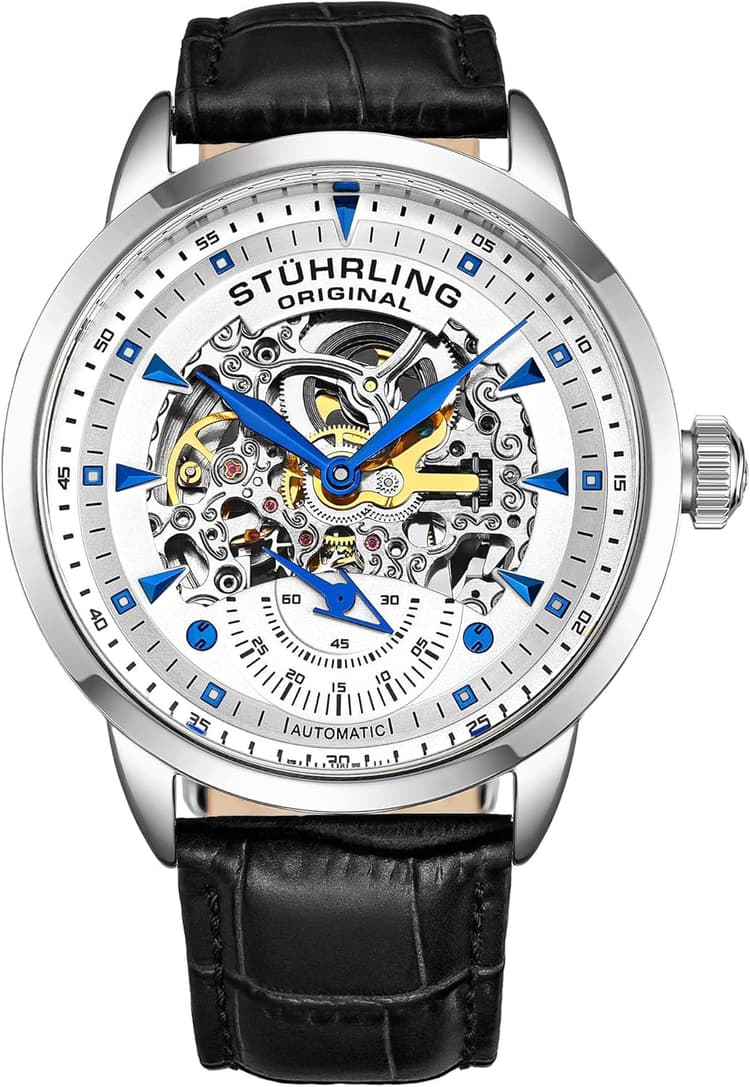
Stuhrling Original
Stuhrling Original Mens Skeleton Automatic Dress Watch with Alligator Embossed Leather Strap Skeleton Dial
★★★★☆4.3
$109.99
$825.00
-87 %
*
Senior watch editor specializing in in-depth reviews, buying guides, and industry news.

Why read this guide in 2026? A skeleton (open‑work) watch reveals its movement and makes the mechanism part of the visual design. Since 2024–2026, designers have blurred the line between haute‑horlogerie finishing and accessible mass production: you can find spectacular skeleton looks at many price tiers, but the practical differences matter. This guide explains how to judge those differences and choose a watch that fits your daily life, not only your feed.
What you will learn (quick list):
How the guide is structured
| Step | Focus |
|---|---|
| 1 | Clarify your use and priorities |
| 2 | Compare movement and finishing objectively |
| 3 | Test fit, legibility and comfort in person |
| 4 | Check serviceability and long‑term costs |
Practical links: for broader context on open‑work offerings and market positioning see the category Skeleton Watches and our curated selection Skeleton watches: selection, criteria and comparison.
Throughout the guide you will find simple questions to ask in shop and concrete indicators to spot on product pages. The goal: make decisions based on function and longevity as well as aesthetics, using 2026 market realities and finishing standards as a reference.
Stuhrling Original
$109.99
$825.00
-87 %
*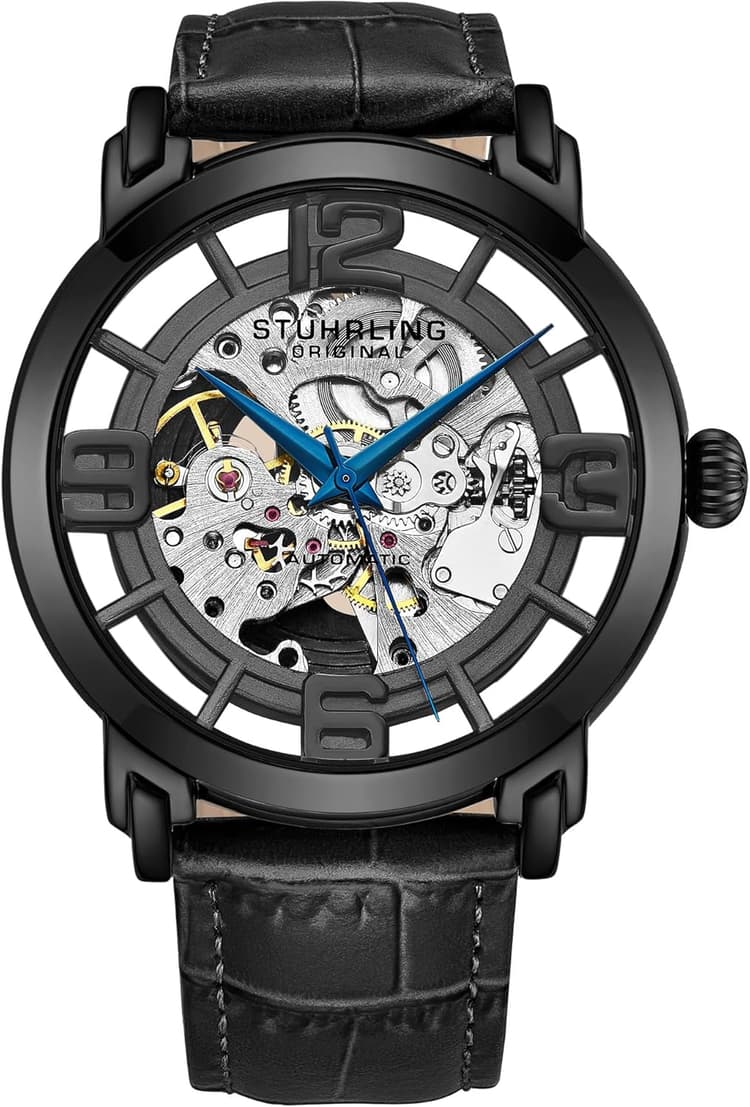
Stuhrling Original
$129.99
$795.00
-84 %
*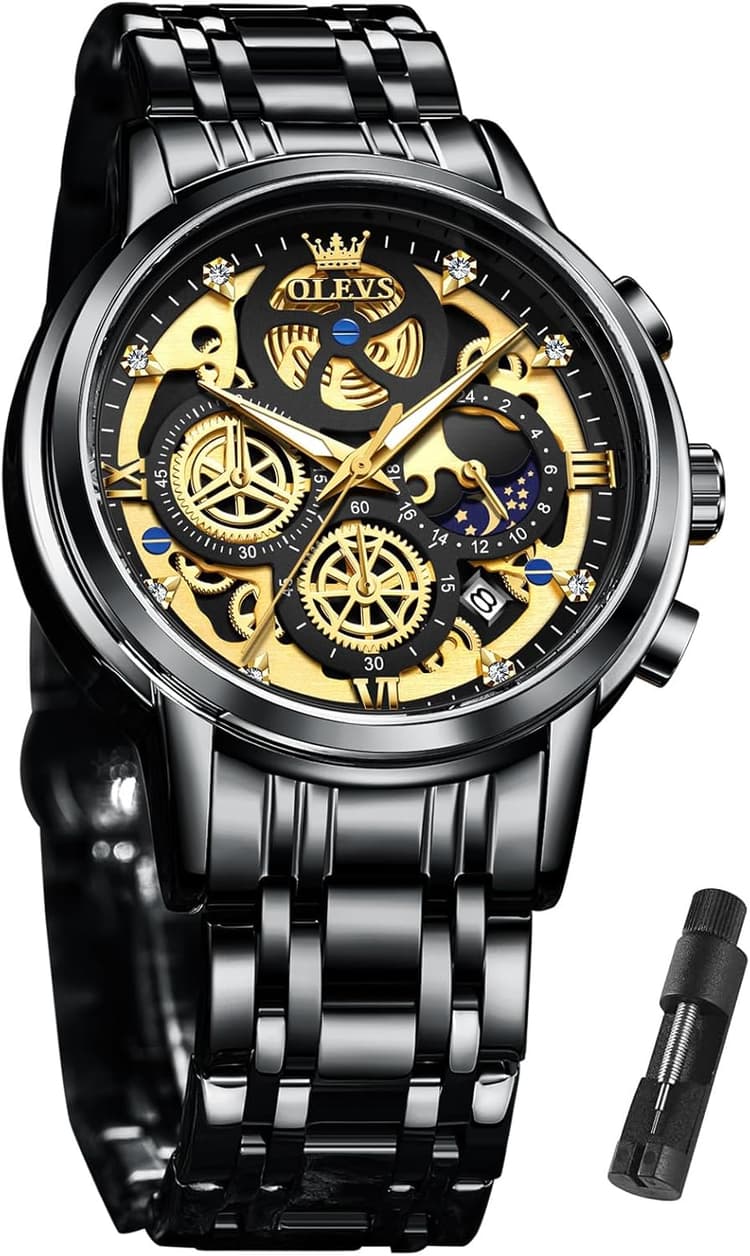
OLEVS
$43.77
$147.00
-70 %
*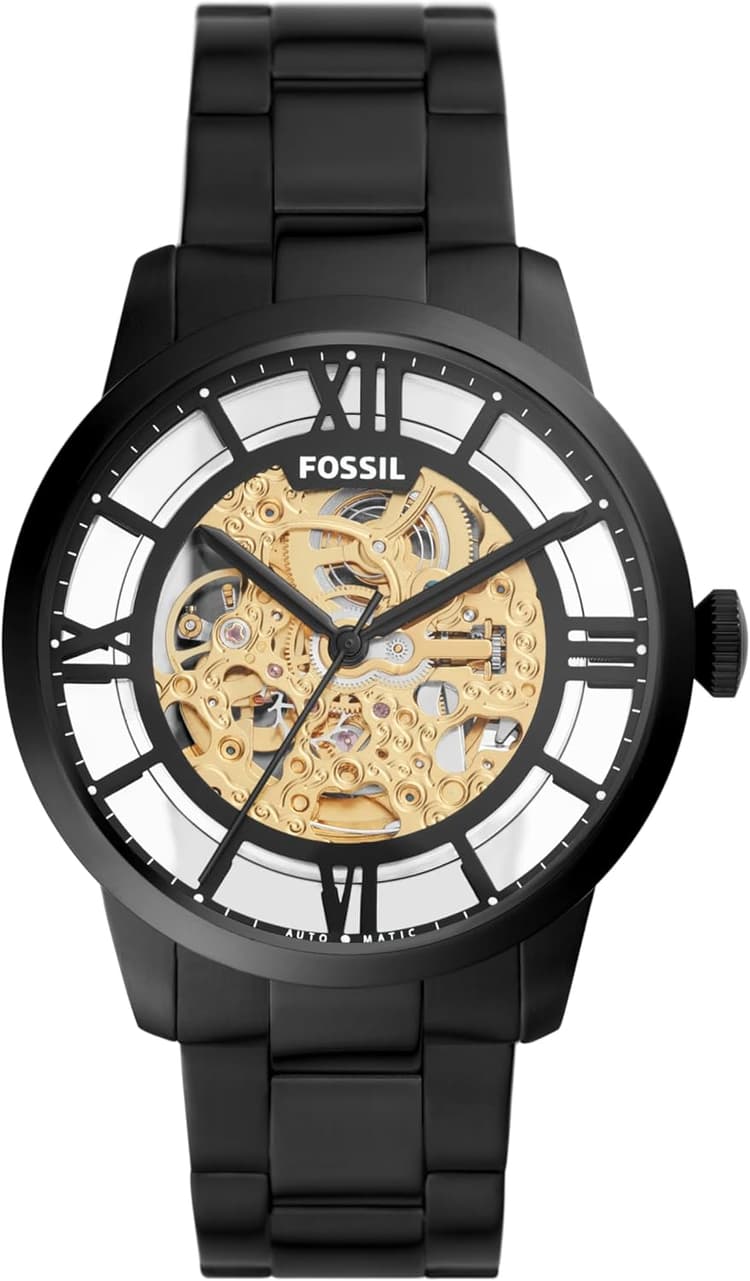
Fossil
$219.00
$270.00
-19 %
*
Gute
$26.59
$29.99
-11 %
*
Weicam
$17.99
$18.99
-5 %
*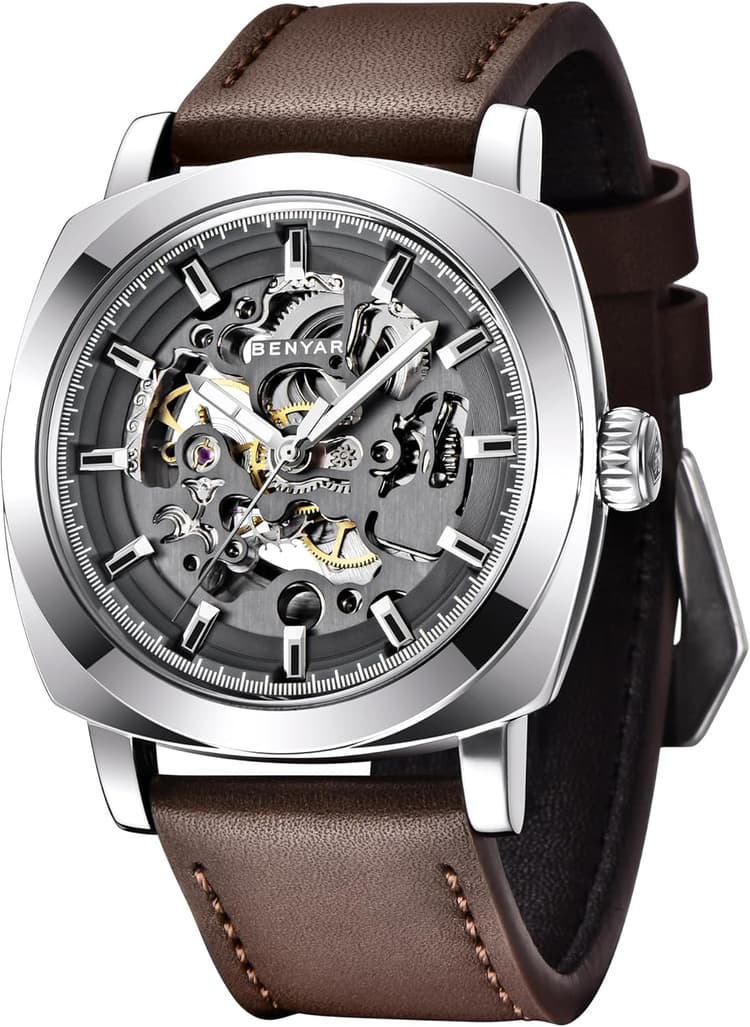
BENYAR
$79.99
IK COLOURING
$59.90
NEKTOM
$19.99
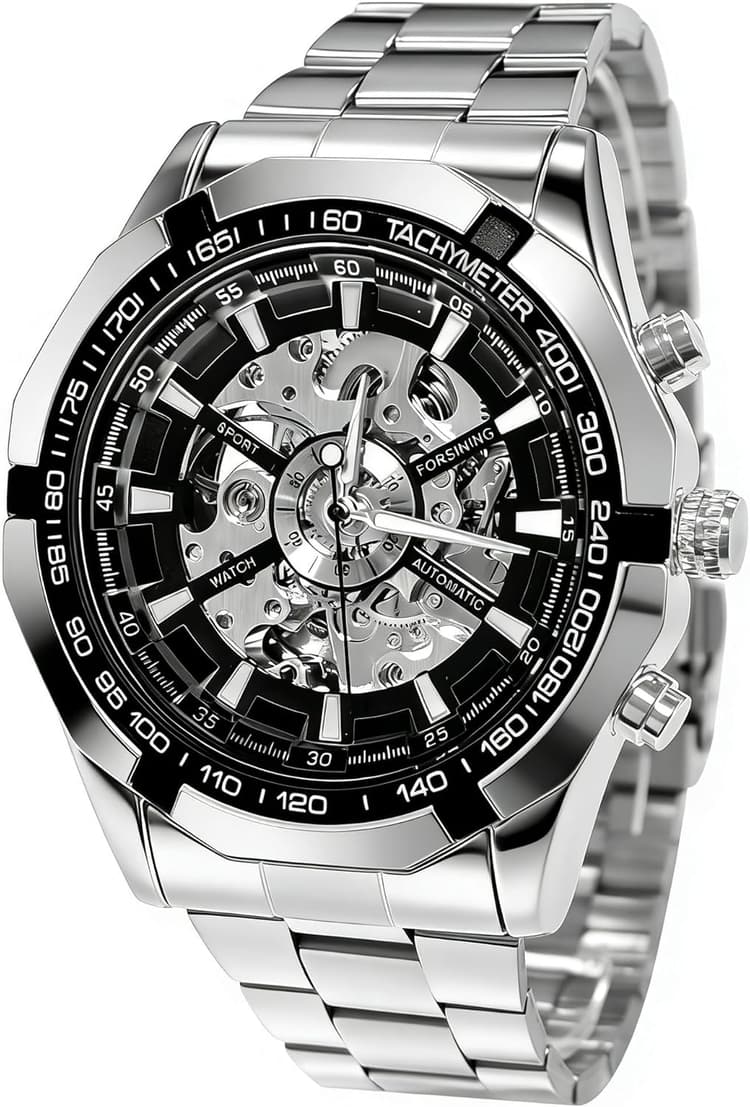
FORSINING
$39.99
FORSINING
$33.99
Whodoit
$26.99
Start with three simple but decisive questions: how often will you wear the watch, what environments will it face, and how much interaction with the movement do you want? A skeleton watch for daily wear must balance visual openness with robustness; a weekend or display piece can prioritize finishing and visual drama.
Practical decision grid:
Priority examples:
Checklist for the shop or product page:
If you want a mechanical ritual, consult our comparison of Manual wind watches alongside automatic picks to understand trade‑offs in daily use. Record your priorities in order (e.g., comfort → reliability → aesthetics) and use that list to filter options: it makes technical specs meaningful and faster to compare.
Price spread across skeleton watches reflects four main components: movement origin and complexity, finishing intensity, materials and case construction, and brand/rarity. Distinguish measurable value from marketing premium.
Cost drivers explained:
Value checklist (practical):
For quick comparisons, use side‑by‑side tables in your notes: list movement origin, finishing techniques named, crystal and case material, and service interval. For market overviews and curated selections see our comparator Skeleton watches: selection, criteria and comparison. This approach stops you overpaying for purely aesthetic or marketing elements and helps prioritise what actually extends longevity and daily comfort.
Proper fit is rarely intuitive from photos. For skeleton watches, three dimensions determine comfort and how the open‑work appears on the wrist: diameter, thickness and lug‑to‑lug (entraxe corne à corne). Skeleton movements are often taller because of layered bridges and added finishing, so thickness matters.
Try‑on protocol (practical):
Comfort & legibility trade‑offs:
Quick reference table:
| Wrist size | Typical max diameter | Notes |
|---|---|---|
| <16 cm | 34–38 mm | Prefer compact or curved‑lug designs |
| 16–18 cm | 38–42 mm | Most sizes fit; test thickness |
| >18 cm | 42+ mm | Larger dials acceptable, check lug angle |
If you often wear fitted shirts, prioritise slim profiles even if it limits skeleton complexity. For style context, see our Dress Watches notes on thin case design. In short: always test on the wrist, simulate daily moves, and prioritise stability and readable hands over maximal visual spectacle.
Materials and construction set realistic expectations for how a skeleton watch will age. The most common combinations today are stainless steel or titanium cases with a sapphire crystal; both are proven for daily wear when paired with correct sealing and coatings.
What to prioritise in specs:
Serviceability and parts availability:
A skeletonised movement can complicate repairs: decorative work may be disturbed during servicing and parts may be specific. Prefer movements with clear documentation and a brand or third‑party network for parts and service. When buying used, consult our How to Choose a Pre‑owned Watch guidance to assess condition and service history.
Practical lifespan indicators:
Read materials and finishing as signals — not guarantees. Good documentation and transparent service policies are sometimes more valuable than a flashy finish when your goal is longevity.
Comparing skeleton watches is easier when you reduce features to user‑centric questions. Below are clear definitions of the specs that influence daily experience, followed by a simple comparison template you can copy for 2–4 watches.
Key features and what they mean:
Comparison template (copy into notes):
Use this template when browsing product pages or during in‑store comparisons. For extra context on movement choices (manual vs automatic), pair your notes with our curated Manual wind watches and the automatic picks to see practical trade‑offs. Rank features by your priorities and compare only within the same price bracket to measure real value.
Specs are a start; real performance is observed. Before committing, run short practical tests and look for red flags that indicate mismatch between presentation and function.
In‑shop / at‑home tests (10–14 day protocol):
Red flags:
Practical notes on shock and magnetism:
Modern shock absorbers and anti‑magnetic materials exist, but open dials can expose delicate parts. If you need a highly robust daily wearer, prefer restrained squelettage and documented shock protection.
As you evaluate models, document the results in your comparison template and prioritise repeatability over one‑off impressions. When buying online, insist on comprehensive movement photos and a return window that allows a basic wear test.
Beginners often repeat a handful of mistakes when starting with skeleton watches. Being aware of them prevents disappointment and unplanned costs.
Top beginner mistakes:
Simple expert tips you can apply today:
If you're torn between daily use and collecting, favour a restrained skeleton with documented protection for daily wear; choose a high‑finishing piece only if you accept the extra care and potential servicing premiums. For further guidance on buying used models and assessing condition, consult our practical guide How to Choose a Pre‑owned Watch.
Fossil
$219.00
$270.00
-19 %
*BENYAR
$79.99
IK COLOURING
$59.90
Stuhrling Original
$109.99
$825.00
-87 %
*NEKTOM
$19.99
OLEVS
$43.77
$147.00
-70 %
*FORSINING
$39.99
FORSINING
$33.99
Gute
$26.59
$29.99
-11 %
*Whodoit
$26.99
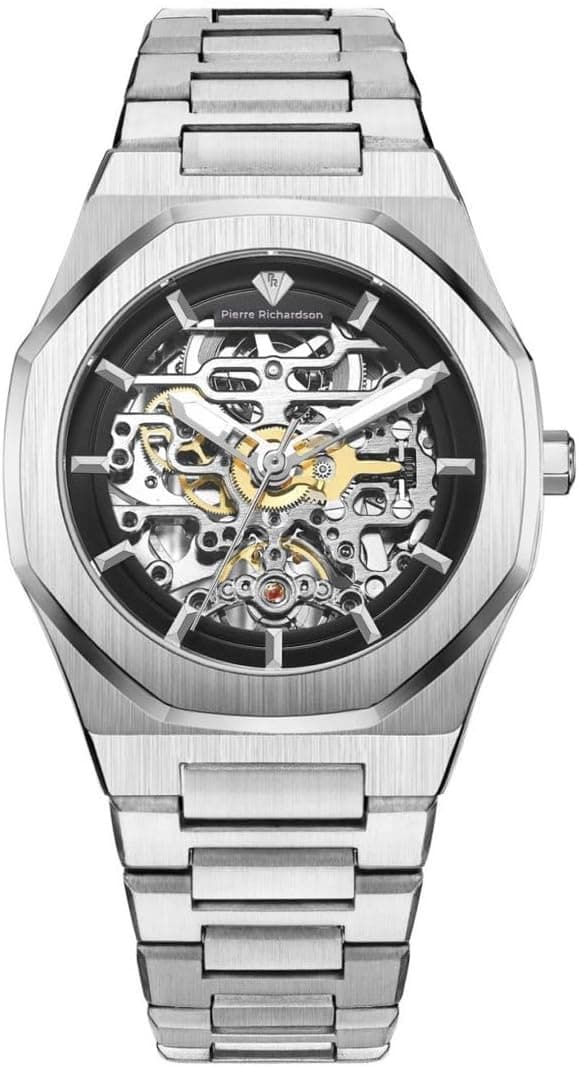
PIERRE RICHARDSON
$249.99
Stuhrling Original
$129.99
$795.00
-84 %
*To choose the right skeleton watch, apply a stepwise, testable approach rather than relying on impressions. Use the following checklist as your final decision tool.
Final checklist (in order):
Decision matrix example:
For curated selections and to compare alternatives after you apply this checklist, consult our topical comparator Skeleton watches: selection, criteria and comparison or browse related guides in the Guides hub. The best choice balances your practical needs with the visual appeal that drew you to a skeleton in the first place.
This guide is editorial, independent and intended to educate. To keep content current with March 2026 standards we used a mix of industry reference points: movement architecture norms, finishing terminologies, and common after‑sales practices. We did not promote specific commercial models here.
What we considered when updating (method):
Editorial independence and links:
When in doubt:
Try watches in person, request movement photos and service records, and consult a qualified watchmaker for specific restoration or repair questions. This guide gives independent tools; for purchases involving pre‑owned or refurbished items, pair it with our dedicated guides in the Guides hub to verify provenance and service history.
Tests and articles by watch experts, based on technical criteria and side‑by‑side comparisons.
We compare models and features to inform your choice, free from commercial influence.
Guides are regularly updated to reflect new releases and market developments.
We may earn a commission from links to partner retailers; this does not affect our independent analyses.