
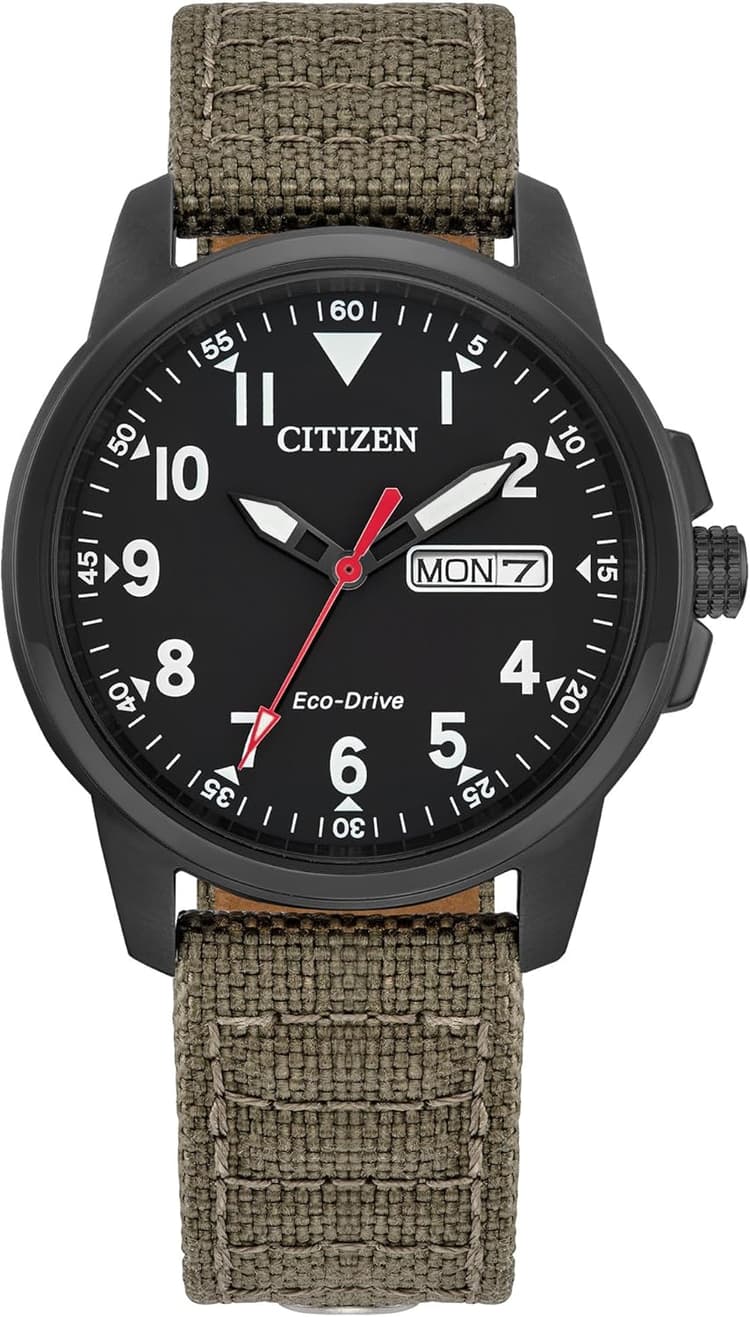
Citizen Men's Eco-Drive Weekender Garrison Field Watch
★★★★☆4.5
$175.00
$295.00
-41 %
*
Deals editor focused on watch bargains, market analysis, and approachable buying advice.

Purpose and scope (March 2026 update)
This guide explains a reproducible, low-hype method to choose a field watch that fits real life in 2026. Rather than model lists or price anchors, the aim is to give you measurable criteria, a short checklist and practical in-store tests so you can compare candidates objectively. The method remains: (1) define actual use cases, (2) prioritise measurable criteria, (3) verify ergonomics and durability with quick field tests.
What you'll find in this updated edition
Quick reproducible checklist (one-page view)
| Step | Action |
|---|---|
| 1 | List your 3 main use cases (daily, weekend outdoors, professional) |
| 2 | Assign weights to four priorities (durability, legibility, comfort, maintenance) |
| 3 | Match features to priorities (movement, crystal, seals, strap) |
| 4 | Run 3 quick in-store tests (legibility, comfort, fit) |
How to use this guide
Use the checklist before shopping: write down your weights, then score each candidate using the same scale. This turns subjective taste into reproducible decisions and reduces buyer remorse. Updated March 2026 to reflect material and distribution shifts; practical tests and size guidance remain foundational and are expanded later in the guide.
$175.00
$295.00
-41 %
*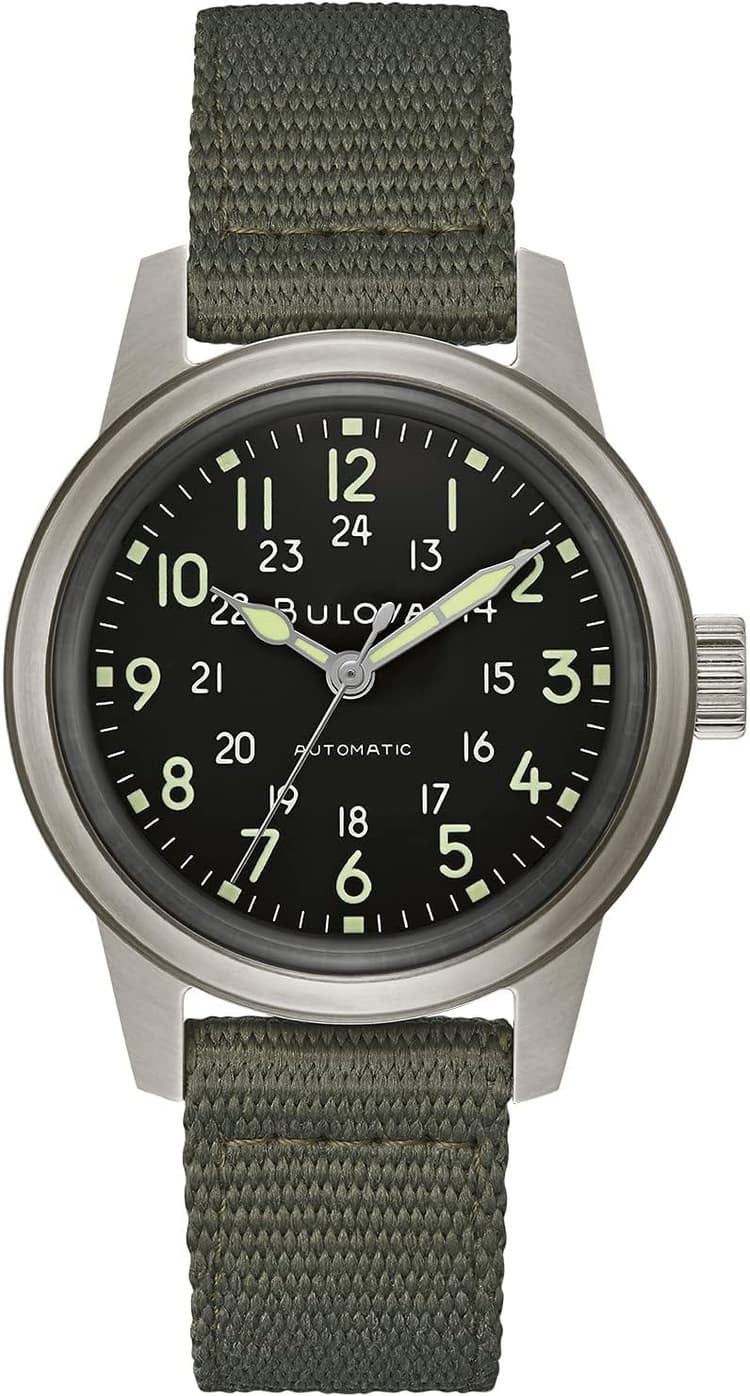
Bulova
$254.05
$425.00
-40 %
*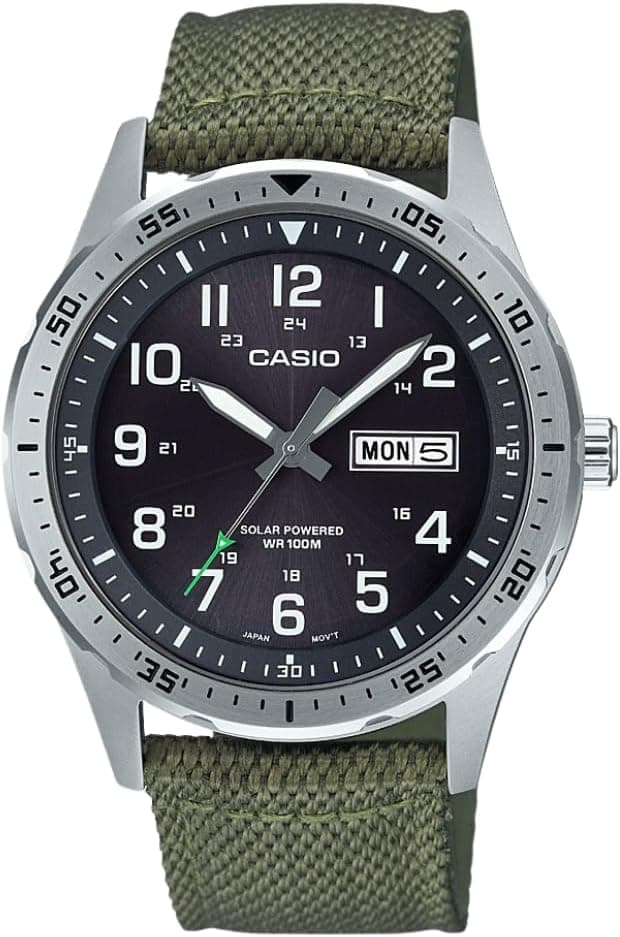
Casio
$107.26
$160.00
-33 %
*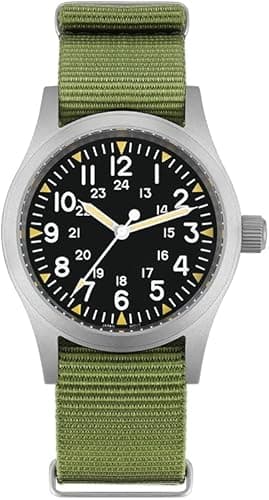
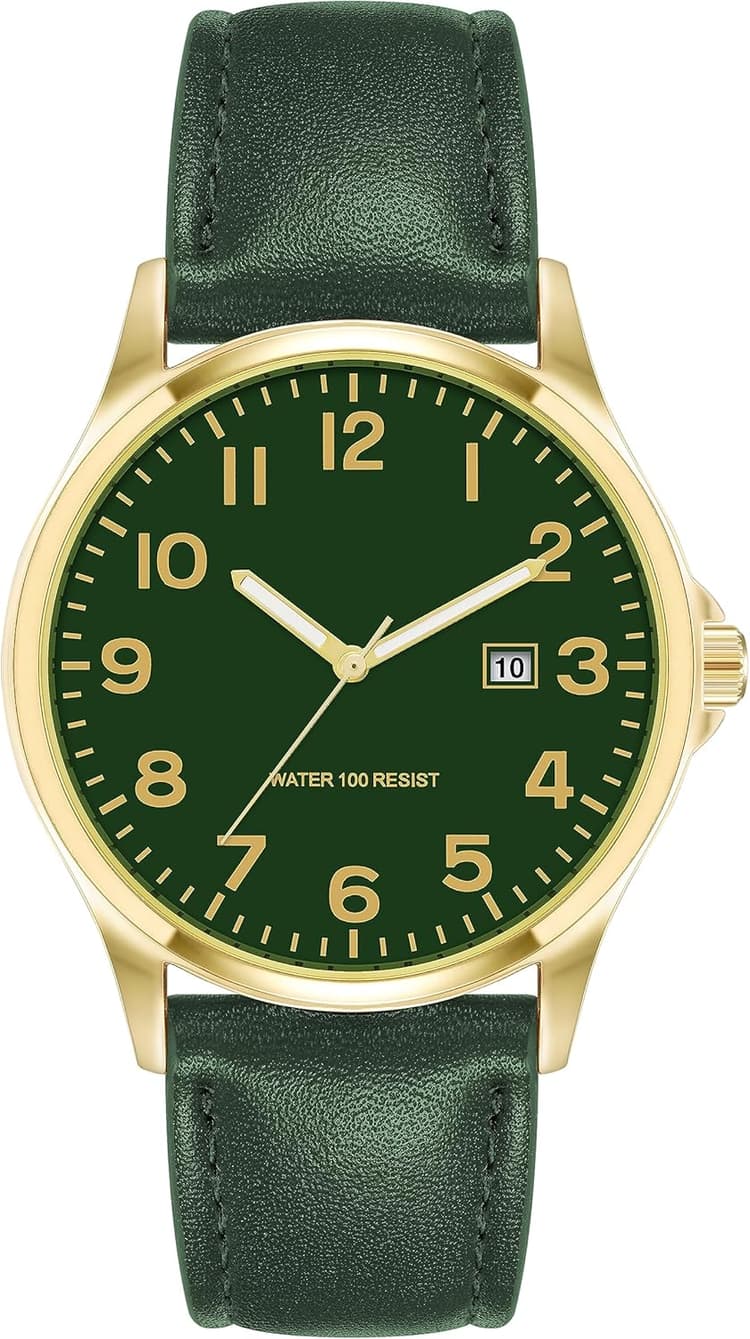
1963 Watch
$51.20
$53.90
-5 %
*
Amazon Essentials
$22.70
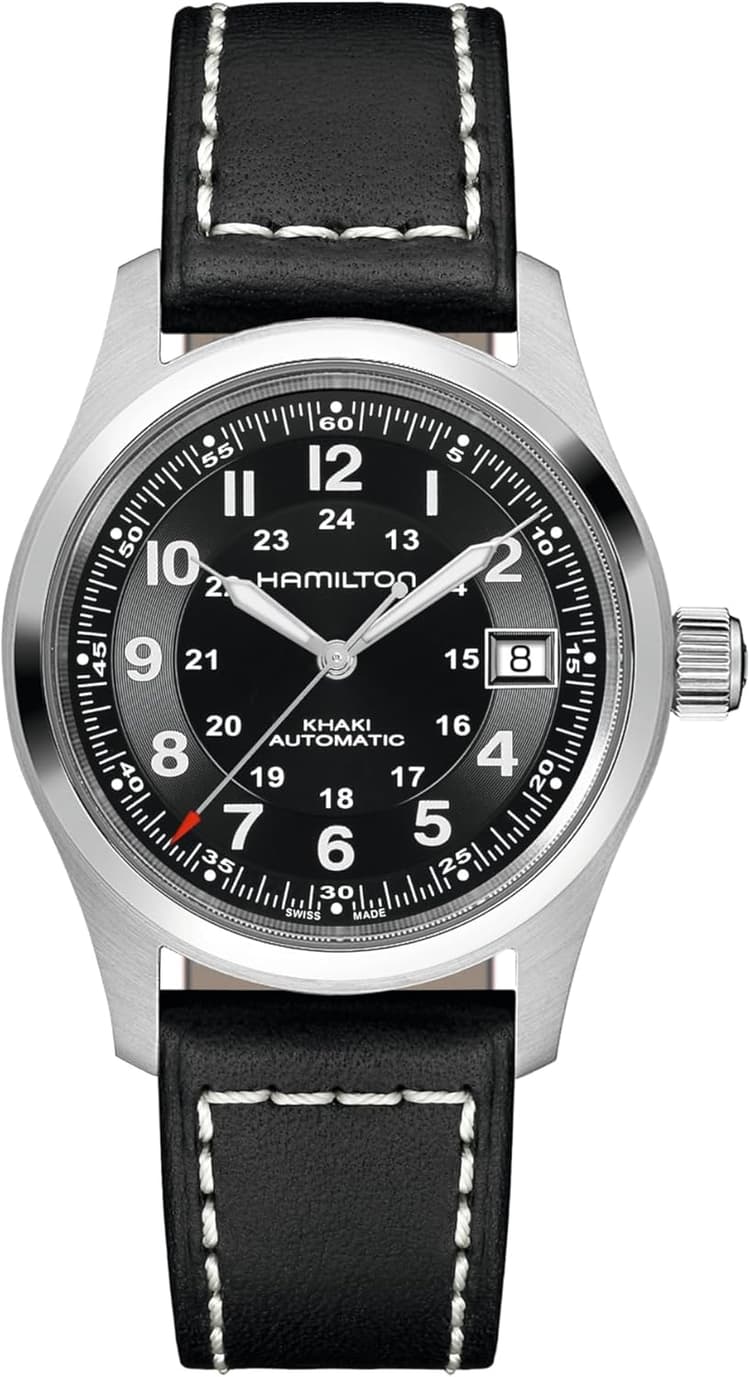
Hamilton
$795.00
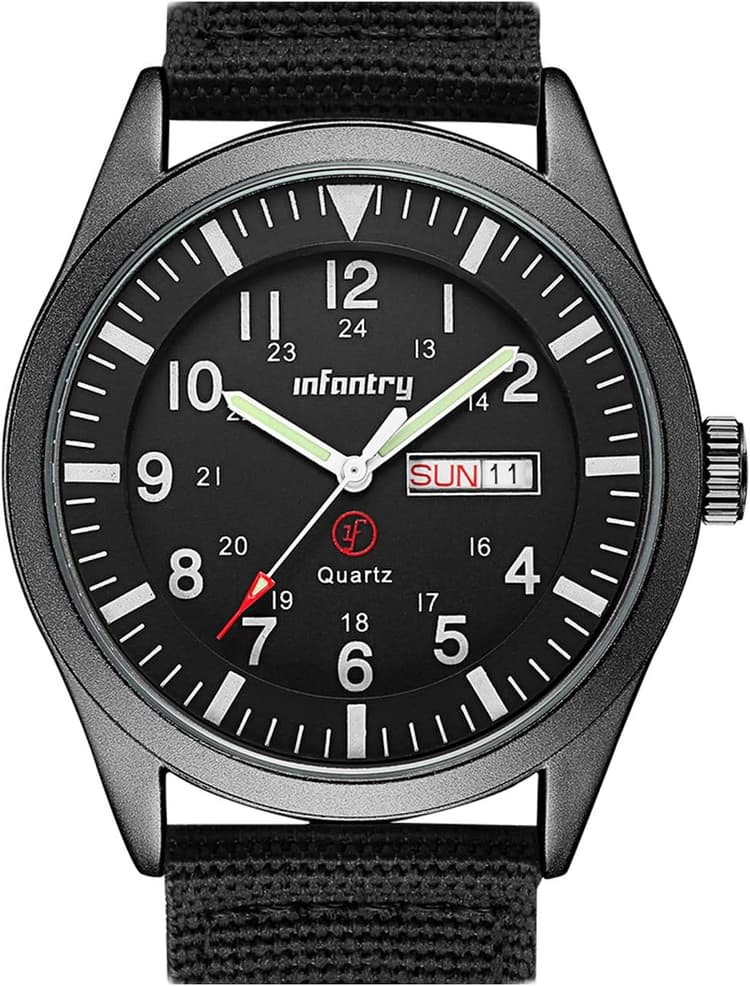
Infantry
$22.99
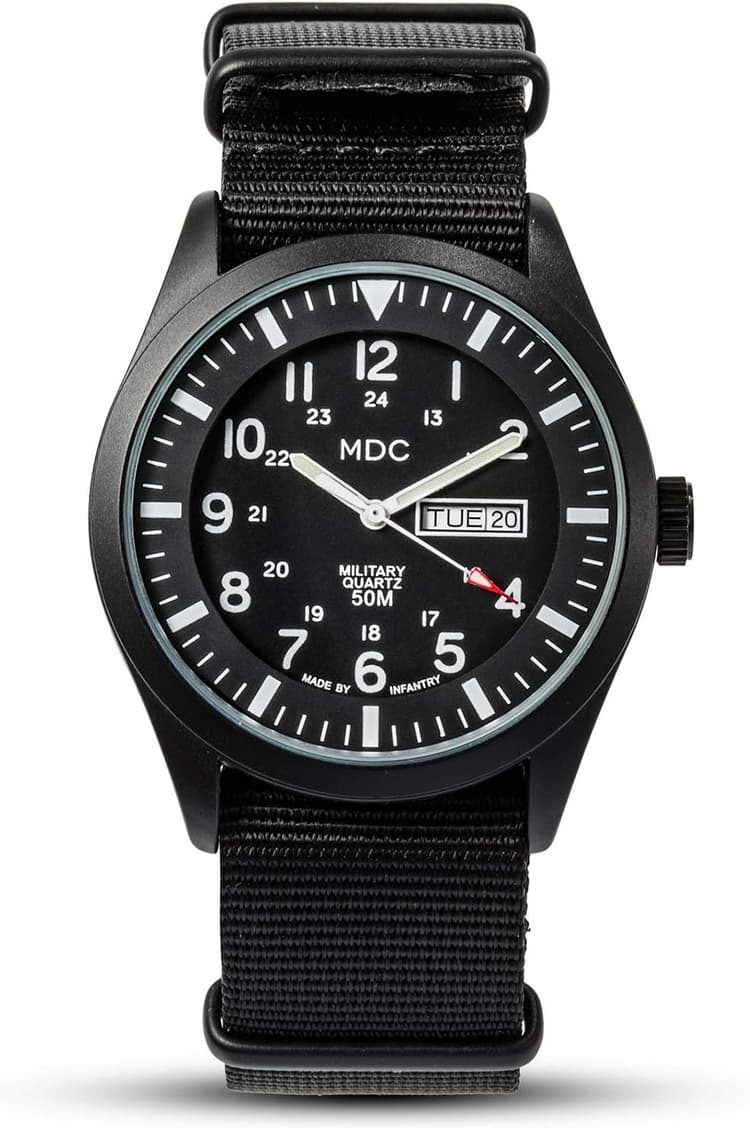
Infantry
$22.99
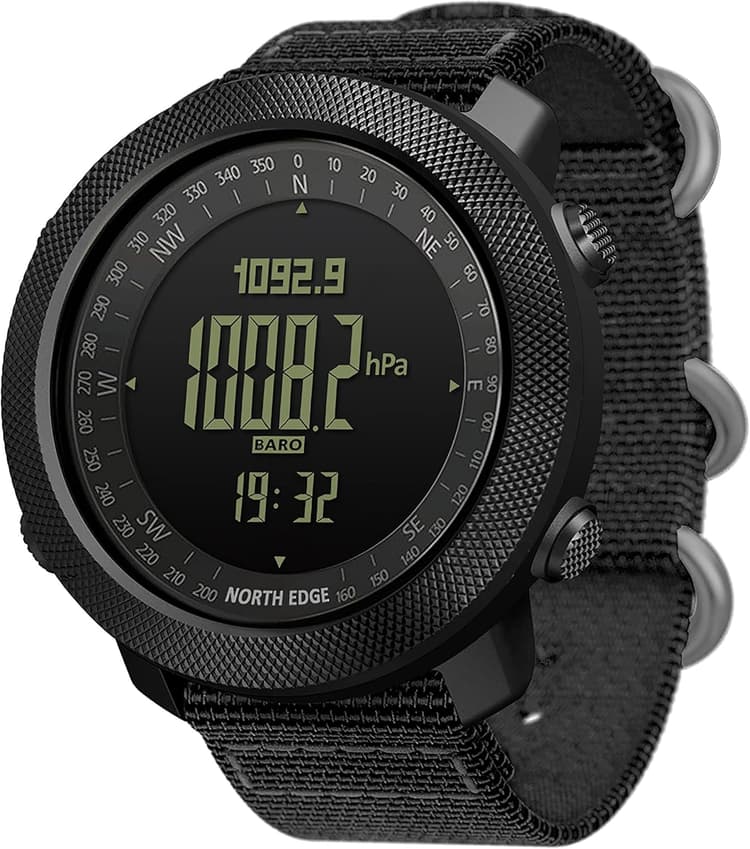
NORTH EDGE
$89.89
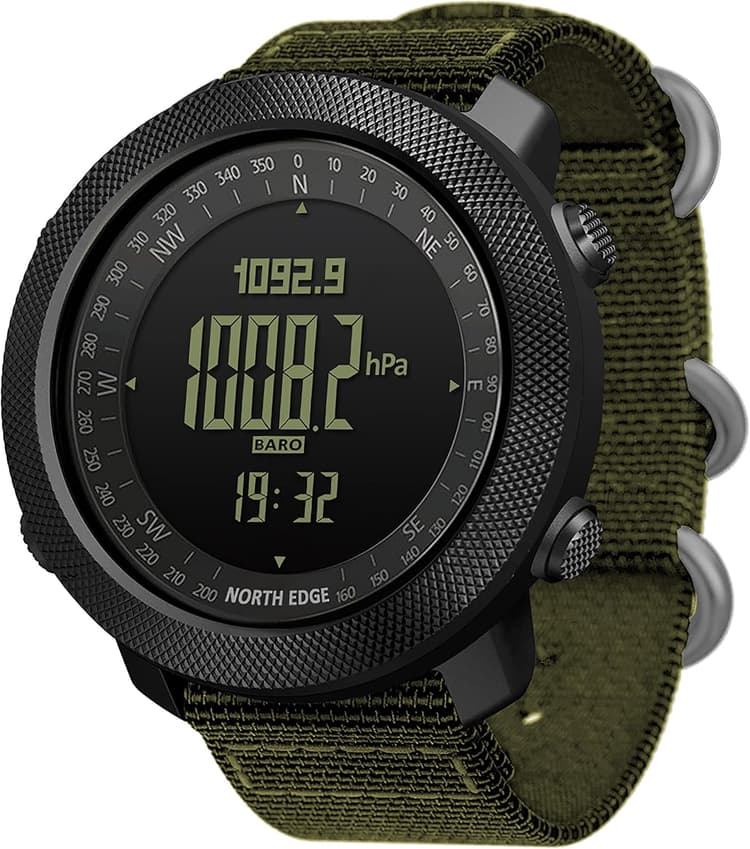
NORTH EDGE
$89.99
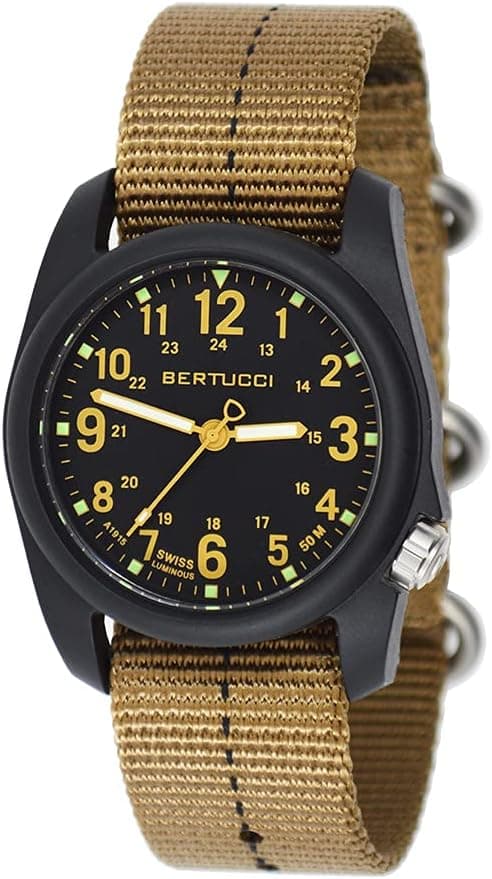
BERTUCCI
$58.98
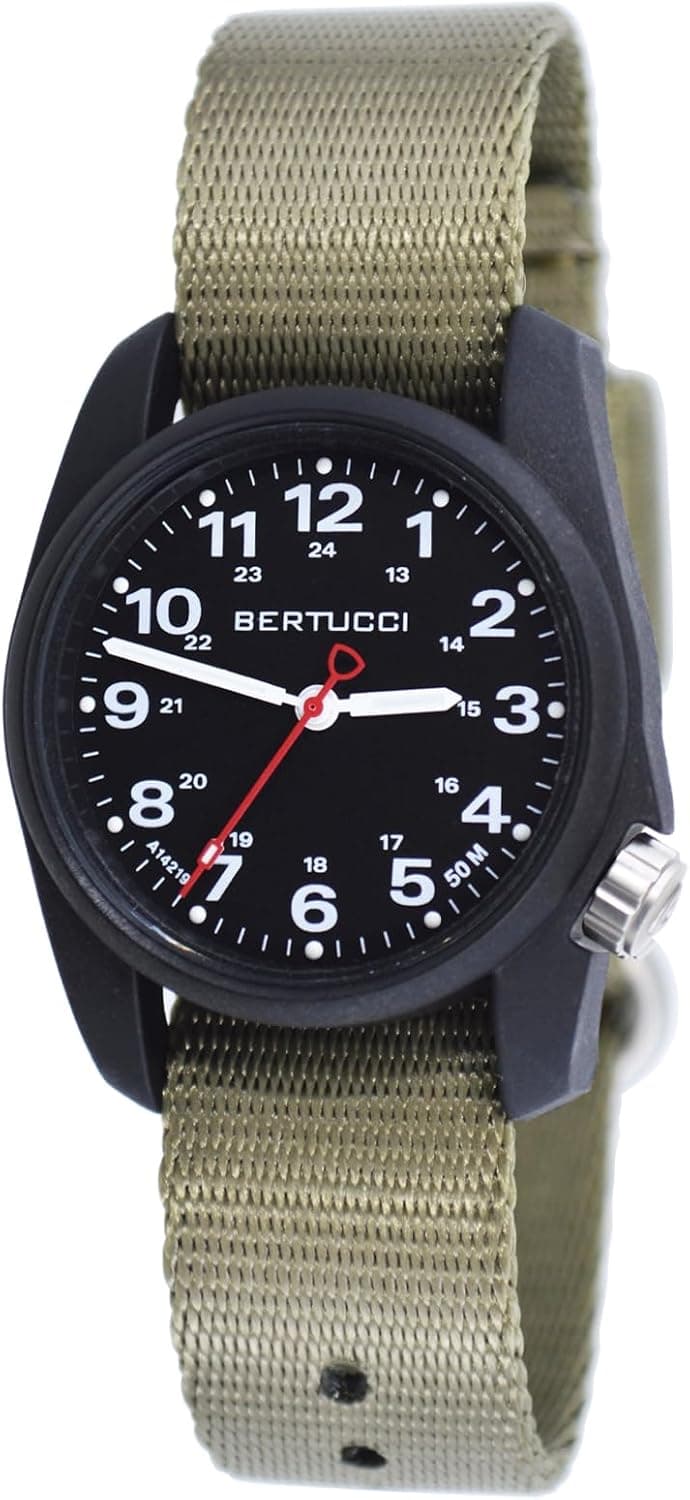
Bertucci
$49.00
Start by stating why you want a field watch. Separate at least three use cases: everyday urban wear, recreational outdoor activities (hiking, camping), and demanding professional use (site work, rescue). For each, list priorities like shock resistance, night readability, battery life, water resistance, and mechanical accuracy.
Three-step process:
Activity inventory: list situations where you'll wear the watch (office, trail, light diving, manual work). This quickly rules out unnecessary features or highlights must-haves.
Rank priorities: order four key criteria (durability, legibility, comfort, maintenance). For heavy outdoor use, durability and legibility usually outrank looks.
Personal constraints: consider skin sensitivity to materials, the need for a discreet watch in professional settings, and how often you are willing to service the watch (battery change, quartz, or mechanical overhaul).
Concrete example: a weekend hiker needs strong legibility and decent water resistance but can accept moderate weight and limited complications. A field professional might require shock protection and a scratch-resistant crystal. Writing these priorities down prevents buying a visually appealing piece that fails in your daily context.
What shapes price in 2026 — a practical checklist
In March 2026 the underlying cost drivers for field watches remain the same but with evolving emphases: more brands use coated cases (DLC/PVD) and improved sapphire treatments, solar-assisted quartz options have become more common in the affordable segment, and microbrands continue to offer higher value-per-dollar. To compare cost vs. benefit, break prices down into five measurable components.
Cost drivers (table)
| Driver | What it affects | 2026 note |
|---|---|---|
| Movement | Accuracy, service needs | Quartz remains cheapest to operate; solar quartz lowers lifetime battery cost |
| Materials & finishing | Scratch resistance, look | Sapphire + AR coating and DLC cost more but increase perceived and real durability |
| Construction & sealing | Water resistance, shock handling | Screw-down crowns, tested gaskets add manufacturing cost |
| Distribution & brand | Retail price multiplier | Direct-to-consumer microbrands can offer better specs for the same price |
| After-sales & parts | Long-term cost | Readily available straps/crystals reduce lifetime ownership cost |
Practical budgeting approach
Quick comparison tips
For concrete, tested model lists consult our field watches hub for up-to-date picks and realistic price/feature trade-offs in 2026.
Size, fit and why lug-to-lug beats diameter for comfort
Three physical measurements matter most when selecting a field watch: case diameter, thickness, and lug-to-lug. In practice the lug-to-lug distance and how the lugs curve over the wrist determine wearable comfort far more than the raw diameter. This section gives a step-by-step method to predict fit without trying a watch on.
Step-by-step fit method (do this before buying online)
Quick reference
Strap interaction and ergonomics
In-store and online checks
By prioritising lug-to-lug and thickness alongside diameter, you increase the odds a chosen watch will be comfortable during long hikes, active days and everyday wear in 2026.
Durability checklist for 2026: materials, assembly and maintenance
Durability remains a mix of raw materials, manufacturing quality and a design that facilitates maintenance. Use the checklist below to assess how long a field watch will remain serviceable under real-world conditions, especially given 2026 improvements in coatings and case machining.
Key elements to inspect (bold = high priority)
Simple in-person durability probes
Ownership cost trade-offs
For tested examples and models that balance repairability and robustness, consult our curated field watches selection and prioritise designs where common wear parts are documented and available.
When comparing field watches, focus on a small set of core features and understand what each entails.
Movement: quartz, automatic, or hand-wind. Quartz means accuracy and low maintenance. Automatic runs without a battery but needs servicing. Hand-wind offers simplicity and engagement but more regular winding.
Water resistance: shown in meters or atmospheres. 50 m suits splashes and occasional swimming; 100 m+ is better for frequent swimming. Look for a screw-down crown for regular wet use.
Lume: luminous material on indices and hands. Quality lume provides extended night readability. Check size of luminous areas and expected glow duration.
Complications: date, GMT, chronograph, or compass. A simple date rarely impacts usability; a chronograph adds complexity and cost. Favor features you will actually use.
Legibility: dial contrast, numeral size, hand shape, and presence of a seconds hand. Legibility in daylight and at night is critical for field watches.
Strap and accessories: standard lug widths, quick-release spring bars, or specialized straps. Customization options and serviceability reduce total cost of ownership.
Comparison method: create a simple checklist for each candidate and score features using your weighted priorities (for example: legibility 30%, water resistance 25%, maintenance 15%). This makes comparisons objective and repeatable.
Real-world performance reveals itself in daily use. Here are simple tests and indicators to check in-store or reproduce once you own the watch.
Legibility test: expose the watch to bright light then move it into darkness after lighting. Assess how long and at what distance the hands remain readable.
Comfort test: wear the watch for several hours and perform wrist-bending and repetitive motions. Note if the case catches on clothing or if the strap slips.
Water resistance check: for a new watch avoid DIY pressure tests. Rely on manufacturer specs and plan for professional pressure testing if you expect significant water exposure.
Accuracy check: for quartz, note the time and check after a week. For an automatic, measure daily deviation in normal wear positions. Acceptable values depend on movement type: quartz typically varies by a few seconds per month; mechanical movements vary by several seconds per day depending on grade.
Simulate everyday use: wear the watch during an active day that mirrors your activities (commuting, chores, variable weather). Observe how it handles light impacts, dust, and humidity without functional issues.
Maintenance practicality: ask about parts availability and recommended service intervals. A watch with easily obtainable parts and accessible service options will perform better over time.
These practical evaluations supply actionable data beyond spec sheets. They often expose ergonomic issues or real advantages that affect long-term satisfaction.
Several mistakes commonly recur among novice buyers; avoiding them saves time and money. Below are frequent traps and straightforward expert tips with practical application.
Common errors:
Buying by looks alone: a watch can photograph well but be unsuited to your use (too fragile, hard to read, or uncomfortable).
Overlooking maintenance practicality: buying a niche mechanical watch without checking parts or qualified watchmakers can lead to unexpected expenses.
Misreading water resistance: a '30 m' rating does not mean suitable for swimming; icons and short specs can mislead without detail checking.
Accessible expert tips:
Prioritize legibility and a durable crystal: these improve everyday experience more reliably than advanced complications.
Favor sizes you've tried: if between diameters, pick the smaller one if you anticipate tight clothing or lots of motion.
Consider life-cycle costs: choose a model with replaceable wear parts (strap, crystal, seals) to lower long-term ownership costs.
Record your trials: note comfort, readability, and fit for each watch you try and compare them against your initial priorities.
In short, the optimal field watch is not necessarily the priciest or most technical. It matches your real-world needs and is maintainable. A simple, repeatable evaluation method prevents impulse buys based solely on looks.
$175.00
$295.00
-41 %
*Casio
$107.26
$160.00
-33 %
*Amazon Essentials
$22.70
Bulova
$254.05
$425.00
-40 %
*Hamilton
$795.00
1963 Watch
$51.20
$53.90
-5 %
*Infantry
$22.99
Infantry
$22.99
NORTH EDGE
$89.89
NORTH EDGE
$89.99
BERTUCCI
$58.98
Bertucci
$49.00
Actionable conclusion (March 2026)
Choosing a field watch in 2026 requires two simple habits: define measurable priorities and apply the same comparison framework to each candidate. If you leave with one takeaway: convert subjective preferences into weighted criteria and score watches against them before deciding.
Three final, concrete steps
Quick reminder of where to invest
Next steps and resources
Use the checklist in the first section and compare candidates in our curated hub for tested models and practical picks: visit field watches for examples and pricing context. If you consider used options, consult our pre-owned guide to validate parts availability and service history.
Applying these steps turns buying a field watch from an emotional choice into a repeatable, score-driven decision that fits your real life — and reduces the risk of regret in 2026 and beyond.
This guide was written with a pedagogical method: define needs, analyze technical criteria, and recommend practical tests. Content is based on public sources, technical references, and user experience and does not invent brands or prices. If commercial or affiliate links are included on the hosting page, they will be clearly disclosed. The purpose is informational: to provide objective criteria to help readers make a choice, not to promote a specific product.
Tests and articles by watch experts, based on technical criteria and side‑by‑side comparisons.
We compare models and features to inform your choice, free from commercial influence.
Guides are regularly updated to reflect new releases and market developments.
We may earn a commission from links to partner retailers; this does not affect our independent analyses.