
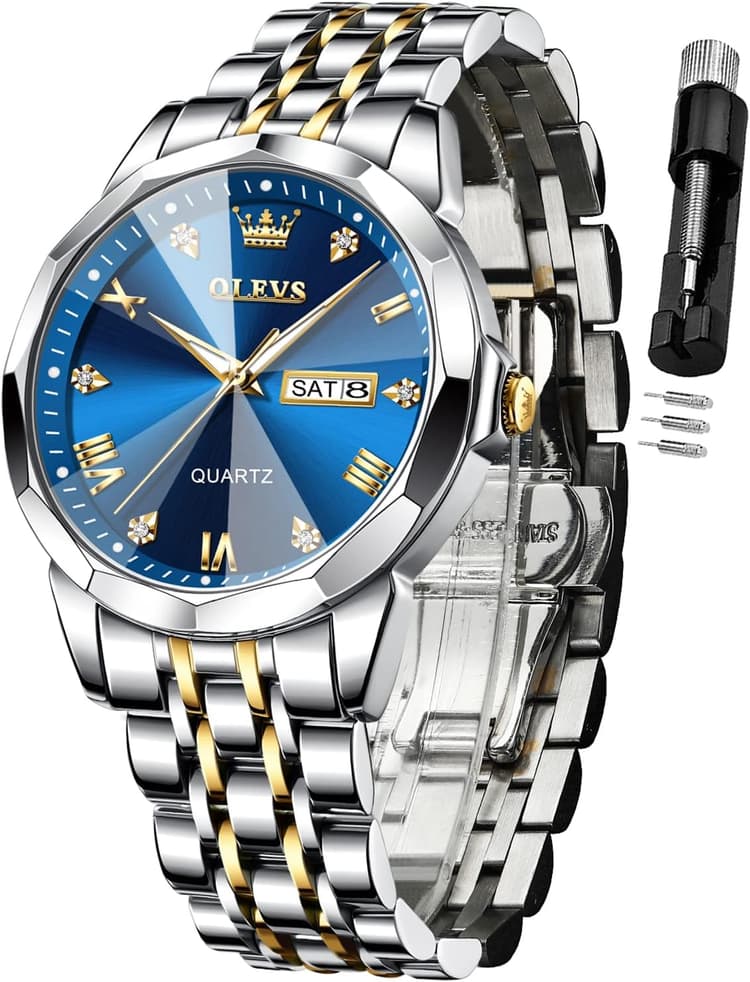
OLEVS
OLEVS Watch for Men Diamond Business Dress Analog Quartz Stainless Steel Waterproof Luminous Date Two Tone Luxury Casual Wrist Watch Blue
★★★★☆4.4
$43.77
$368.00
-88 %
*
Deals editor focused on watch bargains, market analysis, and approachable buying advice.

Why this guide was refreshed in March 2026
This guide focuses on practical, repeatable steps to choose a dress watch that fits modern wardrobes and habits in 2026. It is for buyers who want clarity—whether you're selecting a first elegant timepiece, replacing a daily dress watch, or choosing a special‑occasion piece. The approach is neutral: no brand names, no product lists—only verifiable checks you can perform in store or online.
What you will learn
Fast orientation table
| Typical Buyer Need | Recommended focus | Quick check in spec sheet |
|---|---|---|
| Everyday elegant (office) | Comfort, 5–10 ATM, sapphire | Case thickness, lug-to-lug, water resistance |
| Formal only | Slim profile, refined finishing | Case thickness ≤ 9 mm, polished finishing |
| Collector / horology interest | Movement finishing, display back | Movement type, finishing photos, service network |
How to use this guide
For category context and curated selections, consult our dress watches overview. This guide complements that resource by explaining how to read specs and test comfort. Use the stepwise checks to convert marketing claims into repeatable decisions—reducing surprises and helping you balance aesthetics, comfort and long‑term value.
OLEVS
$43.77
$368.00
-88 %
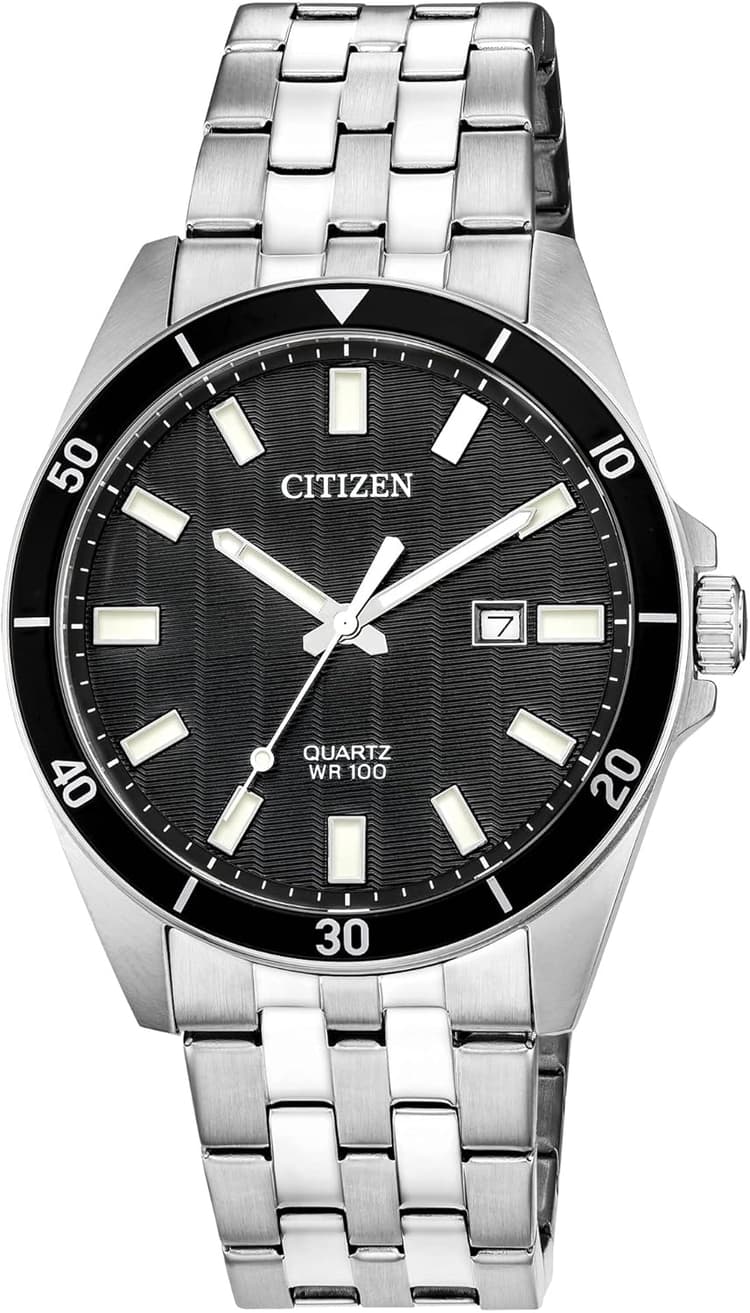
*
$102.00
$180.00
-43 %
*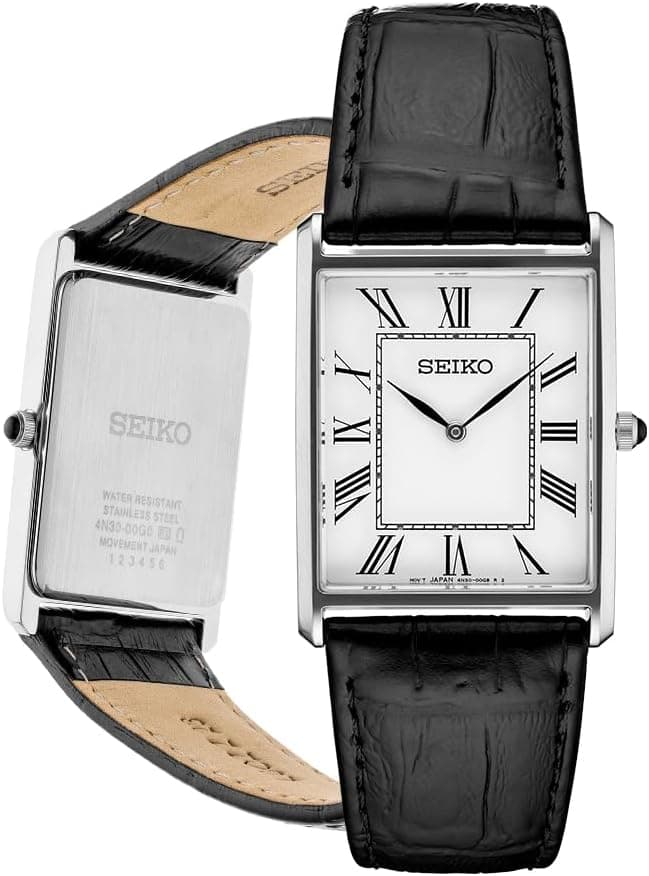
SEIKO
$168.00
$210.00
-20 %
*
Casio
$25.99
$29.95
-13 %
*
PASOY
$19.99
$21.99
-9 %
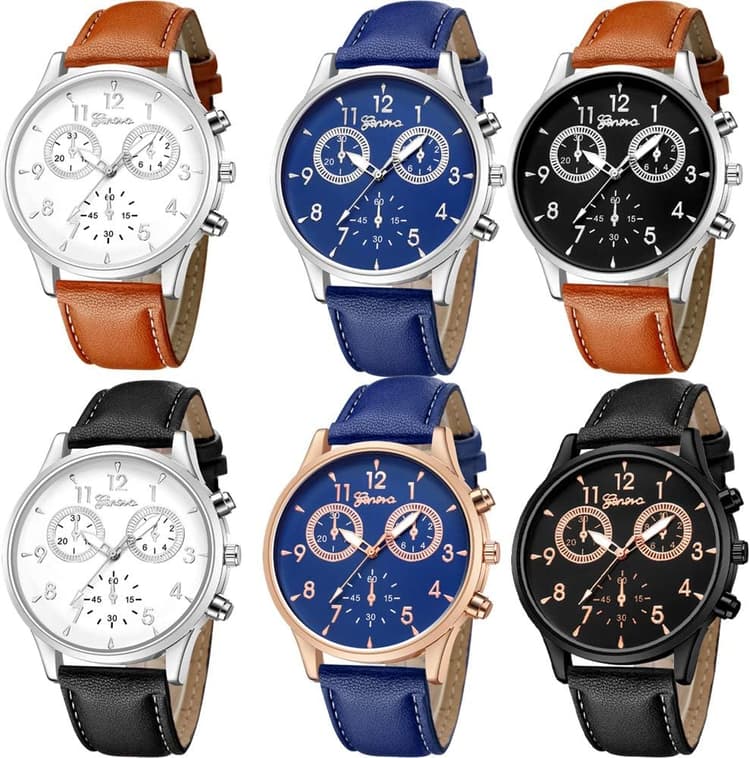
*
yunanwa
$21.99
$23.99
-8 %
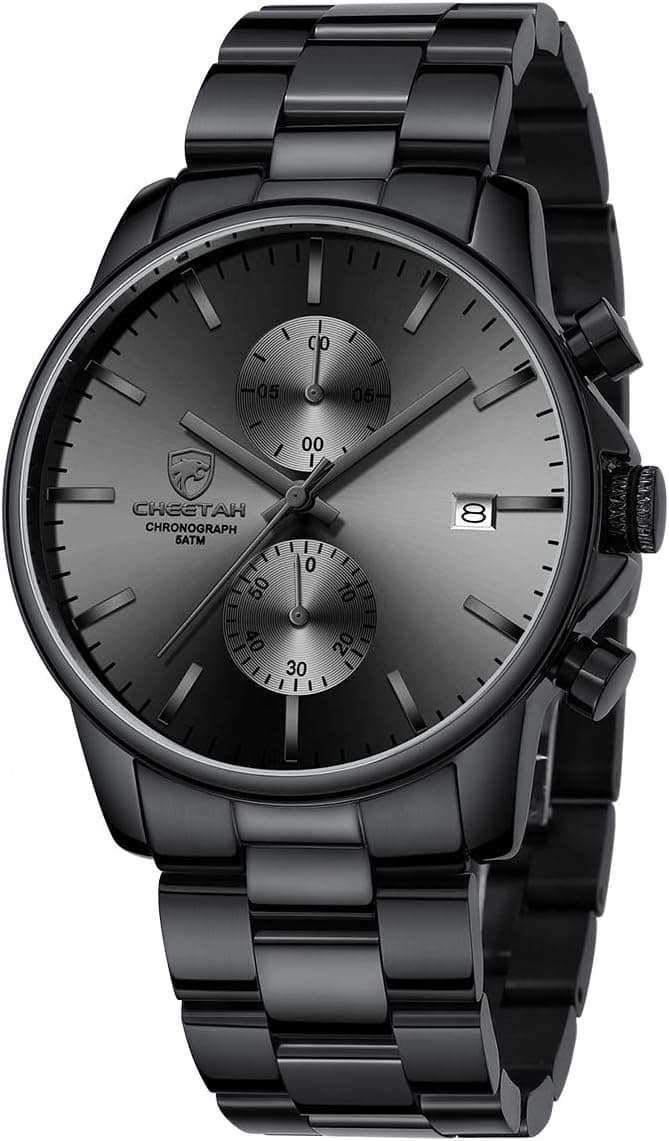
*
GOLDEN HOUR
$40.99
$43.99
-7 %
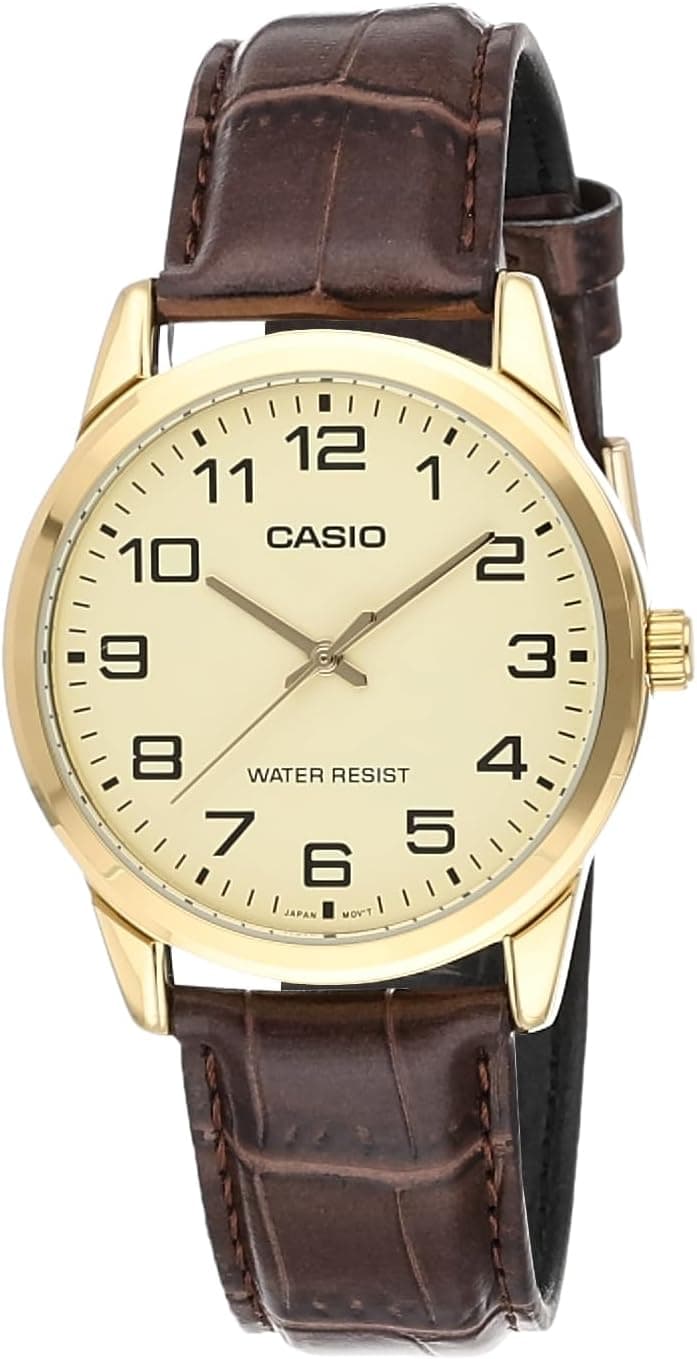
*
Casio
$37.95
$39.99
-5 %
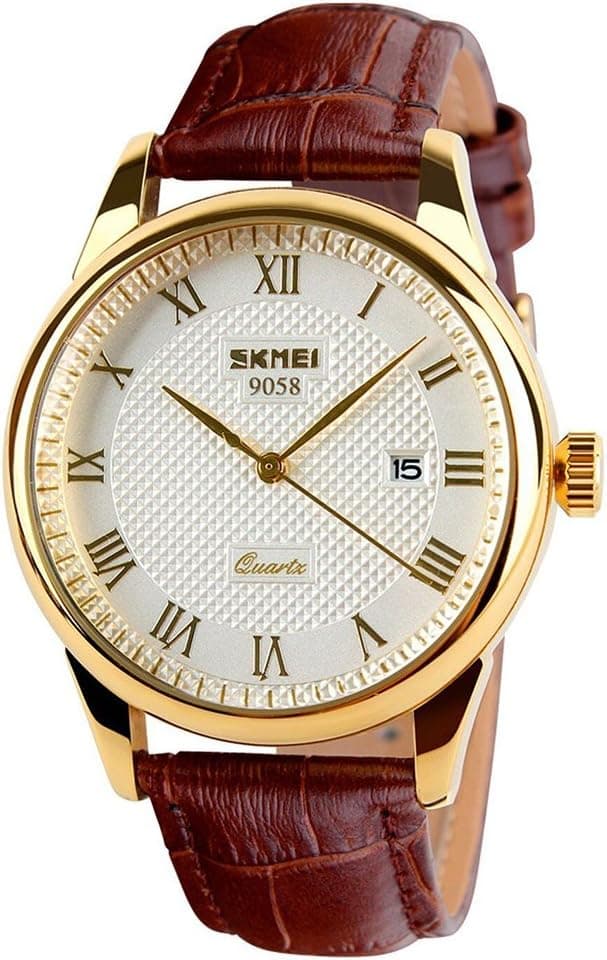
*
SKMEI
$17.99
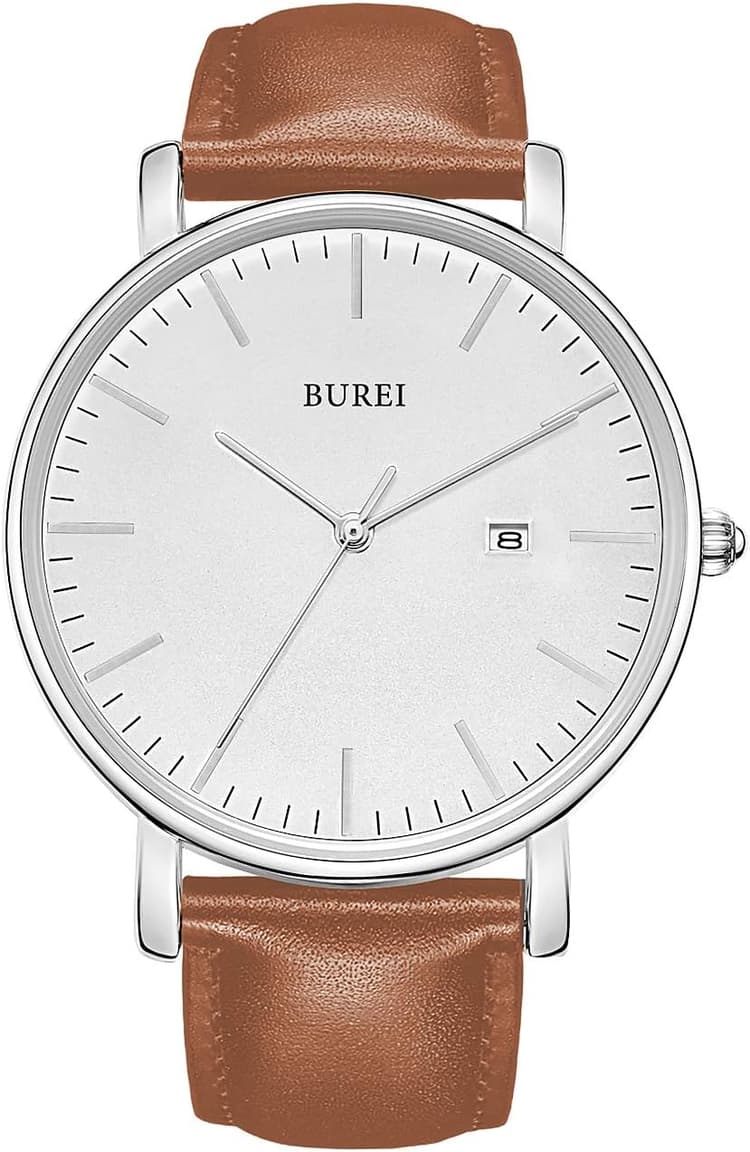
BUREI
$28.99
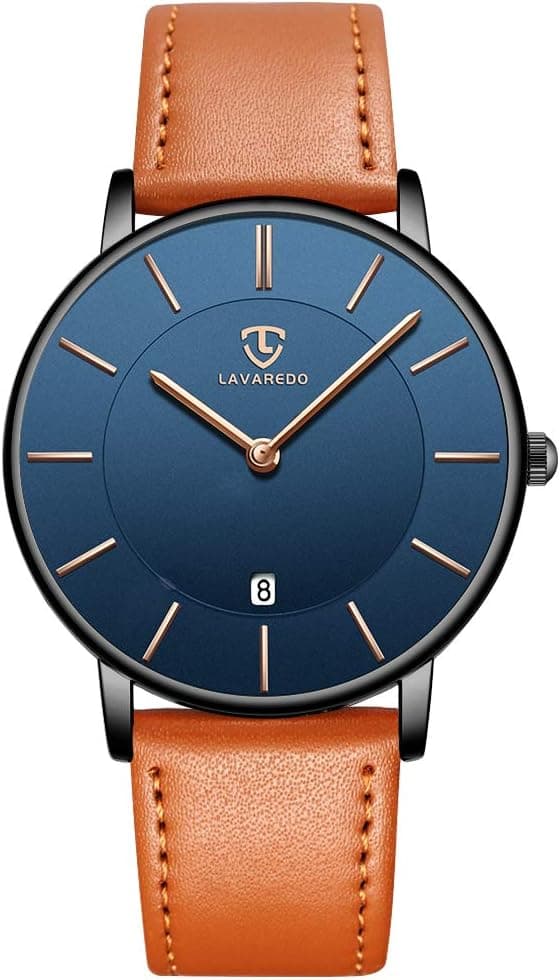
BEN NEVIS
$27.99
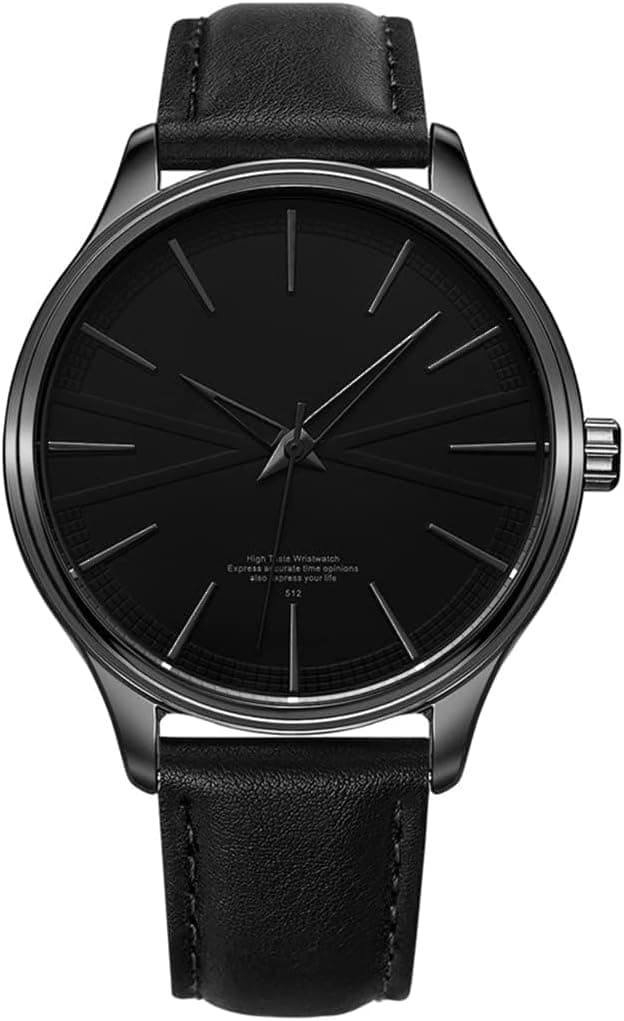
AGEN KGEN
$9.99
Begin by clarifying the exact role the watch will play in your life. A dress watch might be an everyday piece, an item for formal events only, or a discreet work accessory. Use a stepwise approach to identify needs:
From this, build a short buyer profile: main occasions, style preferences, comfort requirements and must-have features. Use this profile as a filter when comparing watches: avoid prioritizing a single aesthetic trait if fit and legibility matter more for your use.
Understanding price drivers in 2026
Dress‑watch prices still reflect a mix of objective production costs and subjective brand premium. In March 2026, three trends matter: increased transparency on origin of movements, wider adoption of sapphire as a baseline in mid‑range models, and a clearer aftermarket service cost visibility. Use the checklist below to map price to tangible elements rather than marketing.
Price component checklist (quick)
How to evaluate an offer
Practical scoring table
| Component | Low cost sign | High cost sign |
|---|---|---|
| Movement | Generic quartz, unspecified caliber | Named Swiss/Japanese calibre or in‑house movement |
| Crystal | Mineral or unspecified | Sapphire with AR |
| Case | Plated or unlabeled steel | 316L/904L steel or precious metal hallmark |
If your priority is everyday reliability, a high‑quality quartz or solar movement often offers the best practical value. If you value horological craft, be prepared for higher service costs over time. For contextual browsing and examples across price bands, see our dress watches overview and the broader luxury watch guide for how heritage and manufacture credentials affect price.
Fit matters more than diameter alone
In 2026 the dominant rule remains: a dress watch should be proportionate and unobtrusive. Modern shirts and jackets still influence case thickness, lug‑to‑lug length and strap choice. Rather than only following diameter numbers, evaluate the overall silhouette and dynamic fit.
Key measurements to prioritise
Practical in‑store test (do this for 10–15 minutes)
Comparison checklist (quick)
If you want inspiration and category examples adjusted for fit, browse our dress watches category. Practically, focus on how the watch behaves in motion rather than on a static measurement: a well‑fitting dress watch is one you forget while it stays perfectly positioned and unobtrusive under clothing.
Priorities for materials in 2026
Durability and appearance are the two pillars for dress watches. In March 2026 the baseline expectation in many mid‑range pieces is sapphire crystal and stainless steel; premium watches add higher‑grade alloys or precious metals. When assessing materials, consider daily exposure (sweat, humidity), propensity to scratch and long‑term maintenance.
Practical material checklist
Serviceability & parts availability
Quick comparison table
| Feature | Practical benefit | What to watch for |
|---|---|---|
| Sapphire | Scratch resistance, clarity | AR coatings vary; smudging vs glare tradeoffs |
| 316L steel | Corrosion resistance, durability | Brushed vs polished affects visible wear |
| Leather (full grain) | Warm, formal look; patina | Avoid if daily heavy sweating; prefer lined leather |
If you plan to wear the watch regularly, prioritise sapphire crystal and a solid steel case, then choose the strap material to match your climate and activity. For inspiration and options across materials, see our dress watches category or the French equivalent montres habillées.
Spec sheets can be technical; here is how to extract useful information quickly:
Comparison method:
This approach prevents decisions based only on marketing imagery and yields repeatable, rational comparisons.
A dress watch should remain dependable and unobtrusive day-to-day. Assess these practical aspects before purchase:
If possible, simulate a day: wear the watch for several hours, perform normal movements and note if it shifts, irritates or interferes. A well-performing watch is one you forget you are wearing while it reliably tells the time.
Even with good intentions buyers often repeat certain mistakes. Below are common pitfalls and straightforward expert tips to avoid them:
Common mistakes:
Practical expert tips:
Combine visual judgment with technical checks. Your purchase is more reliable when you minimize uncertainty by testing comfort, verifying materials and understanding maintenance implications.
$102.00
$180.00
-43 %
*Casio
$37.95
$39.99
-5 %
*GOLDEN HOUR
$40.99
$43.99
-7 %
*SEIKO
$168.00
$210.00
-20 %
*SKMEI
$17.99
Casio
$25.99
$29.95
-13 %
*BUREI
$28.99
OLEVS
$43.77
$368.00
-88 %
*BEN NEVIS
$27.99
AGEN KGEN
$9.99
yunanwa
$21.99
$23.99
-8 %
*PASOY
$19.99
$21.99
-9 %
*Stepwise buying process (concise)
This closing section converts the guide into a short checklist you can use in the shop or online. Updated March 2026 to reflect common mid‑range standards (sapphire baseline, clearer service disclosures).
1 — Build a one‑line buyer profile
2 — Choose 3 non‑negotiables
3 — Read the spec sheet: convert claims into checks
4 — In‑hand test (10–15 minutes)
5 — After‑purchase considerations
Quick decision table
| Buyer priority | Best initial choice | Why |
|---|---|---|
| Low maintenance | High‑quality quartz/solar | Accuracy, minimal servicing |
| Craft interest | Mechanical with visible finishing | Horological value, but service costs |
| Formal only | Slim case, polished finishing | Fits under cuff, refined look |
For product browsing or curated lists by price and style, consult our dress watches category. Use this checklist to turn marketing claims into verifiable facts; that is the most reliable way to ensure your dress watch choice matches your long‑term expectations.
This guide was written to offer a pedagogical, practical method for evaluating dress watches. Editorial choices favor clarity and usefulness: explaining technical criteria, comparison procedures and verifiable in-store checks. No brands or prices are named to avoid commercial implication and to keep the guidance independent. Recommendations are based on watchmaking principles and practical best practices drawn from public sources and hands-on experience; they do not constitute legal or financial advice. For specific services or products, consult manufacturer and local retailer information.
Tests and articles by watch experts, based on technical criteria and side‑by‑side comparisons.
We compare models and features to inform your choice, free from commercial influence.
Guides are regularly updated to reflect new releases and market developments.
We may earn a commission from links to partner retailers; this does not affect our independent analyses.