Orix Time logo

How to Choose a Manual‑Wind Watch — Practical Guide (March 2026)

Nora Bennett
Nora Bennett

Senior watch editor specializing in in-depth reviews, buying guides, and industry news.

Published at March 27, 2026

Why this guide on manual‑wind watches (updated for 2026)

Close-up of a manual wind watch movement being wound by hand showing gears, balance wheel and leather strap

Purpose and context (March 2026 update). This guide prioritises decision criteria over product lists so you can make a confident, long‑term purchase. The manual‑wind segment remains strong in 2026 as collectors and new buyers alike value the ritual of winding, slimmer case profiles without rotors, and visible mechanical craft. Use this guide to clarify your priorities — daily reliability, ritual and feel, or artisanal finishing — and to translate them into testable checks you can apply in store or when receiving an online order.

What’s new in 2026:

  • Renewed interest in compact, hand‑wound calibres among independent makers following 2025 micro‑brand innovation cycles.
  • Greater availability of reliable off‑the‑shelf hand‑wound movements with improved power reserves, making practical, affordable hand‑wound watches easier to find.

How to use the guide

  1. Define your use-case and non‑negotiables (comfort, water resistance, power reserve).
  2. Use the technical checklists in the following sections to compare models objectively.
  3. Confirm serviceability and parts availability locally.

Quick checklist (one‑page view)

Decision areaQuick question
UseDaily, occasional, dress?
WindingDo you want a daily ritual or low‑intervention wear?
ComfortWill it fit under your cuffs and feel balanced?
ServiceIs an experienced watchmaker accessible?

Finally, if you want to narrow models after using these criteria, consult our curated selections for context and examples: see the manual‑wind watches category or browse curated picks on Manual wind watches: curated selections and guidance. These links provide contemporary examples but this guide remains focused on transferable selection criteria rather than brand endorsements.

Discover our best references

* price updated at March 30, 2026
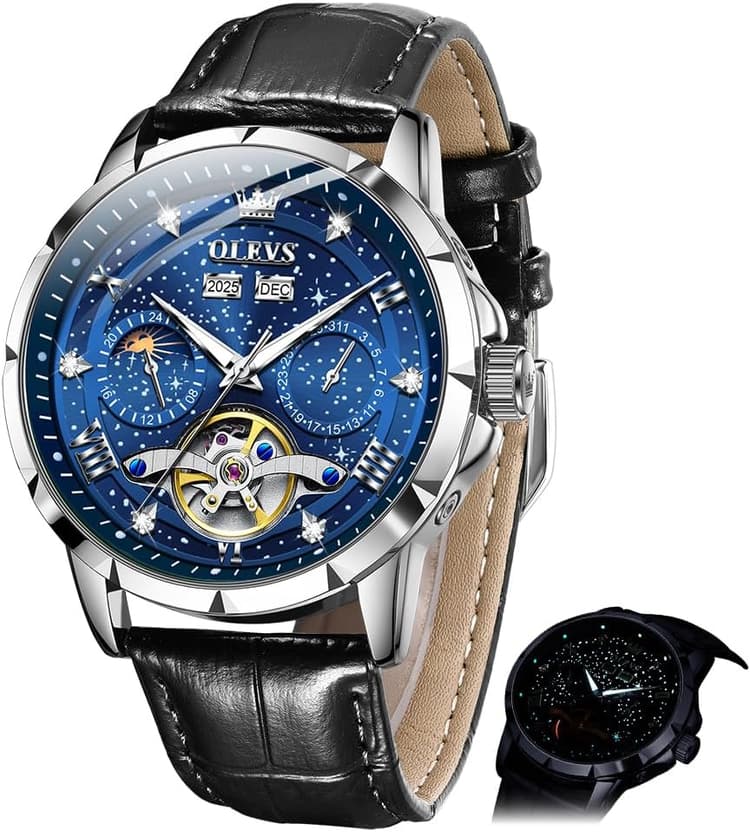
OLEVS Mens Automatic Watches Self-Winding Starry Sky Diamond Skeleton Luxury Wrist Watch Waterproof Luminous

OLEVS

OLEVS Mens Automatic Watches Self-Winding Starry Sky Diamond Skeleton Luxury Wrist Watch Waterproof Luminous
★★★★☆4.4

$137.00

$844.00

-84 %

*
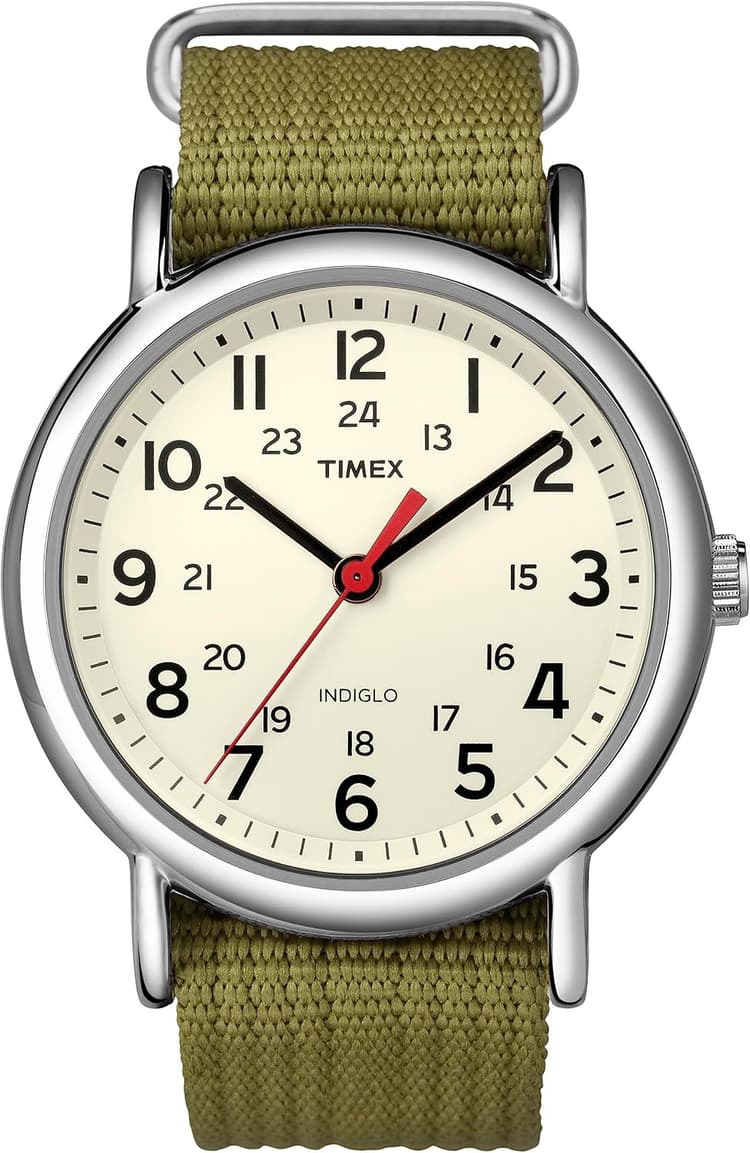
Timex Weekender 38mm Unisex Analog Watch | INDIGLO Backlight | Adjustable Durable Nylon Fabric Slip Through Strap | 24 Hour Time

Timex

Timex Weekender 38mm Unisex Analog Watch | INDIGLO Backlight | Adjustable Durable Nylon Fabric Slip Through Strap | 24 Hour Time
★★★★☆4.5

$45.25

$63.00

-28 %

*
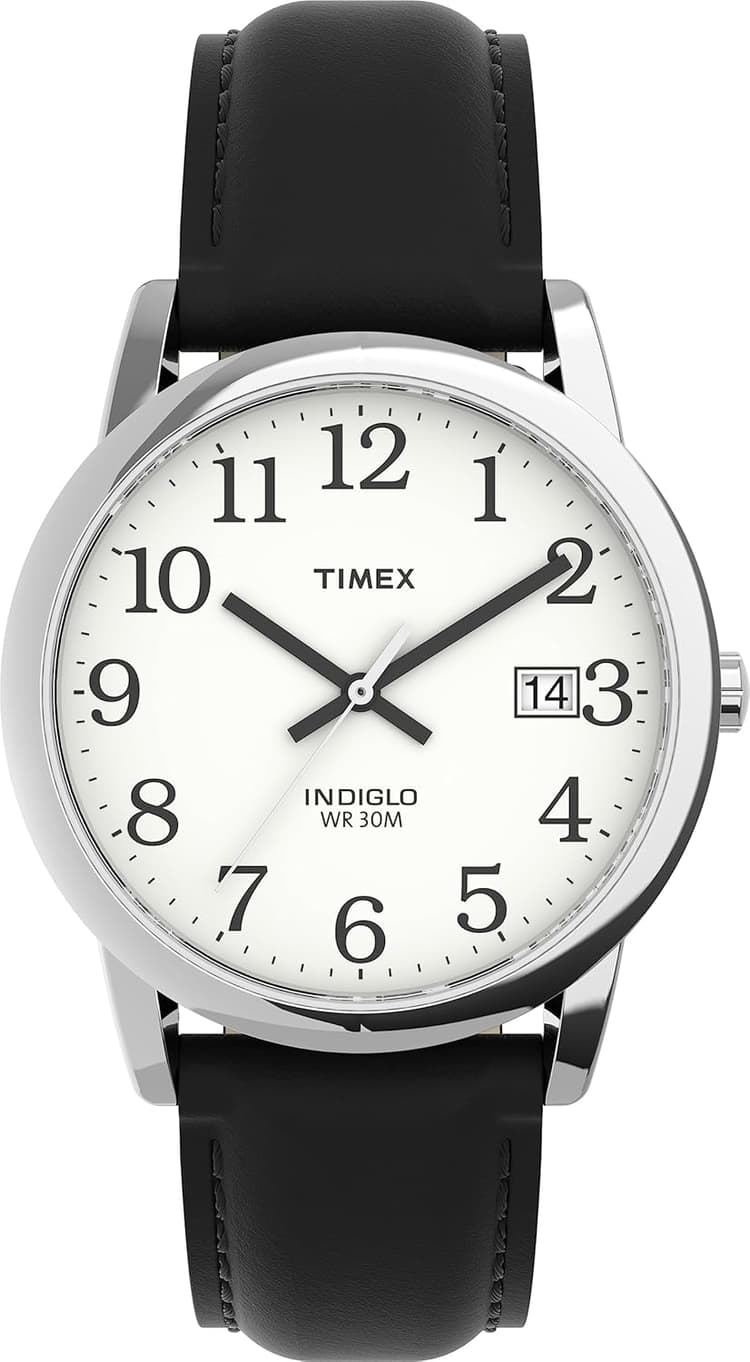
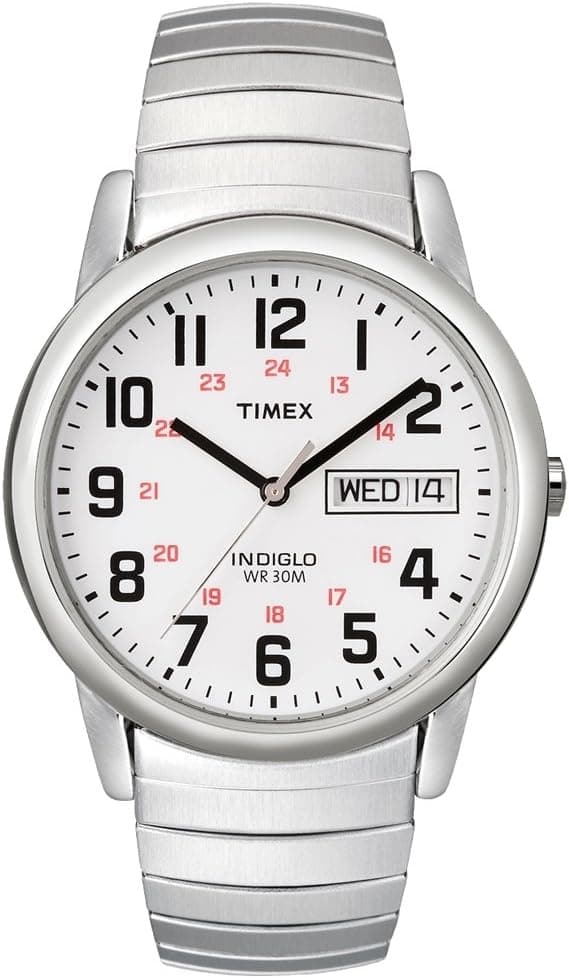
Timex Men's Easy Reader Watch

Timex

Timex Men's Easy Reader Watch
★★★★☆4.4

$44.03

$59.00

-25 %

*
SEIKO SRPG31 Watch for Men - 5 Sports - Automatic with Manual Winding Movement, Blue-Gray Dial, Stainless Steel Case, Blue-Gray Nylon Strap, 100m Water Resistant, and Day/Date Display

SEIKO

SEIKO SRPG31 Watch for Men - 5 Sports - Automatic with Manual Winding Movement, Blue-Gray Dial, Stainless Steel Case, Blue-Gray Nylon Strap, 100m Water Resistant, and Day/Date Display
★★★★☆4.7

$249.00

$315.00

-21 %

*
SEIKO Automatic Watch for Men - 5 Sports - Day/Date Calendar, LumiBrite Hands and Markers, and Rotating Bezel, 100m Water-Resistant

SEIKO

SEIKO Automatic Watch for Men - 5 Sports - Day/Date Calendar, LumiBrite Hands and Markers, and Rotating Bezel, 100m Water-Resistant
★★★★★5

$274.98

$350.00

-21 %

*
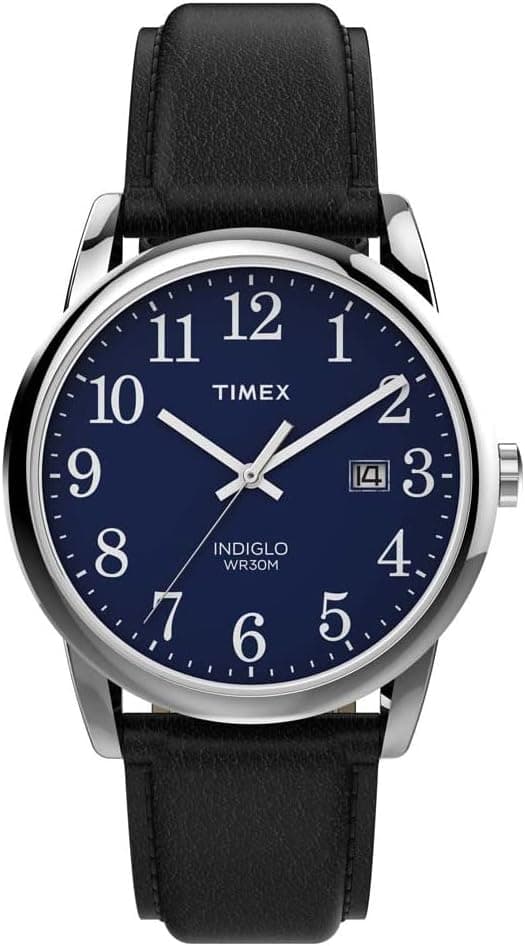
Timex Men's Easy Reader Watch

Timex

Timex Men's Easy Reader Watch
★★★★☆4.5

$49.50

$51.92

-5 %

*
Men's Fashion Mechanical Wristwatch Transparent Dial with Skeleton Design Leather Band Automatic Manual-Winding Watch

Weicam

Men's Fashion Mechanical Wristwatch Transparent Dial with Skeleton Design Leather Band Automatic Manual-Winding Watch
★★★★☆4

$17.99

$18.99

-5 %

*
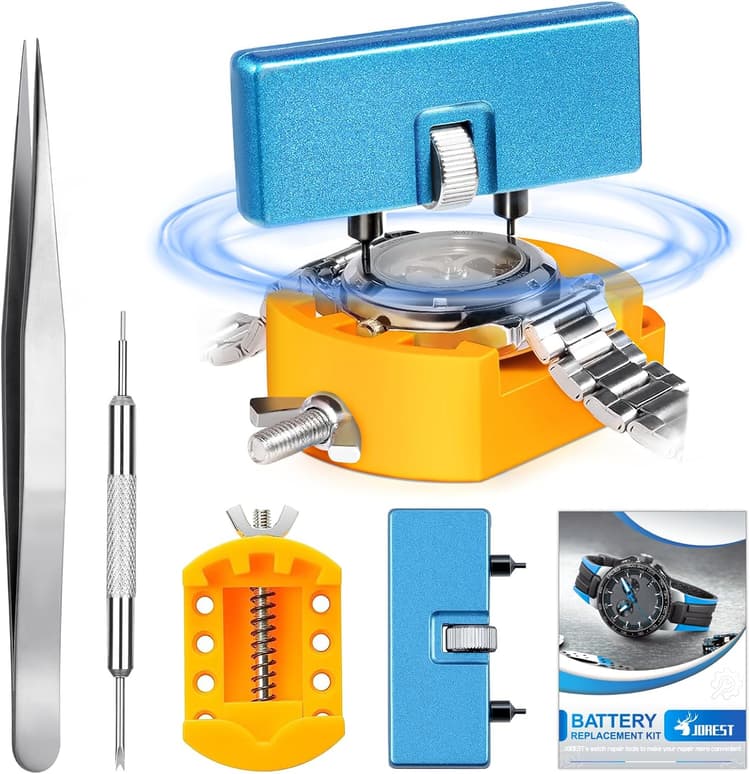
JOREST Watch Battery Replacement Tool Kit, Watch Wrench Back Remover for Rotate Open Watch Cover, Watch Case Opener Set with Watch Back Remover Holder, Only for Grooved Watches

Jorest

JOREST Watch Battery Replacement Tool Kit, Watch Wrench Back Remover for Rotate Open Watch Cover, Watch Case Opener Set with Watch Back Remover Holder, Only for Grooved Watches
★★★★☆4.4

$7.99

*
Amazon Essentials Men's Easy to Read 42mm Leather Band Analog Watch

Amazon Essentials

Amazon Essentials Men's Easy to Read 42mm Leather Band Analog Watch
★★★★☆4.4

$22.80

*
CIVO Military Watch for Men Waterproof: Analog Mens Watches Classic- Field Wrist Watches for Man

CIVO

CIVO Military Watch for Men Waterproof: Analog Mens Watches Classic- Field Wrist Watches for Man
★★★★☆4.4

$9.99

*
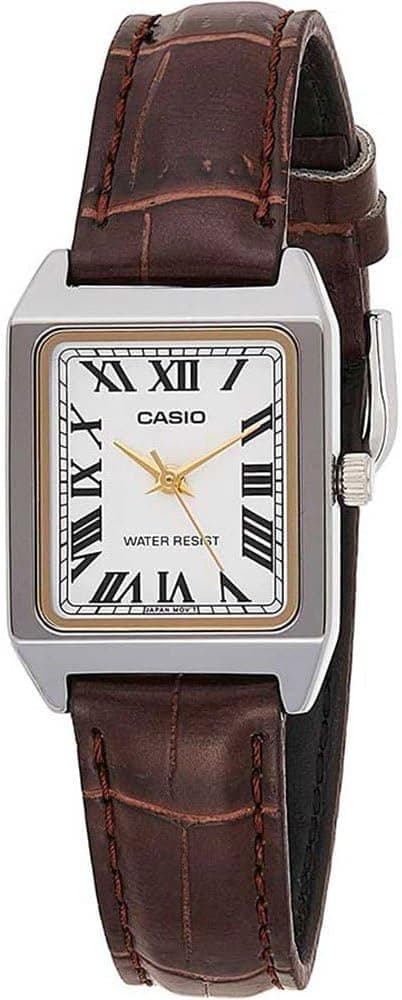
Casio LTP-V007L-7B2 Women's Rectangular Leather Strap White Roman Dial Dress Watch

Casio

Casio LTP-V007L-7B2 Women's Rectangular Leather Strap White Roman Dial Dress Watch
★★★★☆4.4

$27.89

*
Stauer 1930 Dashtronic Watch – Cotswold Genuine Mens Watches Leather Band w/Stainless Steel Case – Automated Movement & 3-ATM Water Resistant Watch

Stauer

Stauer 1930 Dashtronic Watch – Cotswold Genuine Mens Watches Leather Band w/Stainless Steel Case – Automated Movement & 3-ATM Water Resistant Watch
★★★★☆4.1

$199.00

*

Assessing your needs: use case, looks and winding routine (practical checks)

Start by mapping real usage to tangible requirements. The decision tree is simple: how you will wear the watch defines acceptable trade‑offs. For each scenario — daily wearer, desk/dress watch, or occasional/collectible — list the attributes you cannot compromise and those you can.

Decision prompts (practical):

  • Frequency: Daily wearers need robust cases, sapphire crystals and reliable timekeeping; dress pieces can prioritise thinness and refined dials.
  • Interaction: If you enjoy winding, expect to wind most manual movements every 24–40 hours. If you prefer lower interaction, set a minimum power reserve (e.g., 48+ hours).
  • Visibility & comfort: Decide whether the watch should tuck under a cuff (thin + short lug‑to‑lug) or be a visible style statement (larger diameter, pronounced lugs).

Practical checks to perform when trying a watch:

  • Wind it: assess crown grip, travel smoothness and endpoint — a pleasant tactile feel is a non‑trivial comfort factor.
  • Wear test: spend 30–60 minutes with the movement you intend to use (leather vs bracelet) to check tilt, tethering and cuff clearance.
  • Power strategy: if you rotate watches, prioritise a reserve of 72+ hours or a predictable restart routine.

Checklist (one page you can print):

  • Intended frequency — Daily / Occasional / Collector
  • Minimum power reserve — __ hours
  • Non‑negotiables: Sapphire / Exhibition back / Lug‑to‑lug max
  • Local service availability: Yes / No

If you need model suggestions after these checks, compare with entries in our manual‑wind watches curated selections to see how different makers satisfy similar use‑cases. Choosing the right balance between ritual and convenience early will prevent regret later: a watch that looks great but never leaves the drawer is a poor investment of taste and budget.

Understanding price tiers and what drives cost (practical lens)

Break down price into verifiable components. Rather than relying on arbitrary price bands, inspect what you actually pay for: movement quality, finishing, materials, dial work, and after‑sales support. In 2026, the market still rewards craftsmanship, but reliable, well‑engineered hand‑wound movements have become more accessible — altering value equations for buyers.

Key cost drivers:

  • Movement origin & finishing: in‑house or heavily decorated calibres carry premium labour costs; industrial but well‑regulated hand‑wound calibres offer strong value.
  • Case and crystal: precious metals and complex machining push prices up; sapphire with anti‑reflective coatings is a visible durability upgrade.
  • Dial and hands: enamel, fired finishes or applied markers require specialist labour and increase unit cost.
  • Labour and origin: watches assembled and regulated by hand in horological regions remain costlier because of skilled labour scarcity.

Practical evaluation method:

  1. List the visible/declared value adds (anglage, Geneva stripes, enamel dial, gold case).
  2. Map each to a long‑term ownership impact (durability, repair cost, resale potential).
  3. Ask the seller about service intervals and spare parts: a cheaper watch with hard‑to‑source parts can become expensive over time.

Comparison table (example trade‑offs):

FeatureLower costHigher cost — benefit
MovementStandard industrial calibreHand‑finished calibre — aesthetic & potential collectibility
CaseSteel stampedMulti‑step milled gold or bronze — prestige & patina
DialPrintedEnamel/painted — longevity & tactile quality

As you finalise a purchase, weigh immediate aesthetic gains against recurring ownership costs. Use our category overview to compare real models and pricing context: see manual‑wind watches category or the curated picks page Manual wind watches: curated selections and guidance for examples that illustrate these trade‑offs in 2026.

Choosing the right size and maximising wrist comfort (fitting protocol)

Comfort is measurable — use a simple fitting protocol. Many buyers focus on diameter while overlooking thickness, lug‑to‑lug, and strap behaviour. A manual‑wind watch often benefits from a slimmer profile than an automatic, but proportions and strap flexibility determine how it behaves during real wear. Follow this step‑by‑step fitting protocol in store and for online returns.

Fitting protocol (step‑by‑step):

  1. Measure your wrist circumference (mm) and note typical clothing (cuff, short sleeve).
  2. Try watches in the 3 candidate size ranges (smaller, expected, larger). Record how each sits after 15 and 60 minutes.
  3. Test with the strap type you will use (thin leather vs. thick bracelet) and simulate the activities you normally do (typing, reaching into pockets).

Key dimensions to record:

  • Diameter (mm)
  • Thickness (mm)
  • Lug‑to‑lug (mm)
  • Strap width at lug (mm)

Rules of thumb (practical):

  • Dress comfort: diameter 34–38 mm and thickness <10 mm usually tucks well under a shirt cuff.
  • Everyday comfort: diameter 36–40 mm with moderate lug‑to‑lug (≤48 mm) balances presence and wearability.
  • Active/statement: >40 mm or long lug‑to‑lug; prioritise strap stability and rugged construction.

Quick table of common wrist sizes:

Wrist (mm)Recommended diameter
150–16534–38 mm
165–18536–40 mm
185+40–44+ mm

If buying online, prefer sellers with clear dimensions and a fair return policy so you can complete the fitting protocol at home. For further context on how these choices map to styles, see our guides and curated pages such as How to Choose a Dress Watch or the manual‑wind watches category to compare real models in each size band.

Materials and durability: cases, crystals and straps explained (care & selection)

Materials determine longevity, repairability and daily care. As of March 2026, consumer expectation favours scratch resistance, lightweight comfort and environmental transparency in material sourcing. When assessing a manual‑wind watch, separate cosmetic choices from structural ones: some finishes are visual only, others materially influence serviceability and long‑term resilience.

Component breakdown and practical advice:

  • Cases: stainless steel is the default for repairability and cost; titanium offers weight savings and hypoallergenic properties but can show different scratch patterns; bronze develops patina (aesthetic choice) while precious metals (gold, platinum) need careful handling and increase service complexity.
  • Crystals: sapphire is the recommended choice for everyday watches thanks to scratch resistance; it remains vulnerable to hard impacts. Mineral glass is less scratch‑resistant but cheaper to replace; acrylic is polishable and favoured for vintage reissues.
  • Straps: leather holds elegance but dislikes moisture — rotate or choose water‑resistant leather treatments; metal bracelets offer durability and are easier to clean; textile/NATO straps provide comfort and low maintenance for active use.

Maintenance & repair checklist:

  • Prefer materials with widely available spare parts in your region.
  • Ask sellers about polishing policies (steel can often be polished; titanium often needs specialised treatment).
  • For daily wearers: steel case + sapphire crystal + service interval disclosure is a strong baseline.

Simple comparison table:

MaterialProsCons
Stainless steelDurable, repairableVisible scratches over time
TitaniumLight, hypoallergenicScratch visibility, specialised repair
Sapphire crystalScratch resistantCan chip on impact

Balance your material choices with lifestyle: an urban daily wearer benefits from steel + sapphire, while someone prioritising lightness or hypoallergenic properties may choose titanium despite repair trade‑offs. For real examples to match materials to styles, consult the manual‑wind watches category or the curated picks page Manual wind watches: curated selections and guidance.

Comparing essential features of a manual wind watch

When comparing models, focus on technical criteria you can check easily:

  • Power reserve: how long the watch runs after a full wind. Longer reserves help if you rotate watches.
  • Beat rate (alternations): indicated in beats per hour; higher rates can smooth timekeeping but complicate regulation.
  • Movement finishing: visible through an exhibition caseback; decoration doesn’t always affect accuracy but shows assembly care.
  • Crown and winding feel: test for smoothness, travel and endpoint while winding.
  • Water resistance: check the rated value and what it realistically allows (hand washing, rain, submersion).
  • Complications: date, small seconds, power reserve indicators add complexity and affect servicing cost.

Comparison method:

  1. List non-negotiables based on your needs (for example: sapphire crystal, minimum power reserve, maximum case diameter).
  2. Note objective differences: material, finishing, exhibition caseback, or strap type.
  3. Try the watch to assess winding feel and how the crown sits against your wrist.

A structured comparison helps avoid prioritising looks at the expense of comfort or reliability.

Everyday performance checks, common beginner mistakes and practical watchmaker tips

Evaluating everyday performance involves three practical checks: accuracy, ergonomics and maintenance.

  • Accuracy: record daily rate over 24 to 48 hours after a full wind. Mechanical watches naturally vary, but large deviations may indicate regulation issues.
  • Ergonomics: wear the watch during a normal day to detect rubbing, cuff interference or case tilt.
  • Maintenance: ask about recommended service intervals and likely costs; find out whether wear parts are standard or proprietary.

Common beginner mistakes:

  • Buying based only on photos: proportions and comfort are hard to judge remotely.
  • Ignoring winding technique: some movements require a specific routine, and forcing the crown can damage the mechanism.
  • Misreading water resistance: a stamped value is not a blanket permission to swim or dive.
  • Underestimating service costs: a frequent oversight that can turn a good buy into a long-term expense.

Practical watchmaker tips:

  • Wind with steady, gentle turns and stop cleanly at the end of the travel to protect the mainspring.
  • If the watch stops frequently, leave it dial-up or dial-down for a day to see if positional timing differences are present.
  • Alternate leather straps with water-resistant options if you face humidity or sweat regularly.

These straightforward checks help you distinguish between a visually successful piece and a watch that fits into daily life reliably.

Discover our top deals references

* price updated at March 30, 2026
See more
Timex Weekender 38mm Unisex Analog Watch | INDIGLO Backlight | Adjustable Durable Nylon Fabric Slip Through Strap | 24 Hour Time

Timex

Timex Weekender 38mm Unisex Analog Watch | INDIGLO Backlight | Adjustable Durable Nylon Fabric Slip Through Strap | 24 Hour Time
★★★★☆4.5

$45.25

$63.00

-28 %

*
Timex Men's Easy Reader Watch

Timex

Timex Men's Easy Reader Watch
★★★★☆4.5

$49.50

$51.92

-5 %

*
Timex Men's Easy Reader Watch

Timex

Timex Men's Easy Reader Watch
★★★★☆4.4

$44.03

$59.00

-25 %

*
JOREST Watch Battery Replacement Tool Kit, Watch Wrench Back Remover for Rotate Open Watch Cover, Watch Case Opener Set with Watch Back Remover Holder, Only for Grooved Watches

Jorest

JOREST Watch Battery Replacement Tool Kit, Watch Wrench Back Remover for Rotate Open Watch Cover, Watch Case Opener Set with Watch Back Remover Holder, Only for Grooved Watches
★★★★☆4.4

$7.99

*
Amazon Essentials Men's Easy to Read 42mm Leather Band Analog Watch

Amazon Essentials

Amazon Essentials Men's Easy to Read 42mm Leather Band Analog Watch
★★★★☆4.4

$22.80

*
CIVO Military Watch for Men Waterproof: Analog Mens Watches Classic- Field Wrist Watches for Man

CIVO

CIVO Military Watch for Men Waterproof: Analog Mens Watches Classic- Field Wrist Watches for Man
★★★★☆4.4

$9.99

*
Casio LTP-V007L-7B2 Women's Rectangular Leather Strap White Roman Dial Dress Watch

Casio

Casio LTP-V007L-7B2 Women's Rectangular Leather Strap White Roman Dial Dress Watch
★★★★☆4.4

$27.89

*
SEIKO SRPG31 Watch for Men - 5 Sports - Automatic with Manual Winding Movement, Blue-Gray Dial, Stainless Steel Case, Blue-Gray Nylon Strap, 100m Water Resistant, and Day/Date Display

SEIKO

SEIKO SRPG31 Watch for Men - 5 Sports - Automatic with Manual Winding Movement, Blue-Gray Dial, Stainless Steel Case, Blue-Gray Nylon Strap, 100m Water Resistant, and Day/Date Display
★★★★☆4.7

$249.00

$315.00

-21 %

*
OLEVS Mens Automatic Watches Self-Winding Starry Sky Diamond Skeleton Luxury Wrist Watch Waterproof Luminous

OLEVS

OLEVS Mens Automatic Watches Self-Winding Starry Sky Diamond Skeleton Luxury Wrist Watch Waterproof Luminous
★★★★☆4.4

$137.00

$844.00

-84 %

*
Stauer 1930 Dashtronic Watch – Cotswold Genuine Mens Watches Leather Band w/Stainless Steel Case – Automated Movement & 3-ATM Water Resistant Watch

Stauer

Stauer 1930 Dashtronic Watch – Cotswold Genuine Mens Watches Leather Band w/Stainless Steel Case – Automated Movement & 3-ATM Water Resistant Watch
★★★★☆4.1

$199.00

*
FORSINING Men's Mechanical Hand-Wind Analog Sport Style Wristwatch with Leather Strap

FORSINING

FORSINING Men's Mechanical Hand-Wind Analog Sport Style Wristwatch with Leather Strap
★★★☆☆3.9

$28.99

*
Men's Fashion Mechanical Wristwatch Transparent Dial with Skeleton Design Leather Band Automatic Manual-Winding Watch

Weicam

Men's Fashion Mechanical Wristwatch Transparent Dial with Skeleton Design Leather Band Automatic Manual-Winding Watch
★★★★☆4

$17.99

$18.99

-5 %

*

Summary and a step-by-step approach to a considered purchase

Choosing a manual wind watch is easier when you follow a structured process: define your needs, understand what drives price, check size and comfort, evaluate materials, and compare clear technical features. Prioritise what matters for your use: if the winding ritual appeals to you, favour a pleasant winding feel and a well-designed crown; if durability is key, concentrate on materials and scratch resistance.

At purchase time, test the watch in real conditions: wear it, wind it, and observe its behaviour over 24 hours. Ask about servicing, parts availability and warranty terms. Avoid buying solely on images; proportions and wrist feel are decisive.

This pedagogical guide gives you concrete checkpoints to identify acceptable trade-offs and reduce buyer's remorse. Using these criteria will help you select a manual-wind watch that matches your style and technical expectations and that will accompany you reliably over time.

Frequently asked questions about manual wind watches

Editorial transparency

This guide is informational and aims to help you buy a manual wind watch. It provides general criteria and practical advice based on recognised horological principles, without promoting specific products or brands. The content is neutral and educational; for personalised recommendations, consult a retailer or local watchmaker.

  • Independent Watch Analysis

    Tests and articles by watch experts, based on technical criteria and side‑by‑side comparisons.

  • Impartial Watch Comparisons

    We compare models and features to inform your choice, free from commercial influence.

  • Verified, Up‑to‑Date Information

    Guides are regularly updated to reflect new releases and market developments.

  • Transparent Affiliate Links

    We may earn a commission from links to partner retailers; this does not affect our independent analyses.