
Jugeman
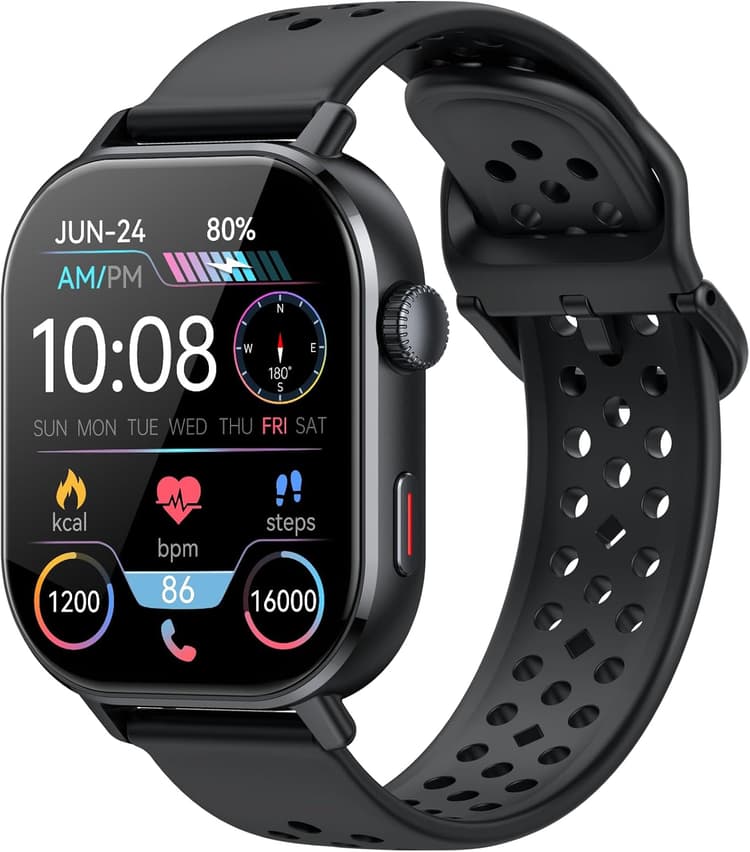
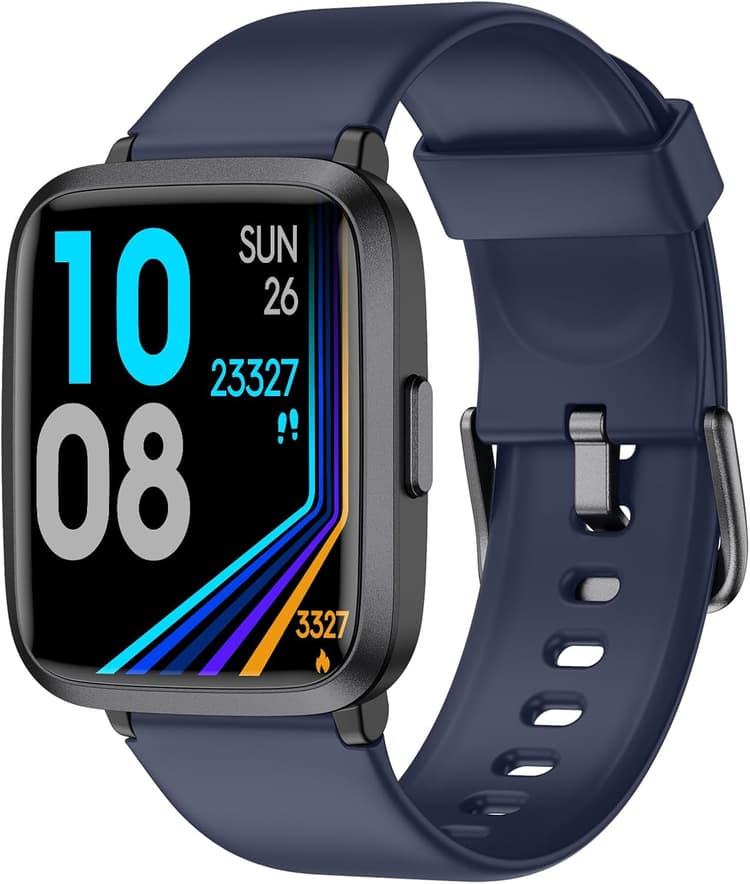
Smart Watch for Men GPS, 2.06"HD AMOLED Military Multisport Fitness Tracker with Bluetooth Call/Compass/Barometer/Altitude 5ATM Water-Resistance Heart Rate/Sleep Monitor, Outdoor for Android iOS
★★★★☆4.8
$49.99
$99.99
-50 %
*
Senior watch editor specializing in in-depth reviews, buying guides, and industry news.

This pedagogical guide is designed to help you make a reasoned choice before buying a multisport watch. Sports watches span many use cases: daily workouts, racing, long endurance sessions, triathlons, open-water swimming, or general health tracking. Instead of listing models, this guide provides practical touchpoints to define priorities, compare technical characteristics, and avoid common mistakes.
The content follows a step-by-step learning path: first identify your true needs, then understand price brackets and the factors behind them, evaluate size and comfort, and inspect materials and durability. We then explain essential features with simple definitions and how to assess everyday performance and battery realities. Each section offers measurable criteria and concrete examples so you can apply the advice across brands and product families.
The pedagogical approach breaks the decision into manageable criteria: which metrics matter to you, what battery life is realistic, how robust the device must be, and how these choices affect cost and ergonomics. By the end you should be able to build a personal decision matrix that matches your sporting profile and everyday habits.
Jugeman
$49.99
$99.99
-50 %
*
Garmin
$499.99
$799.99
-38 %
*
Amazon Renewed
$699.99
$989.86
-29 %
*
$199.99
$249.99
-20 %
*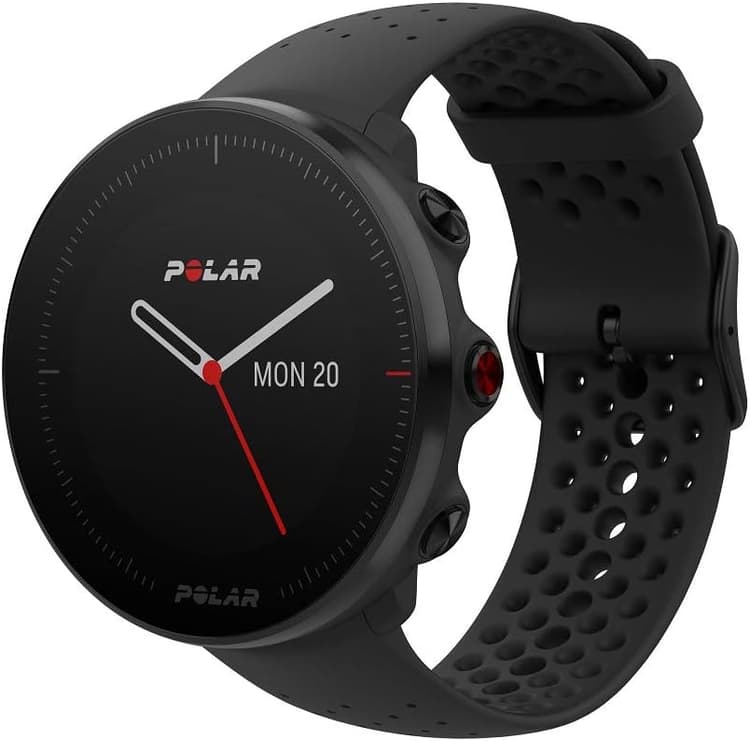
POLAR
$169.99
$199.99
-15 %
*
Jugeman
$21.99
$25.99
-15 %
*![Apple Watch Ultra 3 [GPS + Cellular 49mm] Running & Multisport Smartwatch w/Rugged Titanium Case w/Natural Titanium Milanese Loop - L. Satellite Communications, Advanced Health & Fitness Tracking](/_next/image?url=https%3A%2F%2Fm.media-amazon.com%2Fimages%2FI%2F81y-XUkYLfL._AC_SL1500_.jpg&w=750&q=75)
Apple
$799.99
$899.00
-11 %
*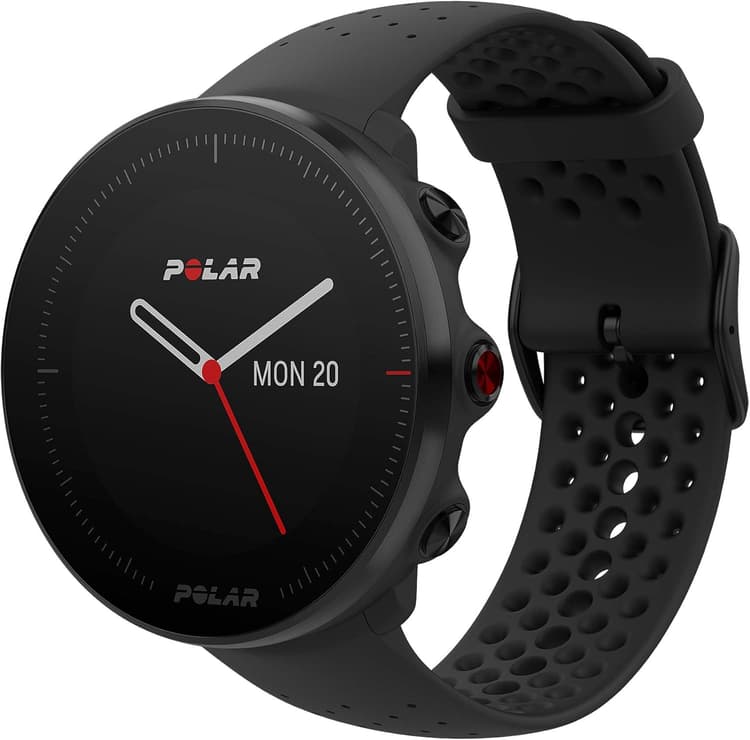
POLAR
$169.99
$179.99
-6 %
*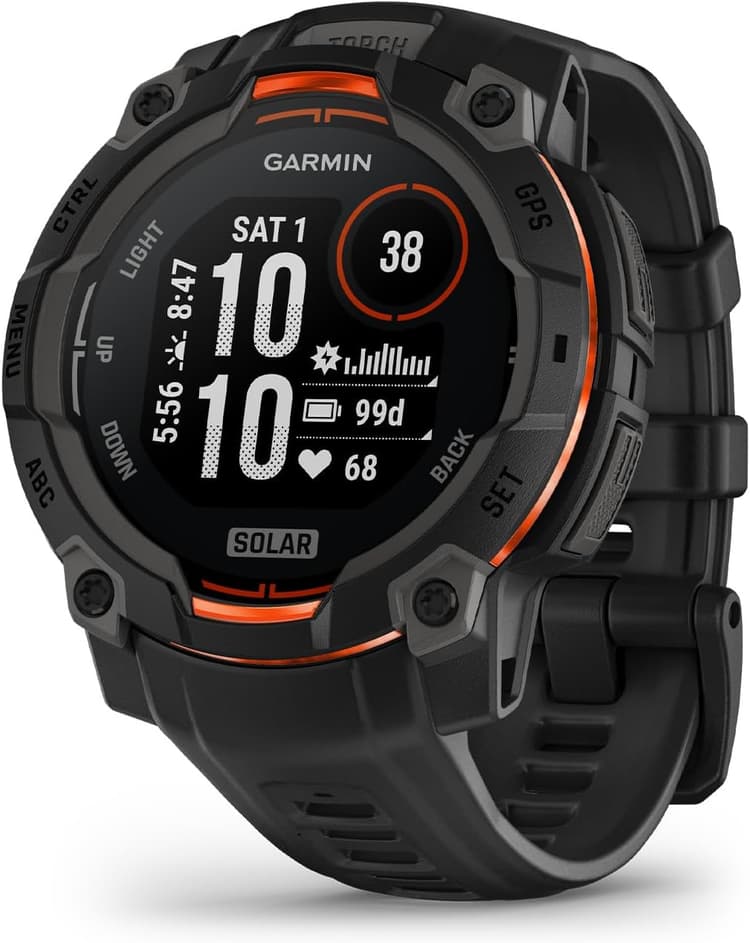
Garmin
$379.00
$399.99
-5 %
*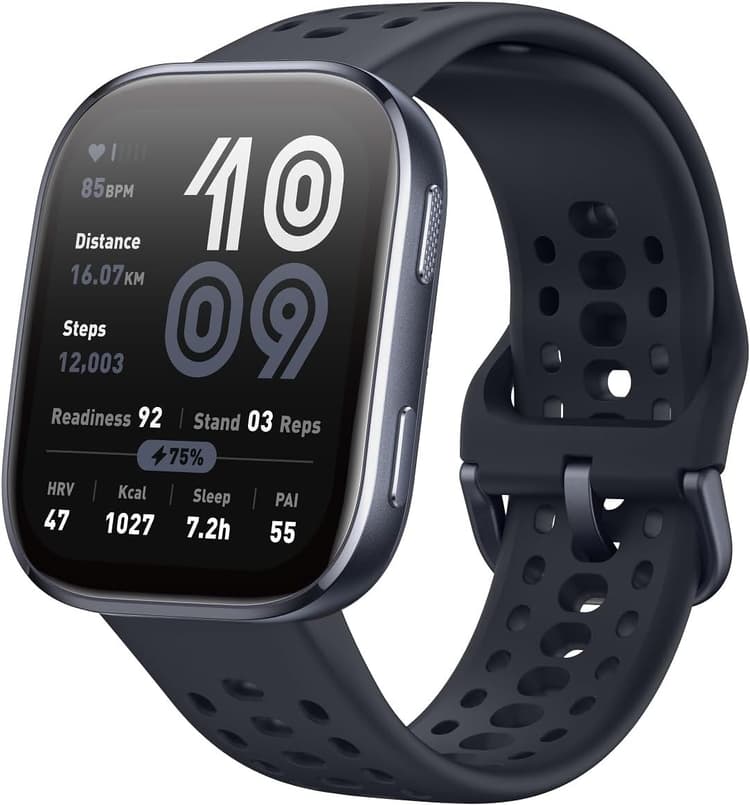
Amazfit
$75.99
$79.99
-5 %
*![Apple Watch Ultra 3 [GPS + Cellular 49mm] Running & Multisport Smartwatch w/Rugged Titanium Case w/Light Blue Alpine Loop - S. Satellite Communications, Advanced Health & Fitness Tracking](/_next/image?url=https%3A%2F%2Fm.media-amazon.com%2Fimages%2FI%2F81loboxE9yL._AC_SL1500_.jpg&w=750&q=75)
Apple
$768.00
XIAOMI
$49.59
Why a clear needs assessment saves time and money (updated March 2026)
Start with three crisp, ranked use-cases and translate them into measurable priorities. The watch market in 2026 offers more overlapping features (multi-band GNSS, onboard maps, and expanded health sensors), so the single best purchase is the one that matches your real, repeated behaviours — not the shiniest spec sheet.
Step-by-step approach
Define 3 priority use-cases (example):
Convert priorities into measurable features:
| Priority | Measurable feature |
|---|---|
| GPS accuracy | Multi-band GNSS or multi-constellation modes |
| Swim reliability | 5 ATM+ rating, swim metrics validation |
| All-day comfort | Case diameter, strap options, weight |
Practical checklist (one-page)
Quick cross-check: After filling your matrix, browse category listings and guides to match real products to your matrix — for example, see editorial selections for Multisport watches and a focused comparison for Running GPS watches.
This structured, measurable approach reduces impulsive buys and ensures that a 2026 multisport watch matches the realities of modern GNSS options and sensor choices, rather than marketing hype.
Understanding the price drivers so you set a realistic budget (March 2026 update)
In 2026, price differentiation still rests on a handful of technical and experiential pillars. Rather than memorizing brand tiers, map your must-haves to the features that actually increase cost.
Primary price drivers
Practical tier table
| Tier | Typical features | Best if... |
|---|---|---|
| Entry-level | Basic GNSS, standard sensors, simple UI | You train occasionally or want a low-cost tracker |
| Mid-range | Improved GNSS, more sport profiles, longer battery | You train weekly and want reliable session data |
| High-end | Multi-band GNSS, premium sensors, maps, long battery | Competitive athletes, long ultra events, or daily heavy use |
Where to spend, and where to save
Remember to include total cost of ownership: spare straps, external sensors (power meters, chest straps), and potential subscriptions for maps or advanced analytics. To compare models quickly, use the editorial product collections such as Multisport Watches — selection to find options across tiers that match your decision matrix.
This pragmatic focus ensures you invest in features that affect day-to-day performance, not just branding or finish.
Size and comfort are key but often overlooked. A watch that is too wide will interfere with movement; one that is too small can make the interface hard to operate during exercise.
Consider these measurements:
Ergonomics of controls:
Practical step: measure your wrist circumference, record whether you'll wear the watch all day or only for workouts, and if possible test models in person to assess fit. When in-person testing isn't possible, favor models with flexible return policies.
A multisport watch's lifespan relies heavily on materials and build quality. Here are key components and their practical consequences.
Screen glass:
Case materials:
Water resistance:
Repairability and spare parts:
How to evaluate practically:
A pragmatic feature comparison to guide your shortlist (updated March 2026)
When shortlisting models, translate technical labels into expected behaviour. For example, “multi-band GNSS” usually means tighter route tracking under trees or between buildings; “pulse-ox” can help with altitude acclimation but is not a substitute for clinical measurement.
Feature-by-feature summary
Decision quick-grid (example)
| Feature | If you prioritise it | Minimum acceptable |
|---|---|---|
| GPS stability | Frequent outdoor runs, trails | Multi-constellation or multi-band support |
| HR reliability for intervals | HIIT, testing | External sensor compatibility |
| Elevation accuracy | Trail/vertical training | Barometric altimeter |
For a targeted comparison, consult category overviews like Multisport watches and the running GPS guide to see how vendors position accuracy and sensor compatibility. Practical testing (see the evaluation slice) is the final arbiter: logs, side-by-side sessions and return policies help validate marketed claims.
This feature-focused lens makes it easier to select a watch that behaves consistently in the environments that matter to you.
Turn spec-sheet numbers into realistic expectations (March 2026 guidance)
Manufacturers publish battery estimates under idealised conditions; modern watches also introduce hybrid modes (solar top-up, smart GNSS sampling) that change real-life behavior. To judge a device, convert specs into scenarios and validate with a short in-life protocol.
Representative battery scenarios (practical conversions)
| Mode | Typical spec claim | Realistic expectation (mixed use) |
|---|---|---|
| Daily smart mode | 7–14 days | 4–10 days (notifications + sleep + occasional workouts) |
| Continuous GPS | 30–60 hours | 60–80% of claimed when HR and sensors are enabled |
| Ultra power modes | 100+ hours | Good for multi-day events but limited nav/metrics available |
2–4 week validation protocol
Sensor reliability considerations
For quick category context and model browsing, check editorial hubs like Multisport watches and the broader Smartwatches category to compare how makers present battery and sensor modes. A 2–4 week light test in your actual routine will reveal the gap between marketed claims and everyday experience and will inform whether a return or firmware review is necessary.
This empirical approach reduces surprises and aligns purchase choice with real-life endurance and accuracy needs.
Common mistakes:
Practical expert tips:
A simple rule: create a decision grid with three priority levels - must-have, nice-to-have, and unnecessary - and sort features accordingly. Eliminate models that fail on must-haves. This reduces bias and leads to a better fit for your real needs.
$199.99
$249.99
-20 %
*Apple
$768.00
Apple
$799.99
$899.00
-11 %
*XIAOMI
$49.59
XIAOMI
$48.95
$290.00
Garmin
$379.00
$399.99
-5 %
*Amazfit
$75.99
$79.99
-5 %
*POLAR
$169.99
$179.99
-6 %
*
DEKELIFE
$39.99
Jugeman
$49.99
$99.99
-50 %
*
LIVIKEY
$19.99
Choosing a multisport watch benefits from a structured approach: define your real needs first, then filter options by priorities considering budget, size, materials and essential features. Technical elements like GPS quality, heart-rate sensor accuracy, barometric altimeter and battery life should be viewed in the context of your typical use and, whenever possible, tested in real conditions.
The recommended method is straightforward: list and rank your needs, build a comparison grid and test the device for a few weeks or simulate your use. Avoid being swayed by single spec numbers; prioritize coherence between ergonomics, sensors and the software ecosystem. Also consider repairability and total cost of ownership over the sticker price.
Armed with these pedagogical guidelines you can pinpoint a suitable price range, the right case size and acceptable trade-offs. The outcome will be an informed choice that fits your sporting habits and lasts.
Editorial choices: this guide uses a pedagogical, neutral tone. It avoids brand and model names to stay independent and to focus on technical and practical decision criteria. Recommendations are grounded in general usage principles and measurable criteria. The emphasis is on useful information rather than promotion. If this content is displayed on a site with commercial links, such relationships will be disclosed according to site policy. No invented numerical data appears; examples are illustrative and aimed at explaining comparison methods.
Tests and articles by watch experts, based on technical criteria and side‑by‑side comparisons.
We compare models and features to inform your choice, free from commercial influence.
Guides are regularly updated to reflect new releases and market developments.
We may earn a commission from links to partner retailers; this does not affect our independent analyses.