
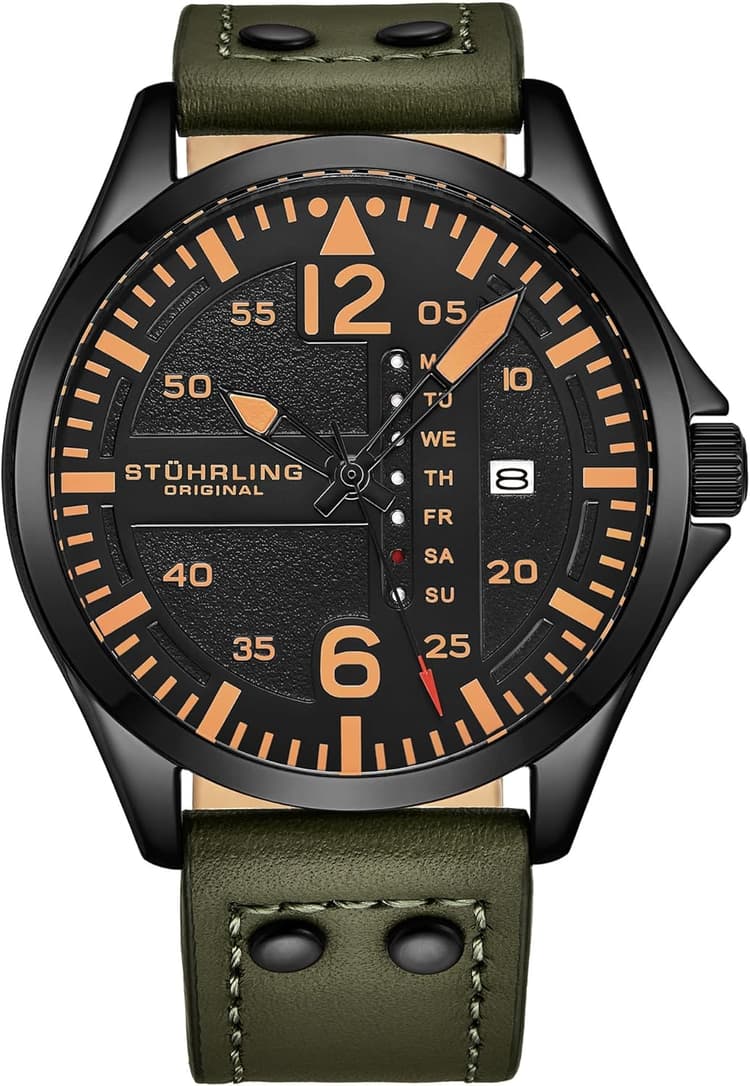
Stuhrling Original
Stuhrling Original Mens Leather Watch -Aviation Watch, Quick-Set Day-Date Leather Band with Steel Rivets,
★★★★☆4.1
$89.99
$395.00
-77 %
*
Deals editor focused on watch bargains, market analysis, and approachable buying advice.

Purpose and context (March 2026 update)
This guide is designed to be a practical, time‑aware method for choosing a pilot watch in 2026. The market continues to evolve: microbrands increasingly offer strong value propositions, multiple manufacturers now pair robust sapphire with improved anti‑reflective (AR) laminates, and the prevalence of GMT and hybrid functions makes feature‑selection more nuanced than ever. Our goal is not to recommend specific models but to give you a repeatable evaluation framework so you can match a watch to how you actually live and travel.
What you will get from this guide
How to use this guide (actionable steps)
Quick decision matrix (example)
| Use profile | Priority features | Typical size | Movement |
|---|---|---|---|
| Frequent traveler | GMT, good lume, quick strap change | 38–42 mm | Quartz or reliable automatic |
| Cockpit use | Max legibility, anti‑reflective crystal | 40–46 mm | Quartz or well‑regulated automatic |
| Everyday urban | Slim profile, AR, sapphire | 36–40 mm | Quartz or mid‑tier automatic |
Related resources
For category comparisons and curated picks, see the Pilot Watch Selection and Comparison hub and, if you travel often, our Practical Guide to Choosing a GMT Watch.
This guide emphasizes practical checks (wear time, wrist feel, legibility under varied light) so your final choice fits real life—not just catalogue photos or marketing copy.
Stuhrling Original
$89.99
$395.00
-77 %
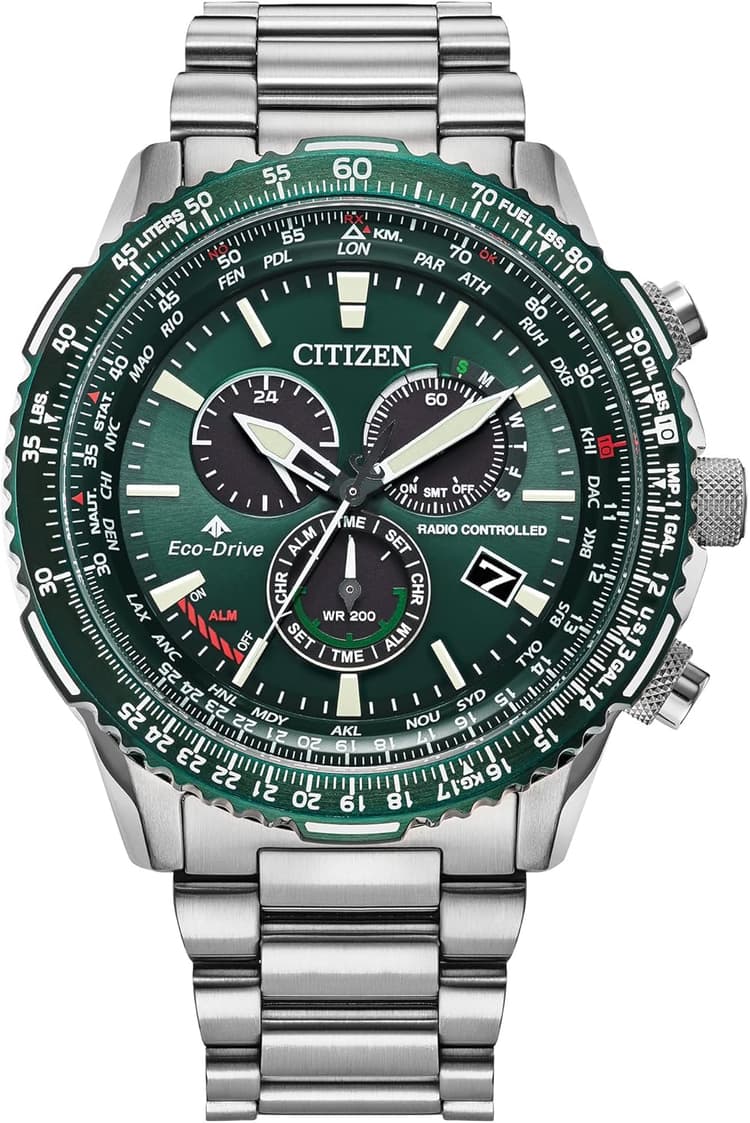
*
$536.95
$775.00
-31 %
*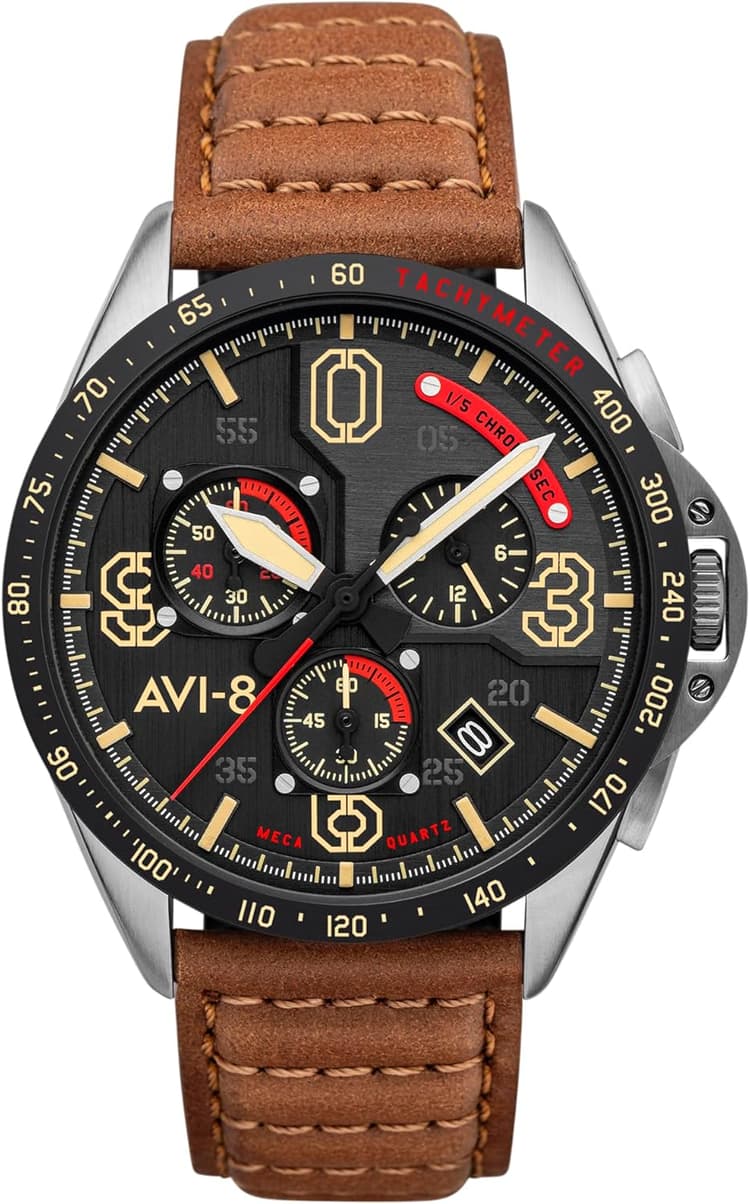
AVI-8
$199.00
$285.00
-30 %
*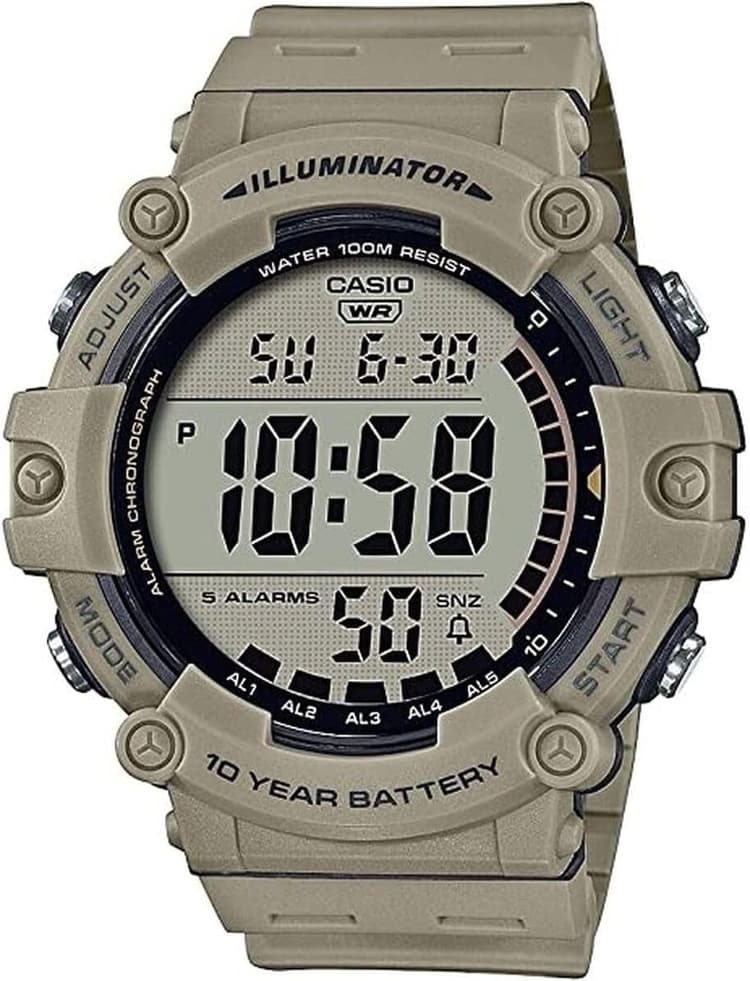
Casio
$34.45
$39.95
-14 %
*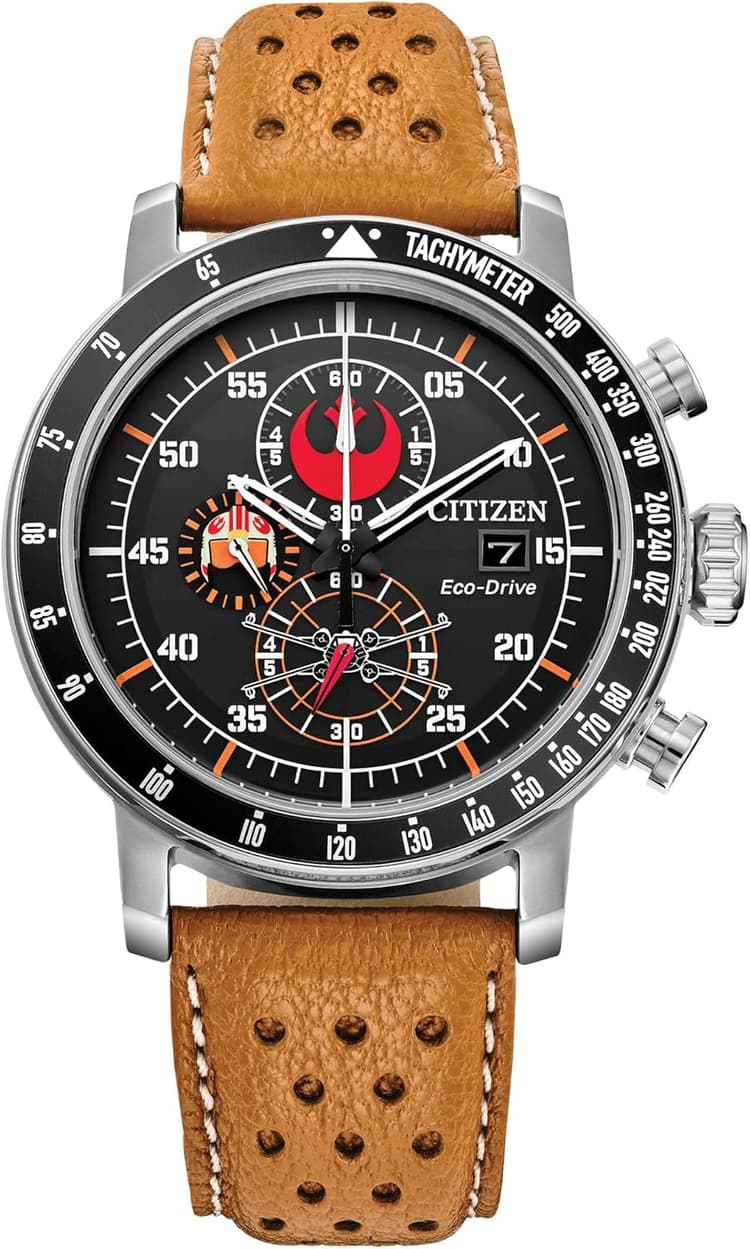
CITIZEN
$315.00
$336.95
-7 %
*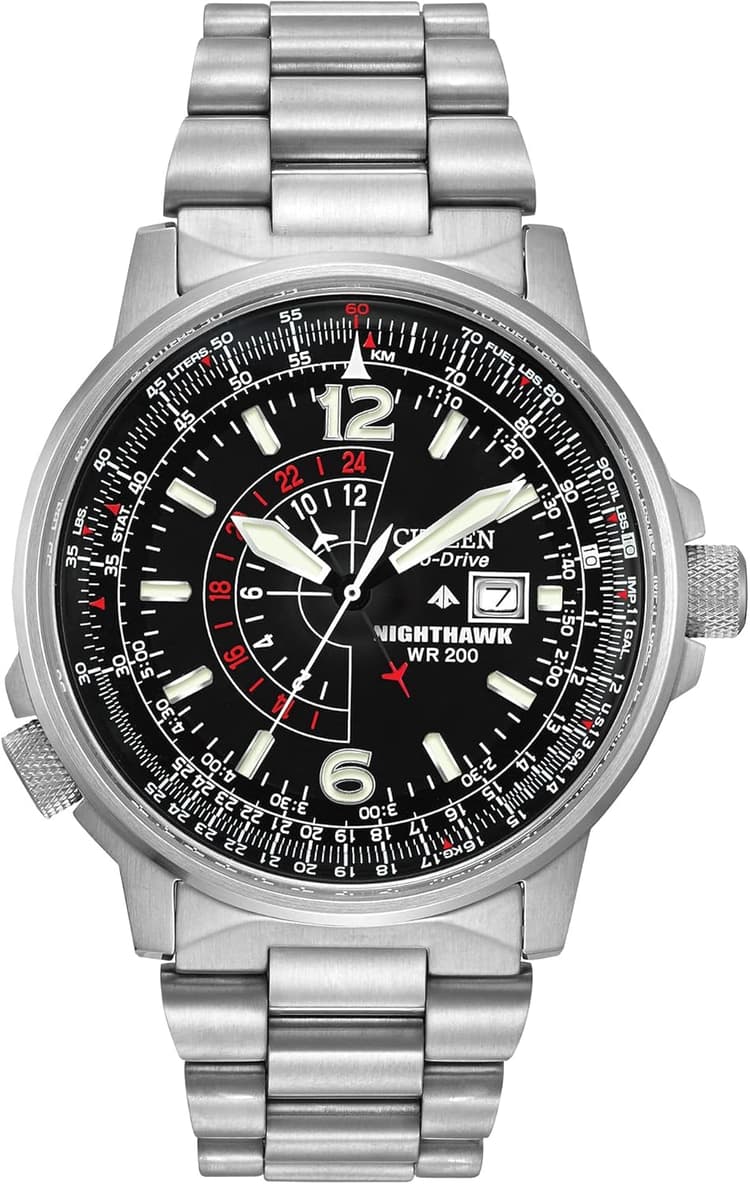
CITIZEN
$263.89
$278.68
-5 %
*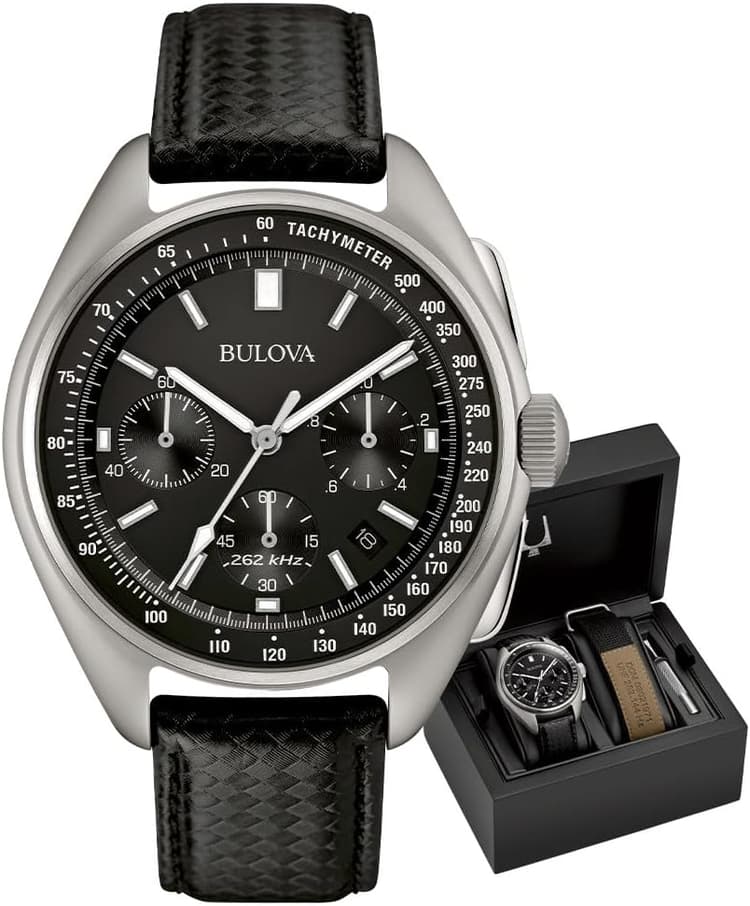
Bulova
$450.00
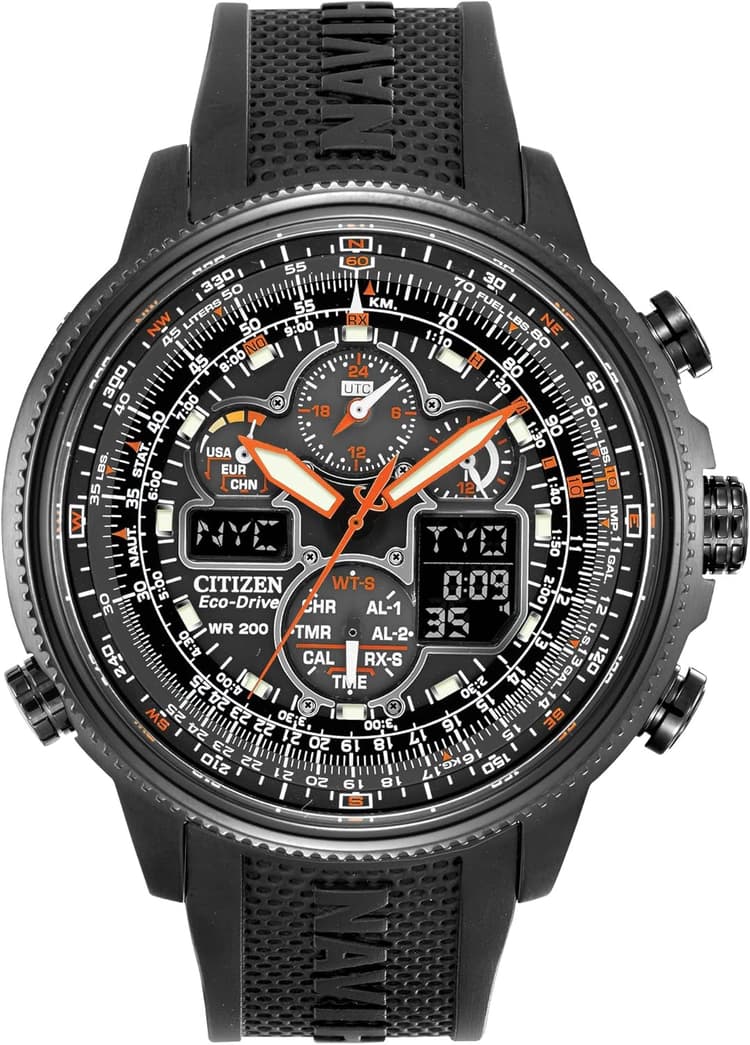
$421.00
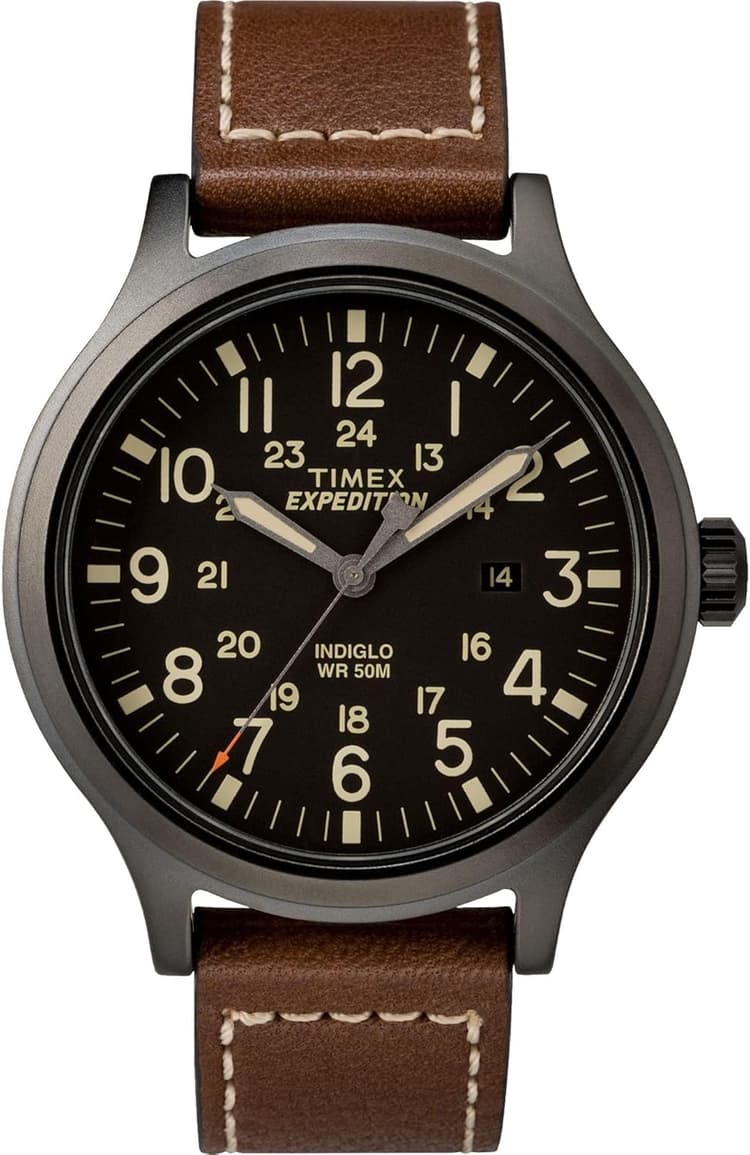
Timex
$54.92

Mil-Tec
$76.53
Start by defining when and how you will wear the watch. This simple step prevents buying an overly specialized or unnecessarily general watch.
Key points to define
Concrete scenarios
Make it actionable
Write a one-paragraph use profile: when you will wear it, where, which functions are essential, and how comfortable it should be. Use this profile as a comparison grid when evaluating options; it keeps choices practical rather than emotional.
Why price varies (concise 2026 view)
Several concrete components still explain most of the retail price of a pilot watch in 2026: the movement architecture, case and crystal materials, dial finishing, water‑resistance testing, and brand/distribution choices. Recent market shifts—notably stronger microbrand supply chains and improved supply of higher‑grade sapphire and AR coatings—mean that mid‑tier watches now often offer features that were once exclusive to premium ranges.
Primary cost drivers
Practical price tiers (typical 2026 ranges, rounded)
| Tier | Typical retail | What you usually get |
|---|---|---|
| Entry | <$250 | Quartz, mineral glass or basic sapphire, limited finishing |
| Mid | $250–$1,500 | Reliable automatics or high‑quality quartz, sapphire with AR likely, better lume |
| Premium | $1,500–$7,000 | Improved in‑house or highly modified calibers, superior finishing, premium materials |
| High end | $7,000+ | Fully in‑house movements, artisanal finishing, precious materials |
How to translate price into value
Where to compare and shortlist
Use curated comparison hubs like our Pilot Watch Selection and Comparison for side‑by‑side specs. For broader context on mid‑range options, see our Mid‑range watches: picks and practical guidance.
This practical framework helps you cut through branding and focus on which technical elements deliver real service for your budget in 2026.
Size affects comfort, looks and legibility. Traditional pilot watches favor a larger dial for readability, but bigger is not always better.
Measurements to weigh
How to test comfort
Balancing readability and comfort
If readability is essential, a larger diameter makes sense but offset it with a thinner case or lightweight strap. For versatile everyday wear aim for a moderate 38-42 mm depending on wrist size.
Overview and 2026 material notes
Material choices directly affect scratch resistance, impact resilience, corrosion resistance and long‑term appearance. As of 2026, advances in AR coatings, wider availability of low‑reflective sapphire laminates and more robust DLC/PVD processes mean buyers can expect better durability even at mid‑price points. Below are the key components to evaluate and practical tests to run before purchase.
Crystals
Cases and coatings
Straps and fit
Water resistance and seals
Practical pre‑purchase checks
Quick comparison table
| Component | Pros | Cons |
|---|---|---|
| Sapphire + AR | Scratch resistance, excellent daytime legibility | Cost, potential to shatter on heavy impact |
| Mineral | Better shock tolerance in some impacts, cost | Scratches easily |
| Titanium | Light, hypoallergenic | Different scratch pattern, can be pricier |
| PVD/DLC | Looks, abrasion resistance | Can wear on edges over long use |
Maintenance tips
Rinse metal bracelets after saltwater exposure; dry leather straps; service seals periodically if the watch is used near water. For longer service horizons, prefer watches built on common calibers so spare parts and servicing are easier and often cheaper.
For category examples and selections that factor material choices, consult our Pilot Watch Selection and Comparison.
Features differ across models. Below are common functions with plain explanations to help buyers.
Basic functions
Pilot-specific features
Other technical aspects
How to prioritize
Use your use profile to rank features. Frequent travelers should prioritize GMT. Those working in low light should favor strong lume and anti-reflective treatment. For general utility, balance readability, durability and perhaps a chronograph.
How to test in practice
Check legibility at various distances and light conditions. For slide rules or complex bezels, ask for a brief demo to assess ergonomics; some tools are impractical without training.
Beyond specs, performance is judged by real-life use. Several simple checks reveal whether a watch will meet everyday expectations.
Accuracy
Daily comfort
Legibility and ergonomics
Maintenance and reliability
Practical tests before buying
These quick checks indicate whether the watch will be functional in daily life rather than merely attractive on paper.
Many buyers make recurring mistakes. Below are common pitfalls and straightforward tips to avoid them.
Common mistakes
Expert tips you can apply
Buying tips for store and online
These measures lower post-purchase disappointment by emphasizing use and longevity over appearance alone.
Bulova
$450.00
Casio
$34.45
$39.95
-14 %
*CITIZEN
$263.89
$278.68
-5 %
*CITIZEN
$315.00
$336.95
-7 %
*$421.00
Timex
$54.92
$536.95
$775.00
-31 %
*Stuhrling Original
$89.99
$395.00
-77 %
*Mil-Tec
$76.53
AVI-8
$199.00
$285.00
-30 %
*Choosing a pilot watch means balancing functional needs, comfort and budget. Begin with a clear use profile noting frequency of wear, environments and essential functions. Then compare technical specs: movement type, case and crystal materials, water resistance, and real dimensions (diameter, thickness, lug-to-lug).
Try different sizes and straps to assess real comfort. For durability favor sapphire if scratch resistance matters and pick materials suited to exposure to moisture or salt. Functionally, prioritize complications you will use: GMT for travel, a slide rule only if you can operate it, or a chronograph for interval timing.
Remember recurring maintenance costs for mechanical movements. Informed choices depend less on brand and more on how well a watch matches your use profile. This guide intends to provide a simple, repeatable method to compare and select a pilot watch that fits everyday needs.
This guide follows a pedagogical format to help readers structure their purchase decision. Recommendations are based on widely accepted watchmaking criteria: movement, materials, dimensions and function. No specific brands or products are promoted. Limitations include the lack of exhaustive hands-on testing of particular models and the absence of laboratory data. The intent is to provide a repeatable evaluation method; for a final choice supplement this with in-person trials or specialist technical reviews.
Tests and articles by watch experts, based on technical criteria and side‑by‑side comparisons.
We compare models and features to inform your choice, free from commercial influence.
Guides are regularly updated to reflect new releases and market developments.
We may earn a commission from links to partner retailers; this does not affect our independent analyses.