
SEIKO
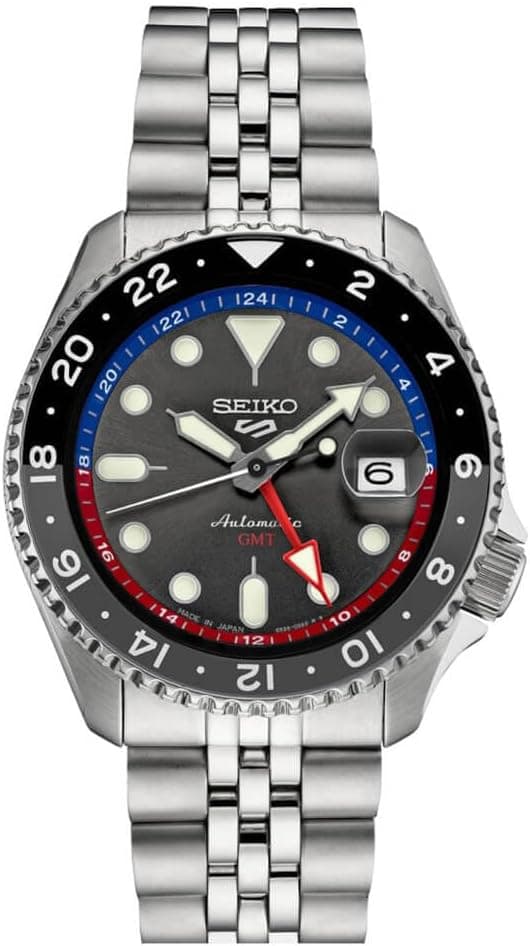
SEIKO Automatic Watch for Men - 5 Sports Collection - Men's Sport Watch, Stainless Steel, GMT Hand - Water-Resistant 100M
★★★★☆4.6
$379.00
$475.00
-20 %
*
Deals editor focused on watch bargains, market analysis, and approachable buying advice.

This practical guide is for anyone considering a GMT watch—frequent travellers, professionals coordinating across time zones, or watch buyers who want a useful and attractive complication. Instead of recommending specific models, the guide explains decision criteria: how to assess your needs, which factors drive price, how to choose the right size, and how to judge durability and long-term ownership costs.
You will find action-oriented steps: questions to ask before purchasing, plain-language comparisons of movement types and GMT implementations, and hands-on checks to perform in-store or when receiving a purchase. The approach is practical: each section lists verifiable checkpoints, concrete examples and realistic limitations. We avoid marketing language and focus on functional fit—how the watch will behave in everyday life.
By the end you should be able to filter options more efficiently, read technical details with context, and decide whether a GMT complication solves a real problem for you. This guide is independent and focused on matching features to needs rather than on brand prestige.
SEIKO
$379.00
$475.00
-20 %
*
$396.00
$495.00
-20 %
*
$218.26
$272.29
-20 %
*
SEIKO
$360.00
$435.00
-17 %
*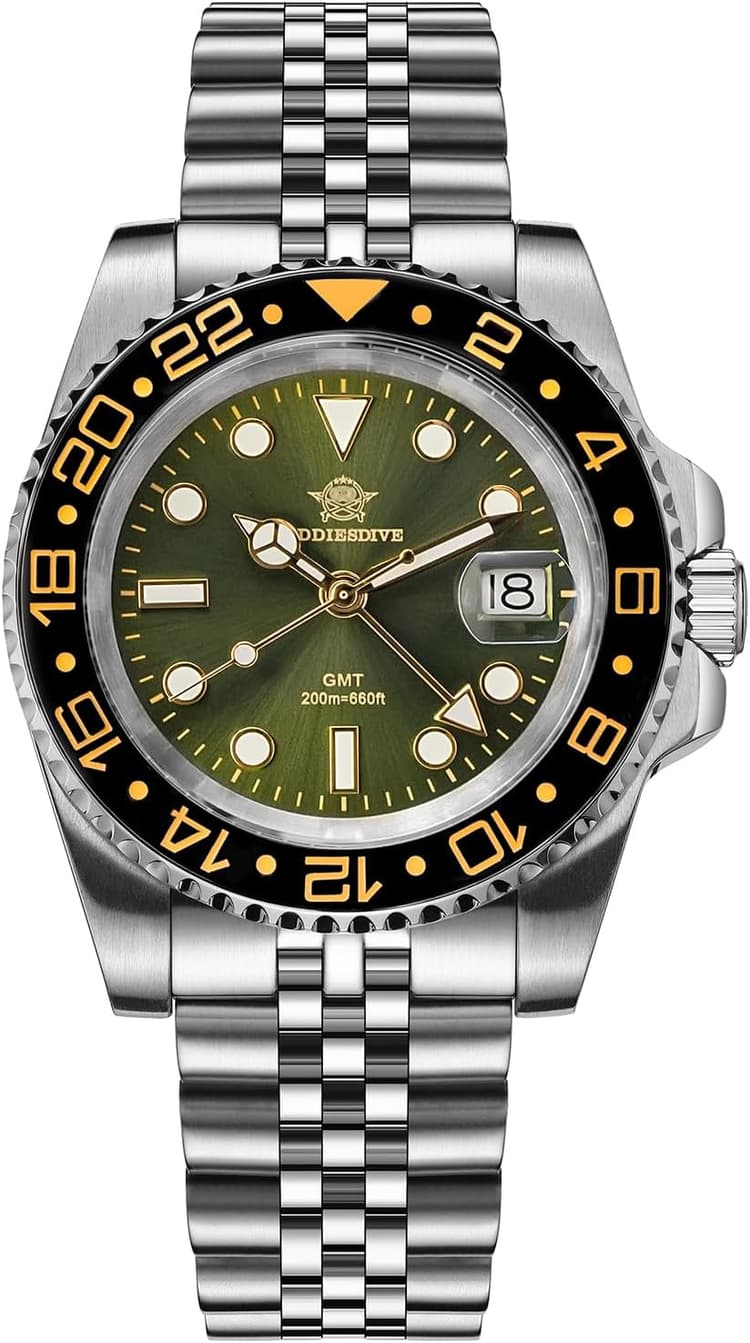
ADDIESDIVE
$84.99
$99.99
-15 %
*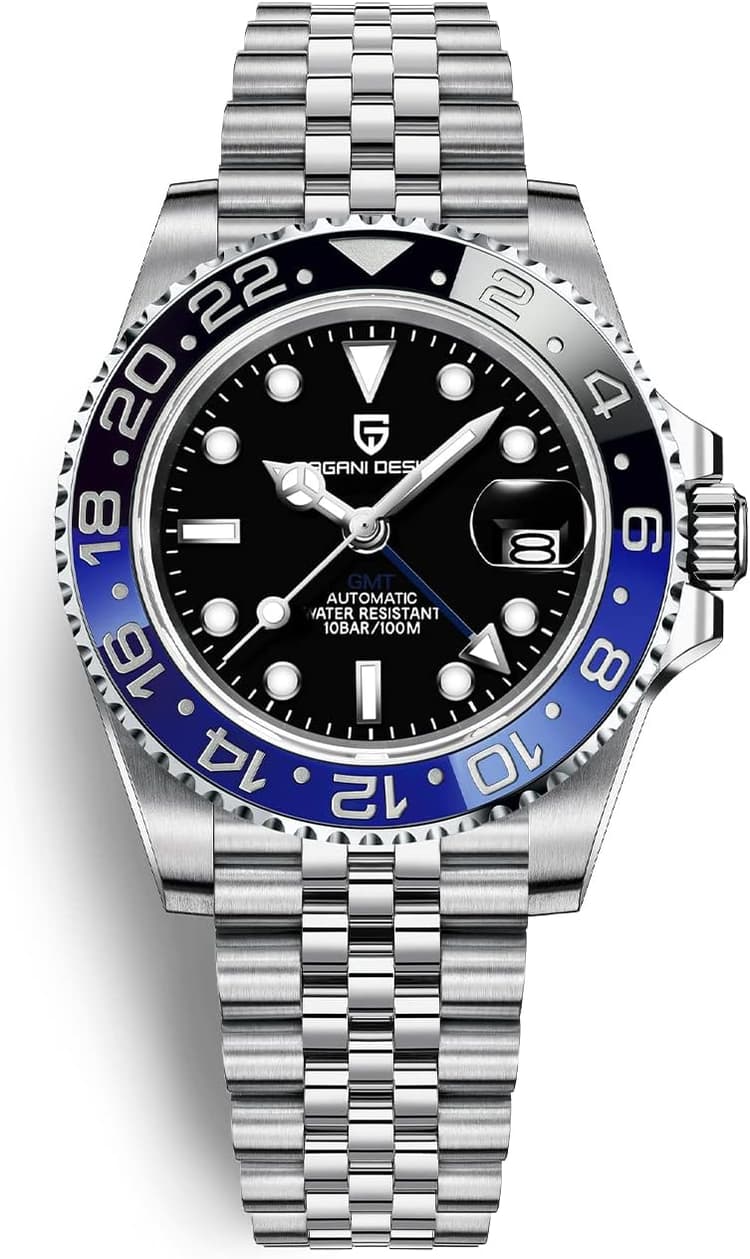
PAGRNE DESIGN
$142.69
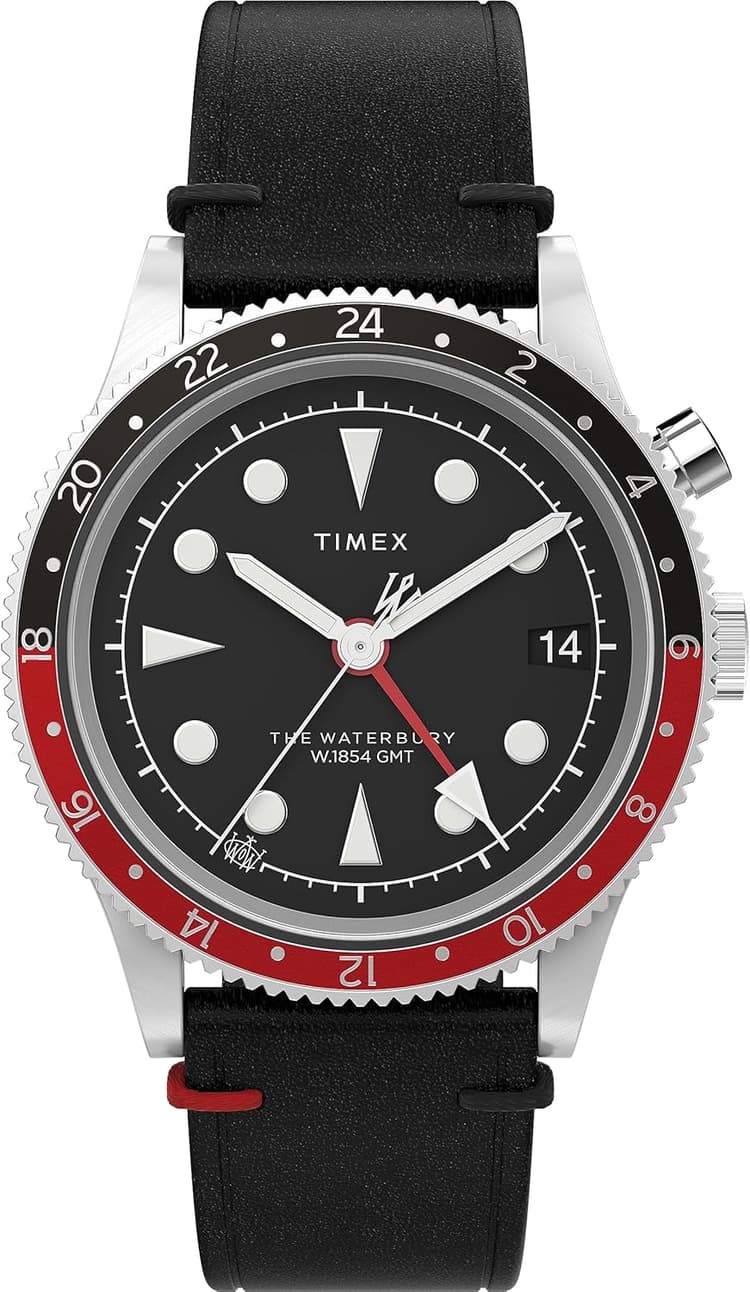
Timex
$92.95
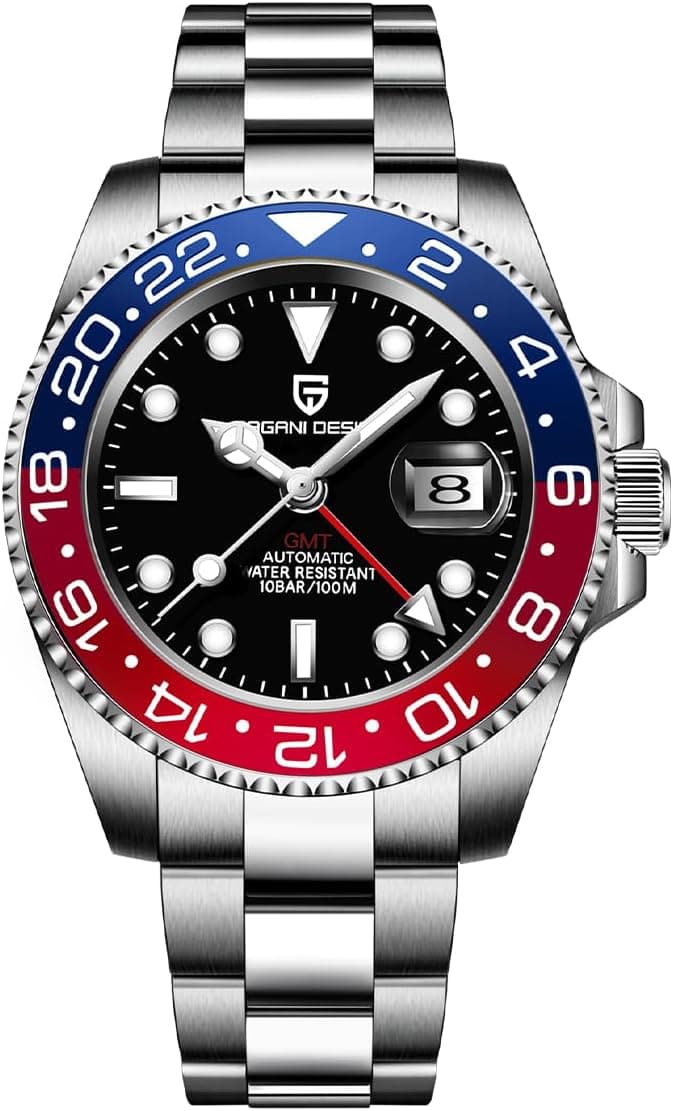
PAGRNE DESIGN
$145.00
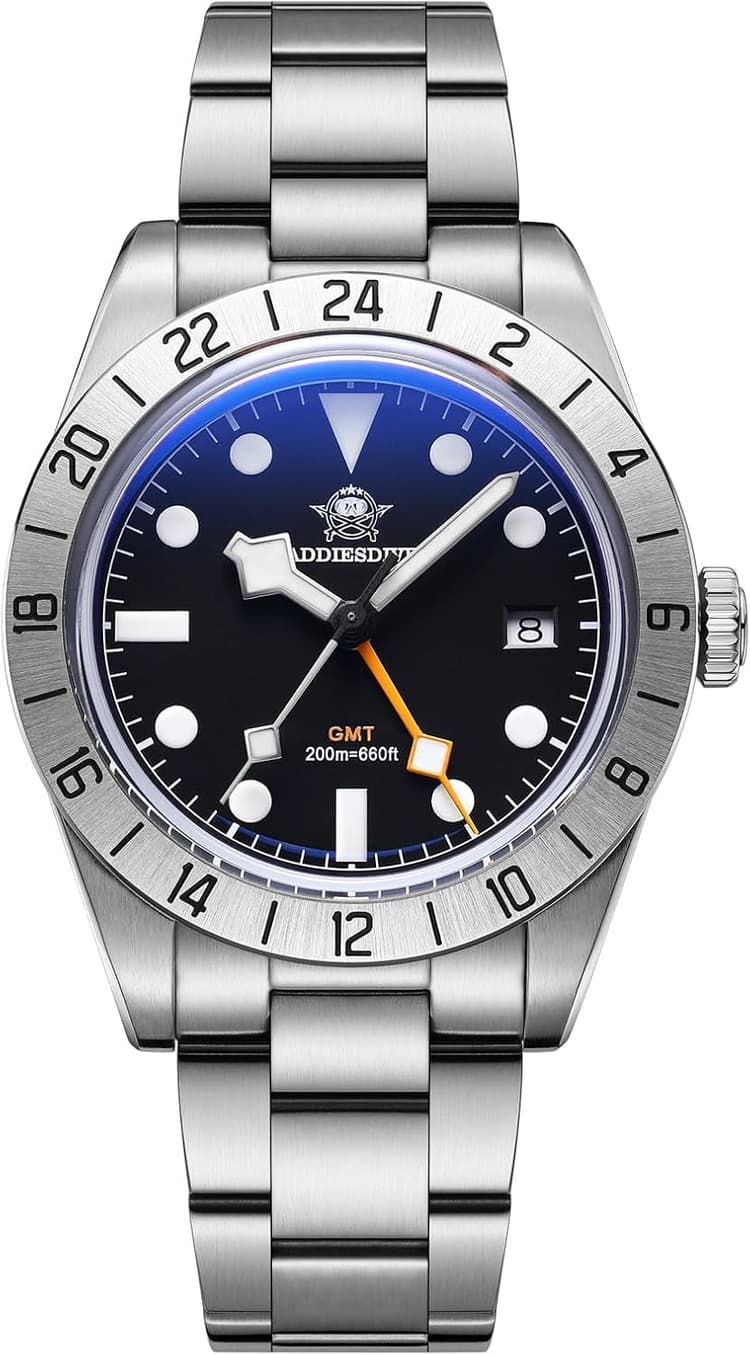
ADDIESDIVE
$84.99
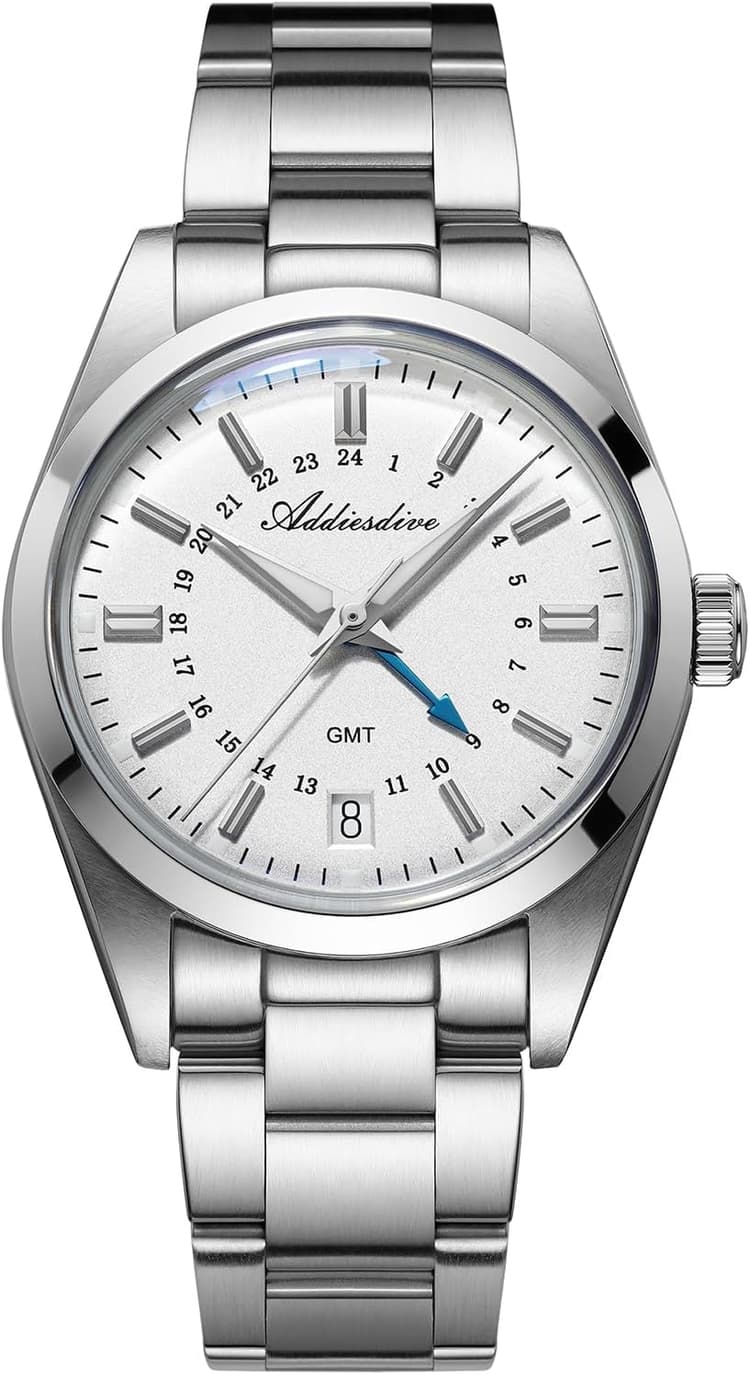
ADDIESDIVE
$99.99
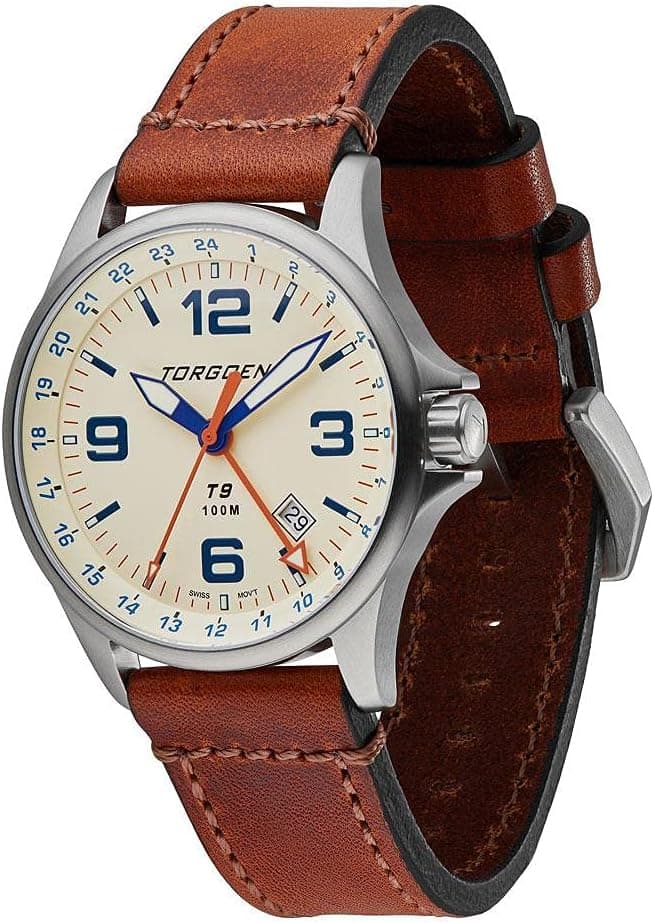
Torgoen
$152.78
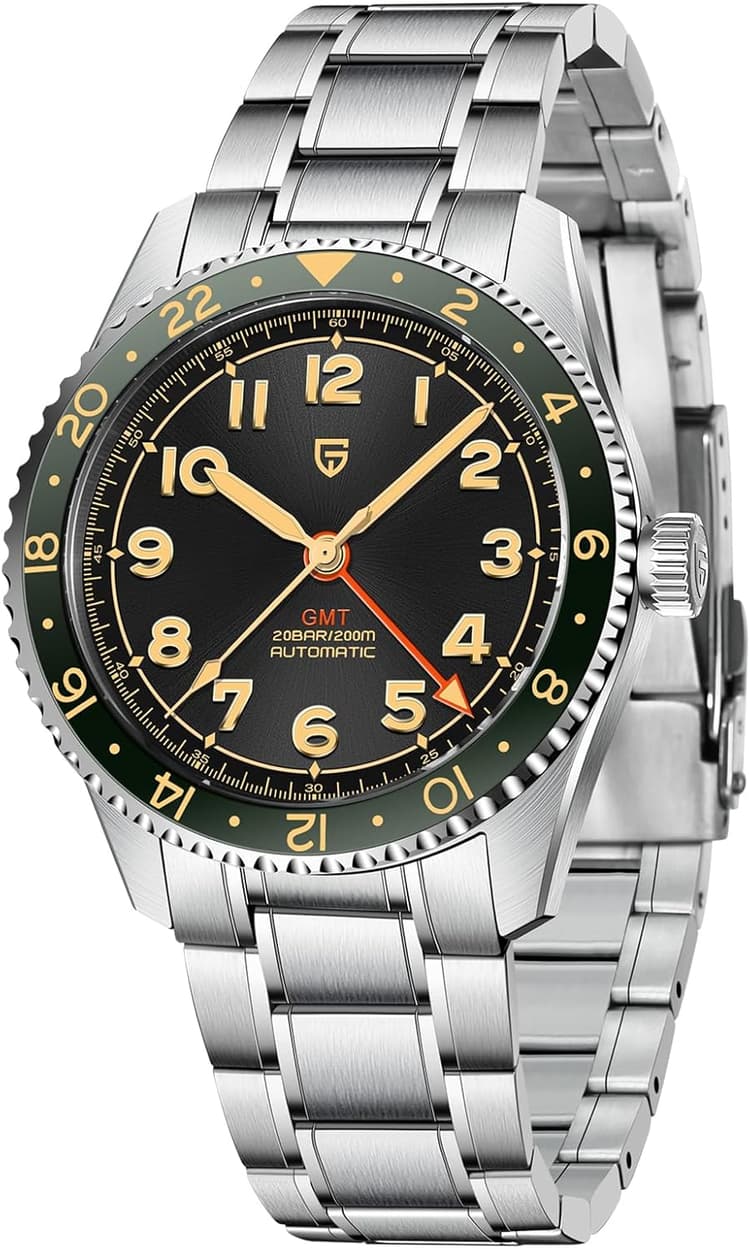
PAGRNE DESIGN
$139.99
Why clarify intentions first? A GMT complication is useful only if it matches how you actually live and work in 2026. Before committing budget or style preferences, answer a few targeted questions to avoid buyer’s remorse and to narrow options efficiently.
Key questions (answer in 30–60 seconds each):
Quick 2x2 decision matrix — use this to filter at a glance:
| Use frequency | Preferred movement | Likely best fit |
|---|---|---|
| Frequent travel | Independent quick-set hour | Automatic or robust quartz GMT with quick-set |
| Frequent travel | Low maintenance | Quartz GMT with independent hour (if available) |
| Occasional travel | Simplicity | Rotating 24h bezel or linked 24h hand |
| No travel but style | Aesthetic | GMT as stylistic choice — prioritise dial, weight |
Practical next steps:
Testing tip: Carry a short checklist to the store (or on delivery): try timezone changes, wear for 10–20 minutes while typing/driving, and evaluate legibility under low light. That quick routine eliminates many attractive-but-impractical choices and ensures the GMT you pick actually solves the problem you defined.
This structured approach shortens research time and raises the chance you leave with a watch that fits how you live today (and in 2026).
In 2026 the GMT market remains broad: from accessible quartz GMTs to in-house manufacture GMT complications. Rather than memorising price brackets, focus on the specific elements that create cost so you can decide where extra spend brings real value for you.
Primary cost drivers (concise table):
| Driver | Why it increases price |
|---|---|
| Movement origin (in-house vs third-party) | In-house development, finishing and exclusivity raise cost and service complexity. |
| GMT mechanism complexity | Independently adjustable hour hand and dedicated GMT module are costlier than a linked 24h hand or bezel solution. |
| Materials & finishing | Ceramic bezels, high-grade steel/titanium, multi-stage finishing and AR-coated sapphire increase manufacturing cost. |
| Testing & engineering | Higher water resistance, shock-testing and stronger seals require more engineering and QA expense. |
| Brand & distribution | Marketing, warranties, and dealer networks add a premium; independents can offer high technical value for less. |
| Serviceability & after-sales | Extended warranties and accessible service networks reflect in the retail price but reduce long-term ownership risk. |
Where to spend and where to save:
Decision framework (3-step):
For curated comparisons and to judge technical value objectively, consult our GMT watches comparison and technical overview or browse the GMT category to see how models align with the drivers above.
Reading prices as a bundle of expected benefits — not just prestige — helps you maximise practical value and reduce expensive surprises after purchase.
Perceived fit is the most common post-purchase regret. For GMT watches, particular attention to lug-to-lug, thickness and strap system will determine whether a beautiful watch becomes comfortable daily gear or an occasional nuisance.
Core measurements and why they matter
Practical sizing table (quick guide):
| Wrist circumference | Typical safe L²L | Diameter guideline |
|---|---|---|
| < 160 mm | < 45 mm | 34–38 mm suggested |
| 160–185 mm | 45–50 mm | 38–42 mm suggested |
| >185 mm | 50+ mm | 42 mm and up suggested |
Try-on checklist (in-store or at home):
Comfort tuning tips:
If you research pre-owned models or compare new options, combine measurement checks with product lists such as our How to Choose a Pre-owned Watch to validate expected fit and resale sizing norms. Prioritise lug-to-lug and strap adjustment options; a correctly seated watch will outperform one that only looks right on paper.
Materials determine a GMT watch's durability and maintenance needs. Knowing the strengths and limits of common options helps match the watch to your lifestyle.
Case materials and treatments:
Crystal:
Water resistance and seals:
Routine care:
Practical examples:
Prioritize features that lower upkeep for heavy use, and accept more delicate materials if appearance and weight are your main concerns.
Not all GMT systems offer the same everyday value. Understanding common implementations and a simple set of real-world tests will help you choose a GMT that is genuinely practical rather than merely decorative.
Common implementations explained:
Feature checklist & impact:
Real-world test protocol (do this in-store or after receiving a watch):
Practical recommendation: Prioritise an intuitive GMT operation and robust ergonomics over feature overload. A well-executed independent-GMT or a high-quality bezel solution with solid engineering will reliably outperform an elegant but fiddly multi-complication design in everyday life.
For model-level comparisons and to see how different implementations perform across price points, visit our GMT watches comparison and technical overview.
Common mistakes:
Practical tips:
Buying used:
Ask for a service history and inspect seals and crystal condition. Recent servicing and a cleanly maintained case are positive signs; stiff crowns or excessive wear are red flags.
Following these practical recommendations reduces post-purchase regret. Emphasize comfort, real-world use and serviceability to ensure your GMT watch performs well over time.
SEIKO
$379.00
$475.00
-20 %
*SEIKO
$360.00
$435.00
-17 %
*$396.00
$495.00
-20 %
*PAGRNE DESIGN
$142.69
Timex
$92.95
PAGRNE DESIGN
$145.00
ADDIESDIVE
$84.99
ADDIESDIVE
$84.99
$99.99
-15 %
*ADDIESDIVE
$99.99
$218.26
$272.29
-20 %
*Torgoen
$152.78
PAGRNE DESIGN
$139.99
This final section turns the guide into an actionable checklist you can use in the shop, online listing or when evaluating a second-hand offer. Use the checklist to validate that the model you like meets needs you set at the start (travel habits, maintenance tolerance, comfort and resale considerations).
Pre-purchase checklist (use verbatim):
Short decision table:
| Priority | If true — next move |
|---|---|
| Frequent timezone changes | Choose independent GMT hand with quick-set hour |
| Low maintenance priority | Prefer quartz/solar GMT or robust automatic with long PR |
| Daily wear & travel | Invest in sapphire, solid seals and a metal or rubber strap |
| Dress use | Prioritise dial aesthetics, slimmer profile and leather options |
Buying tips for March 2026 context:
A final pragmatic note: the right GMT choice balances ergonomics (lug-to-lug, weight, strap), simple and reliable operation (quick-set hour or an honest bezel), and a service profile you’re comfortable with. Use this checklist at the point of purchase — it will reduce post-purchase regret and increase long-term satisfaction.
This guide was prepared to offer practical, independent advice on selecting a GMT watch. The content is based on general principles of ergonomics, mechanics and materials, and does not promote specific products. The site may contain affiliate links to retailers; such links do not affect topic selection or editorial order. Recommendations are intended to help readers make informed decisions; for an actual purchase always check technical documentation and warranty conditions provided by the seller.
Tests and articles by watch experts, based on technical criteria and side‑by‑side comparisons.
We compare models and features to inform your choice, free from commercial influence.
Guides are regularly updated to reflect new releases and market developments.
We may earn a commission from links to partner retailers; this does not affect our independent analyses.