
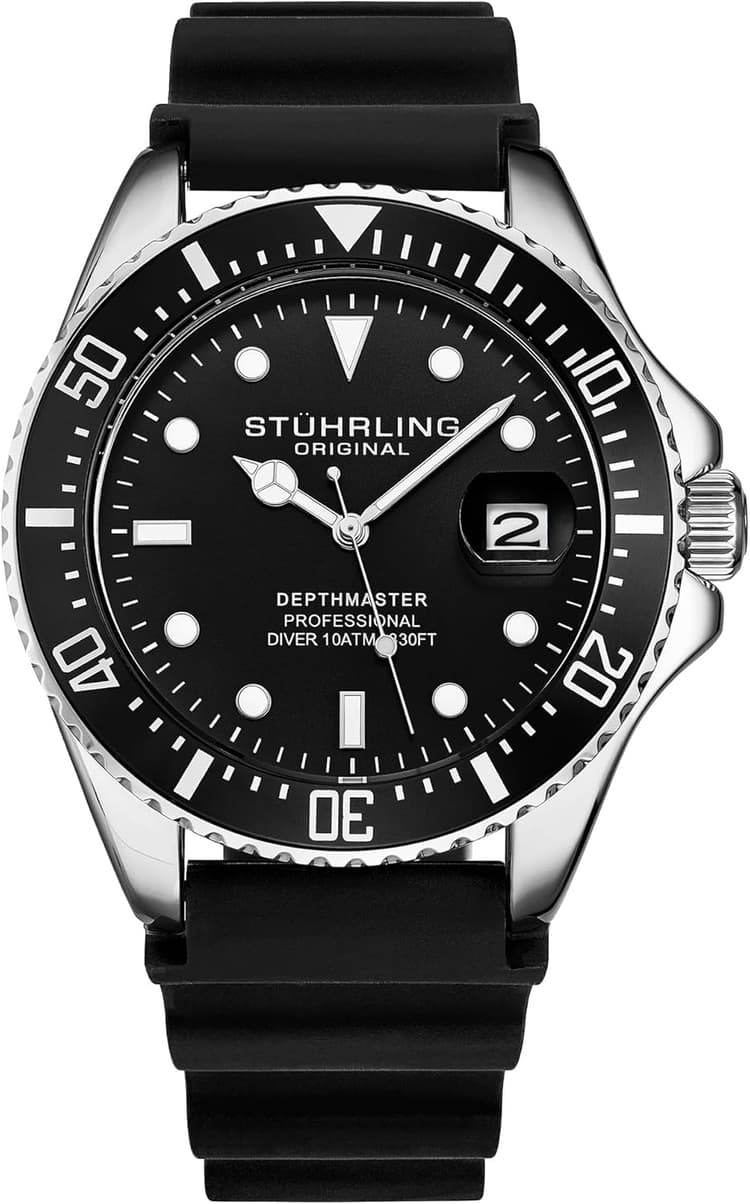
Stuhrling Original
Stuhrling Original Men's Watch Dive Watch Silver 42 MM Case with Screw Down Crown Rubber Strap Water Resistant to 330 FT
★★★★☆4.3
$69.99
$395.00
-82 %
*
Senior watch editor specializing in in-depth reviews, buying guides, and industry news.

This update (March 2026) keeps the original pedagogical focus but reflects recent trends in materials, testing practice and daily wear expectations. The aim remains to help you choose a dive watch that serves both underwater function and everyday life — whether that means a straightforward 200 m recreational model or a more specialised instrument for technical diving.
What’s new in 2026:
How to use this guide: follow the decision steps below — assess use case, prioritise verifiable specs, trial on wrist where possible, and plan maintenance. Use the comparison checklist and matrix examples in later sections to score candidates objectively.
Quick navigation to related practical references:
Format and tools included in this guide: clear checklists, a sample comparison table, and realistic scenarios (recreational, freediving, technical/saturation). The goal: you leave with a compact, verifiable shortlist — not a shopping list driven by marketing alone.
Stuhrling Original
$69.99
$395.00
-82 %
*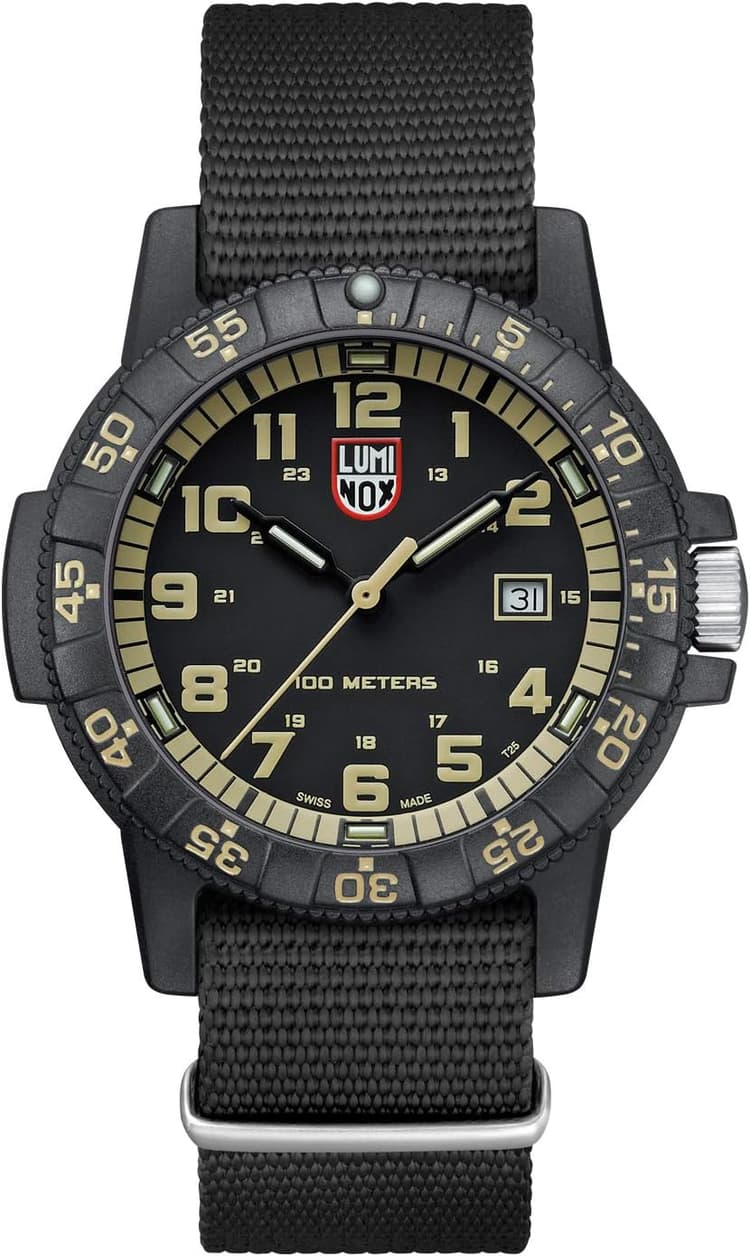
Luminox
$226.95
$445.00
-49 %
*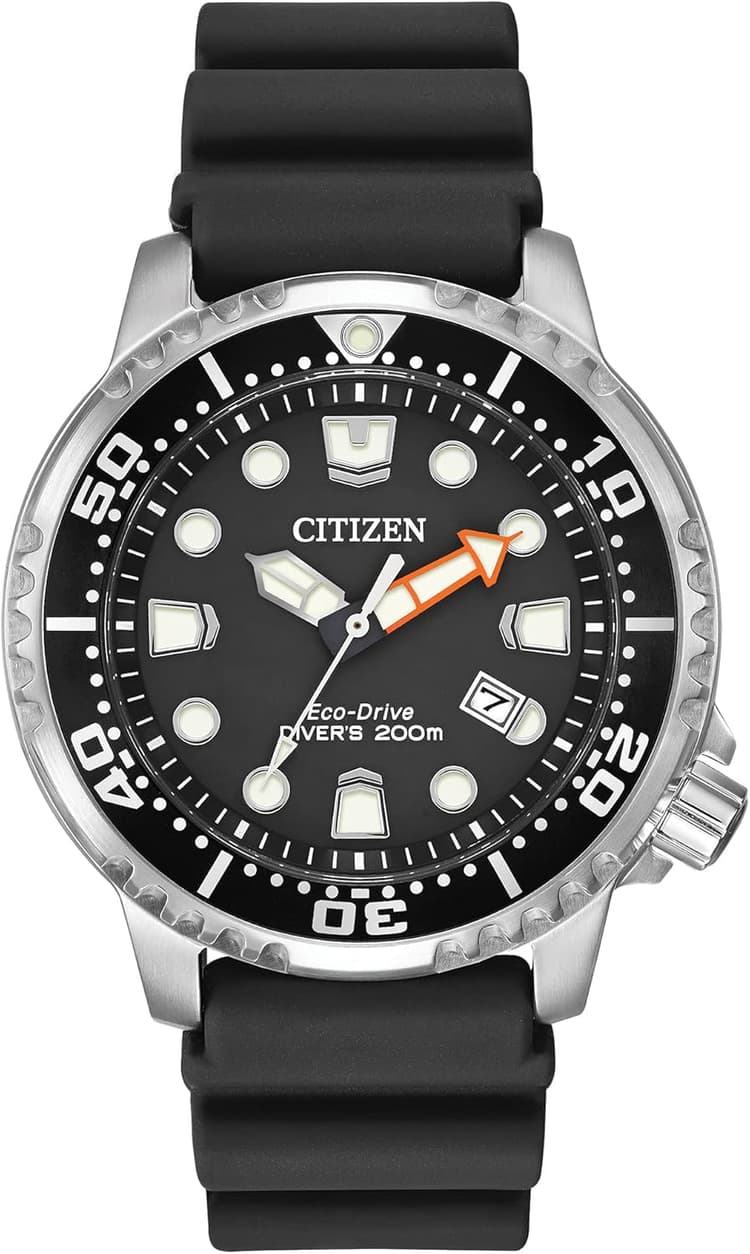
CITIZEN
$238.00
$395.00
-40 %
*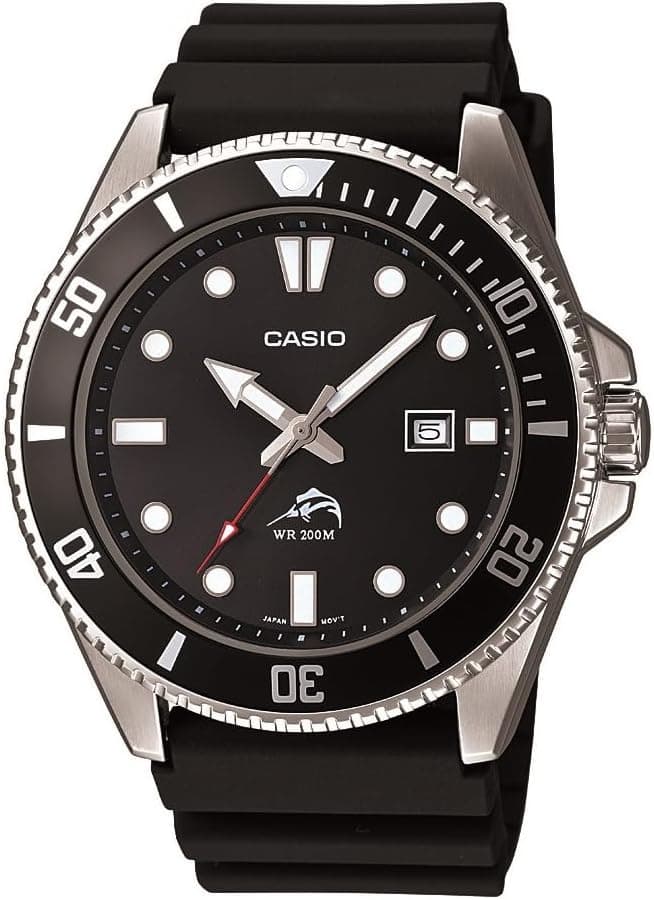
Casio
$59.26
$84.95
-30 %
*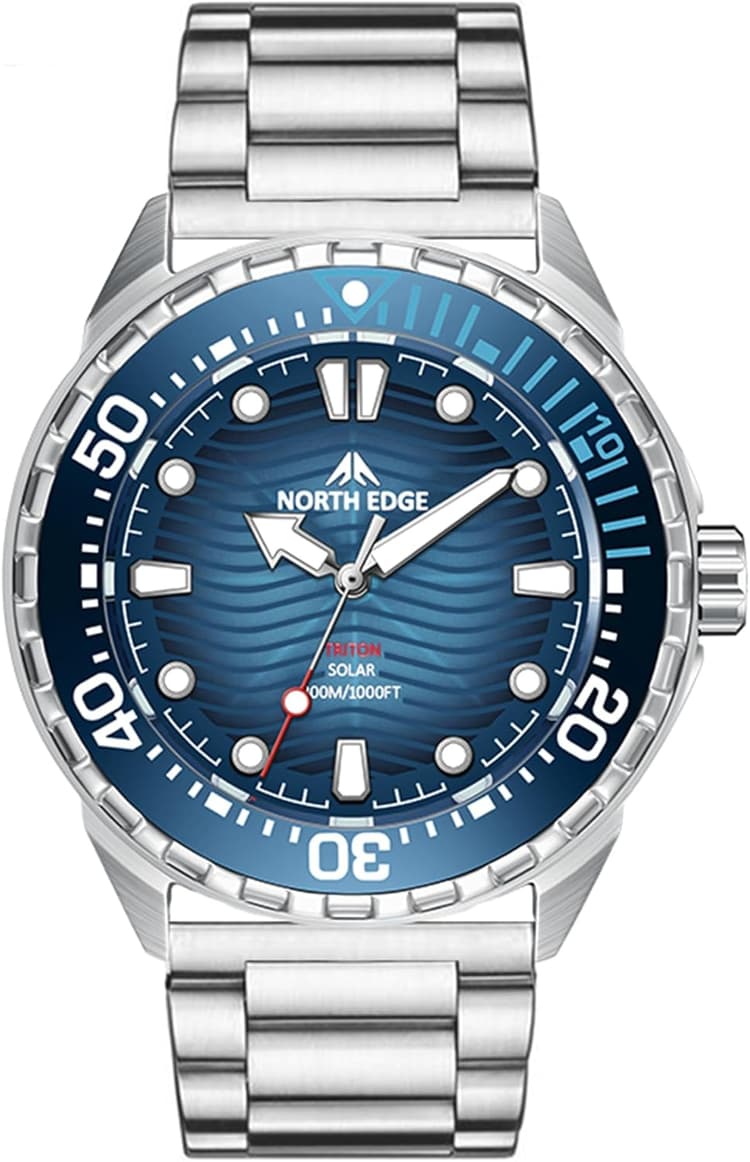
AREXTN
$79.99
$99.99
-20 %
*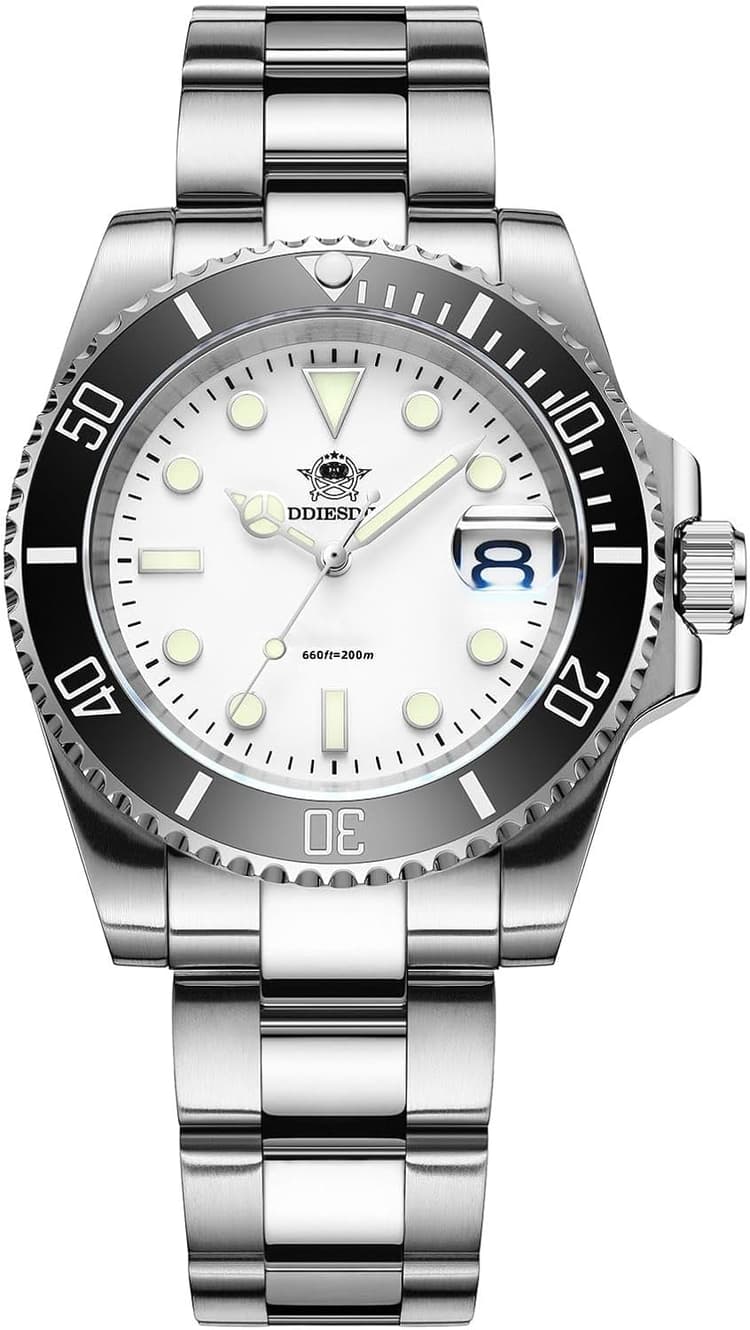
ADDIESDIVE
$53.99
$59.99
-10 %
*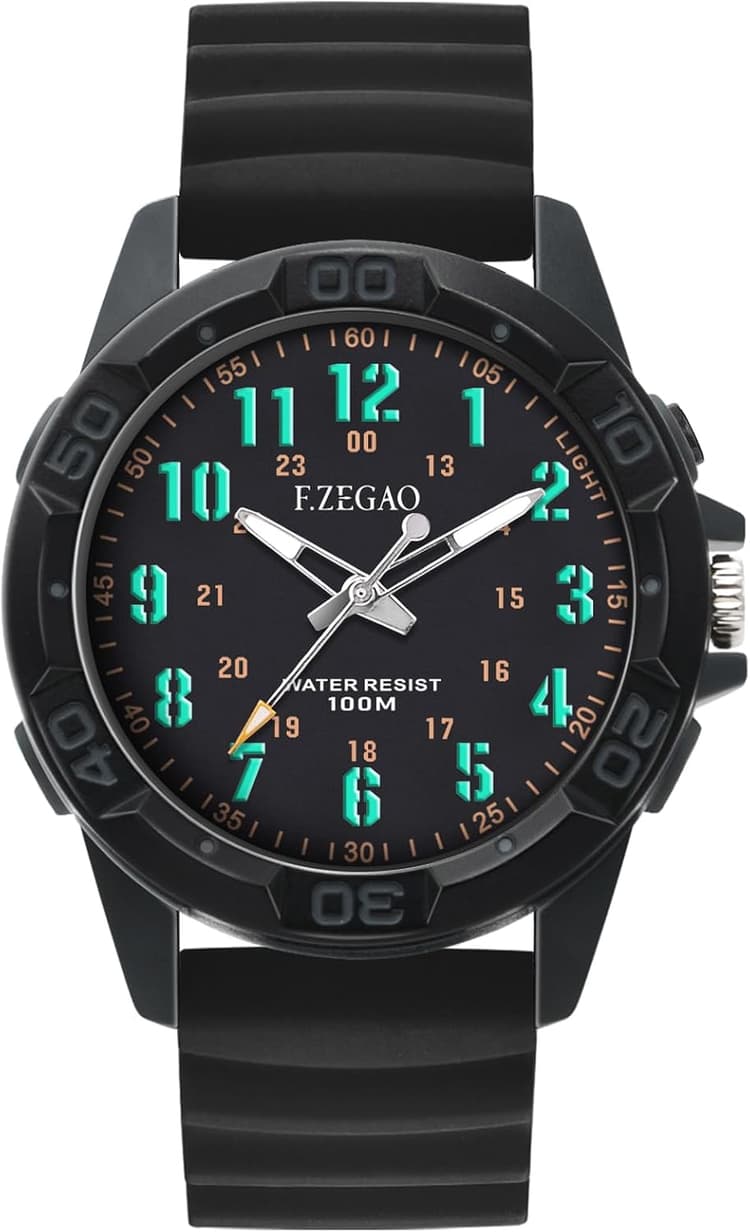
F.ZEGAO
$23.99
$26.58
-10 %
*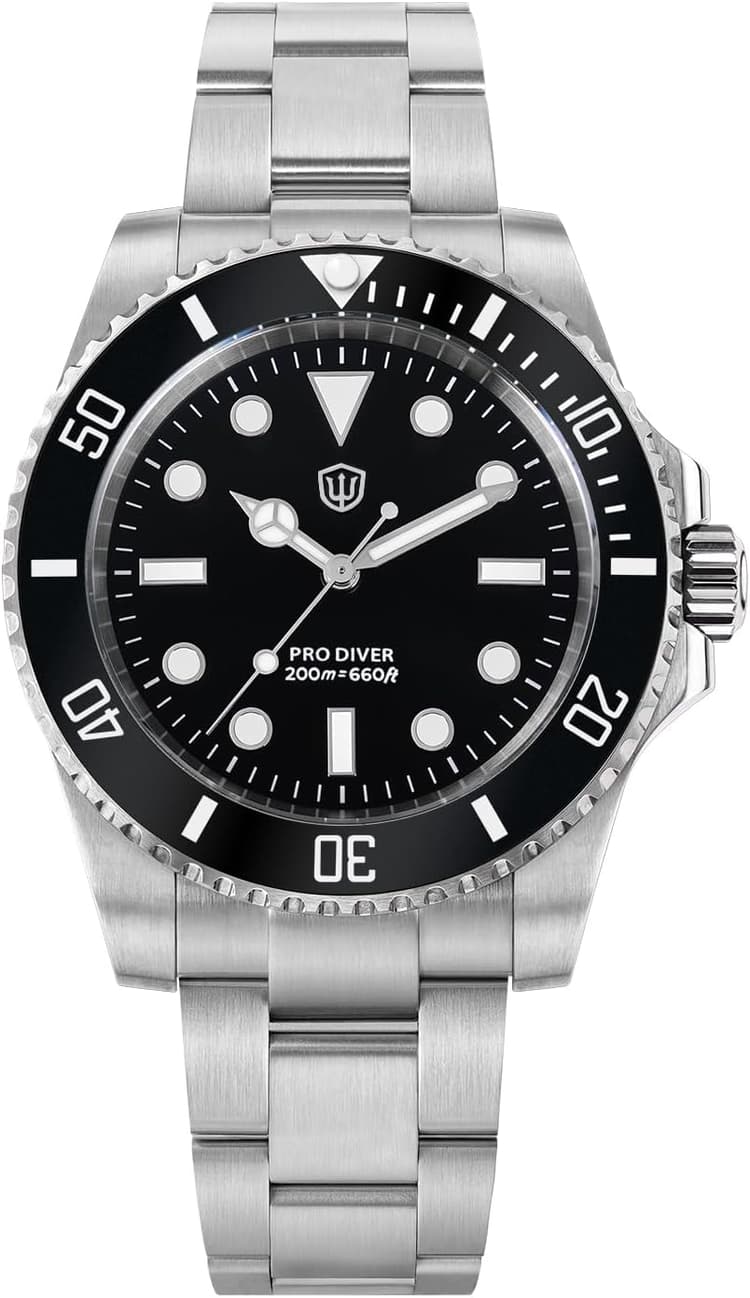
watchdives
$99.98
$109.98
-9 %
*
COSSINIGE
$21.97
TEKMAGIC
$25.79
ADDIESDIVE
$107.09
ADDIESDIVE
$147.99
A clear, written assessment of your diving and non-diving needs reduces buyer's regret. Follow these practical steps and score candidates against your priorities using a simple matrix.
Step 1 — Define mission profile (examples):
Step 2 — Create a 1–5 priority scorecard (sample headings):
| Criterion | Weight (1–5) |
|---|---|
| Depth rating & test evidence | 5 |
| Lume & legibility | 4 |
| Case weight & thickness | 3 |
| Strap adjustability | 4 |
| Movement type & service | 2 |
| Price / value | 3 |
Step 3 — Match features to use: produce a shortlist of 3–5 watches and rate them against your scorecard. Pay attention to the difference between advertised 'water resistant' labels and watches with documented testing or ISO references.
Practical checks before purchase:
If you need comparisons by category or want to see models that fit common recreational needs, consult our Dive Watches - Selection and Comparison to identify representative examples and typical dimension ranges.
Following these steps helps you avoid common pitfalls (oversized case, insufficient lume, missing test documentation) and arrive at a rational, use-driven selection rather than a style-driven purchase.
Dive watch prices range from budget-friendly entries to high-end luxury pieces. The gap is driven by technical choices and production factors, not just brand name.
Movement and components: mechanical automatic movements are costlier to design, assemble and regulate than quartz units. Movement finishing, chronometer regulation and added complications (date, power reserve) raise cost.
Materials and treatments: basic stainless steel costs less than higher-grade steel or titanium. Scratch-resistant coatings, PVD finishes, ceramic bezels and sapphire crystals increase price while improving longevity.
Standards and testing: compliance with ISO 6425 includes water resistance, shock and corrosion tests; these protocols add manufacturing and quality-control expenses. Watches that are individually pressure-tested or depth-certified cost more than models labeled simply 'water resistant'.
Design and production: production volume, design complexity and hand-assembled elements affect cost. Distribution models and after-sales services also influence retail price.
In practice: mid-to-high budgets buy better materials and stricter testing, but for recreational diving the practical benefits of premium models should be weighed against actual use.
Case size and strap design heavily determine comfort. Two people with the same wrist circumference can experience a watch very differently depending on case thickness, lug shape and strap flexibility.
Key measurements: case diameter, lug-to-lug distance, total thickness and strap length. On a 6-6.7 inch (15-17 cm) wrist, a 38-42 mm case often looks proportionate; larger diameters can dominate the wrist. Case shape matters: a wide but slim case can feel more comfortable than a narrow yet thick one.
Balance and center of gravity: heavy watches may rotate on the wrist if the strap doesn't anchor well. Micro-adjustments on clasps and integrated dive extensions help ensure a secure fit and allow adjustment over wetsuits.
Strap materials: rubber and fabric are flexible and comfortable in wet conditions; metal bracelets are durable but heavier. Titanium reduces weight but usually increases price. Also consider strap lining and breathability to reduce sweating.
When possible, try models in person or compare watches with similar dimensions. Prioritize proportion (diameter vs thickness) and check for quick-adjust features that maintain comfort on land and underwater.
Material choices remain among the most influential factors for long-term performance in marine environments. In 2026 you’ll often find premium treatments available lower in the price ladder than before; understanding trade-offs is essential.
Core materials and what they mean in practice:
Stainless steel (316L / 904L variants): 316L is common and offers strong corrosion resistance. Higher-grade steels (904L or proprietary alloys) provide better resistance to pitting in aggressive saltwater but typically cost more. Consider finish hardening or bead-blasting for scratch camouflage.
Titanium: lighter and hypoallergenic; it reduces wrist fatigue for large divers' watches. Surface hardness varies—Grade 5 titanium or treated titanium resists wear better but can still show different scratch patterns than steel. Expect a higher price but improved daily comfort.
Crystals: sapphire remains the gold standard for scratch resistance. In 2026 many manufacturers add double- or multi-layer anti-reflective coatings that improve legibility at shallow angles. Mineral glass remains common on entry-level models and is more impact-forgiving but less scratch-resistant.
Bezels & inserts: ceramic inserts resist scratching and colour fade but can shatter under severe localized impact; aluminium is lighter and dent-resistant but shows wear. Decide whether long-term aesthetics (ceramic) or reparability (aluminium) matters more for your use.
Seals, crowns and caseback design: ask about gasket material and recommended replacement intervals. Well-designed screw-down crowns and threaded casebacks preserve pressure resistance longer.
Maintenance and lifespan table (guide):
| Item | Typical maintenance interval | Practical note |
|---|---|---|
| Gaskets & seals | 2–5 years | Shorten interval with frequent saltwater use |
| Pressure testing | After impacts / every 2–3 years | Immediate test after significant shocks |
| Bracelet/strap replacement | As needed | Rubber degrades faster with sun & chlorine exposure |
When comparing materials, match them to your environment: tropical saltwater and diving charters require stricter corrosion resistance and more frequent maintenance than occasional coastal snorkelling. For model selection examples and to compare material choices side-by-side, see our Dive Watches - Selection and Comparison collection.
When comparing dive watches in 2026, prioritise verifiable, testable features and assess how they perform in real environments. Below is a practical checklist you can use in-store or when reviewing online technical sheets.
Key features and how to verify them:
Water resistance (m / ATM): prefer watches with a declared 200 m minimum for recreational diving. Verify whether the manufacturer lists individual pressure-test results or lab testing procedures; if not, ask the retailer for a pressure-test certificate.
Unidirectional bezel: test for positive, indexed clicks and a solid, non-sloppy action. A good bezel typically has 60 or 120 distinct clicks and audible tactile feedback.
Lume (luminescent pigment): check initial brightness and after 5/10/30 minutes. Modern pigments (Super-LumiNova X1 and equivalents) offer longer decay times; don't rely on claims—inspect in dim conditions.
Movement: decide if quartz or automatic fits your maintenance tolerance. Quartz wins on accuracy and low service needs; automatics offer long-term value and collectibility but require periodic regulation and service. For movement guidance see How to Choose an Automatic Watch.
Strap & adjustment: ensure micro-adjust range and dive extension work smoothly. Rubber, silicone or NATO-style straps are preferred for wet use; metal bracelets should include a secure diver's extension.
Seals & crown: confirm screw-down crown and screw caseback, examine crown guards and gasket design where visible, and ask about recommended gasket replacement intervals.
Quick comparison table (sample):
| Feature | Practical test | Importance (R/A/T) |
|---|---|---|
| Water resistance | Ask for test/label | R |
| Bezel action | Count clicks & feel | R |
| Lume | Dim-room check | A |
| Strap adjust | Try over wetsuit | A |
| Movement | Review service interval | T |
Legend: R = Required for diving; A = Advantageous; T = Technical/secondary depending on profile.
Apply this checklist to each candidate and score 1–5. Prioritise the features with the highest weights from your personal scorecard to build a short, reliable buying list.
Evaluating everyday performance means testing a watch against real-life conditions: legibility at dusk, comfort on long shifts, and behaviour after exposure to heat, cold and salt. Below are frequent mistakes and clear, actionable tips to avoid them.
Common beginner mistakes and fixes:
Practical expert tips you can apply today:
A compact diagnostic you can run in 10 minutes (in-store):
For context and model examples that prioritise day-to-day reliability without overspending, consult our curated list of dive watches at Dive Watches - Selection and Comparison. These practical checks help you separate marketing from meaningful features and ensure the watch you buy performs where it matters most.
Casio
$59.26
$84.95
-30 %
*CITIZEN
$238.00
$395.00
-40 %
*ADDIESDIVE
$53.99
$59.99
-10 %
*Stuhrling Original
$69.99
$395.00
-82 %
*Luminox
$226.95
$445.00
-49 %
*COSSINIGE
$21.97
TEKMAGIC
$25.79
ADDIESDIVE
$107.09
AREXTN
$79.99
$99.99
-20 %
*ADDIESDIVE
$147.99
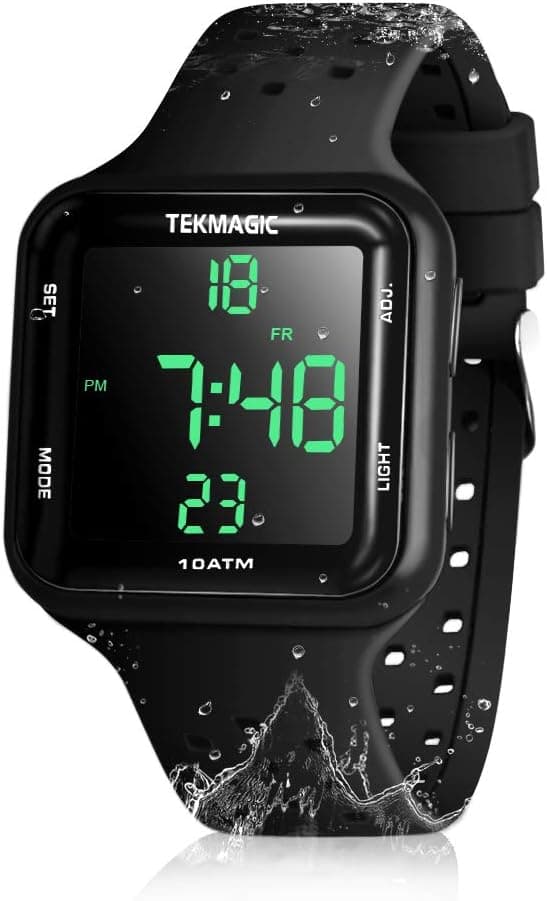
TEKMAGIC
$24.79
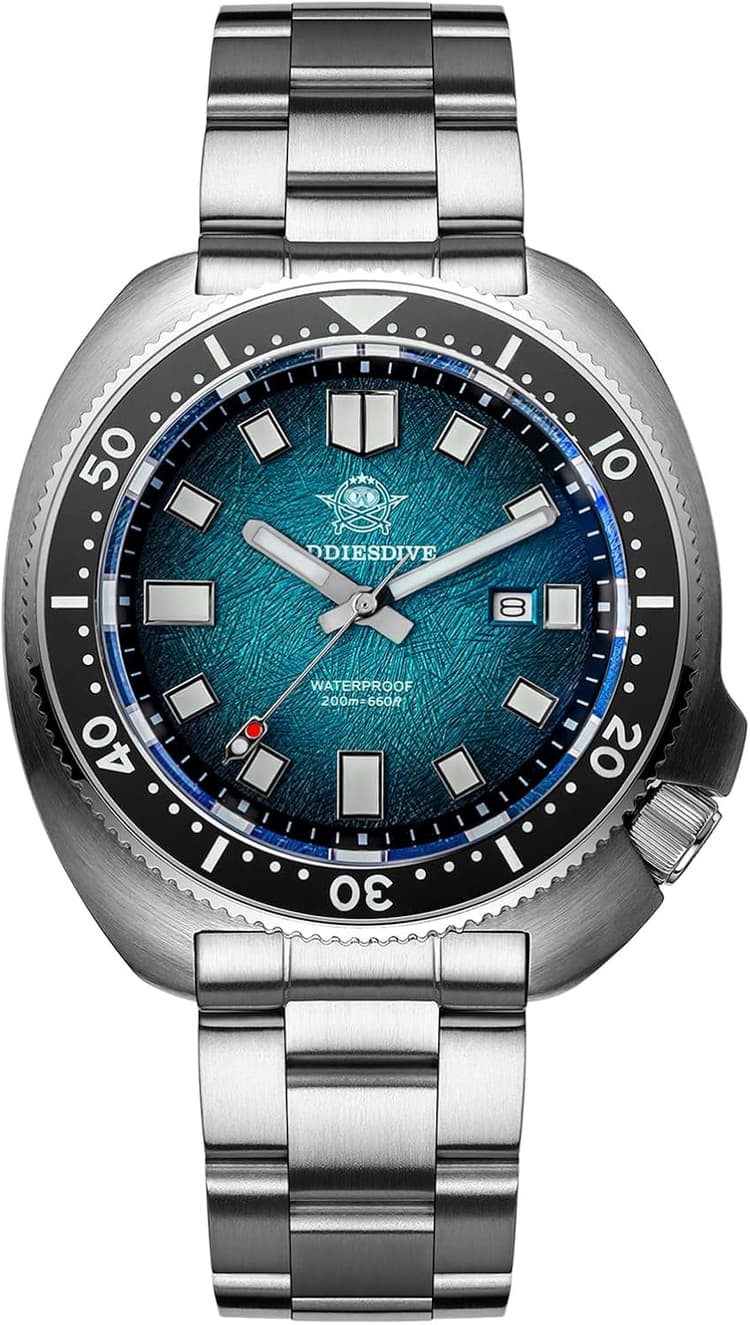
ADDIESDIVE
$89.99
Selecting a dive watch requires balancing your real needs, physical constraints (size and weight), longevity (materials and treatments) and budget. Start by listing priorities: maximum dive depth, usage frequency, quartz versus automatic preference, and acceptable weight. Then compare verifiable features such as water-resistance rating, screw-down crown, crystal type and bezel quality.
Remember daily comfort: try the watch when possible or compare key dimensions. Be wary of marketing claims and look for documented tests for critical functions. Regular gasket maintenance and periodic pressure testing significantly extend service life.
In short: for recreational diving aim for at least 200 m water resistance, a unidirectional bezel that is easy to operate and strong legibility. For specialized use, tailor technical criteria and only pay for features you actually need. With a clear priorities list and an understanding of trade-offs, you can choose a dive watch that offers safety, comfort and durability.
This guide is based on recognized technical criteria and a synthesis of best practices for dive watches. The editorial approach is pedagogical: to clarify choices, trade-offs and operational risks so readers can make informed decisions. No specific brands or models are promoted, and no fabricated numerical data is presented. Recommendations reference commonly cited industry standards such as water-resistance ratings and ISO 6425. If readers consult external tests, prefer technical documentation and independent laboratory reports.
Tests and articles by watch experts, based on technical criteria and side‑by‑side comparisons.
We compare models and features to inform your choice, free from commercial influence.
Guides are regularly updated to reflect new releases and market developments.
We may earn a commission from links to partner retailers; this does not affect our independent analyses.