
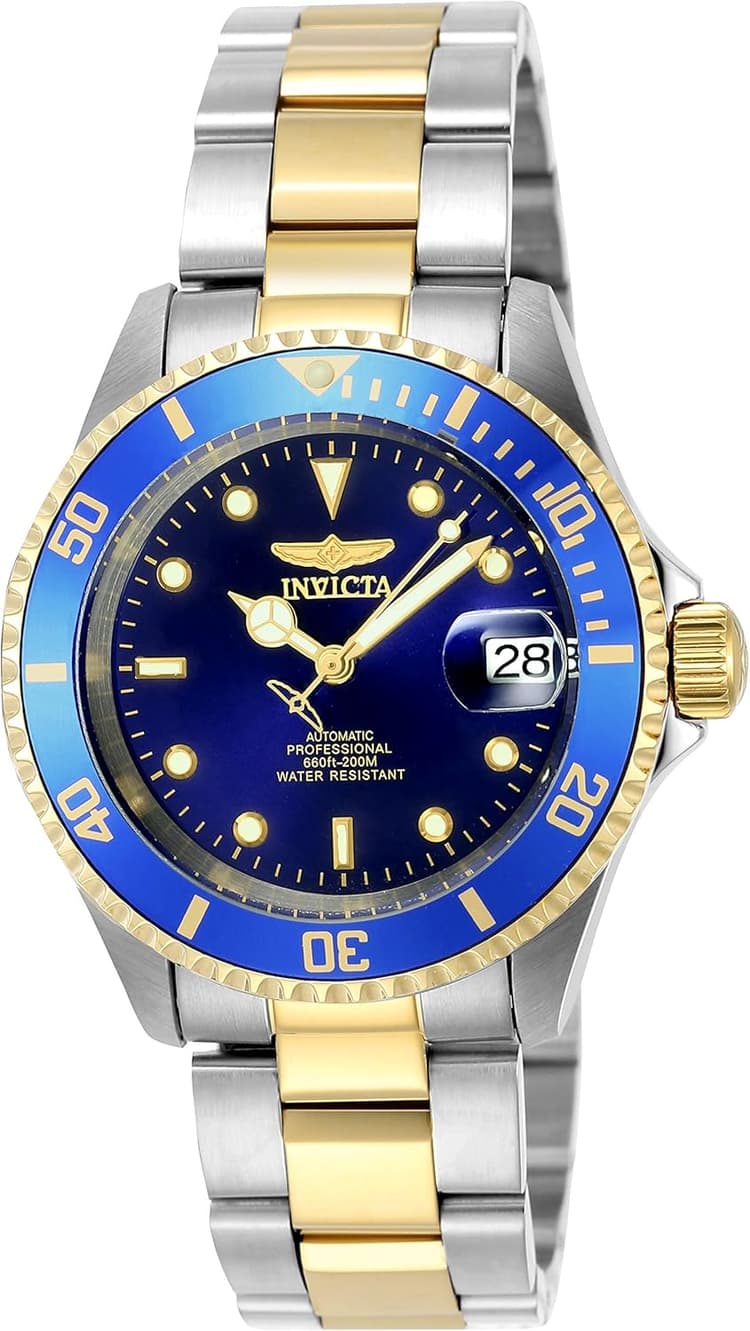
Invicta
Invicta Men's Pro Diver Collection Coin-Edge Automatic Watch
★★★★☆4.5
$90.52
$97.99
-8 %
*
Senior watch editor specializing in in-depth reviews, buying guides, and industry news.

We review a busy week for watch movements: from independent ateliers engineering bespoke grand‑complication modules to mainstream brands updating collections with proven calibres. We focus on practical impact for owners — accuracy, serviceability, availability and price — and on what these releases reveal about the health of the movement ecosystem.
Key takeaway. Squale launched the Sub‑37 Legend, a 37 mm dive watch that brings compact proportions back to the segment while using a proven Swiss heart: the Sellita SW200. We explain why that movement choice still makes sense, what it delivers to owners and where it falls short technically and commercially.
Technical context. The Sellita SW200‑1 is a widely used automatic caliber — a modern counterpart to the ETA 2824‑2: 28,800 vph, roughly 41 hours power reserve per Squale, robust architecture and a broad service ecosystem. For a compact dive watch, this caliber is a pragmatic compromise between reliability, manufacturing cost and aftermarket serviceability.
User impact. Choosing an SW200 means:
Market read. At the reported $1,750 price, the Sub‑37 sits as an accessible mechanical dive option. Squale prioritizes operational longevity over in‑house horological showmanship — a rational approach for buyers who want an instrument rather than a status piece. Retailers benefit from predictable servicing flows compared with in‑house calibres.
Constraints & outlook. The SW200 isn’t a technical showcase: collectors seeking modern architecture (twin barrels, extended reserves) or haute‑horlogerie finishing will notice the differences. But for most wearers, and for independent watchmakers and retailers, a proven third‑party movement secures long‑term usability.
In short, the Sub‑37 exemplifies a pragmatic movement strategy: maximize reliability and maintainability rather than chase exclusivity — a sensible trade for a genuine tool watch.
Invicta
$90.52
$97.99
-8 %
*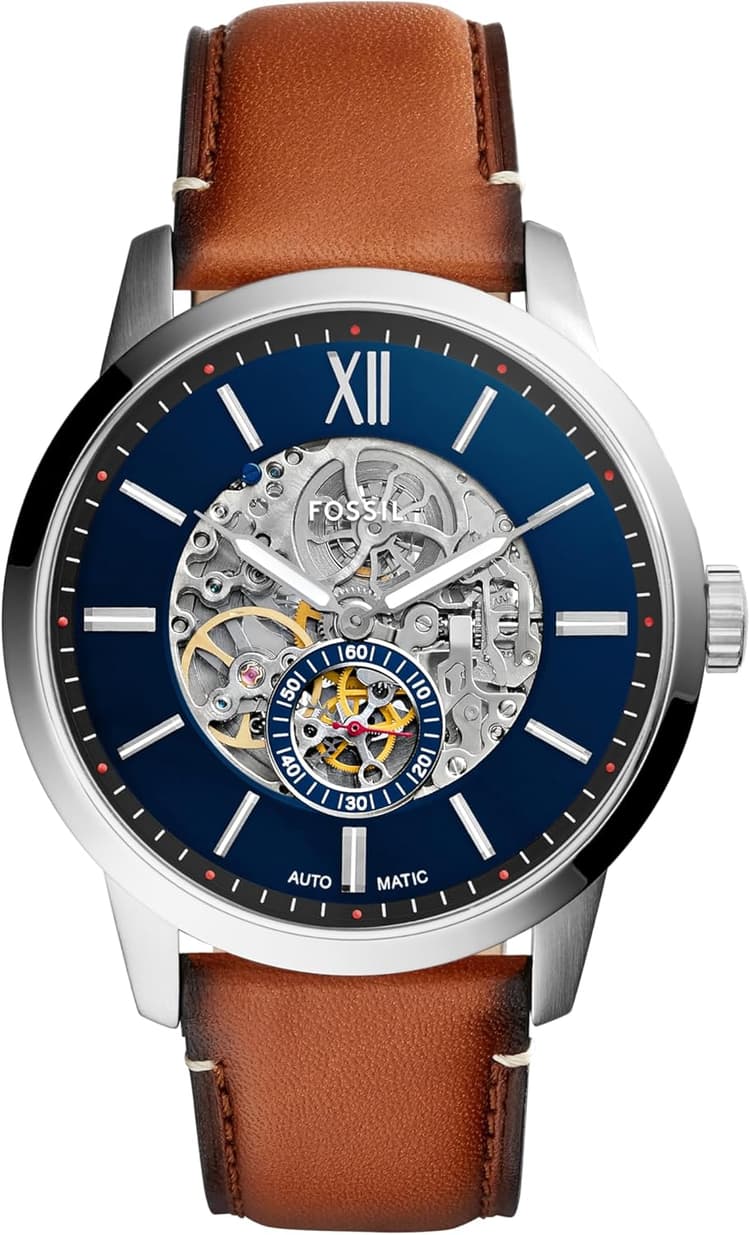
Fossil
$273.83
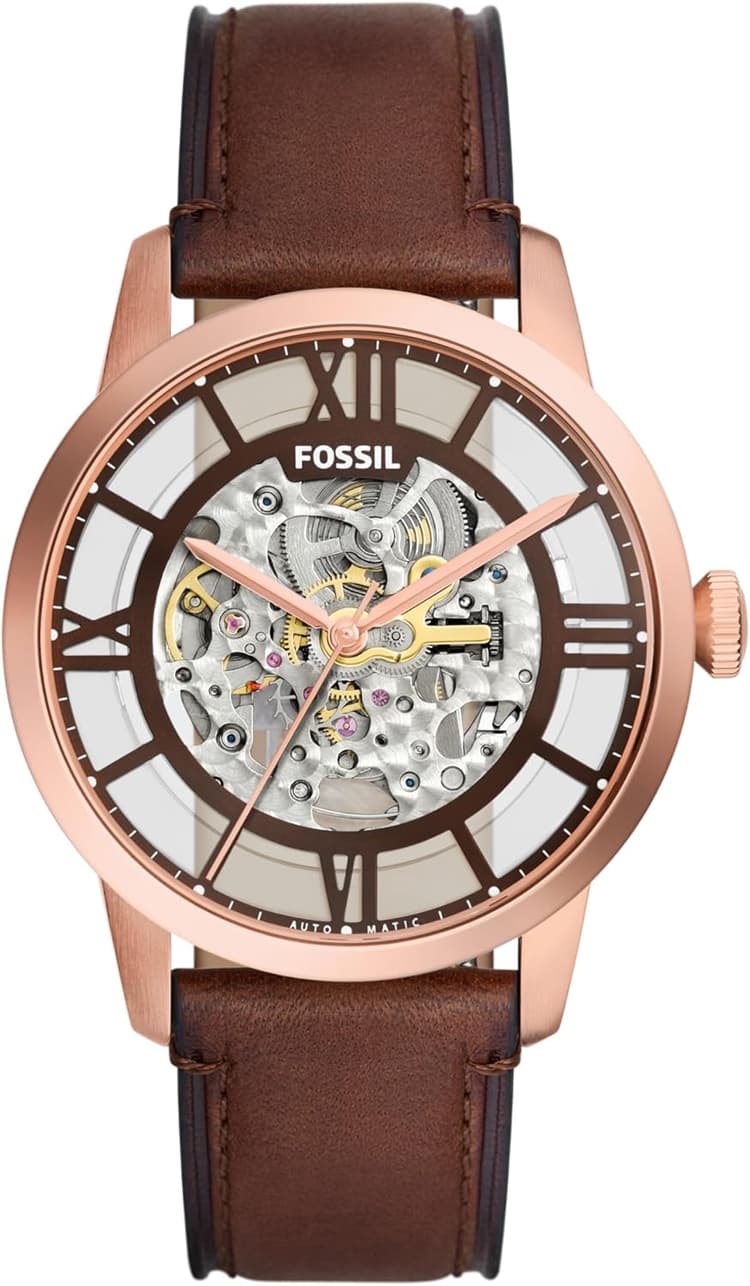
Fossil
$250.00
$280.00
-11 %
*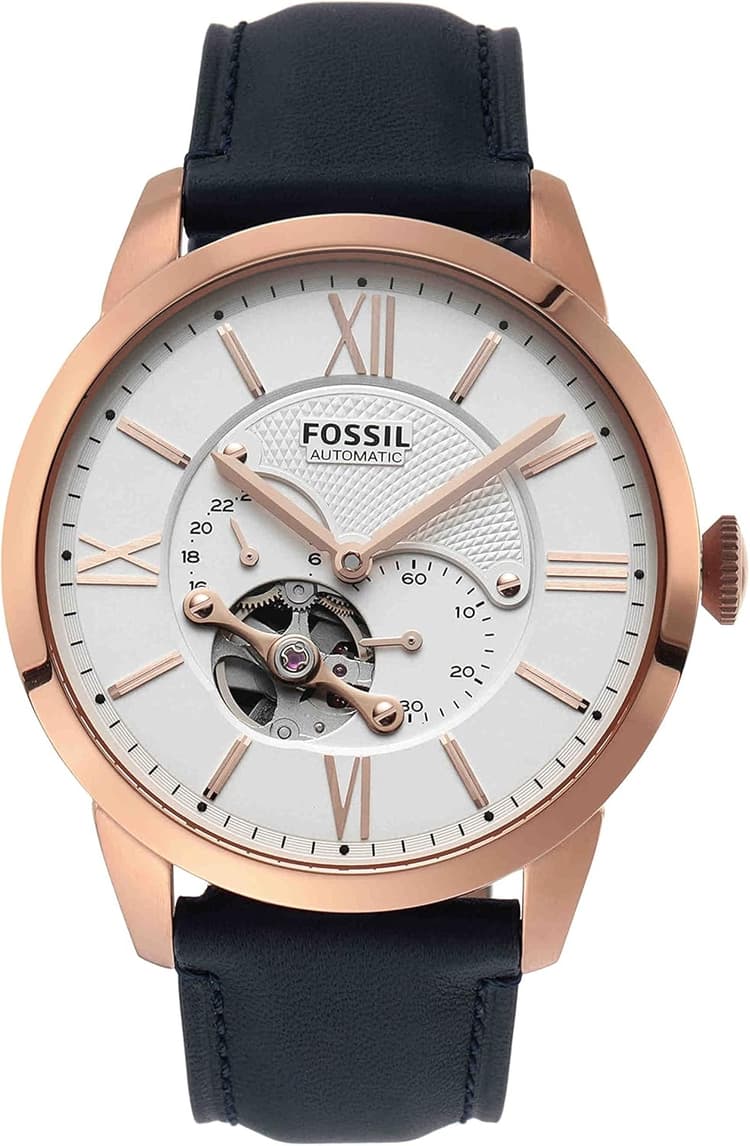
Fossil
$137.95
$240.00
-43 %
*Summary. Krayon’s PAC‑MAN is a surprising execution of a solar complication: the watch replaces the classical sun motif with the iconic yellow sprite to show sunrise/sunset via mechanical display. The release shows how a highly technical movement can be re‑imagined for artistic language without altering its core mechanics.
Movement & ambition. The piece runs on the hand‑wound Caliber C030, a >400‑component engine delivering a stated 72‑hour reserve. Technically it’s a mature iteration of Krayon’s Anywhere/Everywhere architecture: bespoke cams cut to specific latitudes, planetary gearing and stacked sapphire discs. The manual wind emphasizes haute‑horlogerie intentions and tactile ownership.
Who it’s for, and why. This is not a mass‑market watch: 15 platinum commissions calibrated to a client’s coordinates. Collector value lies in:
Technical and practical implications. Mechanically, the piece proves complexity can be purposeful and readable. Practically, servicing is bespoke: unique cams and integrated modules require Krayon‑trained watchmakers, meaning higher costs and long lead times.
Bottom line. Krayon’s PAC‑MAN isn’t a radical new mechanism so much as an imaginative repurposing of an advanced complication. It highlights independents as idea labs for movement architecture and shows mechanical design can communicate narrative and craft as clearly as it does precision.
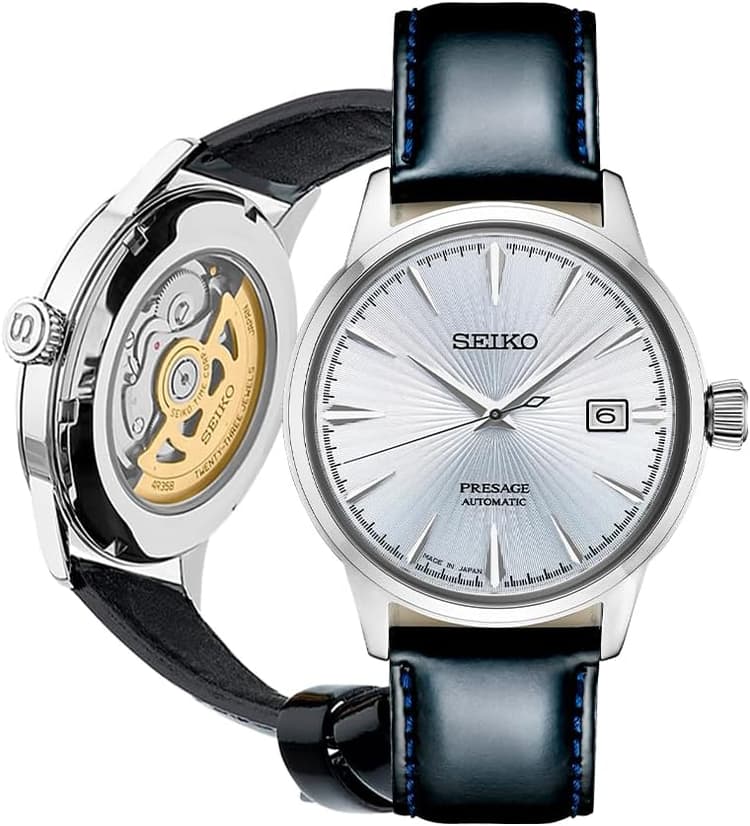
SEIKO
$345.00

SEA-GULL
$235.00
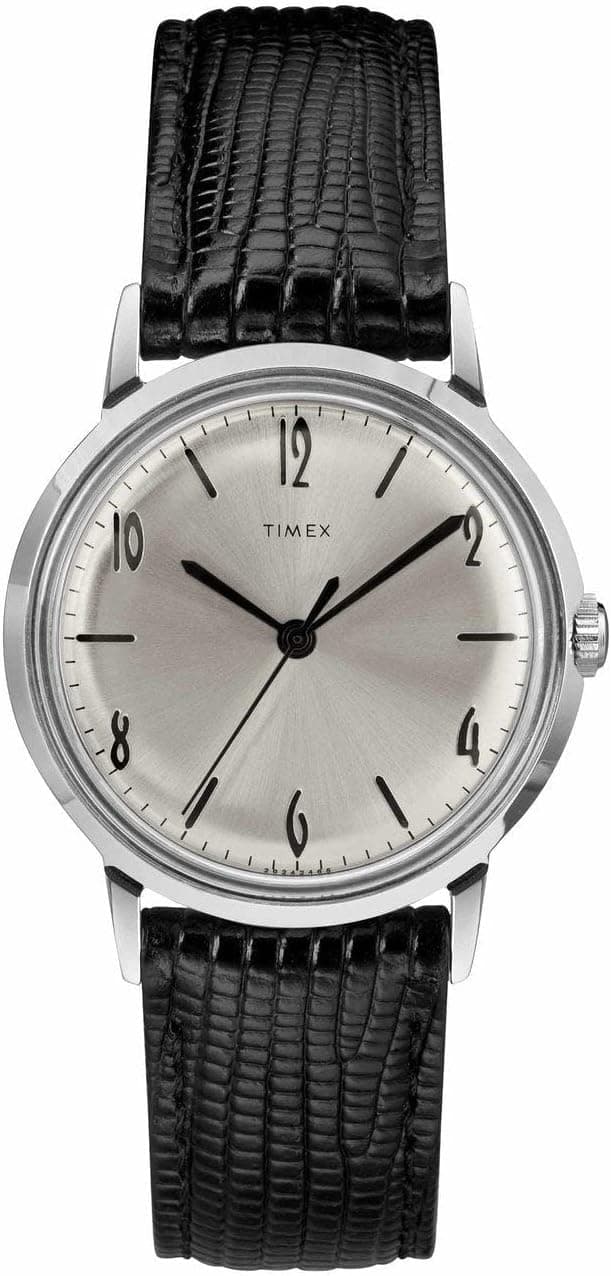
Timex
$209.00
$249.00
-16 %
*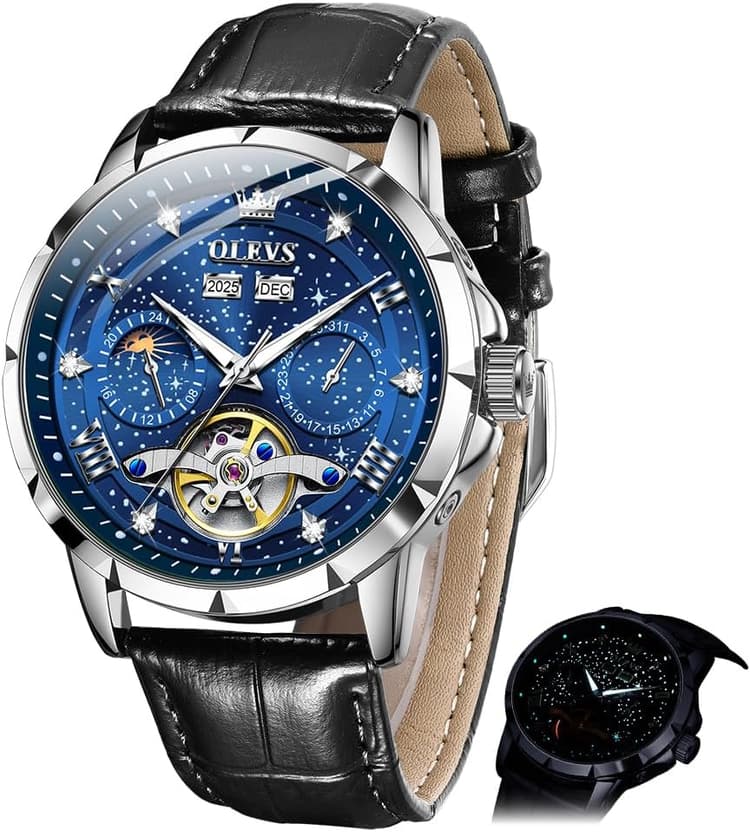
OLEVS
$137.00
$844.00
-84 %
*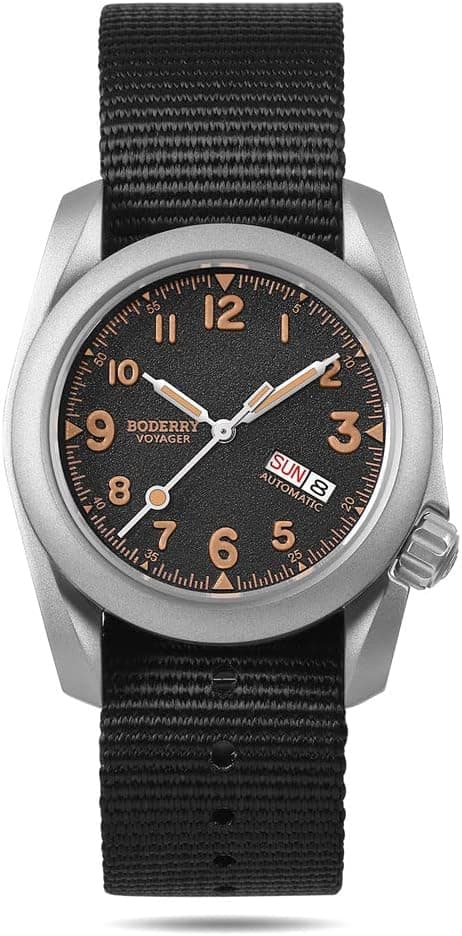
BODERRY
$129.00
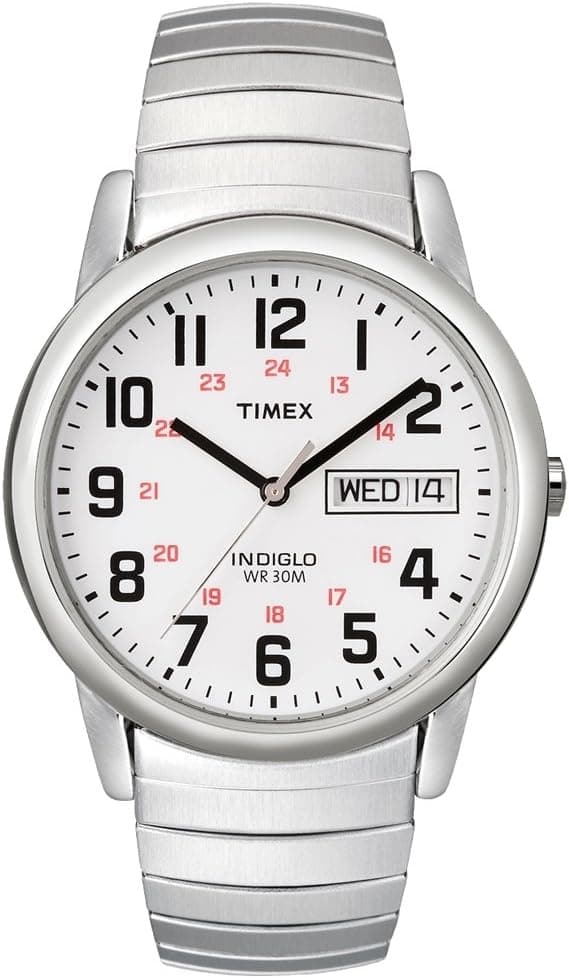
Timex
$51.92
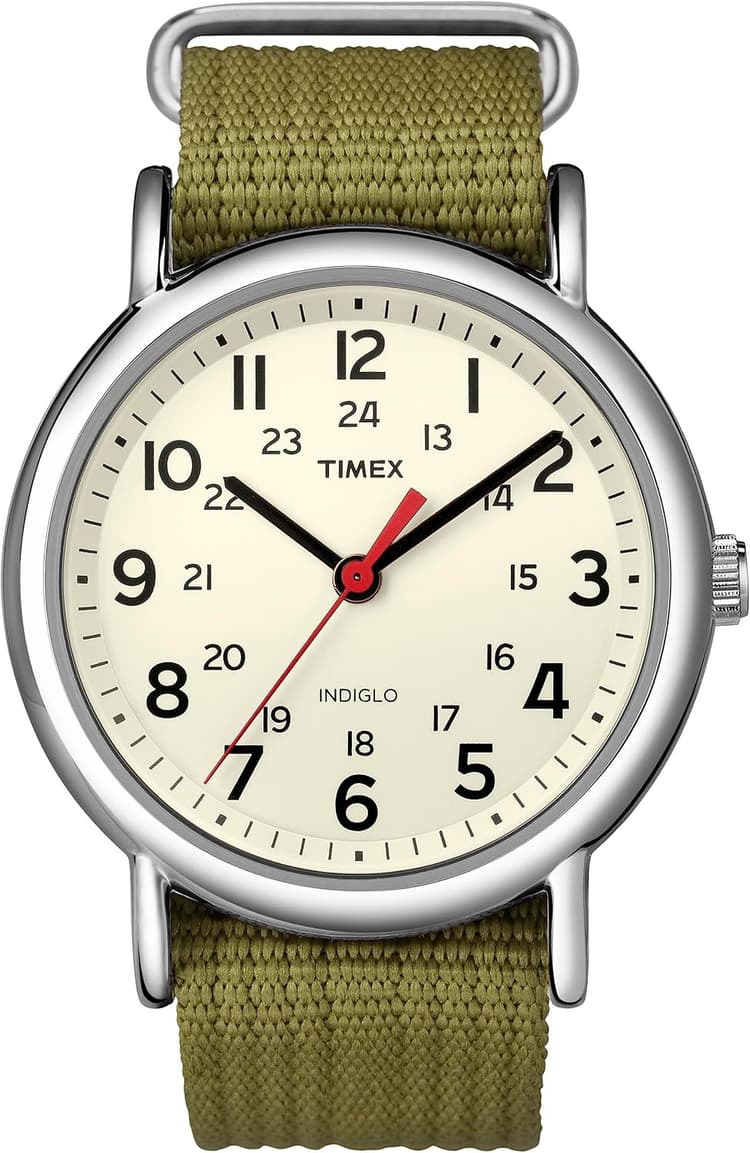
Timex
$45.25
$63.00
-28 %
*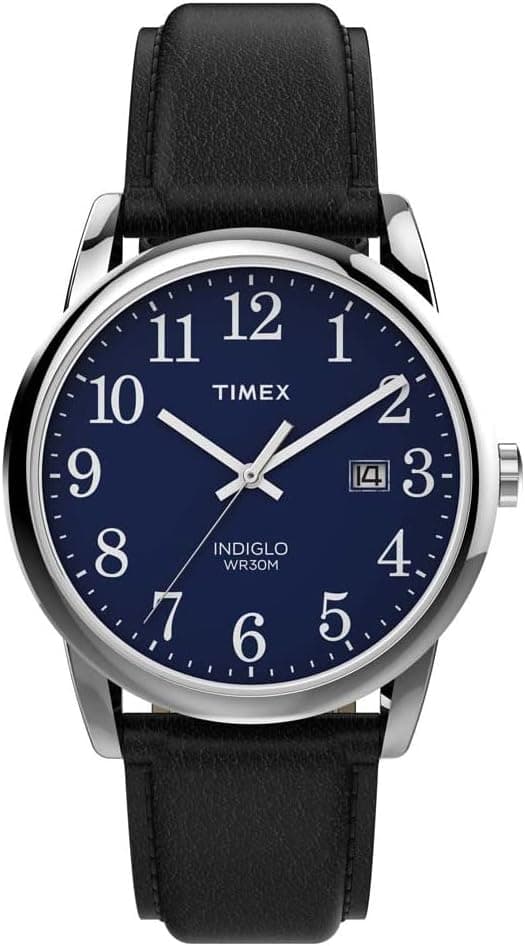
Timex
$44.92
$62.00
-28 %
*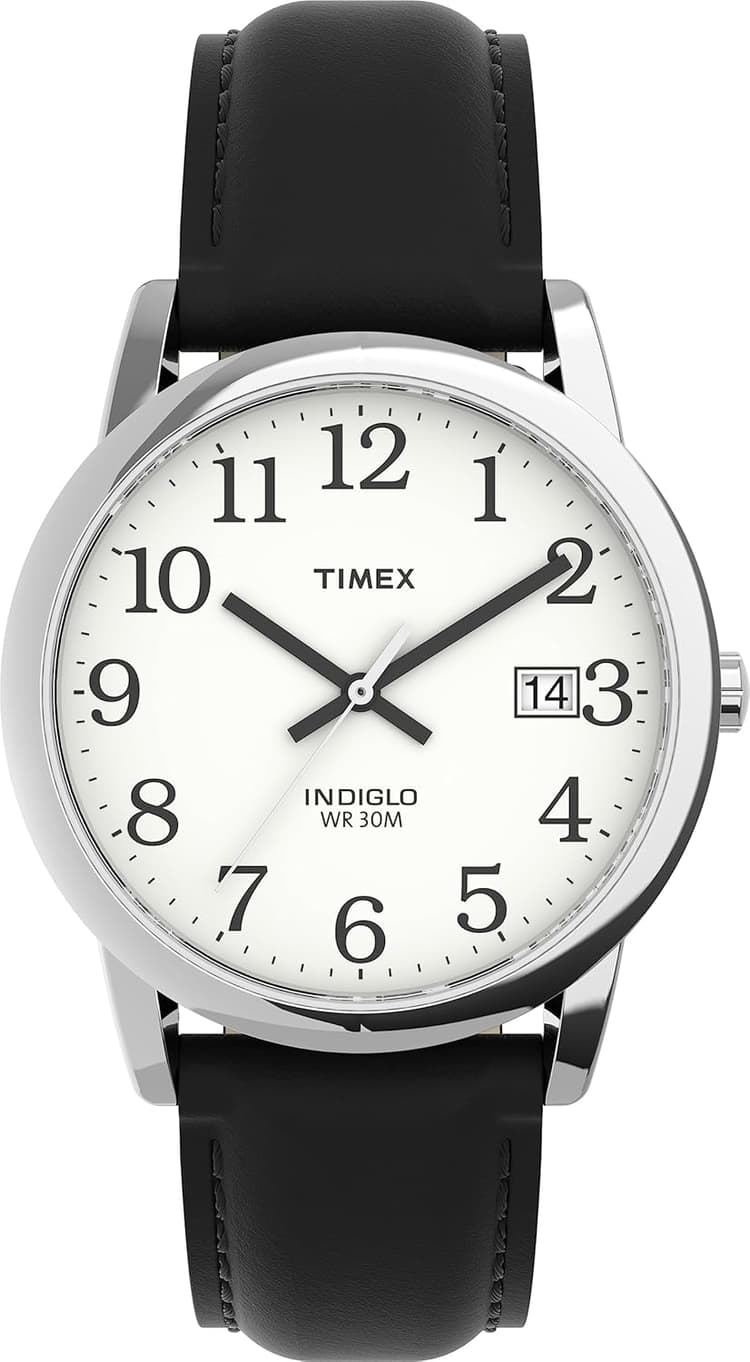
Timex
$37.30
$59.00
-37 %
*
Boyarca
$36.99
FORSINING
$34.99
FORSINING
$28.99
Key points. Omega introduced the new Constellation Observatory line, notable as the first two‑hand collection to achieve Master Chronometer certification tested at the new Laboratoire de Précision. The technical story behind calibres 8914/8915 (Grand Luxe variants) — finishing, certification strategy and industry implications — is worth unpacking.
Technique & certification. The new calibres build on Omega’s 89xx architecture but were adjusted for a seconds‑less display, prompting a rethink of certification protocols. Omega describes acoustic‑based continuous testing (Dual Metric Technology) across 25 days; importantly, testing applies to the fully assembled watch, not merely the movement, diverging from traditional COSC practices. Results include tight tolerances and METAS‑level magnetic resistance up to 15,000 Gauss.
Buyer impact.
Market stance. The Constellation Observatory reflects Omega’s move to invest in proprietary testing to differentiate its manufacture calibres. It’s an industrially pragmatic — and defensible — move given market demand for measurable performance.
Bottom line. Omega’s technical initiative ties certification to the finished watch, elevating the practical value of its in‑house calibres. For demanding buyers, it’s a clear emphasis on chronometric performance and real‑world robustness.
Fossil
$273.83
Fossil
$250.00
$280.00
-11 %
*
SEIKO
$185.99
SEIKO
$174.99
Quick brief. Bamford’s collaboration with J. Press yields a 100‑piece B80 limited edition powered by the Sellita SW300‑1. The release typifies microbrand strategy: pairing a themed design with a robust third‑party caliber to keep price and serviceability attractive.
Movement technicals. The Sellita SW300‑1 (a 2892‑A2 platform) is thin and efficient: 28,800 vph and about a 56‑hour power reserve as reported. Its slim profile enables thinner cases and improved ergonomics — a virtue in dressier watches — while retaining wide after‑sales familiarity.
Customer value. The collaboration balances niche aesthetics (Ivy League dial) with a proven movement, so buyers get:
Commercial read. Creative partnerships reduce R&D burden on movement development while delivering distinct product identity. Bamford’s use of the SW300‑1 mitigates logistical risk; for customers, it means a characterful watch without the premium of a manufacture calibre.
Bottom line. The B80 J. Press shows you can combine distinct styling with practical movement choices. The Sellita calibre keeps the watch serviceable and durable, ideal for buyers seeking style without the servicing headaches of a proprietary movement.
Timex
$32.43
$38.18
-15 %
*
Timex
$39.99
$67.00
-40 %
*
FORSINING
$59.99
Timex
$86.76
$140.00
-38 %
*Invicta
$90.52
$97.99
-8 %
*
RELIC
$100.35
$155.00
-35 %
*
RATIO
$105.00
$110.00
-5 %
*
Fossil
$135.45
$250.00
-46 %
*Fossil
$137.95
$240.00
-43 %
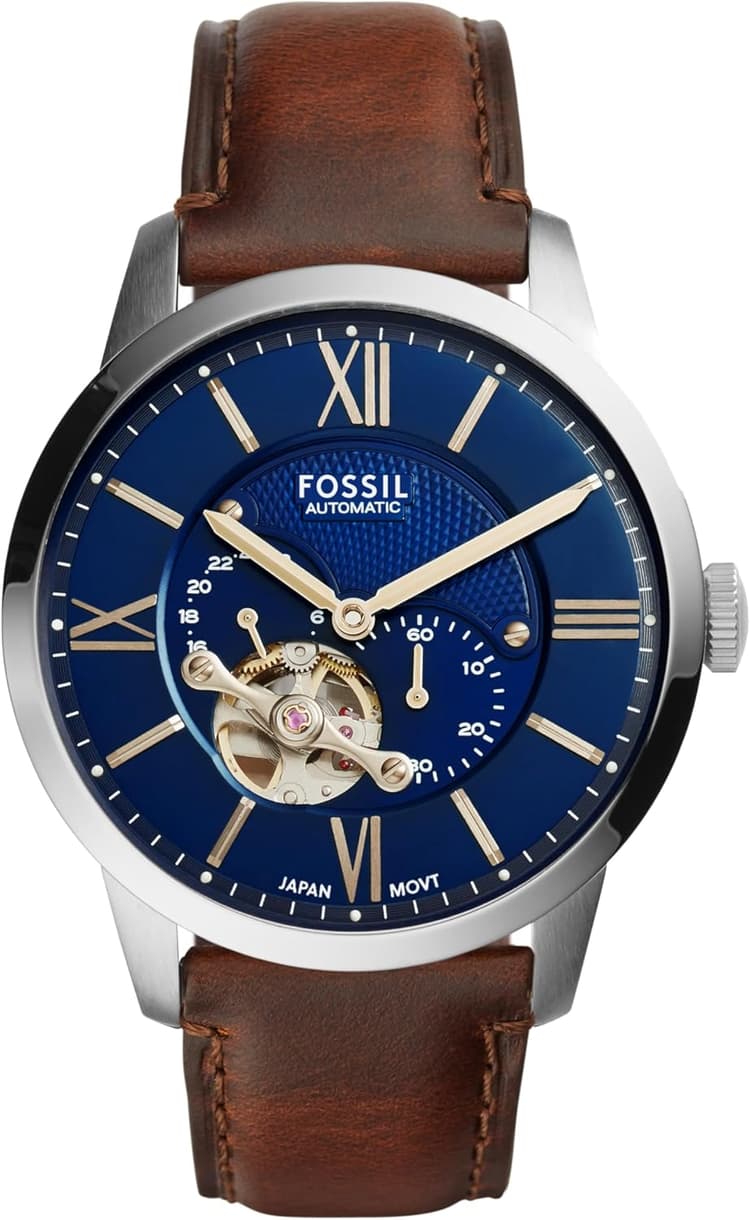
*
Fossil
$164.95
$240.00
-31 %
*SEIKO
$174.99
SEIKO
$185.99
Summary. Yema expands its Superman line with the MoonTide CMM.11, a titanium limited edition hosting the in‑house CMM.11 caliber. The movement claims a 70‑hour reserve and chronometric precision, signalling Yema’s move toward manufacture development rather than relying solely on outsourced calibres.
Caliber features. The CMM.11 is an automatic 4 Hz movement tailored for sporty duty: date function, ~70‑hour reserve, symmetrical finishing and shock protection. For a brand long associated with third‑party movements, investing in manufacture tech is a strategic step — better margin control, tighter QA and product differentiation.
User implications. An in‑house caliber delivers:
Market position. With a reported price near €2,190 on titanium bracelet, MoonTide targets the accessible technical diver niche: lightweight, home‑manufactured movement and solid specs — a convincing package for practical divers.
Conclusion. MoonTide illustrates a broader trend: volume brands building in‑house capability to capture value and credibility. For pragmatic buyers, it’s a well‑engineered modern diver; for collectors, the critical factor will be how Yema supports the movement over time.
Timex
$39.99
$67.00
-40 %
*Fossil
$250.00
$280.00
-11 %
*RELIC
$100.35
$155.00
-35 %
*Invicta
$90.52
$97.99
-8 %
* By Nora Bennett
 By Nora Bennett
 By Mateo Alvarez
 By Nora Bennett
 By Nora Bennett
 By Mateo Alvarez
 By Nora Bennett
We selected articles published between March 23 and March 29, 2026 from specialist sites that report movement technicals and publication dates shown below.
We used only public sources dated March 23–29, 2026. We report dates and specifications as published by the outlets; for purchases or servicing, contact the brand’s official support.
Tests and articles by watch experts, based on technical criteria and side‑by‑side comparisons.
We compare models and features to inform your choice, free from commercial influence.
Guides are regularly updated to reflect new releases and market developments.
We may earn a commission from links to partner retailers; this does not affect our independent analyses.