
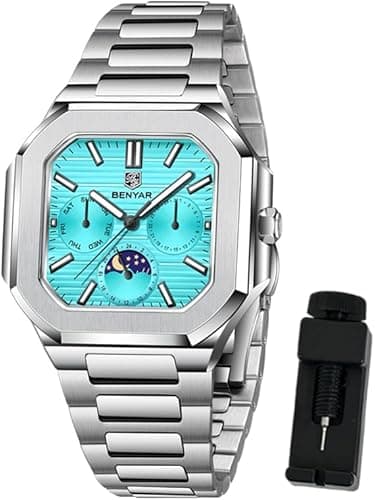
TAYSHILEY
BENYAR Men's Chronograph Watch, Quartz Movement 37mm Stainless Steel Moon Phase Luminous Calendar Waterproof Sports Casual Business Dress Watch, Men's Gift
★★★★☆4
$55.99
*

Deals editor focused on watch bargains, market analysis, and approachable buying advice.

A compact weekly roundup focused on mechanical and electronic heartbeats: new calibres, notable releases that highlight movement choices (quartz, solar, automatic), and what those choices mean for buyers and collectors. Analytical notes and clear context for each development.
Grand Seiko announced smaller, 33 mm versions of its celebrated Snowflake and Skyflake models. The important technical detail is that these compact pieces are powered by a new, compact quartz calibre referenced as 9F51 — an evolution focused on size rather than added complications.
This is a deliberate product and engineering choice: the brand responds to the ongoing micro‑sizing trend without abandoning the Snowflake signature texture or finishing. Using a compact quartz calibre lets Grand Seiko keep dial symmetry and a slim profile, and it also reduces manufacturing complexity compared with downsizing an automatic calibre. For collectors, the 9F51 offers the familiar Super-Quartz accuracy and low maintenance that made the Snowflake appealing to a broader audience.
This move illustrates two concurrent trends in 2026: brands offering smaller sizes to capture a wider wrist demographic, and the continued development of quartz technology positioned as a premium, high-precision alternative to mechanical movements.
TAYSHILEY
$55.99
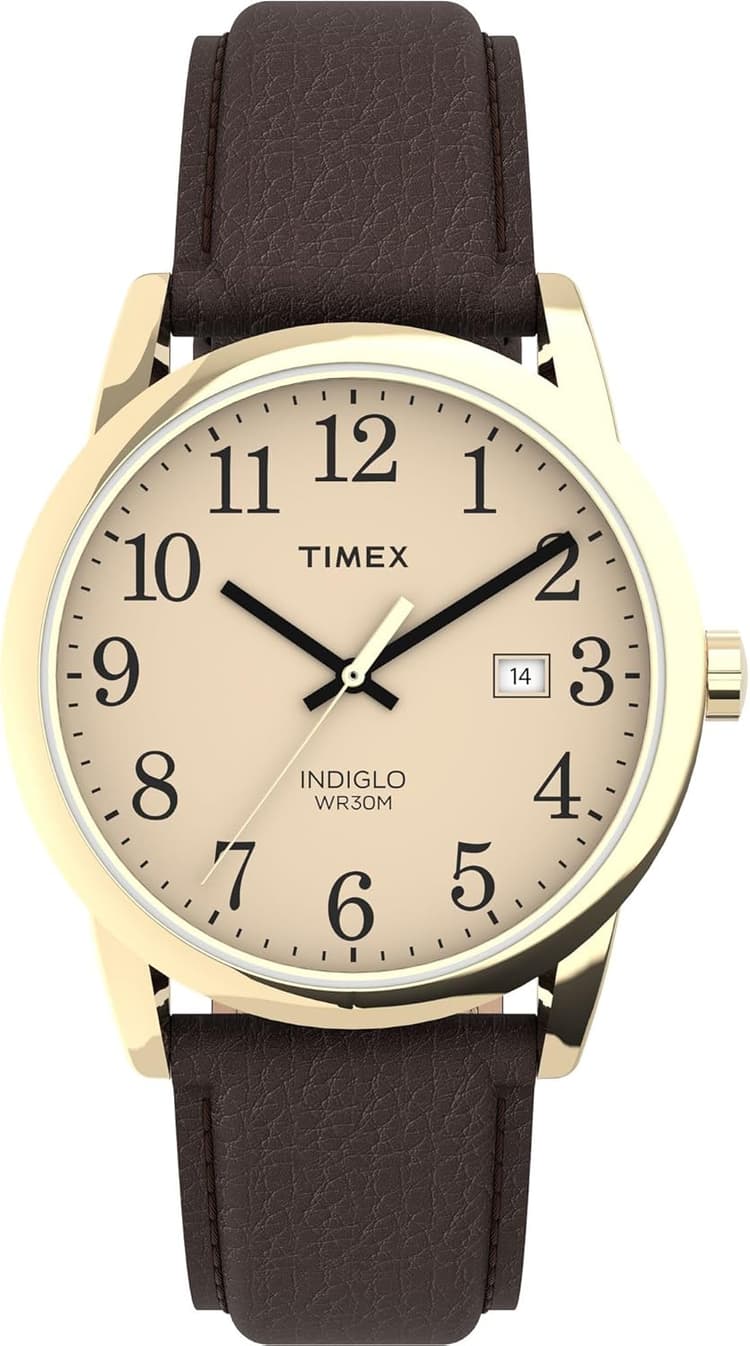
Timex
$48.92
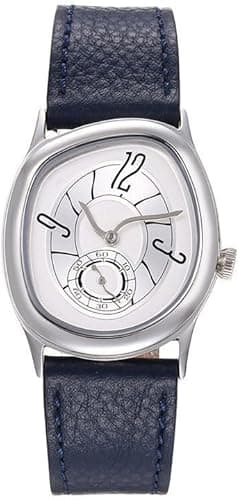
Gosasa
$45.99
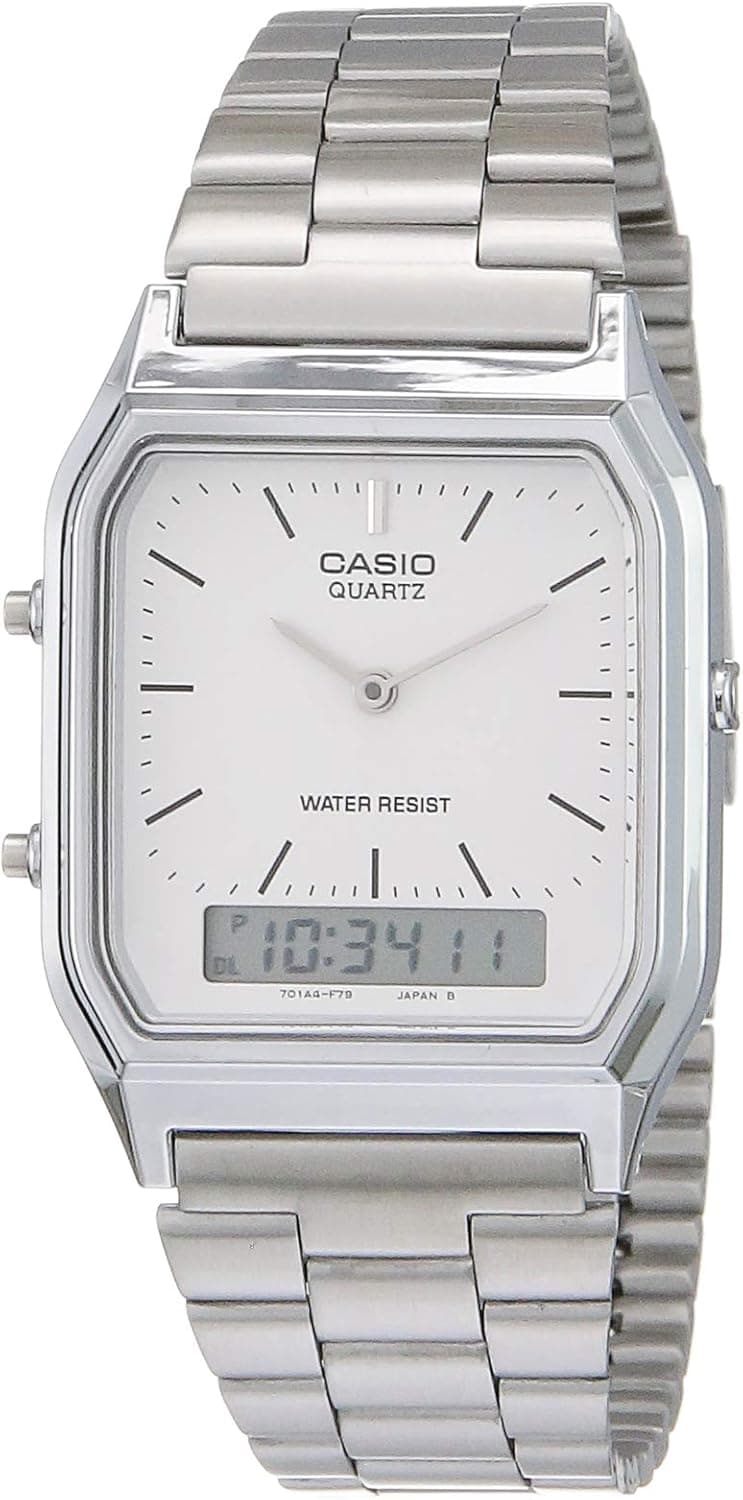
Casio
$44.95
$64.50
-30 %
*Citizen unveiled two limited Attesa watches that celebrate both an upcoming lunar eclipse and the 50th anniversary of Eco‑Drive technology. For this release the emphasis is technical: solar-powered Eco‑Drive calibres combined with advanced features such as atomic timekeeping and perpetual calendar functionality in a Super Titanium case.
Citizen’s release is emblematic of the brand’s strategy: use core movement technology (Eco‑Drive) as a platform to layer advanced utility features. The technical coherence between a solar power system and atomic timekeeping positions these models as practical daily instruments rather than purely decorative pieces.
From a movement perspective, these watches highlight the maturity of solar micro‑engineering: efficient energy harvesting, power management and integration with radio-controlled timing are now mainstream on higher-tier releases. For buyers prioritising reliability and low running cost, this is a pertinent option.
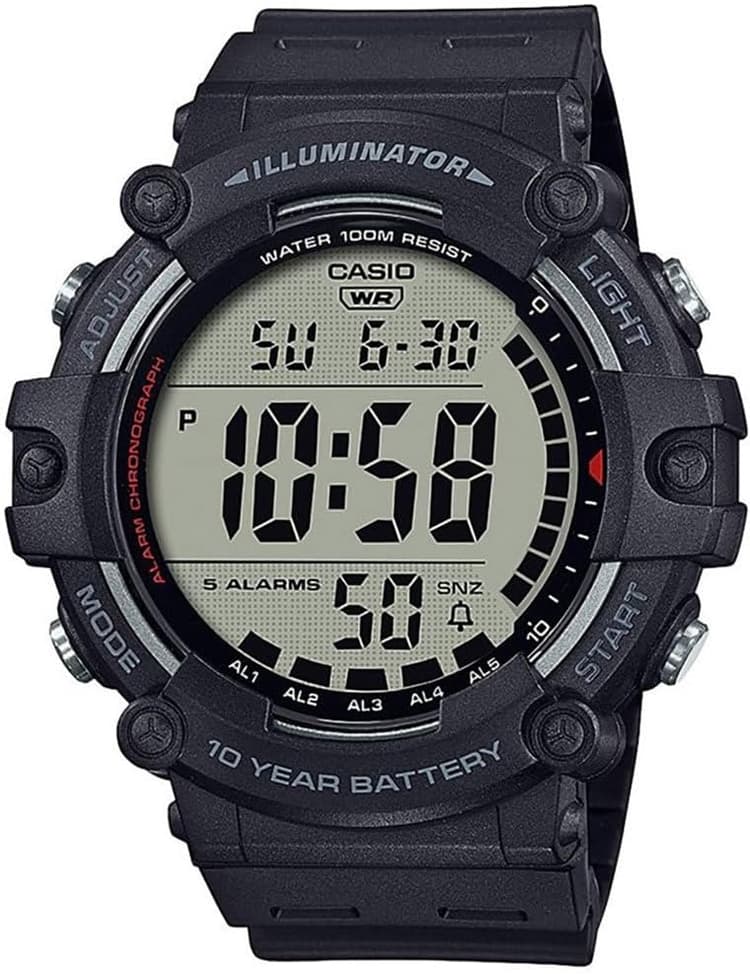
Casio
$27.59
$39.95
-31 %
*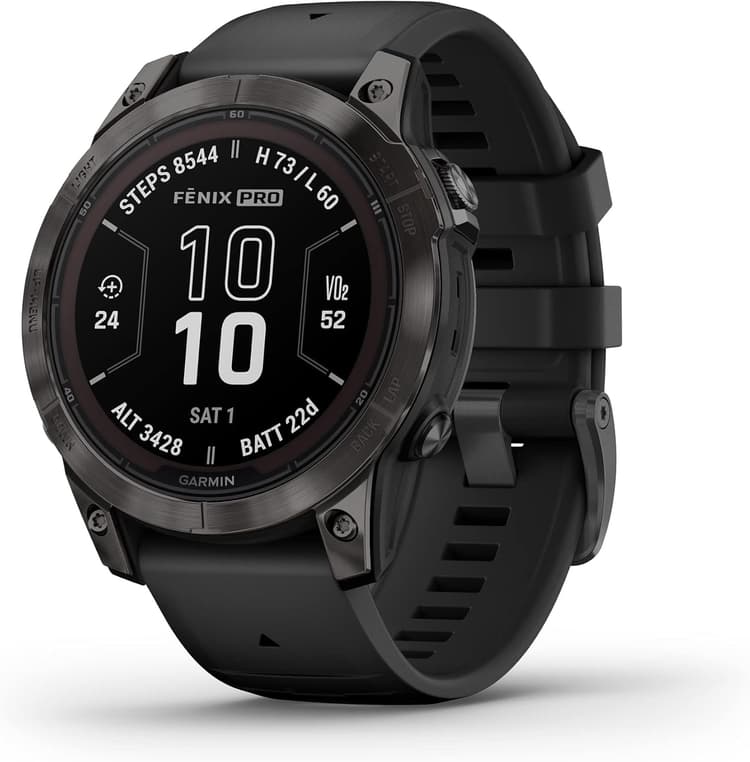
Garmin
$729.00
$899.99
-19 %
*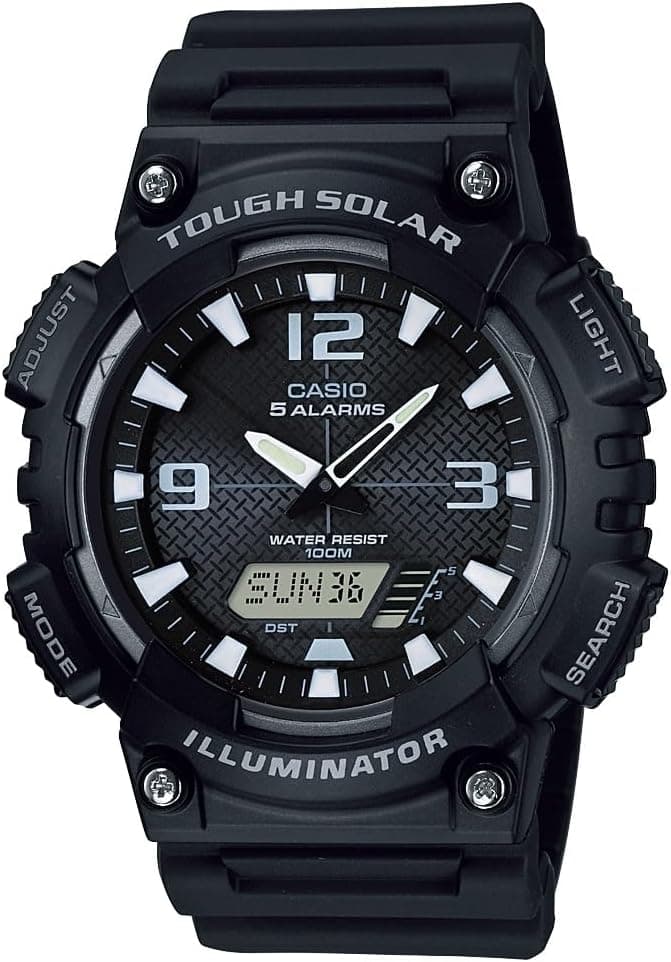
Casio
$51.96
$64.95
-20 %
*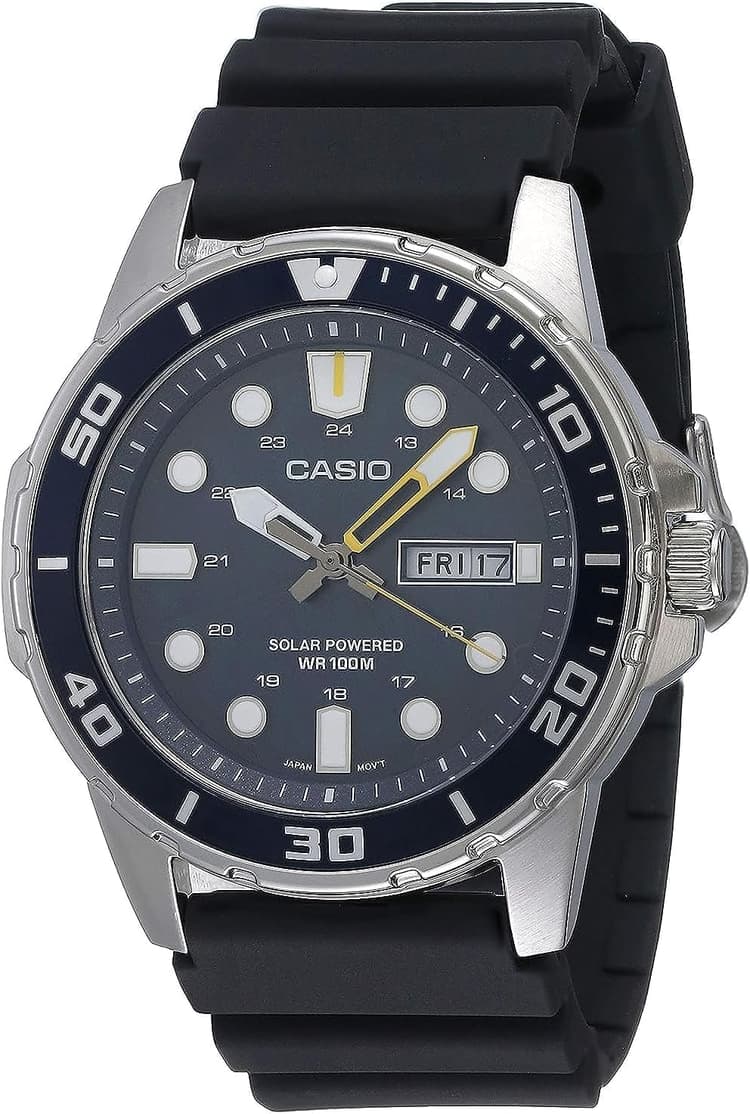
Casio
$107.26
$160.00
-33 %
*
CITIZEN
$135.00
$325.00
-58 %
*
Timex
$49.70
$54.92
-10 %
*
Garmin
$899.99
Timex
$38.60
$57.01
-32 %
*This weekly roundup from Gear Patrol collects 42 recent watch launches across entry-level and haute horlogerie. From our editorial perspective the notable movement-related items in the list are:
Why this matters: Gear Patrol's survey illustrates the coexistence of movement strategies in 2026. Brands are simultaneously expanding mechanical offerings (refined automatic calibres, compact chronographs) while also iterating on quartz and solar platforms that provide accessible performance. For consumers, the list highlights clear trade-offs between mechanical charm and electronic practicality.
Practical notes:
Overall, the roundup is a useful reference to gauge market emphasis: mechanical innovation remains central at the high-end, while solar/quartz provide practical breadth at accessible price points.
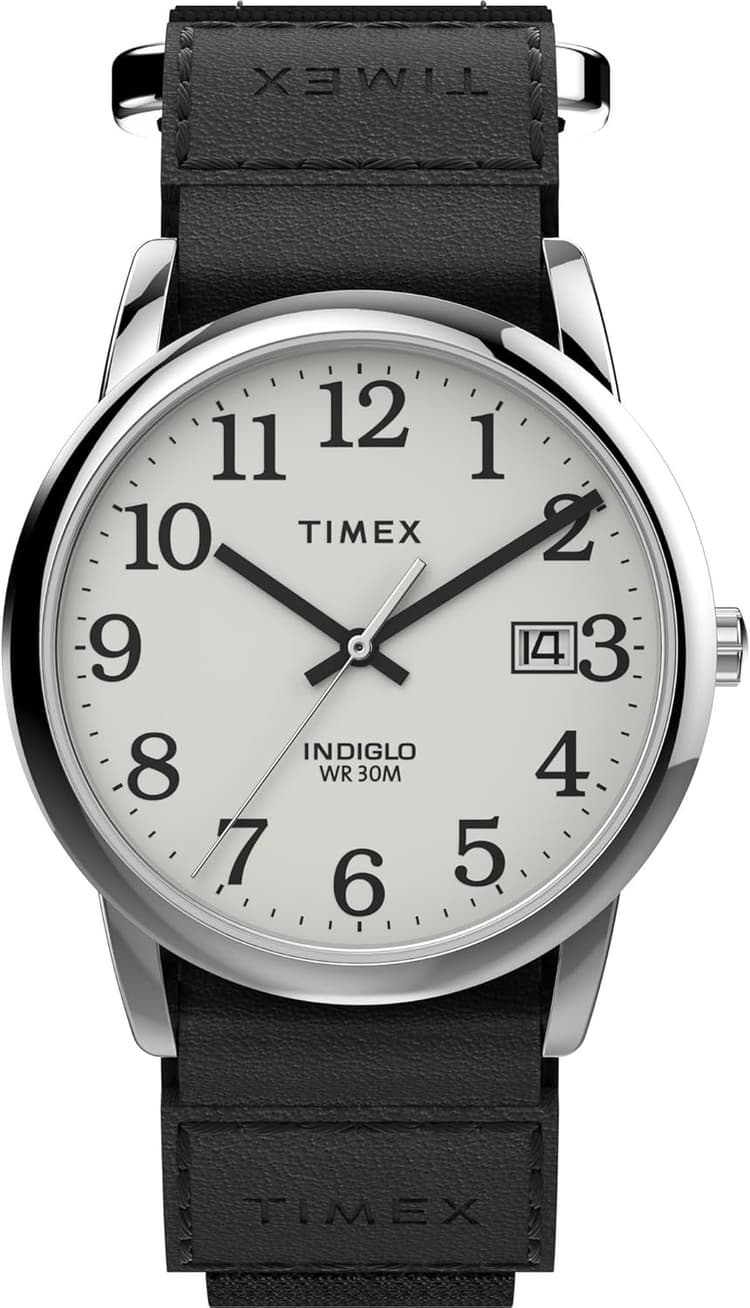
Timex
$39.99
$67.00
-40 %
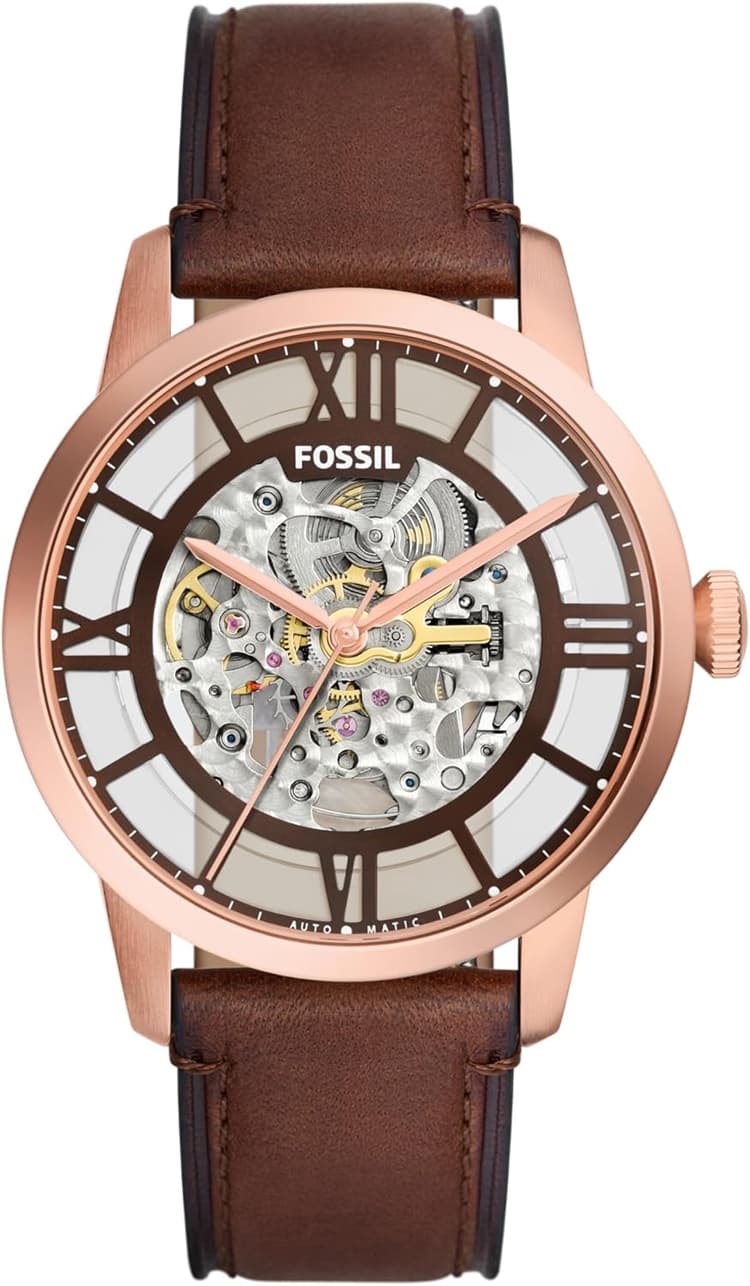
*
Fossil
$250.00
$280.00
-11 %
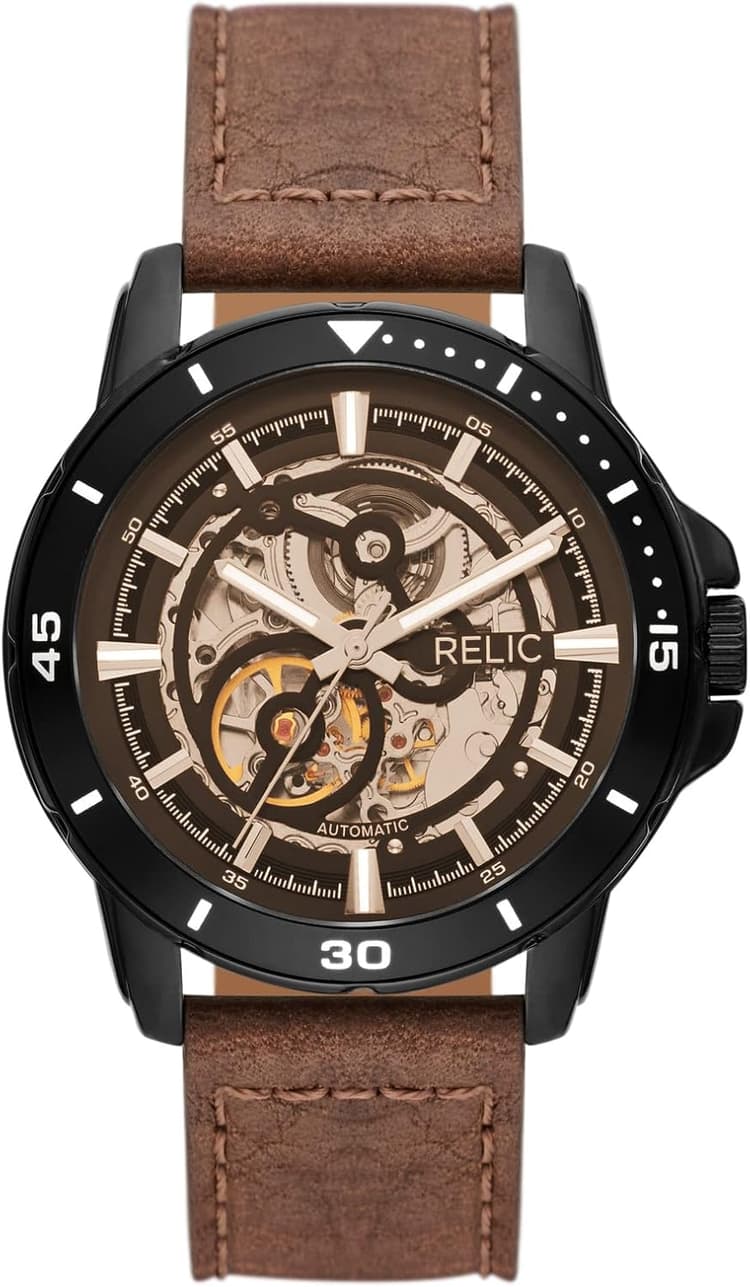
*
RELIC
$100.35
$155.00
-35 %
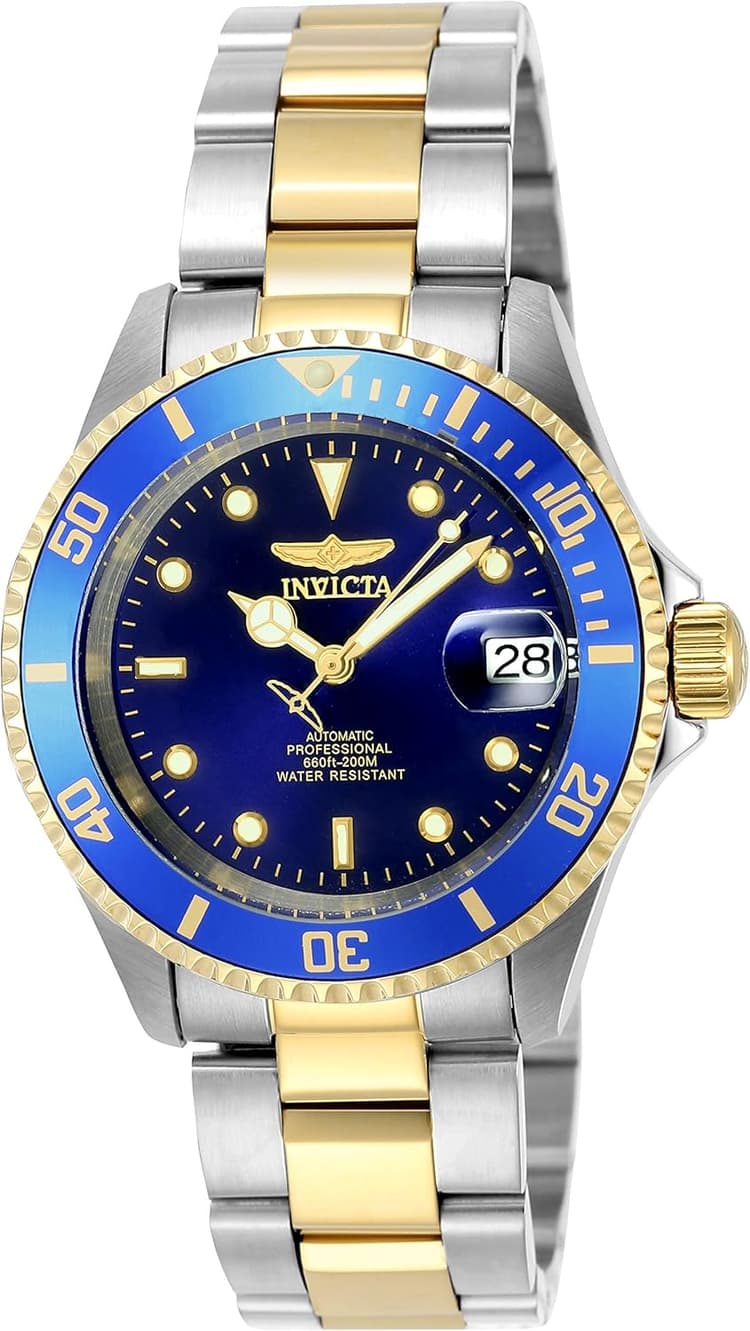
*
Invicta
$90.52
$97.99
-8 %
*NotebookCheck reported the listing of three new Casio Edifice EFR-574 models on Casio's global site. The technical angle is straightforward: these are quartz chronographs with tachymeter bezels and day/date displays, positioned as affordable sport watches.
Highlights:
Why movement choice matters here
Casio's strategy is to deliver robust, accurate quartz chronographs at accessible prices. For buyers who need stopwatch functionality and consistent timekeeping with minimal upkeep, a quartz EFR remains among the most pragmatic options: inexpensive servicing, high durability, and good battery life.
Practical considerations
Bottom line
This release is a reminder that quartz chronographs still dominate the practical mid-range segment. They represent a clear value proposition versus mechanical chronographs for everyday timing tasks.
LN LENQIN
$9.99
$19.99
-50 %
*
LN LENQIN
$9.99
$19.99
-50 %
*
Kakabi
$9.99
TWOPTION
$9.99
NIBOSI
$21.99
Casio
$29.92
$39.95
-25 %
*
BENYAR
$39.59
$43.99
-10 %
*
OLEVS
$42.77
$135.77
-68 %
*
OLEVS
$43.77
$130.50
-66 %
*Casio
$44.95
$64.50
-30 %
*Gosasa
$45.99
Timex
$48.92
Fratello's hands-on review details Christopher Ward's new C60 Trident Lumière, a titanium dive watch notable both for its dial technology (heavy use of Globolight luminous elements) and its movement: a COSC‑certified Sellita SW300‑1.
Technical features and movement notes:
Why the movement choice is meaningful
Selecting the SW300‑1 (a step up from SW200) gives Christopher Ward chronometer performance at a price point competitive for a 300 m dive watch. For buyers, the implications are clear: you receive verified timing precision and robust serviceability (Sellita movements are widely supported), while the brand can allocate resources to materials and finishing rather than developing an in‑house calibre.
Pros and cons
Conclusion
This release underlines a practical market truth in 2026: brands can combine adopted high-grade calibres with material and dial innovation to produce compelling value propositions.
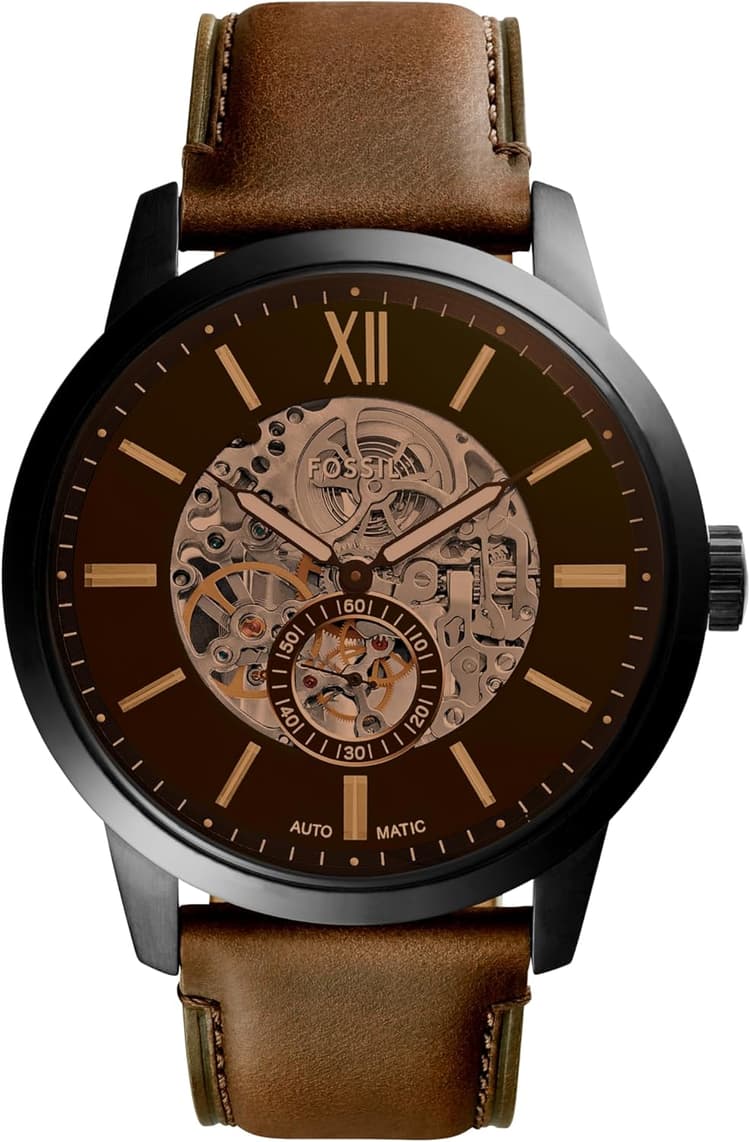
Fossil
$135.45
$250.00
-46 %
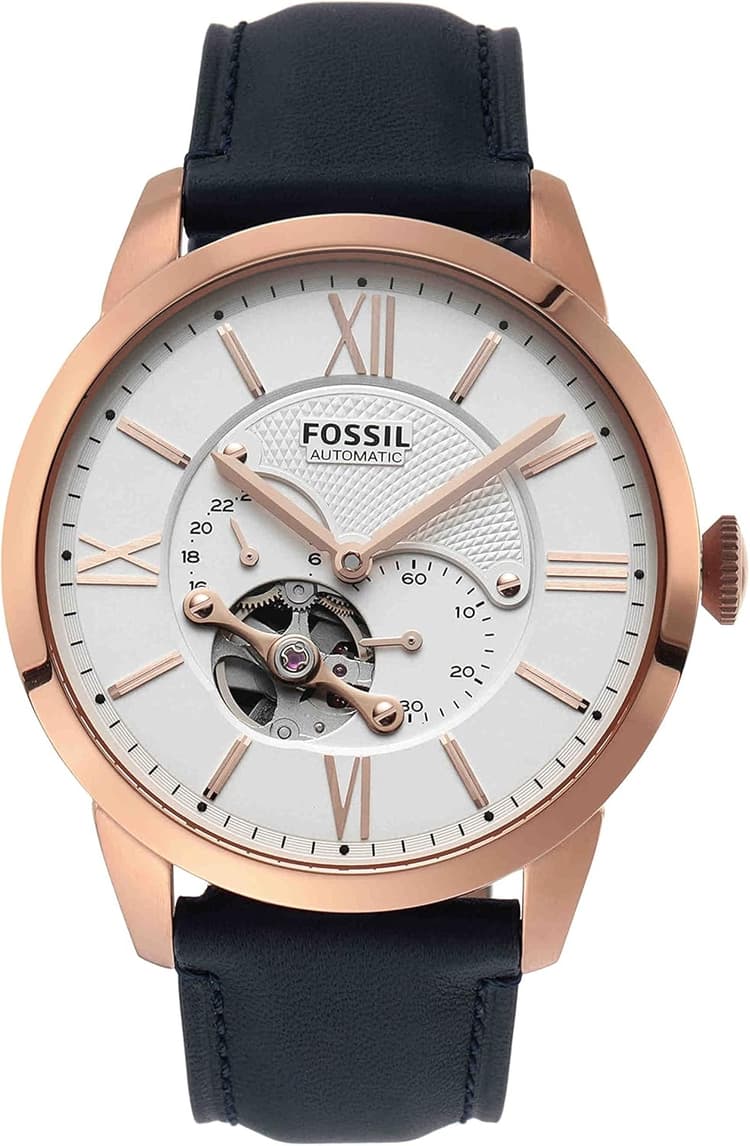
*
Fossil
$137.95
$240.00
-43 %
*Timex
$39.99
$67.00
-40 %
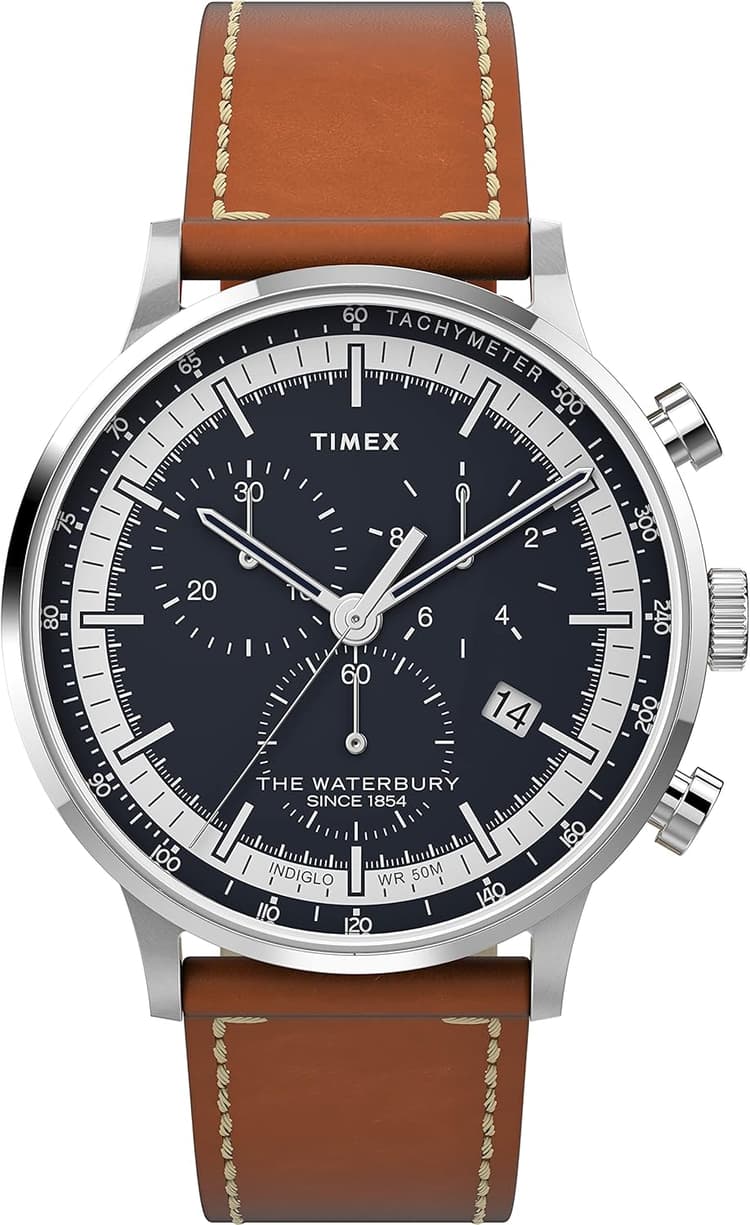
*
Timex
$86.76
$140.00
-38 %
*Wallpaper* covered Bad Bunny's choice of an Audemars Piguet Royal Oak Selfwinding in 18-carat yellow gold during the Super Bowl halftime show. While the article is cultural in tone, the watch itself is a technical statement: a self-winding automatic calibre inside a luxury integrated bracelet case.
Observations from an movements perspective:
Practical considerations for buyers:
In short, the piece is a reminder that mechanical calibres retain cultural value beyond pure technical metrics — and that momentary visibility can influence market dynamics.
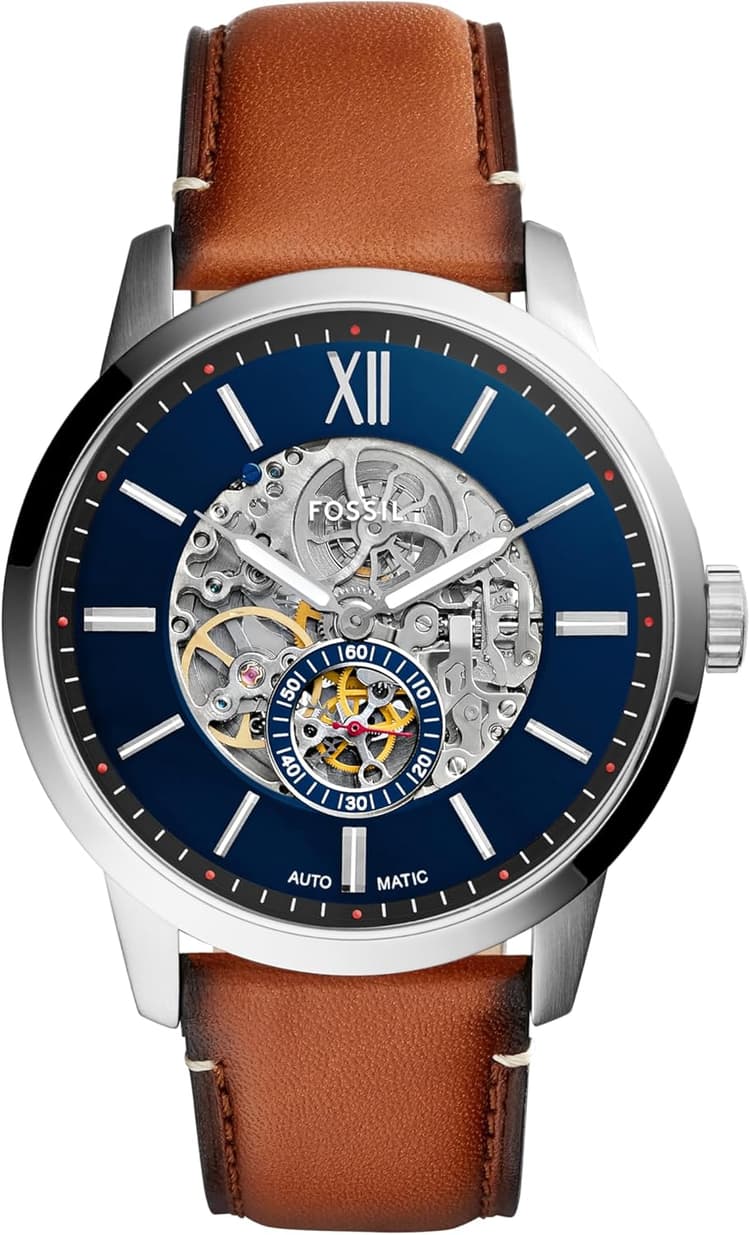
Fossil
$273.83
Fossil
$250.00
$280.00
-11 %
*
SEIKO
$185.99
SEIKO
$174.99
Fossil
$164.95
$240.00
-31 %
*Fossil
$137.95
$240.00
-43 %
*Fossil
$135.45
$250.00
-46 %
*
RATIO
$105.00
$110.00
-5 %
*RELIC
$100.35
$155.00
-35 %
*Invicta
$90.52
$97.99
-8 %
*Timex
$86.76
$140.00
-38 %
*
FORSINING
$59.99

 By Nora Bennett
 By Nora Bennett
 By Nora Bennett
 By Mateo Alvarez
 By Nora Bennett
 By Nora Bennett
 By Nora Bennett
All items below were published between 2026-02-09 and 2026-02-15. Each entry was consulted to extract movement-related facts, publication dates and technical details.
This page summarises third‑party reporting for the week 2026-02-09 → 2026-02-15. We do not invent specifications or prices; technical details are taken from the cited sources. Product suggestions are editorially derived for discovery and may link to affiliate partners on the publisher site.
Tests and articles by watch experts, based on technical criteria and side‑by‑side comparisons.
We compare models and features to inform your choice, free from commercial influence.
Guides are regularly updated to reflect new releases and market developments.
We may earn a commission from links to partner retailers; this does not affect our independent analyses.